
Follow A Forgotten Railroad Track To A Washington Ghost Town Where A Giant Turntable Still Spins
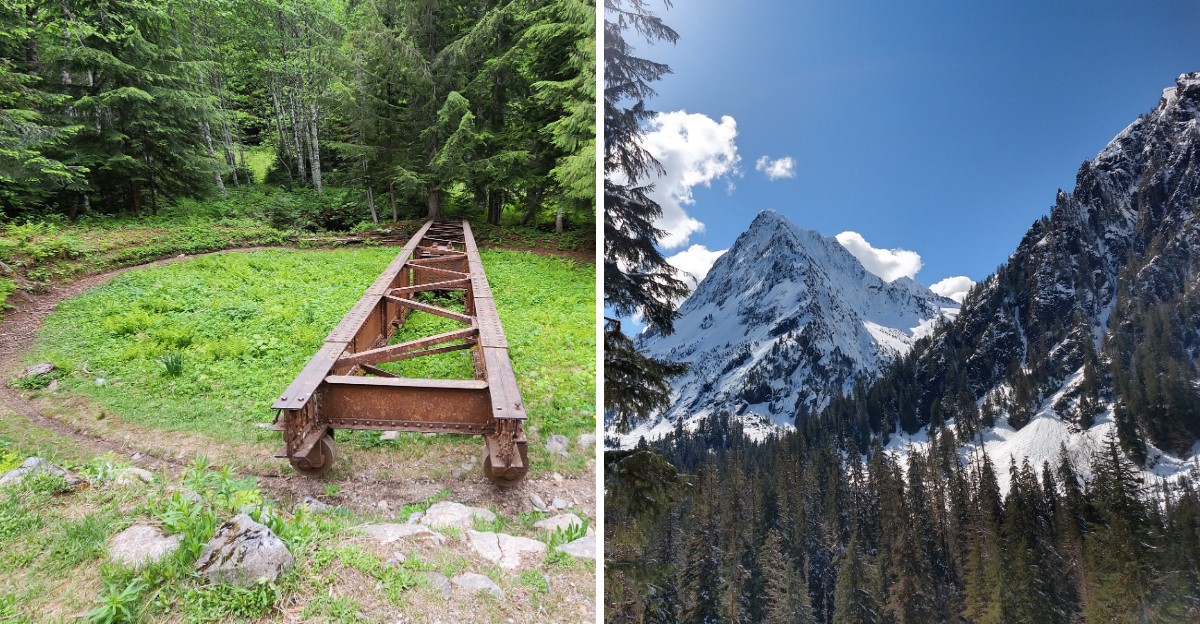
Most railroad relics sit behind ropes. This rusty turntable still spins when visitors push it by hand.
How often does history let you put your shoulder into it? It waits in a Washington mountain town that once held over 1,000 people.
Floods in 2003 and 2006 closed the road to cars. Now the only way in is a gentle trek along an old railway bed.
The round trip covers almost nine miles, and a fallen log crosses the river. Would your kids call that the best part?
Old mill ruins, a crumbling hotel, and a lonely headstone wait at the end. Volunteer signs tell the story of the silver and gold boom.
Few day hikes in Washington pack this much story into one trail. Where does this forgotten track begin?
Meet The Ghost Town At The End Of The Trail
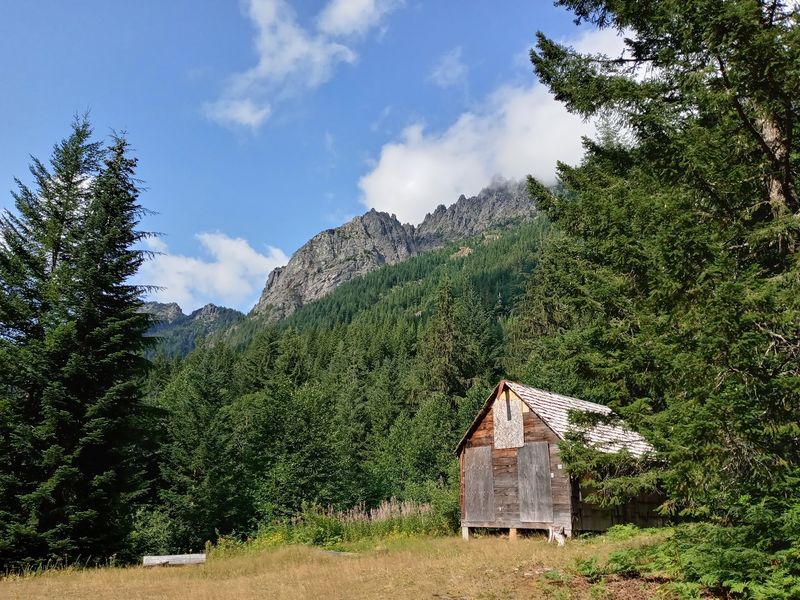
Monte Cristo Ghost Town is a preserved mining site in the Cascade Range of Washington. The U.S.
Forest Service looks after it, with help from volunteers of the Monte Cristo Preservation Association.
Silver and gold ore turned up here in 1889. The town was officially established in 1893, and by 1894 more than 1,000 people lived in the area.
Today the town is mostly ruins, rusted metal, and old building remains. It is a quiet place, and that is part of its charm.
Think of it as an outdoor museum with no ticket booth. You walk in, look around, and let the mountains do the talking.
Volunteers have added signs that explain what you are seeing. They help you tell a mill from a garage, and a hotel ruin from a pile of old boards.
The site is also a natural area preserve, so the goal is to look and learn. Leave everything where you find it so the next hiker can enjoy it too.
Monte Cristo works well for curious families, history fans, and anyone who likes a story with their scenery. Pack your patience and your sense of wonder.
You Will Want To Give That Giant Turntable A Push
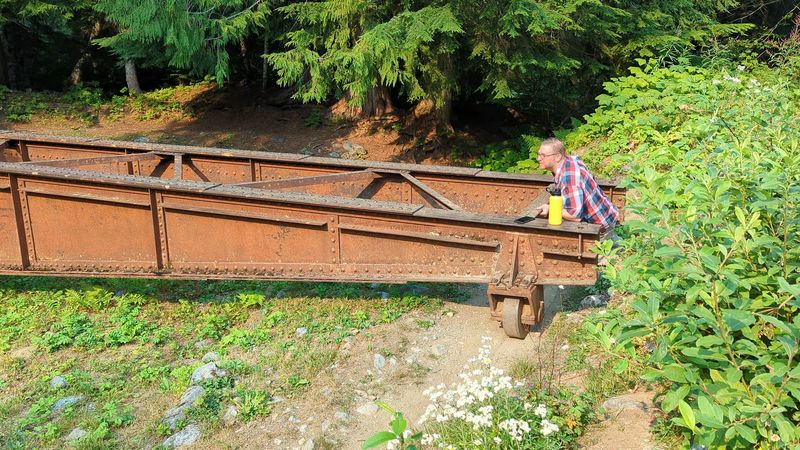
Here is the star of the show. A huge, rusty railroad turntable sits at the townsite, and it can still be turned by hand.
It takes some effort, but it moves. That is pretty wild for a machine that was likely installed in 1893.
The turntable’s job was simple. It rotated locomotives of the Everett and Monte Cristo Railway so they could head back toward Everett.
Think about the size of those engines. Turning one around in a mountain valley took real engineering.
The turntable is considered one of the most significant original pieces of infrastructure left from that era. It is a great photo spot, and a better story to tell later.
Give it a gentle try, and let the kids take turns if they are with you. Stay careful around the heavy metal and watch your fingers and feet.
Then step back and look at the whole thing. Not many railroad relics stay this hands-on after more than a century.
Start At Barlow Pass And Follow The Old Railway Bed
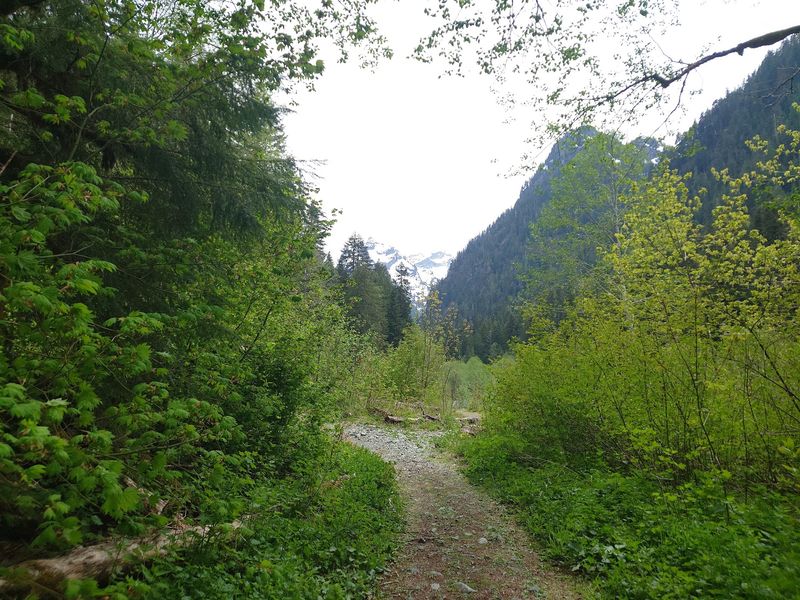
Barlow Pass is where the adventure begins. The trailhead sits on the Mountain Loop Highway in eastern Snohomish County, Washington.
From there, the round trip is about 8.8 miles. That works out to 4.4 miles each way.
Much of the route follows the old road and railway bed. That means the grade stays fairly gentle, and the path feels wide and steady.
The hike is considered moderate and suitable for children. Hikers also describe it as mostly flat, with a few small hills.
Plan on a full outing rather than a quick stroll. One family reported spending six to seven hours with plenty of time to explore.
Parking at the pass requires a day-use fee or a Northwest Forest Pass. Bring one or the other so you do not get a surprise on the windshield.
There is little or no cell service out here, so download a map first. A few small side paths can confuse newcomers near the river bed.
A Fallen Log Is Your Bridge Over The South Fork Sauk
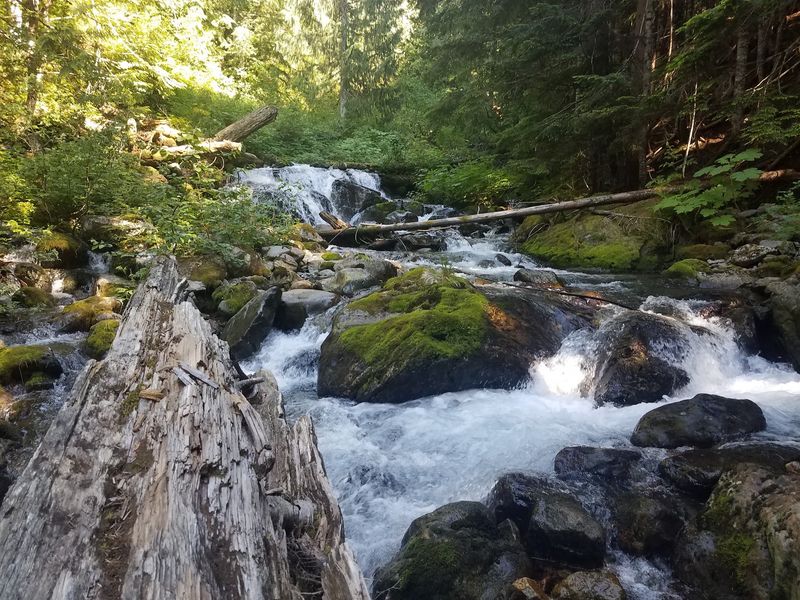
Hikers cross the South Fork Sauk River on a large fallen log. The Forest Service is clear that it is not a bridge.
The Monte Cristo Preservation Association works to maintain the crossing. That is a big help on a trail with no other easy way over.
Kids tend to love this part, and adults might too. It adds a little adventure to a walk that is otherwise gentle.
Take your time and keep your steps steady. Wet wood can be slick, so good shoes matter here.
River levels change with the seasons and the weather. If the flow runs high, the crossing can get harder, so check recent trail reports before you go.
Other hikers have mentioned rocks and logs that help keep feet dry. Look carefully, pick your line, and do not rush.
The trail past the river also has a rutted, washed-out section. Nothing scary, just watch where you plant your boots.
Rails Brought Big Money To A Remote Mountain Valley
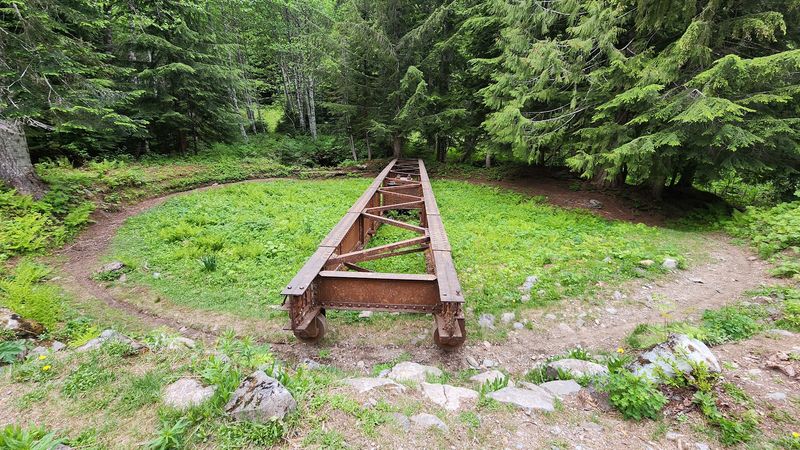
Building a railroad into these mountains was a huge job. Construction on the Everett and Monte Cristo Railway began in April 1892.
The first train arrived in August 1893. Its purpose was to haul ore to a smelter in Everett, Washington.
Eastern financiers backed the venture, including John D. Rockefeller.
That kind of money shows how promising the mines looked back then.
The boom peaked between 1895 and 1897. Miners, builders, and business owners all hoped to cash in on the mountain’s silver and gold.
Floods were a constant problem, though. Major ones in 1897 and 1903 damaged the railroad and the town.
Major mining largely ended by 1907. Some sources point to later endings, including 1912 or 1920 after an avalanche.
Walking the old railway bed makes that history feel close. You are literally following the path the trains once used.
Old Mills, Garages, And Hotel Ruins Tell The Story
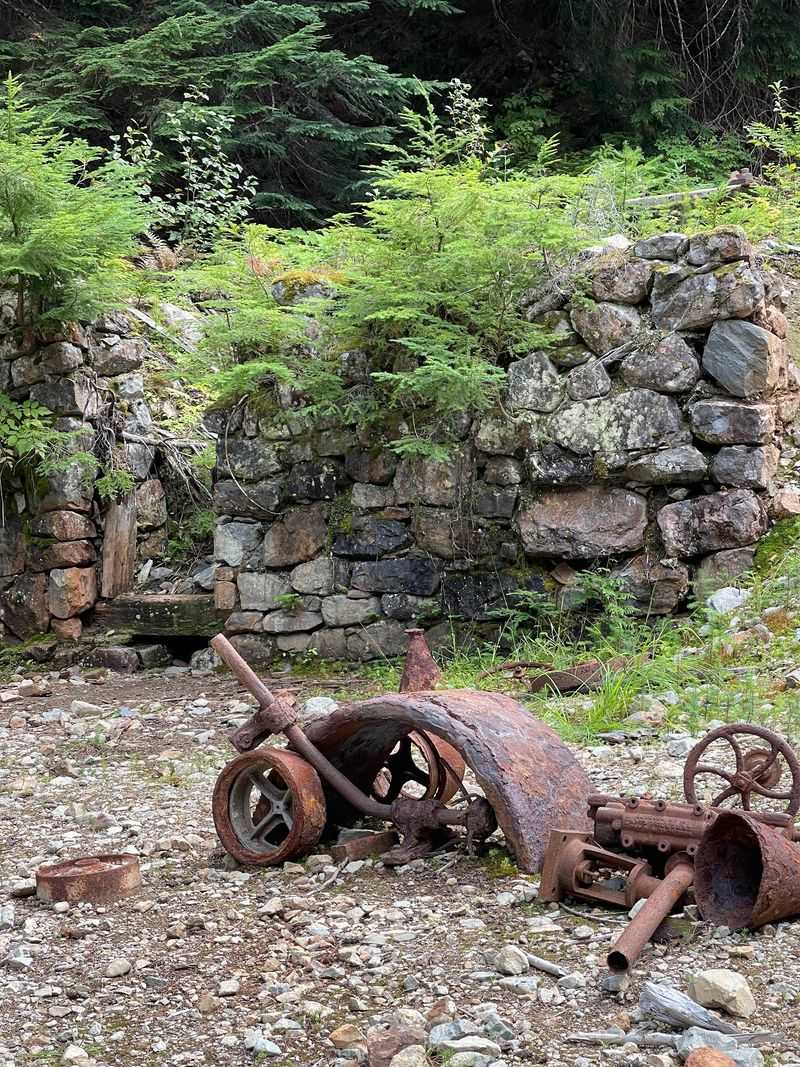
Once you reach the townsite, wander slowly. Stamping mills, a power generator, and the remains of an old garage are among the visible structures.
The ruins of a former hotel are here too. Metal artifacts also turn up around the site, so keep your eyes open.
Volunteers have installed informational signs that add context. Some include historical photos and story points, which helps you picture the busy years.
A cemetery with a single headstone sits on the grounds as well. It is a small spot, but it makes you stop and think.
Friedrich Trump, grandfather of President Donald J. Trump, owned lodging in Monte Cristo during the 1890s.
Most of the really old buildings are long gone. What remains is a mix of cabins, relics, and markers.
Stay on the paths, and leave the relics where they are. These pieces are fragile, and everyone gets to enjoy them only if they stay put.
Plan A Night Under The Cascades At The Campground
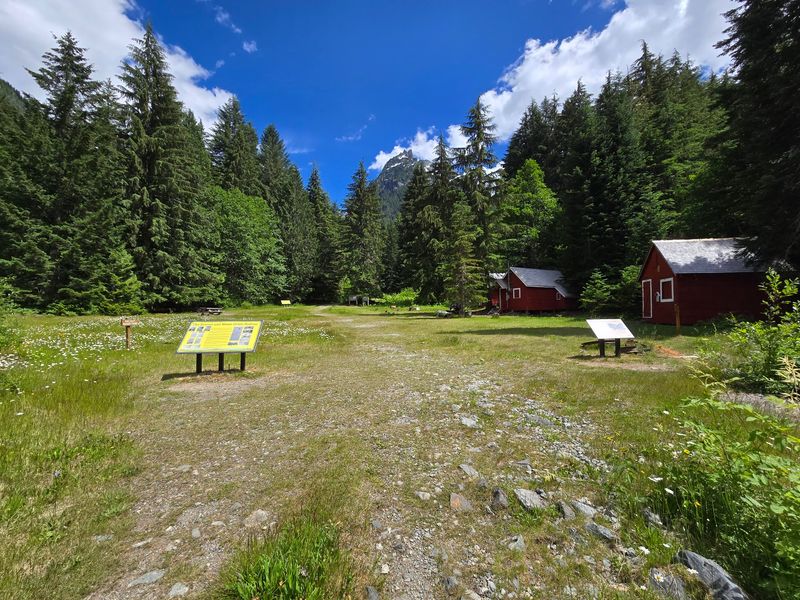
Want more than a day trip? The Monte Cristo Campground sits about four miles into the hike.
It offers six sites with picnic tables, toilets, fire pits, and grills. Backcountry camping is also available nearby.
One group that camped here praised the spots for hammocks. They also enjoyed the quiet setting close to the old turntable area.
Remember that water at the site is contaminated with heavy metals, including arsenic and lead, from old mine tailings. Carry your own drinking water in.
Pack light, but pack smart. Food, layers, and a good map matter more than gadgets.
Staying overnight gives you a slower look at the townsite. It also makes longer outings from here easier to plan.
The best times to visit are spring, summer, and fall. Check conditions before you head out.
Big Views And Bigger Peaks Wait Beyond The Townsite
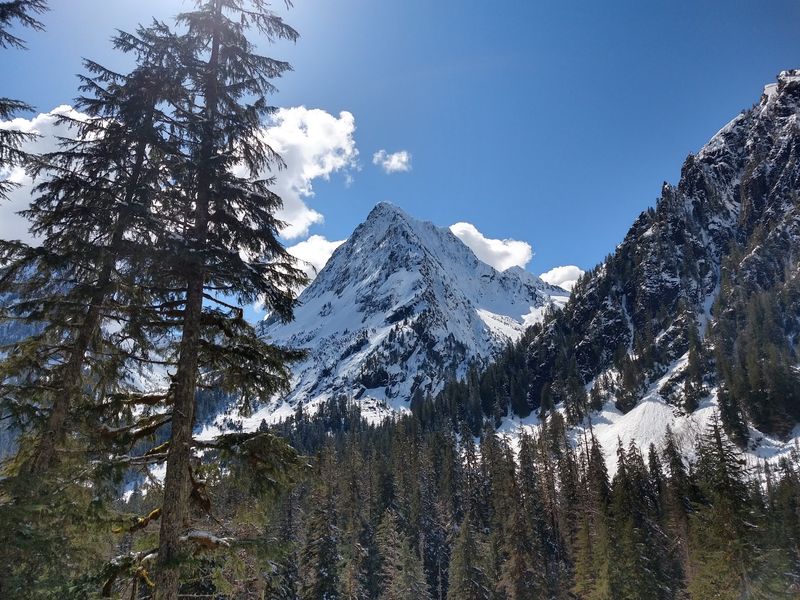
The hike itself delivers stunning views of the Cascade Range. Mountains rise around the valley, and the trail gives you plenty of chances to enjoy them.
Fall can bring color-changing scenery. Winter hikers have also reported quiet trails, though conditions vary.
The townsite is an access point for climbing Silver Tip, Columbia, and Cadet peaks. Those routes demand advanced mountaineering skills, so they are not for casual hikers.
Others head for the lakes. One hiker described day trips to Silver Lake and Twin Lakes from here.
That same hiker warned that the Twin Lakes outing is about 18 miles round trip with a stop at Silver Lake. It also climbs roughly 3,000 feet, so it takes most of a day.
For most visitors, the ghost town is plenty. Enjoy the scenery, eat a snack, and take your time.
Know Before You Go To This Washington Ghost Town
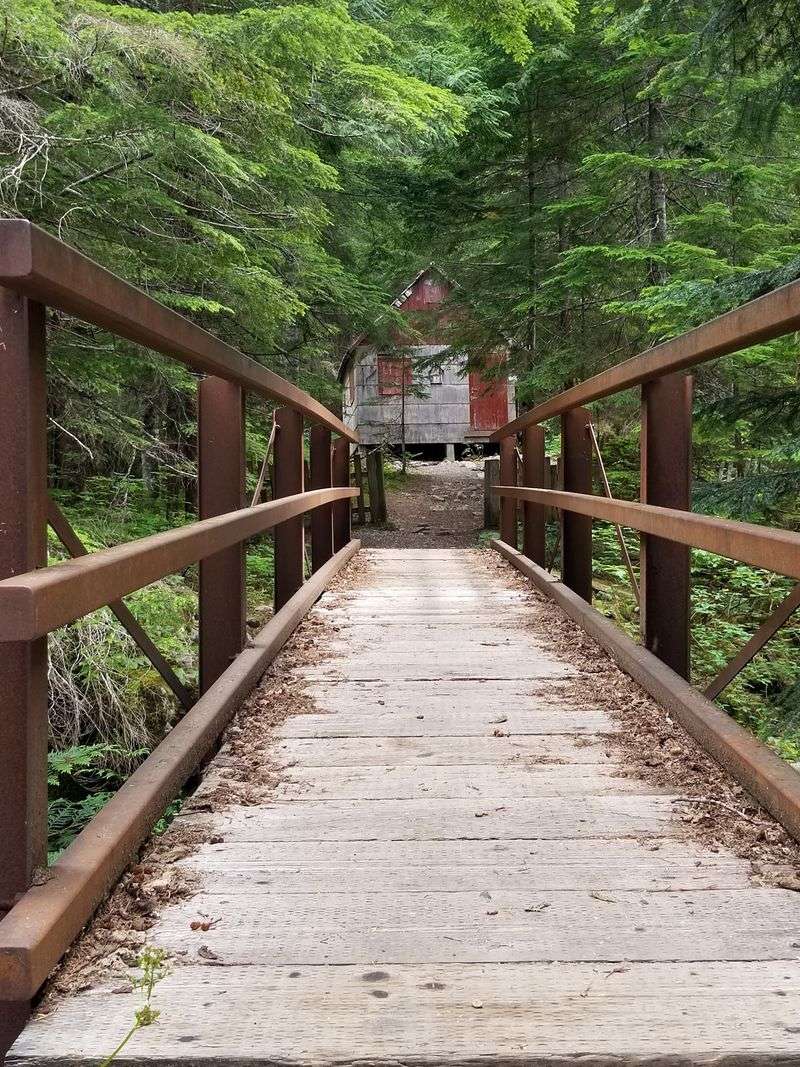
A little prep makes the day smoother. Motorized vehicle access to the townsite has been closed since the floods in 2003 and 2006.
Plan for the full 8.8-mile round trip on foot. Bikes are also seen on the old road, based on hiker reports.
The Monte Cristo Natural Area Preserve has no ADA accessible facilities. It also has no formal educational programs.
Bring plenty of water, sturdy shoes, and snacks. Water at the site is contaminated, so do not count on drinking it.
Download your map before you lose service. Finding the right trailhead can confuse first-time visitors, so read a recent trip report.
Bring your parking pass or the day-use fee. Then pace yourself and enjoy the quiet.
The address on the map reads Monte Cristo Trail, Washington. Start at Barlow Pass and let the old railway bed lead the way.