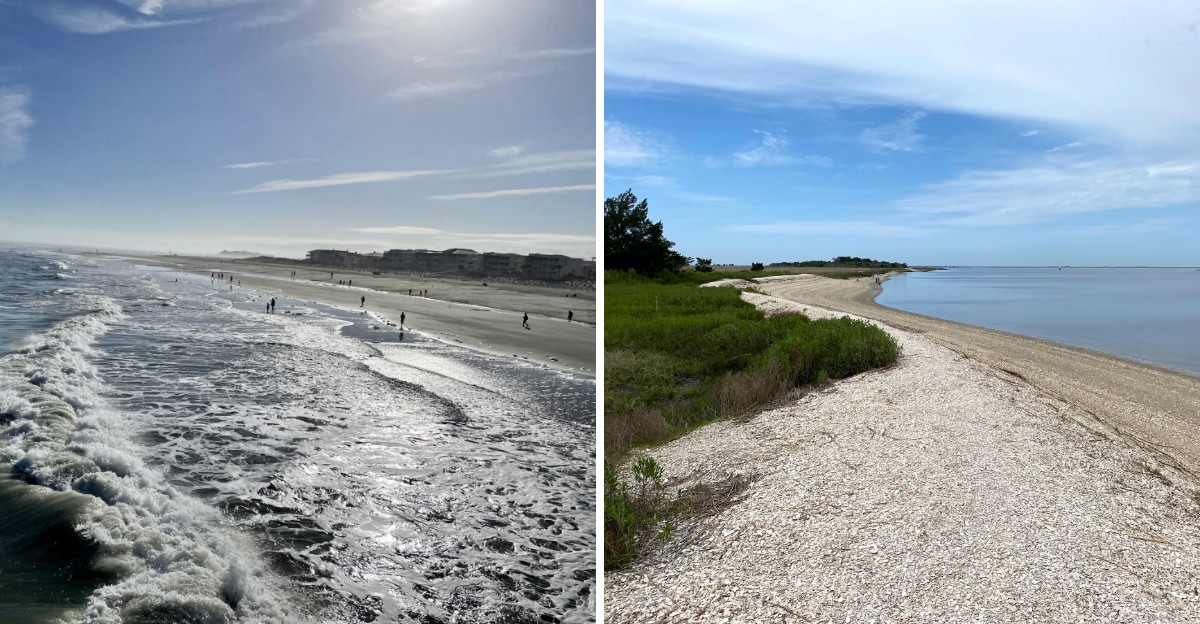
On one Georgia barrier island, the National Park Service lets you keep up to two gallons of empty shells per person, per day. Two whole gallons. That’s a serious bucket of whelks, moon snails, and sand dollars.
The treasure list along this coast gets even stranger. Some beaches hide fossilized shark teeth in the sand. One shoreline is lined with bleached, fallen trees that look like giant sculptures. Another sits on the farthest west point of the East Coast.
I love that the tide does the hard work here. Storms and currents shuffle the beach like a deck of cards, so a new set of finds can show up after the water pulls back. All you need is a bag, a tide chart, and a little patience. So which stretch of Georgia sand is hiding your next favorite shell?
1. North Beach, Tybee Island
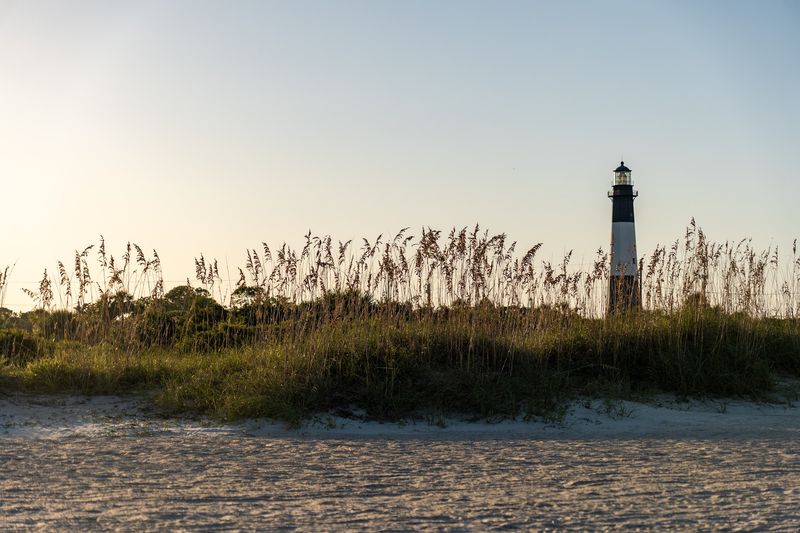
Few shell walks come with a lighthouse in the background. On North Beach, the Tybee Island Lighthouse and Museum sit close enough to frame your best finds.
The sand here can feel a bit gritty underfoot. That texture comes with a reward, since plenty of seashells turn up along the shore. Bring a bag with some room in it.
Shallow water makes this end of Tybee easy for younger beachcombers. Kids can wade and poke around without heading into deep waves. Tide pools give them even more spots to explore.
Dolphins sometimes swim out near the rocks where surfers gather. So keep your eyes moving between the sand and the sea. You never know which view will steal the show.
Practical perks make a long visit easier. You’ll find restrooms, showers, and changing booths near the beach. Parking is close, which matters when your bucket gets heavy.
A small beach grill sits nearby with covered seating. Free swings add a playful touch for kids who need a break from searching. A marine life center is also in the area for curious minds.
Saturday afternoons get busy, so plan around that if you want space. Weekday mornings can feel calmer for serious shell hunting. Earlier usually means fewer footprints over the good stuff.
Want to slow down? You can rent a chair and umbrella and read between searches. That’s shelling at a pace even the crabs would approve.
Address: Railwood Ave, Tybee Island, GA 31328
2. Mid Beach
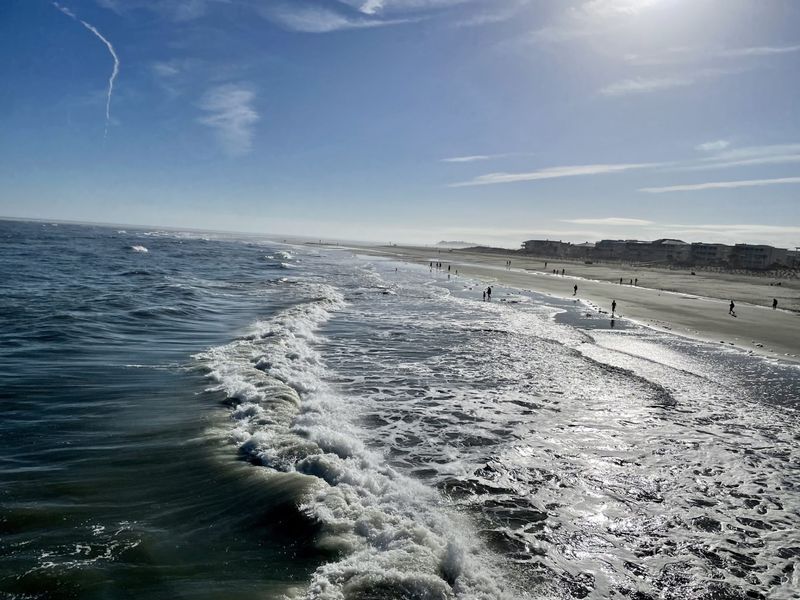
A shell line forms right where the sand slopes down toward the water. That little ramp acts like a natural sorting tray for whatever the waves drop off.
Mid Beach sits in the middle stretch of Tybee Island, the beach town just east of Savannah. The shore runs from soft sand to a band of shells and then into the Atlantic. You don’t need to wander far to start hunting.
Shells pile up in good numbers here. You may also spot bits of sea glass mixed into the shell zone. That’s a fun bonus for collectors who like a little sparkle.
Here’s the catch, though. Sharp sticks and pointy debris can wash up alongside the pretty stuff. Water shoes or sandals make the search much more comfortable.
The beach keeps a calm, easygoing feel. It works well for slow walks and long scans of the sand. The water tends to stay pleasant in the warmer months, too.
Keep an eye on the waves while you search. Dolphins sometimes show up offshore, so you might glance up and catch a fin. Shell hunting with a side of wildlife is a pretty great deal.
A pavilion nearby serves food, which helps when your hunt runs longer than planned. Grab a bite, then head back for round two. The tide may have delivered something new by then.
Try going near low tide for the widest shell band. A small mesh bag lets sand drain out as you walk. Your car floor will thank you later.
Address: Tybee Island, GA 31328
3. Tybee Island Beach
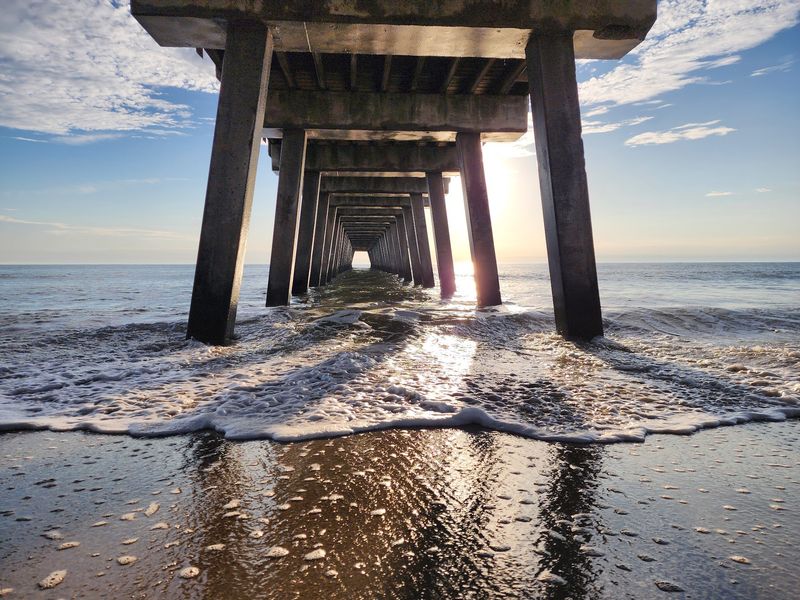
Tide pools are basically nature’s display cases. At Tybee Island Beach, those little pools are known as a top spot for finding shells.
When the water drops, shallow pockets form along the sand. Shells settle into them and sit still for easy viewing. You can crouch down and scan without waves knocking things around.
The beach has a clean, relaxed feel that suits families. Boardwalks lead you over the dunes to the sand, so getting there is simple. Low water levels help make it fun for kids.
Searching the shoreline is the main event here. Walk slowly along the wet edge and watch for shapes, colors, and ridges. A slow pace often spots more than a fast one.
Restrooms are on site, and there’s a restaurant nearby when hunger kicks in. A playground gives kids another way to burn energy. That can buy grown-ups a few more minutes of shell hunting.
Parking comes in several forms. You’ll find free lots, paid lots, and paid street spots around the area. Arriving early gives you the best shot at a close space.
The beach stays open around the clock. Sunday afternoons and Saturdays draw the biggest crowds. Weeknights tend to be the quietest times to visit.
Pair your trip with a low tide for the best pool action. Check a tide chart the night before. A little planning turns a beach day into a real treasure hunt.
Address: Tybee Island, GA 31328
4. East Beach, St Simons Island
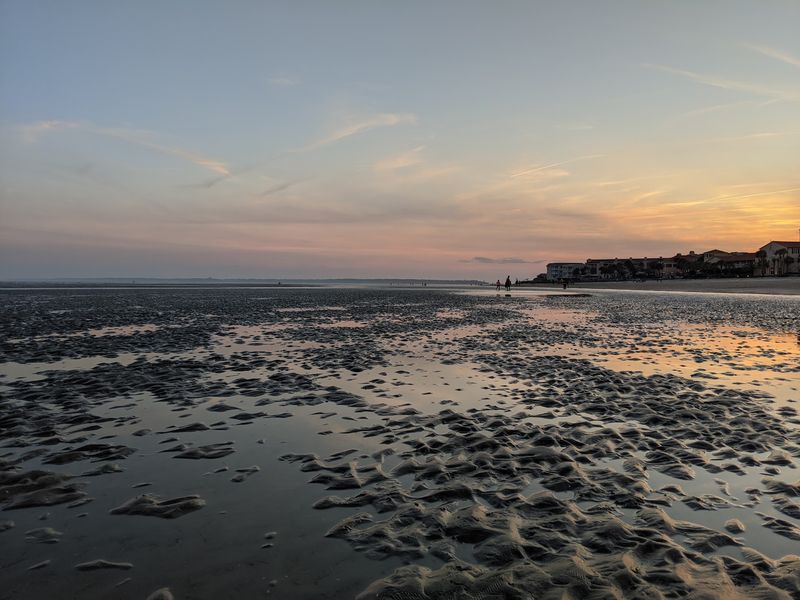
Sand dollars on a beach with a famous inlet next door? St. Simons Island makes a strong case for an early alarm.
East Beach is a huge stretch of clean, white sand. Shallow tidal pools form along the shore, and seashells show up in abundance. Moon snails and sand dollars are among the finds people hope for here.
Low tide is your friend on this beach. As the water pulls back, more shells come into view. Gould’s Inlet sits at the northern end, where currents and a low tide sandbar help bring in more treasure.
Here’s a fun twist for history fans. The old Coast Guard Station near the beach now houses the World War II Home Front Museum. It’s a neat stop after a morning of searching.
The waves tend to stay small, and a light breeze often drifts off the water. That makes it easier to spot shells along the wet sand. It’s also great for swimming and water sports.
Got a four-legged helper? East Beach is dog-friendly, so your pup can join the search. Just keep an eye on what they try to sniff.
Showers and restrooms are available, which helps after a sandy morning. The beach stays open all day and night. Saturday afternoons are busiest, so weekday trips feel roomier.
Bring a shallow tray or bag for fragile sand dollars. They break easily in a crowded bucket. Treat them gently, and they’ll last for years on a shelf.
Address: 4202 1st St, St Simons Island, GA 31522
5. Sharktooth Beach on Jekyll Island
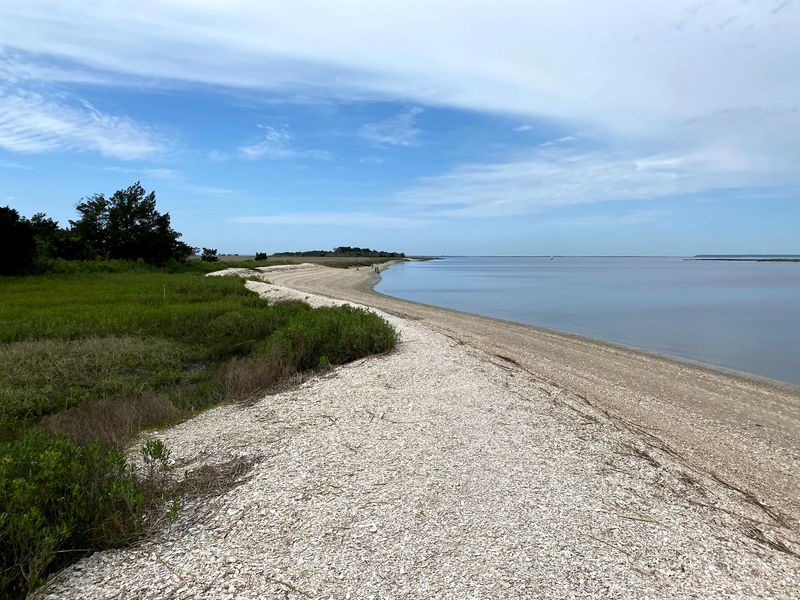
The name kind of gives away the prize. Sharktooth Beach is a spot where shark teeth and fossils can turn up in the sand.
You’ll have to earn it, though. Reaching this narrow beach takes about a two-mile round-trip walk. Sturdy shoes make the hike much easier.
The shoreline looks different from a typical sandy beach. Rows of crushed oyster shells line the edge. It feels more like a treasure map than a sunbathing spot.
Hunting for shark teeth takes sharp eyes. Look for small, dark, shiny triangles mixed in with the shell bits. Kneeling down and sifting slowly often works better than walking fast.
The water here also holds shells, so the search doesn’t stop at the tide line. Ease into the shallows and look carefully. Footwear helps around all those oyster edges.
There’s no tree cover on the beach itself. That means sunscreen, a hat, and water are smart packing choices. The walk back feels longer when you’re thirsty.
Evening visitors get a bonus show. The beach offers a lovely view of the sunset. Just leave enough daylight to walk back safely.
Jekyll Island is part of Georgia’s Golden Isles, and this beach shows its wilder side. It’s quieter than the main ocean beaches. If you like a little adventure with your collecting, this one fits.
Address: Jekyll Island, GA 31527
6. St. Andrew’s Beach
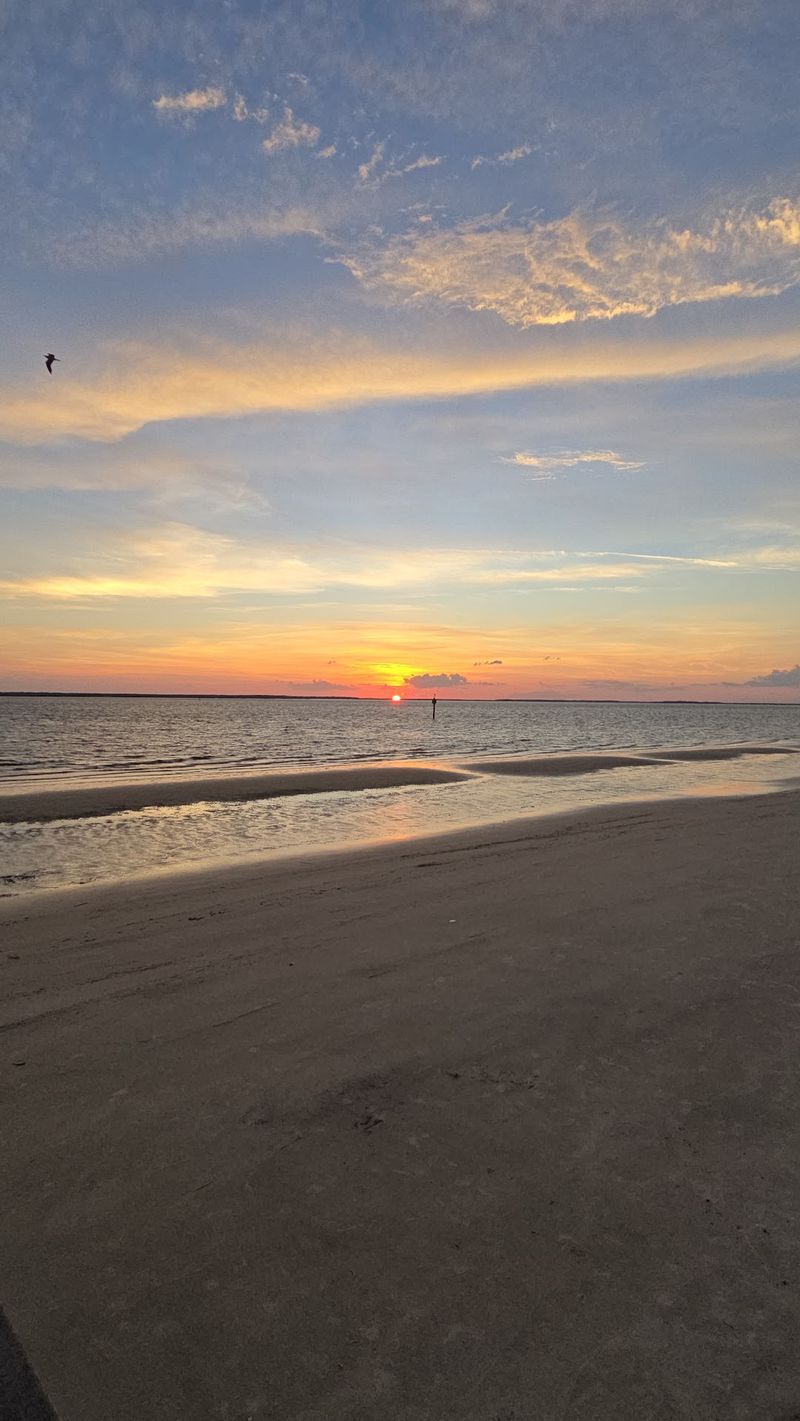
History and shells share the same sand here. In 1955, a Beach Pavilion opened at St. Andrews, when it was the only public beach in Georgia open to African Americans during segregation.
Today the beach sits on the southern end of Jekyll Island. It’s known as one of the island’s best places to hunt for shells. The shoreline is wide, with open views that make the search feel peaceful.
You can easily fill a whole day here. People come to swim, fish, look for shells, and catch the sunset. Few beaches pack that much into one stop.
The Wanderer Memory Trail is also part of the park. It shares the story of the Wanderer, a ship tied to this shoreline’s past. It adds real meaning to your visit.
Getting set up is simple. A free parking lot and restrooms are on site. Shaded picnic areas give you a spot to rest between walks.
Plan to bring your own snacks, though. There’s no restaurant at the beach. A cooler and a few sandwiches will keep the search going.
Kids tend to enjoy the open space and calm feel. The beach opens early in the morning, which suits early birds. Morning light makes shells easier to spot on wet sand.
Stay until the sky turns gold if you can. Sunset here is a great way to end the hunt. Your shell bag will feel extra special with that memory attached.
Address: S Riverview Dr, Jekyll Island, GA 31527
7. Dungeness Beach- Farthest West point on the East Coast
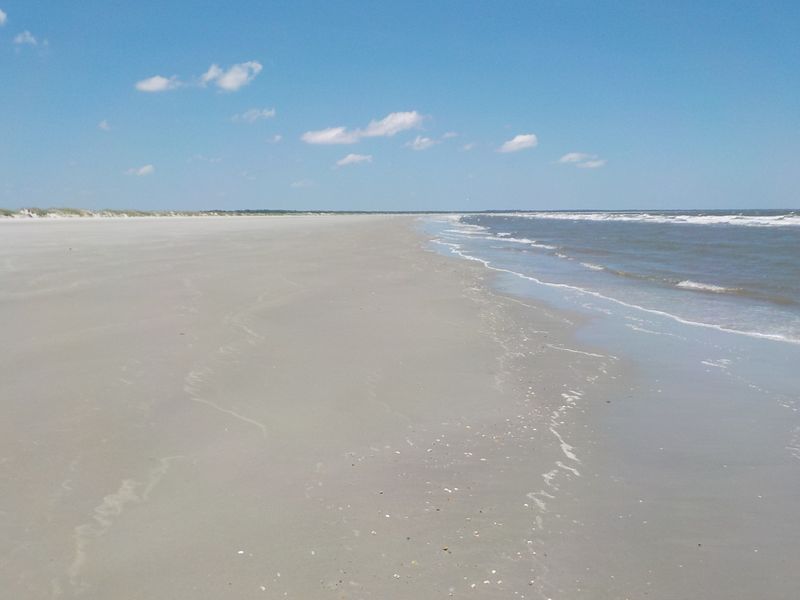
Here’s a fun trivia card for your next road trip. Dungeness Beach is known as the farthest west point on the East Coast.
It sits on Cumberland Island, a remote island park off the Georgia coast. Wild horses roam the area, which makes even a short walk feel like a nature film. Keep a respectful distance and enjoy the view.
The beach feels unspoiled and wide open. Clean sand, gentle waves, and shells line the shore. Crowds stay thin, so you often get long stretches to yourself.
Beachcombing is the star activity. Plenty of interesting things wash up here, from shells to other ocean surprises. Each walk can turn up something different.
Plan ahead before you go. There are no trash cans on the beach, so pack out what you bring in. A spare bag for trash keeps this place pristine.
Dogs are allowed, and kids will find hikes that suit shorter legs. The calm water makes it a pleasant spot for a dip. Bring snacks and water, since this is a remote stop.
The beach keeps posted hours from early morning until night. Early trips give you the freshest look at the shoreline. Weekend afternoons can feel especially quiet here.
Wednesdays tend to be busiest, if busy is even the right word. Either way, the peaceful mood sticks around. It’s a great place to slow down and actually look.
Address: Cumberland Island, St Marys, GA 31558
8. Cumberland Island National Seashore
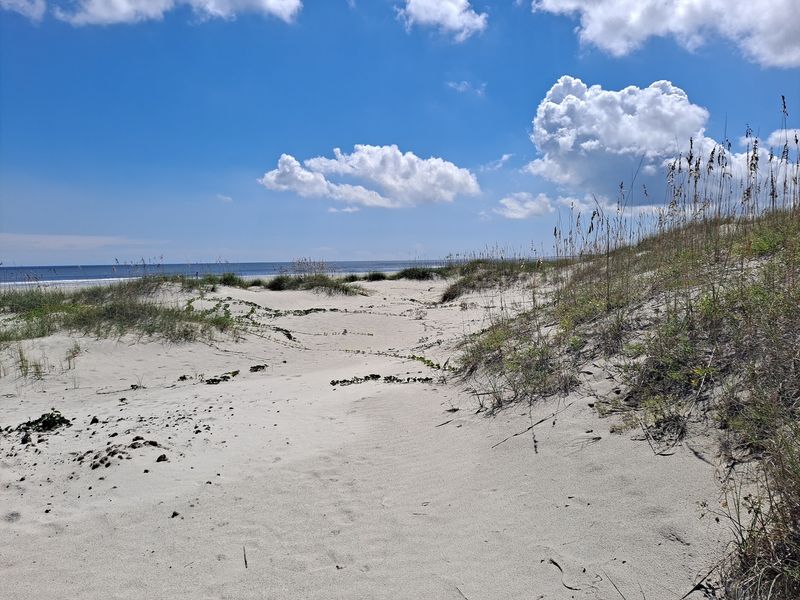
Two gallons of shells per person, per day. That’s the official collecting limit at Cumberland Island National Seashore, and it’s a generous one.
The rule covers empty shells and fossilized shark teeth for personal use. Live animals stay put, of course. Selling your finds is not allowed.
So what might land in your bucket? Knobbed whelks, lightning whelks, moon snails, and angel wings all show up here. Lettered olives, arc clams, oysters, and sand dollars join the list too.
Storms stir things up in the best way. After rough weather, the shoreline often gets a fresh delivery. The jetty and the island’s southern tip rank among the top shelling spots.
Getting there is part of the fun. You’ll ride a ferry from the mainland, and the trip takes about 45 minutes. Parking near the dock costs a fee.
The island is much more than a beach. It has a wilderness area, hiking trails, historic sites, and cultural ruins. Wild horses wander around, adding to the wild feel.
Picnic tables and public restrooms are available, which helps on a long day. Rangers can answer questions about the island. Kid-friendly hikes make it workable for families.
Pack light but smart. Bring water, sunscreen, and a sturdy bag for heavier whelks. Two gallons gets surprisingly heavy on the walk back to the dock.
Address: Plum Orchard Dr, St Marys, GA 31558
9. Driftwood Beach
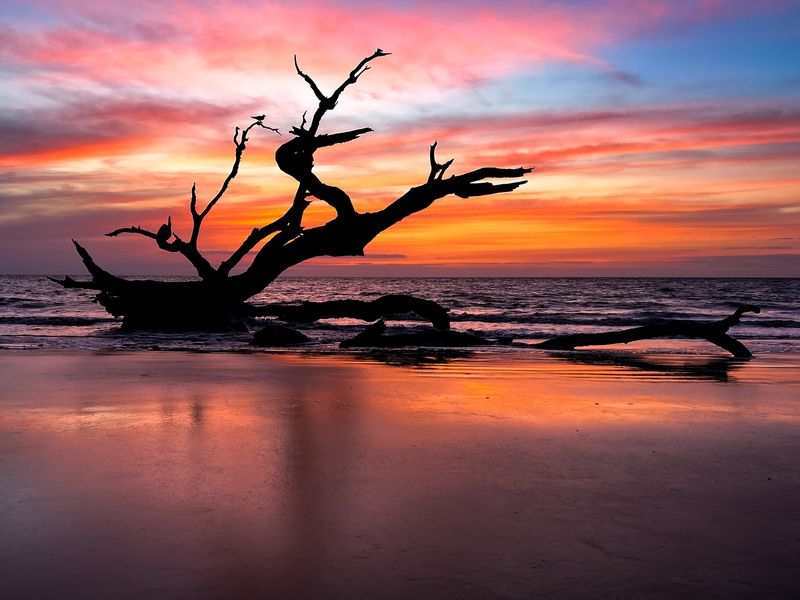
Giant fallen trees steal the spotlight, but don’t ignore the sand. Driftwood Beach mixes eerie scenery with solid shell hunting.
The beach sits on the northern end of Jekyll Island. Weathered trees lie across the shore, shaped by years of wind and water. Historic bricks also appear in spots, adding to the mystery.
Shell seekers have plenty to look for. Coquina shells, moon snails, sand dollars, and even shark teeth can turn up. Low tide usually gives you the best chances.
Some trees even hold little shell displays. Visitors have tucked shells onto branches, creating what people call shell trees. It’s a sweet spot for photos.
Sunrise here is famous among photographers. The light hits the twisted wood and makes the beach glow. Arrive early and you’ll get shells and pictures in one trip.
The beach is great for slow walks, beachcombing, and birdwatching. Kids tend to love climbing eyes over the odd shapes, so keep them safe around the wood. Watch your step on slick branches.
Plan for a few gaps in amenities. There are no restrooms and no restaurant at the beach. Use facilities elsewhere on Jekyll before you head out.
Parking comes in free and paid options along the road. Jekyll Island charges an entry fee to drive onto the island. Think of it as the ticket to one of Georgia’s most striking shorelines.
Address: Jekyll Island, GA 31527