Every kid has that one lake. The one nobody else seemed to know about. The one that felt like a secret between you and whoever drove you there. No signs pointing to it.
No crowds waiting at the shore. Just a dirt road, a quiet engine cutting off, and water so still it looked like glass.
Someone always knew about a place like that. A grandfather.
An uncle. A dad who never needed a map to get there.
They would pull over, step out, and just listen. And for a moment, the whole world got smaller and simpler.
Minnesota still has a couple of them left. Lakes that have not made it onto anyone’s radar.
Places where the parking lot holds maybe three cars, and the only noise is the wind moving through the trees. If you grew up chasing that feeling, these are the lakes worth finding.
1. Lake Vermilion
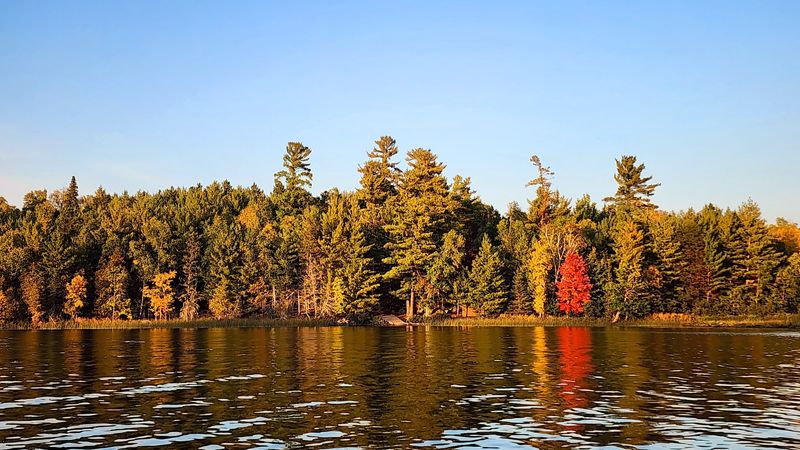
This lake lies in northern Minnesota near Tower, covering roughly 40,000 acres and containing more than 360 islands. Lake Vermilion lies in northern Minnesota near Tower, covering roughly 40,000 acres and containing more than 360 islands.
That combination of scale and complexity makes it one of the most distinctive lakes in the state. A paddler or boater can spend days on the water without retracing the same route.
The shoreline shifts constantly between open bays, narrow channels, and rocky points. Clear water runs shallow near the points and sandy areas, while the deeper channels between islands turn dark and cool.
That contrast is visible from the surface and gives the lake a layered quality that rewards slow travel.
Navigation here benefits from a good map. Each bend in the shoreline tends to open onto something different, whether a sheltered cove with smooth rock ledges or a wider passage between islands.
The geometry of the lake makes it easy to find a quiet stretch even on busier weekends.
Wildlife is present throughout. Loons are common on Lake Vermilion, and their calls carry across the open water without effort.
Bald eagles nest in the area and are regularly spotted along the wooded shoreline. Crows and other woodland birds follow the tree line close to the water.
Fishing draws a large share of visitors. Walleye, northern pike, bass, and muskellunge are all found in the lake, and it has a strong reputation among anglers in the region.
Tower and Cook are the nearest towns and provide access to outfitters, lodging, and launch points. Lake Vermilion State Park sits on the southern shore and offers additional access to the water.
2. Nest Lake
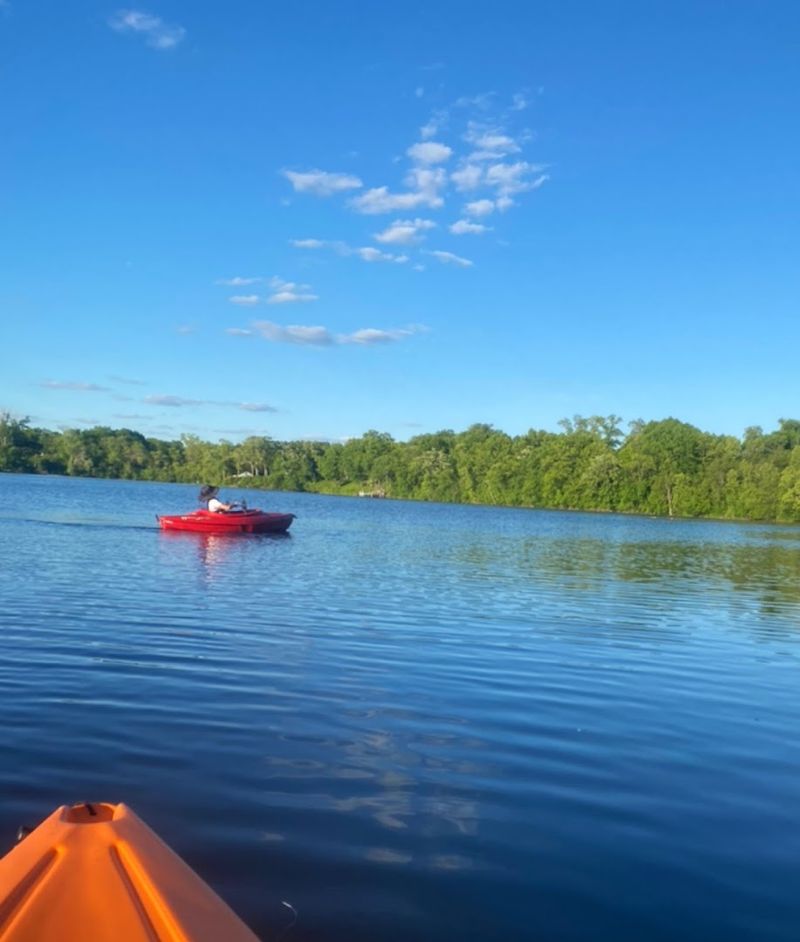
Nest Lake sits in St. Louis County in northeastern Minnesota, a small and quiet lake that stays off the radar of most regional travel guides. The surrounding land is low and wooded, keeping the scale of the place intimate and unhurried.
The shoreline offers a mix of sandy stretches and grassy banks, with tall reeds lining the shallower edges. Those reed beds provide cover for frogs, waterfowl, and other wetland wildlife that make themselves heard more than seen.
The water is calm and shallow near the margins, suitable for wading and relaxed paddling without requiring much gear or planning.
Nest Lake sits within a residential lake community, and a handful of cabins and seasonal homes are visible from the water. The spacing keeps a sense of privacy intact while giving the lake a lived-in feeling that distinguishes it from more remote wilderness destinations.
Midweek visits tend to be quiet.
The lake is small enough to paddle across in a short time, which makes it better suited to leisurely exploration than long-distance routes. Fishing is possible, with species typical of smaller Minnesota lakes in the region, though Nest Lake is not widely known as a fishing destination.
Access is straightforward from the surrounding roads, and the short walk to the water requires little preparation. The lake rewards a simple approach.
A packed lunch and an unhurried afternoon cover most of what the place asks for.
Nest Lake works well as a half-day stop rather than a base for longer trips.
3. Bear Head Lake
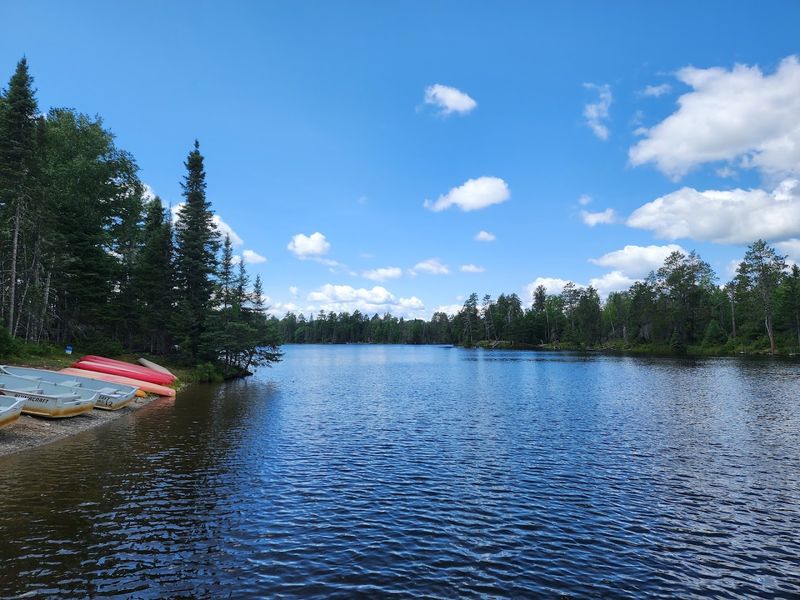
A lake like this sits within Bear Head Lake State Park in northern Minnesota, located roughly 15 miles east of Tower. The park covers around 4,200 acres of forest and contains several smaller lakes in addition to Bear Head itself.
The setting is quiet and well maintained without feeling manicured.
The lake is clear and relatively cool, with rocky points and small beaches scattered along the shoreline. Dragonflies are common near the water’s edge throughout summer.
Wildlife in the park includes black bears, wolves, loons, and bald eagles, all of which move through the area on their own schedule and at their own distance.
Hiking trails within the park connect to the shoreline and lead to several access points around the lake. The trails are modest in length and difficulty, making them accessible to most visitors without requiring significant preparation.
Some stretches pass close to the water and open onto flat rocks suitable for sitting.
Paddling on Bear Head Lake is well suited to calm exploration. The rocky points and irregular shoreline reward slow travel and close attention.
Canoe and kayak rentals are available through the park during the season.
The park provides campgrounds with both drive-in and paddle-in sites, along with a small swimming beach and basic facilities. Reservations are recommended during peak summer weekends.
The infrastructure stays functional and low-key, which fits the character of the lake and the surrounding forest.
Bear Head Lake State Park sits within the broader network of lakes and forests in the Boundary Waters region of northeastern Minnesota.
4. Burntside Lake
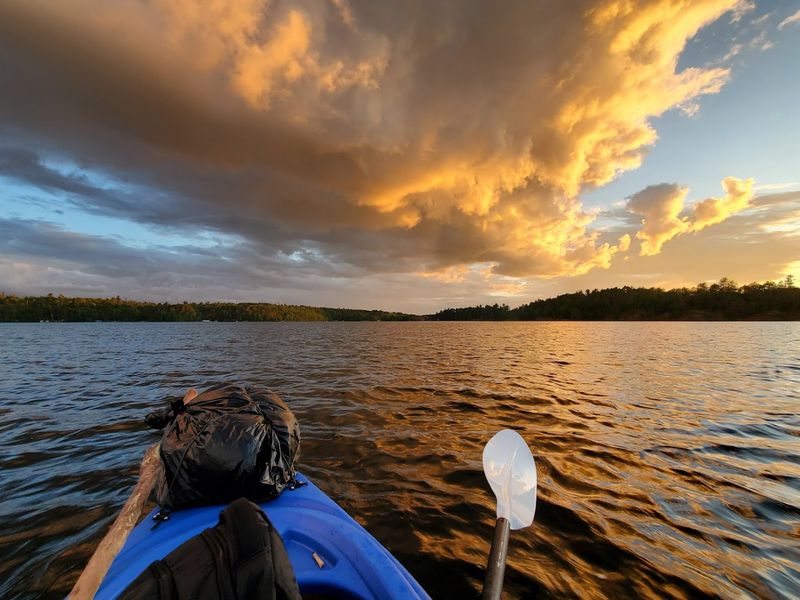
Burntside Lake sits just outside Ely in northeastern Minnesota, a large and island-studded lake that has drawn visitors for well over a century. The shoreline winds through coves and rocky points, with high pines rising close to the water’s edge.
Reflections hold steady on calm days, mirroring the trees and the scattered islands that break up the open water.
The lake counts more than a hundred islands within its boundaries. Paddling between them is one of the more rewarding ways to spend time here, as each crossing reveals a new angle on the surrounding forest and shoreline.
Wildlife keeps a comfortable distance but remains visible. The area supports loons, eagles, and other species common to the lakes of the Boundary Waters region.
History is present in the older cabins and weathered docks that line parts of the shore. Burntside has been a destination since the early twentieth century, and some of the structures along the water carry that age quietly.
Hand-lettered signs and worn wood tell more than they announce.
The air carries the scent of pine resin and cold water, which is typical of this corner of Minnesota but feels sharper here than on more trafficked lakes. Quiet coves with smooth stone shores offer good spots to stop and sit.
Burntside Lake is accessible from Ely, which provides outfitter services, lodging, and supplies for visitors heading into the Boundary Waters Canoe Area Wilderness nearby. The lake itself sits just outside the wilderness boundary and requires no permit to paddle.
5. Snowbank Lake
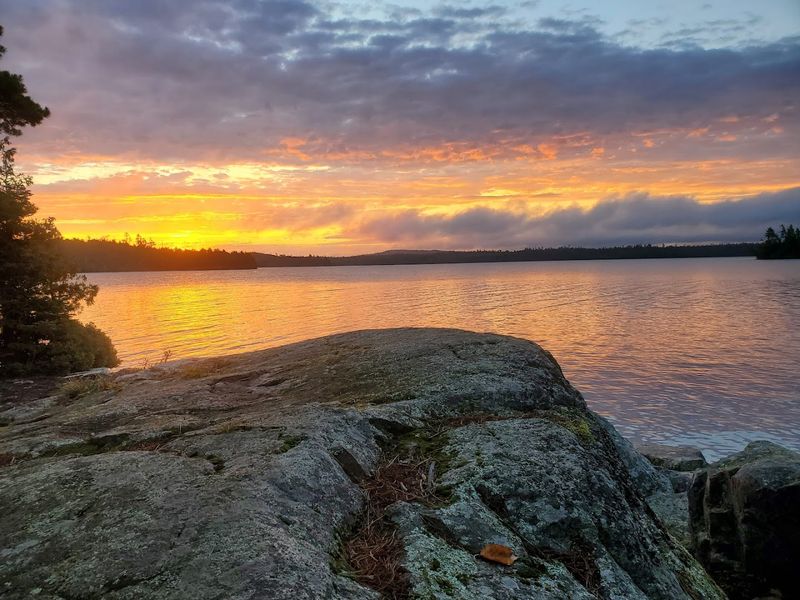
Snowbank Lake sits in Fall Lake Township in northeastern Minnesota, tucked behind a barely marked road that keeps casual traffic away. The shoreline runs in low granite shelves and tight clusters of pines that fold around small, sheltered bays.
Water moves here only when the wind decides to show up. Even then it settles quickly back into stillness.
Reaching the lake requires a short hike from the roadside. The trail is forgiving, lined with moss and birch.
It is just long enough to leave the noise of the drive behind. A lightweight canoe or kayak opens the lake properly, since paddling reveals the quieter pockets along the shore that are invisible from land.
Fishing is a reasonable reason to come. Bass and perch are present in these waters, and the lake rewards patience more than technique.
The bite is rarely dramatic, but that tends to suit the mood of the place.
Birds call from the tree line throughout the day. Loons are not uncommon on lakes of this type in the Boundary Waters region.
The sound carries well across open water. On calm mornings the surface holds a clean reflection of the pines and the sky above them.
Snowbank Lake does not announce itself. There are no facilities, no crowds in the usual sense, and no particular reason to rush.
A sun-warmed rock on the shore serves well enough as a seat for watching the afternoon move at its own pace.
6. Shamineau Lake
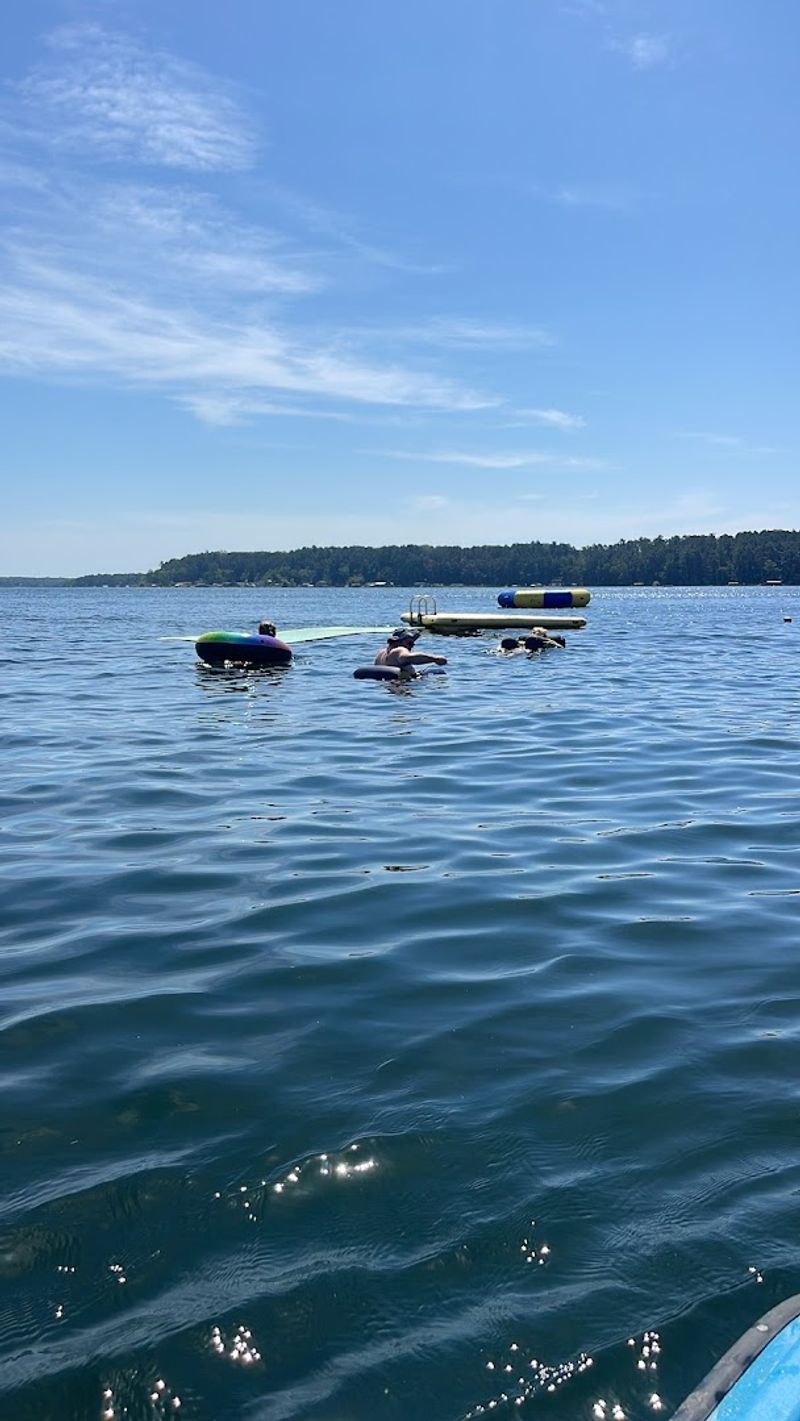
Shamineau Lake lies in Morrison County in central Minnesota, near the town of Motley. It sits apart from the more heavily visited lake country of the north, which keeps the pace slower and the shoreline less crowded through most of the season.
The lake covers roughly 1,800 acres with a mix of shallow marsh edges and clearer, deeper water toward the middle. That variety makes it well-suited to kayaking and casual exploration.
Reed beds along the shallower stretches provide habitat for waterfowl and other marsh wildlife. The water is generally calm, particularly on weekday mornings when boat traffic stays light.
Residential development lines portions of the shore, but the spacing between properties leaves long stretches of open water that feel unhurried. The lake has a settled, community feel without being busy.
Local anglers are a consistent presence, and Shamineau has a solid reputation for walleye, northern pike, and largemouth bass.
The surrounding land is low and wooded, typical of central Minnesota lake country. Wind tends to pick up in the afternoons, making earlier hours in the day more comfortable for paddling and fishing from smaller watercraft.
Public access to the lake is available through a boat launch on the northern shore. Motley and the nearby city of Staples provide basic services and supplies within a short drive.
Shamineau Lake suits visitors looking for a relaxed day on the water without the logistics of a longer wilderness trip. It rewards a quiet approach and works well as a destination for unhurried, low-effort time outdoors.
7. Webster Lake
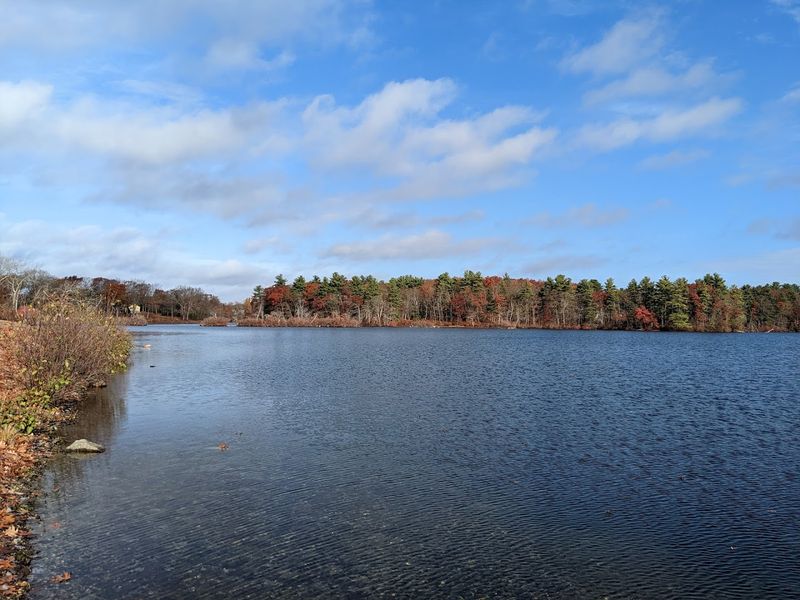
This lake sits in Beltrami County in northwestern Minnesota, well outside the busier lake destinations in the state. The surrounding landscape is flat and forested, keeping the scale modest and the atmosphere unhurried.
The shoreline runs through quiet coves and shallow edges that are easy to explore in a single outing. A kayak or canoe covers the interesting stretches without requiring a full day on the water.
Ducks are a regular presence along the reed edges, and herons appear at intervals along the shallower margins, moving slowly and keeping to their own routine.
The water is calm for most of the day, with light wind in the mornings, making the early hours the most comfortable for paddling. Evenings cool quickly once the sun drops, which is typical of this part of Minnesota, and a light jacket becomes useful sooner than expected.
Public access to Webster Lake is available via a boat launch, and the nearby town of Bemidji lies within reasonable driving distance for supplies and services. The lake does not require much planning to visit and suits a half-day outing as well as a longer stay.
Webster Lake works best for visitors who prefer a quiet environment over a busy one. It holds a simple and reliable character that pairs well with slow mornings, short paddles, and an unhurried return home.
8. Brule Lake
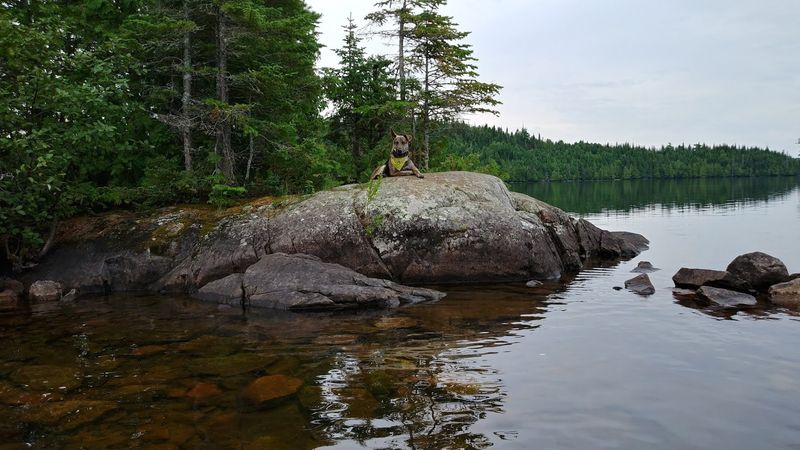
Located within the Boundary Waters Canoe Area Wilderness in northeastern Minnesota, Brule Lake offers a genuine wilderness paddling experience with relatively straightforward access compared to more remote entries in the system. A federal permit is required for overnight stays, but day use remains available without one.
The shoreline curves through rugged points and quiet bays that reward slow paddling and patient exploration. Small inlets appear at regular intervals along the route, each offering a degree of shelter and privacy from the open water.
The landscape is rocky and forested in the way typical of the Canadian Shield geology that underlies this corner of Minnesota.
Portages connect Brule Lake to neighboring waters within the BWCA, and the carries tend to be short enough to manage with a lightweight canoe and a single pack. The lake sits near the Echo Trail corridor, which provides road access to several entry points in the southern portion of the wilderness.
Loons are a consistent presence on Brule Lake, as they are throughout the Boundary Waters. Their calls carry across the water clearly in the mornings and evenings when the wind is low.
Wildlife in the surrounding forest includes moose, wolves, and black bears, though sightings depend on season and timing.
The lake suits paddlers who want a true wilderness feel without committing to a multi-day deep-wilderness route. A single day on the water covers the main features of the shoreline while leaving room for unhurried stops along the way.
Outfitters in Ely provide canoe rentals, gear, and permit assistance for visitors entering through this part of the BWCA.
9. North Long Lake
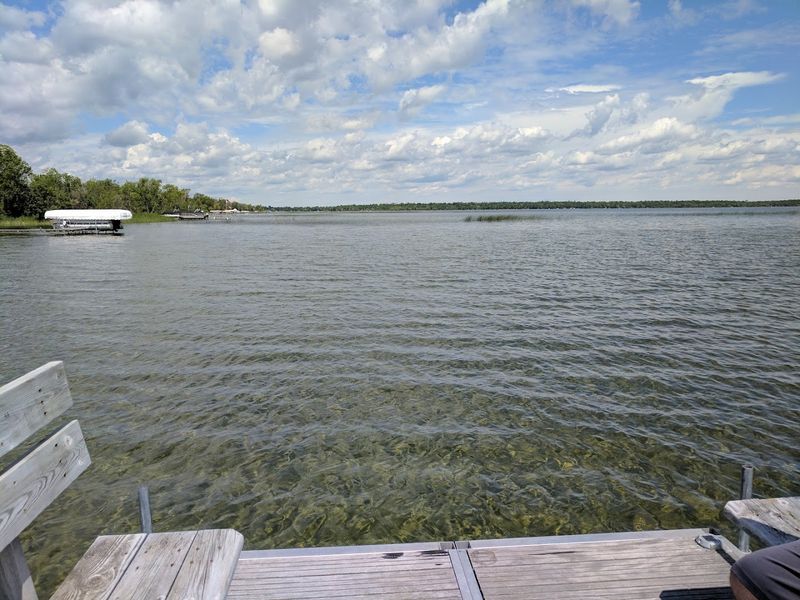
North Long Lake lies in Crow Wing County in central Minnesota, a few miles north of Brainerd. It ranks among the larger lakes in the region, covering roughly 5,000 acres with a shoreline that stretches across several miles of varied terrain.
That combination of size and shape gives the lake a range that rewards repeated visits.
The shoreline alternates between open sandy beaches and tree-lined coves, with shallow pebble points appearing along the longer arms of the lake. Paddling the full length of those arms takes time and reveals quieter sections that are easy to miss from a single access point.
Mist settles over the water on calm mornings and lifts slowly as the day begins, which makes early hours on the lake particularly rewarding.
Wildlife sightings are consistent without being dramatic. Herons, ducks, and loons are common throughout the season.
The wooded sections of the shore provide cover for deer and other mammals that occasionally appear at the water’s edge.
Residential development is present along parts of the shoreline, but the scale of the lake absorbs it without crowding the feel of the water. Quiet corners remain accessible at most times of day, particularly on the less developed stretches.
Fishing is popular on North Long Lake. Walleye, bass, and northern pike are among the species present, and the lake draws a steady local fishing community throughout the open water season.
Public boat launches provide access to the lake, and the Brainerd area offers a full range of services, lodging, and outfitter options within a short drive.