
James Beard Recognition Is Putting This Small Nevada Restaurant In A Bigger Spotlight
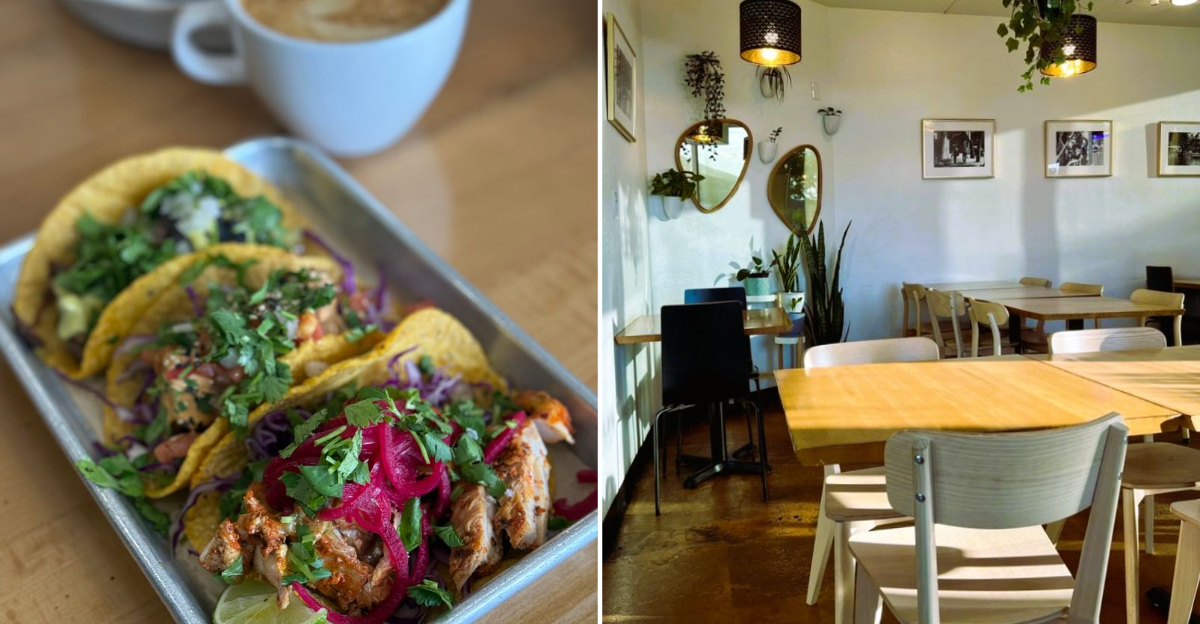
A small restaurant can be easy to overlook until national recognition changes everything. One modest dining room in Nevada managed to catch the attention of the James Beard Foundation, putting its cooking in a much bigger spotlight.
The appeal goes well beyond the praise. Latin flavors come through in dishes that feel thoughtful, personal, and carefully prepared. Nothing about the setting needs to be flashy when the food does the talking.
That contrast makes the experience even more interesting. Guests may arrive expecting a casual meal and quickly realize there is far more happening in the kitchen than the surroundings suggest.
National attention can bring crowds, but the real reason to visit is still on the plate. Bold flavors, careful technique, and a strong sense of identity make this the kind of restaurant that turns an ordinary dinner into a discovery worth remembering.
Why National Food Awards Matter For A Neighborhood Kitchen
National recognition changes things fast for a small kitchen. When the James Beard Foundation recognizes a chef as a semifinalist, that name travels through food media, social feeds, and travel guides within days.
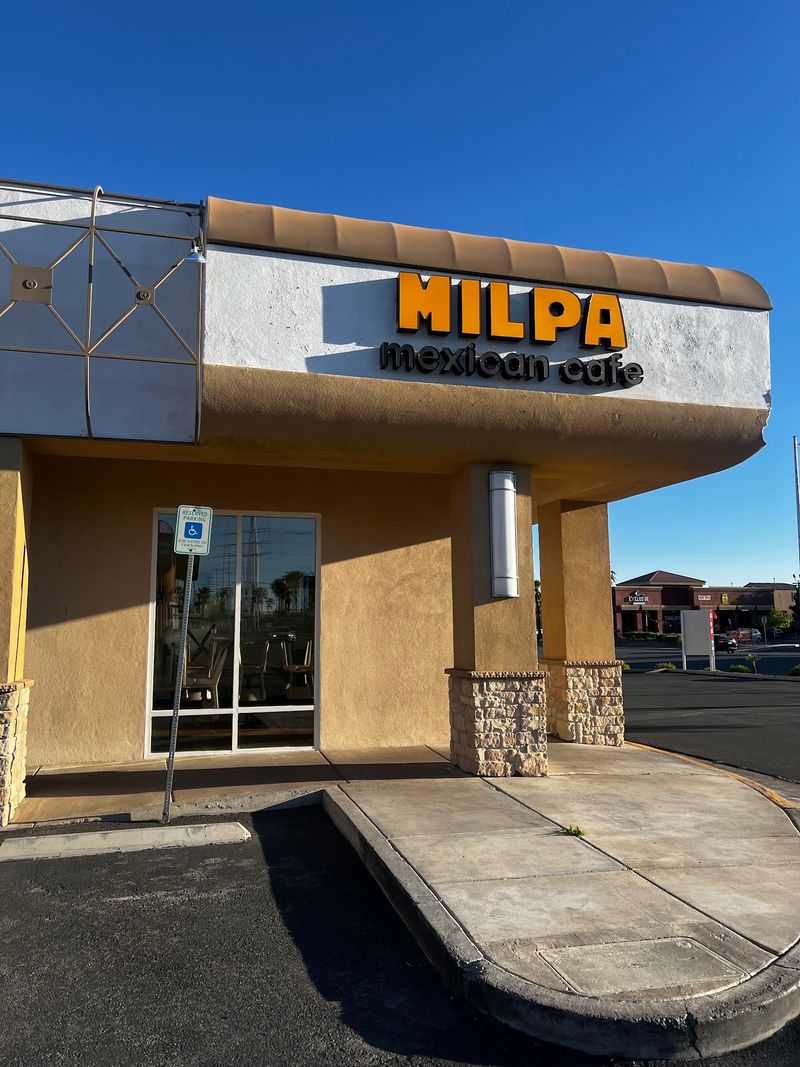
Milpa sits in a shopping center rather than a glossy resort corridor, which makes the attention even more meaningful. Awards like these judge the cooking, the hospitality, and the consistency, not the size of the room or the flash of the decor.
You benefit from that kind of praise because it points you toward places you might otherwise skip. A neighborhood restaurant with national credentials usually means the chef is cooking with intention, sourcing carefully, and paying attention to the details you notice on the plate.
Nevada has a reputation for enormous celebrity restaurants, so a small independent kitchen earning respect on a national stage tells a different story about the state. It suggests the local dining scene has depth beyond the famous strips.
My advice is simple. When you see a small restaurant recognized this way, book a table sooner rather than later, because the crowds tend to follow the headlines.
Latin Cooking That Leans On Corn, Fire, And Patience
The word milpa refers to a traditional farming system where corn, beans, and squash grow together, and that idea shapes the menu in a very direct way. Corn shows up as the backbone of the cooking, especially in the tortillas.
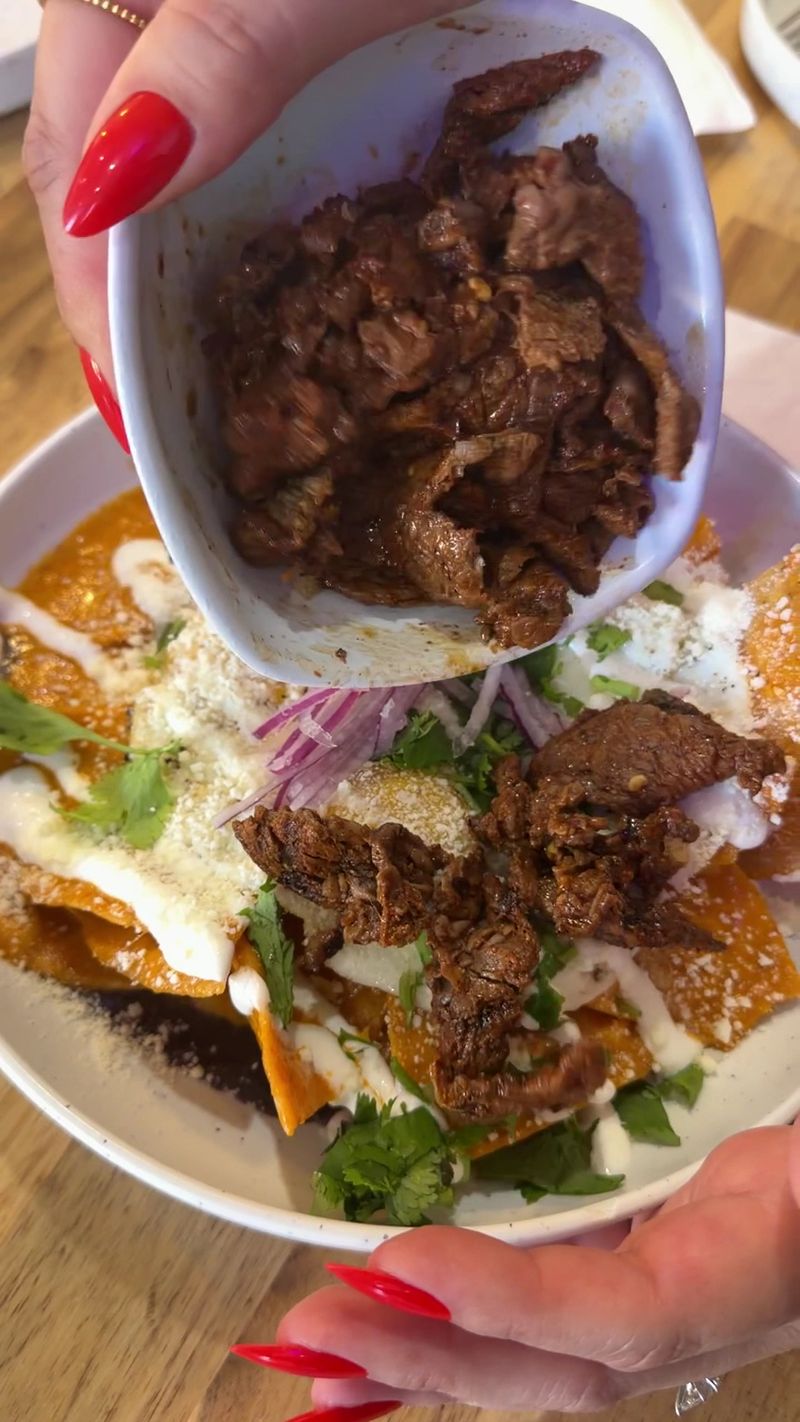
Handmade masa takes time, and you can taste the difference immediately. Tortillas pressed and cooked to order have a soft chew and a toasted aroma that packaged versions never manage.
Fire plays an equally important role at Milpa. Charred vegetables, grilled meats, and toasted chiles build layers of flavor that feel deep without being heavy.
You will notice sauces that taste like someone stood over a pot for hours. Moles, salsas, and braises reward that kind of patience, and the kitchen clearly understands it.
Here is a practical tip. Order something with tortillas on the side so you can taste the masa on its own before wrapping it around anything else.
If you have only eaten Mexican and Latin food at fast counters, this style may surprise you. The flavors are familiar but sharper, cleaner, and built with more care than you might expect from a small dining room.
Small Plates Built For Sharing Around The Table
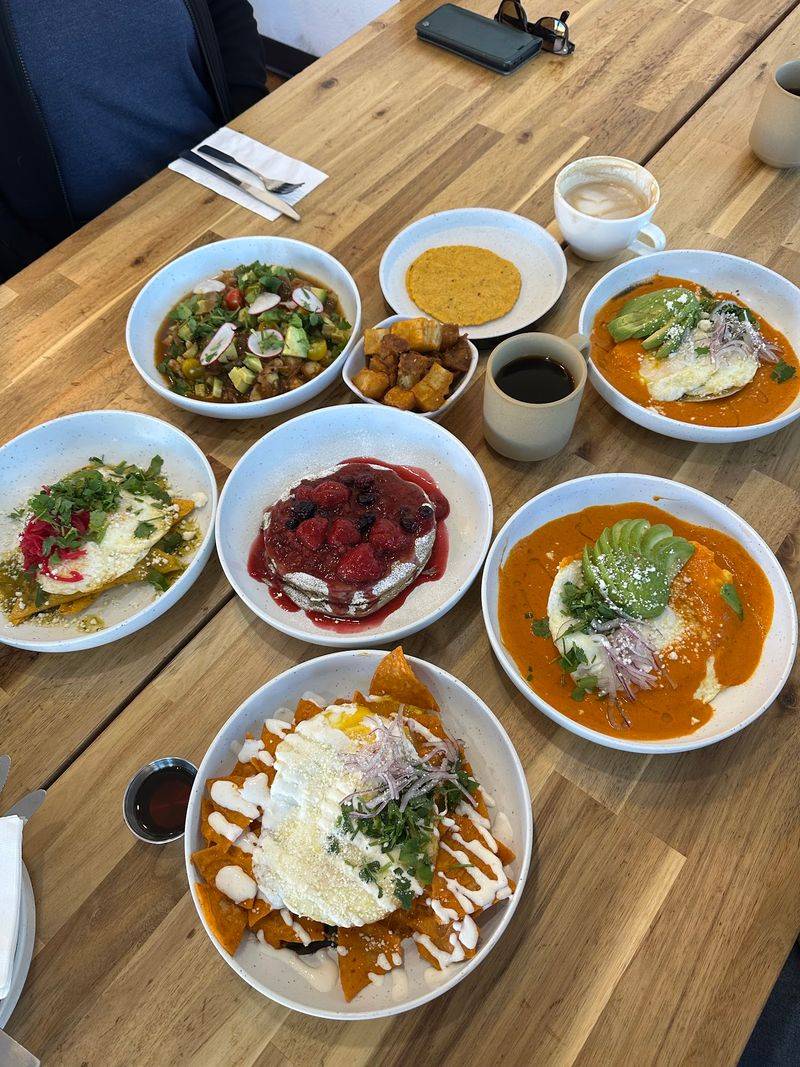
Sharing food changes the mood of a meal, and the menu here encourages exactly that. Plates arrive in a size meant for passing around rather than hoarding, which keeps conversation moving.
Shrimp ceviche, tacos, tetelas, roasted vegetables, and other shareable dishes give you plenty of ways to sample the menu.
At Milpa, ordering this way also helps you understand the kitchen’s range. One bite might be cool and citrusy, the next smoky and rich, and the contrast is part of the fun.
My suggestion is to bring at least two other people. Groups of three or four can cover most of the menu in a single sitting without anyone feeling stuffed.
Pace yourself and order in rounds. Start with something cold and fresh, move to grilled dishes, then finish with something rich and slow cooked.
Plenty of Nevada restaurants push huge portions, so a menu built around balance and variety feels refreshing. You leave satisfied and still remembering individual flavors instead of one giant plate.
What To Know Before You Go
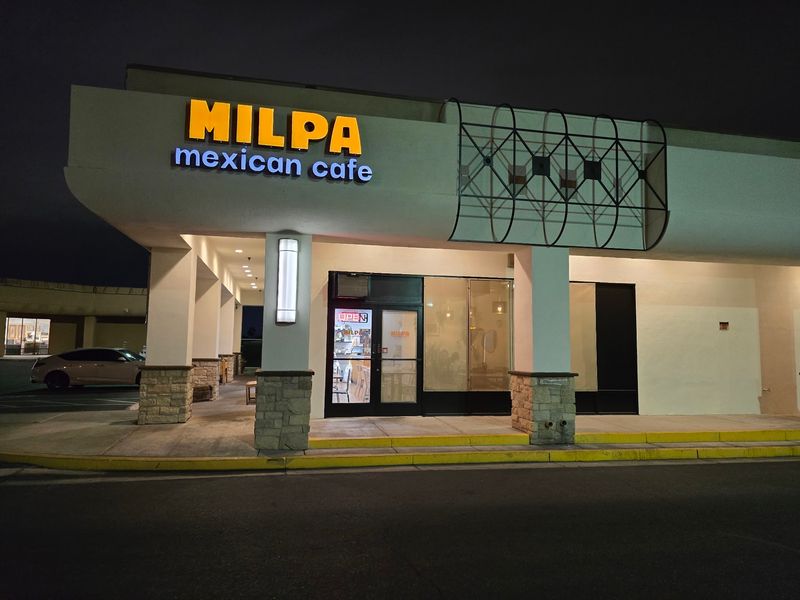
Suburban shopping centers hide some of the best food in the country, and this one proves the point. The restaurant sits well away from the tourist corridors, in a neighborhood plaza where locals run errands.
You will find Milpa at 4226 S Durango Dr, Suite 101A, Las Vegas, NV 89147, which puts it in the southwest part of the valley. Plug that into your map app before you leave, because the suite number matters in a plaza this size.
Parking is usually straightforward since the lot serves several businesses. Arriving a little before the dinner rush gives you the easiest spot and a calmer room.
Hours can shift with the season, so a quick call or a look at the restaurant’s social pages saves you a wasted trip. Reservations are smart, especially after national attention brings in new visitors.
Give yourself extra driving time if you are coming from the resort corridor. The drive takes longer than you might guess with Las Vegas traffic. Once you are seated, the room feels intimate rather than sprawling, which is part of the appeal for anyone tired of oversized dining halls.
Tacos That Deserve Your Full Attention
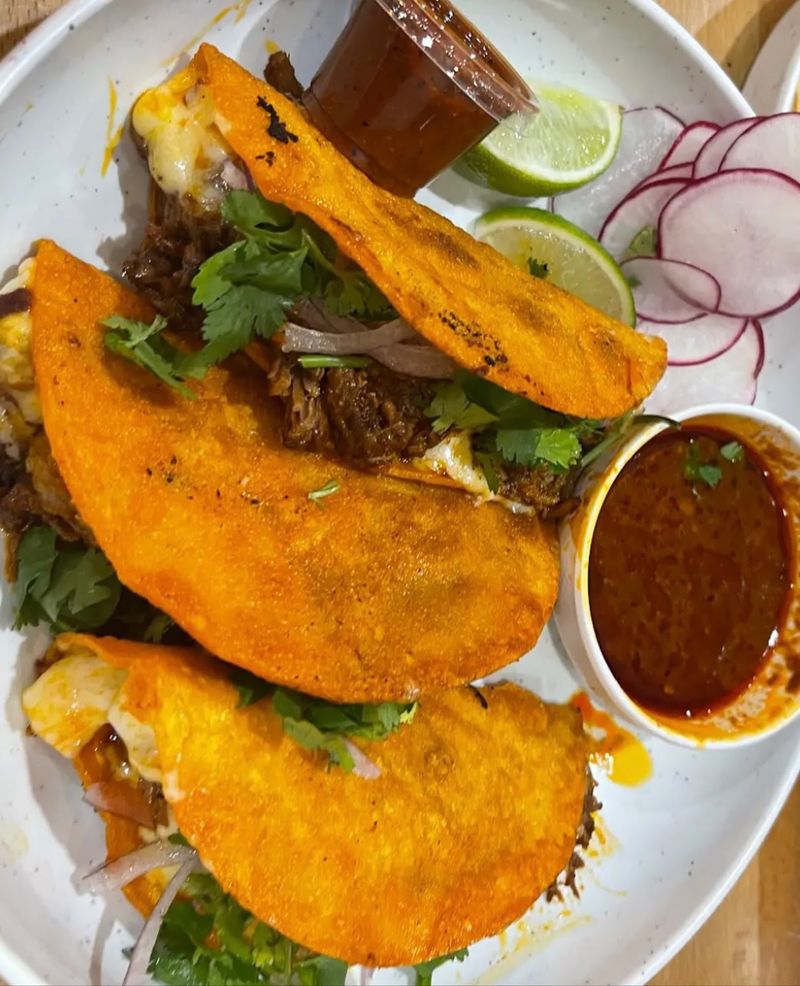
Tacos are easy to make badly and surprisingly hard to make memorably. The difference comes down to the tortilla, the fat content of the filling, and the salsa that ties everything together.
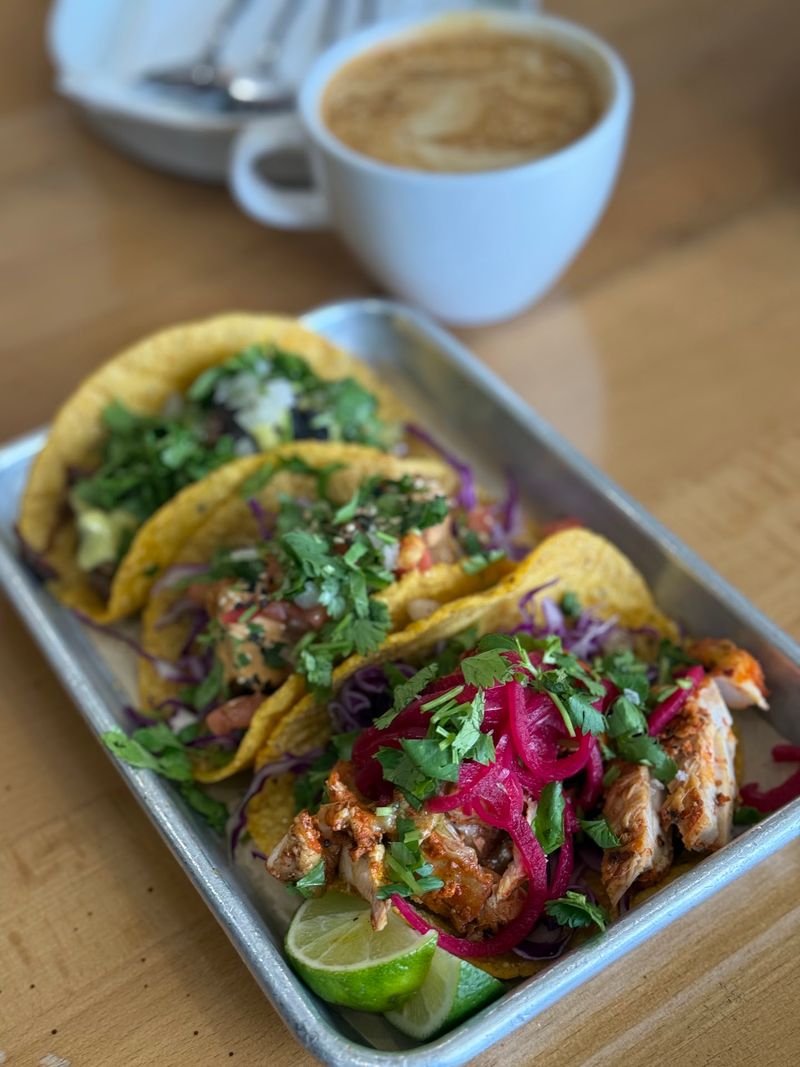
Birria queso, braised brisket, barbacoa, chicken, shrimp, and fish versions all appear on the current taco menu. The kitchen at Milpa treats the taco as a full composition rather than a quick snack.
Eat them right away. A taco built with fresh masa loses its texture in a few minutes, so resist the urge to photograph everything before you take a bite.
Ask about house made hot sauces if you like heat. Habanero based sauces are common in this style, and a small amount can lift a whole plate.
You should also try more than one variety in a single visit. Comparing a rich braised filling against something lighter teaches you a lot about how the kitchen balances flavor.
Nevada has countless taco options, but versions made with handmade tortillas and slow cooked meat sit in a different category entirely.
Service That Explains The Menu Without Rushing You
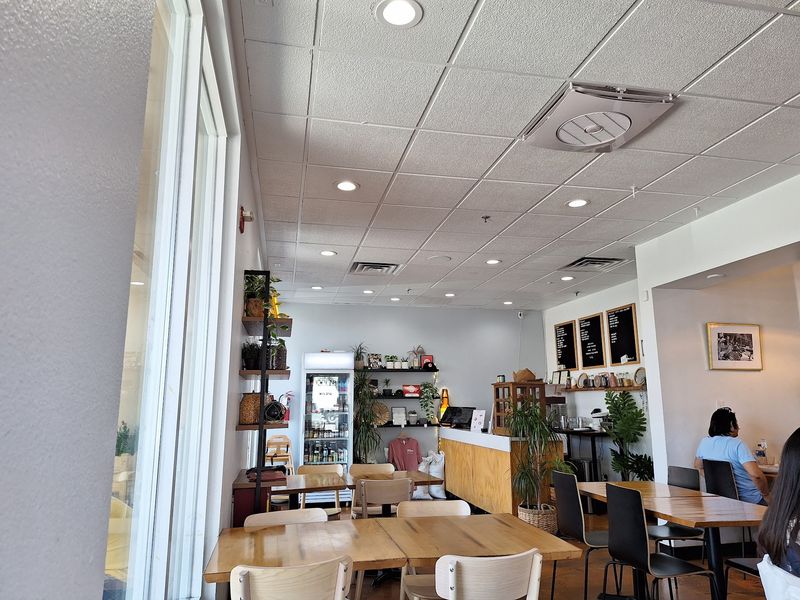
Good service in a small restaurant feels less like a performance and more like a conversation. Staff who know the menu can tell you which dish uses a particular chile, how spicy something runs, and what pairs well together.
That kind of guidance matters when the menu features ingredients you may not recognize. Names of chiles, herbs, and regional preparations can be unfamiliar, and a quick explanation makes ordering far easier.
Teams at places like Milpa tend to work with the kitchen closely, which means requests get handled thoughtfully. Adjusting spice levels or flagging an allergy usually goes smoothly.
My recommendation is to ask questions freely. Tell your server what flavors you usually enjoy and let them steer you toward two or three dishes. Plan on a relaxed pace. Dishes come out as they finish rather than all at once, which spreads the meal across a comfortable hour or two.
If you are celebrating something, mention it when you book. Small restaurants often go out of their way for occasions, and a little notice helps the team prepare something thoughtful for your table.
A Dining Room That Feels Warm Instead Of Loud
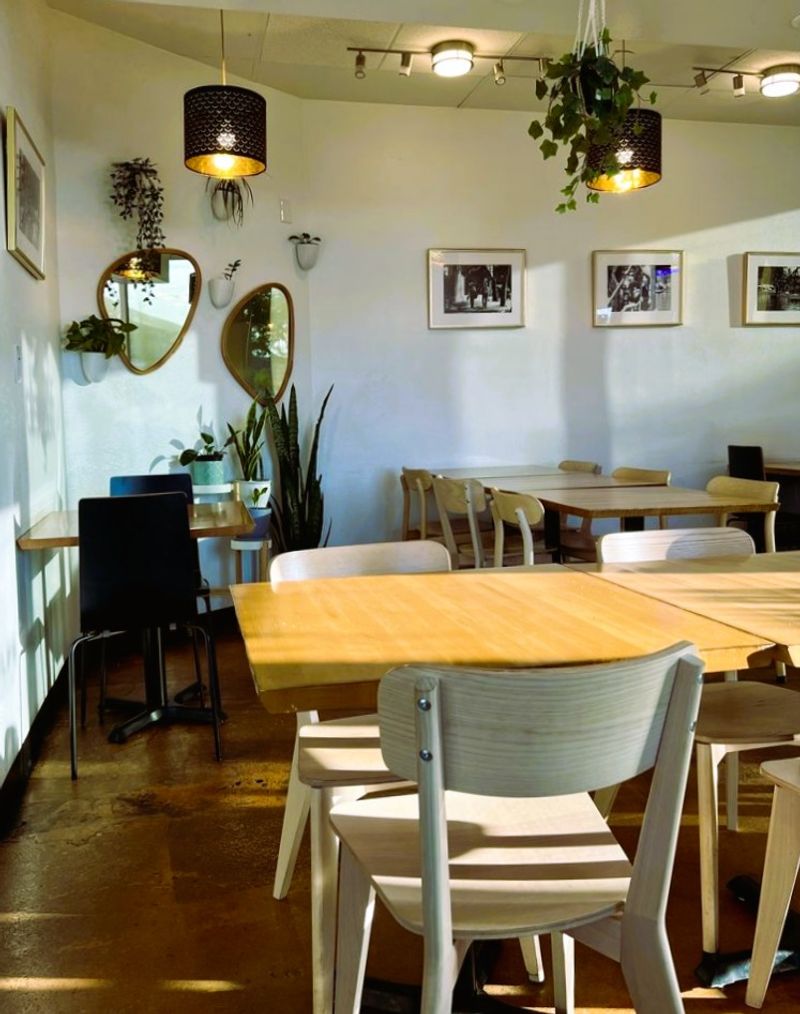
Design does a lot of quiet work in a restaurant this size. Warm lighting, natural wood, arched shapes, and simple table settings help the food stand out instead of competing with the room.
Seating close to the kitchen or bar area gives you a view of the cooking, which many guests enjoy. Watching tortillas get pressed is genuinely entertaining.
Because Milpa occupies a compact space, the atmosphere shifts with the crowd. Early evenings feel calm and conversational, while later hours bring more energy and music.
If you prefer a quieter meal, aim for the first seating of the night. Couples looking for a relaxed dinner tend to find that window ideal.
The dress code is comfortable. You will see people in jeans next to people dressed up for a birthday, and nobody looks out of place. Small rooms also mean limited tables, so walk-ins during peak hours can involve a wait. A reservation solves that problem.
Compared with the enormous dining halls scattered across Nevada, an intimate room like this offers something different. You actually hear the person across from you.
Planning Your Visit Before The Crowds Catch On
Attention from a major food organization tends to fill tables quickly, and that pattern repeats across the country. Booking ahead is the single best move you can make right now.
Weeknights usually offer the easiest reservations and the calmest atmosphere. Weekends fill up faster, especially once word spreads through local and national food coverage.
Bring an open mind along with your appetite. Milpa builds its menu around Latin ingredients and techniques that may be new to you, and the dishes reward curiosity rather than caution.
Set aside real time for the meal. Cooking built around heirloom corn masa, braised meats, and fresh ingredients deserves time to enjoy.
Consider making the trip part of a broader plan to explore neighborhood restaurants across the valley. Nevada holds far more independent kitchens than most visitors realize, and this one makes an excellent starting point.
What stays with you afterward is the sense that someone cared about every element on the plate. National recognition simply confirmed what neighbors already suspected, and now you have a good reason to see it for yourself.