
Kids Climb A 55-Foot Mound Built By Hand 800 Years Ago At This Free Mississippi Delta Stop
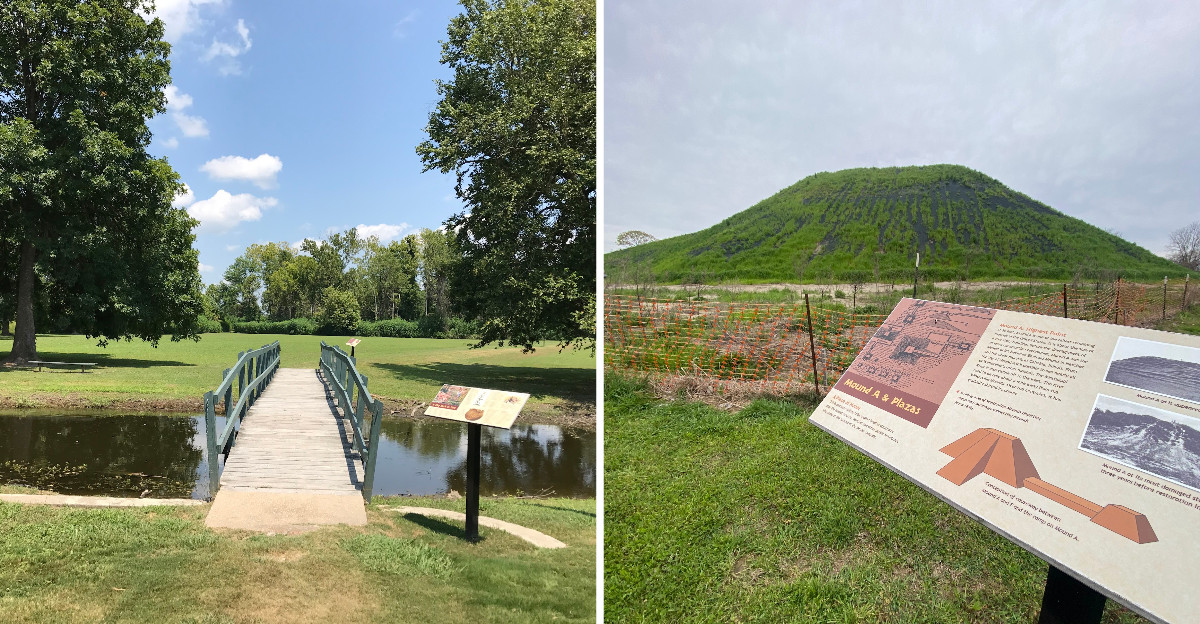
A quick detour off a flat Delta highway in Mississippi led us to a grassy hill so tall it seemed out of place. Then we learned that people built it by hand, one basket of dirt at a time, more than 800 years ago.
Our kids went quiet, which almost never happens on a road trip. That earthwork, and the ancient city around it, turned a leg-stretch stop into one of our most talked-about family adventures.
An Ancient City Beside Highway 1
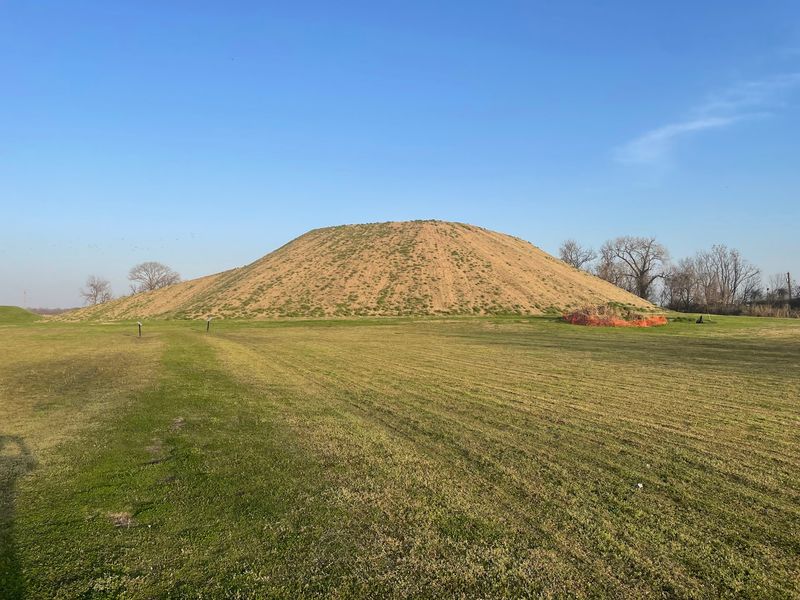
Flat cotton and soybean fields stretch for miles in the Mississippi Delta, so a 55-foot hill catches your eye fast. That hill is Mound A, the centerpiece of Winterville Mounds, sitting at 2415 MS-1 just north of Greenville.
Families can pull right off Highway 1 and park within steps of the grounds.
Winterville is one of the largest Native American mound sites in the United States. It holds a group of earthen platform mounds and open plazas built by people who lived here roughly a thousand years ago.
The site is also a National Historic Landmark, which tells you how much it matters to the story of the country.
For parents, the big draw is simple. Kids get to stand inside a real ancient ceremonial center instead of reading about one in a textbook.
The open lawns give them room to move, and the giant mounds give them something to wonder about.
The Mississippi Department of Archives and History runs the site. A small museum sits near the entrance, though it has been under renovation for a while.
Even so, the grounds stay open daily, making this an easy and meaningful stop on any Delta drive with children.
Builders From the Plaquemine Culture
Long before Greenville existed, a community of skilled planners called this ground home. Archaeologists connect them to the Plaquemine culture, a group that thrived in the region from about AD 1000 to 1450.
Many experts believe these people were ancestors of the Natchez.
Some visitors also link the site to the ancestors of the Chickasaw and Choctaw Nations. Either way, kids quickly understand that the Delta has a deep human history stretching back centuries.
That realization tends to spark plenty of follow-up questions on the drive home.
Here is a number to share with young travelers. The busiest building period happened between AD 1200 and 1250.
That means many of these mounds were already old when Columbus sailed across the Atlantic in 1492.
Winterville was a hub for religious and political life in its day. Leaders lived atop the mounds, and ceremonies took place on the platforms.
Visitors often describe it as the seat of a regional power, which helps kids picture a bustling capital rather than a sleepy field.
A fun family exercise is to make a quick timeline in the car. Mark the mound-building years, then add the founding of the United States.
The gap surprises nearly everyone.
Basket Loads of Soil, Layer by Layer
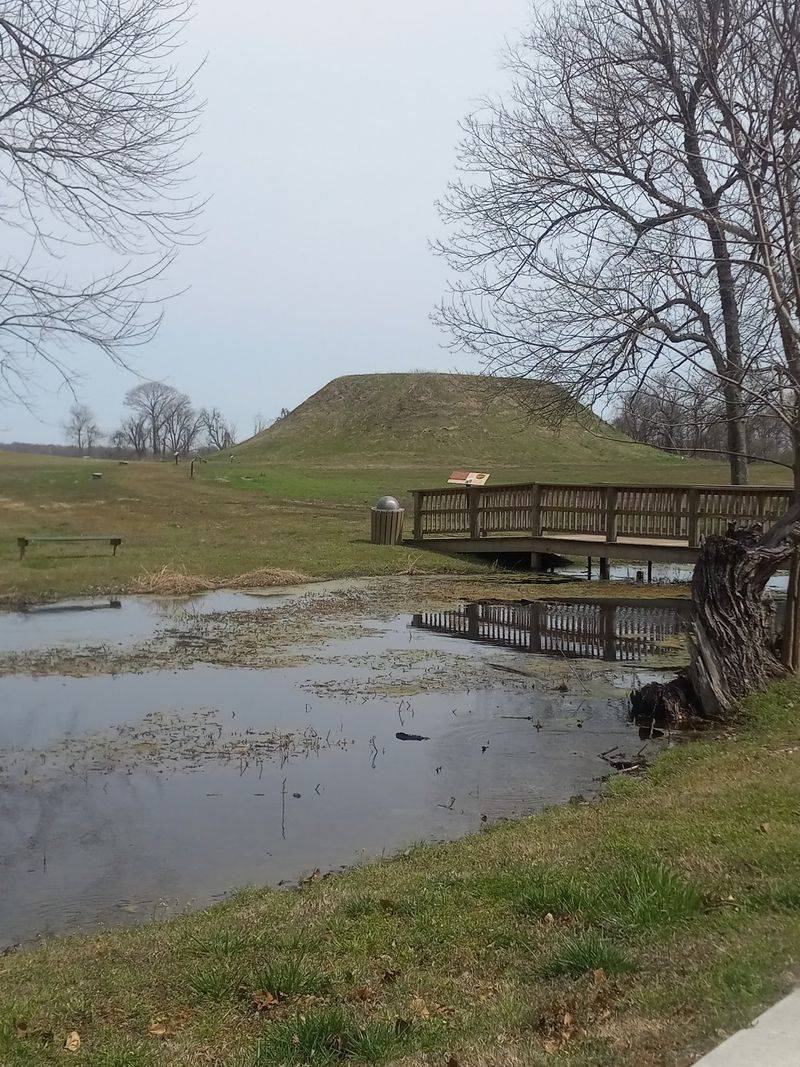
No bulldozers, no dump trucks, no wheelbarrows. Every mound at Winterville rose because people dug soil, carried it in baskets, and packed it down by hand.
Layer after layer, the earthworks grew taller over many years.
That fact lands hard with kids who have ever built a sandcastle. Ask them how many trips it might take to fill a single bucket hill, then point to a 55-foot mound.
The math gets big very quickly.
Workers carefully tamped each layer to keep the shape steady. The result was a series of flat-topped platforms strong enough to hold buildings.
Those structures served as temples and homes for high-ranking leaders.
Originally, the site had more than twenty mounds. Today, somewhere between a dozen and eighteen significant mounds remain, along with two large plazas.
Some visitors count eleven main ones that are easy to spot, a fraction of the earlier total that still shows how large the community once was.
Bring a small bag or toy bucket for younger children to use at home later. Recreating a mini platform mound in the backyard is a hands-on way to remember the trip.
It also helps kids appreciate the patience and teamwork that shaped this landscape.
Mound A, the 55-Foot Temple Mound
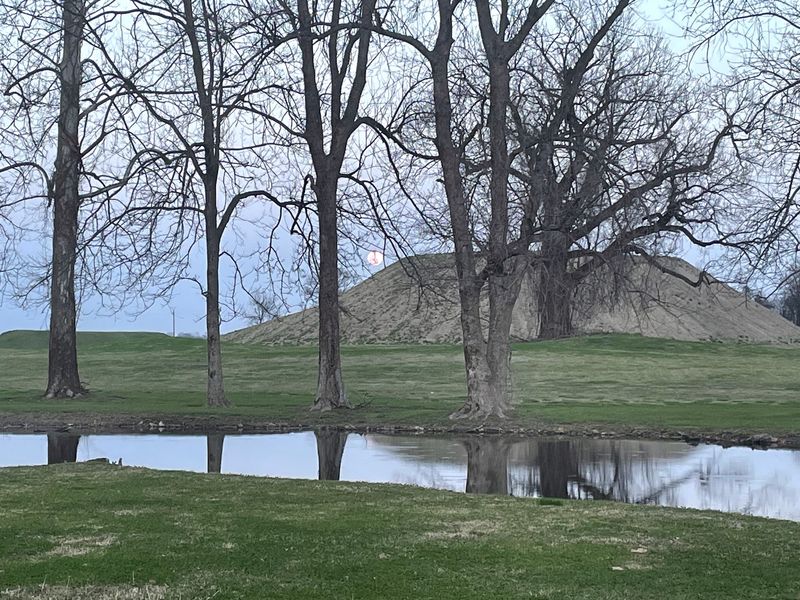
Fifty-five feet tall in a land as flat as a tabletop. Mound A, often called the Temple Mound, ranks among the tallest earthen structures in the United States.
Visitors frequently mention how massive it looks against the level Delta horizon.
Approaching by car is part of the fun. The mound grows bigger with every second as you pull in, and kids in the back seat usually notice it first.
That first glimpse sets the tone for the whole visit.
Leaders once used the summit for important buildings tied to ceremony and authority. From up there, they could see across the plazas and the surrounding mounds.
Standing at the base today, families can trace the steep sides and imagine the structures that once crowned the top.
Here is the honest part for climbing-minded kids. Current site rules ask visitors not to walk on any of the mounds, including this one.
The best experience now comes from circling its base and taking in its size from every angle.
A good trick is to have children stand at the foot and look straight up. Then walk to the far side of the plaza and look back.
The change in perspective makes its height feel even more impressive.
Plazas That Reveal a Planned Community
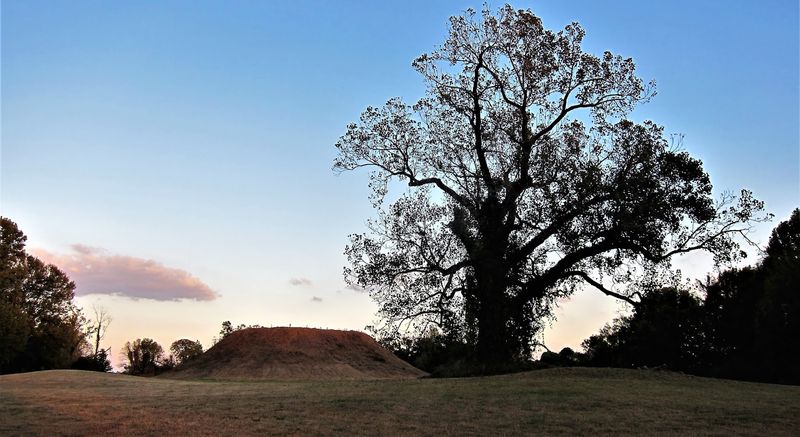
Walk into the open space between the mounds and the design starts to make sense. Two large plazas sit at the heart of Winterville, ringed by earthworks.
Nothing about the arrangement feels random.
Kids sometimes arrive thinking they are visiting a few old hills. Once they see how the plazas are framed, they start to recognize a city plan.
It is a lot like noticing how a town square sits in the middle of shops and courthouses.
These plazas were gathering places for ceremonies and community life. Imagine crowds of people coming together while leaders looked on from the platforms above.
That image helps children connect the grassy space with real human activity.
Some visitors recommend learning the site layout first, then walking the entire grounds rather than sticking to the main path. Doing so lets families see each mound in relation to the others.
A couple of the mounds may be fenced off for upkeep, so watch for markers.
Turn the walk into a game for younger kids. Have them count mounds, guess which one was most important, and sketch a quick map.
By the end, they will have built their own picture of how this ancient capital worked.
Respect for a Sacred Landscape
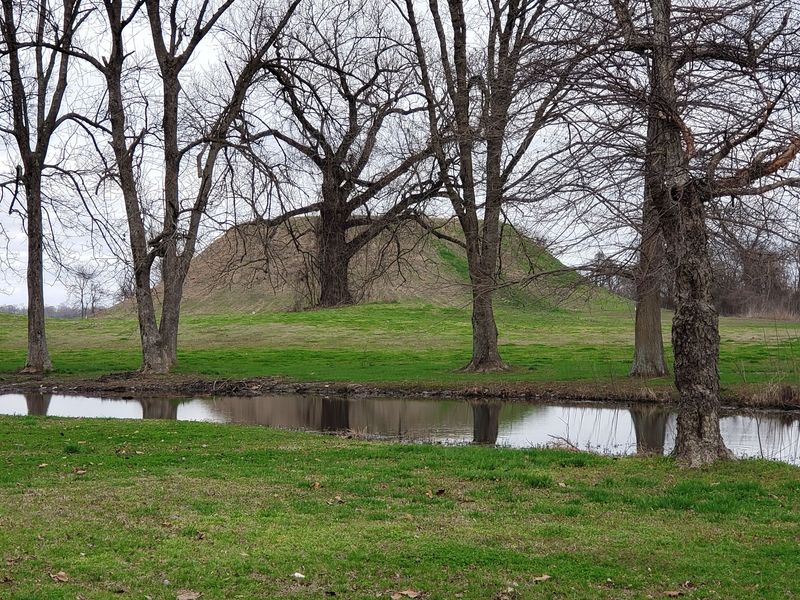
Plenty of mound sites around the South invite climbing, so families sometimes arrive expecting a hike to the top. Winterville handles things differently.
The Mississippi Department of Archives and History asks visitors not to walk on any of the mounds.
The reason is respect and preservation. These earthworks are sacred to the descendants of the people who built them.
Foot traffic can also wear down slopes and speed erosion, which harms structures that have lasted for centuries.
Travelers who have explored other sites on the trail often note that these mounds are off limits. Most still leave impressed, because the scale is easy to appreciate from the ground.
Kids can learn a valuable lesson here about caring for places that matter to others.
Before you get out of the car, explain the rule to your children. Framing it as a way to protect history usually works better than a simple no. Many kids take pride in being careful guardians once they understand why.
Plenty of open lawn remains for running and exploring. Families can walk the plazas, circle the bases, and read the signs.
That keeps energy flowing while honoring the site and the people connected to it.
Signboards, Brochures, and a Museum in Transition
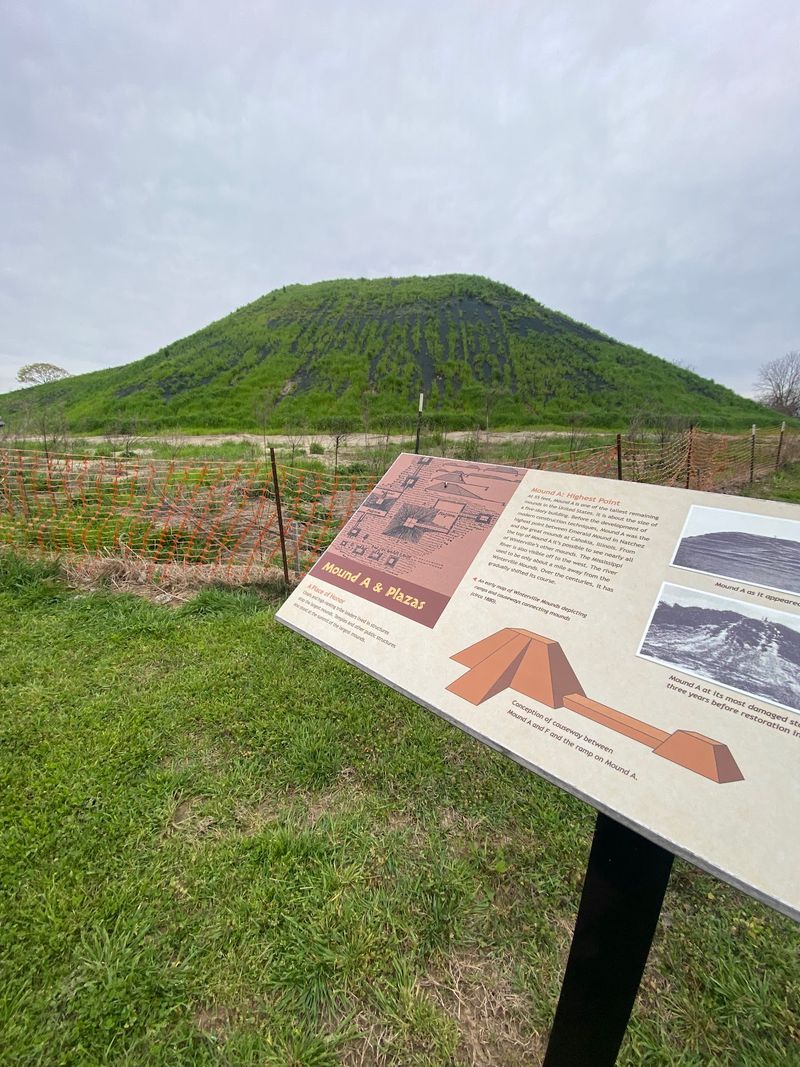
Learning happens outdoors here, and that works nicely for restless young travelers. Informative boards sit around the grounds, offering clear and easy explanations of the mounds and the people who built them.
Visitors often praise these markers for making the history easy to follow.
The on-site museum has been closed for renovations for several years. Earlier visitors remembered it as a small, well done space with interesting displays and friendly local staff.
Plans call for new exhibits and an updated brochure once work is complete.
In the meantime, some visitors have found a brochure in a box outside that guides you through the site. Grab one if it is available.
It turns a casual stroll into a self-guided tour.
For families, the outdoor format has a hidden bonus. Kids can read a sign, look up at the mound it describes, and connect the words to the real thing instantly.
That kind of learning tends to stick.
Consider assigning each child a sign to read aloud. Older kids can summarize the key facts, while younger ones point out pictures.
Everyone becomes part of the tour, and the history feels shared rather than lectured.
Long Shadows at Sunrise
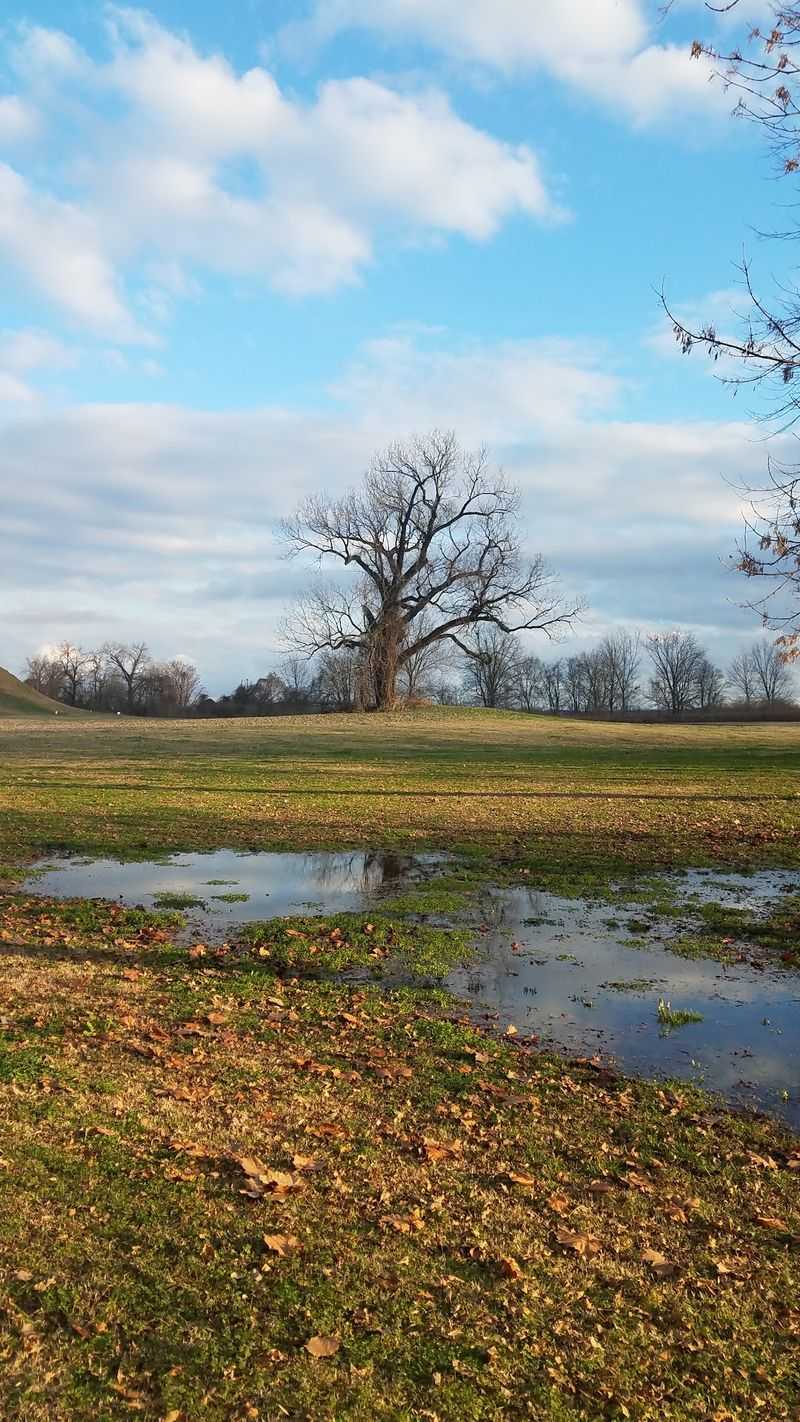
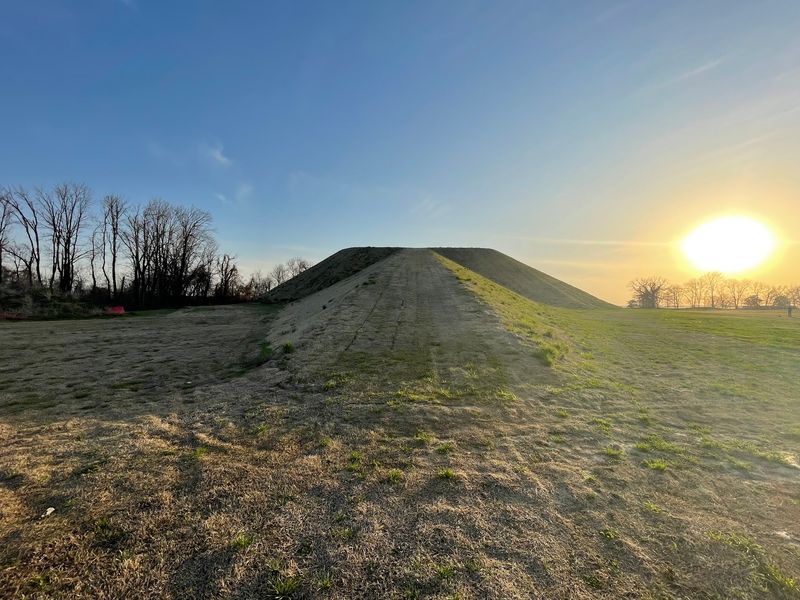
Early birds get the best view. One visitor suggested arriving within an hour or two of sunrise, when long shadows stretch across the grass and the mounds look their most dramatic.
The grounds open at 7 AM, so an early start is possible.
Morning light also helps kids see the shapes of the earthworks more clearly. The edges of each platform stand out sharply, and the plazas glow.
Photographers in the family will be thrilled.
Visitors often describe the setting as beautiful, with a lovely view across the open grounds. The wide fields and the flat horizon make the mounds feel even larger.
On a clear day, the sky seems to go on forever.
Delta summers get hot, which gives morning visits another advantage. Cooler air means happier kids and longer walks.
Pack water, sunscreen, and hats regardless of the hour, since shade can be limited in the open plazas.
A sunrise stop pairs well with a road trip schedule too. Families can explore, snap photos, and still be back on Highway 1 before breakfast crowds hit Greenville.
It is a calm way to begin a day of Delta exploring.
A Calm Setting for Curious Kids
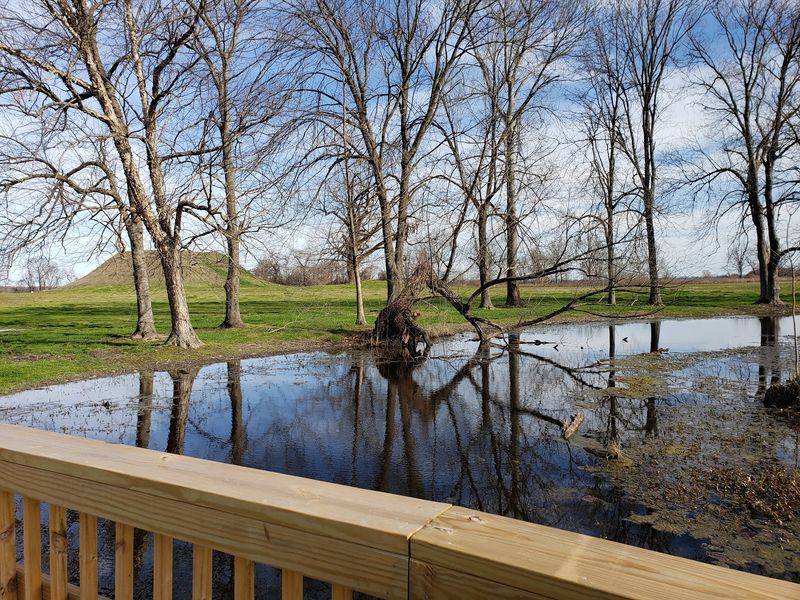
Quiet is the word visitors use again and again. With wide open lawns and few crowds, Winterville feels peaceful, almost reflective.
Some describe it as a place to think about the past and those who came before.
That calm suits a certain kind of family outing. History buffs, budding archaeologists, and kids who love asking big questions tend to thrive here.
Children who need a playground or rides may lose interest sooner.
The grounds are well maintained, clean, and easy to walk. Strollers can handle the flat areas, and there is plenty of room for little ones to wander.
Many visitors call the site a neat stop for stretching legs on a long drive.
Locals have a soft spot for it too. One person recalled visiting the Indian Mounds, as they called it growing up, with school and family at least twice a month.
Friends still gather there to hang out.
Expect to spend roughly 30 to 60 minutes exploring. That window fits well into a busy travel day.
Families who want more time can linger on the plazas, read every sign, and let kids take in the stillness of a very old place.
Hours, Free Admission, and Directions
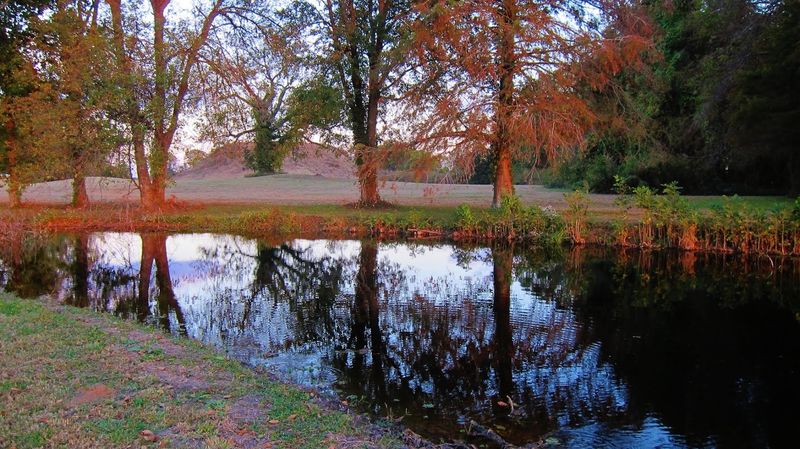
Free admission makes planning easy. The grounds are open every day of the week, Sunday through Saturday, from 7 AM to 5 PM.
Families can visit any day without worrying about tickets or reservations.
The site sits at 2415 MS-1, just north of Greenville. Travelers coming from Arkansas will find it roughly 15 minutes north of the Mississippi River bridge.
Simply drive up off Highway 1 and park close to the grounds.
Remember that the museum building remains closed for renovation. Plans include new exhibits and an updated brochure, so updates are worth checking before you go.
Restroom access may also be limited, so plan a stop in town.
For current details, call 662-334-4684 or visit the Mississippi Department of Archives and History website. Events such as Native American Days were paused in past years, so confirm whether any programs are running.
Staff can share the latest on the museum reopening.
Pack a picnic blanket, water bottles, and snacks for a relaxed visit. Comfortable shoes help since you will want to walk the full grounds.
A notebook or sketchpad can turn the trip into a mini field study for kids.
A Fitting Stop on the Mississippi Mound Trail
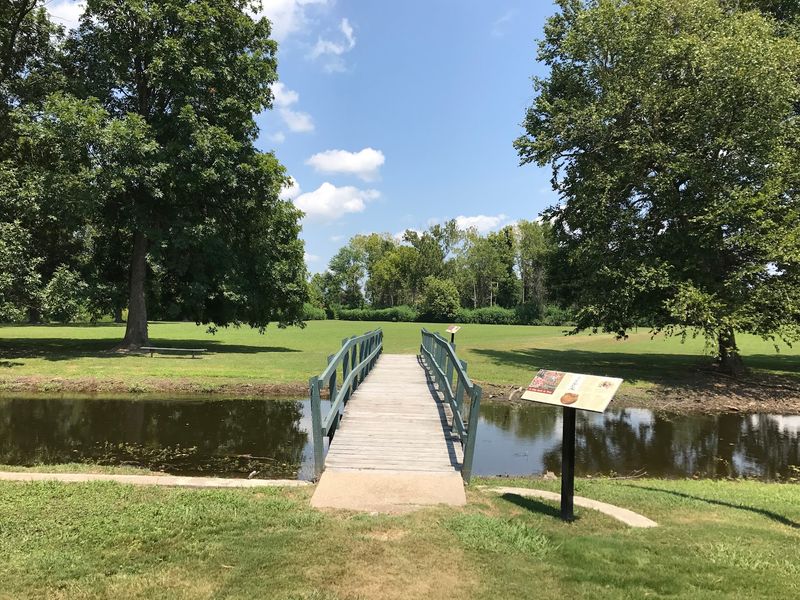
Winterville is one chapter in a much bigger story. The site is a key stop on the Mississippi Mound Trail, a route that links ancient earthworks across the state.
Families who catch the mound bug here can keep exploring along the river.
Visitors who have followed the trail often call Winterville a great stop for brushing up on Delta history. The size of Mound A sets it apart, and the planned plazas help everything click.
Kids leave with a sharper sense of how many people lived here long ago.
Fair expectations matter. Activities are limited, the museum is closed for now, and climbing is not allowed.
What you get instead is open space, clear signs, free entry, and a real ancient capital to walk through.
For parents, the payoff is a low-cost lesson that sticks. Children see, rather than just read about, what teamwork and patience could build centuries ago.
That memory tends to resurface in classrooms long after the trip.
Plan an hour, arrive early if you can, and bring curiosity. Pair it with the blues heritage of the Delta for a fuller day.
Winterville offers a thoughtful pause that many families end up remembering fondly.