
Kids Find Carvings Thousands Of Years Old At 8 Free Nevada Rock Art Sites
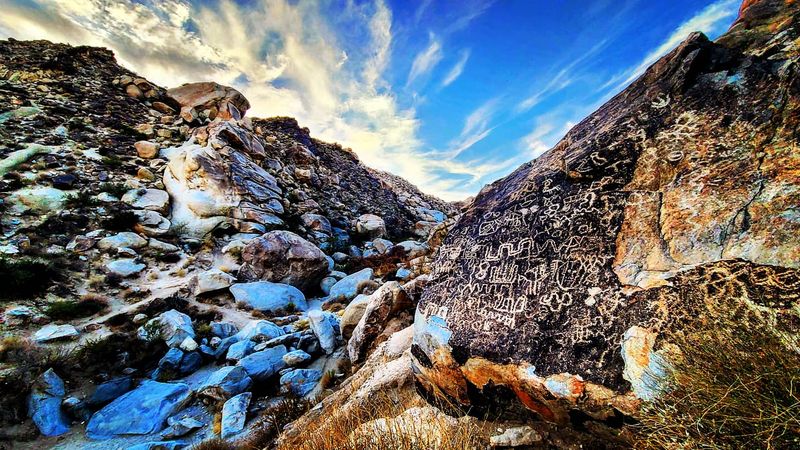
A gravel pullout off a Nevada highway does not look like much until you walk fifty feet and realize the boulder in front of you is covered in carvings older than most written history. The state is full of these spots, and the best part for anyone watching a budget is that almost none of them charge a dime.
Most sit on public land with short trails, a parking area, and a sign or two explaining what you are looking at. Pack water, sunscreen, and a curious kid, and one afternoon can stretch into a full day of desert detective work.
1. Grimes Point/Hidden Cave Archaeological Site
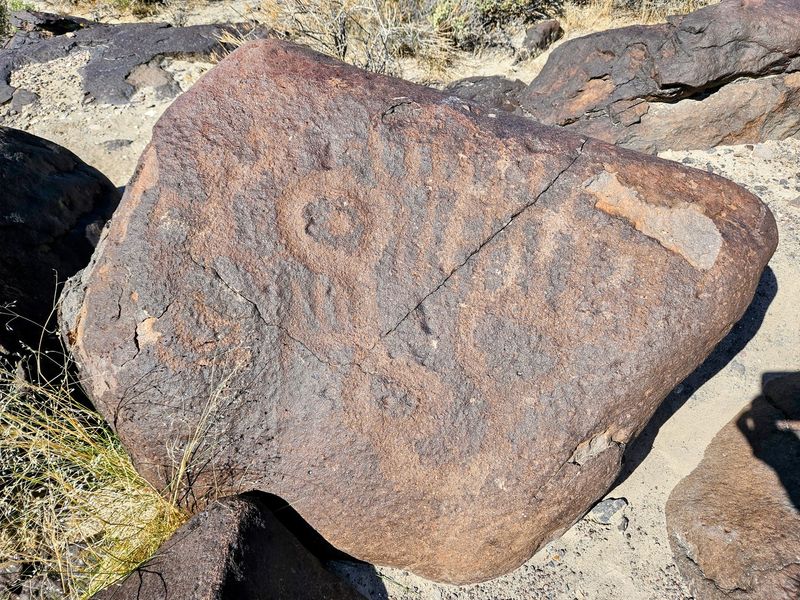
Pull off US-50 a few miles east of Fallon and you land in a field of dark basalt boulders scattered across an old lakebed. More than a thousand petroglyphs are pecked into those rocks, making it one of the richest concentrations of prehistoric rock art in the state.
Two short interpretive trails split the visit. One winds through the boulder field itself, pausing at carvings marked along the way, while the second climbs to an overlook with a sweeping view across the basin.
Carvings here lean abstract rather than literal, so kids often need a minute for their eyes to adjust. Once they spot the first set of grooves, they usually start finding them everywhere, which turns the walk into a slow-motion scavenger hunt.
Practical details work in a family’s favor. The site is managed by the Bureau of Land Management, stays open around the clock, and has a free parking lot right at the trailhead.
Weekend afternoons draw the most cars, while weekday mornings tend to be quiet. Bring shade and water, since the boulder field offers almost none of either.
2. Hickison Petroglyph Recreation Area, Austin, NV
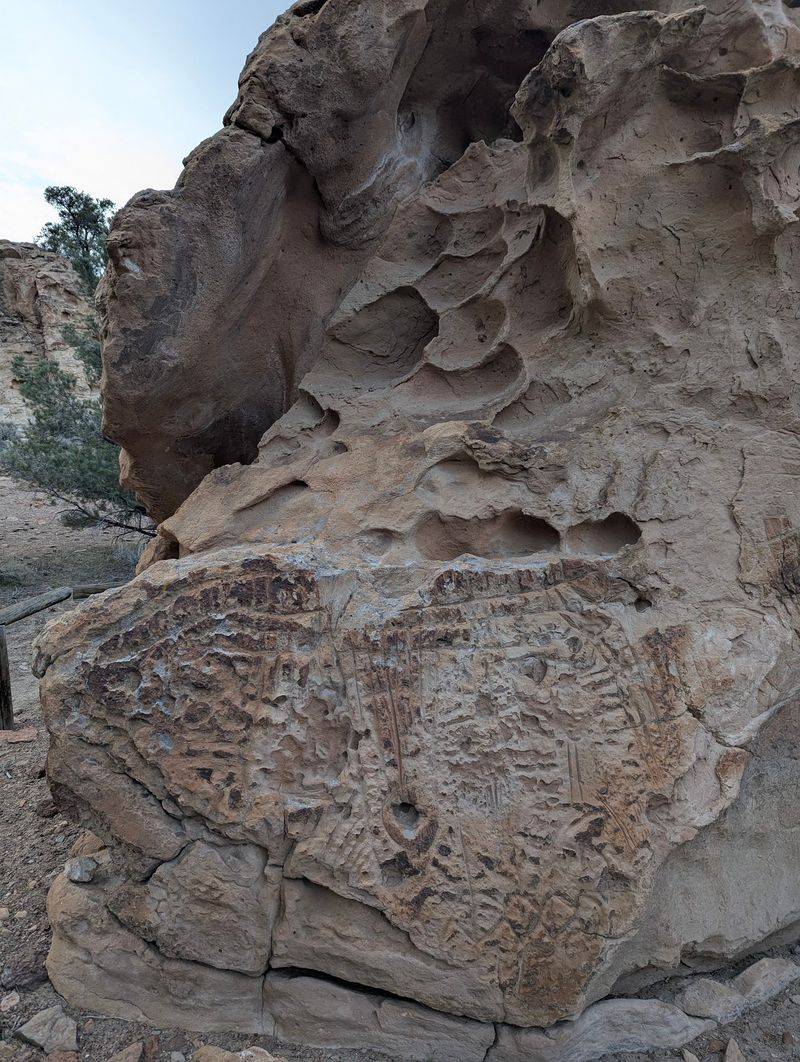
Driving the long empty stretch of Highway 50 near Austin, drivers start looking for any excuse to stop. A brown sign for this recreation area is the best one for miles.
The walk measures less than a mile round trip, and the first carvings appear almost immediately after the trail leaves the campground area. That short distance makes it a legitimate leg-stretcher rather than a commitment.
Fair warning for expectations: centuries of wind, sun, and freeze-thaw cycles have softened many of the carvings, so some panels read faintly. Bring that up with kids beforehand and the faint ones become more interesting, not less, since spotting a worn spiral feels earned.
What surprises most people is how good the surrounding hiking and camping are. The Bureau of Land Management site includes a free campground tucked among pinyon and juniper, which turns a highway stop into an overnight for no extra cost.
Dogs are welcome on the trail. Watch footing near the cactus, keep hands off the rock faces, and confirm campground conditions before driving out, since high-desert weather shifts fast at this elevation.
3. Mount Irish Petroglyph Site, Alamo, NV
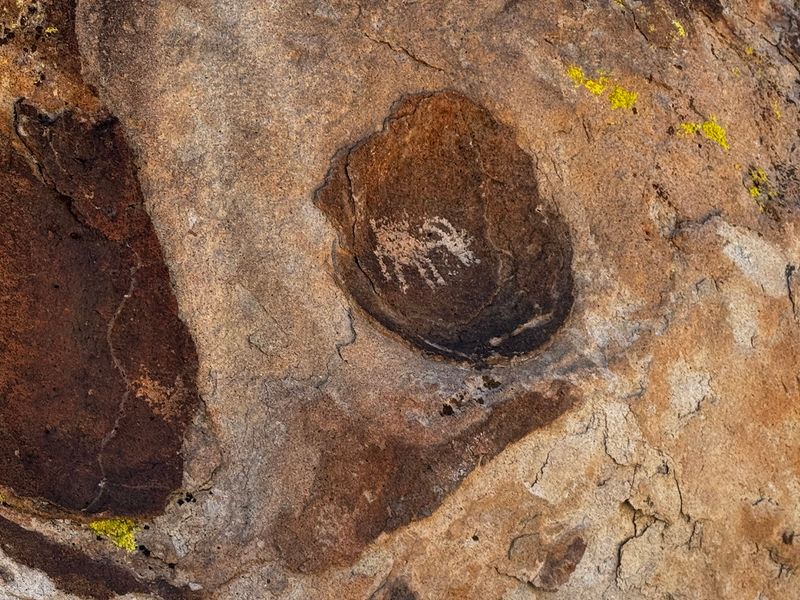
Lincoln County keeps this one well hidden, and the drive is half the story. Irish Mountain Road runs rough and bumpy off the pavement near Alamo, and the trip out takes roughly an hour and a half from the highway.
Earn that drive and the reward is a landscape of pale volcanic knolls with carvings unlike most others in Nevada. Human and animal figures show up alongside abstract patterns, and several distinct panels are spread across the district for exploring.
Elevation brings pinyon and juniper, which means shade and cooler air than the valley floor below. The views alone would justify the rattling ride.
Families should plan fully self-sufficient. There are no restrooms, no water, and no food anywhere nearby, so everything comes in the vehicle with you.
A free campground sits within the area for anyone wanting to stay the night under some of the darkest skies in the Lower 48. Entry costs nothing, since this is open Bureau of Land Management ground.
Check road conditions and weather before committing. A vehicle with decent clearance makes the difference between an adventure and a long, slow crawl.
4. Sloan Canyon National Conservation Area, Henderson, NV
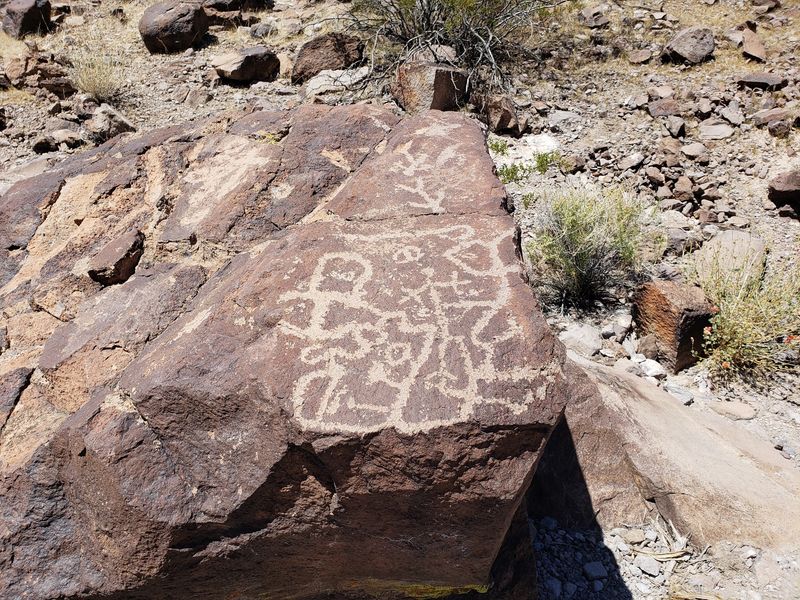
Hundreds of petroglyphs sit packed into one narrow stretch of canyon here, some estimated at around 3,000 years old. For a site roughly twenty minutes from the Las Vegas valley floor, that density is remarkable.
The conservation area covers more than 48,000 acres, with well-marked trails, wildlife including lizards, birds, and desert bighorn sheep, and panoramic views back toward the city lights.
Reaching the main petroglyph gallery takes real effort. The trail rates moderate for most of its length, then the final approach involves rocky footing that is best handled with a partner rather than solo.
Younger children do fine on the earlier portions, and the Bureau of Land Management lists the area as kid-friendly with hikes suited to families. Leashed dogs are welcome too.
Gates operate between 8 AM and 4:30 PM daily, and a free parking lot sits at the trailhead alongside a public restroom. Thursday mornings tend to be the busiest window, with Sunday afternoons noticeably calmer.
Summer heat in the Mojave is no joke, so start early, carry far more water than feels necessary, and confirm current hours before heading out.
5. Grapevine Canyon
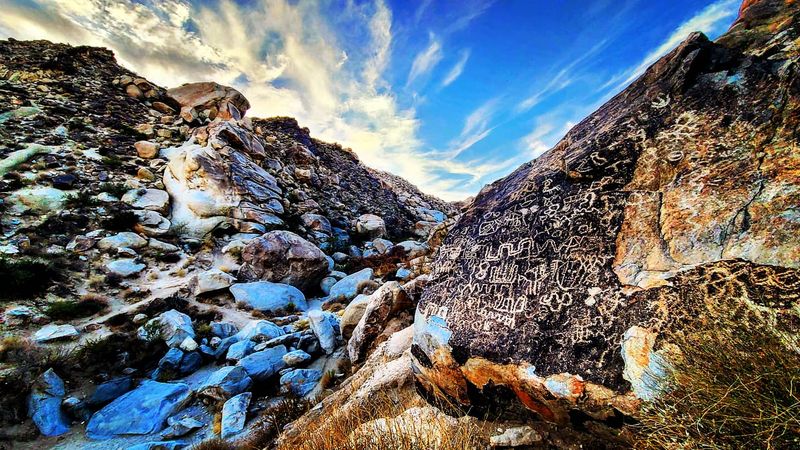
Petroglyph overload is the honest description. Walk a quarter mile up a sandy wash from the parking area and carvings appear on boulder after boulder, some high overhead and others right at eye level with no scrambling required.
Getting there is straightforward: about fifteen miles west of Laughlin on Highway 163, then a couple of miles in on Christmas Tree Pass. The dirt road stays well maintained, and the trailhead area includes restrooms and interpretive boards explaining where the panels are.
Carvings in this canyon are thought to date roughly between 1100 and 1900 AD, created by people connected to the Mojave who lived in the region. Meanings behind many of the designs remain unclear, which gives kids plenty to speculate about.
The canyon sits at the base of Spirit Mountain, sacred ground to Yuman-speaking tribes, and massive granite boulders frame the entrance dramatically.
Adventurous walkers can continue deeper with some rock scrambling, though the best concentration needs none of that. Admission is free, and the single rule worth repeating out loud to children is simple: look, photograph, and never carve.
6. Lagomarsino Petroglyphs, Reno, NV
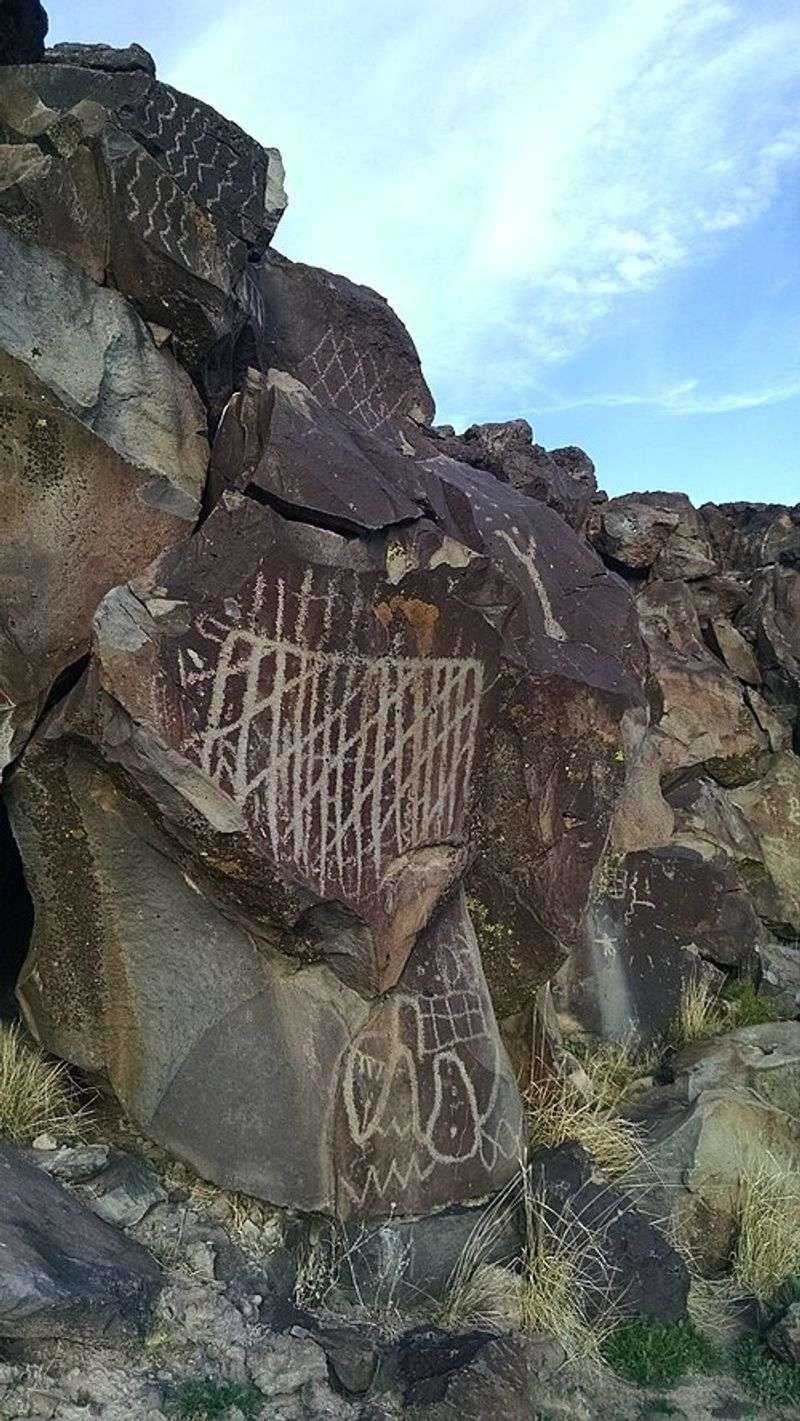
Northeast of Reno, in the folds of the Virginia Range, a single basalt canyon wall carries one of the largest collections of petroglyphs in the western Great Basin. Standing in front of it, the scale is hard to process.
Reaching it is the challenge. The access road is genuinely rocky, and even capable four-wheel-drive vehicles sometimes turn back before the end, so research the route and current conditions carefully before setting out.
Make it through and the payoff fills an entire day. The site rewards slow looking, the ridge views stretch in every direction, and families with pets can bring them along.
History runs deep on that wall, and unfortunately so does more recent graffiti. Names and initials scratched near the old carvings give parents a clear, real-world lesson in why these places need protecting.
No gates, no booths, no fees. Public land in the Virginia Range means access costs nothing beyond fuel and patience.
Pack a full day of food and water, tell someone your route, and treat the drive itself as part of the adventure rather than an obstacle to rush through.
7. Keyhole Canyon, COTTONWOOD CV, NV
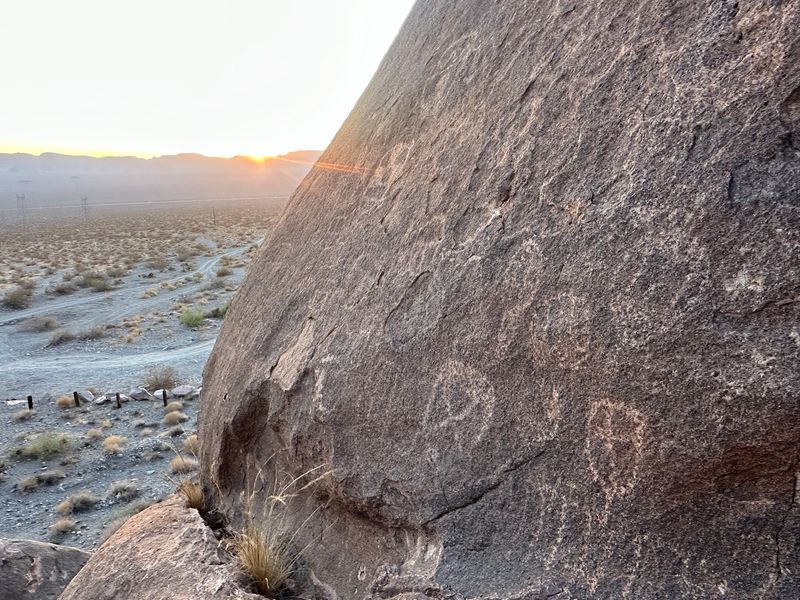
Tucked into the Eldorado Valley at the base of the Eldorado Mountains, this short canyon packs an unusual amount into a small space. Rock art, boulder scrambling, and a dry waterfall all sit within a few hundred yards of each other.
So many petroglyphs cover the granite here that visitors often lose count. Large geometric symbols dominate, with bighorn sheep, lizards, and human figures appearing among them, and most panels are readable from the ground without any climbing.
At the far end of the little trail sits a waterfall that runs dry the vast majority of the year. Kids still love standing at the base of it, imagining the water.
Climbers know the spot too, since the boulders and cracks draw bouldering and traditional climbing.
Getting in requires attention. The gravel approach roads suit high-clearance vehicles best, though careful drivers in passenger cars sometimes manage in dry conditions.
Access through this Bureau of Land Management area is free, and the site is quietest on Sunday mornings and weekday afternoons. Aim for cooler months, since shade in the canyon is limited.
8. Ash Springs Rock Art Site, Alamo, NV
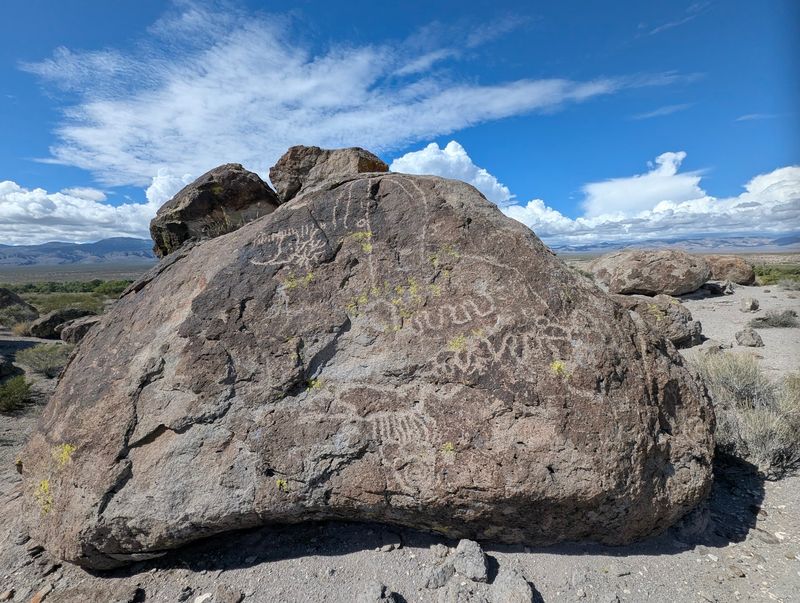
Some sites make you hunt. This one starts showing its hand before you even park, with carvings visible on the rock faces as the road comes in, and numbered markers appearing soon after.
A short trail runs past several marked panels in the Pahranagat Valley off US-93 near Alamo. At the start sits a trailhead box with a visitor register and interpretive pamphlets, though bringing your own pen is a smart move.
Designs here follow the Basin and Range tradition: abstract curvilinear and rectilinear patterns, stick-figure human forms, and animal images. Heavy weathering has faded parts of the panels, which tells its own story about how long they have been sitting in the desert sun.
What makes the location meaningful is the water. Warm springs nearby turned this valley into an oasis, and archaeological evidence suggests family groups camped here for weeks at a time.
Kids handle the walk easily, and the whole stop fits comfortably into a drive between Las Vegas and Great Basin country. Public land access costs nothing.
No facilities means packing water, snacks, and shade for everyone in the car.