
Kids Ride Behind A 1909 Steam Engine In This Eastern Nevada Railroad Town
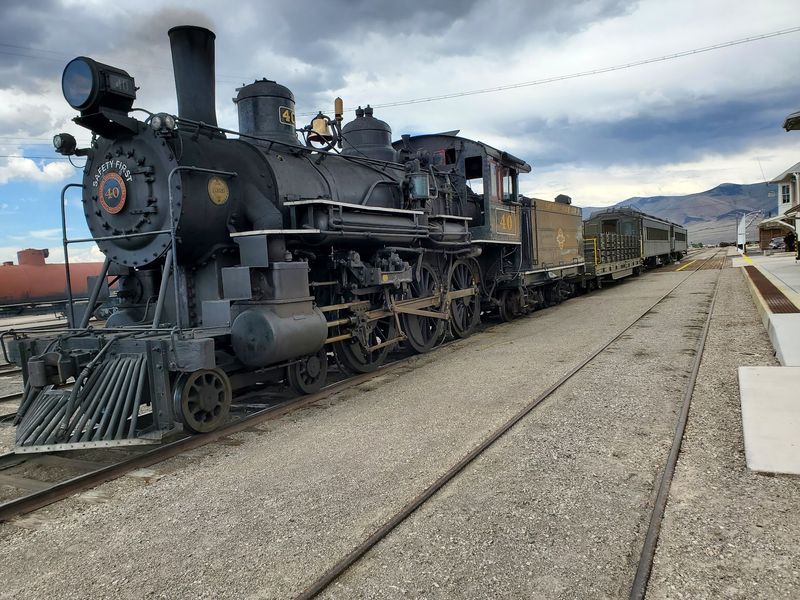
A whistle carries a long way across the high desert of eastern Nevada, and the first time you hear one out there, it stops you mid-sentence. Follow the sound and you end up in a 56-acre rail yard where machinists still shape parts on hundred-year-old tools and a coal-fired locomotive from 1909 pulls families up a canyon.
It feels less like a museum and more like a workplace that simply never clocked out. For families counting every dollar on a day trip, this one stretches further than most.
A Working Rail Yard On Avenue A
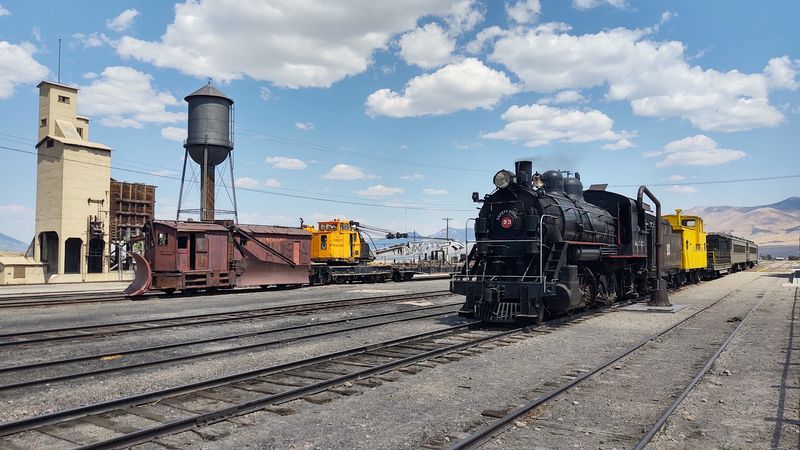
At 1100 Ave A in Ely, the Nevada Northern Railway Museum spreads across 56 acres of track, shops, and weathered buildings that never got torn down. It is classified as a rail museum, but that label undersells what is actually happening here.
Crews still fire locomotives, still turn parts on old machinery, still keep a fleet of historic equipment in running order. Visitors often describe the place as a time capsule, noting that the yard closed abruptly in 1983 and sat largely undisturbed until it reopened for the public.
More than 70 structures stand on the property, with roughly ten open for people to walk through. That includes the 1907 depot, machine shops, and engine houses where the real maintenance work gets done.
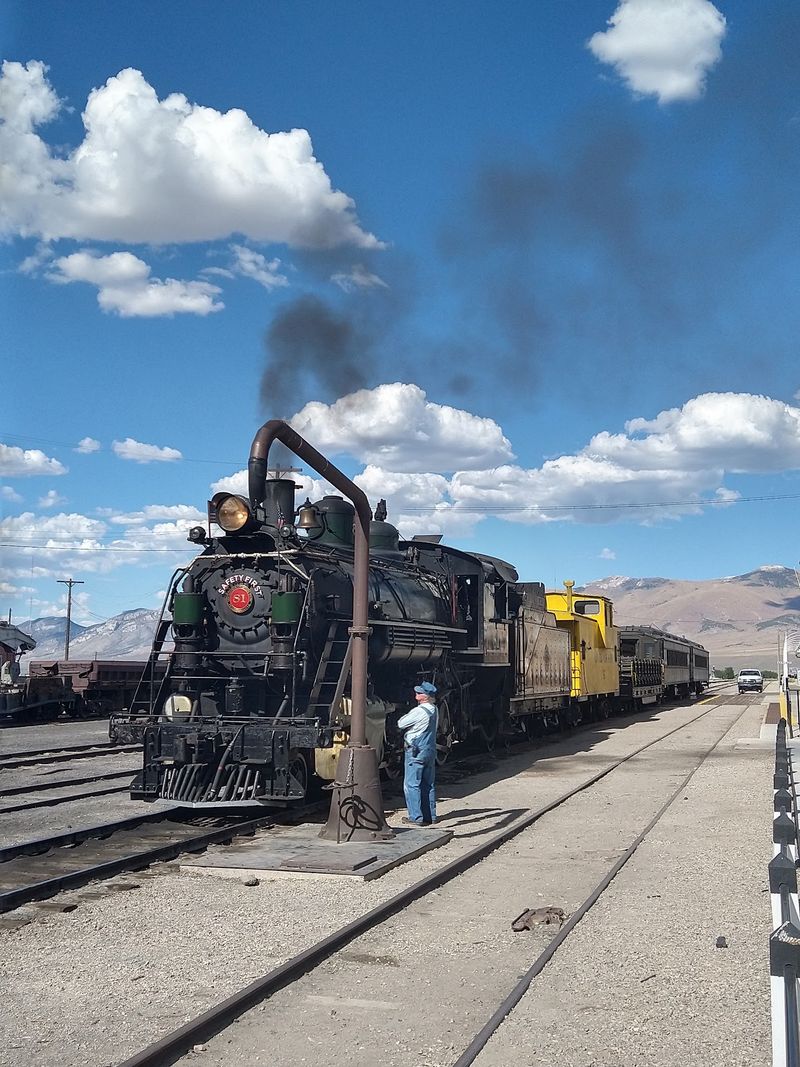
The star attraction is Locomotive No. 93, a 2-8-0 Consolidation built in 1909 by the American Locomotive Company. It once hauled copper ore out of the Ruth mining district, and now it pulls passenger cars full of kids through the same landscape.
Ely itself sits on U.S. 50, and the yard is one of the first things travelers notice rolling into town.
Copper Ore, Canyon Tracks, And Why The Yard Survived
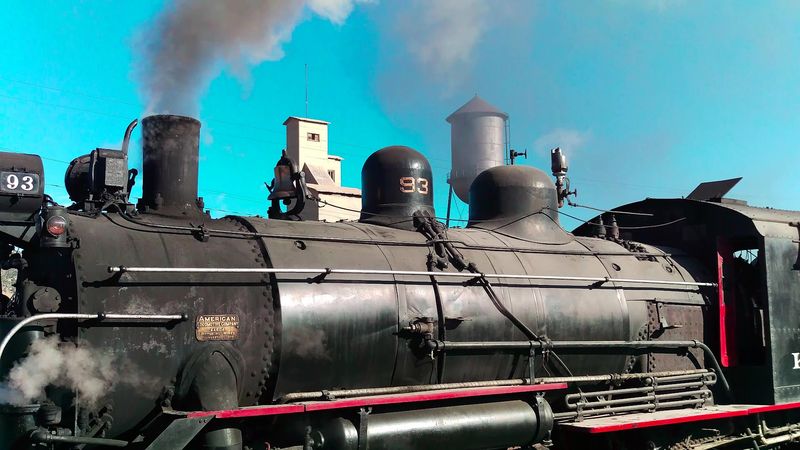
Copper built this railroad. The Nevada Northern was laid down to move ore from the Ruth mining district, and every building in the yard existed to serve that single purpose.
When mining slowed and the industry reorganized, most American railroads modernized or scrapped their older facilities outright. Eastern Nevada’s remoteness turned out to be a stroke of luck.
Nobody bothered to bulldoze the East Ely yard, so the shops, tools, and rolling stock stayed put.
The result is a National Historic Landmark District recognized as one of the best-preserved early twentieth-century railroad yards anywhere in the country. Not a reconstruction, not a replica village, but the original operation left standing.
Guests frequently comment that the volunteers here include people who actually lived and worked around the area’s mines. Those conversations tend to run long, and they add a layer that no exhibit panel could match.
Locomotive No. 93 now runs excursions through Robinson Canyon, tracing routes that once carried ore instead of passengers. Riding it means covering the exact ground that made this corner of Nevada economically important for decades.
Ninety Minutes Behind Engine No. 93
Ninety minutes is the length of the main excursion, which turns out to be just about right for restless kids and grandparents alike. The train climbs into Robinson Canyon, passes through a tunnel, and gives everyone a stretch of scenery you cannot see from the highway.
Passengers pick their seating style. Enclosed vintage coaches keep things comfortable when the weather turns, while open-air cars put you right in the breeze with the sound of the locomotive up front and nothing between you and the desert air.
One family mentioned that the tunnel and the shop tour ranked as their children’s favorite parts, edging out the ride itself. Another visitor riding outside suggested bringing a hat with a chin strap, since the wind has opinions.
Here is the detail that matters most for family budgets: kids can often ride free on excursion trains Monday through Thursday. Schedules shift with the season, so confirming before you drive out is smart.
Train tickets are separate from grounds admission, and past visitors have reported excursion pricing around $39 with discounts available on a second, different route.
Inside The Machine Shop Where Steam Still Gets Fixed
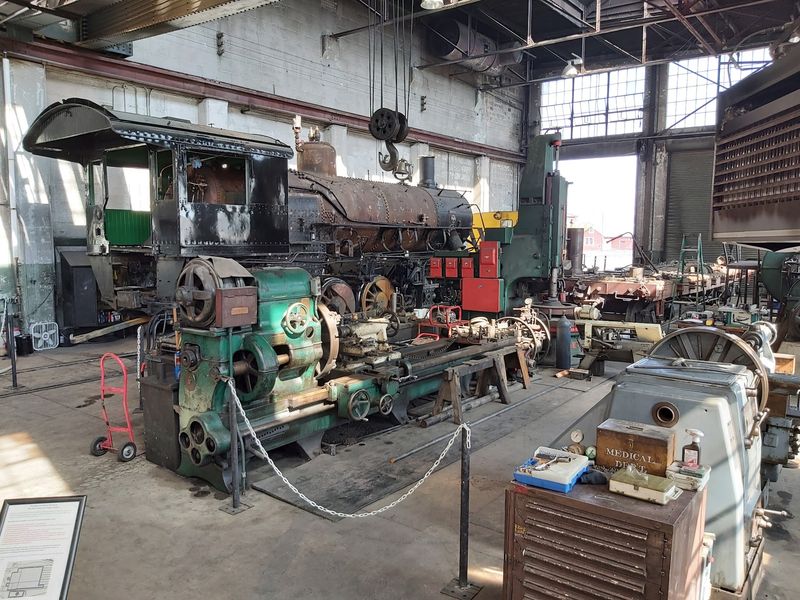
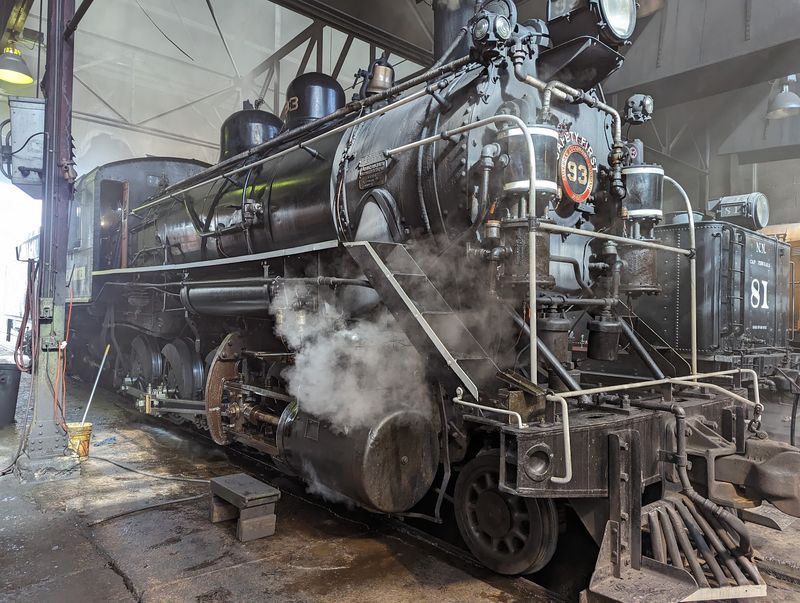
Walk through the shop doors and the smell hits first, coal and machine oil and hot metal. It is a working space, not a display case, and visitors say the atmosphere alone is worth the stop.
Hundred-year-old machining tools still cut parts for locomotives in various stages of repair. There are inspection pits under the tracks, a boiler room, and a rotary snow plow that regularly steals the show from the engines around it.
The museum also operates what it describes as the only functioning steam-powered crane in the United States. Guides explain how steam locomotives actually work and just how much maintenance keeps them breathing.
Guided shop tours run with knowledgeable volunteers, and several guests have noted the tour comes at no extra charge for those holding train tickets. Staff members get mentioned constantly for their patience with questions.
A word of caution shared by past visitors: watch your footing. Open pits, heavy equipment, and active repair work mean this is a place to look around before backing up for a photograph.
The Shop Cats Who Run The Place
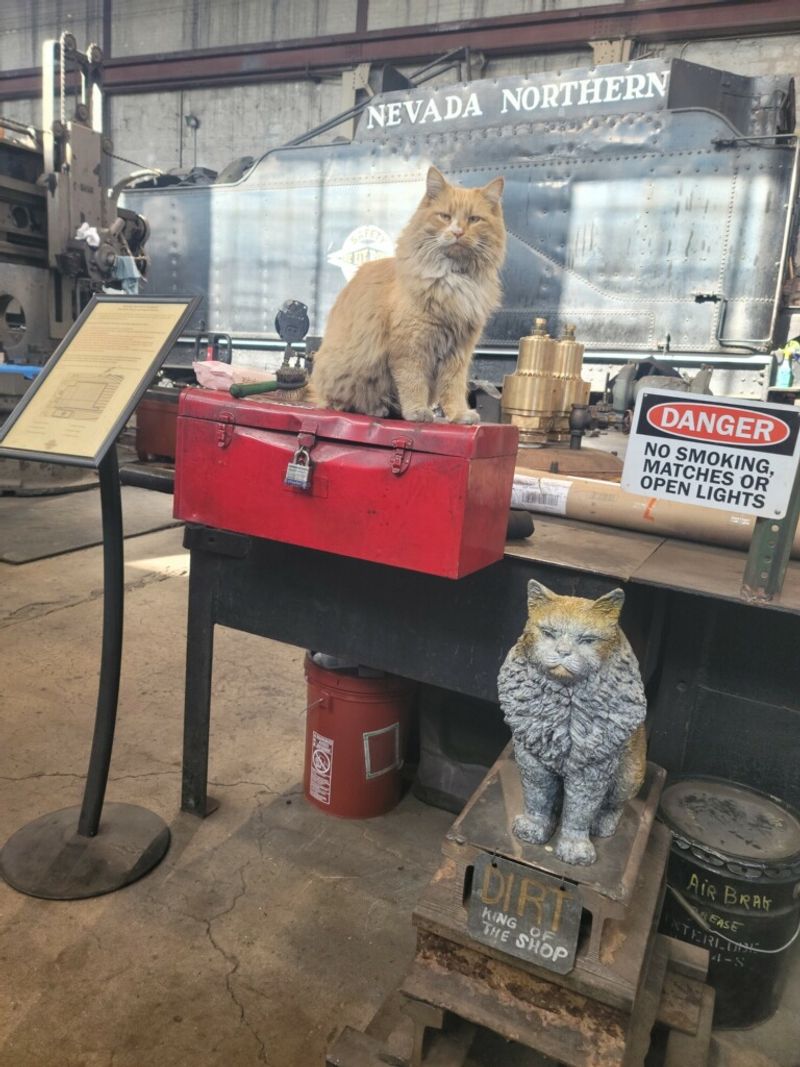
Ask around the yard and somebody will eventually bring up the cats. They come up in dozens of visitor accounts, sometimes more often than the diesel engines do.
A third-generation machine shop cat greets guests at the door, assuming breakfast has already been served. Staff jokingly refer to him as the unofficial shop supervisor, and he has been known to make an ordinary tour memorable in about four seconds flat.
Before him came Dirt, a shop cat whose story guides still share with visitors. People who arrived expecting nothing but locomotive facts have left talking about the cat instead, which says something about how this museum handles its own history.
For families with young children, the cats function as an unplanned highlight. Kids who might drift during a technical explanation about boiler pressure suddenly lock in when a tabby strolls across the shop floor.
It is a small thing, but it is the kind of small thing that gets a six-year-old asking to come back. The museum seems to understand that perfectly well.
Star Trains, Santa Runs, And Be The Engineer
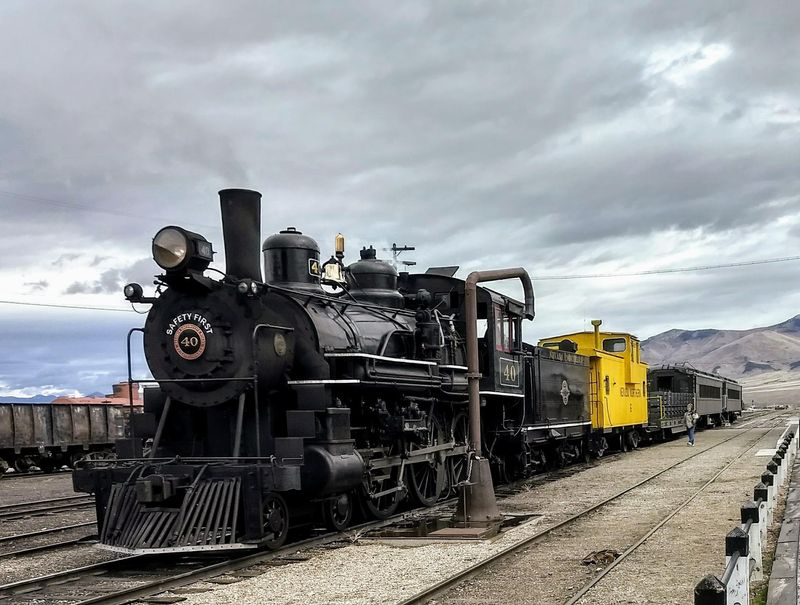
Evening changes the whole operation. The Star Train rolls out under some of the darkest skies in the country, with telescopes set up and an astronomer on hand to explain what everyone is looking at.
One rider traveled from Southern California specifically for it and reported that tickets for the following year go on sale in September, selling out well ahead. Another group had clouds roll in, watched a full moon rise over the hills instead, and called the night fantastic anyway.
December brings Santa’s Reindeer Train, complete with hot chocolate, cookies, letters to Santa, and a snowball fight on the ride back. A grandfather visiting with grandkids admitted he got pelted with soft snowballs the whole way and slept like a rock afterward.
For anyone who has ever wanted the throttle, the Be the Engineer program puts participants in the cab with a mentor. Past participants recommend the option that includes hauling a train rather than running the engine alone, since it lets you practice the brakes.
Special runs vary by season and sell out, so plan early.
Hours, Costs, And The Drive Out To Ely
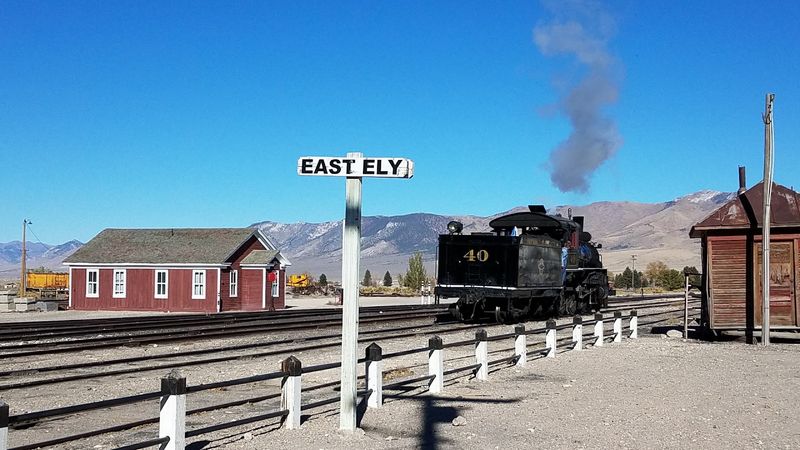
Grounds admission runs $10 for adults, $8 for seniors, and $5 for kids ages 4 through 12, with infants under 4 admitted free. Train tickets are priced separately.
Doors open at 8 a.m. daily. Monday through Wednesday the yard closes at 5 p.m., Thursday through Saturday it stays open until 7:30 p.m., and Sunday closing is 4 p.m.
Federal holidays generally follow the Sunday schedule.
Train schedules do not always match museum hours, and off-season days sometimes have no excursions at all. Calling ahead or checking before you load the car can save a long drive.
Speaking of the drive, Ely sits roughly four hours north of Las Vegas and about three and a half hours west of Salt Lake City, along U.S. 50, the stretch nicknamed the Loneliest Road in America.
Plan on at least an hour just wandering the yard, though several visitors say a good part of the day disappears here without much effort. Add the 90-minute excursion and you have a full afternoon covered.
Making A Full Day Of It Around White Pine County
Once the train pulls back into the yard, there is more within a short drive, and most of it stays cheap. The White Pine Public Museum sits close by, and Garnet Hill lets visitors hunt for garnets on public land and keep whatever they find at no cost.
Cave Lake State Park and Ward Charcoal Ovens State Historic Park each charge around $5 per day, which buys hiking, fishing, and a look at some genuinely odd beehive-shaped stone structures.
Ely itself has an 11-block art walk lined with murals and sculptures, easy to cover on foot between stops. The town also serves as the gateway to Great Basin National Park, known for dark skies and mountain trails.
With a 4.7-star average across more than 1,700 reviews, the railway museum clearly lands well with the people who make the trip. Guests consistently single out the staff and volunteers as the reason.
For a family driving in from anywhere in Nevada, this is one of those stops that repays the mileage several times over.