
Locals Avoid This Nevada State Park In Summer, But In October It’s A Fall Paradise
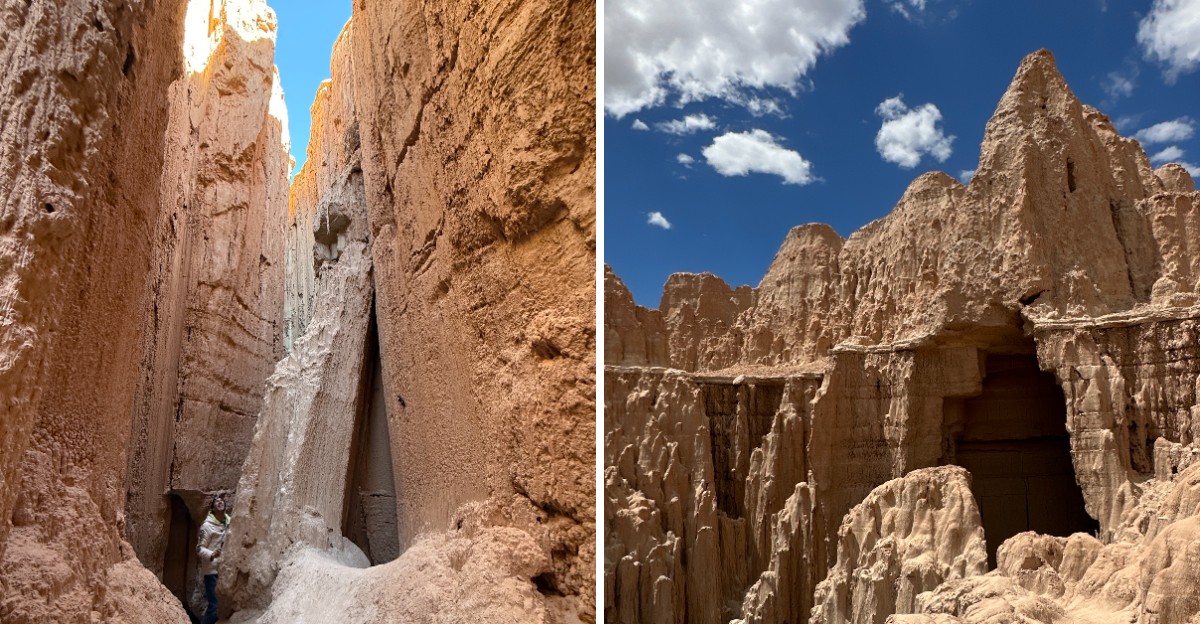
Midday summer temperatures here can climb past 100 degrees, and there is very little shade. That is why plenty of people skip this place until the weather cools off.
In Nevada, October changes everything. The average high is about 65 degrees, and the air turns crisp, and let me tell you, it is marvelous for walking.
The landscape looks like spires and slot canyons carved from soft clay. It sits near the Utah border in the southeastern part of the state.
And here is some advice for you: pack layers and plan for early mornings. Ready to find out where this fall escape is?
The Official Name And Why October Wins
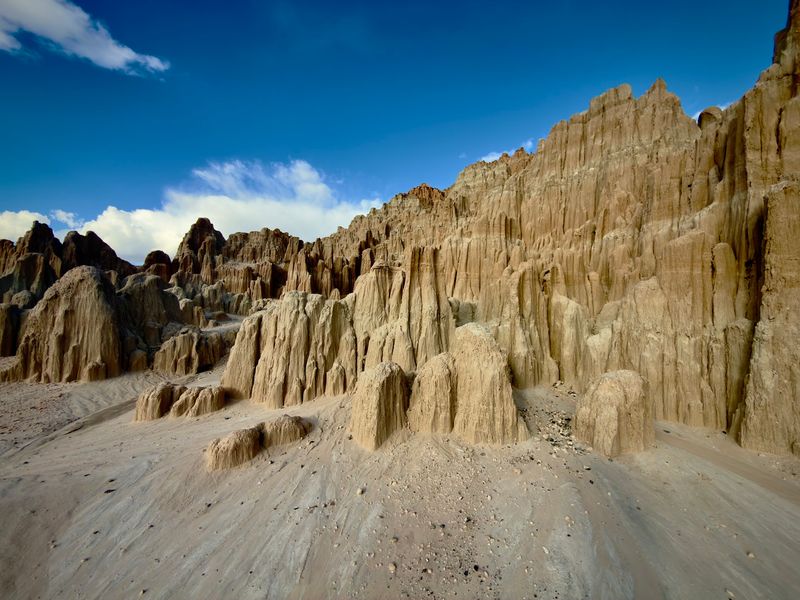
Cathedral Gorge State Park is the full official name, and October is when it shines. The average high is about 65 degrees, which feels friendly for walking.
Summer is another story, with midday heat that can pass 100 degrees.
Shade is scarce in the park. That makes a hot afternoon here a tough sell for most people.
Cooler fall days fix that problem quickly.
Nights get cold, though. The average October low is about 33 degrees, so a jacket is smart.
Forecast lows can dip even lower, so check the weather before you go.
The park is open 24 hours a day, seven days a week, all year. That gives you freedom to pick your moment.
Sunrise and late afternoon bring the best light and the coolest air.
Think of October as the sweet spot. You get comfortable temperatures, sunny skies, and plenty of room to roam.
Pack water anyway, since the desert stays dry in every season.
It is a simple plan. Show up in fall, bring layers, and let the clay spires do the rest of the work for you.
A Lakebed Turned Into Spires
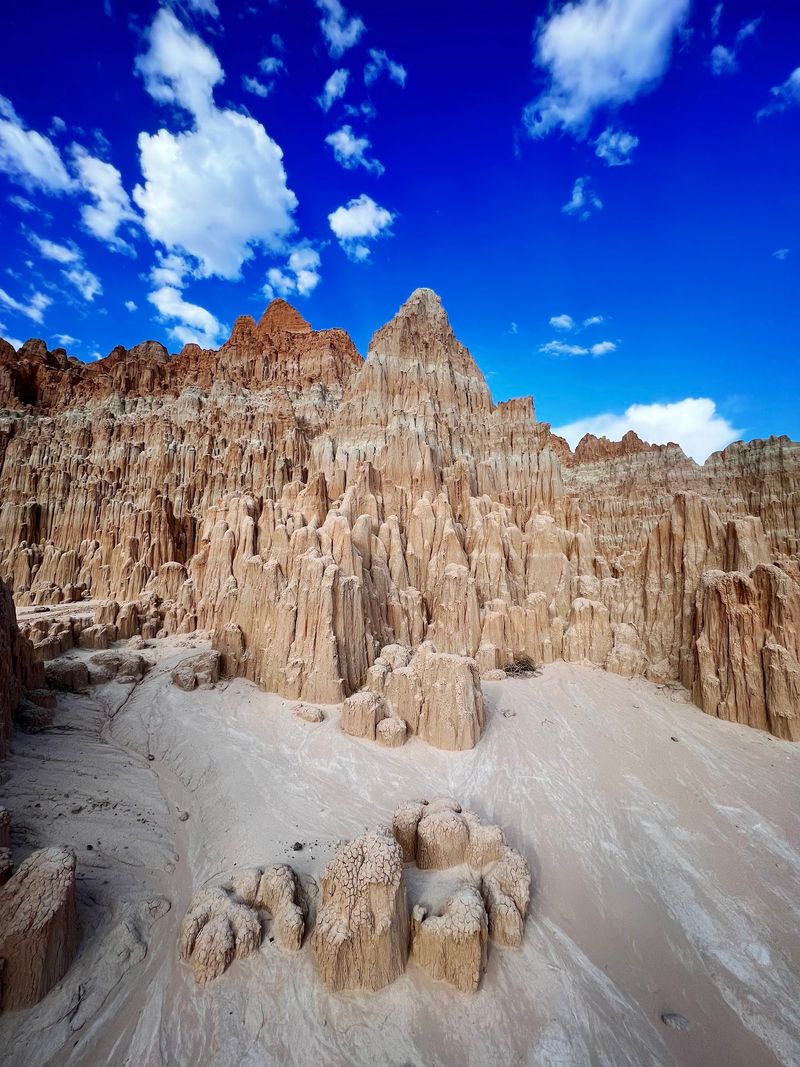
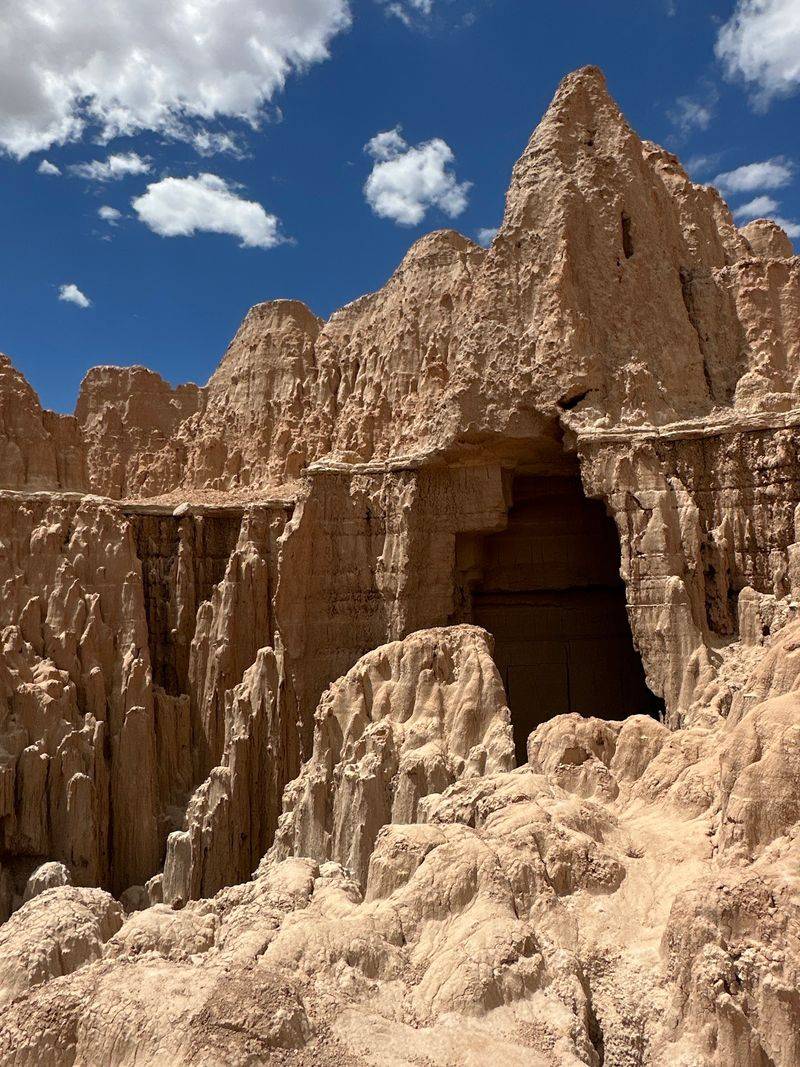
Soft clay carved into cathedral-like spires sounds made up, yet it is real. The park sits on the remains of an ancient lakebed.
Hundreds of feet of volcanic ash settled there tens of millions of years ago.
Wind and water keep shaping the formations today. The rock is bentonite clay, not sandstone.
That is why the shapes look so different from other Western parks.
The material is fragile. Climbing on the walls is a bad idea because the clay can crumble.
Stay on the paths and let the formations stay in one piece.
Rain adds another twist. Wet bentonite turns slippery and sticky fast.
If storms have passed through, walk slowly and expect muddy shoes.
Light matters here, too. Early morning and late afternoon bring out the ridges and shadows.
Photographers often call the park a dream for good reason.
Keep your camera ready when the sun is low. The spires change color and texture as the hours pass, so one spot can offer several totally different shots.
Slot Canyons You Can Walk Right Into
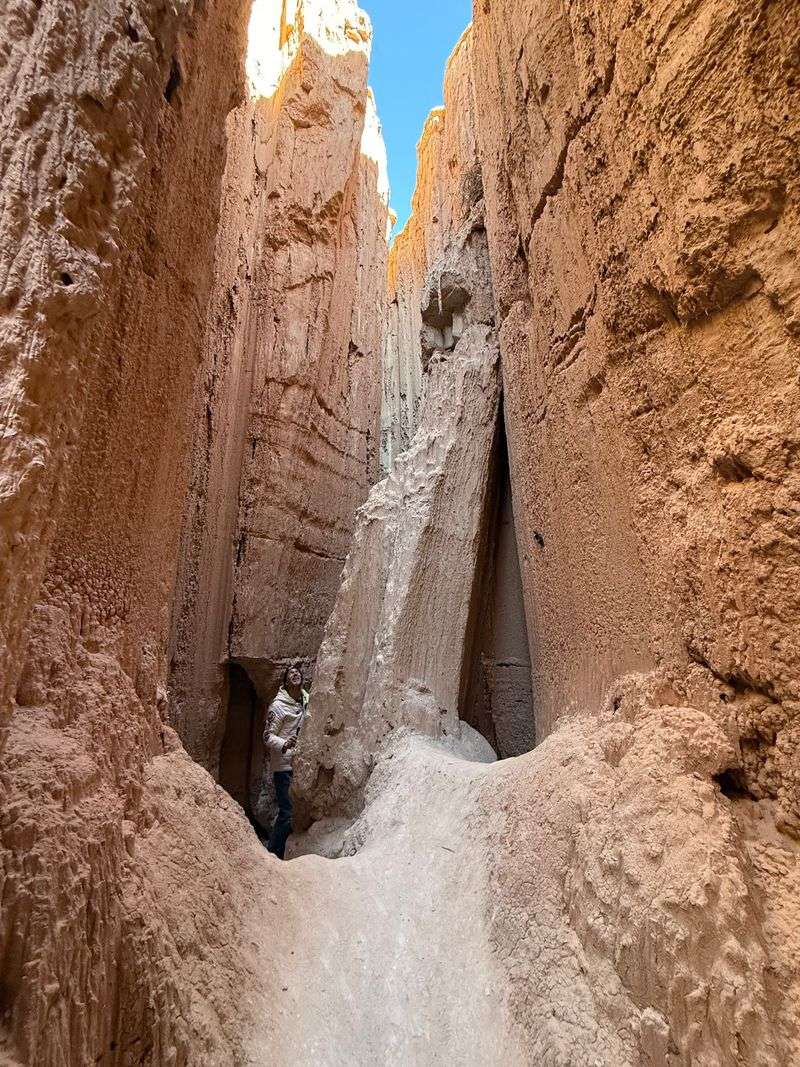
Narrow paths cut into the clay and invite you to squeeze inside. Moon Caves, Canyon Caves, and Cathedral Caves are short slot canyon trails.
They are not true caves, but they feel adventurous anyway.
Start with Moon Caves if you have limited time. Those slots are larger and longer than some of the others.
Then visit Cathedral Caves for another look.
The walls close in as you go. Walk single file and keep your steps careful.
Cool October air makes the tight spaces feel refreshing instead of stuffy.
Wear shoes with good grip. Clay can be slick after rain.
Bring a small daypack and keep your hands free for balance.
Do not climb the walls. The clay breaks easily, and the formations are delicate.
Taking photos is much safer for you and for the park.
The trails are short, so kids and beginners can join. Plan a slow hour or two.
You will want time to poke around every bend.
Trails That Fit Every Energy Level
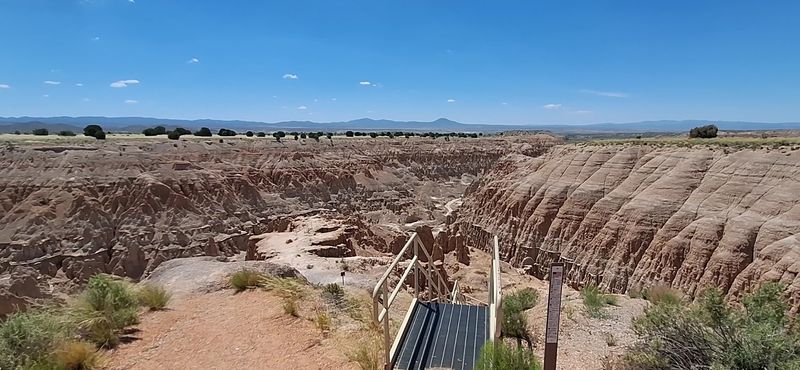
Walking options here range from quick strolls to a four-mile loop. The Juniper Draw Loop is the longest at about four miles.
The Nature Loop and Eagle Point Trail offer shorter outings.
Miller Point Trail runs about one mile and gives wide views. You can also drive to the Miller Point area and walk out to the overlook.
Sunset picnics there are a popular idea.
Fall temperatures make longer hikes comfortable. Start in the morning and bring water.
Even in cool weather, the desert dries you out.
The park sits at roughly 4,800 feet. That elevation can make you breathe harder than usual.
Take breaks and enjoy the scenery.
Trails are simple but the ground can be soft. Stay on marked paths to protect the clay.
Your boots will thank you.
Mix a long loop with a few slot canyons and you have a full day. If time is tight, pick Miller Point and one slot canyon for a satisfying visit.
Camping Under A Cold October Sky
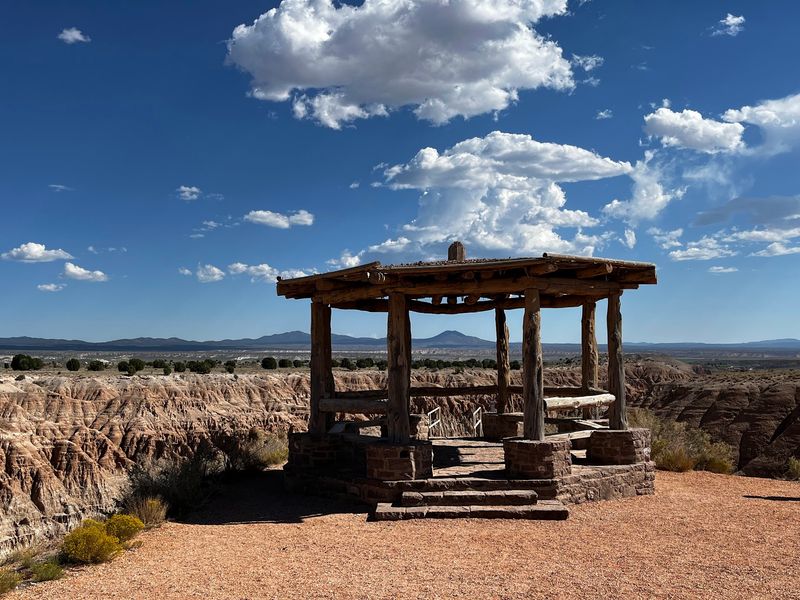
Twenty-two developed campsites wait at the park. Each one has a picnic table, a grill, and a shade ramada.
Electric hookups are available, and water, flush restrooms, and showers are open year-round.
Camping is generally first-come, first-served. Group areas can be reserved.
Arrive early during peak times to improve your chances of getting a site.
Stays are limited to 14 days within a 30-day period. Most visitors will not need that much time.
A weekend is plenty.
October nights bring cold air, so pack warm gear. Average lows hover around freezing.
A good sleeping bag matters more than a fancy tent.
The park has no food or supply services. Bring your own meals, water, and snacks.
Plan ahead so you are not hunting for dinner.
Day visitors can use shaded picnic areas with ramadas, grills, and tables. The Civilian Conservation Corps built some of these facilities in the 1930s, and they are still in use.
A Quick Stop At The Visitor Center
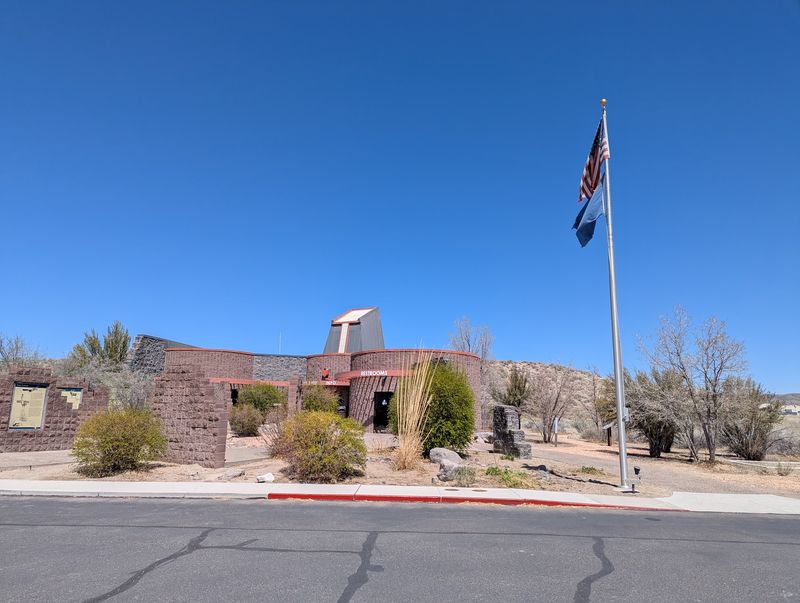
Right at the entrance off U.S. 93, the Regional Visitor Center offers a handy first stop. It runs daily from 9:00 a.m. to 4:30 p.m.
Winter holidays bring closures, so plan around them.
Inside, interpretive displays explain eastern Nevada and its state parks. You can learn about the area before heading out.
It is a nice way to add context to the views.
The park itself sits at 111 Cathedral Gorge State Park Road, Panaca, Nevada 89042. It is about two miles north of Panaca, off U.S.
Highway 93.
Staff can point you toward trails and conditions. Ask about recent rain if you are worried about mud.
That tip can save your shoes.
Restrooms and facilities are nearby. Fill your water bottles before you hike.
The desert is not a place to run low.
Spend ten or fifteen minutes here and you will explore with more confidence. Then head out and see the formations for yourself.
Wildlife That Loves Cooler Days
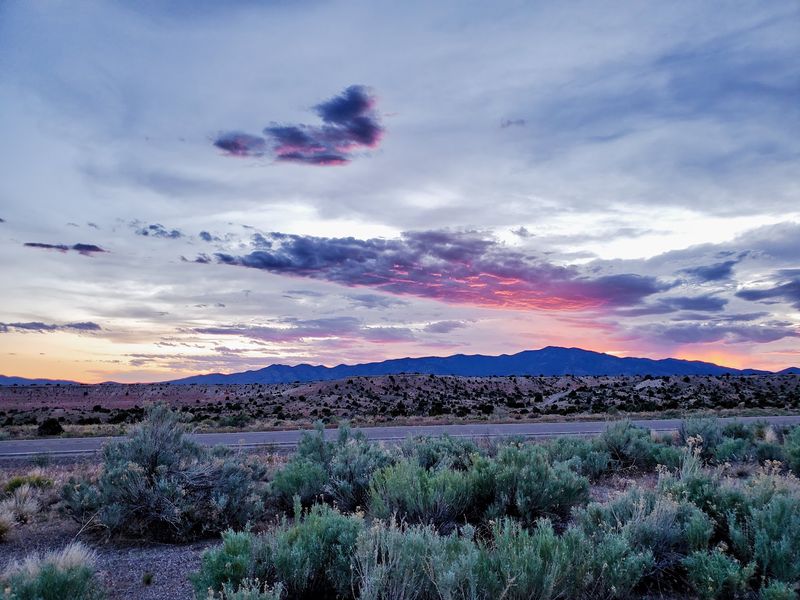
Deer are often seen in late fall and winter around Miller Point. That makes autumn a good time to scan the hillsides.
Bring binoculars if you have them.
Smaller animals live here too. Black-tailed jackrabbits, cottontails, coyotes, kit foxes, and kangaroo rats all call the park home.
Most are shy, so patience helps.
Birds add color and sound. Ravens, kestrels, roadrunners, and sparrows are common.
Western bluebirds have been spotted on the valley floor.
Lizards and snakes are abundant from spring through fall. Great Basin rattlesnakes can appear in summer.
Watch your step and keep your distance.
Fall is calmer for hiking around wildlife. Cooler air means fewer hot, tired walkers.
Quiet footsteps help you see more.
Remember to leave animals alone. Do not feed them and do not chase them.
A respectful visit keeps the park wild.
Stories From The Past
Long before it was a park, nomadic groups used this land. The Fremont, Anasazi, and Southern Paiute hunted and gathered here for thousands of years.
Their history adds depth to the scenery.
Mormon pioneers founded nearby Panaca around 1864. Locals once called the landscape Cathedral Gulch.
The name stuck in a way, since cathedral still describes the spires.
Governor James Scrugham started preservation efforts in 1924. In 1935, Cathedral Gorge became one of Nevada’s first four state parks.
That makes it a true early favorite.
The Civilian Conservation Corps built picnic and camping facilities in the 1930s. Some are still in use today.
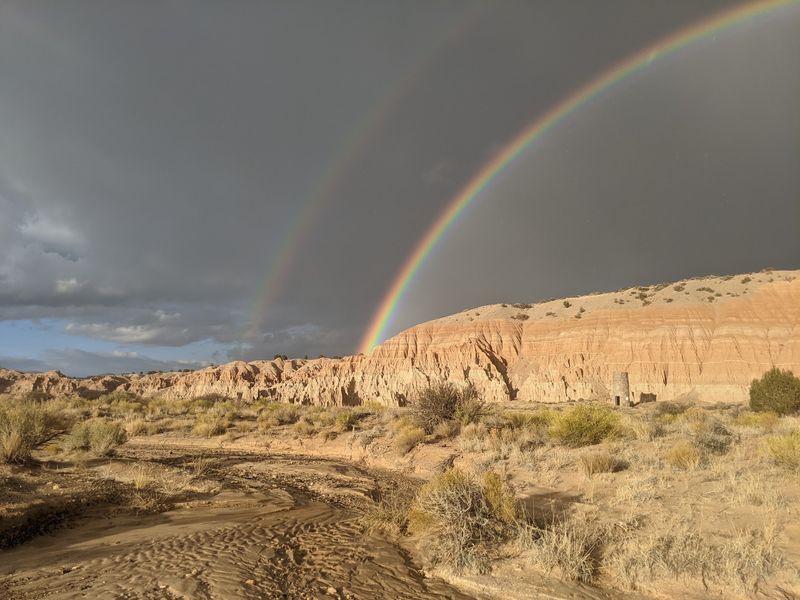
A stone water tower and stone restrooms remain, though they no longer operate.
Look for the tower as you explore. It is a quiet reminder of how long people have loved this place.
History here is easy to find. Just walk, look around, and imagine the work that shaped the park.
Add-On Stops Near Panaca
Cathedral Gorge makes a fine base for a small road trip. Panaca is only about two miles away.
Services are limited inside the park, so the town helps with supplies.
Other nearby parks round out a weekend. Echo Canyon, Spring Valley, and Kershaw-Ryan State Parks are all in the region.
Each offers a different look at eastern Nevada.
Teapot Arch and the Panaca Charcoal Kilns have also been popular add-ons. They fit well into a short itinerary.
Check current access before you go.
Fuel is limited in this remote corner of the state. Fill your tank early.
Do not count on finding stations everywhere.
Soft shoulders and trail edges can trap the wrong vehicle. Drive carefully and stay on solid ground.
Better safe than stuck.
October gives you comfortable days for all of it. Start with sunrise at the gorge.
Then spend the afternoon exploring the rest of Lincoln County.