
Locals Swear By This Jackson, Mississippi BBQ Joint For The Best Smoked Steak In Town
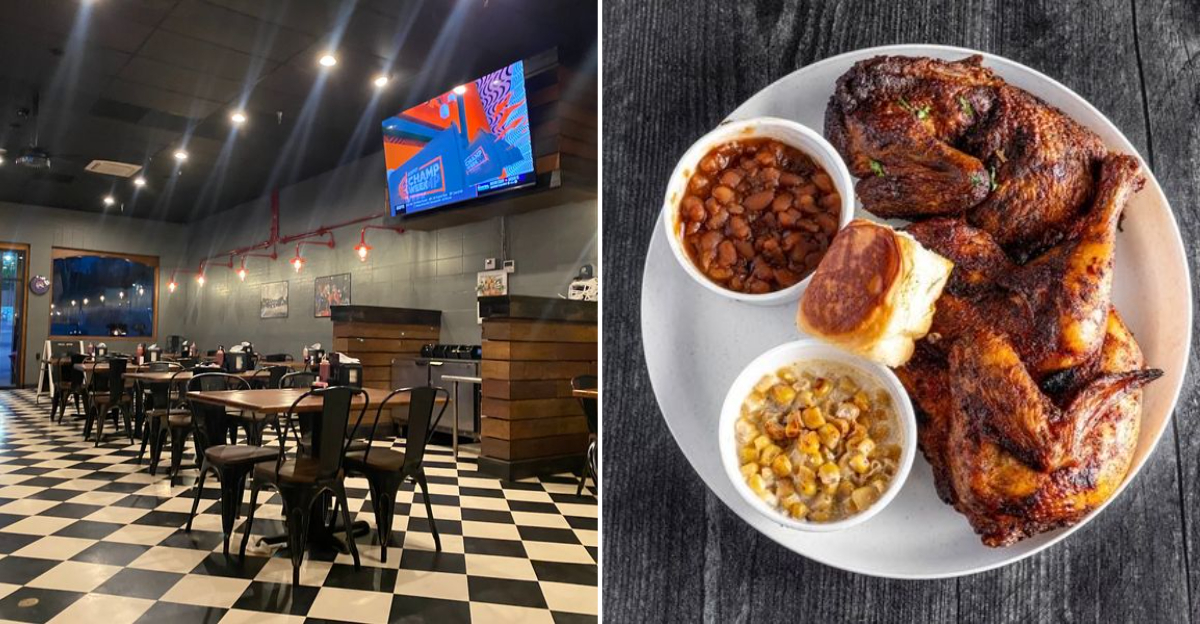
For every BBQ fan out there, this Mississippi spot will live up to every expectation. Smoke doesn’t lie, and neither do the locals who keep driving back for more of it.
There’s a rhythm to real barbecue that no timer or thermometer can fully explain. It comes from years of watching the fire, not minutes on a dial.
Jackson has that rhythm down to a science at this particular joint. Ask around and the same name comes up every time.
The steak gets its char slow and low, without a single shortcut. Nothing about it feels rushed or copied from a corporate recipe card.
That kind of patience is rare these days. This joint spares nothing, and the results speak for themselves the moment the plate hits the table.
Mastering The Art Of Smoking Steak
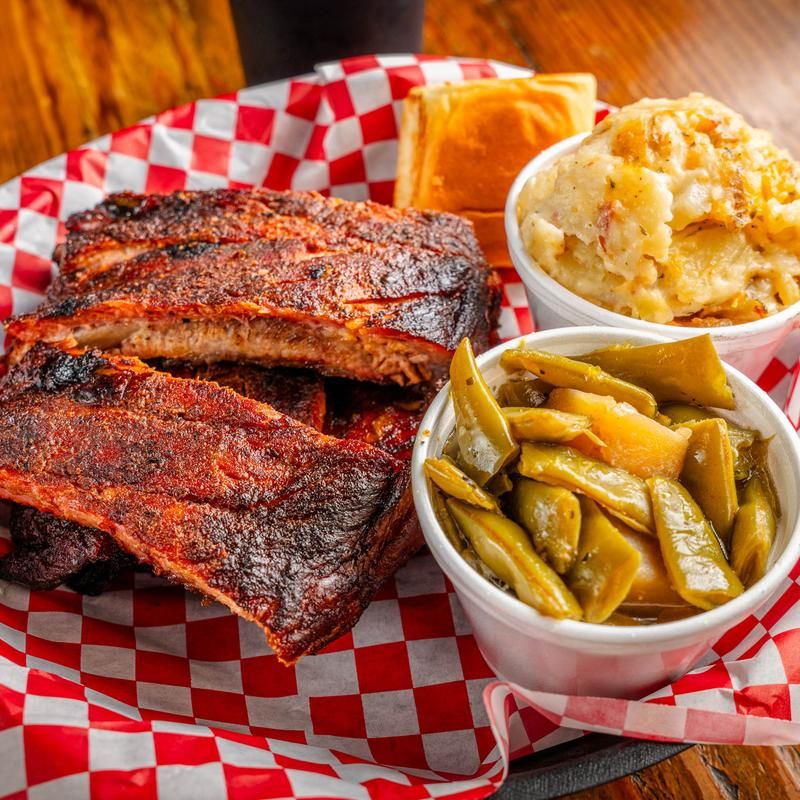
Smoking steak is not something you rush. At Boondocks, the process starts with patience and a clear plan.
The pits run low and slow, typically between 200 and 250 degrees Fahrenheit. That steady heat is what turns a good cut into something unforgettable.
One method that works really well is called reverse searing. The steak smokes first at low heat for a long time.
Then it gets a quick sear at high heat right at the end. That final sear locks in the crust while keeping the inside soft and juicy.
Even doneness is the whole goal. When you rush a steak, some parts cook faster than others.
Slow smoking gives the heat time to move evenly through the meat. The result is a center that stays tender from edge to edge.
Boondocks sits at 904B E Fortification St, Jackson, MS 39202. The kitchen there treats every piece of meat like it matters.
No shortcuts, no guessing. Just real BBQ craft done the way it should be.
Locals have noticed, and the word has spread fast across the city.
Unique Wood Choices That Enhance Flavor
Wood choice is one of the biggest decisions in BBQ. It changes the entire flavor of the meat.
Hickory is a crowd favorite because it brings a strong, sweet smoke that sticks with you. Oak adds a heavy, bold smoke that works perfectly with red meat.
Mesquite takes things in a different direction. It burns hot and delivers an earthy, intense flavor.
Some pitmasters love it, others use it sparingly. Cherry wood is on the opposite end.
It gives off a mild, sweet, fruity smoke that pairs nicely with beef without overpowering it.
Pecan wood sits right in the middle of the flavor scale. It has a rich, nutty sweetness that feels like a softer version of hickory.
Many Southern pitmasters reach for pecan when they want complexity without too much punch. It is a smart, balanced choice.
At a place like Boondocks, wood selection is taken seriously. The right wood can lift an already great cut to a whole new level.
Each wood brings its own personality to the smoke. Understanding these differences helps you appreciate what goes into every bite of smoked steak on your plate.
Seasoning Blends That Complement Smokiness
A great seasoning blend does not fight the smoke. It works with it.
The most reliable blends start simple. Coarse black pepper, kosher salt, and garlic are the foundation.
Those three alone can do a lot of work on a smoked steak.
From there, pitmasters start adding layers. Onion powder and smoked paprika bring depth without going too far.
Chili powder adds a little heat. Cumin and coriander bring an earthy, warm quality that rounds everything out.
Each spice has a job, and when they work together, the result is bold and balanced.
The key is not overdoing it. Too much seasoning can drown out the smoke flavor, which is the whole point of the cook.
The best blends enhance what the wood already started. They highlight the natural richness of the meat rather than covering it up.
At Boondocks, the seasoning on their smoked meats hits that balance well. You can taste the spice, but the smoke still comes through loud and clear.
That kind of restraint in the kitchen shows real skill. It is the difference between a good BBQ plate and one you keep thinking about on the drive home.
Ideal Cuts Of Meat For Smoking
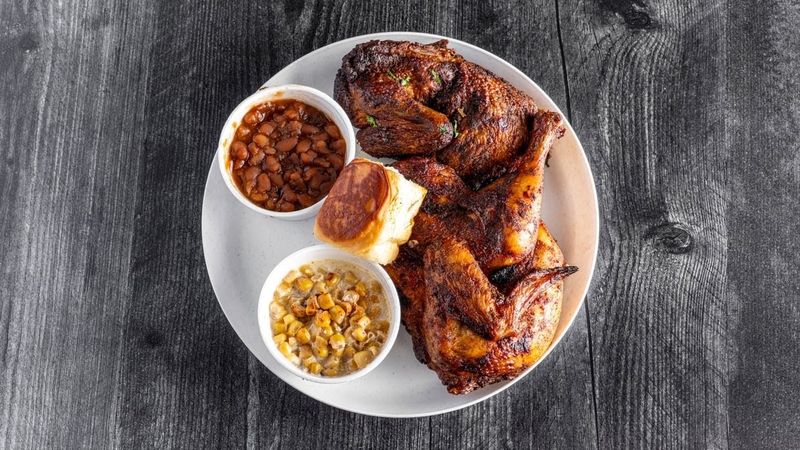
Not every cut of meat handles the smoker the same way. Thicker cuts hold up better during long, low-heat cooks.
They have enough mass to absorb smoke without drying out too quickly. That is why cut selection matters so much in BBQ.
Ribeye is a top choice for smoked steak. The fat marbling throughout the cut melts slowly during smoking.
That fat keeps the meat moist and adds a richness that leaner cuts just cannot match. Prime rib works for the same reason.
It is thick, marbled, and built for the slow cook.
Brisket is the king of the smoker for a reason. It starts tough because of all the connective tissue.
Hours of slow smoking break that tissue down into something silky and tender. Flank steak and tri-tip are solid options too, especially when marinated first to help them stay juicy.
At Boondocks, the brisket has earned serious praise from locals and visitors alike. It comes out beefy, moist, and seasoned just right.
The chopped brisket on the two-meat platter is a popular order. Once you try a properly smoked brisket done this way, it is hard to go back to anything else.
Techniques To Preserve Juiciness In Steak
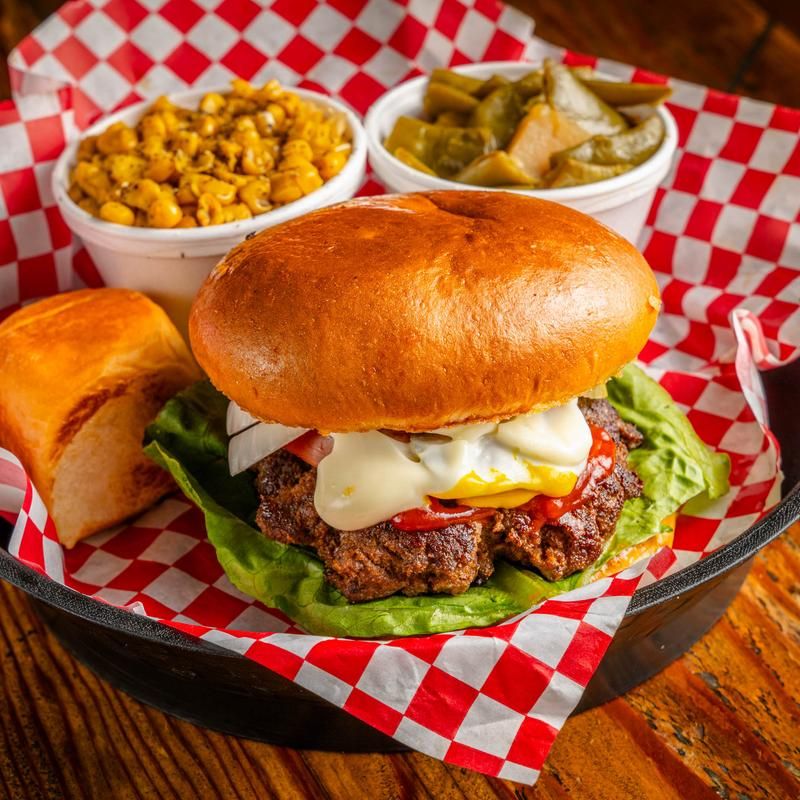
Keeping steak juicy during a long smoke is one of the hardest parts of BBQ. The heat is constant, and moisture escapes the whole time.
Knowing how to slow that process down separates average BBQ from the kind people talk about for weeks.
Dry brining with salt is a smart starting point. Salt draws moisture to the surface, then pulls it back into the meat along with the seasoning.
It creates a natural barrier that helps lock in juices during the cook. Marinades and injected liquids work in a similar way, adding flavor deep into the cut.
A water pan inside the smoker adds steam to the cooking environment. That steam slows moisture loss and keeps the surface of the meat from drying out too fast.
Spritzing the steak with apple juice or cider vinegar every hour or so also helps. It cools the surface slightly and adds a little extra flavor.
Wrapping the meat in butcher paper after a few hours is another popular move. It traps heat and steam without making the bark too soft.
Foil works too, though it tends to soften the crust more. At Boondocks, the results speak for themselves.
Every bite of smoked meat there stays tender and moist all the way through.
Pairing Side Dishes With Smoked Steak
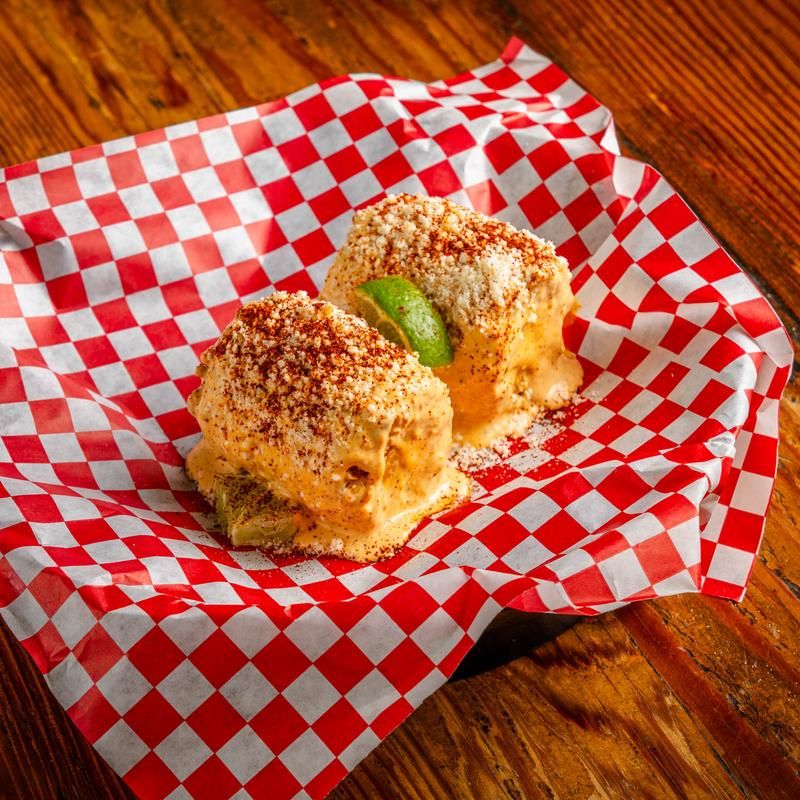
Smoked steak is the star, but the sides are what complete the plate. At Boondocks, the side options cover a lot of ground.
Crispy fries are always a reliable choice. They add crunch and balance to the richness of smoked meat.
Baked beans bring a sweet, savory depth that works really well alongside any BBQ cut.
Mac and cheese is one of those sides that shows up on almost every table. It is creamy, comforting, and fills in any gaps on the plate nicely.
The elote corn has also gotten a lot of attention from regulars. It is a standout side that adds a different kind of flavor to the lineup.
Fried okra and onion rings bring crunch to the mix. Sweet potato fries offer a slightly sweeter contrast to the smoky, salty meat.
For something lighter, the slaw and side salads are solid options. They cut through the heaviness and refresh the palate between bites.
The variety at Boondocks means you can build a plate that fits exactly what you are craving. Whether you want all the comfort or a slightly lighter spread, the options are there.
Good sides do not just fill space. They make the whole meal better, and Boondocks clearly understands that.
Why You Should Eat Smoked Meats
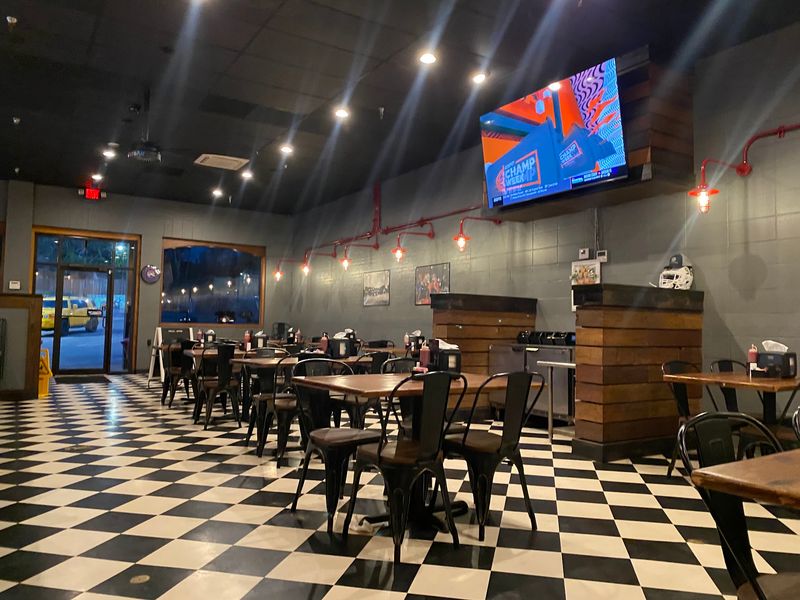
Smoked meat gets a bad reputation sometimes, but there are real nutritional benefits worth knowing about. High-quality smoked meats are a strong source of protein.
Protein supports muscle repair, keeps you full longer, and plays a key role in how the body functions day to day.
Smoking also helps the meat hold onto important vitamins and minerals. B vitamins, iron, and zinc are all found in beef, and slow cooking preserves more of them compared to high-heat methods.
Those nutrients matter, especially for people who are active or need to keep their energy up throughout the day.
One underrated benefit of smoking is fat reduction. The long, slow cook melts away some of the fat naturally.
That means the meat you eat has less overall fat than it started with. Compared to fried options, smoked meat absorbs far less oil during cooking.
That is a meaningful difference when you are thinking about what goes into your body.
None of this means BBQ is health food in the traditional sense. But choosing smoked over fried is a smarter move more often than people realize.
At Boondocks, the focus on quality meat means you are starting with something good. Add in the slow cook, and you end up with a plate that satisfies without going overboard.
History Of Bbq Traditions In Mississippi

BBQ in Mississippi has roots that go back centuries. The story starts with Indigenous peoples in the Caribbean who developed slow-cooking methods over open fires.
Spanish explorers encountered this practice and called it barbacoa. Hernando de Soto brought those ideas to Mississippi around 1540, planting the seeds for what would become a deeply rooted Southern tradition.
Over time, BBQ in Mississippi grew into something with its own identity. Community gatherings built around the pit became a way of life.
Churches, family reunions, and neighborhood events all centered on the smoker. Those traditions passed down from generation to generation, and the flavors evolved along the way.
Mississippi BBQ draws from multiple regional influences. You find elements of Tennessee, Texas, and even Carolinas-style cooking woven into local traditions.
That mix of influences is part of what makes Mississippi BBQ so hard to pin down and so easy to love. Every pit has its own story and its own way of doing things.
Boondocks carries that tradition forward in the Belhaven neighborhood of Jackson. The menu reflects a deep respect for Southern BBQ history while adding its own creative touches.
From the smoked brisket to the pulled pork, every item on the menu connects back to something bigger. Mississippi BBQ is not just food.
It is culture, community, and history all on one plate.