Three whole towns sit under the water of one quiet lake in western Maine. Houses, streets, and old foundations went under when a dam on the Dead River closed around 1950.
The flooding wasn’t fast or tidy. Some owners refused to settle, so their buildings stood in place while the water slowly climbed around them.
Cemeteries were moved first, with graves carried to new ground nearby.
I appreciate a pretty lake as much as anyone. But I can’t look at photos of this one without wondering what sits below the surface.
When the water drops low, old foundations and road outlines can sometimes peek back into view. Add a missing Cold War pilot and a name tied to the Revolutionary War, and you get a lake with real stories.
Ready to meet the water that remembers?
Three Towns Went Under So This Lake Could Exist
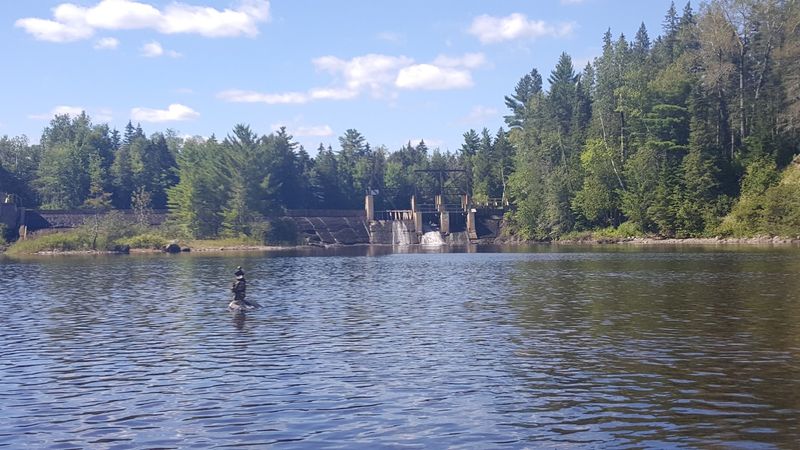
Flagstaff Lake Maine, USA wasn’t carved by glaciers. It was built on purpose, and three communities paid the price.
The towns of Flagstaff, Dead River, and Bigelow sat along the Dead River for generations. Then Central Maine Power dammed the river around 1949 and 1950.
The rising water swallowed all three places for good.
Flagstaff Lake is now a reservoir used for hydroelectric power. It helps control how the Dead River flows into the Kennebec River.
That sounds pretty practical for a spot with such an eerie backstory.
Families had to pack up and leave homes their relatives had lived in for years. Local accounts describe a deep sense of loss that lingered long after the move.
Imagine your hometown disappearing from every road map you own.
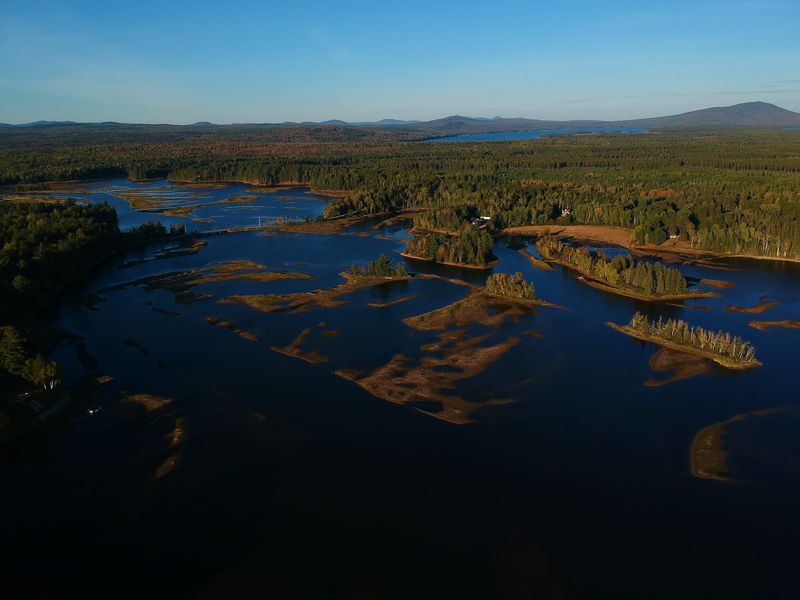
Today the lake spreads across parts of Somerset and Franklin counties, near the town of Eustis. It covers more than 20,300 acres.
That makes it the fourth-largest lake in Maine, which is a big title for a lake born from heartbreak.
Keep that history in mind on a visit. The calm water hides a lot more than fish.
Some Houses Stayed Put While The Water Rose
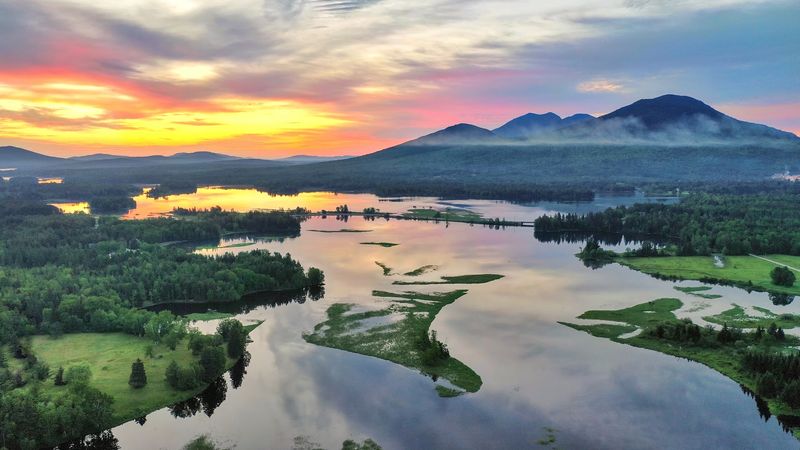
Stubborn might be the kindest word for it. A few property owners refused to settle with Central Maine Power before the flooding began.
Their buildings stayed standing as the floodwaters crept in. Bit by bit, the water climbed until those structures went under too.
That slow rise is one of the creepiest parts of the whole story.
Not every home met that ending, though. Many buildings were torn down before the flood.
Others were moved to higher ground so families could keep them.
Some houses were even sold back to their original families after the power company bought the land. Owners then hauled them away from the doomed valley.
Think about watching your own house roll down the road on a trailer.
Crews spent 1948 and 1949 clearing land that would soon be underwater. In summer 1949, they burned brush across the area.
The smoke must have made the goodbye feel very final.
Standing on the shore of Flagstaff Lake today, you’re looking at a place shaped by hard choices. Some people bent.
Others held their ground until the water made the choice for them.
The Cemeteries Had To Move Before The Flood
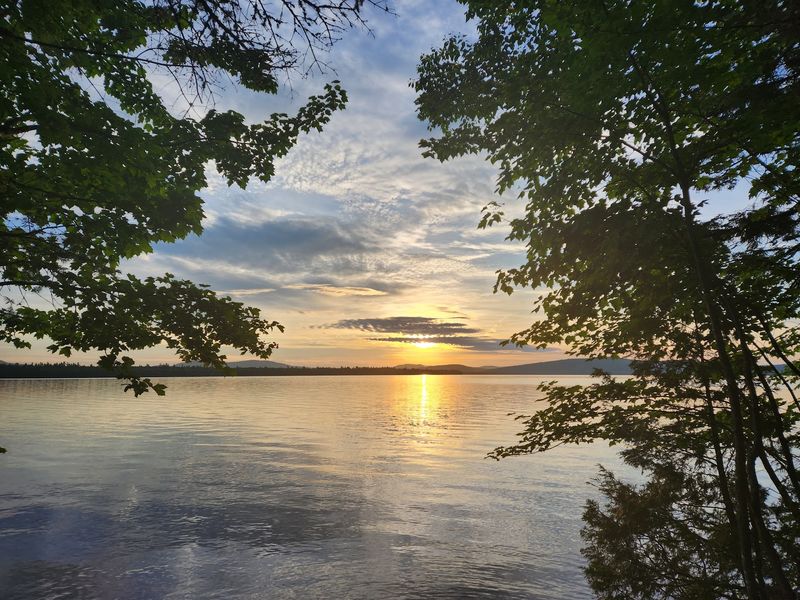
Here’s the detail that gives most people chills. Before the flooding, workers had to relocate the cemeteries of Flagstaff and Dead River.
That meant digging up graves and moving gravestones and remains to new burial sites. Historical accounts call it one of the most gruesome jobs in the whole project.
You can see why.
New resting places were set up in nearby towns, including Eustis. So the people of these lost villages still rest close to home.
They just ended up on drier ground.
This part of the story explains a lot about the lake’s spooky reputation. Ghost stories tend to grow wherever graves have been disturbed.
Add a flooded town, and the legends almost write themselves.
If you visit the area, remember that these are real families and real ancestors. A respectful walk through a local cemetery can be a quiet way to connect with the history.
Just keep voices low and stay on paths.
The water now covers the old ground where those graves once sat. Somehow that makes Flagstaff Lake feel even heavier on a gray, still afternoon in Maine.
Low Water Can Reveal What The Lake Is Hiding
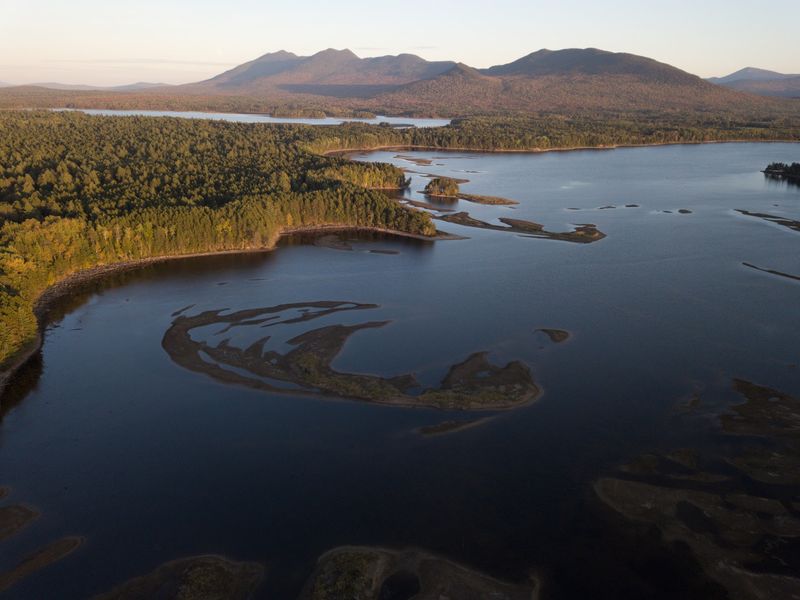
Water levels at Flagstaff Lake don’t stay the same all year. Since it’s a working reservoir, the level rises and falls.
When the water drops low, the past sometimes shows up. Visitors can spot foundations of old houses and outlines of former streets.
Other bits of structure may poke through the mud too.
That’s why many people call it a drowned ghost town. The name fits better than any spooky movie title could.
The town isn’t just a legend. Parts of it are still physically there.
Spotting these remains depends on timing and luck. There’s no set schedule for when they appear.
So treat any sighting like a bonus, not a promise.
A few smart tips help if you go looking. Stay off soft mud, since it can be deeper than it looks.
Leave everything exactly where you find it, because these remains belong to local history.
Bring a camera and a little patience. Seeing a stone foundation rise from the lakebed is a strange, quiet moment.
It turns a pretty view into a time machine.
Benedict Arnold Left His Mark On The Name
Long before the dam, before the power company, and before the flood, there was a flagpole. The name Flagstaff goes back to the 1770s.
Benedict Arnold led an expedition through this wild part of Maine on the way to Quebec. His men planted a flagstaff in the area during the march.
The name stuck around for centuries.
That’s a lot of history packed into one word. The town that carried the name eventually ended up underwater.
But the lake kept the label alive.
History fans will enjoy this twist. Arnold is famous for switching sides later in the Revolutionary War.
Yet here, his troops left behind a name people still use every day.
The Arnold expedition route is part of the region’s story. Knowing this makes a trip around the lake feel more layered.
You’re not just on a scenic road. You’re crossing a path soldiers once struggled through.
Next time someone asks why it’s called Flagstaff Lake, you’ll have a great answer. It’s a fun fact with a little edge, which suits this place perfectly.
Two Military Jets Crashed Into These Waters
As if three sunken towns weren’t enough, the 1950s added another chapter. Two military aircraft crashed into Flagstaff Lake during that decade.
One was an F-102, a jet fighter from that era. The other was a T-33, a jet often used for training.
Both went down into the lake.
The F-102 detail is the one people remember most. Its pilot was never recovered.
That single fact has added plenty of mystery to the lake’s reputation.
It’s easy to see why storytellers keep this lake in their rotation. Lost towns, moved graves, and a missing pilot make for heavy material.
Each piece adds another layer of shadow.
Still, it helps to remember these were real service members. Their stories deserve respect more than spooky exaggeration.
Learning the facts honors them better than any campfire tale.
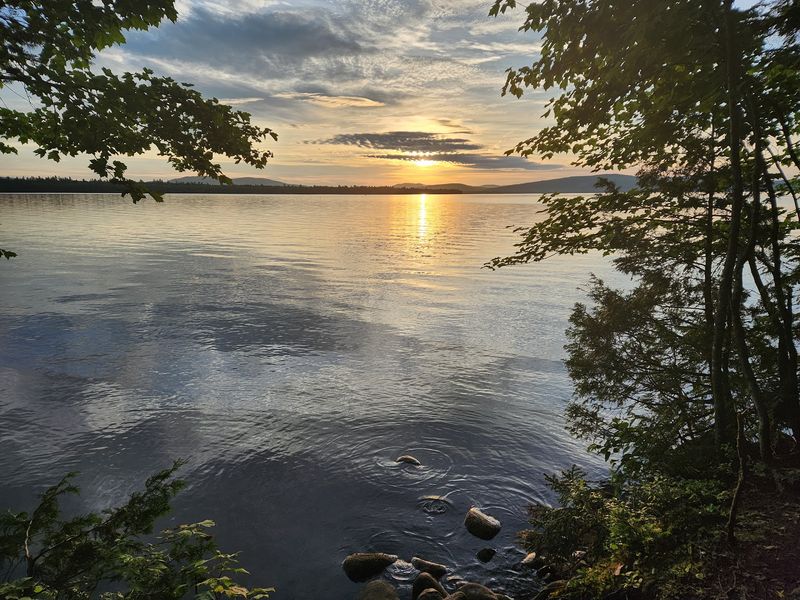
If you’re paddling across the open water, the scene feels peaceful now. The mountains, the sky, and the quiet don’t hint at any of this.
That contrast is a big part of why the lake sticks in people’s minds.
Songs Have Been Written About This Lake
Music has a funny way of holding onto lost places. Flagstaff Lake has inspired songs about its sunken towns and the families who left.
People often describe this music as haunting stuff. That makes sense.
The story has loss, change, and a whole valley disappearing under water.
A good song can say what a history book can’t. It can capture how it feels to leave home forever.
It can also keep memories alive for younger listeners.
Searching for some of these tunes before a trip is a great idea. Play them on the drive up.
The music will set the mood better than any guidebook.
It’s also a reminder that this lake matters to real people. The towns of Flagstaff, Dead River, and Bigelow still live on in stories and melodies.
Their names haven’t faded.
Sitting by the shore with a song in your ears could feel very different. The water stops being just scenery.
It becomes the setting of a true story that people in Maine still care about.
Spooky Story, Seriously Gorgeous Scenery
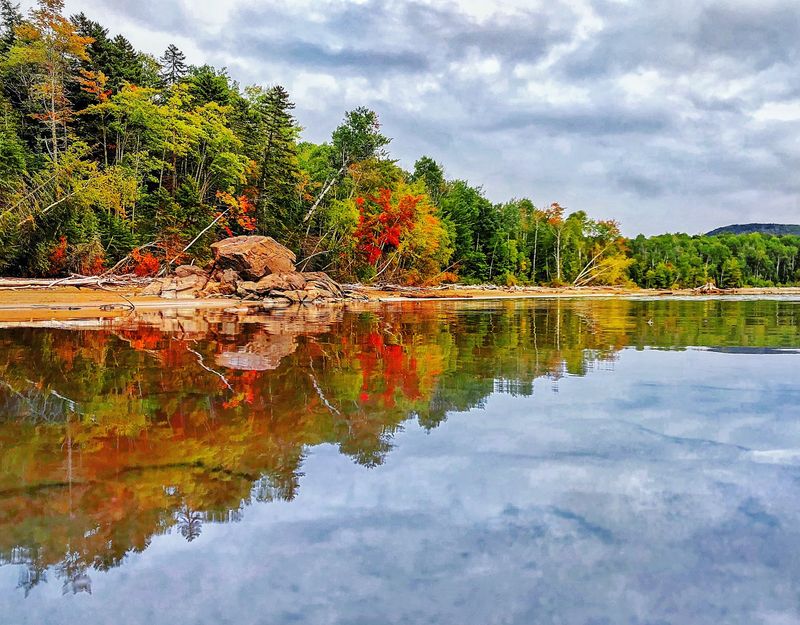
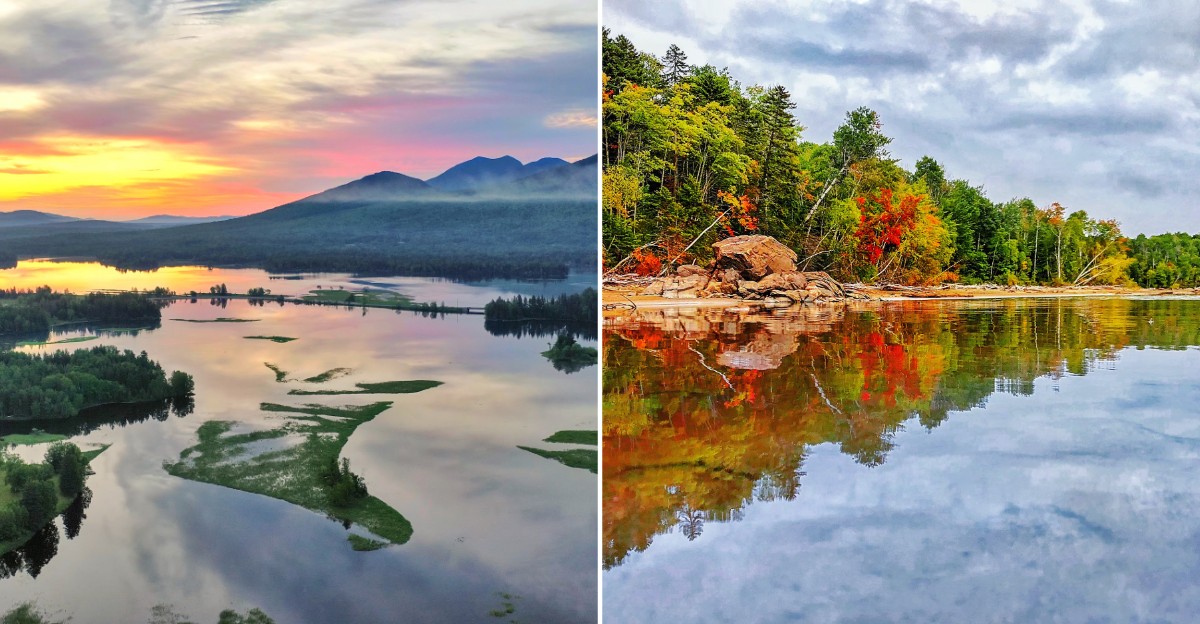
Despite the dark history, Flagstaff Lake is a beautiful place to spend a day outside. The Bigelow Range rises nearby, giving the water a dramatic backdrop.
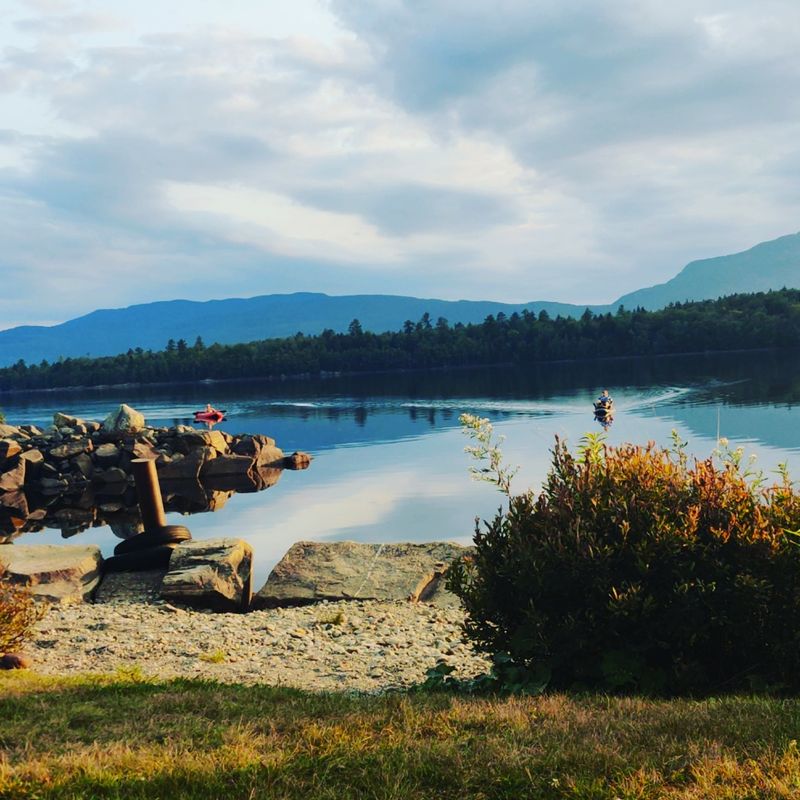
Paddlers love the open water for kayaking and canoeing. Boating and fishing are popular here too.
The area feels remote, which is part of the charm.
Hikers have options as well. The Appalachian Trail passes through the Bigelow area near the lake.
Maine Huts and Trails also runs routes in the region.
Camping is a big draw around the shoreline. Cathedral Pines Campground in Eustis sits near the water and is a well-known spot.
Remote first-come, first-served sites also dot parts of the shore.
Pack bug spray, because northern Maine woods can be buggy in summer. Bring layers too, since mountain weather can shift quickly.
A dry bag for your phone is a smart idea on the water.
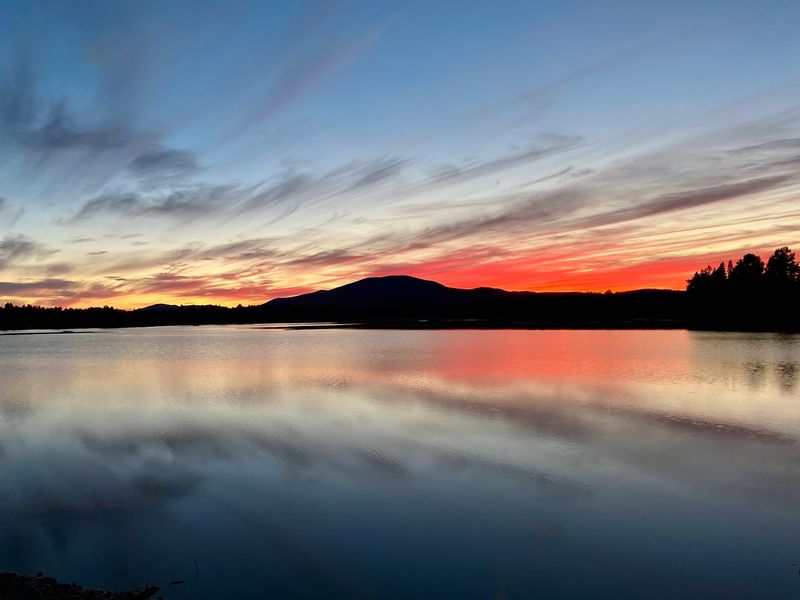
Sunsets over the lake get plenty of love. Fall color adds another reason to visit.
It’s funny how a lake with such a gloomy past can look this cheerful on a clear evening.
Plan Your Trip Around Eustis And The Seasons
Getting to Flagstaff Lake takes a little effort, and that’s part of the reward. The lake sits in western Maine, near the small town of Eustis.
Its official location is simply Flagstaff Lake, Maine, USA. It stretches across Somerset and Franklin counties.
Route 27 is a common way to reach the Eustis side.
Summer brings swimming, paddling, and camping. Fall brings bright leaves along the shoreline and hills.
Both seasons are great for photos.
Winter changes the whole scene. Ice fishing and snowmobiling become popular in the area.
Sugarloaf, a major ski mountain, is also within driving distance.
Services can be limited in this remote region. Fill your gas tank and grab supplies before heading out.
Cell service may be spotty, so download maps ahead of time.
Most of all, come with curiosity and respect. Flagstaff Lake holds the memory of three towns and the people who loved them.
Enjoy the view, then take a quiet moment to think about what’s underneath. That little pause might be the most memorable part of your visit.