
12 Massachusetts Beaches Where You Can Search For Sea Glass And Beautiful Shells
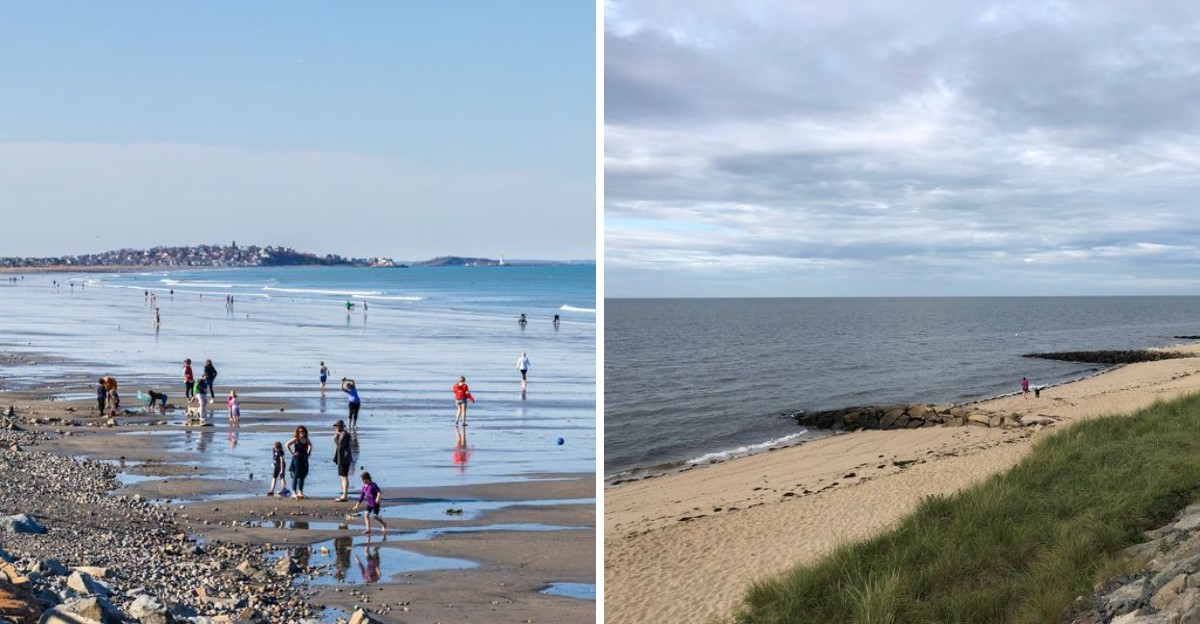
A small piece of green sea glass can make an ordinary beach day feel like a treasure hunt. Add colorful shells, smooth stones, and the occasional unusual find, and it’s easy to understand why people spend hours searching the shoreline.
Massachusetts has plenty of beautiful beaches, but certain stretches are especially interesting for people who love collecting little reminders of the ocean.
Some have rocky sections where sea glass can hide between pebbles. Others reveal wide sandbars at low tide, with shells scattered across the freshly exposed sand.
I love how unpredictable it all is. One visit might turn up a handful of interesting pieces, while another rewards you with nothing more than beautiful coastal scenery.
Timing makes a difference, too. Low tide, early mornings, and the days following storms can improve your chances.
These beaches are worth knowing about, even when the ocean decides to keep its best treasures for another day.
1. Pavilion Beach, Gloucester
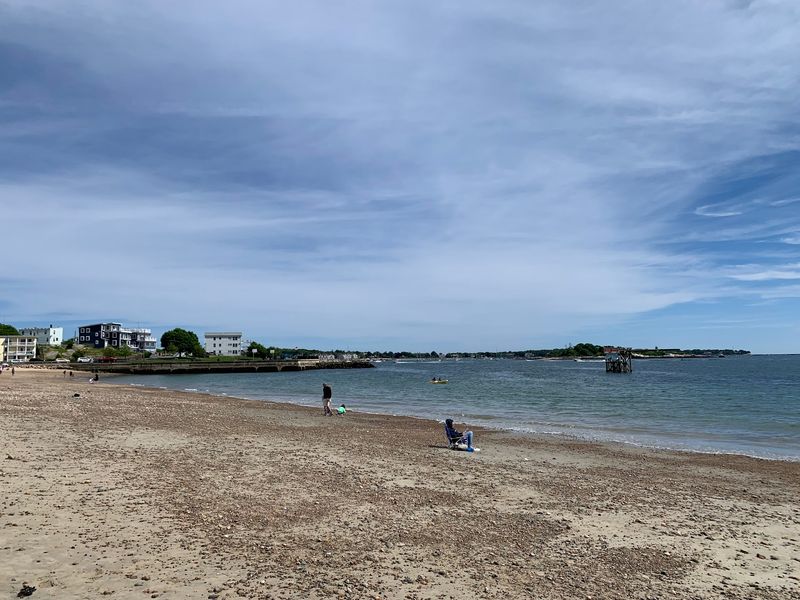
Pavilion Beach is small, but its sand and pebbles give sea glass hunters plenty to examine. The beach sits near Stacy Boulevard, where Gloucester’s working waterfront meets a narrow stretch of shoreline.
It’s worth searching carefully rather than expecting a long walk filled with finds.
Start where the outgoing tide leaves a thin band of stones. Green, brown, and clear glass are the colors most likely to blend into those pebbles, although even common colors are never guaranteed.
Look for edges rounded by wave action and a cloudy surface instead of a freshly broken shine.
The shoreline changes after rough weather, so returning on different days can be more productive than searching the same patch repeatedly. Shell fragments and small intact shells may also appear among the stones.
Check the upper tide line before moving toward the water, especially when the beach is narrow.
One advantage is how little ground there is to cover. A patient search here can be more rewarding than rushing across a much larger beach.
Just remember that harbor shores can also contain sharp, recently discarded glass. Leave those dangerous pieces out of any keepsake collection and dispose of them safely when practical.
Gloucester lists limited parking, no lifeguards, and no restrooms directly at Pavilion Beach, so plan a short, careful visit.
2. Front Beach, Rockport
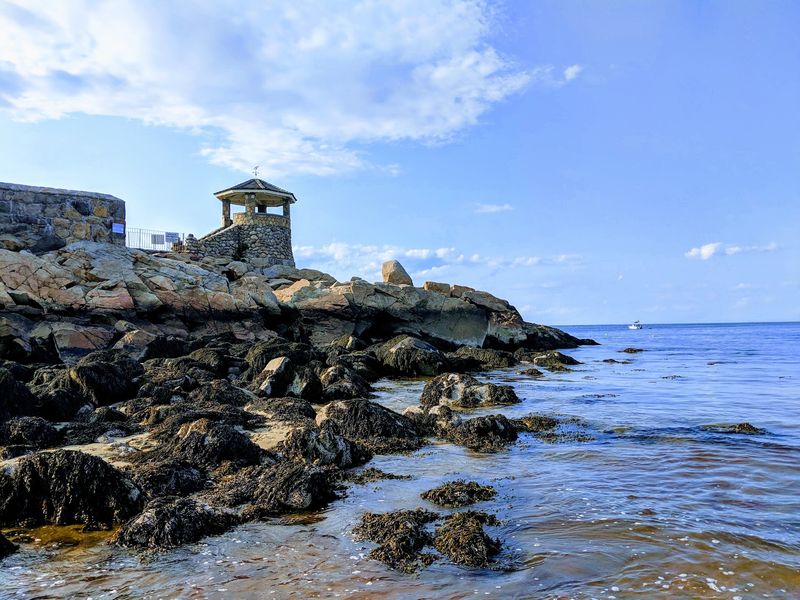
Front Beach offers an accessible introduction to sea glass hunting in Rockport, especially for people who prefer sand to an entirely rocky shoreline.
It faces Sandy Bay near the center of town, and beachcombers have reported glass along both Front Beach and neighboring Back Beach.
The best approach is to follow the falling tide. As water retreats, look for patches where shells, small stones, and fragments of glass collect together.
The sandier sections may hold only a piece or two, so slow down whenever a pebble band interrupts the smooth beach.
Clear, green, and brown pieces are realistic possibilities, but colorful finds shouldn’t be expected on every outing. Sea glass worth keeping should feel rounded rather than sharp.
Small shells and broken shell patterns are more dependable subjects for curious collectors and children.
Front Beach is also useful for learning how tides rearrange a shoreline. Visit once after calm weather, then compare the exposed material after a windy day.
Even when the search produces little glass, the changing tide lines provide something new to study.
Because this is a popular swimming beach, arriving early can make it easier to scan the sand before footprints obscure small finds. Stay clear of slippery rocks at the edges and leave any occupied shells or living creatures where you find them.
3. Back Beach, Rockport
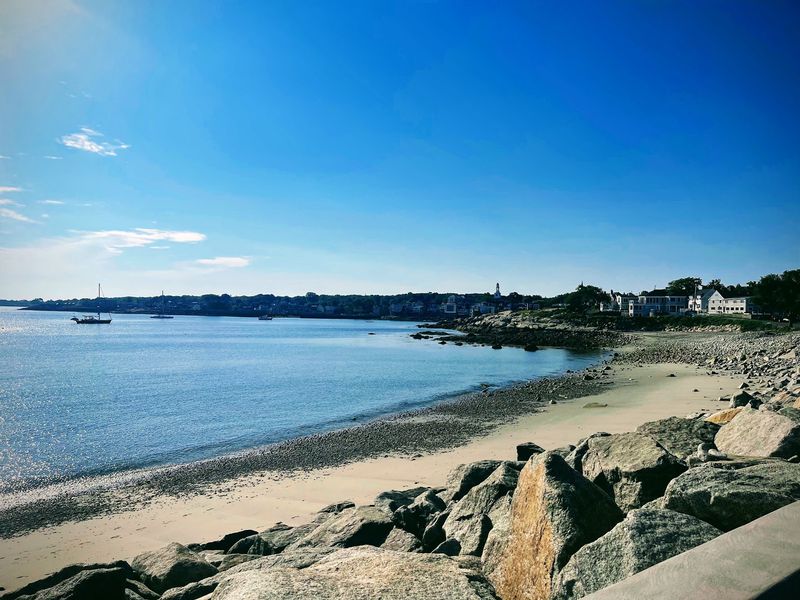
Back Beach gives Rockport beachcombers a different search environment than sandy Front Beach nearby. Its rocky shoreline attracts divers and offers plenty of crevices where waves can leave pebbles, shell fragments, and occasionally rounded glass.
Here, careful footing matters as much as a sharp eye.
Look along the boundary between the stones and the smaller pockets of sand, particularly as the tide falls. Pieces of green or clear glass can resemble wet pebbles until the light catches a frosted surface.
Brown glass may be even harder to distinguish, so it pays to examine promising shapes without grabbing blindly.
Search the accessible upper shore first, then check newly exposed areas if the rocks are dry and stable. Seaweed-covered stones can be unexpectedly slippery, and breaking waves make the outer edge a poor place to linger.
There’s no reason to climb across hazardous rocks for a possible find.
Shells may be fewer and more fragmented where wave action is strong, but those worn pieces can still be interesting. Look for unusual ridges, spiral shapes, and contrasting colors rather than expecting perfectly intact specimens.
Back Beach is best approached as a patient search through small, distinct areas. Bring shoes with good grip, watch the tide, and compare your finds with Front Beach afterward.
The two shorelines reward different ways of looking.
4. Devereux Beach, Marblehead
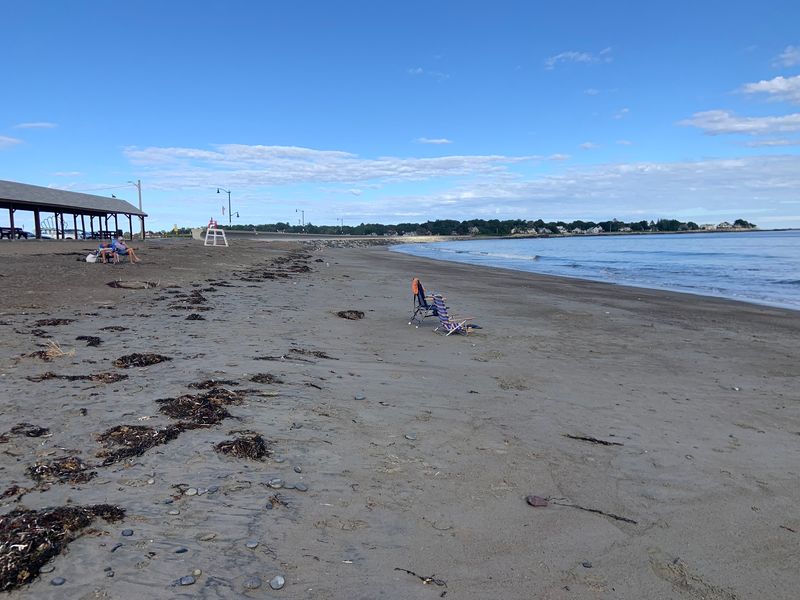
Ends of beaches often hold the best glass, and Marblehead’s most popular public beach proves the rule. Devereux Beach is useful for sea glass hunters because its curve includes sandy stretches and coarse material.
The sections with pebbles and rocks offer better places to inspect than the open sand alone. That contrast gives you a practical search plan before arriving.
Start by following the beach’s curve and watching for bands where waves have sorted heavier stones. Smooth glass can settle among them, sometimes with its frosted side facing down.
White and green fragments are reasonable finds to look for, although neither should be treated as a certainty.
After windy weather, revisit the edges where pebbles have shifted. A piece hidden during one visit may be exposed by the next tide.
Take your time, since wet clear glass and pale stones can look remarkably alike from standing height.
Shells, worn pottery fragments, and interesting pebbles may turn up alongside the glass. Search only loose surface material and leave living shellfish undisturbed.
If a shell is occupied, it belongs back in its habitat.
Riverhead Beach lies across the causeway and offers another nearby shoreline to observe if your first search comes up empty. The two locations have different exposures, so their deposits need not match.
Allow for changing tides, watch your footing near rocks, and check parking arrangements before visiting during the busy summer season.
5. Nantasket Beach, Hull
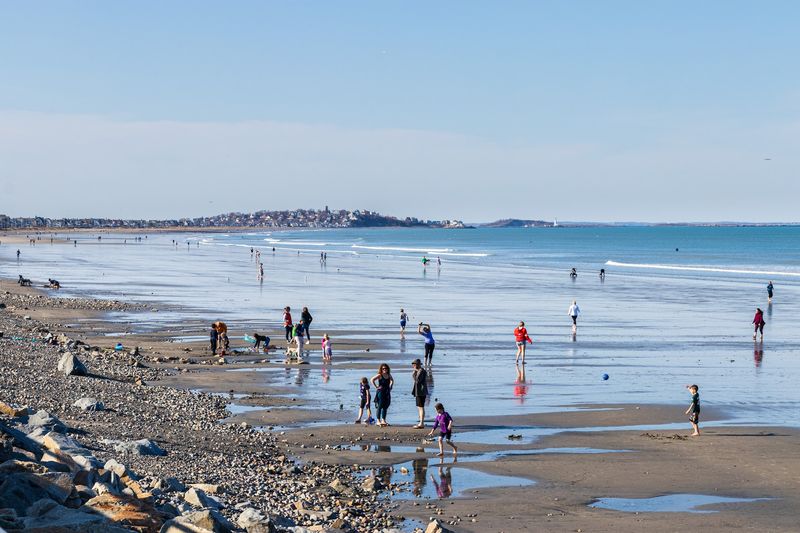
It offers a long stretch of sand and rocky sections where changing tides reveal pebbles, shells, and occasional pieces of sea glass. Nantasket Beach is better approached as a search for pebble patches than as an endless sweep across smooth sand.
Massachusetts describes parts of the reservation as sandy and notes that cobblestones can cover the southern end. Those stones are the most useful places to begin a sea glass hunt.
Walk the shoreline at a falling tide and pause wherever small rocks have accumulated. Rounded glass can be camouflaged among gray stones, particularly when the surface is wet.
Look for the distinctive matte finish and softened corners that separate genuine sea glass from sharp litter.
White, brown, and green pieces are possible, but the number exposed changes with weather and tides. Shell fragments and small intact shells can offer another reason to search when the glass proves elusive.
Rather than covering the entire beach quickly, examine one promising pebble band carefully.
Hull beachcombers also enjoy looking for unusual naturally shaped stones, making this a good destination for anyone interested in more than one kind of shoreline find. The changing mix of cobbles and sand gives each stretch a slightly different character.
The reservation is state managed, and parking fees apply during the main season. Plan around the tide instead of assuming the widest beach means the best collecting.
Avoid disturbing wildlife, and check posted rules before taking anything home.
6. Long Beach, Plymouth
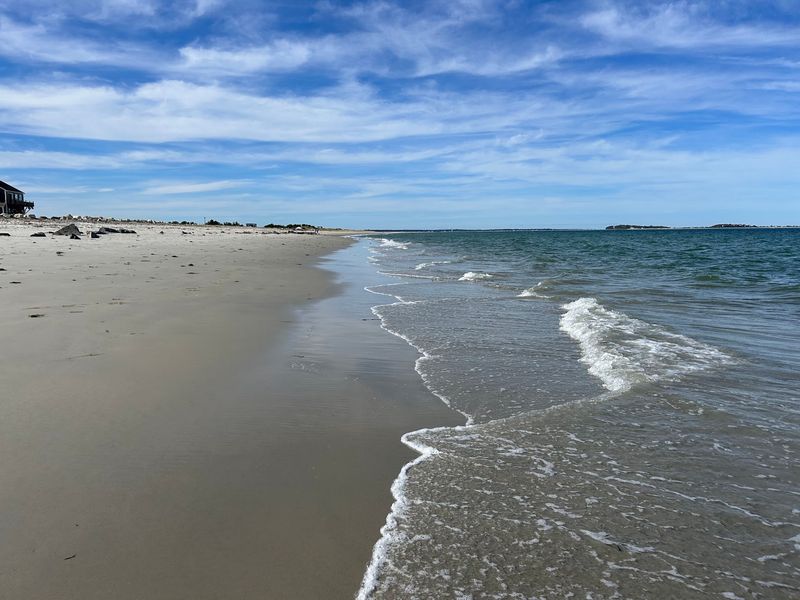
Plymouth Long Beach is a barrier beach, attractive for shell hunters exploring different shorelines in one outing. The exposed side faces Cape Cod Bay, while the protected harbor side has a different pattern of waves and deposits.
Look for lines of shells, stones, and other material left by high water. Sea glass is sometimes found among pebble deposits, but it isn’t spread evenly across the sand.
Searching a few promising areas can work better than walking miles without stopping.
The shell variety can be more interesting than the glass on a given day. Clam shells, periwinkles, and the curved remains of marine snails are worth examining, although actual finds depend on the tide and recent weather.
Keep only empty shells where permitted, and never remove living animals.
This is an important nesting area for piping plovers and least terns. Fenced or signed sections must be avoided, even when the shell line looks promising.
Bird protection can change which parts of the beach are accessible during the season.
Driving farther along Long Beach isn’t an option for ordinary visitors without the required town permit and a qualifying vehicle. Even permitted access can change because of tides and nesting birds.
Check the town’s current access information and enjoy the sections open to you.
7. Craigville Beach, Centerville
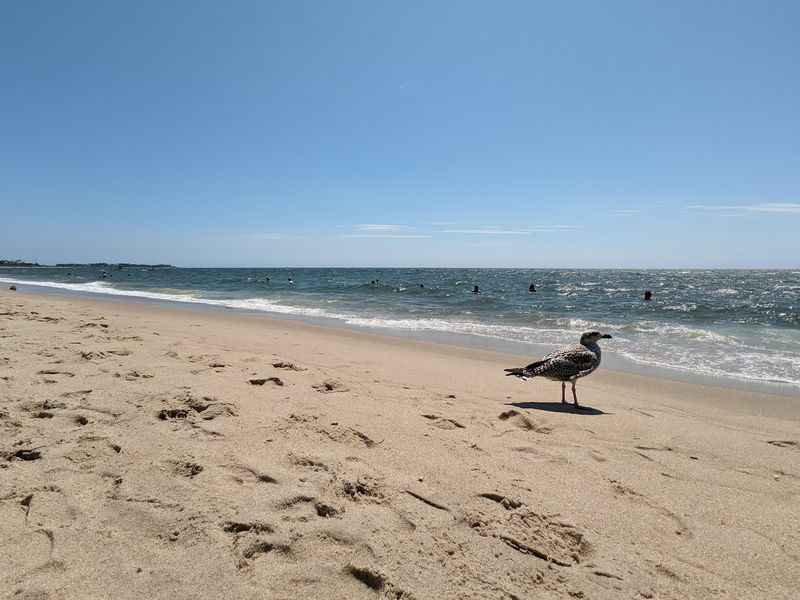
Geography quietly favors this Cape Cod shoreline. Craigville Beach suits people who enjoy searching for shells along a wide Nantucket Sound shoreline.
It isn’t a reliable destination for rare sea glass, so arrive with realistic expectations and treat an occasional smooth fragment as a bonus.
Begin near the recent high tide line, where waves leave small bands of broken shells, seaweed, and pebbles. These natural sorting lines are easier to inspect when the tide is going out and beach traffic is lighter.
A small white fragment can resemble glass at first, so check its texture before deciding what you’ve found.
Shells are the more likely reward. Look for the curved shapes of clams, small snail shells, and interesting pieces polished by repeated waves.
Intact specimens won’t appear every time, but even broken shells can reveal striking colors and patterns.
Wind direction can change where material gathers along this open stretch. If the middle looks clean, examine the accessible ends rather than searching the same sand repeatedly.
Avoid digging into sensitive areas or disturbing anything still alive.
Craigville is popular during summer, which makes a quieter morning a better time for careful beachcombing. Check the local tide chart and beach parking rules before leaving home.
The pleasure here is in an unhurried search, not a promise of turquoise glass.
8. Sea Street Beach, Dennis
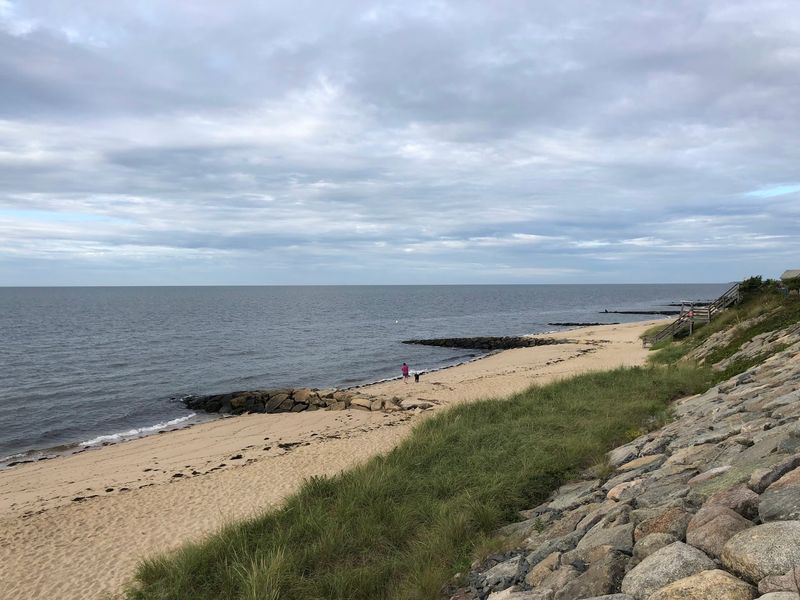
Sea Street Beach in East Dennis faces Cape Cod Bay, unlike the similarly named beach in Dennis Port. Its sand, pebbles, and nearby rocky features offer places to check for sea glass.
Start where stones accumulate around the upper beach and near accessible edges of the shoreline. Waves can sort glass and small shells into narrow bands, and those patches may be more productive than open, fine sand.
Search slowly at low tide, when more of the surface is visible.
Cloudy white, green, and brown glass can be difficult to distinguish from ordinary pebbles. Turn a promising piece in the light and look for rounded corners.
Sharp fragments aren’t sea glass and should never go into a pocket unprotected.
Shell hunters can inspect the exposed flats for empty clam and snail shells, small fragments, and the tracks left by living marine creatures. Leave anything occupied in place, and avoid trampling tide-pool habitats or digging up shellfish.
The town lists Sea Street Beach in East Dennis as a staffed public parking area during the summer season. Nearby Cold Storage Beach has different access arrangements and parking rules.
A falling tide and a careful look at the pebble lines make this one of the more practical Cape Cod stops for a patient collector.
9. Skaket Beach, Orleans
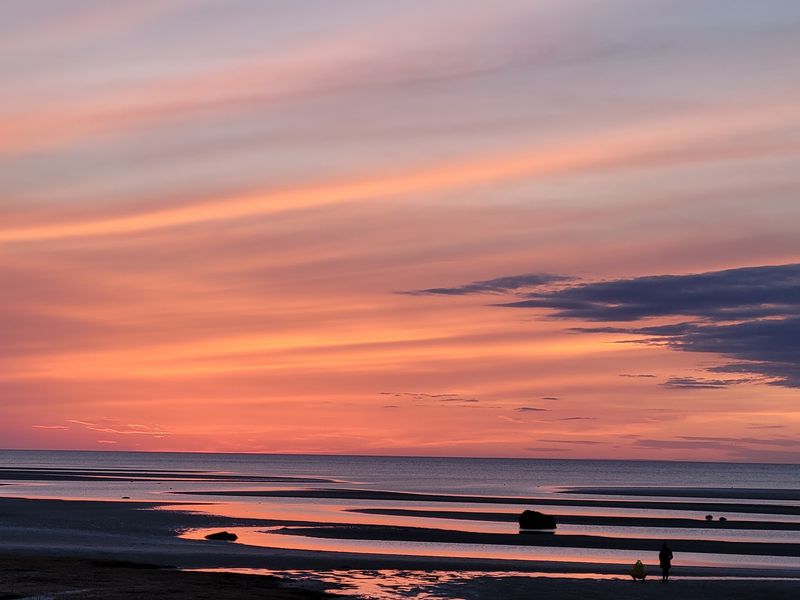
Skaket Beach is especially appealing for shell hunters because the tide can retreat a long way across Cape Cod Bay, exposing broad flats that look completely different a few hours later.
Sea glass occasionally appears here, but the exposed shells and small marine details are the more dependable attraction.
Plan to arrive as the tide falls. Follow the newest edge of wet sand and look for small shell clusters, empty clam halves, snail shells, and fragments with unusual patterns.
Shallow pools may also hold hermit crabs and other creatures that should be watched rather than collected.
Water draining through the sand creates channels and pockets where shells settle. Those small variations make a slow search more interesting than simply crossing the widest sandbar.
If you do spot a piece of glass, check for properly rounded edges before treating it as sea glass.
Avoid digging for living shellfish. The goal is to inspect what the tide has exposed naturally, not disturb animals below the surface.
Take special care with children who may be tempted to bring home every occupied shell they see.
The incoming tide can cover flats surprisingly quickly, so keep track of time and your route back to shore. Skaket rewards curiosity, patience, and a willingness to appreciate small finds rather than a bag full of rare glass.
10. Race Point Beach, Provincetown
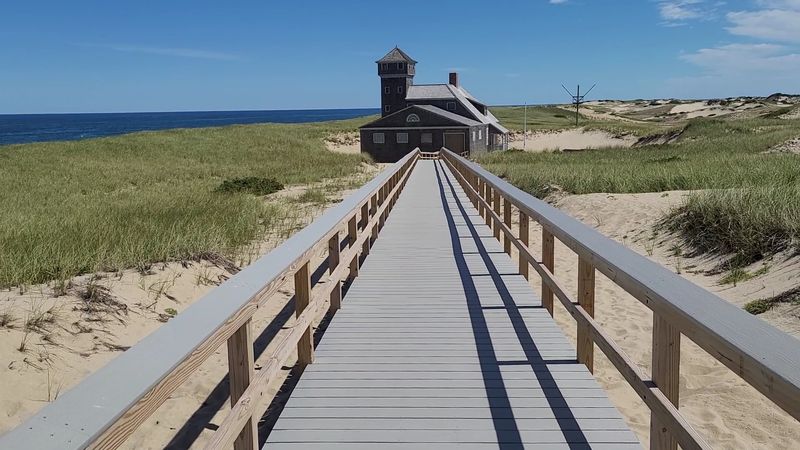
Race Point is dramatic, but should not be advertised as an easy source of sea glass. Its exposed position at the northern end of Cape Cod means conditions can change quickly, and scattered shells are a more realistic reason to search.
Look along the recent tide line for empty shells, worn fragments, pebbles, and pieces of driftwood left by the surf. Some days the sand may be almost bare.
On others, wind and waves deposit a thicker band of material worth examining closely. Occasional rounded glass may appear, but there’s no reliable reason to expect a colorful haul.
Race Point belongs to Cape Cod National Seashore, so its collection rules differ from those of town beaches. The National Park Service permits visitors to gather up to one gallon of unoccupied seashells per person per day, subject to other closures.
Living creatures, protected natural features, and historical artifacts must be left alone.
Do not assume glass or pottery may be removed simply because it has washed onto the sand. Ask park staff before taking such material, and avoid digging through the shoreline.
The same caution applies around fenced bird habitat and fragile dunes.
With strong surf and changing weather, choose a safe stretch of open beach and keep a comfortable distance from the water while examining your finds.
11. Dionis Beach, Nantucket
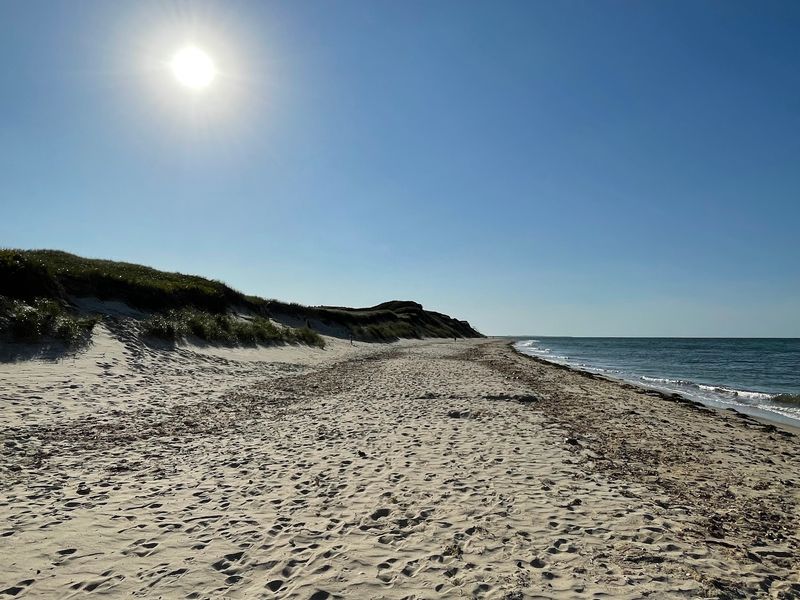
Nantucket’s official beach guide identifies Dionis Beach as a destination for shell and sea glass collectors. Its sheltered position on Nantucket Sound makes it especially appealing to people who like patient searches along gentle surf.
Begin with the wrack line, where shells, small stones, and natural debris collect after higher tides. Look carefully before the next wave washes over the area.
Smooth white and green glass can disappear against damp sand, while clear fragments may show themselves only when sunlight catches an edge.
Empty shells often provide more variety than glass. Check for curved clam shells, small snail shapes, and pieces with delicate ridges.
A fragment needn’t be intact to be interesting, and identifying shapes can be as enjoyable as finding something rare.
Try returning after a windy period or at a different stage of the tide. The shoreline can change enough to reveal new material without any guarantee of a particular color or quantity.
Walking slowly is more useful than digging through large areas of sand.
The town prohibits oversand vehicle traffic at Dionis year-round. Stay off dunes and protected vegetation, and leave occupied shells where they are.
Bring a small container only after confirming current collection rules; a quiet search is the attraction here, not gathering more than you need.
12. Lobsterville Beach, Aquinnah, Martha’s Vineyard
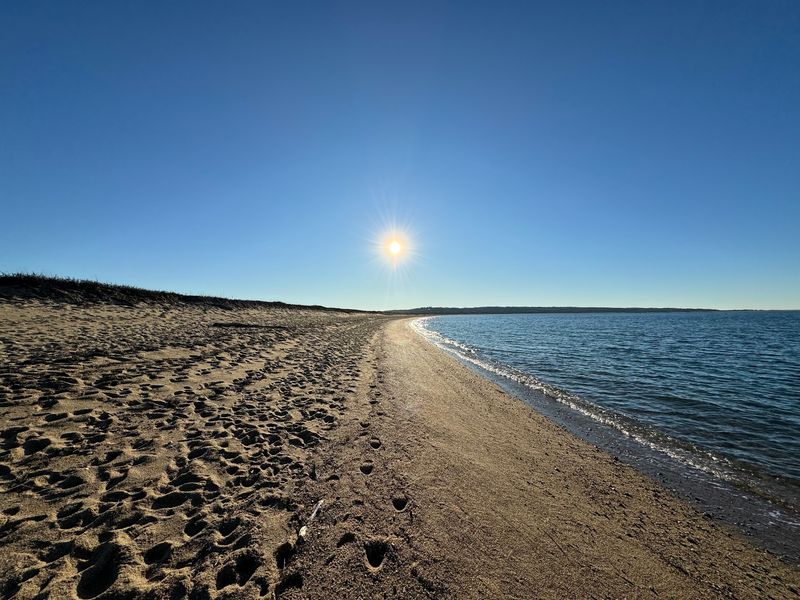
Lobsterville Beach offers shell hunting on Martha’s Vineyard, facing Vineyard Sound near Menemsha Pond.
Its generally gentler waves make it well suited to examining small shells and occasional sea glass without the pounding surf found on some Atlantic-facing beaches.
At a falling tide, look along thin lines of washed-up shells and small stones. You may find empty clam shells, little snail shells, and worn fragments with interesting shapes.
Sea glass is possible, but it should be treated as an occasional discovery rather than the reason to expect a full bag.
Check places where the texture of the beach changes. A narrow band of pebbles or shell fragments can be easier to search than a broad expanse of clean sand.
Move slowly and leave anything occupied, including shells used by hermit crabs, exactly where you found it.
Access requires more planning than the gentle shoreline suggests. Dukes County describes the beach as open to the public, but parking is limited to permitted Aquinnah residents.
Visitors without that permit should arrange another lawful way to reach the beach and avoid roadside parking.
The area also supports coastal birds, so respect posted nesting areas and keep away from sensitive dunes. For patient beachcombers, the attraction is a peaceful, observant search along the Sound rather than a guaranteed sea glass jackpot.