
10 Middle Tennessee Towns Growing So Fast They Barely Look The Same
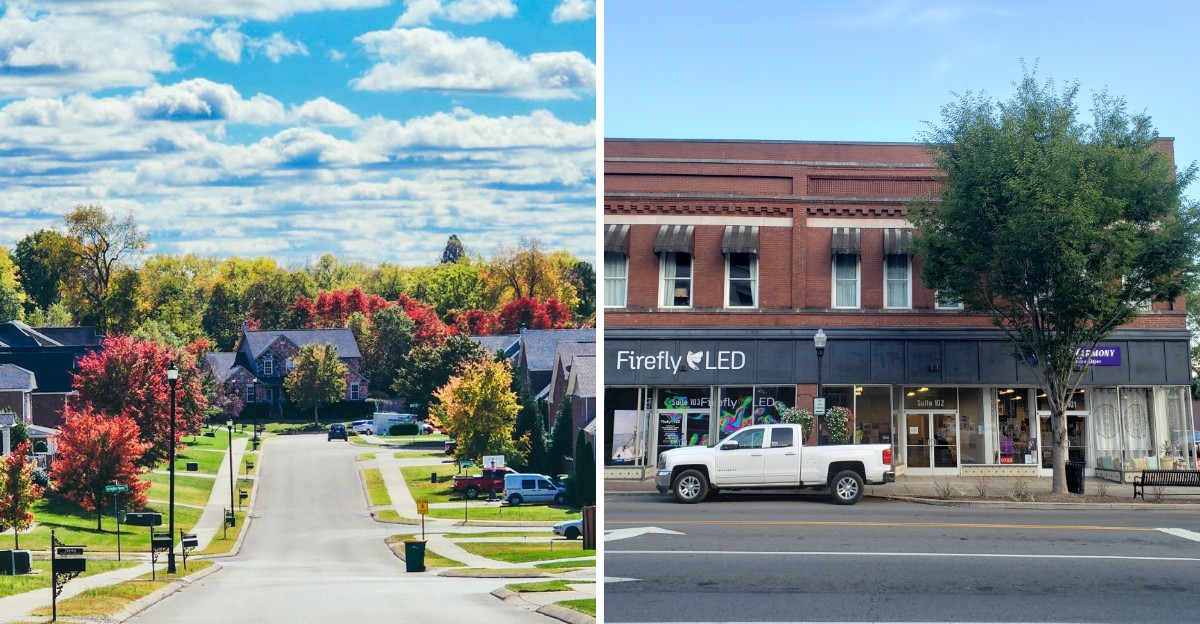
A town that had fewer than 40,000 residents just five years ago now has more than 53,000. Another has added nearly 5,000 people, and the construction projects show little sign of slowing down.
Middle Tennessee is changing fast, and some of its smaller communities are experiencing the biggest transformations.
I find it fascinating how quickly a familiar stretch of countryside can change. Fields that once bordered quiet roads now sit beside new subdivisions, shopping centers, and busy intersections.
But the growth isn’t just about houses. Cities are expanding utilities, improving roads, attracting employers, and trying to make room for thousands of new residents.
Not every change has been easy. More neighbors can mean heavier traffic, pressure on public services, and difficult decisions about preserving the character that made these communities appealing in the first place.
These Tennessee towns offer a revealing look at how much can change in just a few years.
1. Lebanon
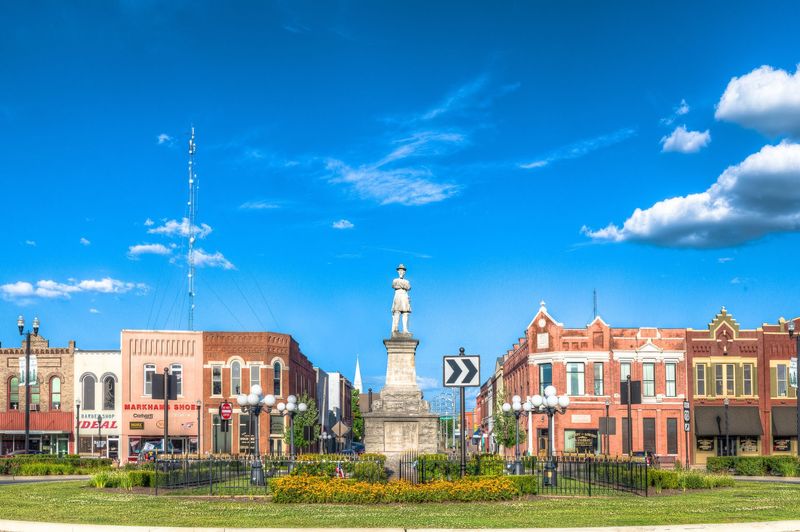
Lebanon’s population growth is remarkable even by Middle Tennessee standards. In 2020, the city had approximately 38,500 residents.
By 2025, that figure had reached 53,412.
That’s an increase of nearly 39 percent in just five years, making Lebanon one of Tennessee’s fastest-growing cities.
The transformation is especially noticeable along major roads, where residential developments and commercial projects have expanded the city’s footprint.
Road improvements are becoming increasingly important.
In November 2025, the Tennessee Department of Transportation opened a new alignment of State Route 141, also known as Hartsville Pike. The project is part of a larger effort to widen the road and improve traffic movement into Lebanon.
City leaders are also planning for growth beyond the next few years. The Lebanon Forward 2040 Comprehensive Plan addresses future housing, redevelopment, transportation, and preservation of established neighborhoods.
The challenge is balancing those priorities.
Lebanon’s historic courthouse square remains an important part of its identity, but the surrounding city now serves a much larger population than it did a generation ago.
New neighborhoods bring more families, businesses, and demand for public services.
Lebanon is no longer simply a smaller community outside Nashville. Its expanding population and infrastructure are giving it an increasingly substantial identity of its own.
2. White House
A town that had about 13,000 residents in 2020 reached an estimated 17,872 by 2025. That’s approximately 37 percent population growth in five years.
White House has become one of the clearest examples of suburban expansion north of Nashville.
Its location along Interstate 65 gives residents access to the larger metropolitan area, while new housing continues to reshape portions of Robertson and Sumner counties.
But the most revealing changes aren’t always visible along the highway.
In 2024, White House began operating a new wastewater treatment facility with a capacity of two million gallons per day. The upgraded system was designed to serve existing residents while providing additional capacity for future development.
The city has also identified improvements involving sewer lines, stormwater drainage, and transportation infrastructure.
These projects matter because adding houses is only part of accommodating population growth. Roads, drainage systems, and public utilities must be able to handle the increased demand.
White House still has established neighborhoods and familiar local businesses, but its growing population has made long-term planning more important than ever.
The community is gradually shifting toward a larger suburban identity, and its infrastructure projects show how seriously local officials are preparing for that future.
3. Thompson’s Station
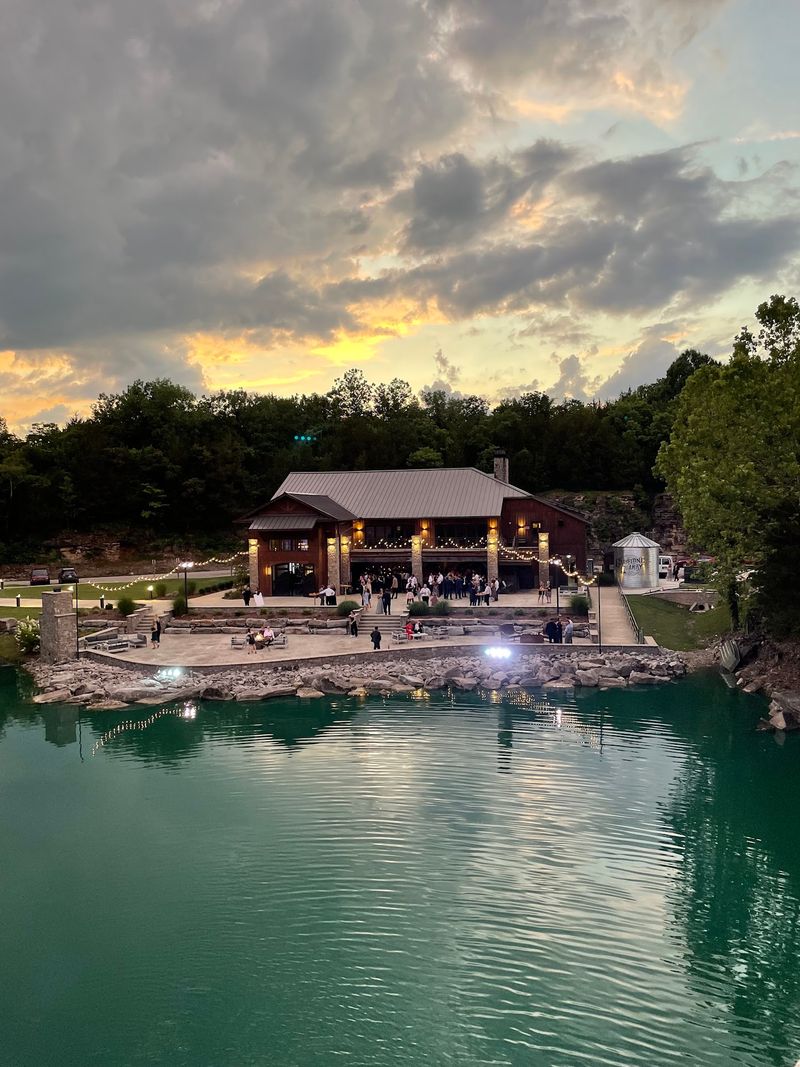
This town has experienced a remarkable transformation over the past two decades.
The Williamson County town had fewer than 2,200 residents in 2010. By 2025, the population had climbed to approximately 9,469.
Even during the five years after 2020, it grew by about 27 percent.
That kind of expansion brings obvious changes to a community long associated with rolling farmland, historic properties, and relatively quiet country roads.
New residential developments have increased the number of people traveling through town, making transportation one of the biggest concerns.
Highway 31, also known as Columbia Pike, has become a particular focus.
Tennessee transportation officials have developed plans to widen portions of the corridor to four lanes. In April 2025, the state agreed to accelerate preliminary engineering, moving that work forward to 2026.
The town’s All Aboard comprehensive planning process also addresses future land use, road networks, and infrastructure needs.
Wastewater capacity is another consideration as development continues.
What makes Thompson’s Station interesting is the tension between growth and preservation.
The town still has open countryside and historic landmarks, but its expanding neighborhoods are changing how residents experience the area.
Managing that contrast will be one of its biggest challenges in the years ahead.
4. Gallatin
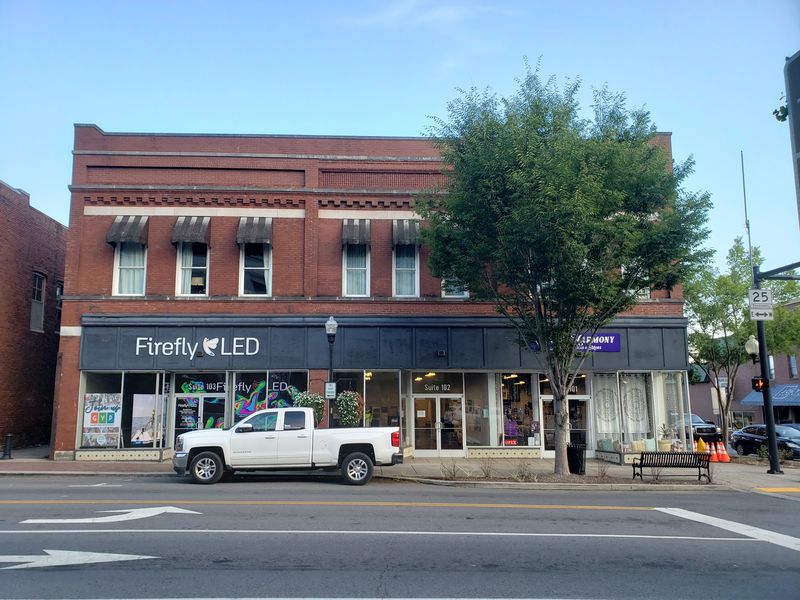
Gallatin has crossed an important population milestone. The Sumner County city grew from approximately 44,500 residents in 2020 to 54,590 in 2025.
That’s nearly 23 percent growth in five years.
New residential development has expanded the city, but Gallatin’s transformation involves much more than subdivisions.
Local officials are working on transportation, drainage, land use, and the future of downtown.
One of the most ambitious proposals is Project Phoenix, a potential mixed-use redevelopment involving city-owned property near the historic square.
The concept includes residential space, retail, green areas, and a possible hotel alongside municipal facilities.
The project remains under consideration rather than being a completed development, but it illustrates how Gallatin is thinking about its changing needs.
Other improvements are more directly connected to everyday life.
The city has been planning roadway changes along Blythe Avenue, including wider sections, sidewalks, bicycle facilities, and intersection improvements.
Stormwater projects are also underway or in planning to address drainage concerns as development adds rooftops, pavement, and parking areas.
Gallatin’s position near Old Hickory Lake still contributes to its appeal, but its population and infrastructure increasingly resemble those of a larger regional city.
The next challenge is making sure the older parts of Gallatin develop alongside its expanding neighborhoods.
5. Spring Hill
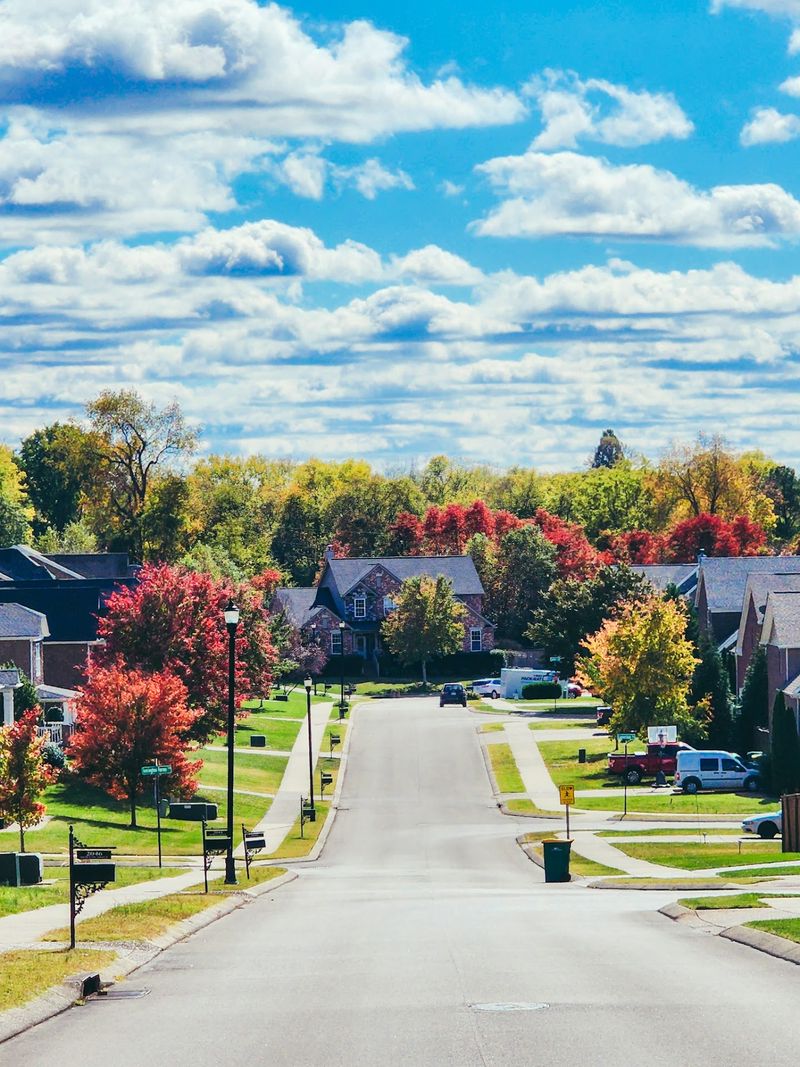
Spring Hill’s transformation has been especially dramatic.
The city had approximately 50,700 residents in 2020. By 2025, the population had grown to 61,336, an increase of about 21 percent.
That is a substantial change for a community that was much smaller just a few decades ago.
Housing development has been one major factor in its changing appearance, but manufacturing remains an important part of Spring Hill’s story.
General Motors continues to invest in its local manufacturing complex.
In June 2026, the company announced a $275 million investment supporting future vehicle production and engine operations.
Another major announcement followed in September, when Ultium Cells revealed plans to invest $1 billion in upgrading its Spring Hill battery manufacturing facility.
Residential and commercial development is progressing as well.
The June Lake project near the Interstate 65 interchange is planned as a mixed-use community with housing, retail, offices, parks, and other amenities.
Infrastructure has become a major priority. In October 2026, Spring Hill and neighboring Columbia approved a wastewater agreement intended to support future service needs.
These developments show how Spring Hill is changing on several fronts simultaneously.
More residents need housing and services, while expanding employers require transportation networks and reliable utilities.
The city is growing into a major employment and residential center rather than functioning primarily as a suburban community.
6. Pleasant View
Pleasant View offers a smaller-scale example of the population growth changing Middle Tennessee.
The Cheatham County town grew from approximately 4,800 residents in 2020 to 5,797 in 2025.
That represents growth of about 20 percent in five years.
Its location near Interstate 24, northwest of Nashville, provides access to the metropolitan area without requiring residents to live in one of its larger cities.
However, the town’s physical appearance has been changing as housing and commercial development continue.
Pleasant View Village is one of the clearest examples.
The 56-acre development was designed around a more connected neighborhood concept, combining residential properties with retail, offices, restaurants, and shared public spaces.
The master plan calls for approximately 350 residential units and 50,000 square feet of retail and office space at full build-out.
More than 20 businesses and offices have already operated within the development, although the larger project continues to evolve.
That is a significant change for a community historically associated with a quieter rural atmosphere.
Instead of spreading every business along a highway, Pleasant View Village brings shops, services, and housing into a more concentrated setting.
The growing population is also increasing the importance of planning for traffic, public services, and future neighborhoods.
Pleasant View remains relatively small, but its expanding residential areas are changing the community’s scale.
7. Columbia
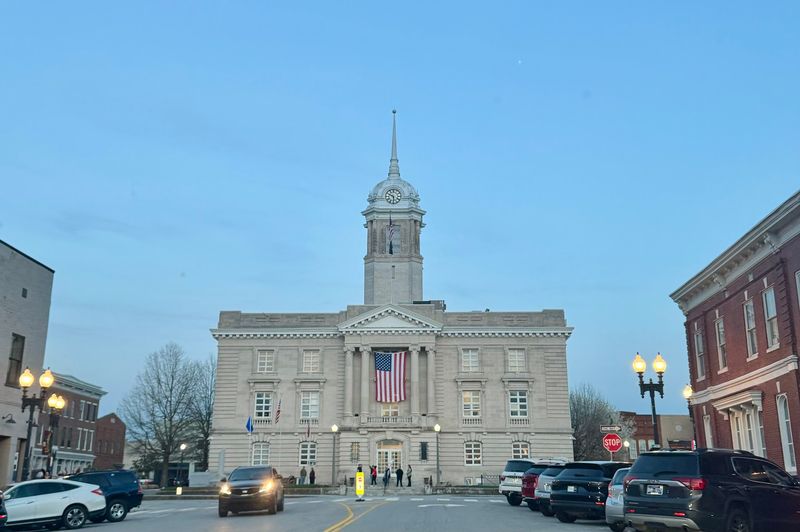
Columbia’s population passed an important threshold in 2025, reaching an estimated 50,072 residents.
In 2020, the city had approximately 41,600 people. That’s growth of more than 20 percent in five years.
The change is particularly significant for a historic Maury County community that has long served as a regional center.
More residents mean additional demand for transportation, utilities, housing, and healthcare.
Columbia has responded with major infrastructure investments.
In August 2026, officials announced that the city had completed 31.5 miles of roadway paving over two years, the largest two-year street paving effort in Columbia’s history.
Water infrastructure is receiving attention too.
The state announced a $75 million loan in August 2026 to help expand the city’s drinking water treatment capacity by 12 million gallons per day.
A separate wastewater treatment project is also under construction, with completion expected in 2027.
These investments may not attract the same attention as new subdivisions, but they are essential to supporting a growing population.
Downtown Columbia has also benefited from revitalization efforts, including building improvements and projects intended to improve access between different parts of the city.
The challenge is preserving its historic character while supporting larger neighborhoods and new businesses.
Columbia is growing beyond its traditional small-city scale, and the investments being made today will influence how it develops for years.
8. Smyrna
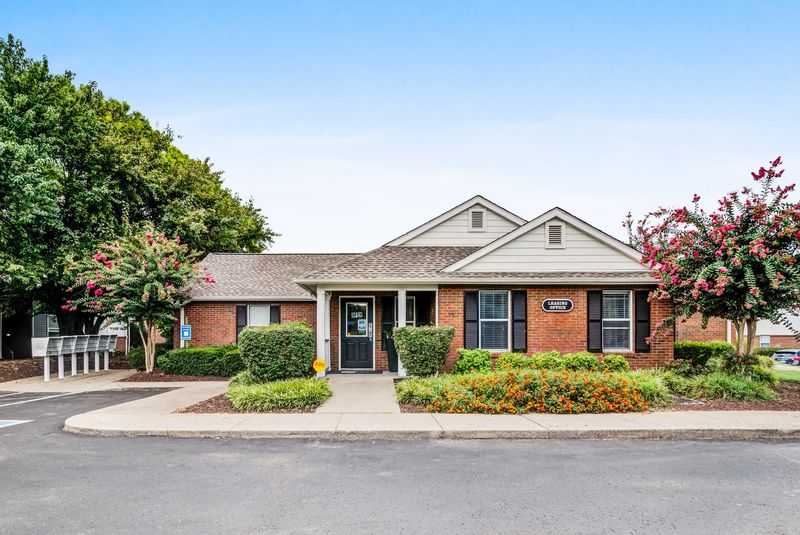
This place has been growing for decades, but its recent population increase remains impressive.
The Rutherford County town had approximately 53,100 residents in 2020. By 2025, that figure had reached 63,321.
That’s more than 10,000 additional residents in five years, representing roughly 19 percent growth.
Smyrna’s transformation is particularly visible in the continued development of residential and commercial areas.
One of the biggest projects is Sewart’s Landing, a planned mixed-use development covering approximately 44 acres near Sam Ridley Parkway and Highway 41.
The project includes plans for retail stores, residential units, offices, medical facilities, and hotel space.
With an estimated development value of $400 million, Sewart’s Landing represents a substantial investment in the town’s changing commercial landscape.
The site also has historical significance because it occupies land associated with the former Sewart Air Force Base.
Smyrna already has an established industrial and manufacturing presence, including Nissan’s automotive manufacturing operations.
That economic foundation helps distinguish it from communities built primarily around residential expansion.
As more residents arrive, town leaders must also consider road capacity, public services, and connections between established neighborhoods and new developments.
Smyrna is no longer a relatively small town outside Nashville. Its population, employment base, and expanding commercial districts give it the characteristics of a substantial city.
9. Fairview
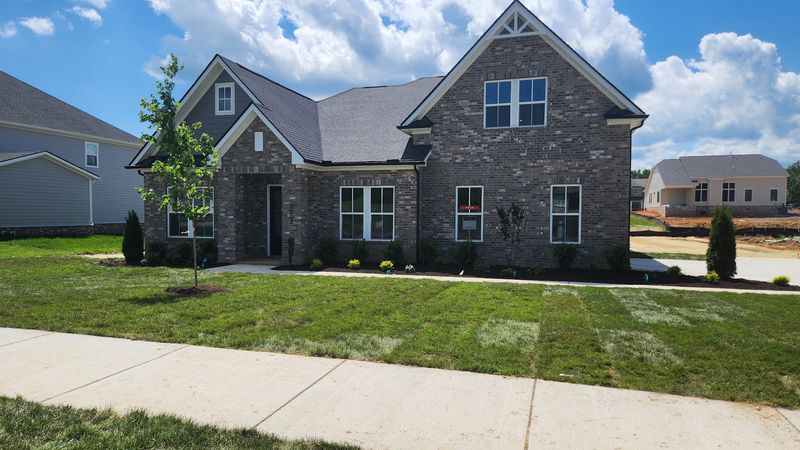
This town is growing at a pace that would have seemed difficult to imagine when much of the surrounding area was still dominated by open land.
In 2020, the Williamson County community had approximately 9,400 residents. By 2025, that number had reached 10,877.
That’s nearly 16 percent growth in five years.
The population increase is only one part of the story.
Fairview’s economic development information identifies more than 2,400 approved housing units that have not yet been built.
That pipeline suggests the community could experience considerable additional residential development, although approved housing does not guarantee immediate construction.
Plans for a mixed-use town center also reflect changing expectations.
The proposed development would combine shopping, restaurants, offices, housing, and pedestrian connections, giving Fairview a more defined commercial center.
Healthcare and retail development are other priorities, with new facilities and businesses announced or planned.
These changes are especially notable because Fairview has long attracted residents who appreciate its wooded surroundings and relatively quiet setting.
Bowie Nature Park, with roughly 700 acres of protected green space, remains one of the city’s most recognizable features.
Balancing natural areas with construction will be an important issue as more residents arrive.
Fairview’s future could look considerably different as planned housing and commercial projects take shape, even while its rural character remains part of its identity.
10. Mount Juliet
Mount Juliet has spent years transforming into one of Wilson County’s major residential and commercial centers.
Its population increased from approximately 39,300 in 2020 to 45,172 in 2025, a gain of nearly 15 percent.
The city was much smaller at the beginning of the century, making its long-term expansion even more striking.
Providence Marketplace is an established part of Mount Juliet’s commercial identity, but development continues in other areas as additional residents arrive.
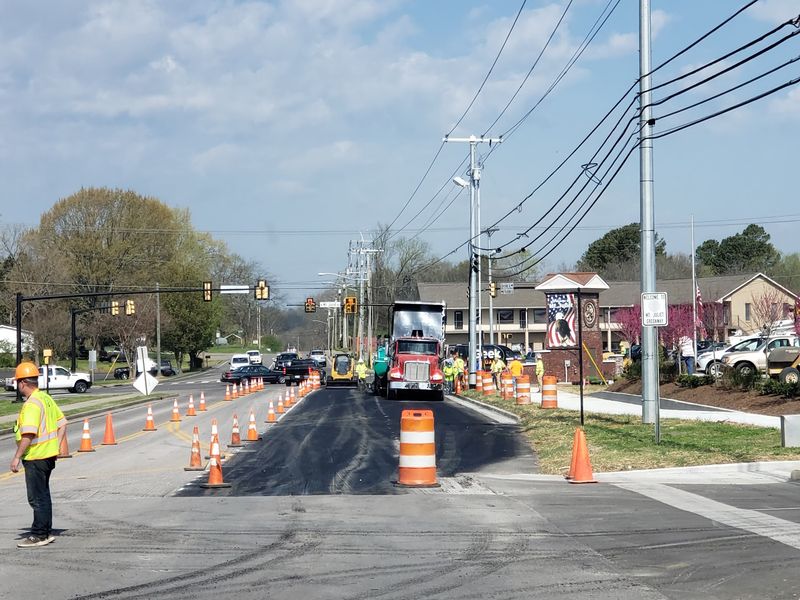
Transportation is one of the clearest signs of the pressure created by that growth.
The Tennessee Department of Transportation and city officials are planning a new Interstate 40 interchange at Central Pike.
The project is intended to improve access to an increasingly busy corridor and provide another route for drivers entering and leaving the city.
A related project would widen part of Central Pike toward Mount Juliet Road.
Both are future improvements rather than completed changes, with construction currently scheduled for later in the decade.
The city is also tracking residential development and planning pedestrian, road, and traffic-signal improvements.
These projects illustrate the difficulty of maintaining convenient travel as a community becomes more heavily developed.
Mount Juliet still benefits from its location between Percy Priest Lake and Old Hickory Lake, but its expanding neighborhoods and commercial corridors have transformed daily life.
The next chapter will depend on how successfully transportation and public infrastructure keep up with continued development.