
10 Mississippi Areas Where Reported Tick Activity Is Highest This Summer
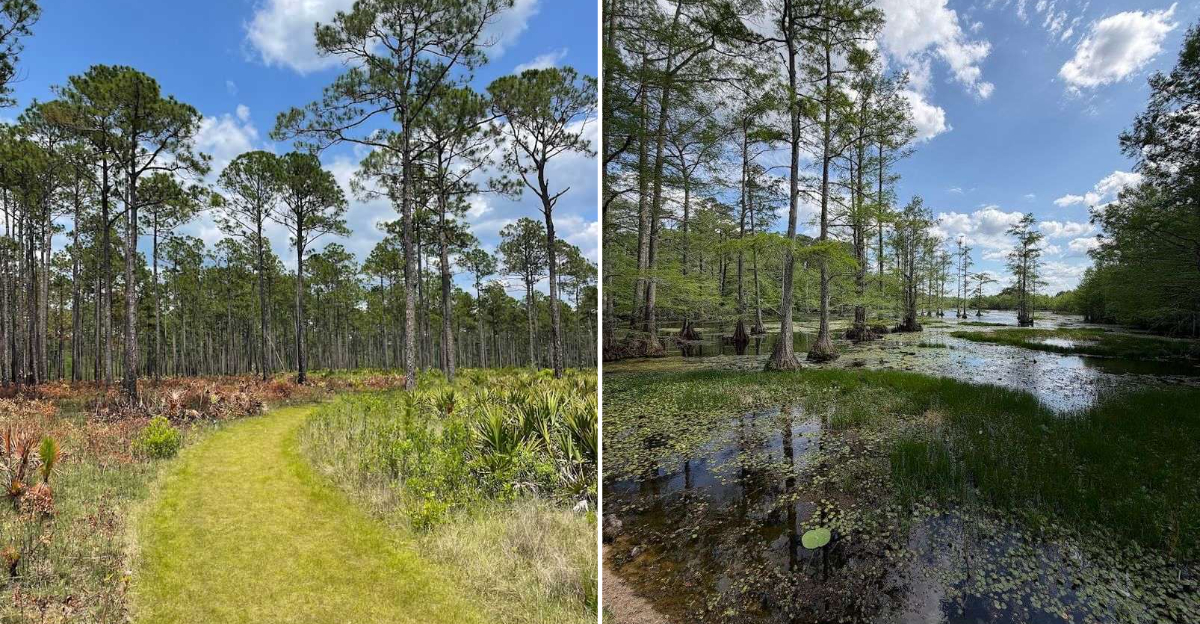
Parasites always multiply with terrifying efficiency whenever a climate zone shifts toward extreme humidity. That invisible biological reality completely alters how people approach the deep woods during peak summer.
Thick undergrowth and damp leaf litter create an active incubator far away from asphalt streets. Tiny vectors cling to the tips of tall blades of grass.
They wait silently for any passing heartbeat or sudden shift in air temperature. Outdoor enthusiasts who once walked these trails carelessly now examine their boots with obsessive focus.
Mississippi forestry officials note a distinct surge in warning signs posted near the trailheads. This quiet environmental shift forces a sharp compromise between wilderness recreation and personal safety.
These specific sectors demand this sudden, hyper-vigilant awareness from anyone stepping into the shade.
1. Wall Doxey State Park
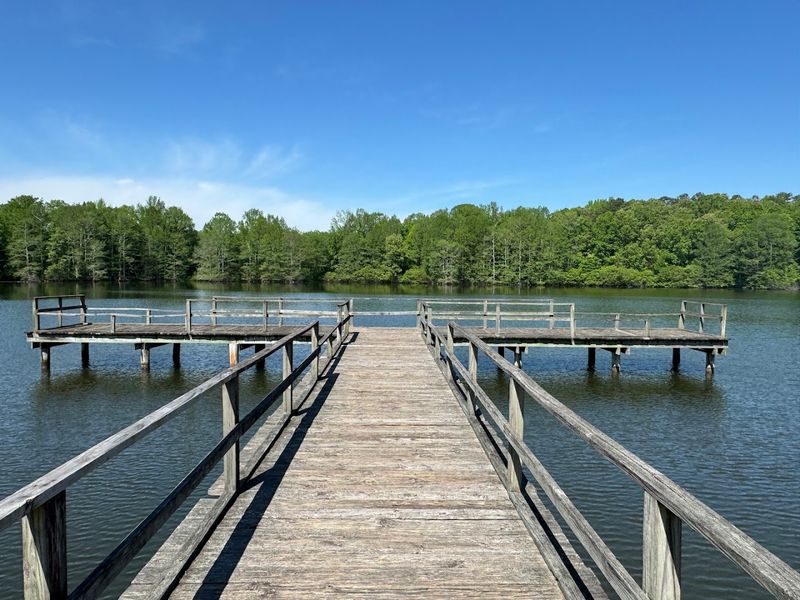
Campers have been leaving reviews about Wall Doxey State Park that read like a nature lover’s dream and a tick warning rolled into one. Nestled in northern Mississippi near Holly Springs, this park is built around a stunning 60-acre spring-fed lake.
The mix of pine and hardwood forest creates a canopy that is gorgeous to walk under but also a prime tick corridor.
The 2-mile Lakeside Trail and the 8-mile Long Leaf Trail wind through exactly the kind of dense, shaded undergrowth where Lone Star ticks love to wait.
Fishing off the pier and renting a boat are popular summer activities here, and the park draws families and weekend warriors alike.
Before you go, tuck your pants into your socks, spray DEET on your ankles and wrists, and do a full body check when you get back to camp. The park is absolutely worth visiting.
Just go in prepared, not surprised. Marshall County sits in a moderate-to-high tick risk zone this summer, so treat every trail like it means business.
Find it at 3946 MS-7, Holly Springs, MS 38635.
2. Tishomingo State Park
There is nowhere else in Mississippi that looks quite like Tishomingo State Park. Nestled in the Appalachian foothills, this place has massive sandstone boulders, rocky canyons, and clear streams that feel more like Tennessee than the Deep South.
It is genuinely jaw-dropping terrain, and the biodiversity that comes with it creates a very active tick environment.
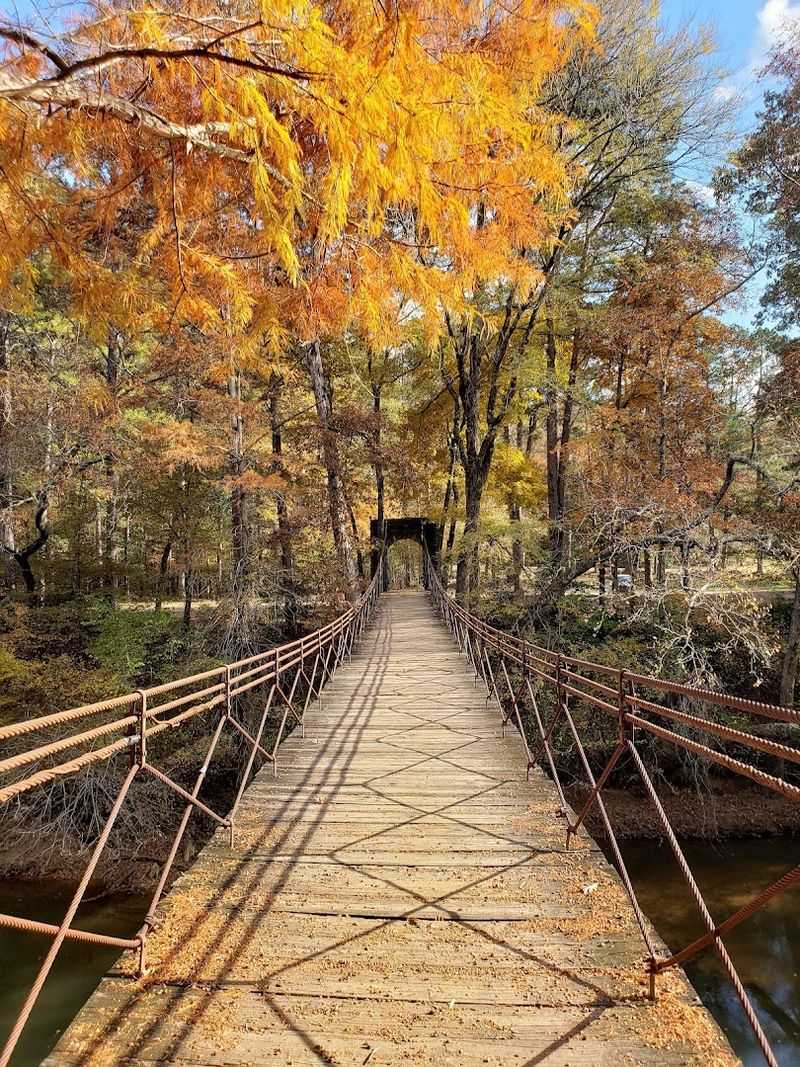
The Outcroppings Trail takes you through the most dramatic rock formations in the state, and the famous swinging bridge over Bear Creek is a must-see. Canoeing on Bear Creek is wildly popular in summer.
But all that lush, rocky undergrowth, combined with the park’s high deer population, means ticks are out in full force from May through August.
Tishomingo County is flagged as a High Risk Zone for tick activity this July. Lone Star ticks are the main culprits here, and they are aggressive.
They do not wait for you to brush past them. They actively chase a heat signature.
Pack long sleeves, permethrin-treated clothing if possible, and a tick removal tool. Check behind your knees, in your hair, and around your waistband after every outing.
The park is extraordinary and deserves every visit you can give it. Just suit up properly before you hit those trails.
Visit this spot at 105 Co Rd 90, Tishomingo, MS 38873.
3. De Soto National Forest
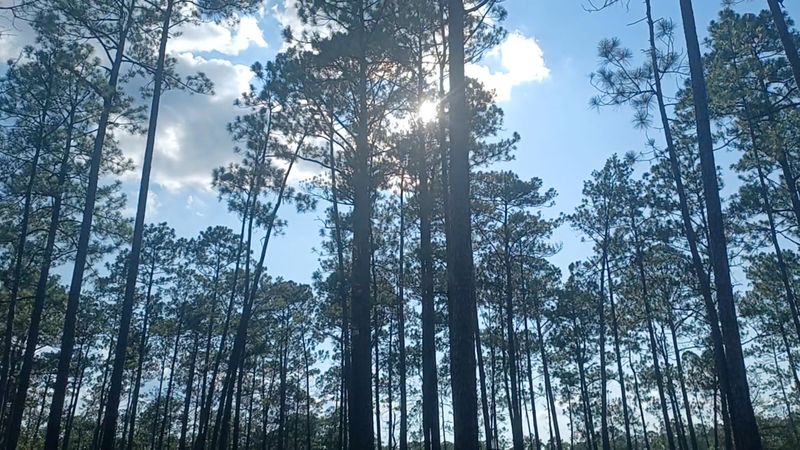
At over 500,000 acres, De Soto National Forest is the largest national forest in Mississippi, and it is not playing around when it comes to tick populations.
The southern pine ridges, hardwood bottoms, and pitcher plant bogs create an incredibly diverse ecosystem. That diversity is great for wildlife lovers and absolutely fantastic for ticks.
Over 60 miles of trails crisscross the forest, including the Black Creek National Recreation Trail and the Tuxachanie Trail. Black Creek itself is Mississippi’s only National Wild and Scenic River, and paddling it is a bucket-list experience.
But dense pine savannas plus high white-tailed deer populations equal a tick buffet. Gulf Coast ticks, in particular, thrive in this habitat and can carry spotted fever rickettsia.
De Soto is listed as a High Risk Zone for ticks this summer across multiple county assessments. The forest covers several south Mississippi counties, with humidity, dense canopy, and abundant wildlife keeping the risk consistently high.
If you are planning a multi-day backpacking trip here, treat your gear with permethrin before you leave home. Reapply repellent every few hours on the trail.
At camp, set up away from tall grass and leaf litter. The forest is spectacular, but a tick check every evening is non-negotiable out here.
4. Bienville National Forest
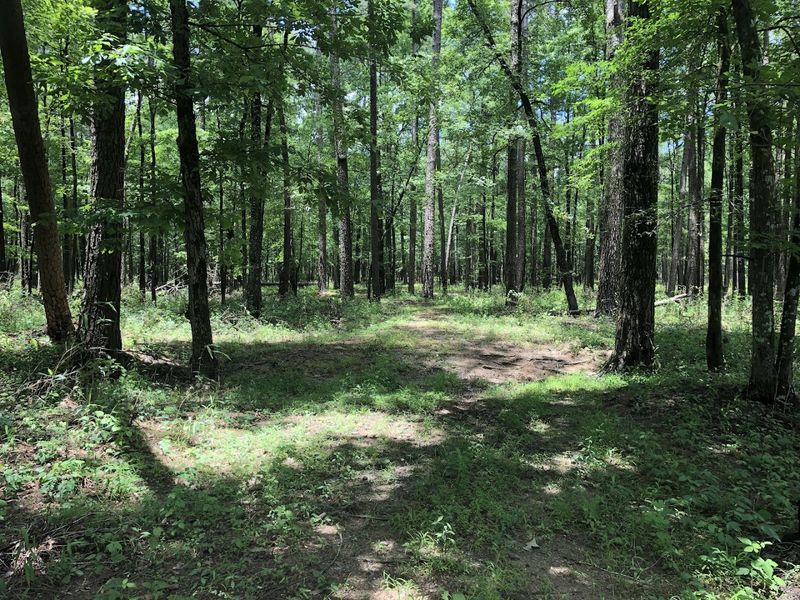
Bienville National Forest does not always get the same attention as De Soto, but tick researchers and outdoor enthusiasts both know it well.
Spanning over 170,000 acres in central Mississippi, it has pine and oak forests, open prairies like Harrell Prairie, and the upper Leaf and Strong Rivers.
It is genuinely lovely country, and it is consistently ranked among the most tick-infested areas in the state.
Multi-use trails here attract hikers, mountain bikers, and horseback riders throughout summer. Marathon Lake offers camping, boating, and fishing, which means people are out in the woods for extended periods.
Wild hogs roam the forest in significant numbers, and where hogs go, ticks follow. The same goes for deer, turkey, and the wide range of other wildlife that calls Bienville home.
Scott County and surrounding areas within the forest boundary are flagged for elevated tick activity this season. The thick brush and humid understory create conditions where American dog ticks and Lone Star ticks overlap in range.
Lone Star tick nymphs are especially dangerous because they are tiny enough to miss during a casual check. Use a fine-tipped mirror or a friend to check your scalp, neck, and ears after any trail time.
Bienville rewards every visitor who comes prepared.
5. Homochitto National Forest
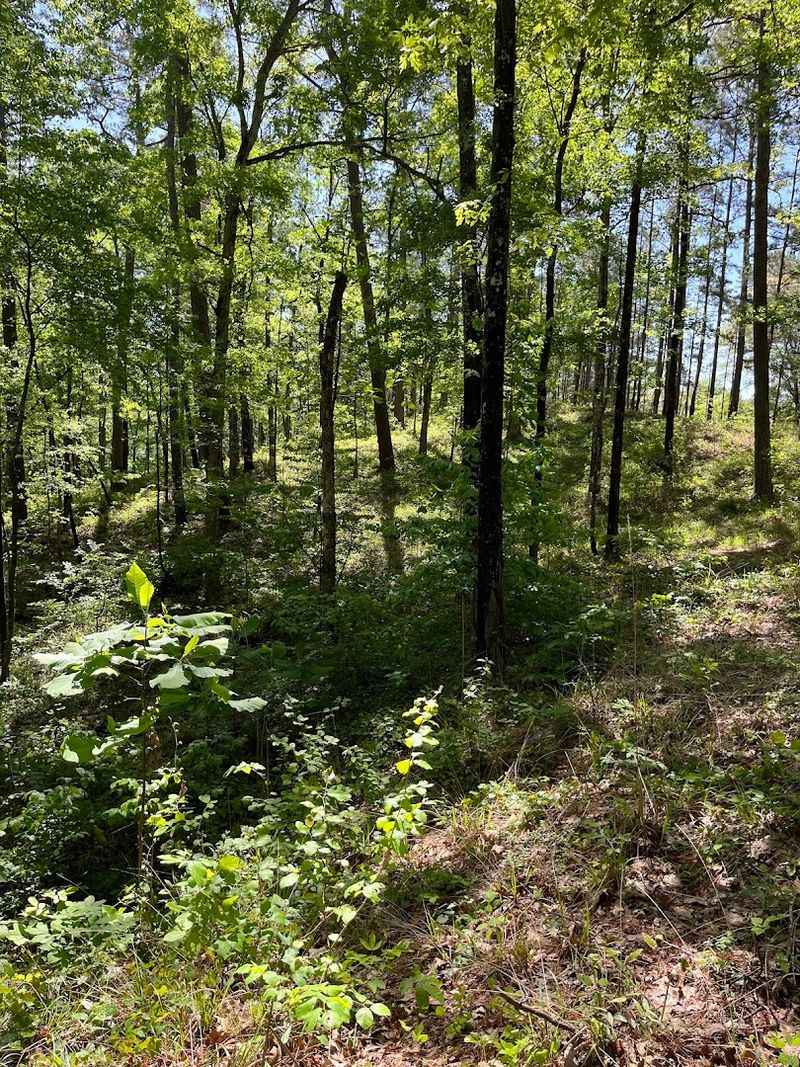
Southwest Mississippi does not always get credit for having dramatic terrain, but Homochitto National Forest will change that perception fast.
Nearly 200,000 acres of pine-hardwood forest feature deep loess-carved ravines and rugged, canyon-like landscapes.
Clear streams tumble through these ravines toward the Homochitto River, and the whole place hums with wildlife.
The Richardson Creek Trail runs about 10 miles through some of the most scenic sections of the forest. Clear Springs Recreation Area is popular for swimming and picnicking, and Okhissa Lake offers 39 miles of shoreline for fishing and boating.
Visitors are consistently advised that bug repellent is a must during warmer seasons, and that advice applies doubly to ticks. Adams and Franklin Counties, which overlap with the forest, are in moderate-to-high tick risk zones this summer.
The humid ravines and dense forest floor are ideal hiding spots for Lone Star tick larvae and nymphs. These tiny ticks cluster in the leaf litter near creek edges and trail margins, and they can attach without you feeling a thing.
Wear light-colored clothing so you can spot crawlers before they find skin. Check yourself thoroughly after any stream crossing or off-trail exploration.
Homochitto is a hidden spot of the Mississippi outdoors, and a little preparation goes a long way toward keeping the experience purely enjoyable.
6. Tombigbee National Forest
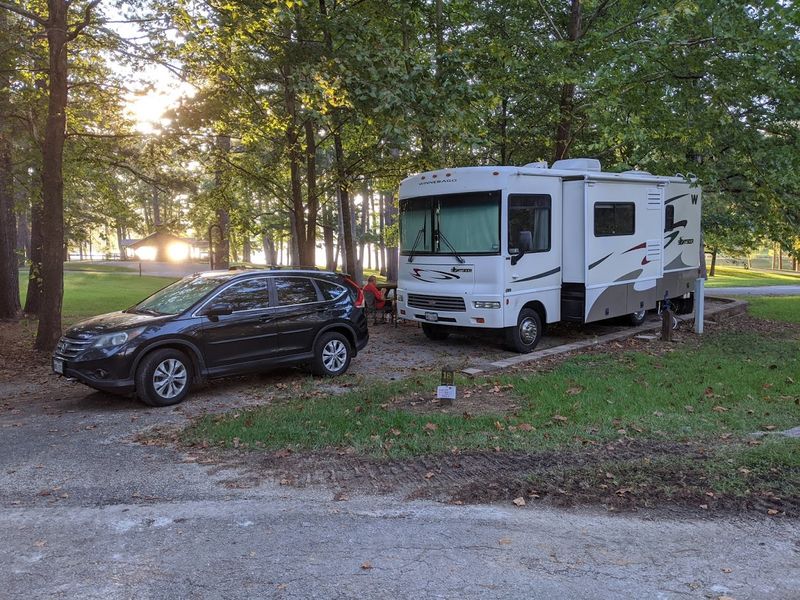
Tombigbee National Forest has a fascinating origin story. Much of it was reclaimed from abandoned farmland decades ago, and watching it grow back into thriving woodland is a conservation success worth celebrating.
But that same ecological rebound has created thick, brushy understory conditions that are ideal for tick populations. Northeastern Mississippi gets humid fast in summer, and Tombigbee leans into that fully.
Choctaw Lake and Davis Lake are the two main recreation hubs, drawing anglers, swimmers, and campers all season long. The Choctaw Lake Trail and the Noxubee Hills Outer Loop give hikers some genuinely satisfying mileage through varied terrain.
White-tailed deer are everywhere, and deer are one of the primary hosts for adult Lone Star and American dog ticks. Where deer trails cross hiking trails, tick exposure goes up considerably.
Tombigbee is consistently listed among the most tick-dense areas in Mississippi, and this summer is no exception. The forest spans parts of Chickasaw and Webster Counties, both of which carry elevated risk ratings through August.
If you are camping at one of the lake areas, set up your tent away from the forest edge and mow down any tall grass near your site if you can. Evening tick checks around the campfire should be a ritual, not an afterthought.
The forest is beautiful and worth every mile of trail you put in.
7. Clark Creek Natural Area
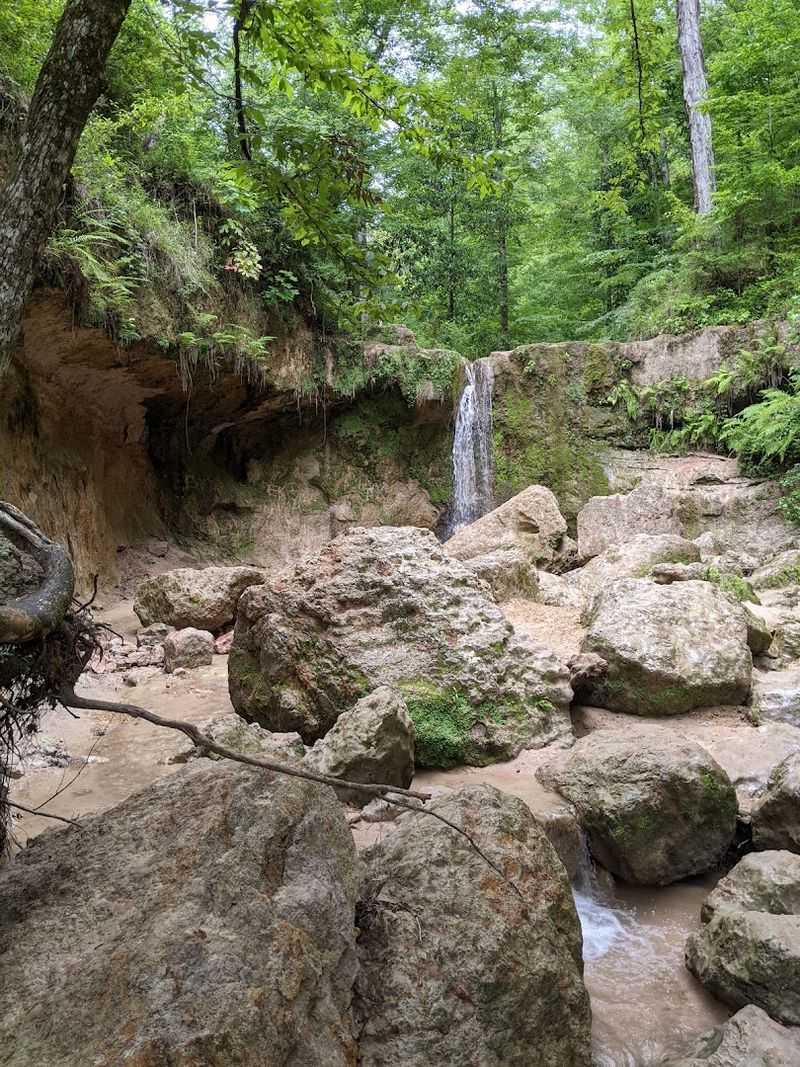
More than 50 waterfalls in one natural area sounds like something out of a travel fantasy, but Clark Creek Natural Area in southwestern Mississippi is the real deal.
Some of those falls reach 30 feet high, tumbling over layered loess bluff formations through a mixed hardwood and pine forest that feels genuinely ancient.
Rare plant species grow here that you will not find in most other places in the state.
The trails at Clark Creek range from improved paths to genuinely rugged scrambles over root-covered slopes and creek crossings. The spring-fed creek is a welcome cool-down on a hot day, and wading is a popular activity.
But here is the catch: dense, humid forest plus abundant deer and black bear populations create one of the more underappreciated tick hotspots in the region.
The steep terrain keeps a lot of visitors moving through shaded, damp corridors where ticks concentrate.
Adams County sits in a high-risk tick zone this summer, and Clark Creek’s microhabitat intensifies that risk.
The leaf litter along creek banks and trail edges is thick with moisture, which is exactly where nymph-stage ticks overwinter and emerge in spring and summer.
Wear waterproof boots with gaiters if you plan to wade, and treat your clothing before arrival. After the visit, check every crease and fold on your body.
The waterfalls are worth every step. Just bring your A-game on protection.
The address is 366 Ft Adams Pond Rd, Woodville, MS 39669.
8. LeFleur’s Bluff State Park
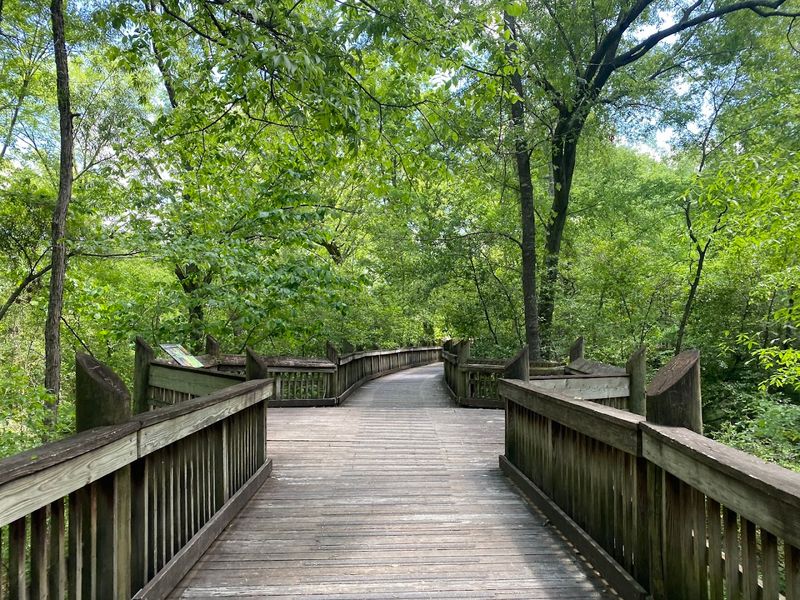
Most people do not expect an urban state park to land on a tick warning list, but LeFleur’s Bluff State Park in Jackson earns its spot fair and square.
Inside the city limits along the Pearl River, this 305-acre park offers hardwood forests, wetlands, and oxbow lakes that feel like a hidden wilderness.
Mayes Lake covers 50 acres at the heart of it, and the tupelo-cypress swamps surrounding it are hauntingly beautiful.
Family-friendly trails wind through the woodlands and along the lake, and a disc golf course keeps things lively.
The park connects directly to the Mississippi Museum of Natural Science, making it a genuinely full-day destination. But a recent visitor review noted the campground felt like it was sitting in a swamp, and that is not just an atmospheric description.
Swampy, low-lying areas with standing water and dense ground cover are textbook tick habitat.
Hinds County, where the park is located, is classified as a High Risk Zone for tick activity this summer. Lone Star ticks peak in activity from late spring through July in exactly this kind of bottomland environment.
The park’s accessibility is one of its best features, but it also means people sometimes underestimate the need for protection on what feels like a casual city stroll.
Wear repellent, stay on the boardwalks when possible, and always check after your visit.
Visit it at 3315 Lakeland Terrace, Jackson, MS 39216.
9. Sam D. Hamilton Noxubee National Wildlife Refuge
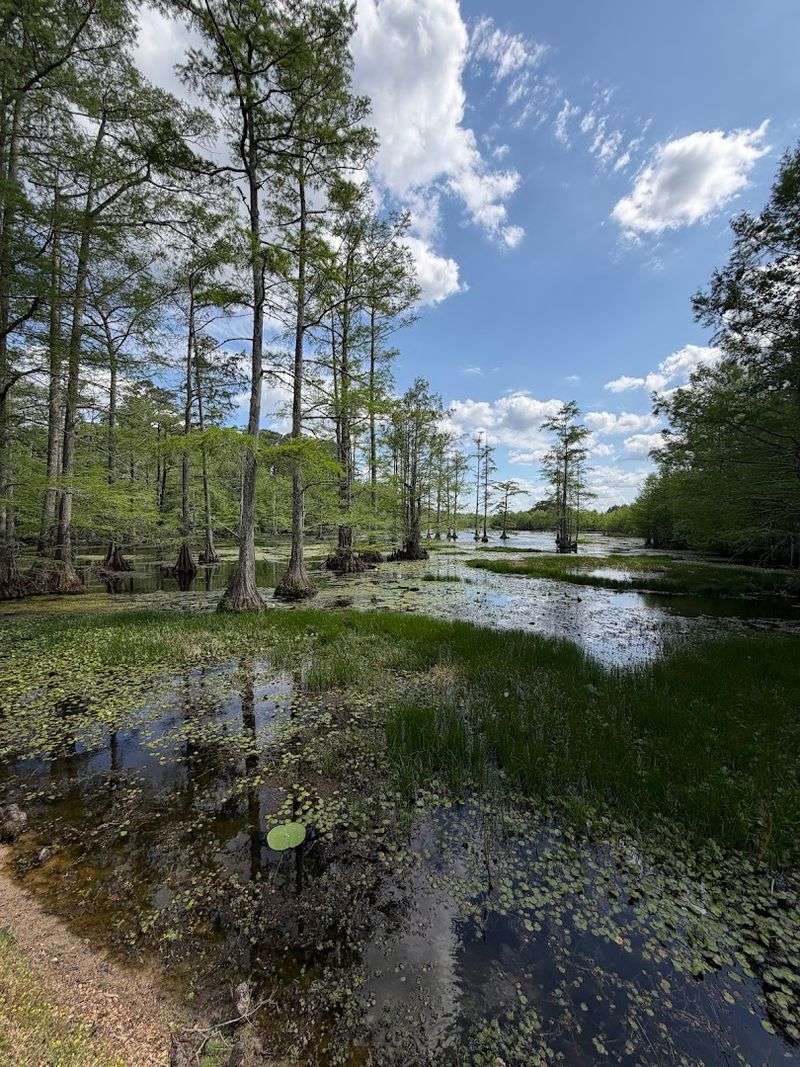
Sam D. Hamilton Noxubee National Wildlife Refuge spans 48,000 acres of forests, lakes, and wetlands filled with migratory birds, alligators, and abundant deer.
Bluff Lake alone covers 1,200 acres, and the sheer scale of the place means you can go deep into genuinely wild habitat very quickly.
The Beaver Dam Trail and Woodpecker Trail offer solid hiking through diverse terrain, and boardwalks give you elevated viewing platforms over the wetlands.
Canoeing and kayaking on Bluff Lake are summer favorites, and spotting a gator from a kayak is a story you will tell for years.
The refuge’s own visitor materials advise guests to come prepared for insects and reptiles during summer, and ticks fall squarely in that category.
Oktibbeha and Noxubee Counties overlap with the refuge boundary, and both carry elevated tick risk ratings through August. The bottomland forest habitat supports enormous deer herds, which sustain high tick densities across the landscape.
Gulf Coast ticks are also present in this region and are known to carry pathogens that cause spotted fever. Check your gear, your dog if you brought one, and every inch of yourself after time in the field.
The refuge is a true wildlife spectacle and one of Mississippi’s most rewarding outdoor destinations.
Find it at 13723 Bluff Lake Rd, Starkville, MS 39759.
10. Mississippi Sandhill Crane National Wildlife Refuge
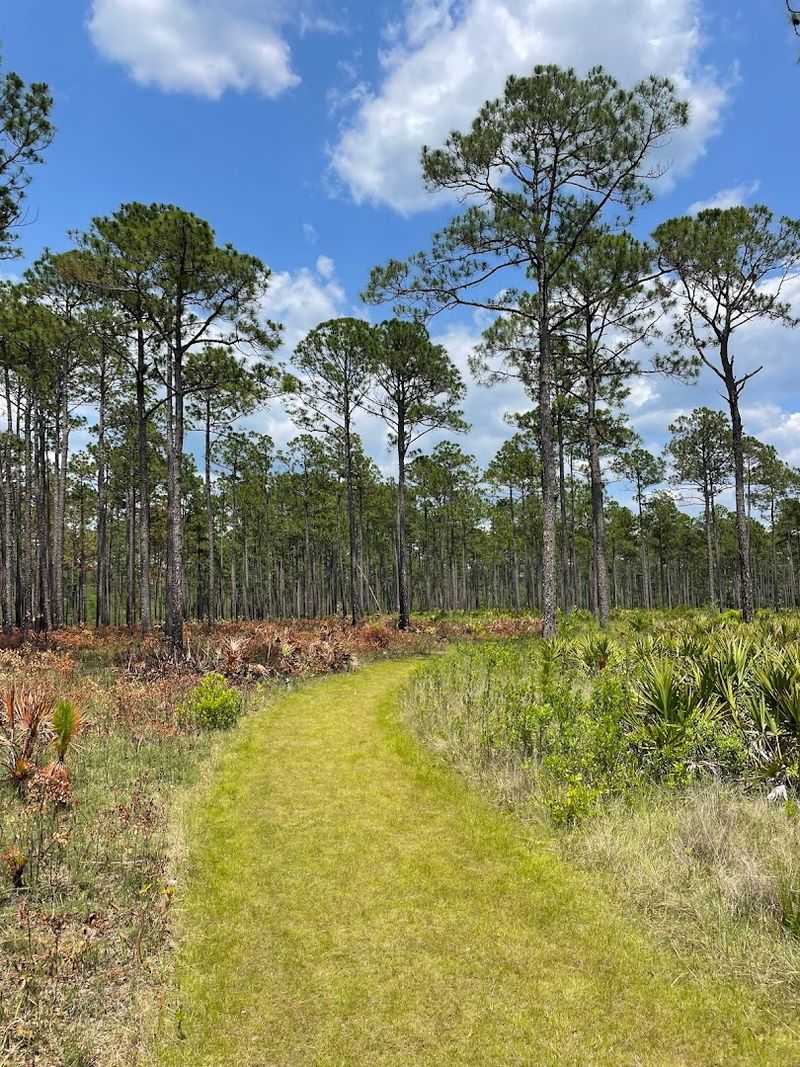
Most people have never heard of a wet pine savanna, and that is a shame, because the Mississippi Sandhill Crane National Wildlife Refuge near Gautier preserves one of the rarest ecosystems in North America.
This flat, waterlogged landscape is home to endangered Mississippi Sandhill Cranes, rare wild orchids, and carnivorous pitcher plants. It is unlike anything else in the state, and it is also a remarkably effective tick factory.
The Fontainebleau Trail and the C.L. Dees Nature Trail let visitors experience this unique habitat up close, and the visitor center has exhibits and an observation deck for spotting cranes.
The ground is often saturated, the grass is dense, and the humidity in summer is relentless.
That combination creates ideal conditions for Gulf Coast ticks, which are native to coastal Mississippi and thrive in exactly this kind of low, wet vegetation.
Jackson County, where the refuge sits, is in a high-risk tick zone this summer.
The wet savanna habitat keeps ticks active at ground level throughout the season, and the knee-high grasses along the trail edges are prime attachment zones.
Wear tall socks, treat your shoes with permethrin, and move slowly enough to notice if something is crawling on you.
The cranes are worth every careful step. This refuge is a conservation miracle, and experiencing it firsthand is genuinely moving.
Just do not let a tick hitch a ride home with you.
This place is located at 7200 Crane Ln, Gautier, MS 39553.