
Mississippi’s 12 Best Spots To Hunt For Fossils Sea Glass And Other Natural Treasures
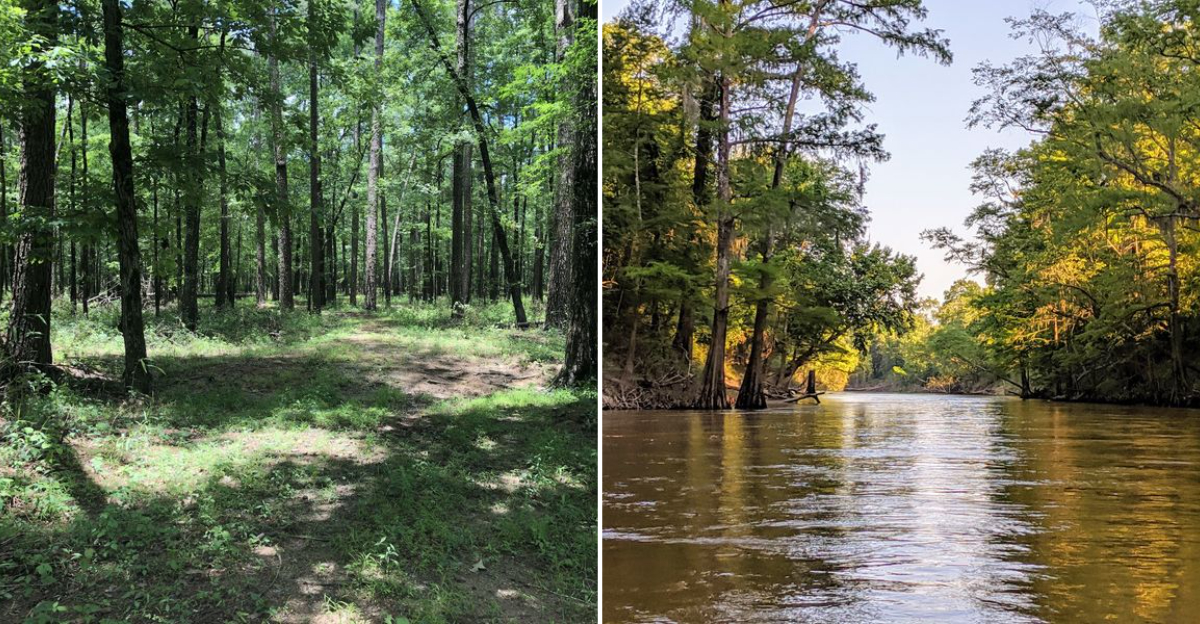
Fossil hunting rewards patience more than luck, and these Mississippi spots give that patience plenty to work with. Shorelines and creek beds here hide traces of prehistoric life alongside smoother modern treasures like sea glass.
Some locations require nothing more than a careful eye scanning the ground during a slow walk. Others reward those willing to dig a little deeper into exposed layers of rock and sediment.
Families often turn the search into a game, comparing finds by the end of an afternoon. Serious collectors know exactly which spots tend to produce rarer fossils after storms or heavy rain.
Nothing about the hunt requires expensive equipment or specialized training to get started. These twelve locations prove that natural treasure hunting is still alive and well across the state.
1. Mississippi Petrified Forest
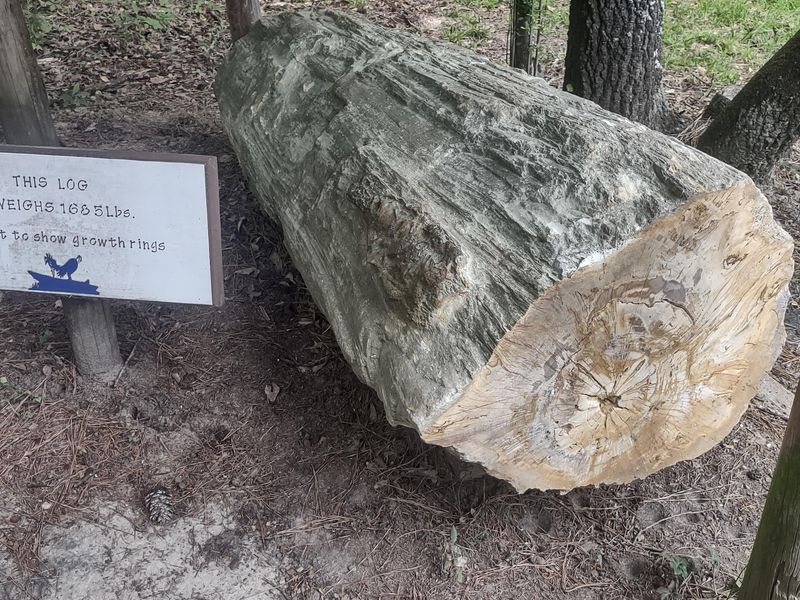
Walk back 36 million years without a time machine. The Mississippi Petrified Forest is the only one of its kind in the entire southeastern United States.
Ancient fir, cypress, and maple logs were buried under sand and clay, and minerals slowly replaced the wood over millions of years.
The result is solid stone trees. Some of those logs once stood over a hundred feet tall.
You can actually walk right up to them on a self-guided trail.
The museum inside the park is worth every minute. It holds dinosaur footprints and whale bones.
Seriously, whale bones in Mississippi.
The Schabilion family bought and protected this land in 1962. A crowd favorite on the trail is “Caveman’s Bench,” a giant petrified log you can sit beside.
People have been visiting and marveling here since the mid-1800s.
Bring good walking shoes and a camera. You will want photos of every single log.
Find this place at 124 Forest Park Rd, Flora, MS 39071.
2. W.M. Browning Cretaceous Fossil Park
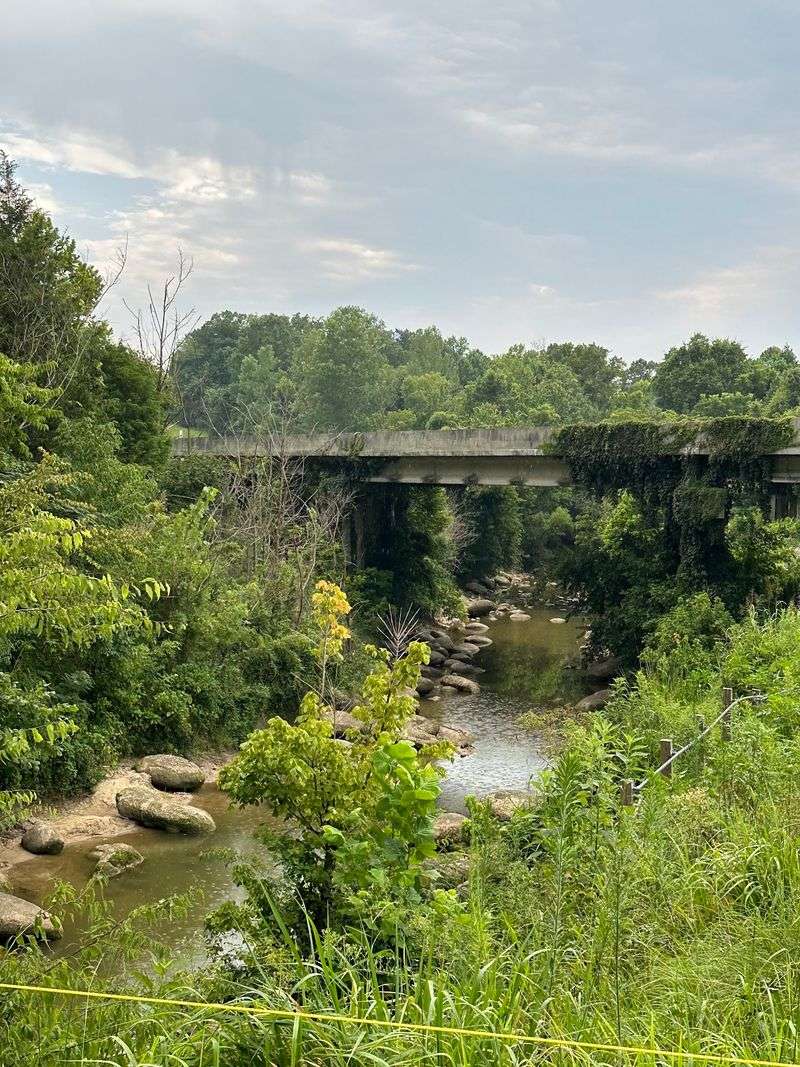
Seventy-five million years ago, a warm shallow sea covered northern Mississippi. Today, you can sift through that ancient seafloor at the W.M.
Browning Cretaceous Fossil Park. It is one of the most exciting free fossil hunting spots in the entire country.
Shark teeth are the big draw here. Look for goblin shark and crow shark teeth hiding in the creek gravel.
Oysters, sponges, bivalves, and crab fossils also show up regularly.
Lucky hunters have pulled out mosasaur and crocodile remains. Yes, actual prehistoric sea monsters.
That is not an exaggeration.
The fossils were first discovered in 1990 during highway construction, and the find made national news. Booneville High School even received a grant to study the site.
Scientists got excited, and honestly, you will too.
Bring a small sifting screen and wear clothes you do not mind getting muddy. The creek bed is your playground.
Visit it at Co Rd 7450, Baldwyn, MS 38824.
3. Tishomingo State Park
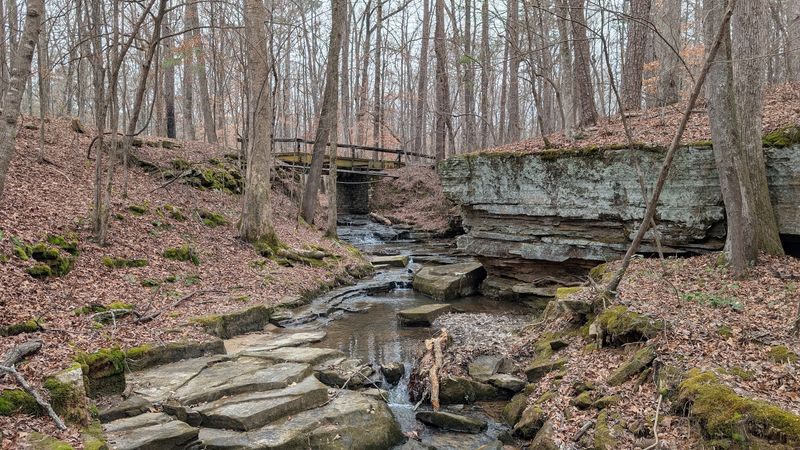
Most people do not expect Mississippi to look like this. Tishomingo State Park sits in the Appalachian foothills, and it feels completely different from the rest of the state.
Towering sandstone outcroppings, rocky canyons, and real waterfalls greet you around every bend.
Bear Creek Canyon is the showstopper. The bluffs rise dramatically above a clear-running creek.
It is genuinely jaw-dropping for a state better known for flat delta land.
Fossil collecting inside the park boundaries is not permitted. However, nearby public road cuts are fair game.
Keep your eyes open for quartz pebbles, chert, and Paleozoic crinoid and brachiopod fossils.
The park is named for Chief Tishomingo of the Chickasaw Nation, adding a layer of cultural history to every hike. Civilian Conservation Corps-era structures dot the landscape too.
History literally surrounds you on every trail.
Pack a lunch, wear sturdy boots, and plan to stay longer than you think. This place earns repeat visits.
The address is 105 Co Rd 90, Tishomingo, MS 38873.
4. Homochitto National Forest
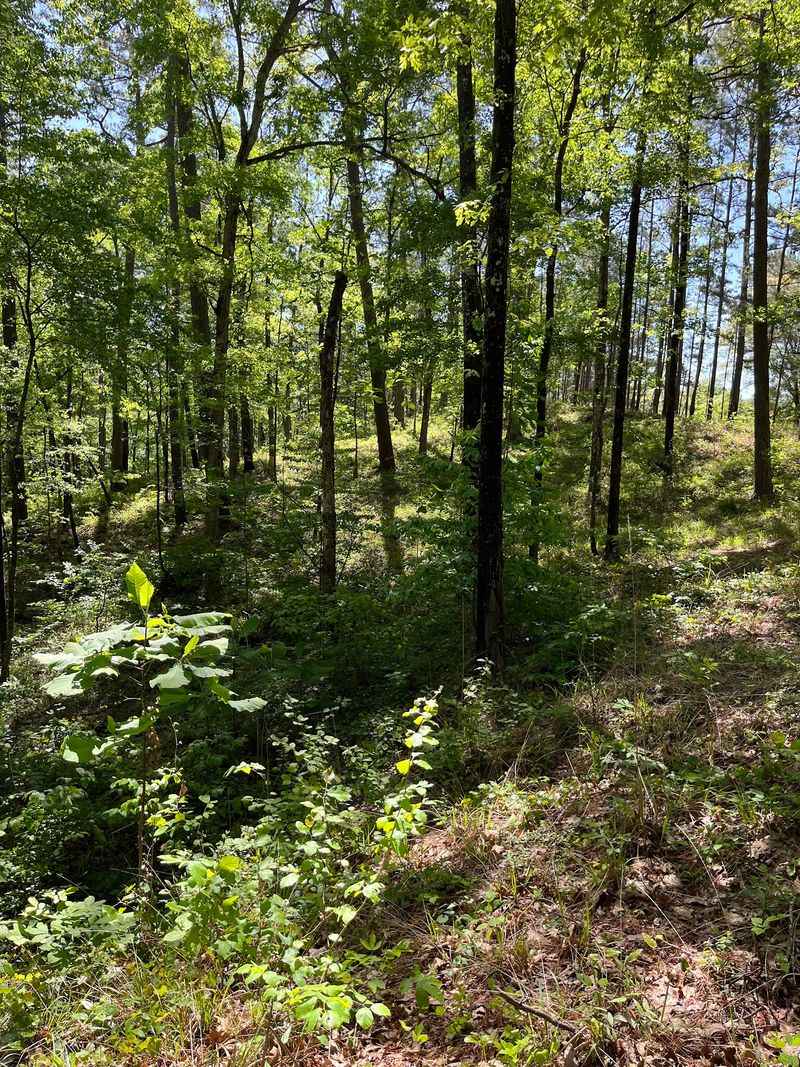
Not many people know about this one, and that is exactly what makes it special. Homochitto National Forest is a sprawling, quiet spot in southwestern Mississippi.
Its creek beds hide chert gravel fossils and banded agates that most treasure hunters never even think to look for.
After a good rain, new finds wash right out of the hillsides. Ice Age creature fragments have turned up here.
Think ancient bison bones and mastodon pieces hiding under your boots.
Brushy Creek is the local favorite for fossil hunters. The ravines here feel dramatic and deep.
Walking through them is like exploring a miniature canyon system in the middle of the South.
The Civilian Conservation Corps worked hard here in the 1930s, replanting forests and building structures. The Clear Springs Recreation Area still shows off their handiwork.
It adds a human history layer on top of all the natural one.
Go after rainstorms for the best finds. Bring a bag and a sharp eye.
5. Chickasawhay River
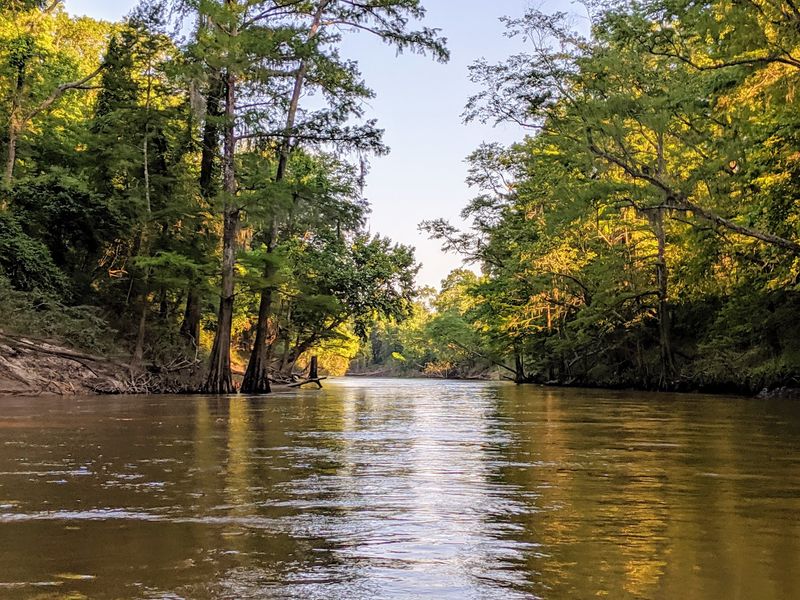
Paleontologists call the Chickasawhay River an uninterrupted window into geologic history. That is high praise from people who study rocks for a living.
Sediments along this river hold fossils from 28 to 35 million years ago.
Scientists have found tiny ostracodes and foraminifera in these banks. Some visitors have reportedly uncovered dinosaur bone fragments.
The tall exposed banks near Waynesboro are especially rich with visible rock formations.
Marine and coastal environment fossils are the specialty here. Ancient seas once covered this region, and the river keeps revealing their secrets.
MPB even produced a documentary about the Chickasawhay because it is that impressive.
Many fossil species were first described and named from specimens collected right here. That makes this river genuinely important to science.
You are not just sightseeing; you are walking through a living research site.
Respect the land and check local regulations before collecting. Bring water, bug spray, and curiosity.
6. Leaf River
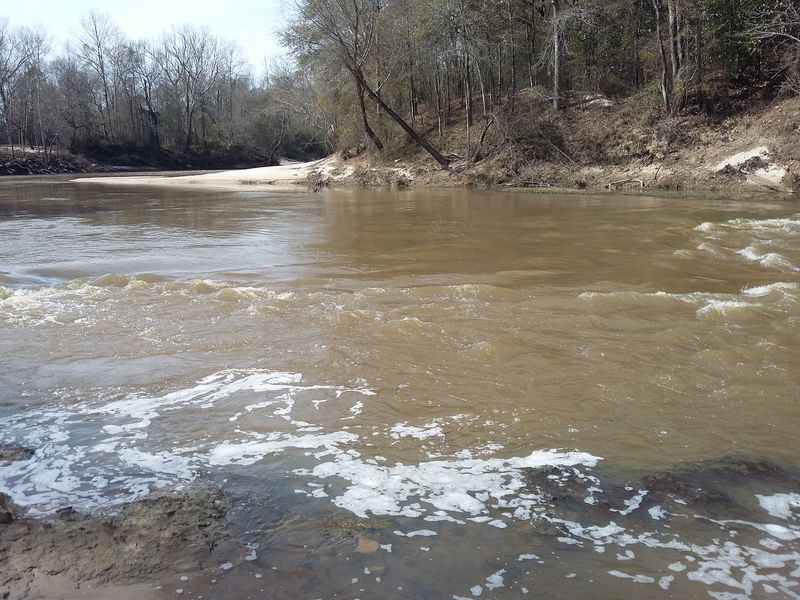
Floating the Leaf River is one of those experiences that sneaks up on you. You paddle along thinking it is just a pretty river, and then you spot something unusual in the clay bank.
Arrowheads and Civil War-era pottery have both been found along these waters.
The river winds through Jones County in a gorgeous, unhurried way. Baldcypress trees line the banks and drape over the water.
The scenery alone makes the trip worth it.
Unique clay boulders formed by erosion appear along certain stretches. They look strange and cool, like sculptures left behind by some ancient river sculptor.
Geologically, they are fascinating.
The upper Leaf River even has some exciting rapids mixed between calm, reflective stretches. It supports a wide variety of plant and animal life.
Herons, turtles, and river otters are regular sightings.
Rent a kayak or canoe and go slow. The slower you paddle, the more you notice.
Find it at Hwy 11 Boat Ramp, Hattiesburg, MS 39401.
7. Pearl River
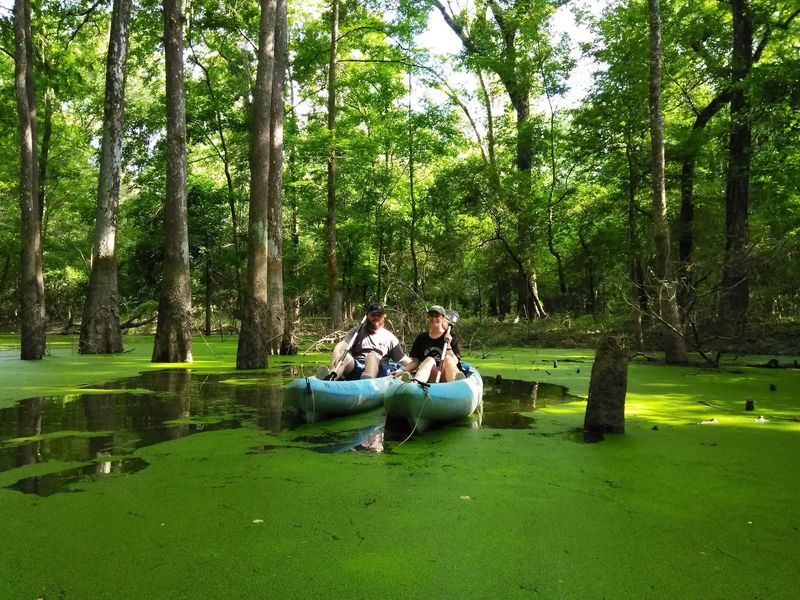
French explorers named this river after the pearls they found here, and that origin story alone is worth knowing. The Pearl River is one of Mississippi’s most biodiverse waterways.
Its gravel bars hold chert fossils, banded agates, and some genuinely rare surprises.
Over 40 species of freshwater mussels call this river home. Ancient orthoconic nautiloid fossils have been spotted in its gravels.
Finding one would be like holding a piece of prehistory in your hand.
The river moves slowly through beautiful bottomland forests. Spanish moss hangs from the trees along certain stretches.
It feels like paddling through a painting.
The Pearl River also provides drinking water for the city of Jackson. That makes protecting it both a conservation priority and a practical necessity.
Fossil hunters are encouraged to tread lightly and leave the riverbanks intact.
Low water seasons are best for gravel bar exploration. Always check water levels before heading out.
8. Bienville National Forest
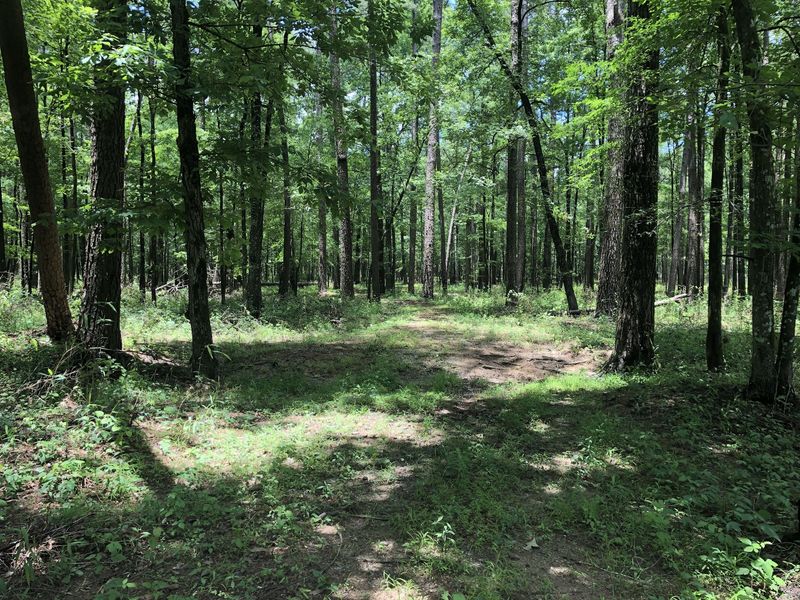
Central Mississippi does not always get the attention it deserves from treasure hunters. Bienville National Forest is here to change that opinion fast.
Creek gravel here yields petrified wood, chert, and chalcedony that rockhounds absolutely love.
The forest is remote and wonderfully quiet. Wildlife is abundant, and the trails feel genuinely wild.
You are unlikely to run into crowds here.
The Bienville Pines Scenic Area is a standout feature. It holds Mississippi’s largest old-growth timber, with loblolly and shortleaf pines reaching up to 200 years old.
Walking beneath them feels humbling in the best way.
The Shockaloe Horse Trail offers sweeping views across different forest landscapes. Even if you are not on horseback, hiking sections of it is rewarding.
The terrain shifts in interesting ways as you move through the forest.
Creek gravels are your best bet for finds. Wade in shallow water and scan carefully.
Bring a small sieve or screen, since it makes sorting through the gravel far easier than searching by hand alone.
9. Delta National Forest
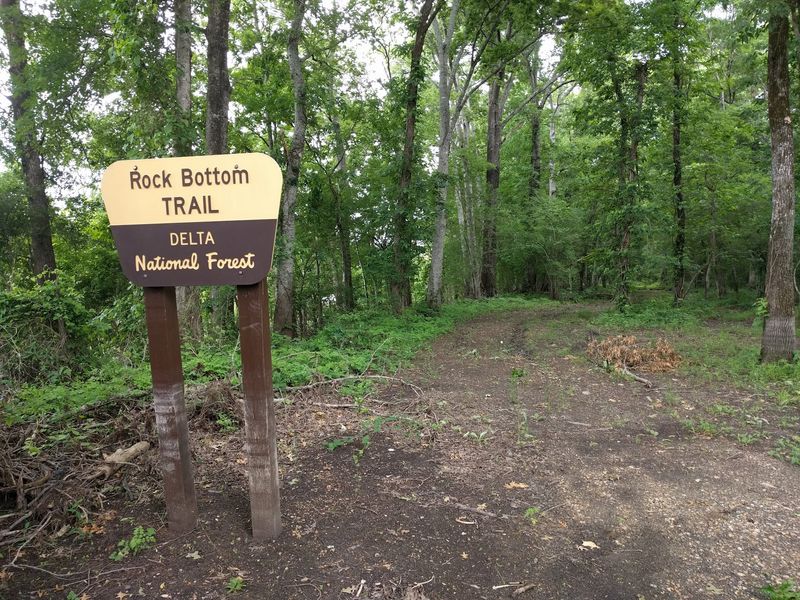
Delta National Forest holds a title no other forest in the country can claim. It is the only bottomland hardwood forest in the entire National Forest System.
That alone makes it worth the visit before you even start looking for natural treasures.
Keep your eyes open for the honeylocust tree. It is considered a living fossil, covered in dramatic spike-like thorns that once protected it from now-extinct megafauna.
Nature’s defense system, old school style.
The Green Ash-Overcup Oak-Sweetgum Research Natural Areas are pristine examples of this rare forest type. Scientists study them regularly.
Wandering through them feels like visiting a living laboratory.
This forest also has a surprisingly famous historical connection. In 1902, President Theodore Roosevelt refused to shoot a tethered bear during a hunt nearby.
That act of sportsmanship inspired the creation of the Teddy Bear.
Wear waterproof boots because flooding is common. The forest rewards patient, observant visitors.
The address is 68 Frontage Rd, Rolling Fork, MS 39159.
10. Biloxi Beach
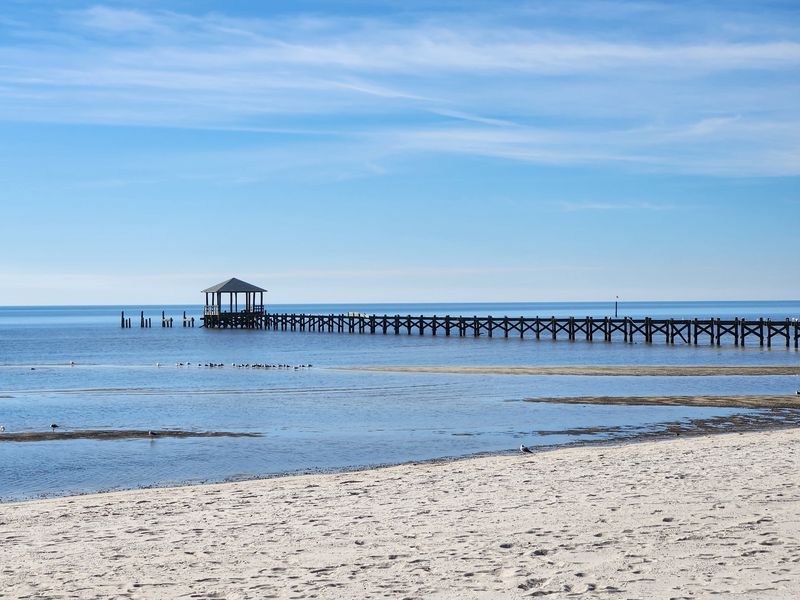
Biloxi Beach is part of the world’s largest man-made beach, stretching an impressive 26 miles along the Gulf Coast. That is a lot of shoreline to comb for treasures.
Sea glass hunters have a field day here on a calm morning.
Green, brown, white, and clear sea glass are the most common finds. Occasionally, rarer blue or red pieces appear and make your whole week.
Pottery shards also wash ashore from time to time.
The water is typically calm with gentle waves, making beachcombing easy and relaxing. Families, joggers, and shell collectors all share this wide strip of sand comfortably.
There is plenty of room for everyone.
Sunrise walks are the best strategy for finding fresh deposits left by overnight tides. Bring a small bag and a keen eye.
The early bird really does get the sea glass here.
Sunscreen is non-negotiable on this exposed stretch of beach. Shade is limited, so plan accordingly.
Find this place located at 1027-1031 Beach Blvd, Biloxi, MS 39530.
11. Front Beach Dr
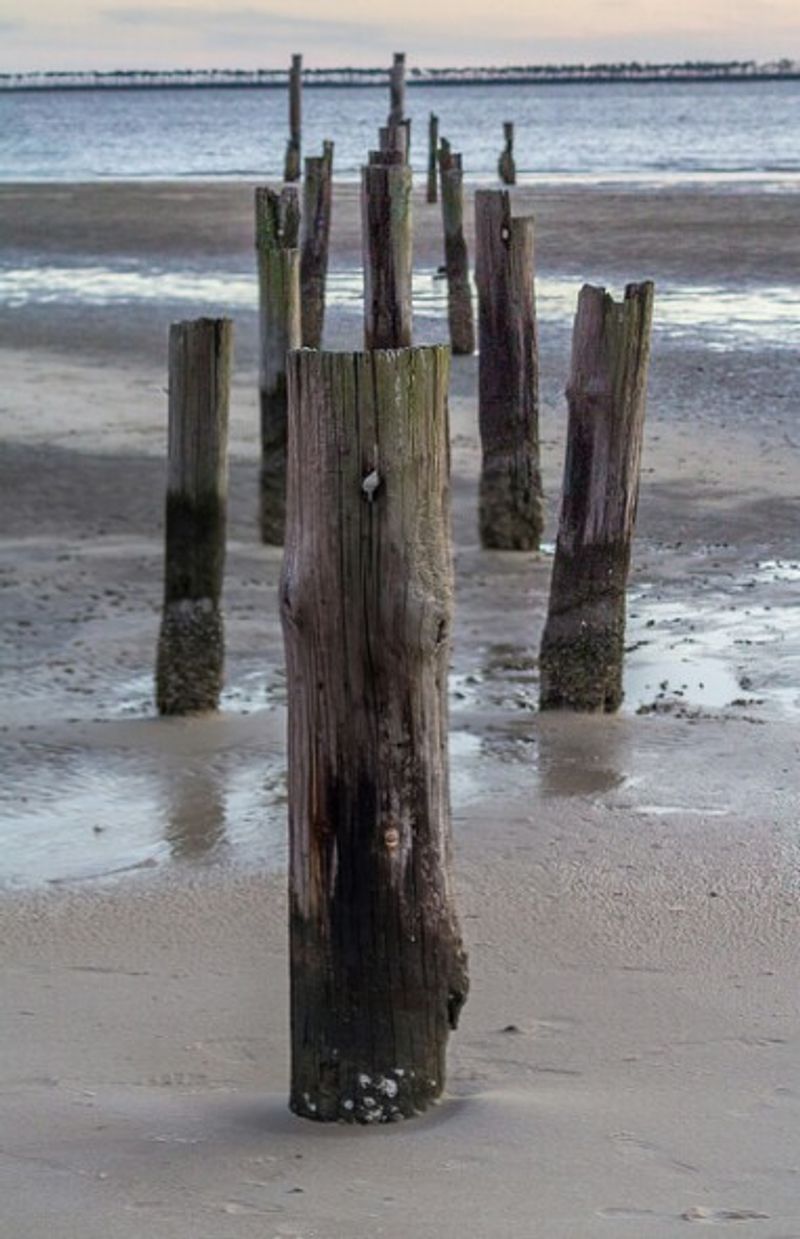
Front Beach in Ocean Springs has a completely different personality from the busier Gulf Coast beaches nearby. Live oak trees drape over the shoreline, creating natural shade that makes long beachcombing sessions actually enjoyable.
The vibe here is relaxed and unhurried.
Sea glass, shells, and pottery shards wash up regularly along this stretch. The bay waters are calm and clear.
Low tide is your best friend for finding interesting pieces near the waterline.
Sunsets over Biloxi Bay from this beach are genuinely stunning. The colors reflect off the water in a way that makes you want to sit there forever.
Bring a blanket and stay for the show.
Downtown Ocean Springs is just a short walk away with its well-known artsy, creative energy. Fort Maurepas Park is also nearby for more outdoor exploration.
The whole area rewards people who like to wander without a strict agenda.
Weekdays are quieter and better for finding undisturbed stretches of sand. Go slow and look close.
Visit it at Front Beach Dr, Ocean Springs, MS 39564.
12. West Ship Island
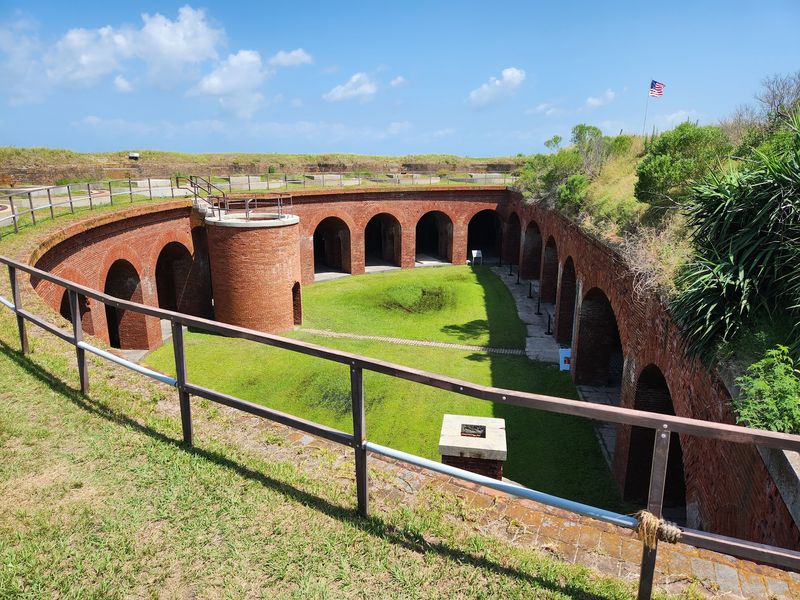
Getting to West Ship Island requires a ferry ride, and that trip is half the adventure. Dolphins frequently swim alongside the boat on the way out.
You arrive feeling like you have genuinely escaped the mainland.
The island boasts white sand beaches and clear emerald green water that looks almost tropical. Shelling here is excellent, with a wide variety of Gulf species washing ashore.
Sea glass and interesting driftwood also appear regularly along the tide line.
Fort Massachusetts stands on the island as a reminder of Civil War history. Rangers offer tours that bring the fort’s dramatic past to life.
History and nature exist side by side here in a rare way.
Hurricane Camille split the island in two in 1969. Natural processes slowly rejoined it over the following decades.
The island’s resilience is part of what makes it feel so special.
Arrive early to claim a good spot on the beach. Pack everything you need since amenities are limited.
The address is 1040 23rd Ave, Gulfport, MS 39501.