
12 New Hampshire Towns Proving You Can Have A Great Life Without Overpaying
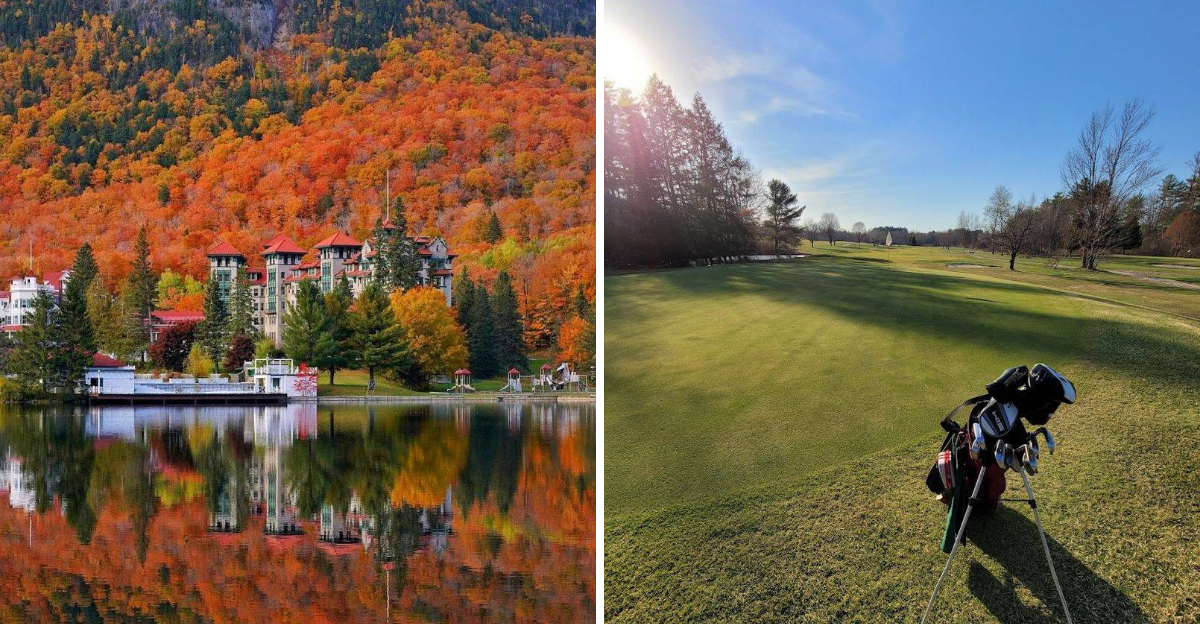
Your paycheck could stretch further than you think, and twelve New Hampshire towns are proving it without a single gimmick. A genuinely great life is hiding in plain sight, far from the overpriced destinations everyone already knows.
Cobblestone rivers slice past quiet main streets. Century old opera houses still glow on Friday nights while farmers markets spill onto sidewalks every weekend.
Lake docks, ski slopes, and mountain summits round out the picture without draining anyone’s savings. New Hampshire keeps quietly proving that comfortable living and jaw dropping scenery can share the same zip code.
Curious which twelve charming towns made the cut this time around? Keep this list close before your next weekend escape, your future favorite spot might be waiting nearby.
1. Newport
“Sunshine Town” is not just a nickname people toss around lightly. Newport, sitting in the scenic Upper Connecticut River Valley of Sullivan County, New Hampshire, earns it every single season.
The town buzzes with farmers markets, craft fairs, and community events that keep neighbors connected year-round.
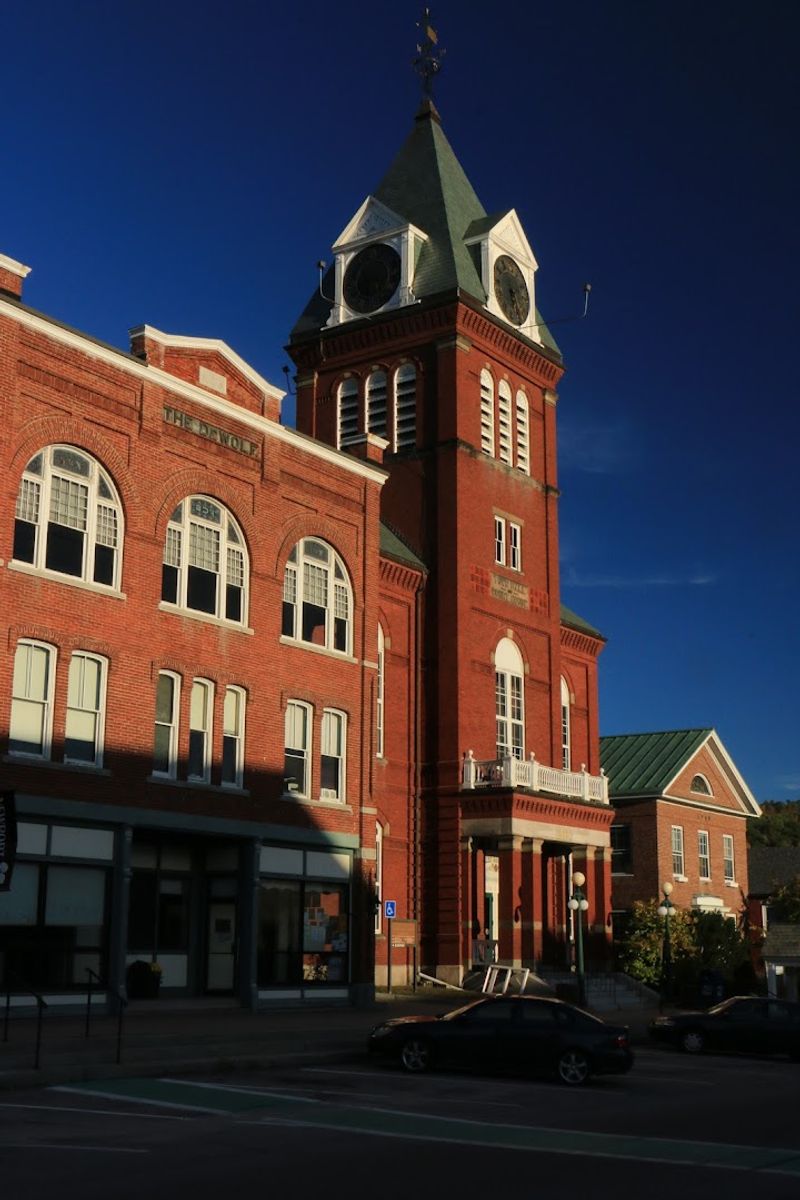
History runs deep here. The 1886 Opera House still anchors downtown, hosting performances that draw crowds from across the region.
Paul Revere bells ring from local churches, adding a layer of living American heritage that most towns can only dream about.
Winter brings something truly special. The town common transforms into an ice skating rink, a tradition stretching back well over a century.
Newport also claims the country’s oldest Winter Carnival, so cold months never feel dull.
Outdoor lovers have plenty to keep them busy. Rail trails wind through the countryside and pass three covered bridges, including a replica of the beloved Corbin Covered Bridge.
Nearby ski resorts handle the powder days. Local ponds and lakes cover the warmer months with swimming and paddling.
Newport, New Hampshire, is located in Sullivan County in the western part of the state.
2. Berlin
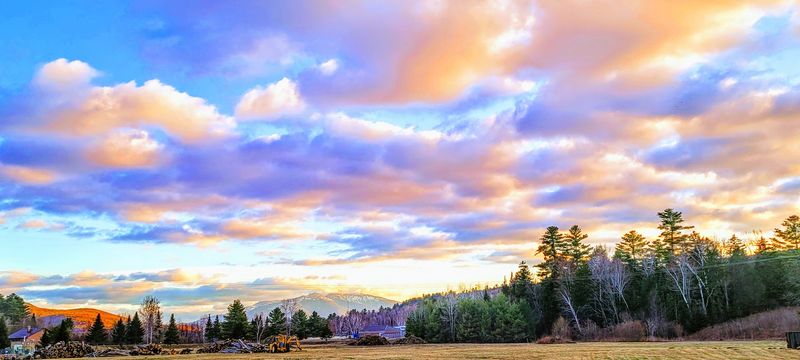
What happens when a mighty industrial city reinvents itself around nature? Berlin, New Hampshire, answers that question boldly.
Known historically as the City That Trees Built, this northern New Hampshire community in Coos County once powered the paper industry and now powers up outdoor adventurers instead.
The Androscoggin River cuts right through town and serves as a natural playground. Paddleboarding, tubing, and birdwatching all thrive along its banks.
Patient visitors sometimes spot bald eagles drifting overhead, which never gets old no matter how many times you see it.
Jericho Mountain State Park is the crown jewel here. Spanning roughly 7,500 acres, it offers trails for hikers and ATV riders alike.
Every August, the Jericho ATV Festival fills the park with energy, live music, and the beloved Blessing of the ATVs ceremony.
History seekers have their own highlights to chase. The Moffett House Genealogy and Sports Museum unpacks Berlin’s industrial and athletic past in fascinating detail.
The massive Nansen Ski Jump still rises dramatically above the treeline, a reminder of how ambitious this small city has always been. Berlin, New Hampshire, sits in Coos County in the far northern reaches of the state.
3. Rochester
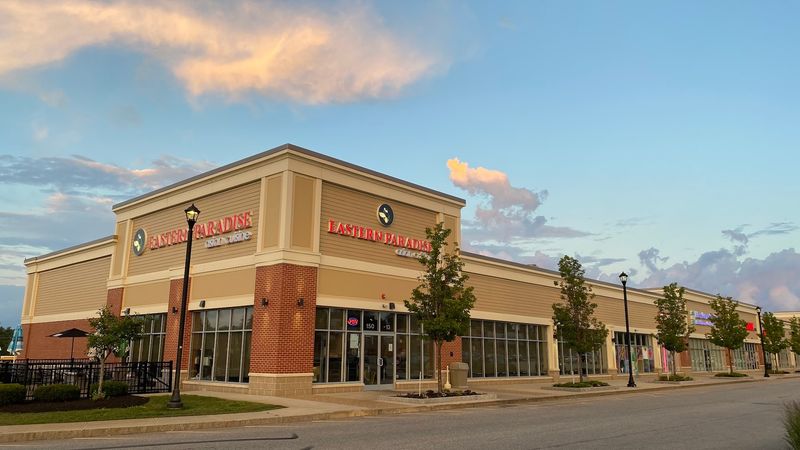
Lilac City is a name that fits Rochester, New Hampshire, like a well-worn glove. This Strafford County city delivers the energy of a regional hub while keeping the warmth of a classic New England town firmly intact.
It serves as a natural gateway to both the Lakes Region and the White Mountains, making it a smart home base for explorers.
The Cocheco River runs through the heart of Rochester, and a scenic path follows its banks for walkers, joggers, and casual strollers. Hanson Pines adds a wooded escape right within city limits, complete with trails that feel miles away from any traffic.
Culture gets serious attention here. The Rochester Opera House hosts plays, concerts, and community events throughout the year.
The Rochester Museum of Fine Arts adds another creative layer to downtown, which also features local shops, public murals, and outdoor sculptures that make every walk interesting.
Families find plenty to keep everyone happy. Public parks, playgrounds, pools, ball fields, tennis courts, and disc golf courses spread across the city.
Kayak and canoe launches along the river round out the recreational picture beautifully. Rochester, New Hampshire, is located in Strafford County in the southeastern part of the state.
4. Keene
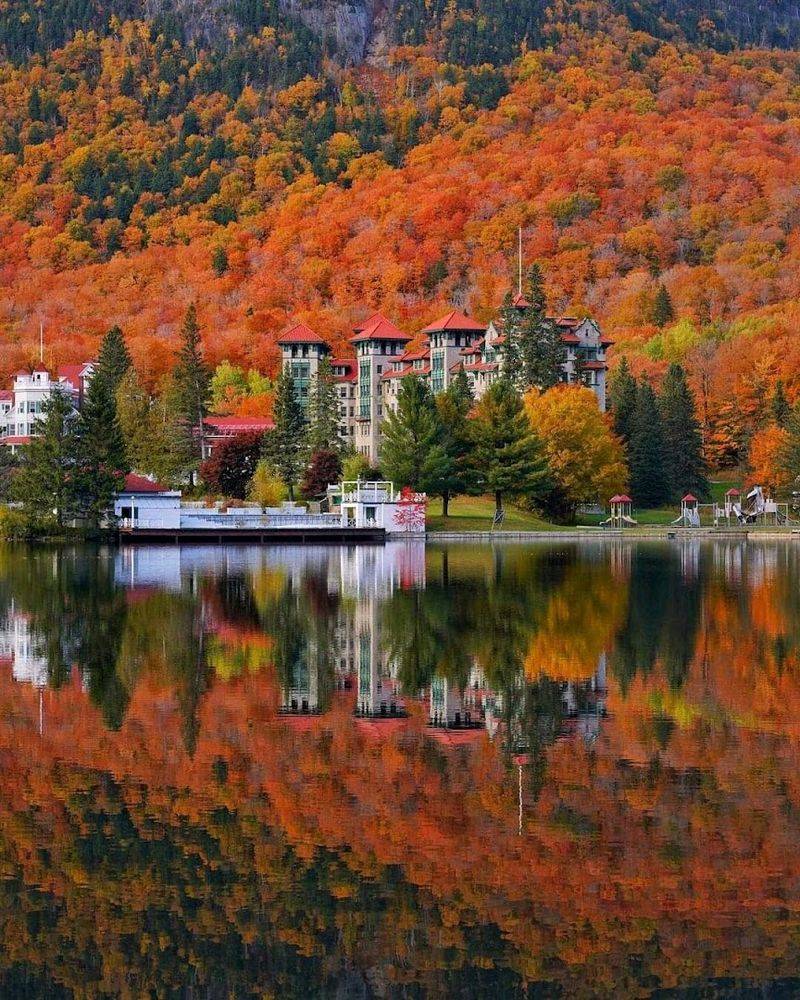
Few New Hampshire cities carry themselves with quite the same quiet confidence as Keene. The county seat of Cheshire County, Keene blends Georgian architecture, a walkable downtown, and some seriously impressive mountain access into one very livable package.
First-time visitors often do a double take at how polished yet relaxed the whole place feels.
Mount Monadnock looms nearby and draws climbers from around the world, ranking among the most frequently climbed peaks on the planet. The summit rewards the effort with sweeping panoramic views that stretch across multiple states on clear days.
Closer to town, the Horatio Colony Nature Preserve offers miles of peaceful hiking trails through forested hills.
History enthusiasts get their fill too. The Horatio Colony House Museum preserves one of New England’s oldest standing homes, complete with original furnishings.
The Wyman Tavern, a Georgian-style public house dating to 1762, hosts summer events that bring the colonial era back to life in an accessible, engaging way.
Downtown Keene pulses with independent shops, art galleries, and the historic Colonial Theatre, which screens films and stages live performances regularly. The city manages to feel both culturally rich and genuinely welcoming at the same time.
Keene, New Hampshire, is located in Cheshire County in the southwestern corner of the state.
5. Merrimack
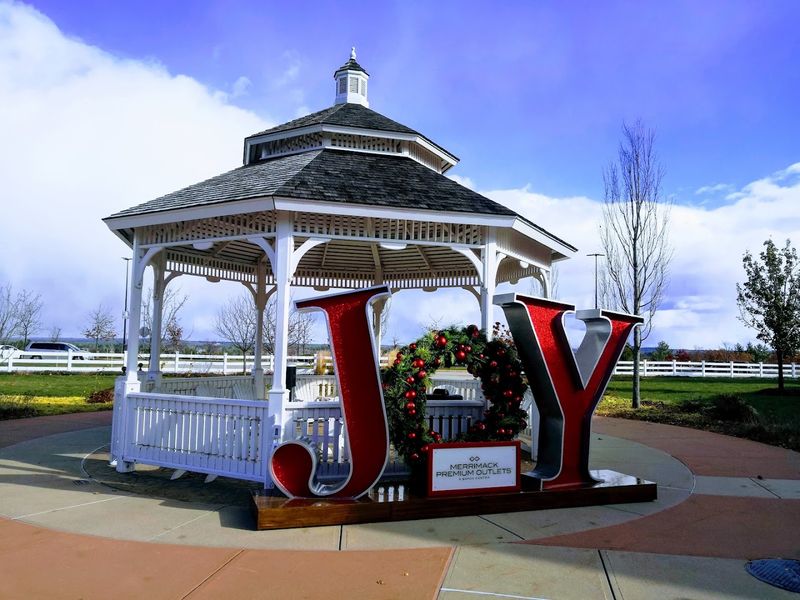
History and modern comfort rarely share the same zip code this gracefully. Merrimack, in Hillsborough County, New Hampshire, carries roots stretching back to the 17th century, when Native American tribes called this river valley home.
The Merrimack River, which gives the town its name, remains a defining feature of the landscape and the local identity.
Colonial-era landmarks anchor the town’s historical character. The John O’Gara House dates to 1760, and the Reeds Ferry Historic District preserves a remarkable collection of architectural treasures from the same period.
Walking through certain neighborhoods genuinely feels like flipping through a well-illustrated history book.
Nature balances the history beautifully. Wasserman Park and Horse Hill Nature Preserve both offer trails, open meadows, and quiet spots perfect for picnics or wildlife watching.
Conservation areas throughout town invite hikers and cyclists to slow down and pay attention to what is growing and moving around them.
Community pride runs strong in Merrimack. Community pride runs strong in Merrimack, where local historical markers and the town’s historic burial grounds preserve stories that local historians find genuinely fascinating.
It is the kind of place that rewards curiosity. Merrimack, New Hampshire, is located in Hillsborough County in the southern part of the state.
6. Derry
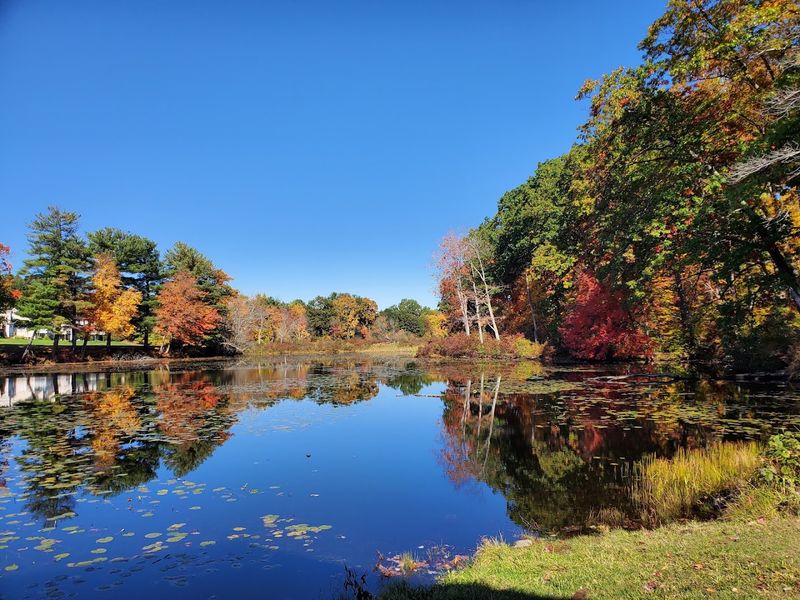
Robert Frost wrote some of America’s most beloved poetry while living on a farm in Derry, New Hampshire. That fact alone sets this Rockingham County town apart from just about anywhere else in the state.
Frost called Derry home from 1900 to 1911, and the landscape clearly got under his skin in the best possible way.
The Robert Frost Farm is now a state historic site open to visitors. Tours walk guests through the farmhouse, and a dedicated nature and poetry trail winds through the property, pairing the landscape with the words it inspired.
It is a genuinely moving experience, even for people who do not consider themselves poetry fans.
Outdoor options extend well beyond the farm. The Derry Rail Trail offers a scenic corridor for walkers, joggers, and cyclists cutting through pleasant New England scenery.
Taylor Mill State Historic Site adds another dimension with its restored 19th-century sawmill, which tells the story of early industrial life in the region.
The Derry Opera House keeps the cultural calendar lively with plays, musicals, and concerts. The Derry Museum of History covers the town’s agricultural roots and its once-thriving shoemaking industry, both of which shaped the community’s identity.
Derry, New Hampshire, is located in Rockingham County in the southeastern part of the state.
7. Hopkinton
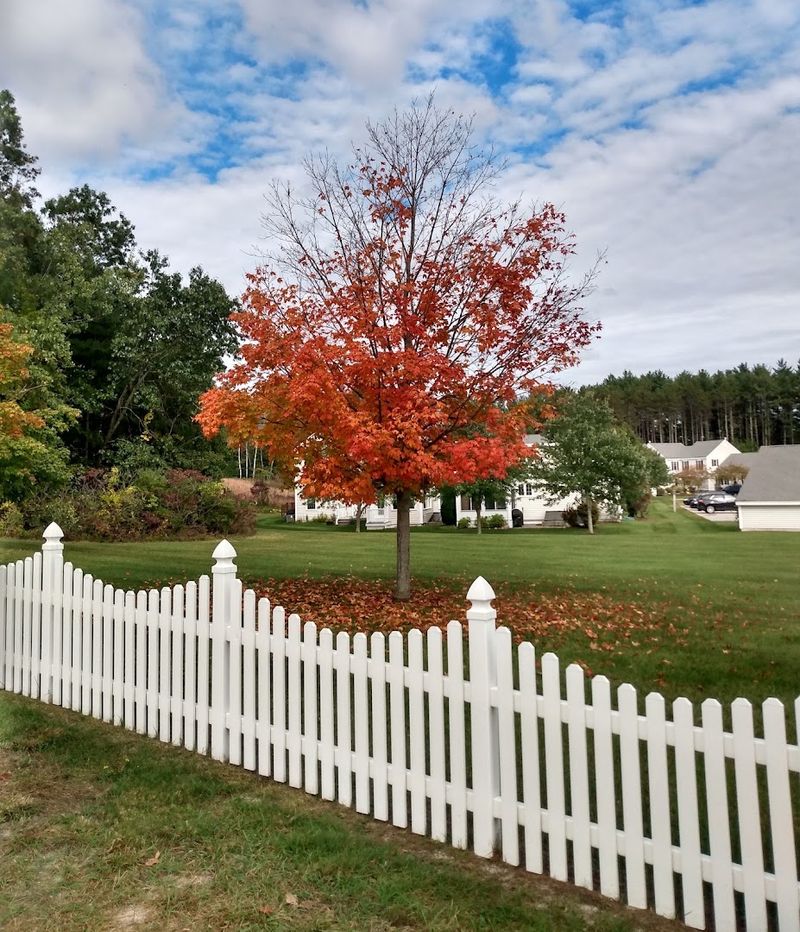
Not many towns can claim they once served as a state capital. Not many towns can claim they once hosted the state legislature and nearly became the capital.
Hopkinton, incorporated in 1765 and located in Merrimack County, New Hampshire, carries that near miss with understated pride.
The Contoocook covered railroad bridge is the star attraction for history lovers. Recognized as the oldest covered railroad bridge in the United States, it stands as a remarkable piece of American engineering history.
The nearby Contoocook Railroad Depot adds more context to the village’s transportation past.
The Hopkinton State Fair has welcomed visitors since 1915, drawing thousands of attendees each year to celebrate agriculture, crafts, and community. It is one of those events that feels rooted in something real rather than manufactured for tourists, which makes attending it feel special.
Trails and waterways round out the outdoor picture. The Hopkinton Village Greenway offers several miles of walking paths through varied terrain.
Kimball Pond invites swimming, fishing, and canoeing during warmer months. The village of Contoocook within the town once thrived as a center for water-powered industries, and that heritage still shapes the character of the place.
Hopkinton, New Hampshire, is located in Merrimack County in the south-central part of the state.
8. Henniker
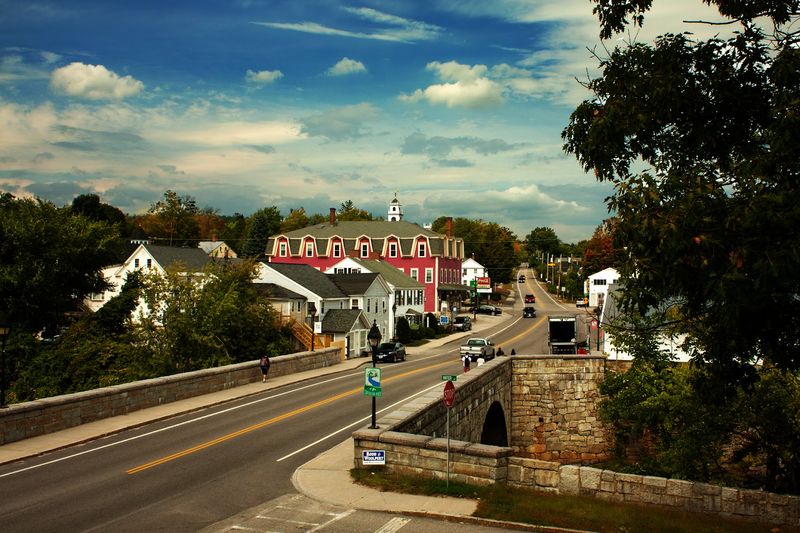
Proud of being the only Henniker on the planet, this small Merrimack County town wears its singularity like a badge of honor. Henniker, New Hampshire, sits along the Contoocook River and offers a rural community atmosphere that feels refreshingly unhurried.
The river is nationally recognized for white water kayaking, which draws paddlers from well outside the region.
Pats Peak Ski Resort keeps the town active through the winter months. Skiing and snowboarding draw families and solo adventurers alike to its slopes.
When snow melts, the resort transitions to other seasonal activities, making it a year-round anchor for the local economy and social life.
New England College contributes a youthful creative energy to Henniker that softens the line between small-town quiet and intellectual buzz. The college presence means events, performances, and a campus community that enriches the town without overwhelming it.
Local history has its own compelling chapters. The Henniker Historical Society, housed in Academy Hall, preserves exhibits and collections that trace the town’s evolution over centuries.
The present Town Hall, completed in 1787, once served as the second church. The Edna Dean Proctor stone bridge, built in 1835, still stands as a quiet testament to the craftsmanship of an earlier era.
Henniker, New Hampshire, is located in Merrimack County in the south-central part of the state.
9. Laconia
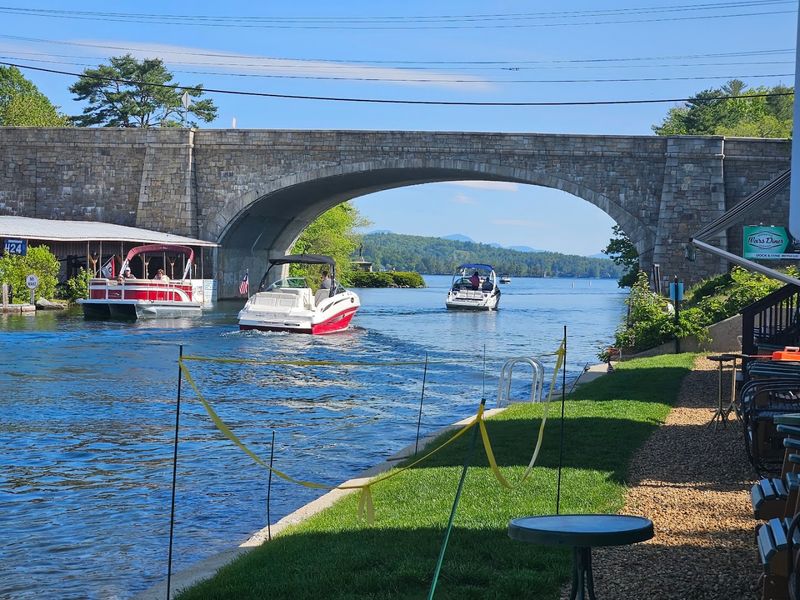
Surrounded by water on multiple sides, Laconia operates at a pace that feels calibrated for enjoyment. Sitting between Lake Winnipesaukee and Winnisquam Lake in Belknap County, New Hampshire, this city has built an identity around lakeside living that is both accessible and affordable compared to many resort communities.
Lake Winnipesaukee is the largest lake in New Hampshire and one of the largest in the entire country. More than 250 islands dot its surface, and miles of shoreline invite boating, kayaking, paddleboarding, and fishing for trout, salmon, and bass.
Weirs Beach adds a classic summer destination feel with its sandy shores, boardwalk, and pier.
Culture and history anchor the experience beyond the waterfront. The Belknap Mill Museum, listed on the National Register of Historic Landmarks, tells the story of the region’s textile industry inside a beautifully preserved mill building.
Funspot Family Entertainment Center houses an American Classic Arcade Museum that showcases vintage gaming machines in a way that genuinely entertains visitors of all ages.
The calendar stays full throughout the year. Laconia Motorcycle Week in June brings an energetic crowd to town.
A Sled Dog Derby and Pumpkin Festival round out the seasonal highlights in memorable fashion. Laconia, New Hampshire, is located in Belknap County in the Lakes Region of the state.
10. Charlestown
Step into Charlestown and the 18th century does not feel entirely gone. Located in the Connecticut River Valley in Sullivan County, New Hampshire, Charlestown once marked the northwesternmost edge of England’s American colonies.
That frontier history saturates the town in ways that make every visit feel layered with meaning.
The Fort at No. 4 Living History Museum is the centerpiece. This reconstructed colonial fort brings the past to life through costumed interpreters, musket demonstrations, and hands-on exhibits.
It is the kind of place where children and adults both end up genuinely absorbed rather than just politely interested.
Nature fills in the spaces between the history lessons. Connecticut River State Forest offers peaceful hiking and walking trails along scenic riverbanks that have changed very little over the centuries.
The river itself provides access for canoeing, kayaking, and fishing, making it a draw for outdoor enthusiasts across multiple seasons.
Hubbard Hill State Forest adds more terrain for hikers who want to push further into the surrounding woodland. Charlestown’s small-town hospitality creates a welcoming atmosphere that complements the depth of its historical offerings rather than competing with them.
This is a town that earns repeat visits. Charlestown, New Hampshire, is located in Sullivan County in the western part of the state along the Connecticut River.
11. Winchester
Every September, Winchester throws a party for pickles, and the whole town shows up. The annual Pickle Festival, held in the Monadnock Region of Cheshire County, New Hampshire, draws visitors with parades, live music, craft vendors, and more pickle-themed food than most people encounter in an entire lifetime.
It is weird, wonderful, and completely on brand for a town with this much personality.
Beyond the festival, Winchester holds serious outdoor credentials. Pisgah State Park, the largest state park in New Hampshire, spreads across the area with extensive trails for hiking, fishing, and ATV riding.
The sheer scale of the park means you can visit repeatedly and still find new corners to explore.
The Ashuelot Recreational Rail Trail stretches over 21 miles, offering a long, flat corridor that walkers and cyclists both claim enthusiastically. Scenic Route 63 adds another dimension with drives through countryside that shifts dramatically between spring blossoms and autumn fire.
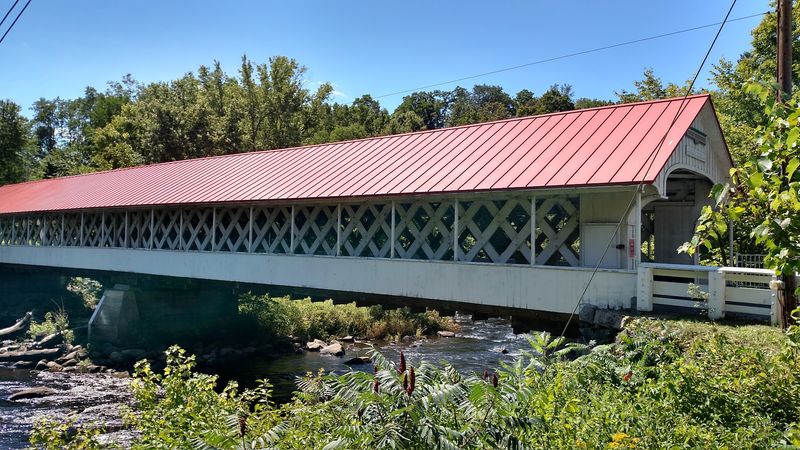
Historic covered bridges, including the Coombs Covered Bridge, punctuate the landscape and reward those willing to wander down side roads. The Winchester Historical Society preserves the town’s past for anyone curious about how this community grew and changed over generations.
Winchester, New Hampshire, is located in Cheshire County in the southwestern part of the state.
12. Farmington
Quiet confidence defines Farmington in a way that is hard to pin down until you spend time there. This Strafford County town in New Hampshire sits along the Cocheco River and carries a working-town spirit that feels honest and grounded.
It is not trying to impress anyone, which somehow makes it more impressive than towns that are.
The Cocheco River shapes daily life here. Its banks offer peaceful spots for fishing and casual walks, and the river’s presence gives the town a natural rhythm that residents clearly appreciate.
Green spaces and conservation land throughout Farmington extend those outdoor opportunities well beyond the riverbank.
Community events and local gatherings keep Farmington’s social fabric strong. Residents take visible pride in their town, which shows in maintained parks, active civic organizations, and a general sense that neighbors look out for each other.
That kind of community cohesion is genuinely rare and increasingly valuable.
History threads through Farmington’s older neighborhoods and buildings, offering curious visitors quiet discoveries around corners that most people drive past without stopping. The town’s proximity to Rochester and the broader Strafford County region means access to larger amenities without sacrificing the small-town feel that makes Farmington worth choosing in the first place.
Farmington, New Hampshire, is located in Strafford County in the southeastern part of the state.