
People Visit This Beloved Massachusetts Nature Spot Hoping To Catch A Glimpse Of Black Bears
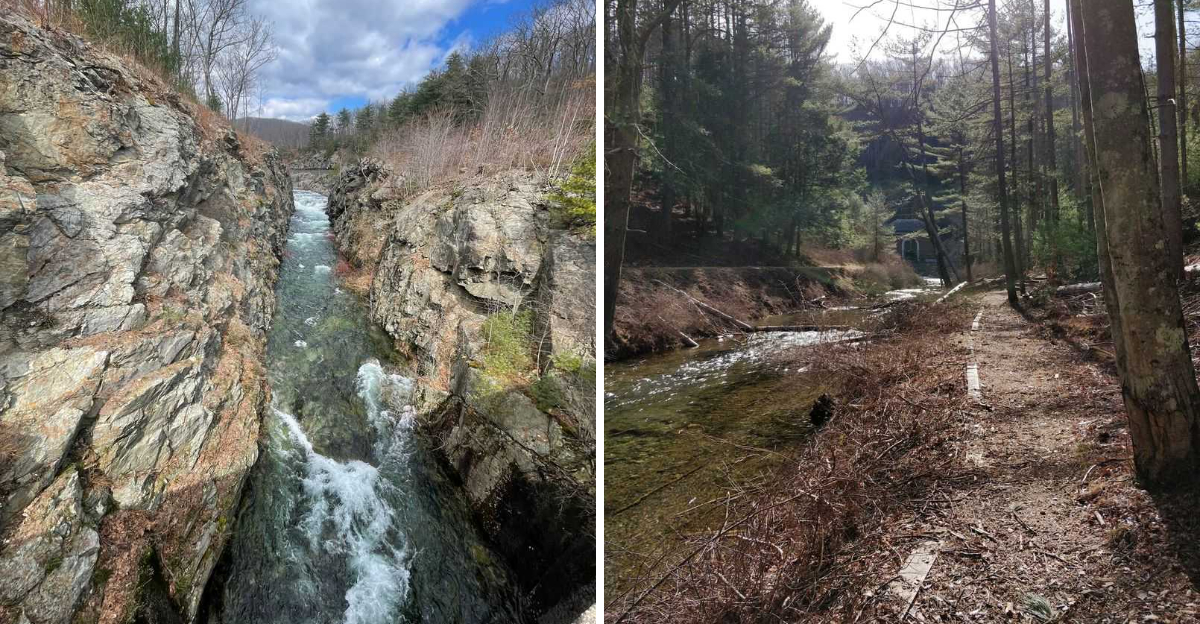
Massachusetts has more black bears now than most people realize, and this spot sits right in the middle of it. Sightings here aren’t unusual anymore. They’re expected.
Visitors show up specifically hoping to spot one, and the odds are better than you’d think.
Bears forage along the shoreline, cross open water, and move through the surrounding forest without much concern for onlookers. Photographers who return often mention repeat encounters, sometimes catching mothers with cubs trailing behind.
Quiet mornings tend to bring the best chances, before foot traffic picks up. The area stays largely undeveloped, giving animals plenty of room away from people.
Water, forest, and distance from development combine to make this one of the more reliable spots in the state for a bear sighting. Massachusetts’ bear population keeps growing every year, and anyone patient enough to watch gets a real shot at seeing it firsthand.
Why Black Bears Thrive Around These Protected Woods
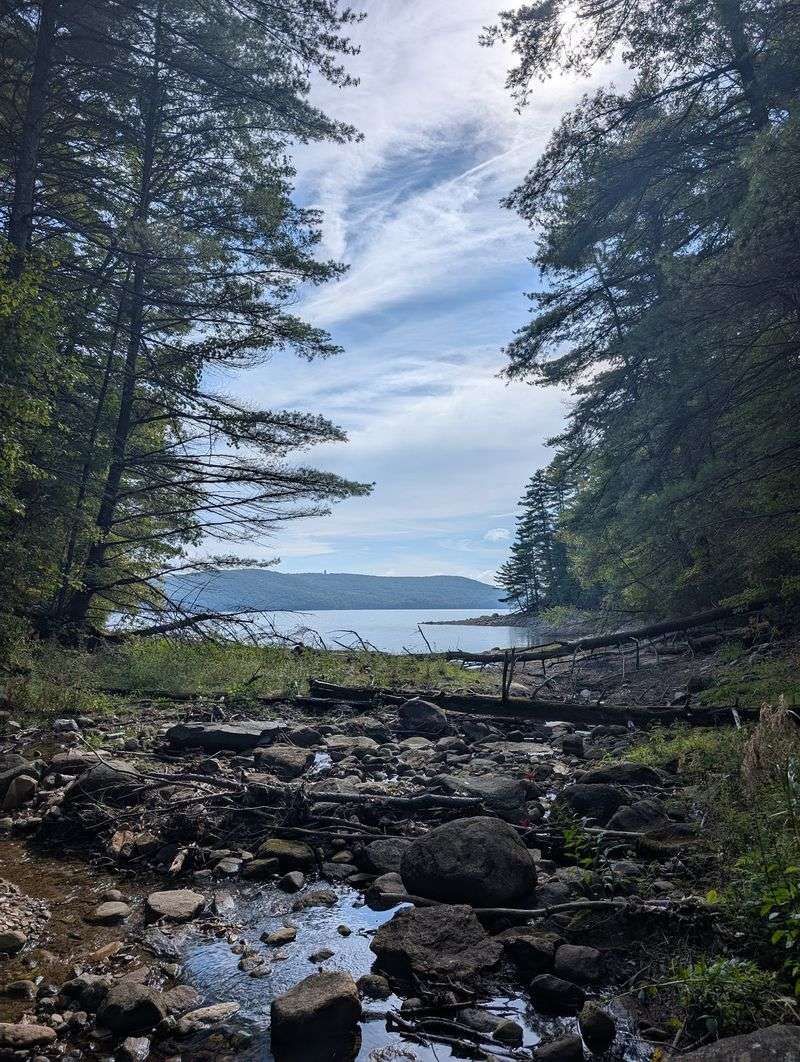
Black bears need three things: food, cover, and space. The protected watershed forest here delivers all three in generous supply.
Massachusetts is home to a growing black bear population, estimated by state wildlife officials at well over 4,500 animals. Much of that growth has happened in the central and western parts of the state.
Quabbin Reservoir sits right in the middle of that range. Roughly 120,000 acres of watershed land surround the water, and large sections are closed to development entirely.
That means oak trees dropping acorns, berry patches along old field edges, and wetlands full of skunk cabbage in spring. Bears feast on all of it.
Because human buildings are scarce, bears here behave more naturally than the ones raiding suburban bird feeders. They forage, wander, and mostly avoid people.
Sightings are never guaranteed, and that is part of the appeal. A glimpse feels earned rather than expected.
Spring and early summer bring the best odds, when bears travel widely after winter dormancy. Late summer works too, as they fatten up on berries and nuts.
Keep in mind that black bears are naturally shy animals. Most encounters end with a bear trotting off into the brush before you can raise your camera. Patience, silence, and good binoculars matter far more than luck does.
The Enormous Lake That Swallowed Four Whole Towns
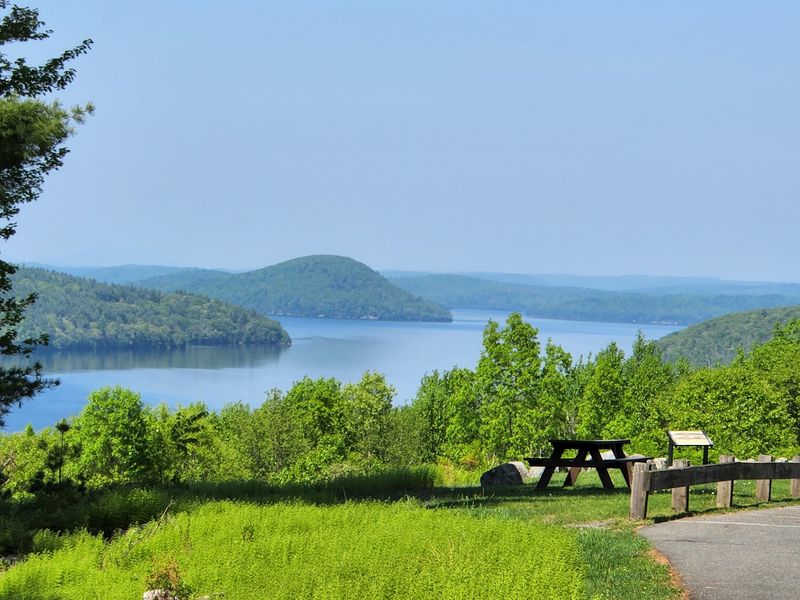
Here is a fact that stops people mid-sentence. Four entire towns were disincorporated in 1938 so this reservoir could exist.
Dana, Enfield, Greenwich, and Prescott were emptied of residents, buildings, and even cemeteries. The Swift River Valley was then flooded to create drinking water for Boston.
What resulted is staggering in scale. The reservoir holds around 412 billion gallons and stretches about 18 miles from end to end.
More than 180 miles of shoreline wind around coves, peninsulas, and dozens of islands. Those islands were hilltops once.
Water travels roughly 65 miles east through the Quabbin Aqueduct system to serve millions of people in the Boston area. It remains one of the largest unfiltered water supplies in the country.
The address is simply Massachusetts, with the main visitor entrance off Route 9 in Belchertown. That gate opens into the Winsor Dam and Quabbin Park section.
Understanding the history changes how the landscape looks. Those old stone walls in the woods once bordered pastures and farmyards.
Cellar holes, roadbeds, and lilac bushes still mark where homes stood. Nature has quietly reclaimed nearly everything else.
Knowing all this while watching for wildlife adds a layer most parks simply cannot offer. Human stories and bear country overlap here in a way that feels genuinely rare.
Enfield Lookout, The Best Seat For Wildlife Watching
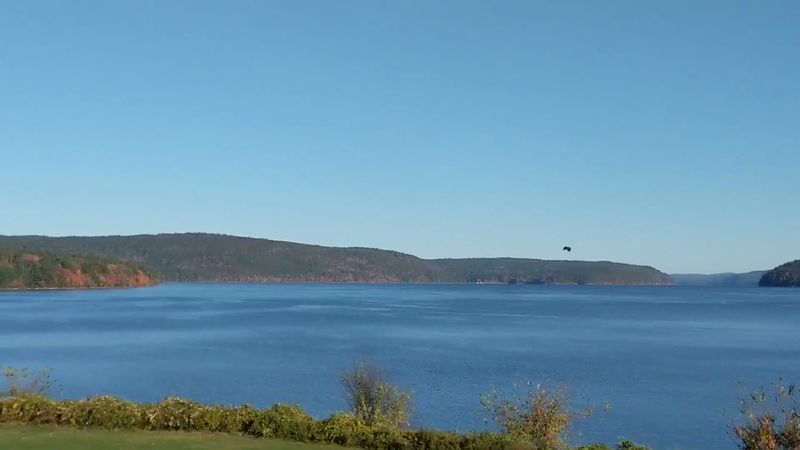
Ask anyone who tracks wildlife in central Massachusetts where to park first, and Enfield Lookout comes up immediately.
The overlook sits along Quabbin Park Road, an easy drive from the Winsor Dam entrance. A wide grassy slope drops away toward the water below.
That open view is the key. Bears, deer, moose, and coyotes sometimes cross the meadow edges beneath the lookout, especially near dawn and dusk.
Bald eagles nest in the area and are frequently spotted soaring above the water. The reservoir hosted a landmark eagle restoration program starting in the 1980s.
Bring binoculars with decent magnification. Eight or ten power works well for scanning distant tree lines without getting shaky arms.
A spotting scope is even better if you own one. Serious wildlife photographers often set up here with long lenses and thermoses of coffee.
Patience pays off enormously. Sitting quietly for forty minutes usually reveals more than pacing around for ten.
Autumn transforms the view into a wash of orange and gold across the hills. Winter strips the trees bare, which actually improves visibility for spotting animals moving through the forest.
Arrive early if you want a prime parking spot on weekends. Sunrise light also happens to be the most flattering for photos of the water and hills.
Quabbin Tower And The View From Above
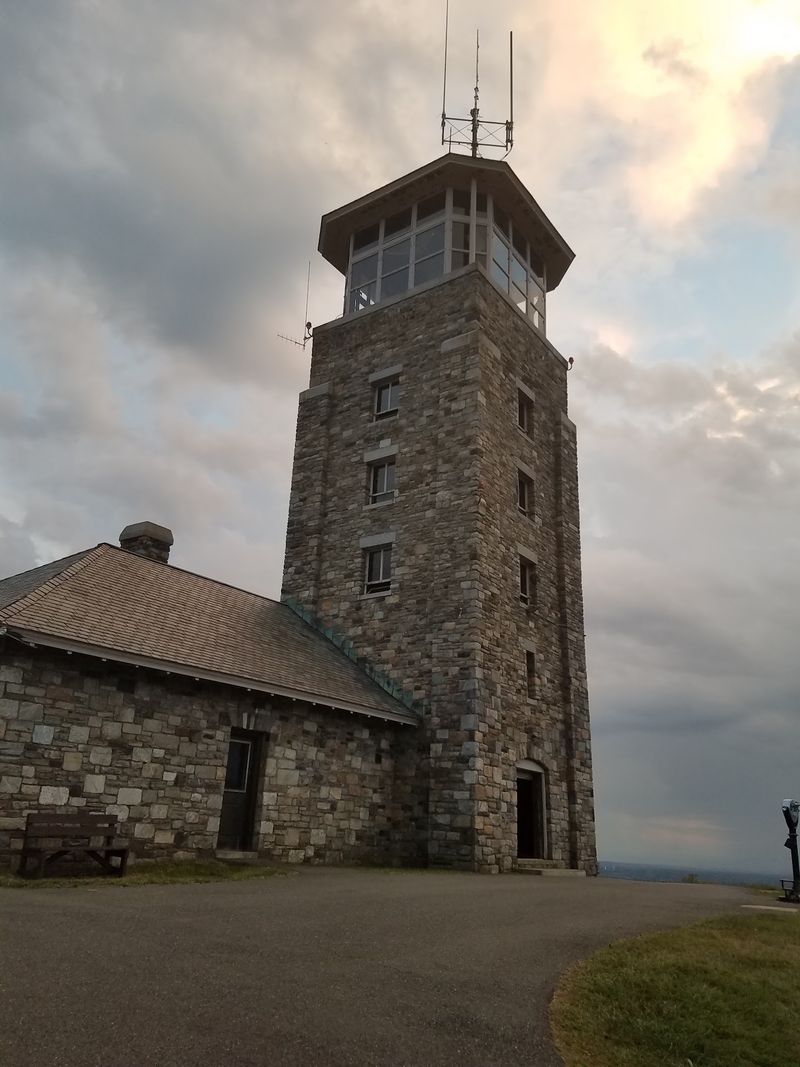
A stone tower on a hilltop sounds like something out of a storybook. Quabbin Tower is very real and very worth the climb. Built on Quabbin Hill, the structure was completed in the late 1930s using local stone.
Steps inside lead up to an open observation level. From there the reservoir spreads out in every direction, framed by rolling hills.
On clear days the view reaches toward Mount Monadnock in New Hampshire. Bring a map if you enjoy identifying distant peaks.
The surrounding summit area includes a picnic spot and plenty of room to stretch out. Families often pair the tower with a short walk along nearby paths.
Wildlife tends to move through the wooded slopes below rather than the summit itself. Still, the elevated vantage point helps you scan large areas quickly.
Access is by a paved park road, so the tower suits people who prefer minimal walking. That makes it a good option for grandparents and small children alike.
Foliage season draws the biggest crowds by far. Visit on a weekday morning in October and you may have the whole platform to yourself.
Check the seasonal road schedule before going, since interior park roads sometimes close during winter months.
Trails, Gates, And Miles Of Quiet Forest Roads
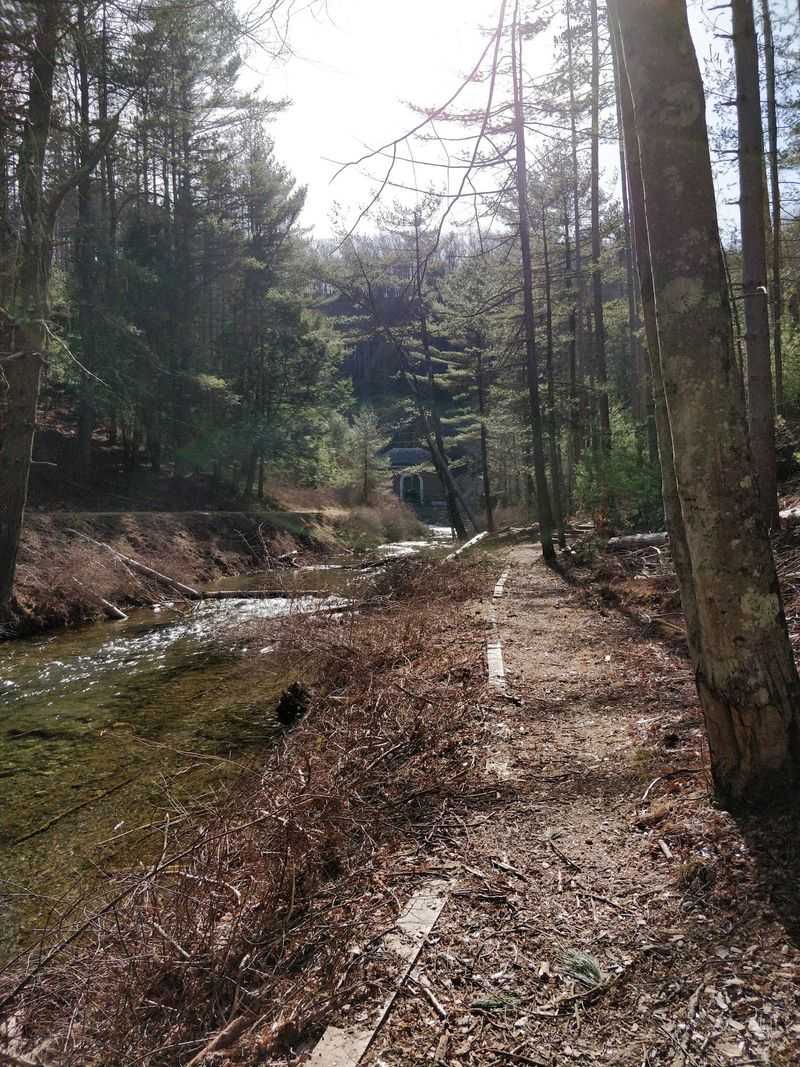
Numbered gates are the secret language of this place. Regulars talk about Gate 35 or Gate 40 the way city folks discuss subway stops.
Dozens of these gates ring the reservoir, each opening onto old roads that once connected the flooded valley towns. Walking them feels like following ghosts of pavement.
Most routes are wide, well graded, and gentle underfoot. That makes them friendly for casual walkers, families, and anyone who dislikes scrambling over rocks.
Ambitious hikers can string together loops running six miles or more without much effort. Distances add up faster than expected out there.
A paved trail near the main entrance suits strollers and wheelchairs. Parking is available across from the state police barracks along Route 9.
Bicycles are permitted on many gravel roads, which opens up far more territory in a single outing. Confirm current rules before loading the bike rack.
Deeper gates lead into genuinely wild country. Fewer people, more silence, and better chances of crossing paths with something furry.
Carry water and a paper map, because cell service becomes unreliable quickly. Downloading an offline map beforehand is smart insurance.
Watch for stone walls, granite steps, and old foundations along the way. Every one of them marks a place someone once called home.
Sharing Space With Bears The Smart Way
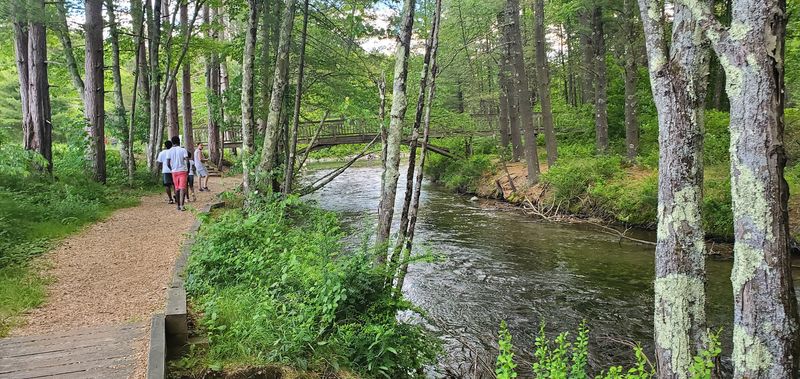
Wanting to see a bear and wanting to surprise one are two very different things. The trick is spotting them from a distance. Making noise while you walk is the simplest safety habit. Talk with your group, clap occasionally, or carry a whistle for open stretches.
Black bears in Massachusetts almost always retreat when they detect people. Problems arise only when an animal feels cornered or has learned to associate humans with food.
Never leave snacks unattended at a picnic area. Pack out every crumb, wrapper, and apple core. If a bear appears, stop and stay calm. Back away slowly while facing it, and give the animal a clear escape route.
Running is a poor idea. So is approaching for a closer photo, no matter how tempting the shot looks.
Keep dogs leashed where permitted, since a loose dog can provoke a defensive reaction. Leashes also protect wildlife from unnecessary stress.
Ticks deserve equal attention here. Long sleeves, treated clothing, and a thorough check afterward are standard practice in these woods.
Sturdy footwear handles the gravel and roots comfortably. Add sunscreen, water, and a small first aid kit to your daypack.
Respect keeps both people and bears safe. That balance is exactly why wildlife still flourishes across the Quabbin watershed.
Bald Eagles, Loons, And A Birder’s Paradise
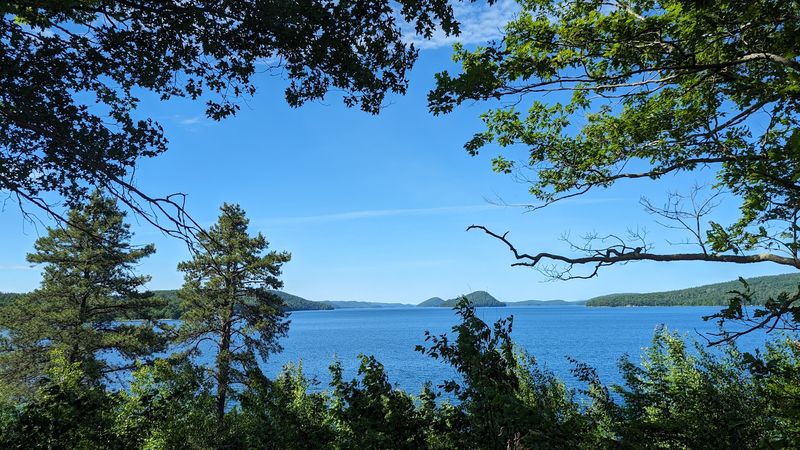
Bears get the headlines, but the bird list here is genuinely spectacular. More than 250 species have been recorded around the watershed.
The bald eagle story stands out most. In 1982, biologists began releasing young eagles at the reservoir in an effort to restore the species to Massachusetts.
The first successful nest in decades appeared here in 1989. Today eagles nest across the state, and this water is where the comeback began.
Common loons also breed on the reservoir, filling summer evenings with their haunting calls. Their presence signals clean, deep water.
Ospreys hunt the shallows during warmer months. Herons stalk the coves with unnerving patience.
Warblers flood the forest each May, turning quiet trails into a chorus. Spring migration is the busiest window for serious birders.
Waterfowl gather in large numbers during fall. Mergansers, buffleheads, and various ducks raft together on open water.
Wild turkeys strut through clearings year round, often in surprisingly large flocks. Barred owls call at dusk from the pines.
Bring a field guide or a bird identification app for the trip. Learning three new species in a morning is entirely realistic.
Even people who never cared about birds tend to leave impressed. The variety around Quabbin Reservoir simply wins them over.
How To Plan A Day Trip That Goes Smoothly
Good planning turns a decent outing into a memorable one. This reservoir rewards people who think ahead a little.
Admission is free, which makes it an easy choice for budget minded families. Parking areas are scattered around the perimeter at various gates.
The Quabbin Visitor Center near the Winsor Dam offers maps, exhibits, and staff who know the land intimately. Stop there first if it is your maiden trip.
Restrooms are limited. Portable facilities exist at some parking areas, though many gates offer nothing at all.
Pack a picnic and plenty of water. Quabbin Park has pleasant spots to spread a blanket with a view over the water.
Swimming and wading are prohibited because this is drinking water for millions. Fishing is permitted in season under state regulations, so check the rules first.
Boating operates on a permit system with strict guidelines. Confirm details before hauling anything to a launch.
Weather shifts fast in central Massachusetts, so layers beat a single heavy coat. A rain shell weighs almost nothing in a pack.
Arrive early for wildlife and softer light. Late afternoon works nearly as well. Give yourself a full day rather than a rushed hour. Quabbin Reservoir is far too big and too interesting to squeeze into a quick stop.