
Pick Your Own Apples And Pumpkins By The Pound At This Las Vegas Orchard
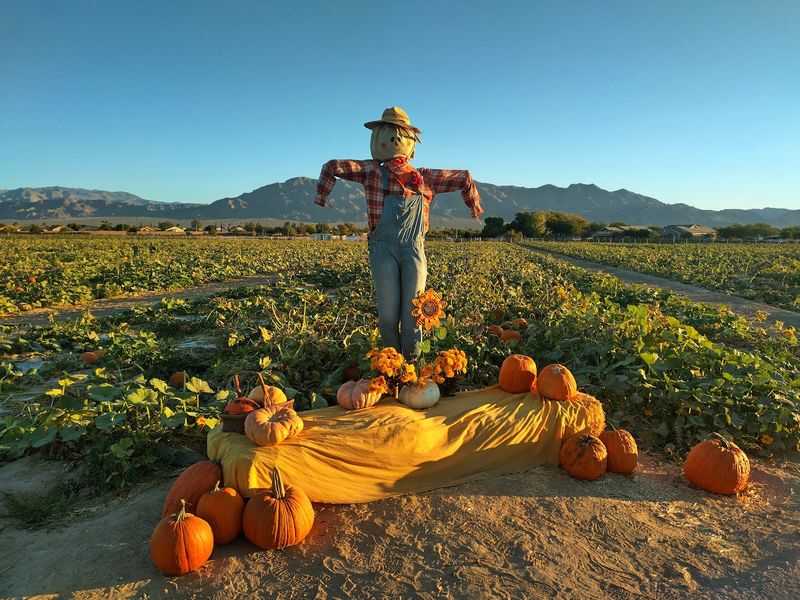
Nevada has a reputation for neon and desert, so finding sixty acres of fruit trees inside city limits feels a little like a trick of the light. Drive north until the subdivisions thin out and the pavement gives way to gravel parking, and suddenly you are holding a wheelbarrow instead of a shopping cart.
Apples come off the branch by hand, pumpkins get hauled out of the field by the armful, and everything gets weighed at the exit rather than scanned. For families counting dollars and retirees who miss the smell of an orchard in October, it is one of the most surprising mornings the Silver State offers.
Sixty Acres Off North Tenaya Way
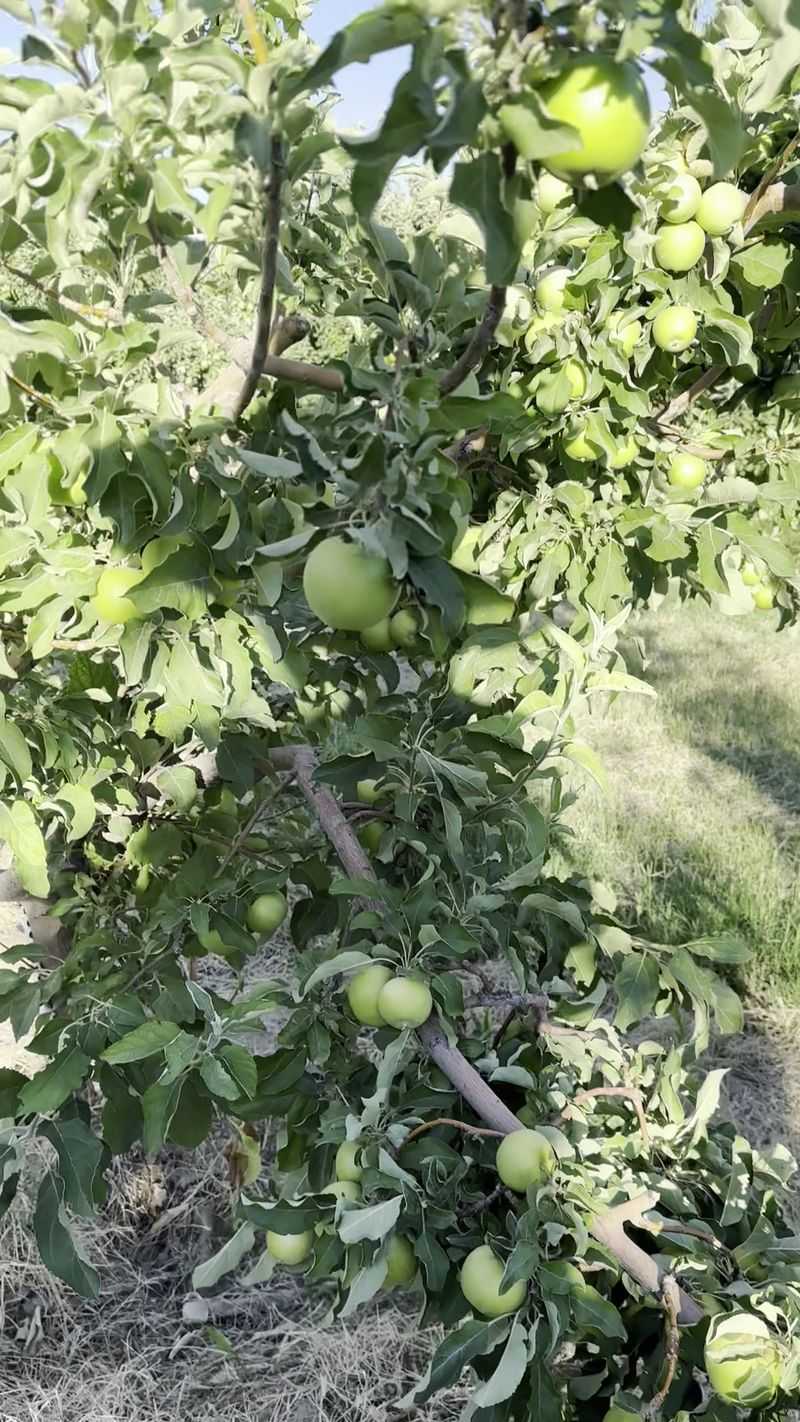
Head to 7800 N Tenaya Way in the far northwest corner of Las Vegas and the strip malls run out before the address does. What replaces them is Gilcrease Orchard, sixty acres of working farmland sitting at the edge of the valley with mountain ridges filling the horizon.
The setup is refreshingly plain. Gravel lot, a check-in area, wheelbarrows stacked and waiting, then rows of trees and open fields stretching out ahead of you.
Signage points toward whatever is ripe, and staff near the entrance will tell you what is actually producing that week.
Everything you gather gets weighed and paid for on the way out, which is the whole model here. Apples, pumpkins, squash, tomatoes, berries, whatever the season delivers goes into your wheelbarrow and onto the scale.
Visitors regularly mention how easy the place is to navigate, with clear paths and staff who actually answer questions. It is a farm first and an attraction second, and that ordering is part of the appeal.
Nothing feels manufactured for tourists, which in this particular city counts for quite a lot.
A Farm That Predates Modern Las Vegas
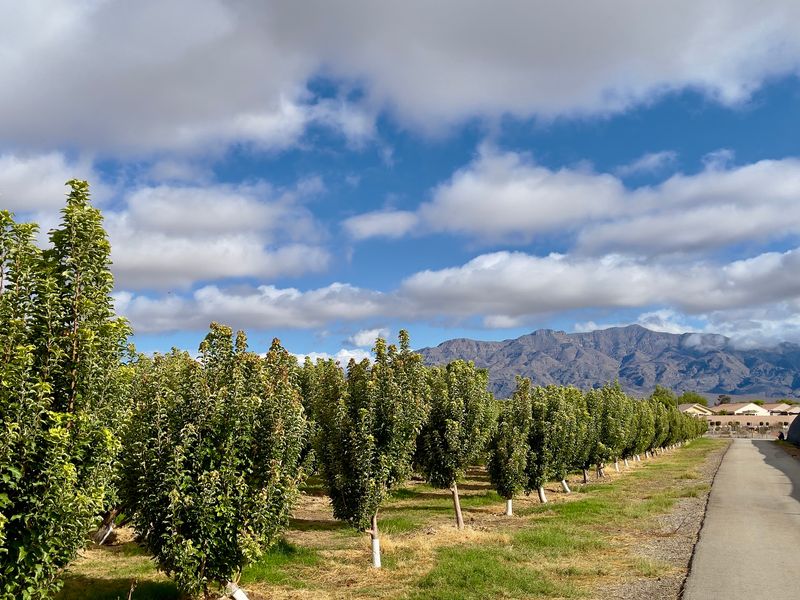
Farming here started in the 1920s, back when this stretch of the valley was nothing but desert scrub and a long way from anything resembling a city. The orchard has outlasted the growth that eventually surrounded it, which makes walking the rows feel a bit like stepping backward.
Little touches reinforce that. An old truck parked near the fields has become a favorite photo subject, and the rustic character of the place gets mentioned often by people who come through.
For anyone who grew up around Midwestern orchards, the resemblance can catch you off guard. One family who relocated from Iowa described being genuinely astonished that a place like this existed in Las Vegas, and turned it into a yearly tradition on the spot.
That generational pull matters. Grandparents bring grandkids, adult children bring aging parents, and the routine repeats each autumn.
A century of continuous agriculture in a valley better known for construction cranes is not a small thing, and the orchard wears that history without much fuss or fanfare.
Apples Straight Off The Branch
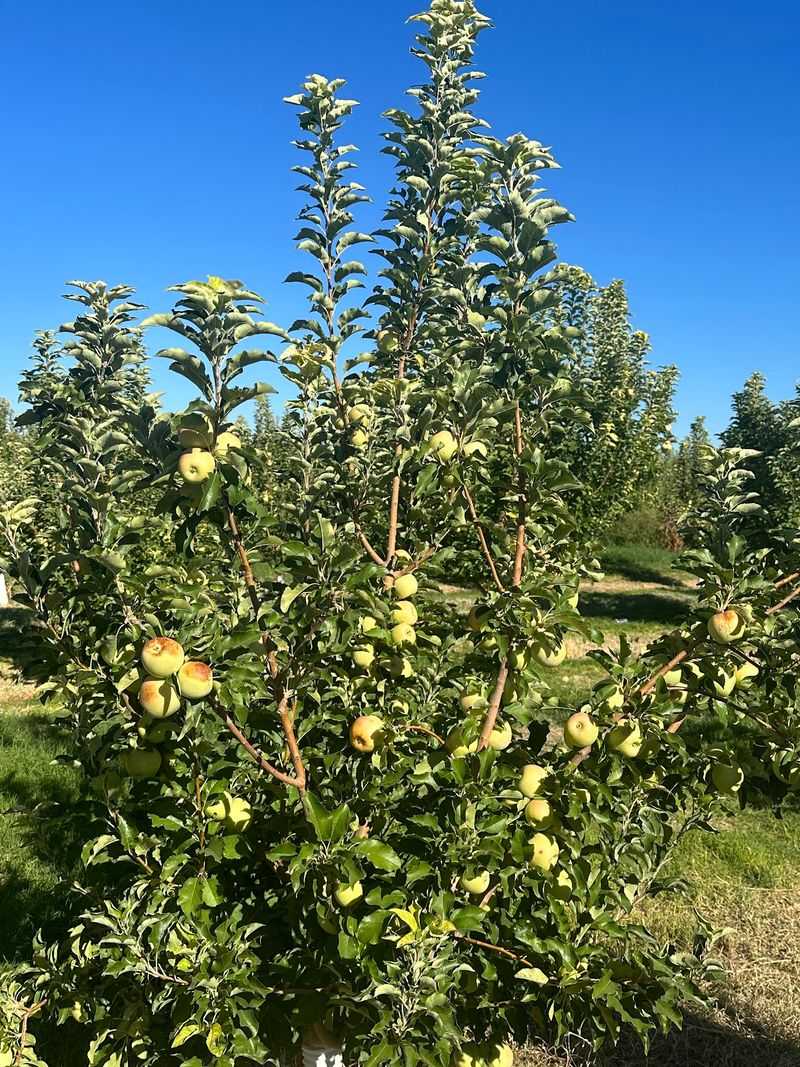
Reaching up, twisting, and hearing the stem snap is a small satisfaction that never really gets old. Apple picking is the headline act during fall, and the trees are accessible enough that kids and older visitors can both reach fruit without wrestling ladders.
Pricing runs by weight. Apples have been noted around a dollar per pound in past seasons, though rates shift year to year and should be confirmed before you load up a wheelbarrow.
Regulars point out that fruit picked here tastes noticeably different from what shows up in a grocery bin, with a crispness that holds even late in the picking window. One visitor mentioned staff warning that the remaining apples were on their last stretch, and finding them plenty tasty anyway.
Timing helps. Trees closest to the entrance get worked over first, so walking a few extra minutes deeper into the rows usually pays off.
Bring a bag or use the provided wheelbarrows, and remember that everything gets weighed at the exit. Fill responsibly unless you have big plans for pie.
Pumpkins Weighed At Seventy-Five Cents A Pound
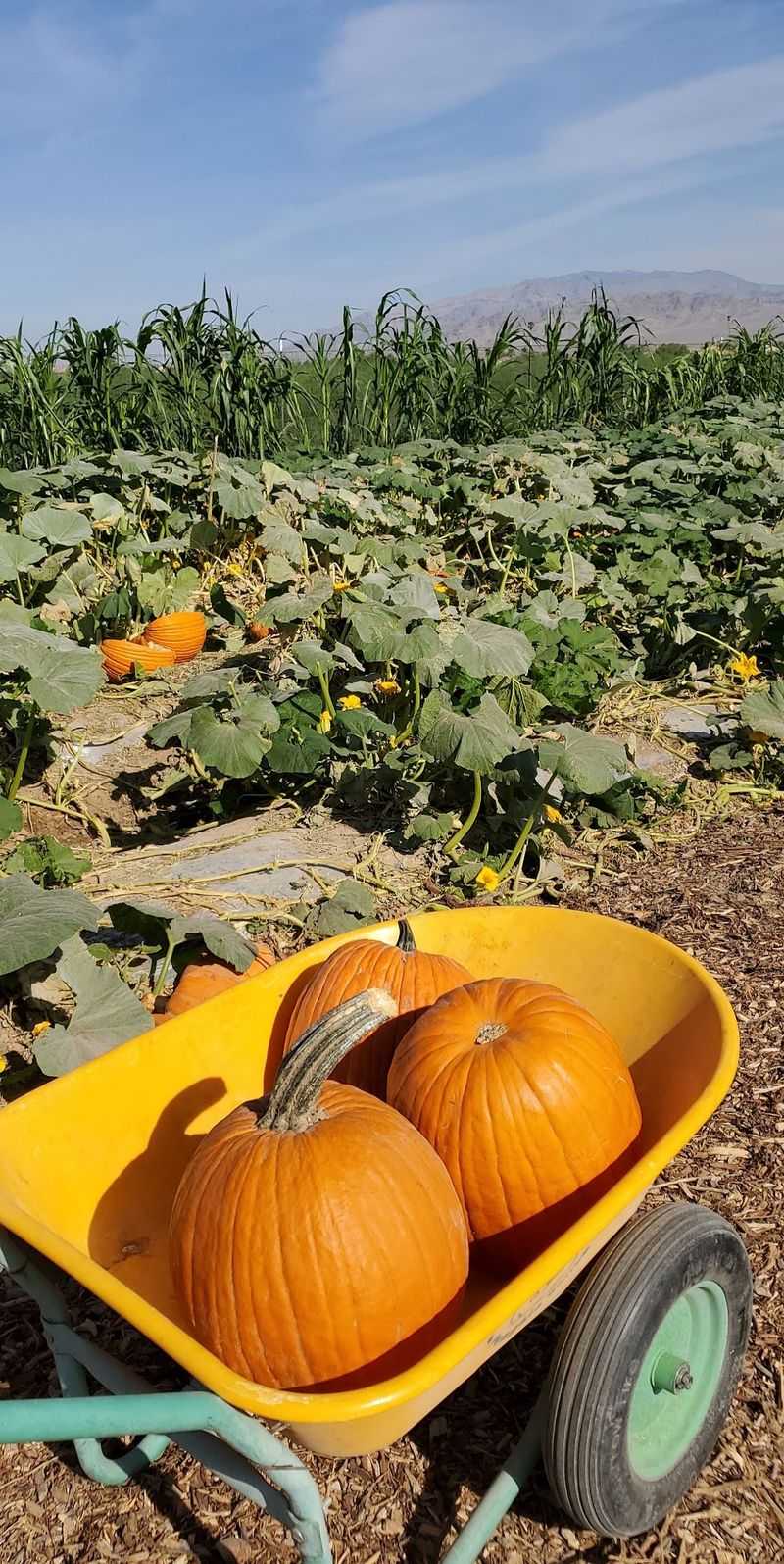
Roughly seventy-five cents per pound is what pumpkins have run here, which changes the math on Halloween considerably. A modest carving pumpkin lands in single-digit territory, and a family of four can walk out with four decent gourds without wincing at the total.
The patch itself sprawls across open field rather than sitting in a staged display. You walk among the vines, flip pumpkins over to check for soft spots, and haul your picks back in a wheelbarrow or a wagon you brought yourself.
Pumpkin season is easily the busiest stretch of the year. Once the patch opens, parking fills fast and the early arrivals get the best selection, so a 7 AM start beats a mid-morning one every time.
Other seasonal produce has ranged roughly between $1.50 and $3.50 per pound depending on the crop.
Photo opportunities are everywhere out here, and plenty of families treat the patch as their annual autumn picture session. Confirm current pricing before you go, since rates can shift season to season.
The Apple Cider Donut Situation
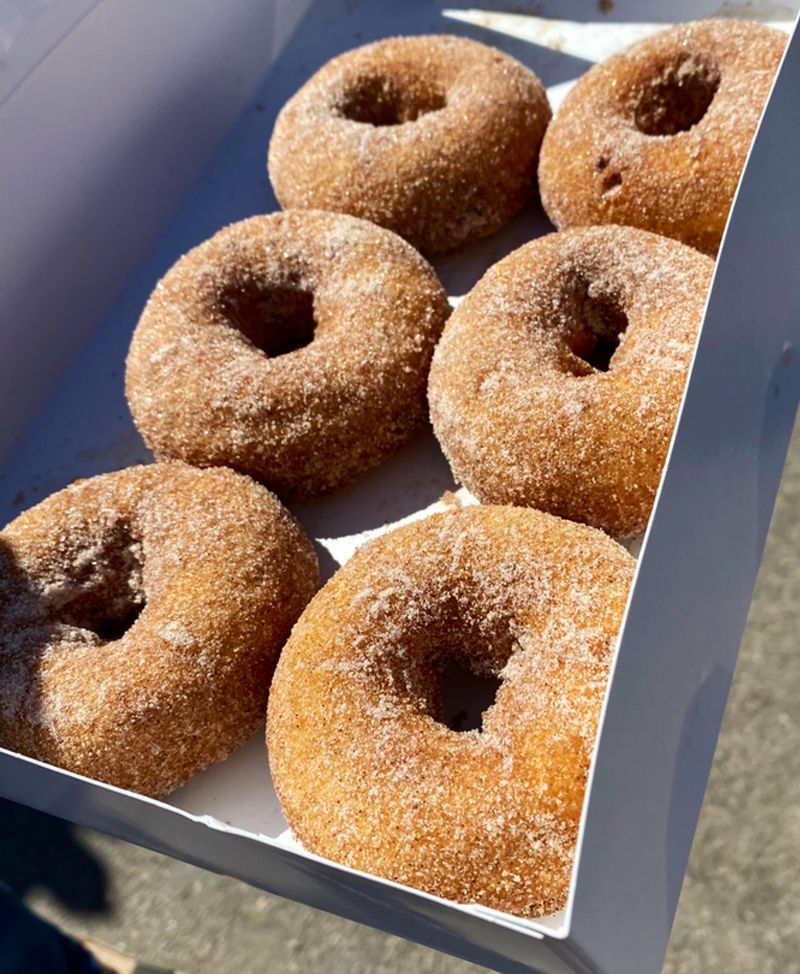
Ask around about this orchard and the conversation turns to donuts faster than you would expect. Apple cider donuts get mentioned in reviews more than fifty times, and apple cider itself clears two hundred mentions, which tells you where people’s loyalties sit.
They are made fresh on site, served warm, and tend to disappear on the walk back to the car. More than one visitor has flat out said the donuts alone justify the drive out.
The cider pairs with them the obvious way. Cold in warm weather, hot when the mornings turn sharp, and both versions get taken home by the jug.
Around the concession area you will also find kettle corn and candied apples from additional vendors, plus breakfast available on site for anyone who skipped it. Picnic tables give you somewhere to sit while the kids burn off sugar.
Budget a few extra dollars beyond your produce weight. Nobody leaves this farm having resisted the donuts, and pretending otherwise is just optimistic planning.
Corn Maze, Straw Maze, And Wagon Rides
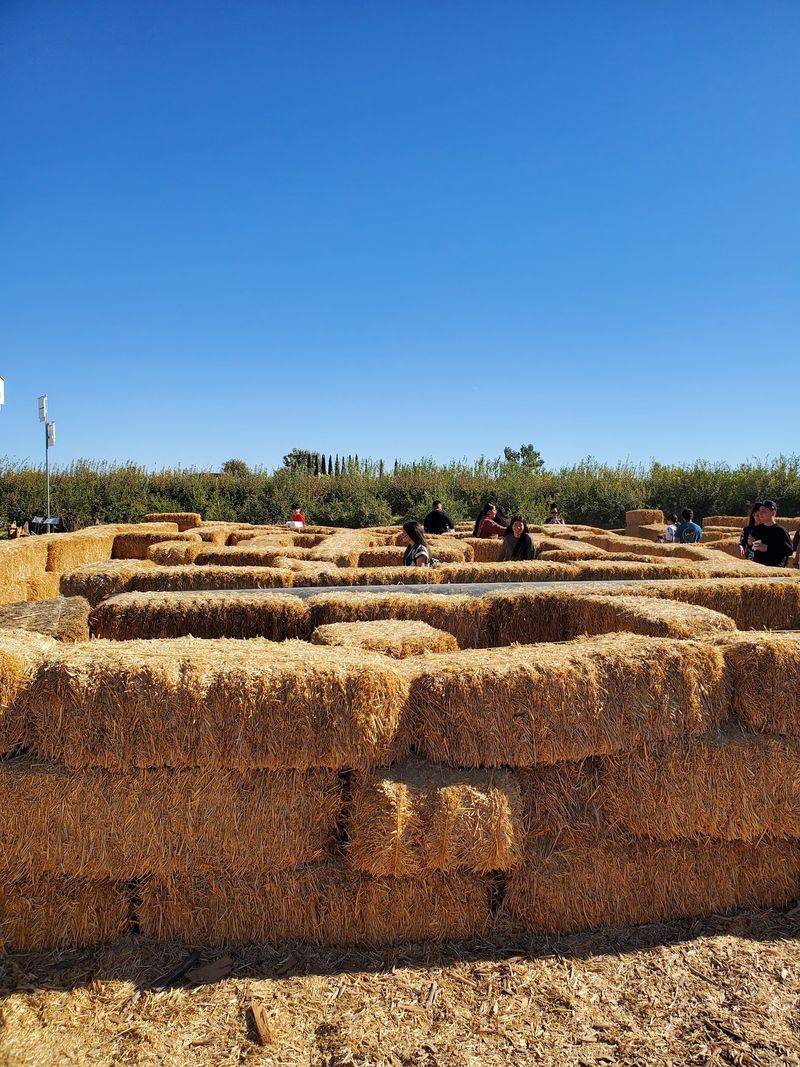
Picking fills maybe an hour. The rest of the morning gets absorbed by everything else the farm sets out during Fall Harvest.
A corn maze anchors the activity list, with a straw maze nearby for smaller kids who would rather not vanish into tall stalks. Mazes come up in dozens of visitor comments, usually paired with mention of how long the family stayed.
Tractor-pulled wagon rides loop through the orchard and are a consistent favorite, especially for grandparents who would rather ride than walk the rows. Hayrides get called out frequently as a highlight of the fall visit.
Live music sometimes plays near the concession area, giving the whole place a low-key festival feel without any of the pressure.
Photo setups are scattered throughout, and families who come annually tend to line up the same shot each October to track how much the kids have grown.
Stacked together, these extras turn a produce run into a genuine half-day outing, which is exactly the value proposition that keeps people returning season after season.
Chickens, Tortoises, And Sunflower Rows
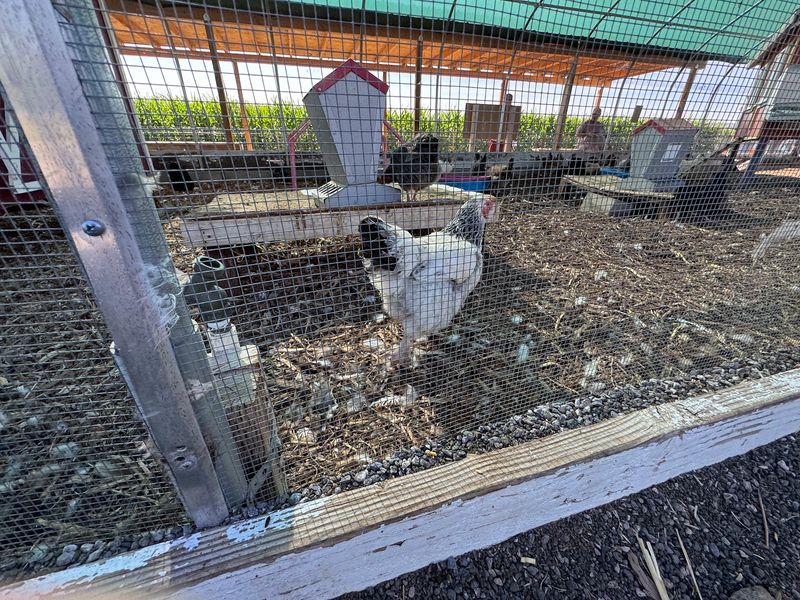
Not everything here grows on a tree. A chicken coop sits within walking distance of the picking areas, and kids tend to park themselves in front of it far longer than their parents anticipated.
More unusual is the desert tortoise habitat, a genuinely Nevada touch that adds an educational wrinkle to the visit. Explaining to a seven-year-old why a tortoise belongs in this landscape is an easy win for any grandparent.
Then there are the sunflowers. During bloom season the rows draw crowds of their own, with stems available for about two dollars each and photographers showing up specifically for them.
Nearly sixty visitor comments reference the sunflowers, often paired with a warning about how bright the field gets and how many bees are working it. Sunglasses and sunscreen are genuinely useful, and anyone with a sting allergy should stay aware.
Bloom timing varies year to year and sometimes requires reserving a spot, so checking availability ahead saves a wasted drive out to Tenaya.
Wheelbarrows, Scales, And How Paying Works
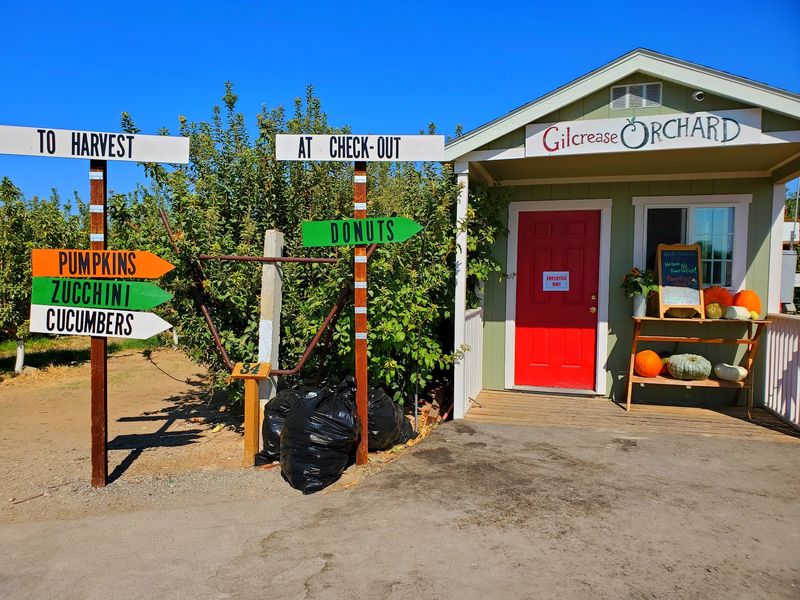
Wheelbarrows stacked near the entrance are free to grab, and they serve double duty hauling produce or hauling toddlers who have decided walking is over. On peak weekends they all get claimed, which is one more argument for showing up when the gates open.
The payment system is refreshingly simple. Pick what you want, wheel it to the scale, and pay by weight on your way out.
No pre-purchased buckets, no per-item guessing.
Outside of Fall Harvest, parking and entry have been free, with the only cost being whatever you carry out. During summer picking, visitors have reported fresh fruit around two dollars a pound and iced coffee around four dollars.
Bringing your own wagon is smart during the busy season, particularly if wheelbarrows run short.
Restrooms are available in multiple spots across the property, a detail that parents and older visitors both appreciate. Prices shift with the season and the crop, so verify current rates before planning your budget around a specific figure.
Fall Harvest Dates And Ticketing
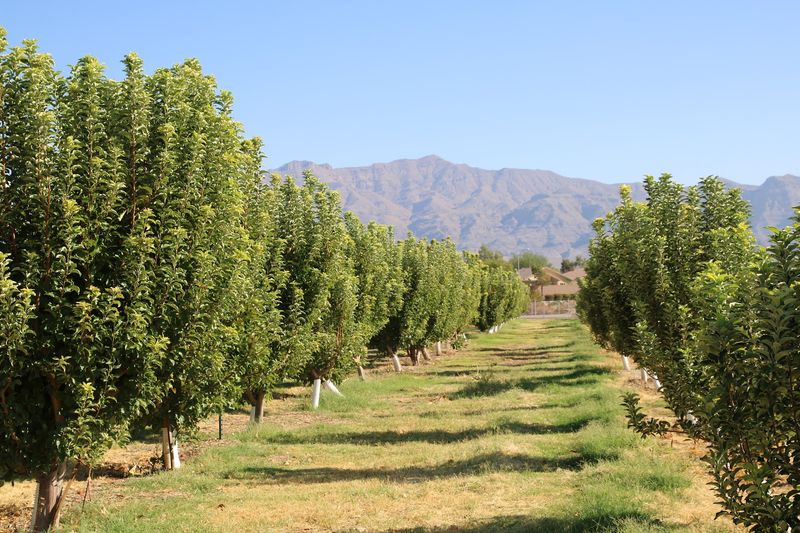
Fall Harvest typically runs from late September through the end of October, and the 2026 window is set for September 26 through October 31. Outside those dates the orchard operates on a different, quieter rhythm.
Admission during the harvest season has run about $4 plus transaction fees per person on weekdays and around $6 plus fees on weekends. Children five and under enter free, which keeps the cost manageable for larger family groups.
Tickets must be bought online in advance. On-site sales may not be available, and weekend slots sell out early enough that people who wait get shut out entirely.
One visitor who missed weekend tickets ended up coming on a Tuesday morning instead and found the weekday visit noticeably calmer, with fewer crowds and easier picking.
Keeping an eye on the orchard’s announcements is genuinely necessary here, since a whole season can slip past unnoticed. Dates, prices, and ticket policies all shift, so confirm before you commit to a drive across the valley.
Early Mornings Are The Whole Strategy
Seven in the morning sounds brutal until you stand in that field at ten and understand why. Standard picking hours run 7 AM to 10 AM on Tuesdays, Thursdays, and Saturdays, with Fall Harvest days often extending to 2 PM.
Heat is the obvious reason for the schedule. Most paths through the picking areas are unshaded dirt, and the desert sun stops being charming quickly once it climbs.
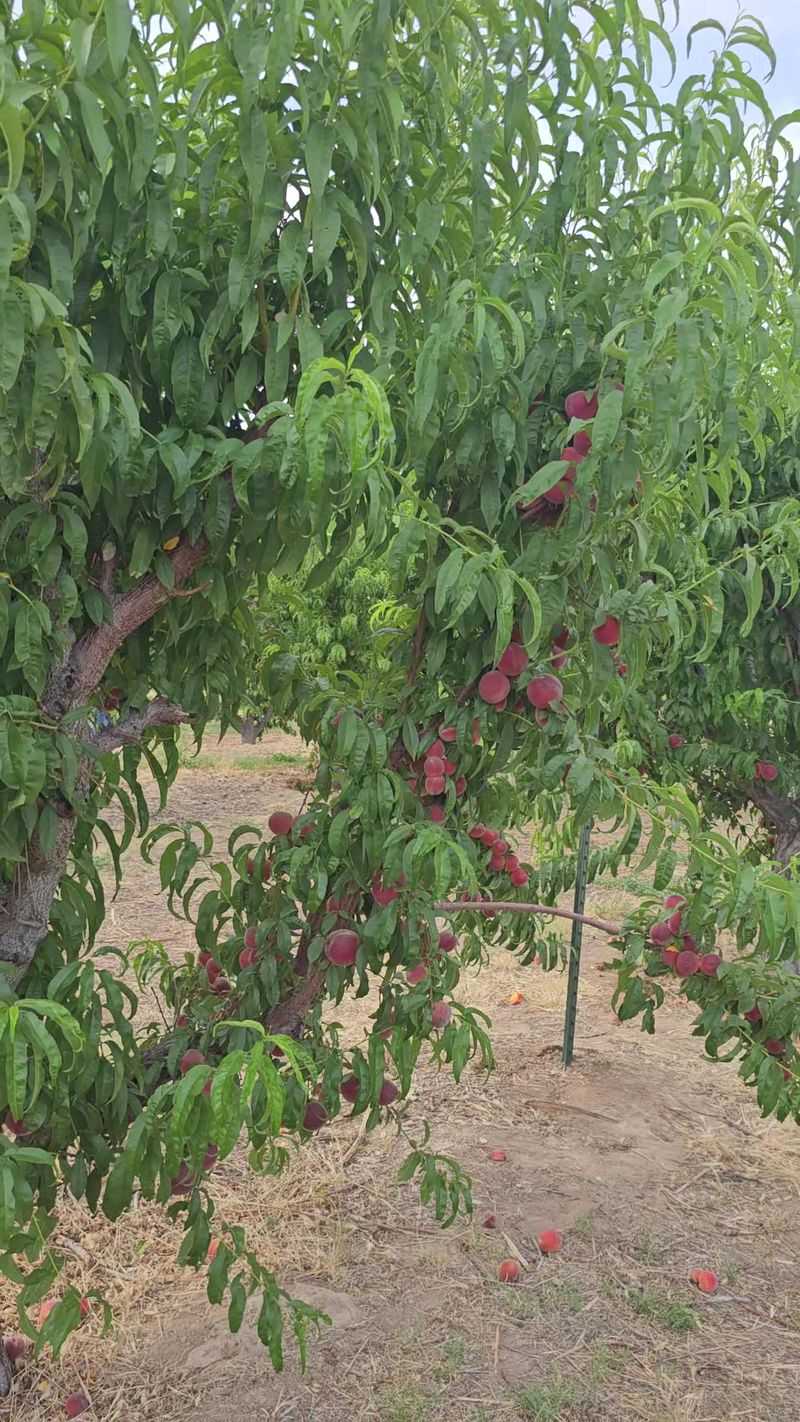
Selection is the other reason. Fruit gets picked over as the morning progresses, and one visitor searching for ripe peaches noted how thoroughly the accessible trees had already been worked.
Parking is the third. During pumpkin season the gravel lot fills fast, and regulars consistently advise arriving as early as possible to avoid circling.
Bring water, sunscreen, and closed-toe shoes for the dirt rows. Pets are not permitted with the exception of service animals.
Get there at opening and you can pick, ride the wagon, eat donuts, and be driving home before most of the valley has finished breakfast.
What Grows Beyond Apple Season
Autumn gets the attention, but the growing calendar here stretches well past it in both directions. Summer brings tomatoes, zucchini, summer squash, cucumbers, and carrots, all picked the same way and paid for by weight.
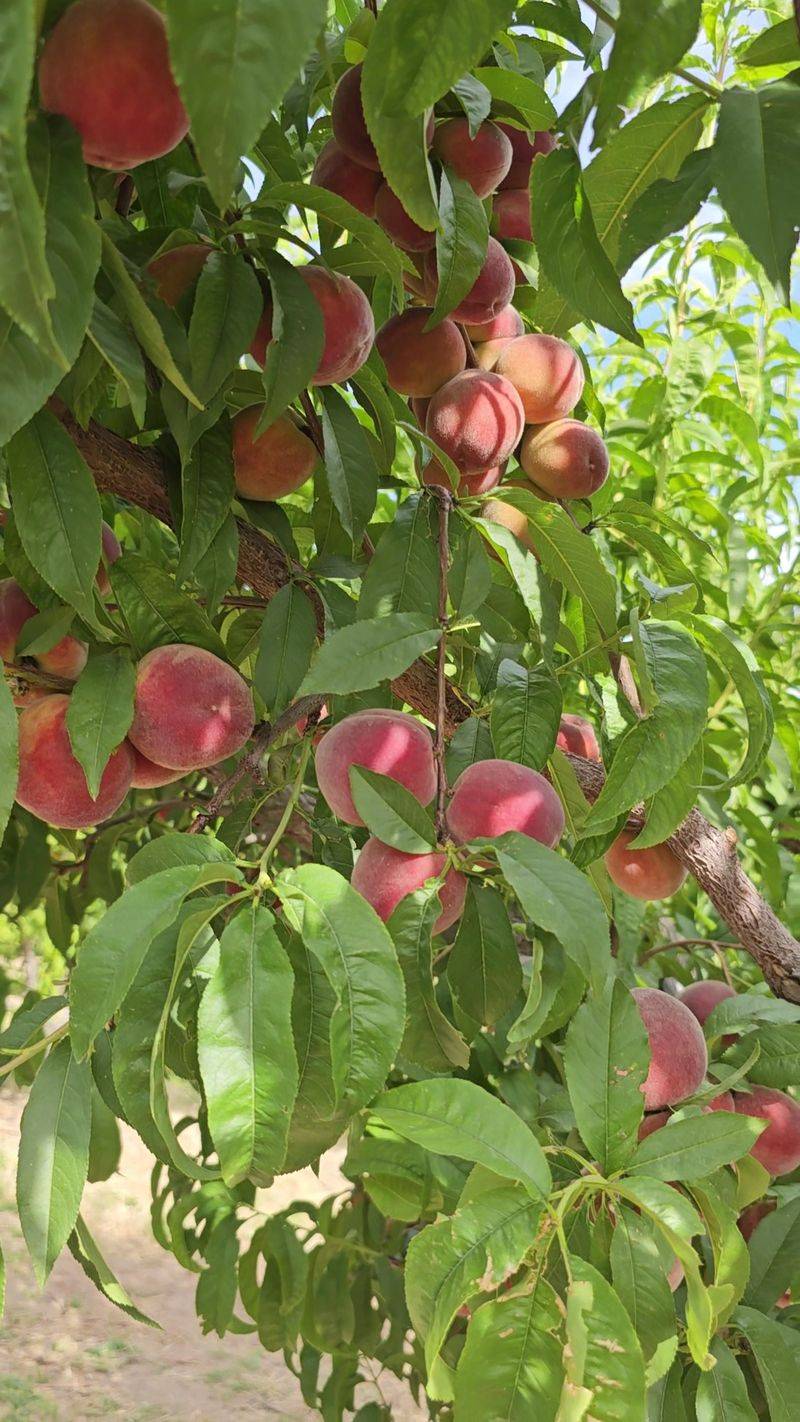
Berry season draws its own following. Strawberries and blackberries have earned enthusiastic reactions from visitors who described them as the best they had tasted, and peaches come into their own mid-summer.
Tomatoes get singled out often enough that some regulars plan their entire summer visit around them.
Quality does vary, as it does on any working farm. One visitor found certain vegetables bland, and the orchard responded by explaining their approach: they are not certified organic but rely heavily on their own compost and limit commercial fertilizer where possible, with flavor naturally shifting between crops and harvest periods.
Checking what is actually ripe before driving out saves disappointment, since posted crop charts do not always keep pace with the fields. A quick look at current announcements is the reliable move.
An Outing Built For Mixed-Age Groups
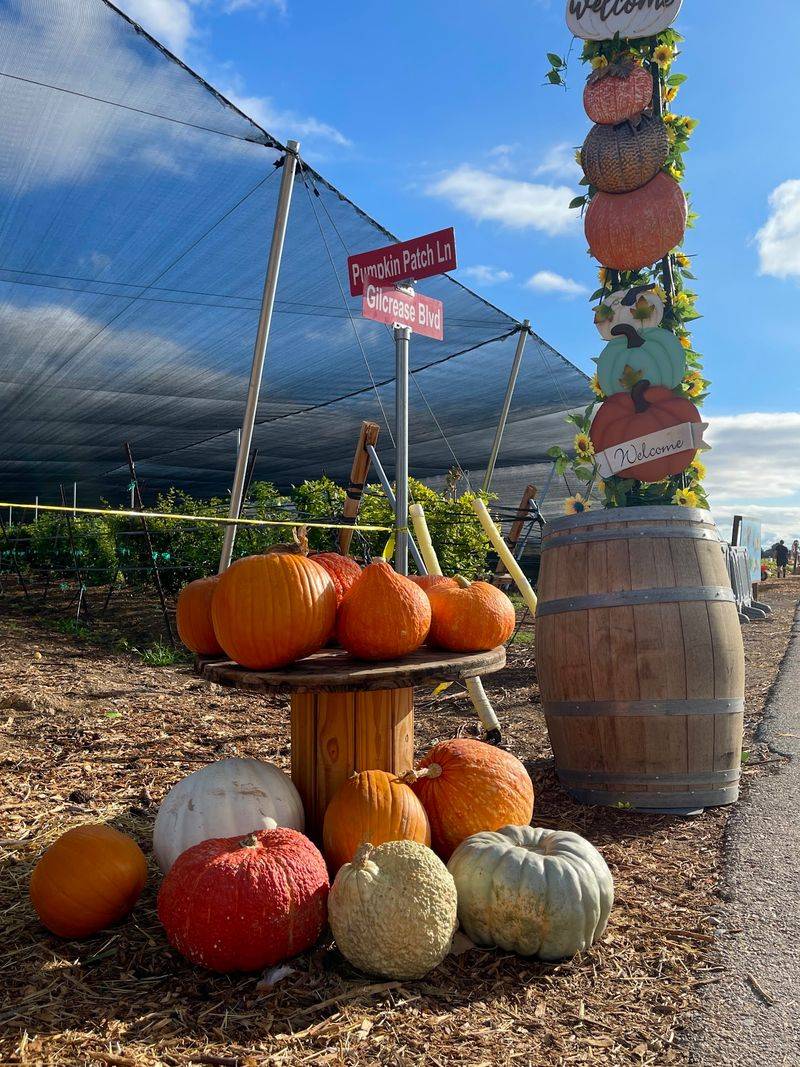
Toddlers, teenagers, and grandparents rarely agree on anything, which makes this farm unusually useful. A one-year-old brought along for the pumpkin patch reportedly had a wonderful time, while adults handled the picking and the walking.
Mobility is workable if you plan for it. One visitor navigated roughly two and a half miles of orchard using a walker and reported that it held up fine on the terrain, though the ground is dirt and uneven in spots.
Families on tight budgets get real mileage here. Parents describe it as budget friendly and an easy first choice for a weekend morning outdoors.
The pace suits retirees too. There is nothing rushed about strolling the rows, sitting at a picnic table with coffee, and watching kids chase each other between the trees.
Couples show up as well, treating the whole thing as a low-cost morning date with donuts attached.
Few places in the valley manage to satisfy a stroller, a walker, and a restless nine-year-old in the same three hours.
Getting There And What To Pack
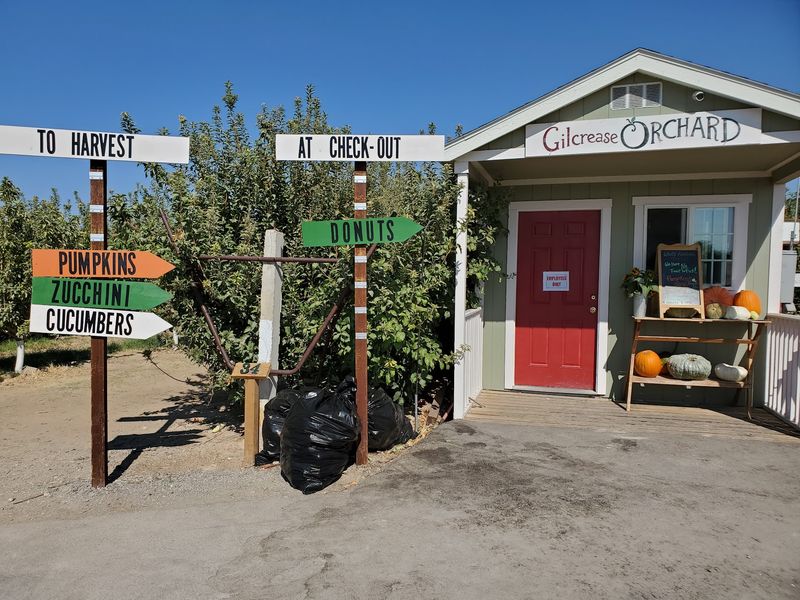
Navigation is straightforward. The orchard sits at 7800 N Tenaya Way, reachable in roughly half an hour from most of central Las Vegas and closer still from the northwest suburbs and parts of Summerlin.
Free gravel parking has been plentiful outside of the busiest fall weekends, and visitors consistently describe arrival as hassle free.
Pack like you are going to be outdoors in the desert, because you are. Water, sunscreen, sunglasses, a hat, and closed-toe shoes cover the basics.
A personal wagon is the pro move during Fall Harvest, saving you from a wheelbarrow shortage and giving tired kids somewhere to ride. Reusable bags help with sorting produce before the scale.
Wash everything thoroughly before eating, a tip that comes directly from repeat visitors.
Service animals are welcome, other pets are not.
Since hours and seasonal closures shift, confirming current operating days before loading the car is simply good sense. A closed gate after a thirty-minute drive is an avoidable disappointment.
Why This Morning Stays With People
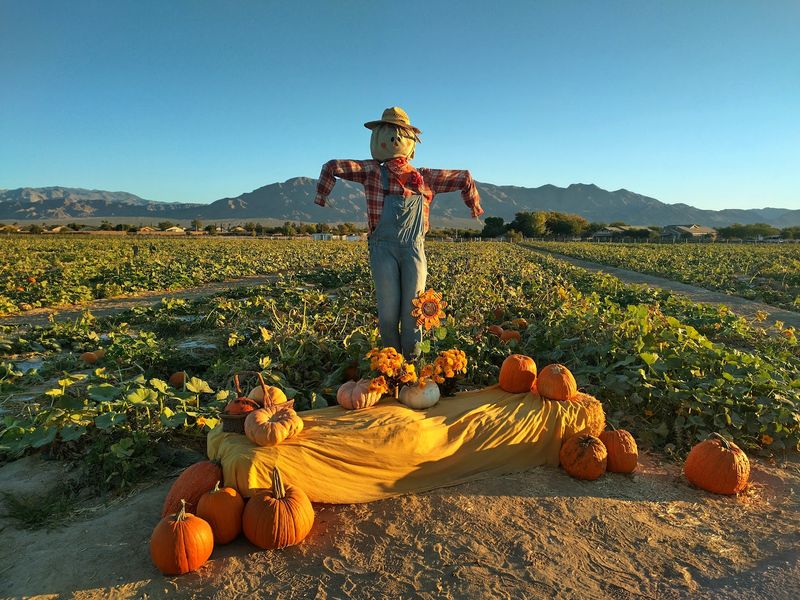
Something about hauling your own pumpkin to a scale sticks in the memory longer than a grocery run ever could. Families here talk about traditions measured in years, not visits, with parents saying they have come every fall since their kids were born.
Holiday programming extends the connection past October. Christmas trees have gone on sale the day after Thanksgiving, with Santa visits, hot cocoa, hot cider, and wagon rides through the orchard under strings of lights.
The appeal is not complicated. Fresh air, reasonable prices, honest food, and a few hours where nobody is looking at a screen.
Holding a 4.6-star average across more than two thousand visitor ratings, the orchard has clearly found something that works, and it has been working since the 1920s.
For Nevada families weighing where a limited entertainment budget goes furthest, a morning of picking, riding, and eating warm donuts stretches surprisingly far. Check the dates, set the alarm early, and bring a wagon.
The rest sorts itself out.