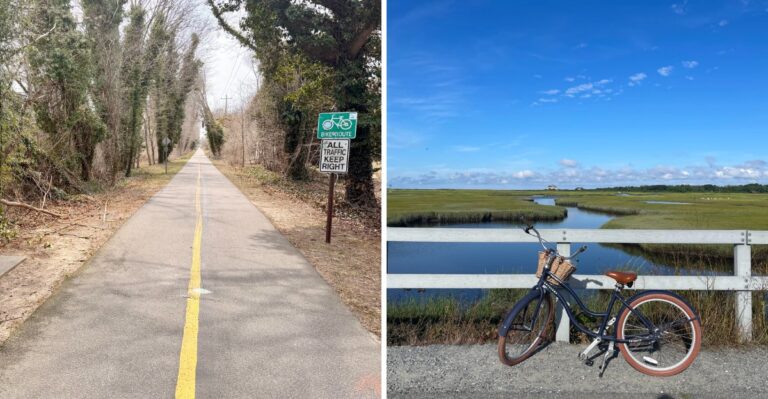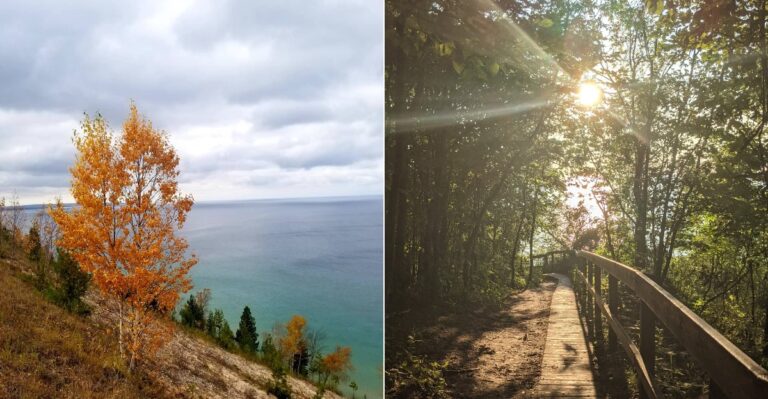
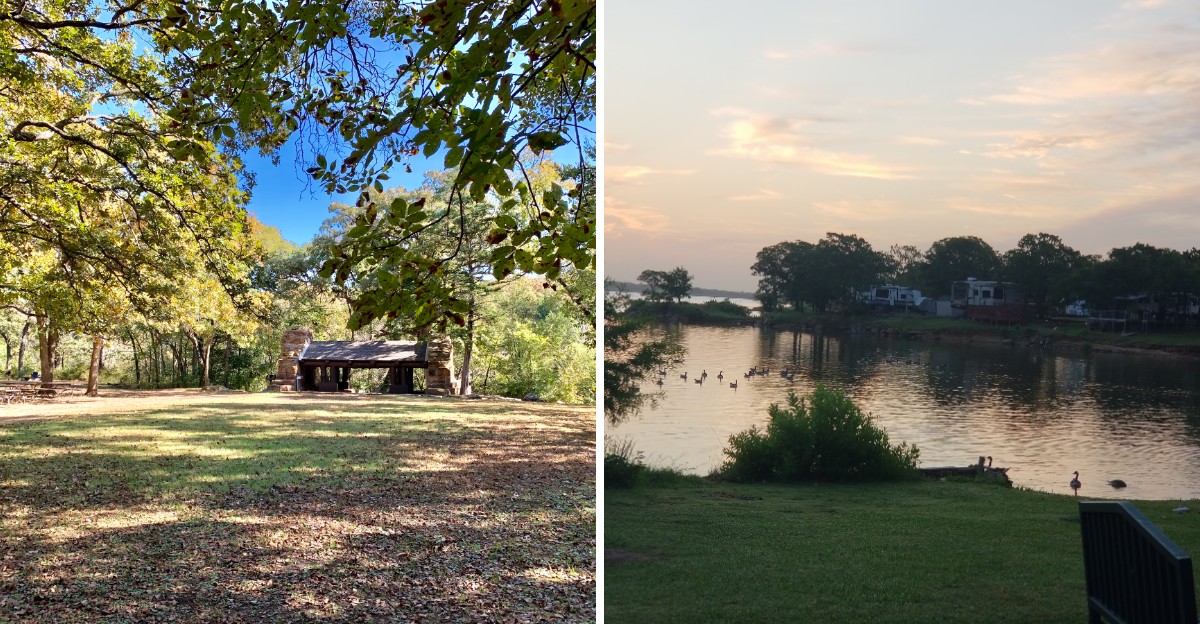
A single female lone star tick can lay thousands of eggs, and many of those babies hatch and cluster together in late summer and fall. Hikers call them seed ticks, and one brush against a clump can leave dozens crawling up your sock.
That detail made me sit up straight. The lone star tick is one of the most common ticks in Oklahoma, and American dog ticks and blacklegged ticks show up in the state too. Cooler weather doesn’t send them packing right away.
Ticks love what fall hikers love. Shady oak woods, tall grass, creek edges, and deer trails make perfect waiting rooms for a tiny hitchhiker.
I’m not saying skip the colorful leaves. I’m saying pack the repellent, tuck in those pants, and learn which favorite outdoor spots give ticks their best buffet.
1. Fort Cobb State Park
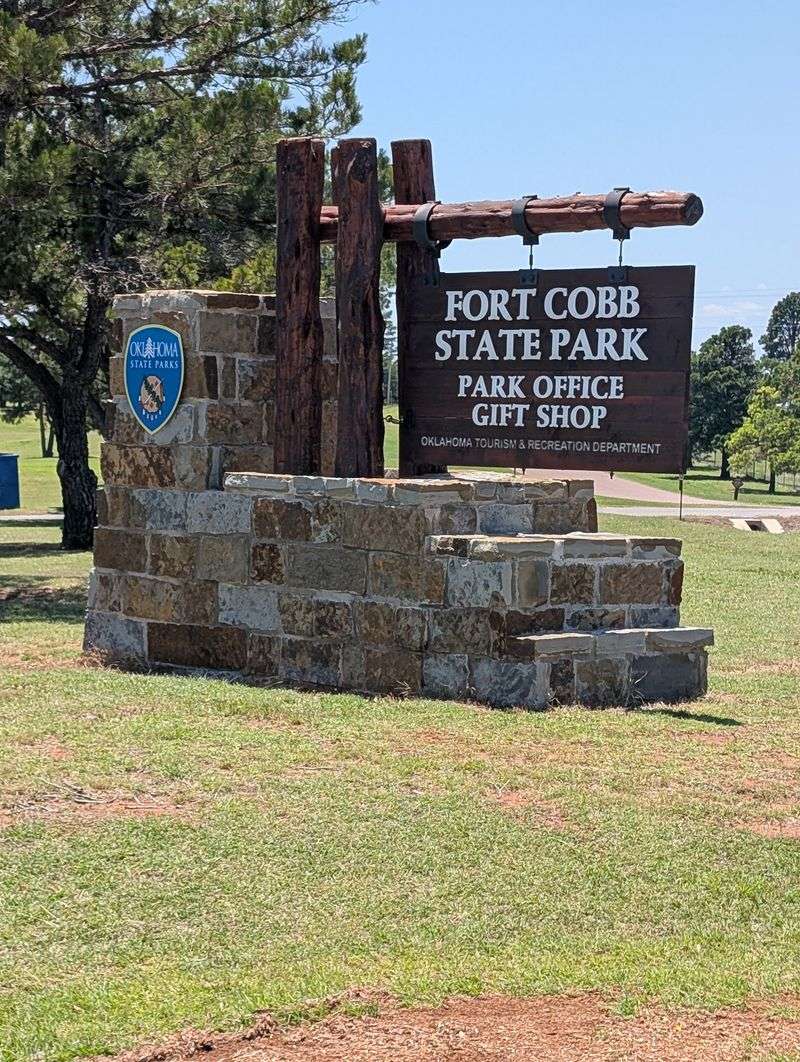
Fort Cobb State Park offers 279 RV sites, 102 tent sites, and five cabins, giving visitors several ways to stay near the water. Ticks probably see that as a very long guest list.
The landscape explains a lot. Fort Cobb Reservoir sits among mixed-grass prairie and cross timbers, and white-tailed deer roam the area freely.
Deer are tick taxis. Adult ticks feed on them, drop off, and leave the next generation waiting in the grass for you.
Bald eagles and ring-necked pheasants live here too, so bring binoculars along with your bug spray. Just don’t wade into tall grass for a closer look.
Golfers aren’t off the hook either. The 18-hole, par 70 course is lovely, but a ball that rolls into the rough can turn into a tick encounter fast.
Staying overnight? Cabins sleep four to six people, and some allow pets for a fee.
Speaking of pets, ask your vet about tick prevention before the trip. Dogs nose through brush and can carry ticks right into your sleeping bag.
The park takes its name from Fort Cobb, a frontier military post from 1859. History buffs can ponder that while doing a careful tick check at the campsite.
Showers are available, and a quick rinse after hiking helps you spot crawlers early. Toss your clothes in a hot dryer for at least ten minutes once you get home.
Address: 27022 Copperhead Rd, Fort Cobb, OK 73038
2. Lake Carl Blackwell
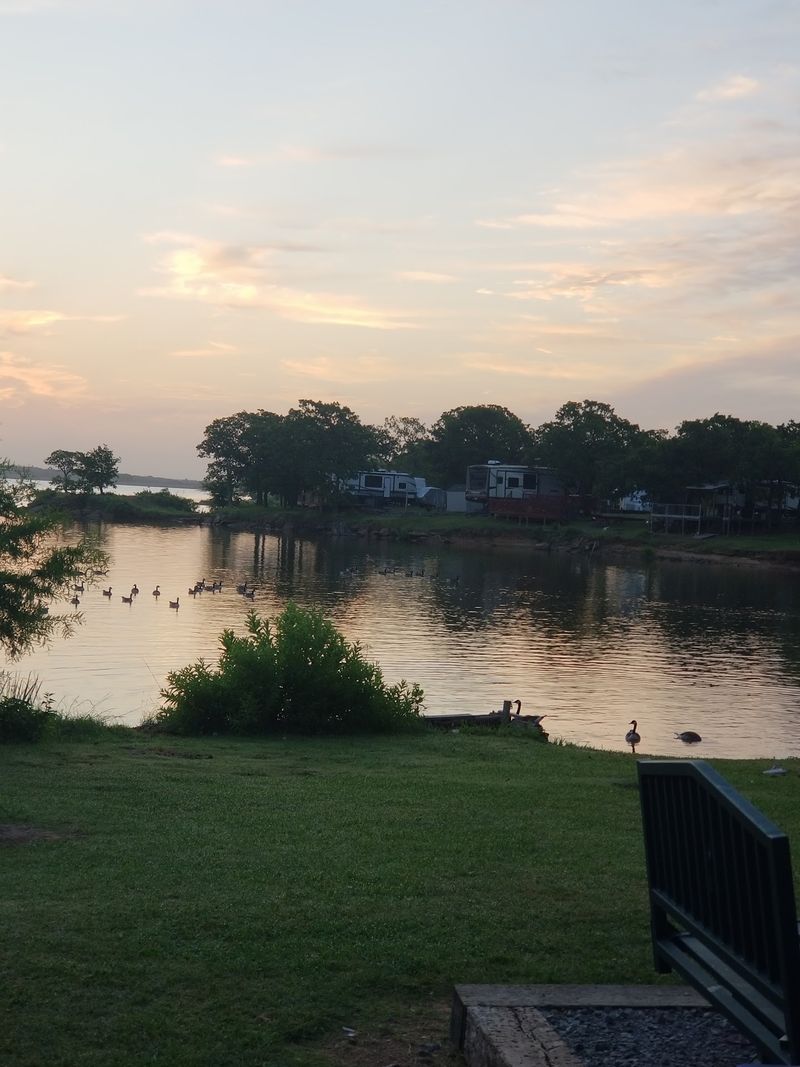
Few lakes can claim a college dean as their namesake, and this one honors Carl P. Blackwell of Oklahoma A&M. Built in 1937, it now belongs to Oklahoma State University and serves both research and recreation.
That mix matters for tick watchers. Big stretches of grass, brush, and woodland edges surround the water, which is the kind of cover ticks prefer on mild autumn afternoons.
Campers get plenty of choices here, from RV sites with full hookups to cabins. Boat ramps, fishing docks, and swimming areas keep the lakeside busy when the weather cooperates.
Hunting season adds another wrinkle. Hunters often push through tall grass and thickets, and that’s prime territory for lone star ticks looking for a ride.
So how do you enjoy the place without bringing guests home? Treat your boots, pants, and gear with permethrin a day or two before your trip.
On the trail, stay near the center of paths and skip shortcuts through weedy patches by the shore. Your shins, ankles, and future self will thank you.
Fun bit of trivia: in 2019, OSU started treating the lake for an invasive plant called yellow floating heart. Even lakes need a little weeding now and then.
Before you climb into the car, check your waistband, behind your knees, and along your socks. Shake out jackets and camp chairs too, since ticks happily accept a free lift.
Address: 11000 W State Highway 51, Stillwater, OK 74078
3. Boiling Springs State Park
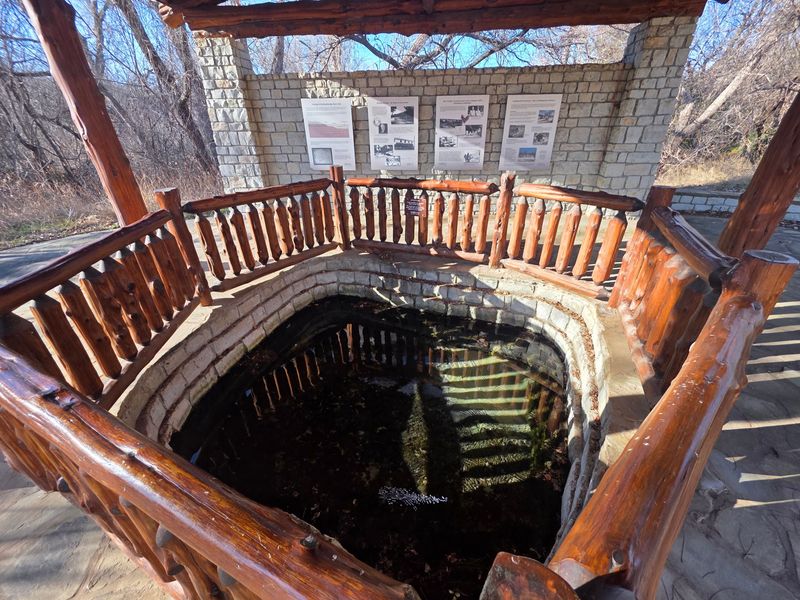
Springs here look like they’re boiling, yet the water stays cool. The bubbling comes from water pushing up through the sand below.
That water creates an oasis in a semi-arid corner of northwest Oklahoma. Lush woodlands grow thanks to the springs and the nearby North Canadian River.
Here’s the catch for hikers. Shade and moisture help ticks stay hydrated, so a leafy refuge in dry country can be a tick hangout.
The Scout Interpretive Trail is a fun way to learn about the area. Walk it in light-colored clothing so dark specks stand out quickly.
History runs deep at this park. It’s one of the seven original Oklahoma state parks, built by the Civilian Conservation Corps from 1935 to 1939.
Look for the stone buildings and the CCC monument in the main picnic area. Those workers left a lasting mark, and you’d rather ticks didn’t leave one on you.
Spanish explorers may have passed through as early as 1541. Imagine their gear checks, minus the handy repellent.
Shaul Lake adds another pretty stop. William Shaul bought the land in 1925 and built the lake by 1930.
Camping options include RV sites, tent sites, cabins, and group camps. After a day on the trails, check your hairline and armpits before settling into your bunk.
Address: About 6 miles northeast of Woodward, Woodward, OK 73801
4. Canton Wildlife Management Area
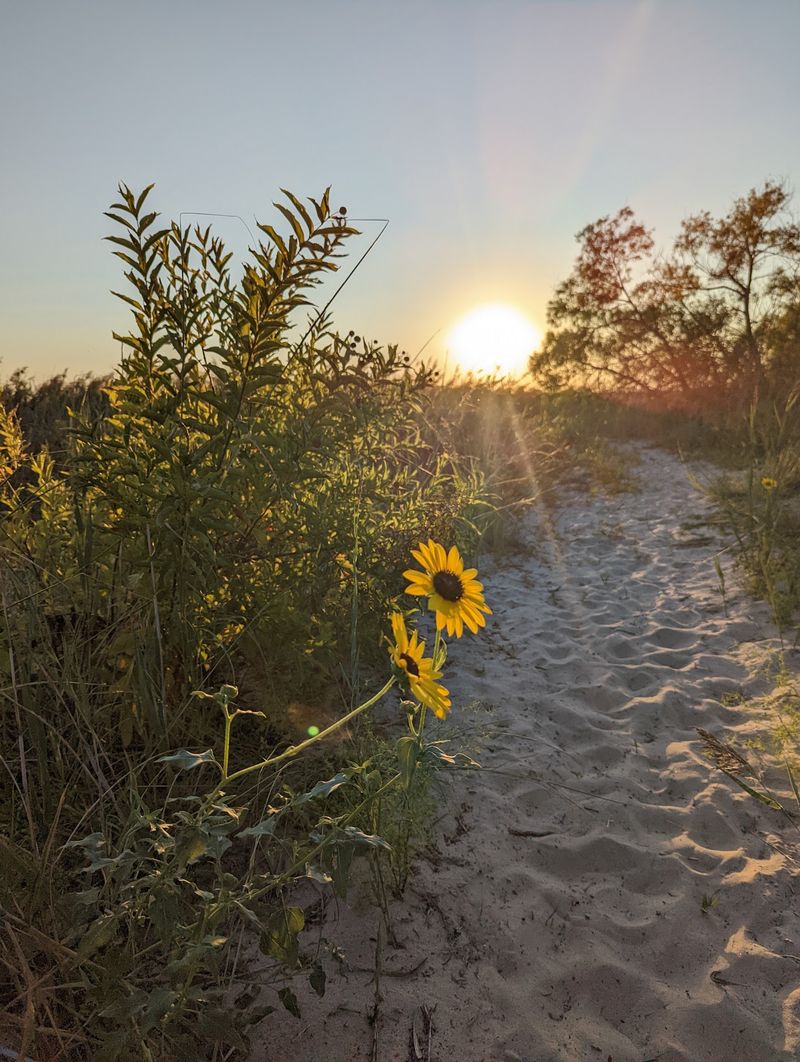
Picture-perfect tick country doesn’t get much bigger than 14,874 acres. Canton WMA wraps along the Canton Lake shoreline and consists primarily of floodplain habitat, with some upland areas toward its western end.
Dense post oak and blackjack oak stands mix with native grass openings. Those edges, where woods meet grass, are classic tick zones.
Fall brings hunters for deer, turkey, quail, rabbit, squirrel, and migratory birds. The same wildlife that draws hunters also feeds plenty of ticks.
Amenities are mostly primitive here. Pack your own repellent, a lint roller, and a mirror for checking hard-to-see spots.
Anglers can chase striped bass, crappie, and catfish in Canton Lake. Bank fishing near brushy spots can still put you in tick range, so tuck those pant legs.
The Oklahoma Department of Wildlife Conservation manages the area. It was established in 1955, a few years after the Canton Lake Dam was completed in 1948.
Wildlife viewing is open year-round in public access areas. Sitting quietly on a log for an hour sounds peaceful, but ticks love a still target.
Bring a small cushion or folding stool instead. Keeping off the leaf litter cuts down on crawlers.
Hunters, give your blaze orange gear a permethrin treatment too. Protection works best on clothing, not just skin.
Location: Canton Wildlife Management Area, around Canton Lake, northwest of Canton, OK 73724.
5. American Horse Lake
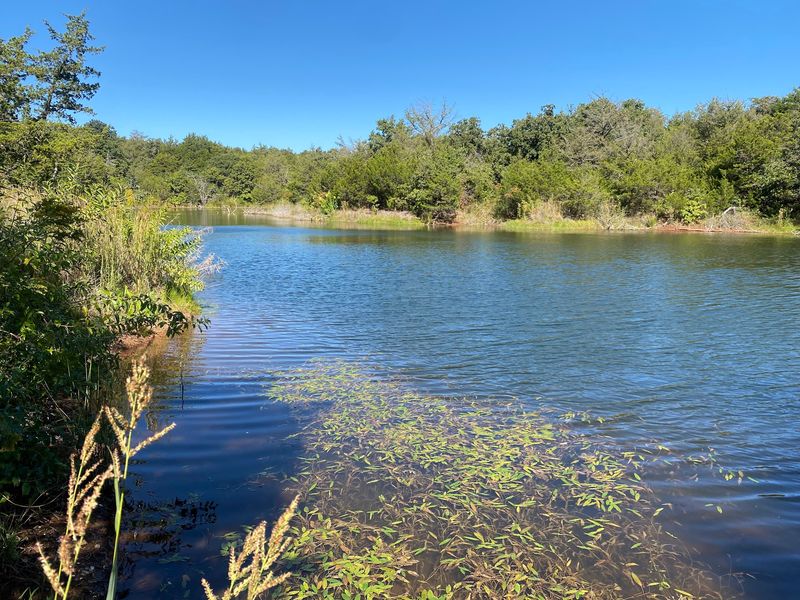
Stargazers love this lake because the nearest electric light sits several miles away. Ticks don’t care about constellations, though they’ll gladly join your night out.
American Horse Lake is primitive in the best way. You’ll find one concrete boat ramp, several picnic tables, and a water well.
Post oak and blackjack forest surrounds the water, along with mixed-grass eroded plains. That combo gives ticks plenty of hiding spots.
Astronomy clubs favor the dark skies here. If you’re setting up a telescope, pick a mowed or bare spot instead of tall grass.
Anglers come for bluegill and largemouth bass. Bank fishing is popular, and so is tube fishing among flooded timber and weed beds.
Primitive tent camping runs first-come, first-served, with a three-night maximum. Gathering firewood from trees or dead branches isn’t allowed, so bring your own.
That rule has a bonus. Fewer trips into the brush means fewer chances for ticks to hop aboard.
The lake has quite a comeback story. Tropical Storm Erin damaged the dam in 2007, and the lake finally reached full pool again in 2019.
You’ll need a conservation permit or a hunting or fishing license to use the area. Add a headlamp to your list for late-night tick checks inside the tent.
Address: About 10 miles west of Geary, Blaine County, Geary, OK 73040
6. Lake Thunderbird State Park
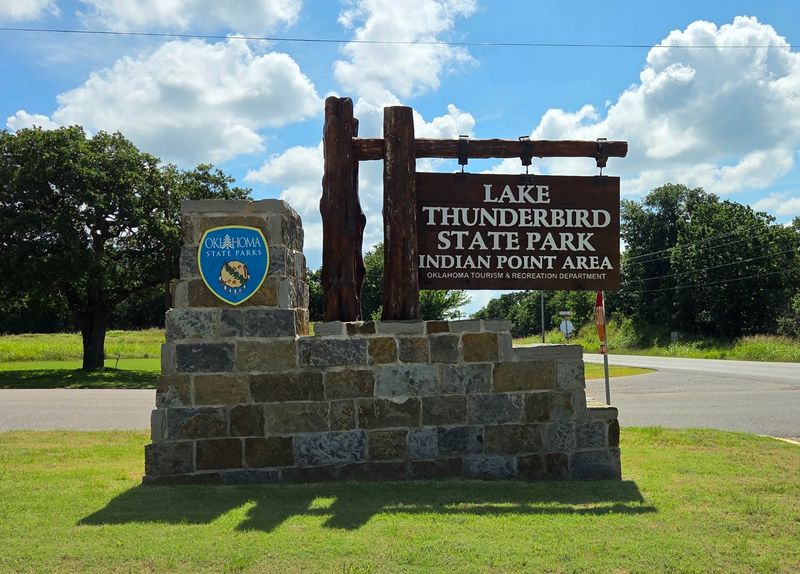
Lake Thunderbird started life with a much plainer name, Little River Reservoir. Completed in 1965, it supplies water to Norman, Midwest City, and Del City.
Today the park is a huge playground near the metro. Two marinas, two swimming beaches, and two campgrounds keep visitors coming.
The trail system is where tick awareness really counts. Hiking, biking, and equestrian trails wind through wooded areas around the lake.
Horseback riders, take note. Horses brush through vegetation, and ticks can latch onto both rider and mount.
Clear Bay and Little Axe campgrounds offer RV sites with full hookups and primitive tent camping. Tent campers sit closer to the ground, so a quick nightly check is smart.
Kids can enjoy the playgrounds and Discovery Cove Nature Center at Lake Thunderbird State Park. The park also offers hiking trails and an archery range, so check current activity information before you go.
Little explorers also love poking around in leaf piles. Teach them to check their scalp, ears, and belly button after playtime.
Wear light colors on the trails and tuck your shirt in. It’s not a fashion statement, but neither is a tick on your waistline.
Showers in the park help you rinse off after a long hike. Use that time for a head-to-toe check, especially behind your knees.
Address: 13101 Alameda Dr., Norman, OK 73026
7. Sequoyah State Park
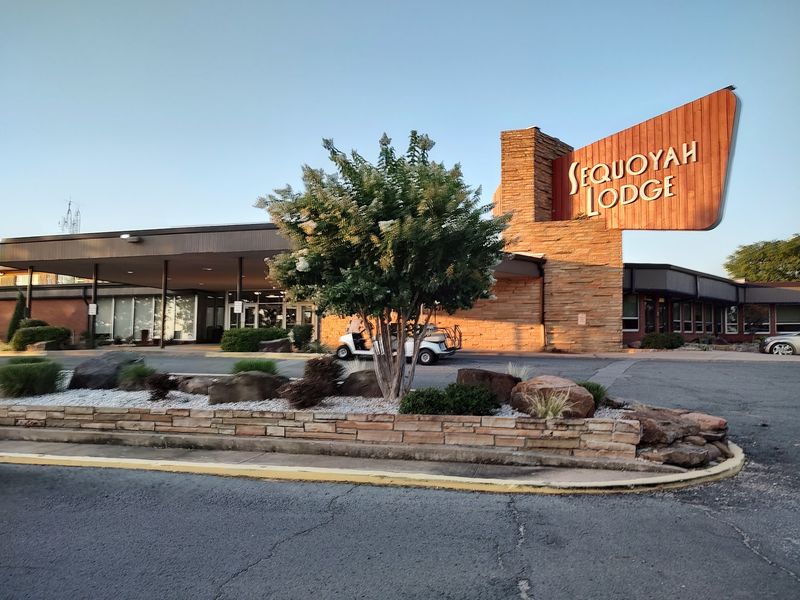
Water surrounds this 2,200-acre peninsula on three sides, and trees line much of that shoreline. Fall color looks gorgeous here, and ticks enjoy the scenery too.
Sequoyah sits on the eastern shore of Fort Gibson Lake. Don’t mix it up with Sequoyah Bay State Park, which lies on the western shore.
Twelve mapped trails give hikers lots of room to roam. More trail miles mean more chances to brush past grass and low branches.
Riding stables add another way to explore. If you saddle up, keep pants tucked into boots and check your horse’s legs afterward.
The Three Forks Nature Center is a great stop for curious minds. Ask about local wildlife, since deer and small mammals help keep tick numbers going.
Lodging choices are surprisingly wide. You can book a room in the 104-room lodge, a cottage, a yurt, or set up a tent or RV.
Golfers can play the nine-hole course. Retrieve stray balls carefully from tall grass along the edges.
Paradise Cove Marina keeps boaters happy. Being on the water lowers tick risk, but walking to the dock through brushy areas doesn’t.
Store hiking clothes in a sealed bag until laundry time. Ticks can crawl out of a backpack and surprise you later in the lodge.
Address: 17131 Park 10, Hulbert, OK 74441
8. Beavers Bend State Park
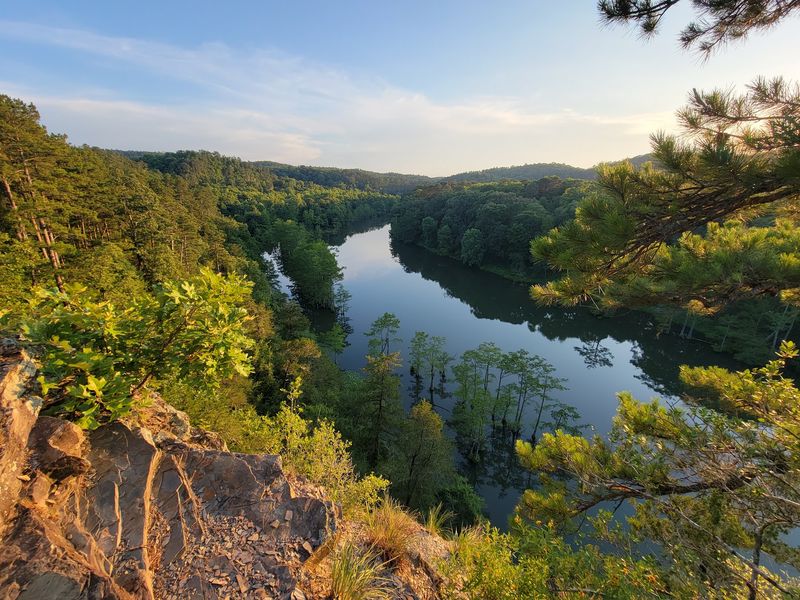
Southeast Oklahoma’s mountain country feels a world away from the plains. Dense forests, Broken Bow Lake, and the Mountain Fork River shape this famous park.
Those thick woods are lovely in fall. They also create moist, shady ground where ticks thrive.
Hiking and nature trails wander through the forest. Use a repellent with DEET or picaridin on exposed skin before you start.
Horseback riding is another popular activity here. Riders often travel through brush, so a post-ride check is a must.
The Civilian Conservation Corps developed the park in the 1930s. You can learn about the region’s woods at the Forest Heritage Center Museum, dedicated in 1975.
Paddle boats and canoes offer a tick-light way to enjoy the scenery. Water doesn’t hide many ticks, though the grassy launch areas might.
Families can enjoy mini-golf and a regular golf course. Lakeview Lodge and a restaurant make it easy to stay a few days.
Campers can choose RV campgrounds, tent sites, or cabins. Pitch your tent away from leaf piles and tall weeds when possible.
Bird watchers, bring patience and a sitting pad. Standing still among the trees invites ticks to climb aboard, so check often.
Address: 4350 S State Park Rd, Broken Bow, OK 74728
9. Keystone Ancient Forest
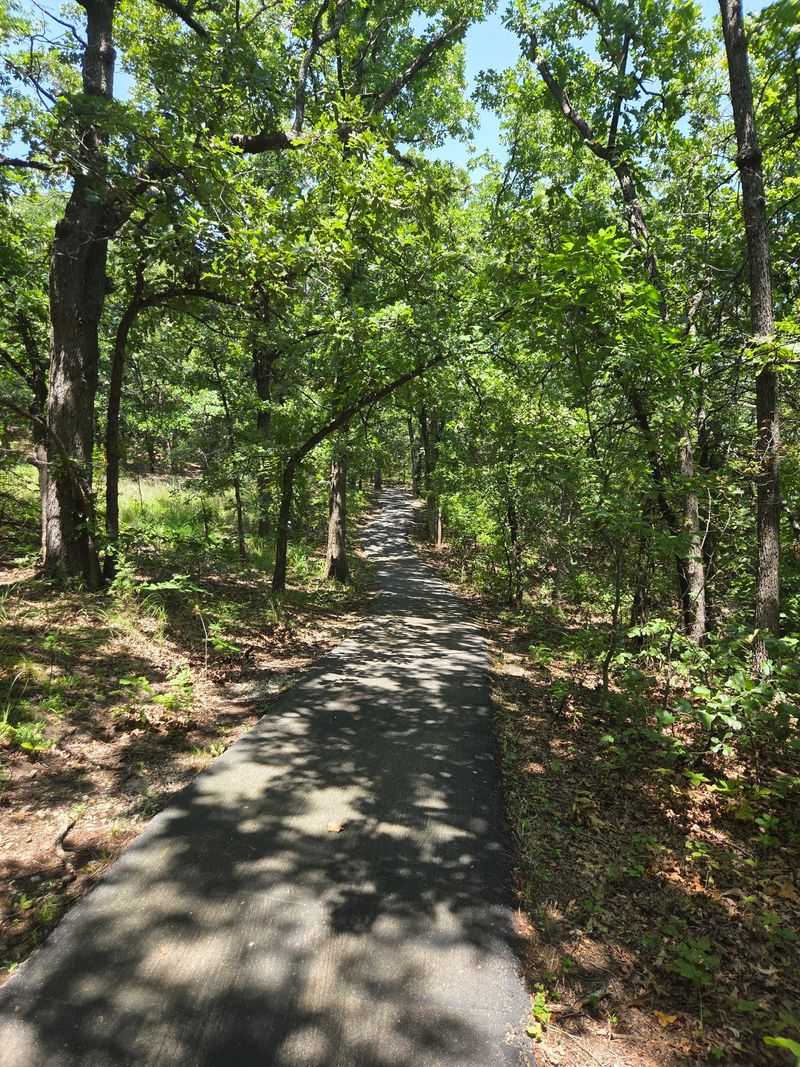
Some of the cedars here are estimated to be 500 years old. Post oaks in this preserve have stood for around 300 years.
That makes it the first property in Oklahoma to join the Old Growth Forest Network. The Nature Conservancy also recognized it as one of the last great places on Earth.
Old forests mean deep leaf litter and lots of wildlife. Both make a cozy setup for ticks hiding near the trail.
The preserve covers 1,380 acres near the shores of Keystone Lake. Several hiking trails let you explore the twisted trees up close.
Hours are limited to certain days, and some Saturdays aren’t open. Check the schedule before you drive out.
ADA accessible paths make the forest welcoming to more visitors. Staying on the paved or cleared paths also keeps you away from tick-friendly brush.
Resist the urge to lean against those famous old trunks for photos. Ticks can lurk in the bark and nearby vegetation.
Restrooms are available on site. They’re a handy spot for a quick tick check before the drive home.
Hikers who love ancient things should still respect the tiny modern ones. A little planning keeps your visit memorable for the right reasons.
Address: 160 Ancient Forest Drive, Sand Springs, OK 74063
10. Osage Hills State Park
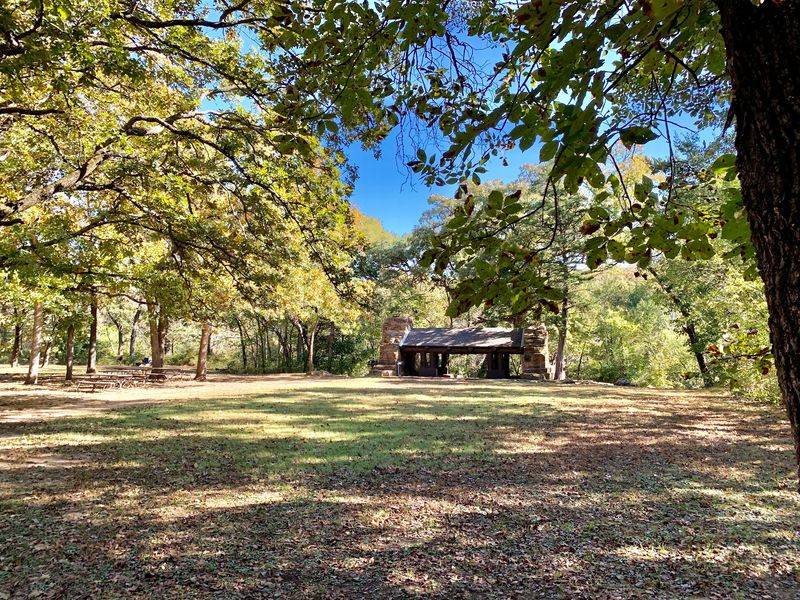
Fall paints this park in yellow, orange, and red. It’s easily one of the prettiest autumn drives in the Osage Nation.
Lush forests and rocky bluffs cover about 1,100 acres. White-tailed deer and wild turkeys wander through, and both can carry ticks.
Like Boiling Springs, this is one of the seven original Oklahoma state parks. Civilian Conservation Corps crews began building here in 1935.
Eight rustic native stone cabins still stand from that era. Their interiors are updated, while the outside keeps its original look.
History fans can find old CCC foundations, an amphitheater, and a lone chimney at the north end. Wander the ruins, but stick to cleared ground.
Lookout Lake offers bass, crappie, catfish, and perch. Bank anglers should scan their legs between casts.
Hiking and biking trails lead through the woods. Tuck your pant legs into socks, even if it looks a little goofy.
Tent Hill is a designated tent camping area. Consider a ground cloth and keep gear zipped tight overnight.
Armadillos sometimes show up too, which makes for fun spotting. Just enjoy them from a distance and finish your day with a full tick check.
Address: 2131 Osage Hills Park Rd, Pawhuska, OK 74056