
Quiet Mississippi Gulf Coast Town Features A Massive 2-Mile Boardwalk Where Admission Costs Absolutely Nothing
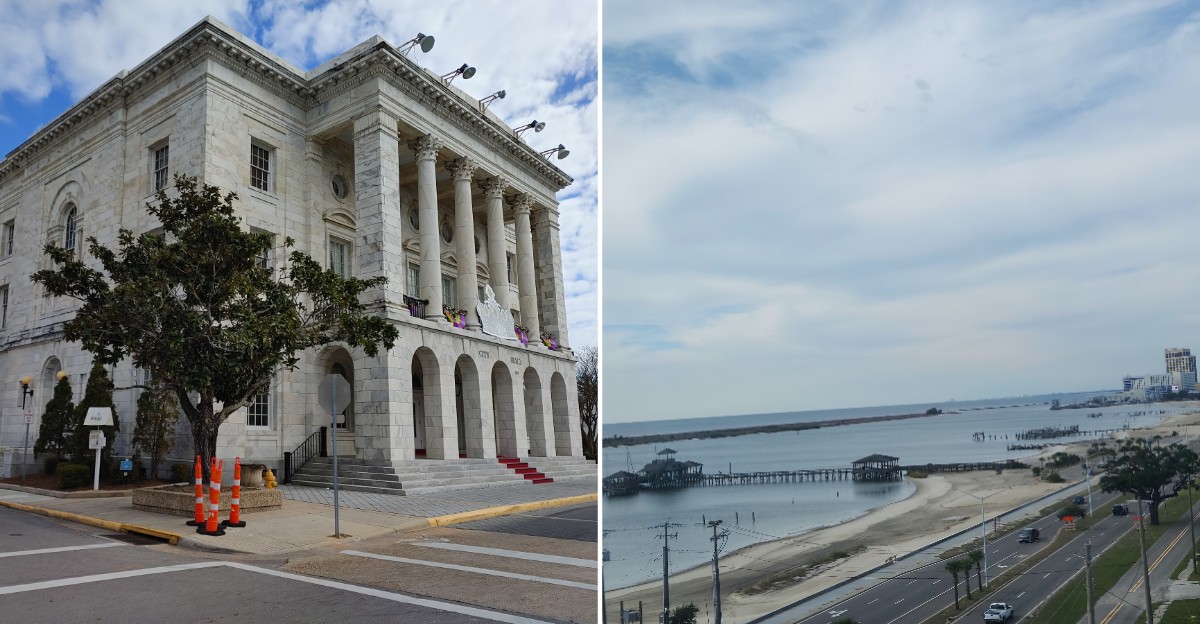
What you see today will stay with you for the rest of your life. Beyond the views stretching in every direction, the walk itself will leave you completely relaxed.
This quiet Mississippi Gulf Coast town features a boardwalk that stretches for miles, with admission costing absolutely nothing. Wooden paths wind along the coastline, keeping the walk accessible without sacrificing the natural scenery around it.
Wildlife shows up regularly along the boardwalk, adding another reason to slow down and pay attention. Nothing about this walk feels overly difficult, making it suitable for visitors of nearly every ability.
Photography opportunities exist around nearly every turn, especially where the boardwalk meets open water. This boardwalk proved that sometimes the best experiences come without any cost attached at all.
Two Free Miles Of Wooden Walkway
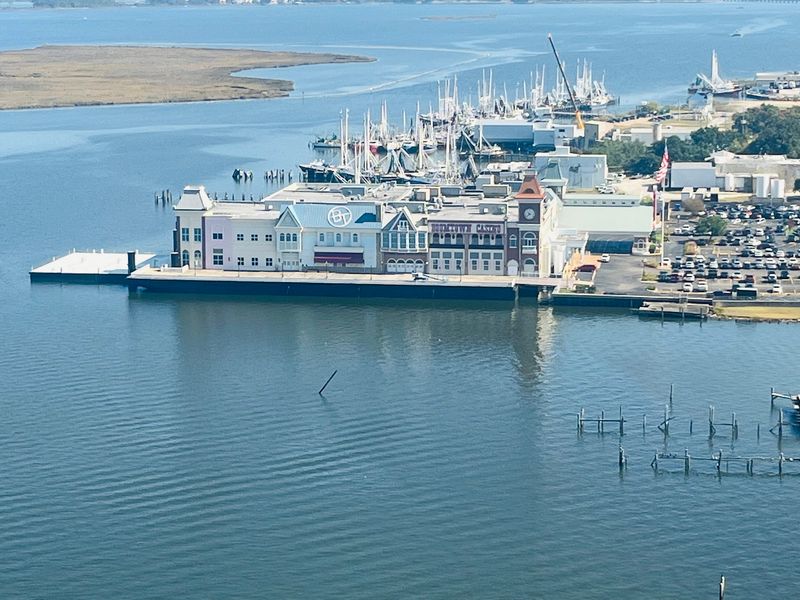
Two miles is longer than it sounds when you say it out loud. Walk it end to end and back, and that is a solid four-mile stretch with sand on one side and the hum of Beach Boulevard on the other.
The best part of the whole setup is the price tag, because there is not one. Free beaches are getting rarer along the Gulf, so a coastline this open feels almost like a clerical error in the visitor’s favor.
Biloxi sits on a 26-mile ribbon of sand often called the world’s largest man-made beach. The boardwalk hugs a chunk of that, giving easy access to the water without anyone having to trudge through soft sand in flip-flops.
Wide, flat, and smooth, the path works for strollers, wheelchairs, joggers, and people who just want to wander slowly while eating something fried. Benches show up often enough that nobody has to power through.
Panoramic views come standard. Shrimp boats drift past, gulls argue over scraps, and the Mississippi Sound stays that hazy blue-green that photographs surprisingly well.
Parking spots line the beachfront, so choosing an entry point is mostly about mood. Some stretches stay nearly empty even on warm weekends.
The boardwalk runs along Beach Boulevard, also known as US-90, in Biloxi, Mississippi, USA.
History Kiosks Worth Actually Reading
Most signs along a beach path get ignored, and fair enough. The ones scattered across the West Biloxi Boardwalk break that rule because the stories on them are genuinely odd and good.
One kiosk shares what Harry S. Truman thought about the Mississippi Gulf Coast beachfront during a 1941 drive, years before he became president.
Reading a future commander in chief’s road trip opinion while standing on the same shoreline is a small thrill.
Another honors the Native Guard, African-American troops stationed on Ship Island during the Civil War. Their story does not get told often enough, and having it written out here, facing the water they once looked across, lands differently than a textbook page.
Wildlife gets attention too. Panels explain which shore birds show up and when, including least terns and brown pelicans, which means the birds overhead suddenly have names and backstories.
The kiosks are spaced out, so nobody gets stuck reading a wall of text. Walk a while, stop, learn something, keep going.
For families, the signs turn a plain walk into a low-effort scavenger hunt. Kids who would normally complain about walking will often race ahead to find the next one.
It is a museum with no roof, no line, and a breeze.
White Sand And Water That Stays Shallow
Anyone who has been body-slammed by an ocean wave will appreciate what happens here. The water off Biloxi Beach stays shallow and calm, more like a warm bathtub than a workout.
Sand along this stretch runs bright white and fine, the kind that squeaks slightly underfoot. It reflects sunlight hard enough that sunglasses stop being optional around midday.
Toddlers can splash without parents having a minor heart attack every thirty seconds. That alone explains why so many families park themselves here instead of chasing bigger surf elsewhere.
The Mississippi Sound sits between the mainland and the barrier islands, which is exactly why the waves arrive so politely. Those islands take the brunt of the Gulf’s energy long before anything reaches shore.
Beachcombers do well along the waterline. Small shells, bits of sea glass, and the occasional crab claw turn up with almost no effort.
Quiet is the real draw. Compared to the packed beaches a few hours east, this coastline often has stretches where the loudest thing around is a pelican hitting the water.
Bring a towel and a cheap umbrella. Shade is limited, and the Mississippi sun does not negotiate.
People come here to do very little, very well. That is the entire appeal.
Shops And Seafood Along The Strip
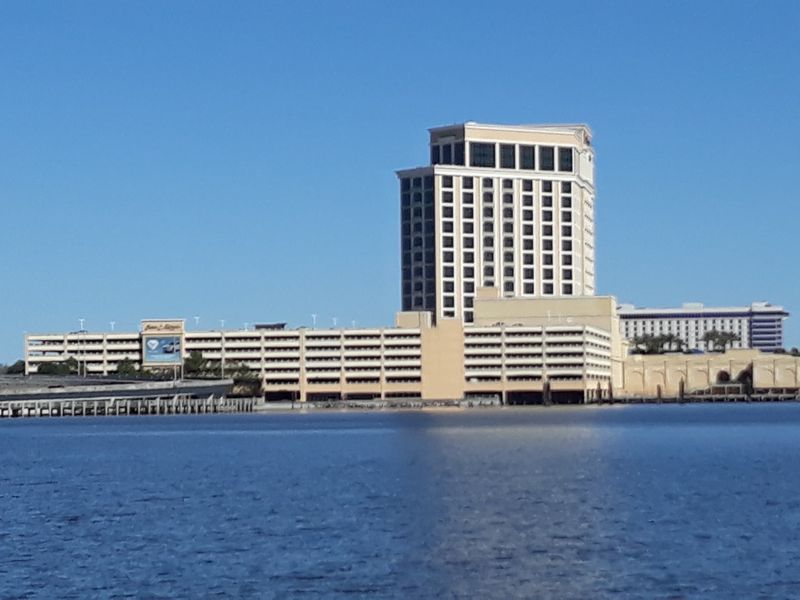
There is a souvenir shop near the West Biloxi Boardwalk called Sharkheads, and yes, the entrance is a giant shark mouth. Subtlety was clearly not the goal, and the building has become a landmark because of it.
Inside, the inventory covers everything from airbrushed shirts to shell figurines to hermit crabs. It is gloriously over the top in the way beach town shops are supposed to be.
Restaurants dot the stretch along and near the boardwalk, and Biloxi’s seafood reputation is not marketing fluff. The city was once known as the Seafood Capital of the World, back when oyster and shrimp canneries ran the local economy.
Shrimp, oysters, gumbo, po’ boys. The kitchens here treat Gulf seafood as a birthright rather than a novelty item.
Local art shows up too, in small galleries and shops that lean into coastal themes without becoming a factory-made cliché. Plenty of it comes from artists who live a few blocks away.
Walking between stops is part of the fun since almost everything sits within reach of the beachfront. Nobody needs to move the car twice.
Skip the big meal before arriving. Half the pleasure here is grazing your way down the strip with sand still stuck to your ankles.
Sunsets That Turn The Sky Orange
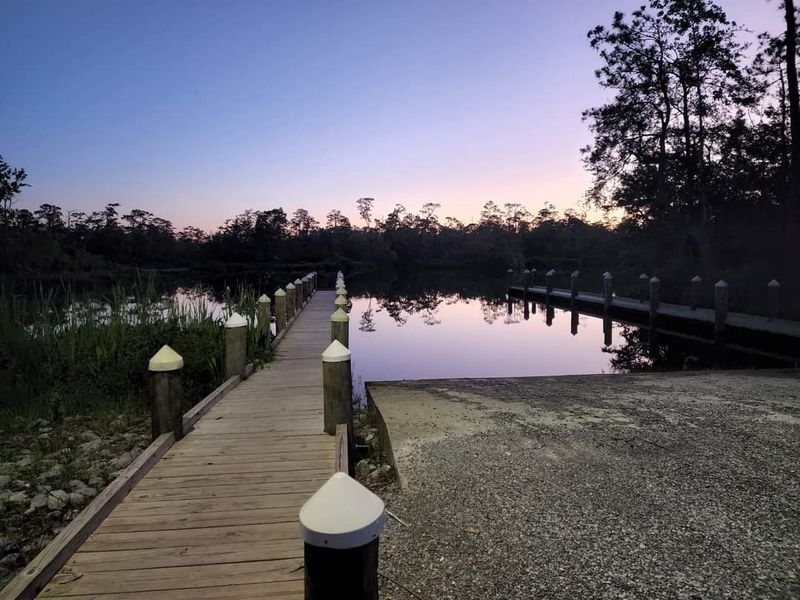
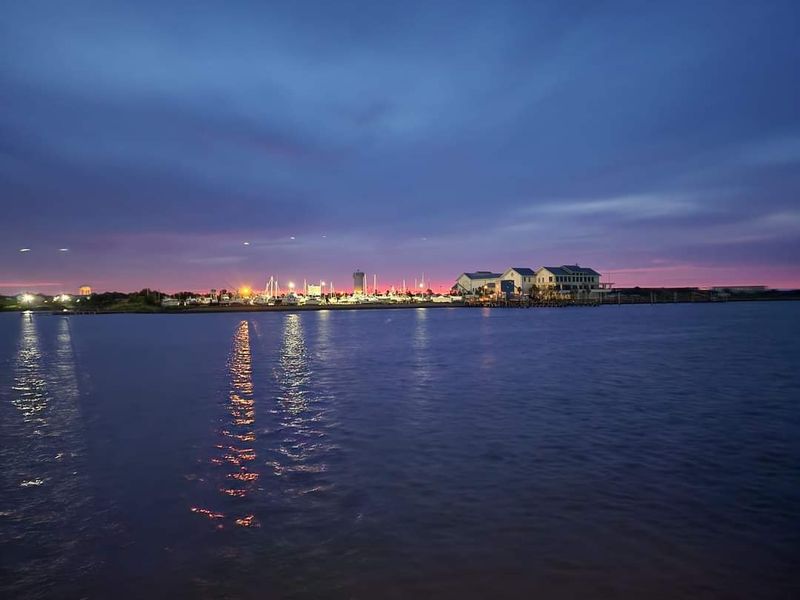
Evening is when the boardwalk quietly wins. The sun drops toward the water and the whole sky shifts through orange, pink, and a purple that looks slightly unreal in photos.
Because the coast faces south across open water, there is nothing blocking the view. No high-rises crowding the horizon, no hills, just sky doing its thing.
Lighting along the path keeps things comfortable after dark, so an evening walk does not require a flashlight or a leap of faith. The lamps give the boardwalk a soft glow that pairs well with the sound of small waves.
Temperatures cool off noticeably once the sun goes down, which matters a lot in a Mississippi summer. Locals time their walks for exactly this window.
Photographers stake out spots near the pilings and the lighthouse for reflections on the wet sand. Even a phone camera does embarrassingly well here.
Couples, joggers, and people walking dogs all share the path at dusk. The vibe stays mellow rather than crowded.
Fun detail worth knowing: the sunsets reflect off the Mississippi Sound, doubling the color show on calm nights.
Stick around after the sun disappears. The best fifteen minutes usually happen once everyone else has already left.
Plenty To Do Besides Walking
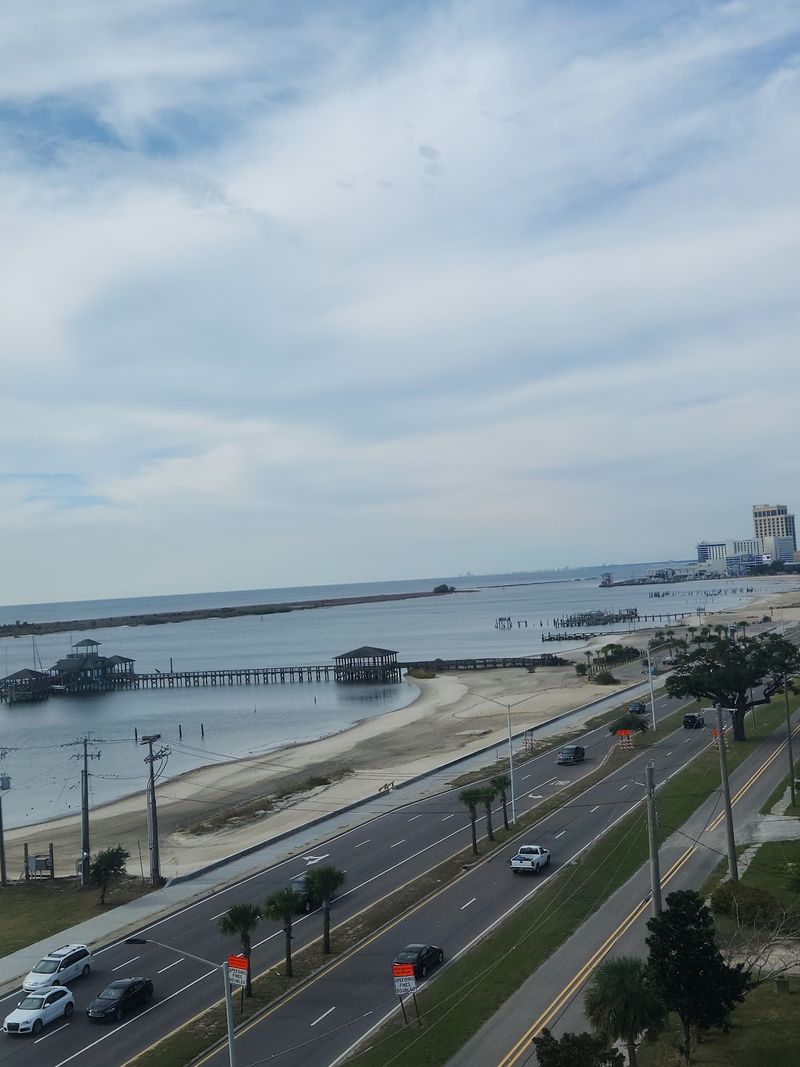
Walking is the headline, but the beach next door keeps people busy in a dozen other ways. Volleyball nets go up on the sand, and pickup games start with barely any negotiation.
Water sports work well here thanks to the calm conditions. Paddleboarding and kayaking feel far less intimidating when the waves are ankle-high, and the water warms up early in the season.
Kite flying is weirdly popular along this coast, and the steady Gulf breeze explains why. On windy afternoons, the sky above the sand looks like a craft fair took flight.
Beachcombing fills the slower hours. Shells collect near the waterline, and shorebirds patrol the same stretch looking for lunch.
Palm trees line the beachfront in long rows, which adds real tropical credibility to a state most people associate with pine forests and catfish ponds. The contrast is part of the charm.
Fishing happens from nearby piers and jetties, and watching someone land a redfish is decent entertainment even for non-anglers.
Families tend to build entire days here without spending much at all. Sand, water, a cooler, and a long walkway cover most of it.
Bring a ball, a kite, or nothing whatsoever. The beach handles all levels of ambition.
Clean Paths And An Easygoing Crowd
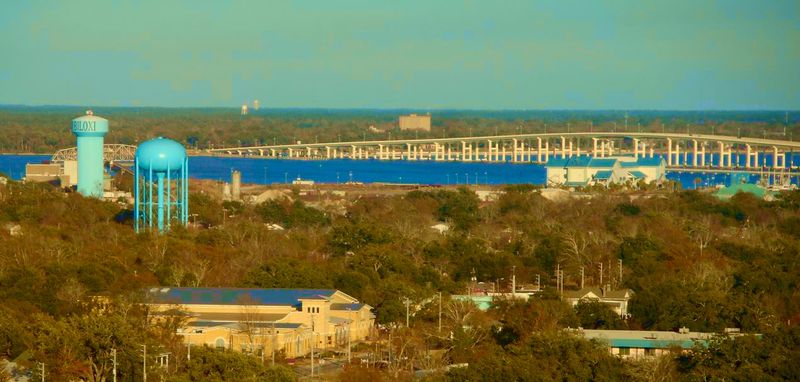
Cleanliness does not usually make anyone’s highlight list, and yet it comes up constantly with this boardwalk. The path stays swept, the trash bins get emptied, and the sand next to it does not look like a festival happened yesterday.
Navigation is about as simple as it gets. One long path, water on one side, road on the other, and no chance of getting lost unless someone really commits to it.
Police presence along the beachfront is visible, which adds a layer of comfort for families and solo walkers alike. Evening walks feel relaxed rather than sketchy.
The crowd skews local, which changes the entire mood. There is less of the frantic tourist energy and more of a neighborhood-out-for-a-stroll feeling.
Mississippi hospitality is not a tourism slogan invention. People here will hold a conversation with a stranger about the weather, the fishing, or where to find good gumbo without being asked twice.
Restrooms and showers exist at several points along the beachfront, which solves the usual sandy-feet problem.
Accessibility deserves a mention too, since the flat surface handles wheelchairs and strollers without drama.
Small things stack up here. Clean, easy, and welcoming turns out to be a surprisingly rare combination at a free beach.
The Coastal Beacon And Other Stories
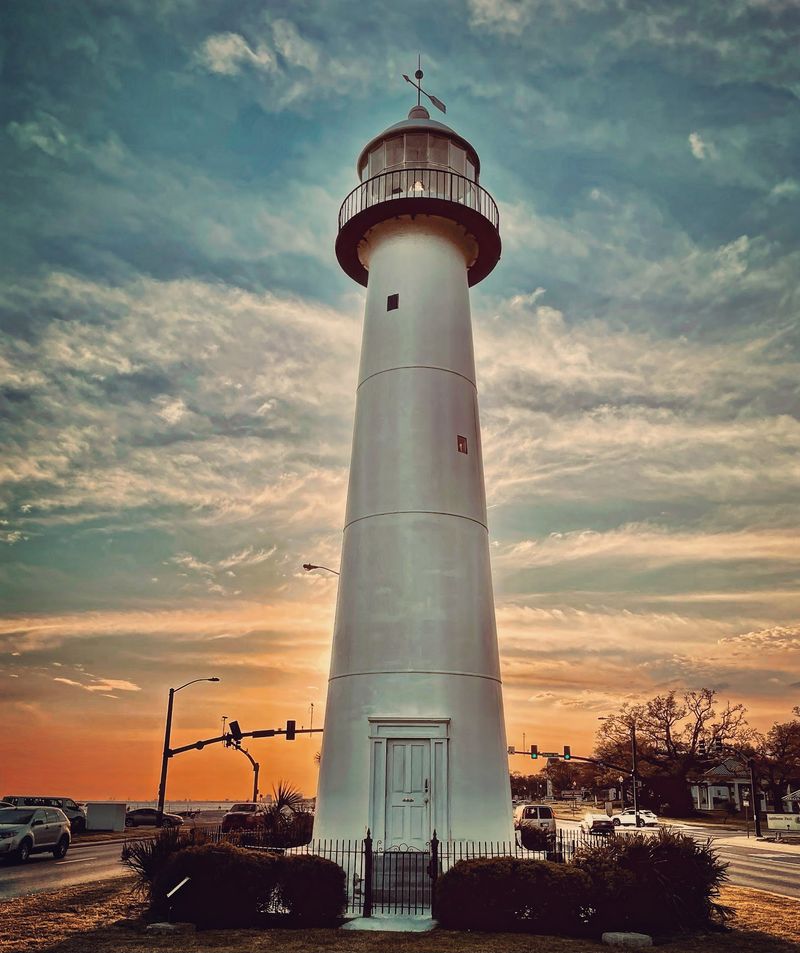
Standing in the median of Highway 90 is a white cast-iron lighthouse from 1848, and it has survived more than most buildings on this coast. Hurricanes, wars, and highway expansion all failed to knock it down.
The Biloxi Lighthouse became a symbol of the city’s stubbornness, especially after Katrina. Its base still shows how high the water rose.
Biloxi itself dates back to 1699, making it one of the oldest established cities in the country. French colonists got here long before most of America existed on any map.
Maritime roots run through everything. The Maritime and Seafood Industry Museum covers boatbuilding and the schooners that once hauled oysters by the ton.
The Beauvoir estate and Jefferson Davis Presidential Library sit nearby for anyone digging into Civil War history. Heavy subject matter, but it is part of the record here.
Offshore, Deer Island shelters pelicans and loggerhead turtles, visible as a low green line from the beach.
Combining a boardwalk walk with a lighthouse stop takes almost no extra effort since they sit within sight of each other.
Quick fact to carry home: that lighthouse was tended by women for longer than most lighthouses in the country, including one keeper who served for decades.