
Rescued Cats Find Love, Safety, And A Second Chance At This Cage-Free Colorado Sanctuary
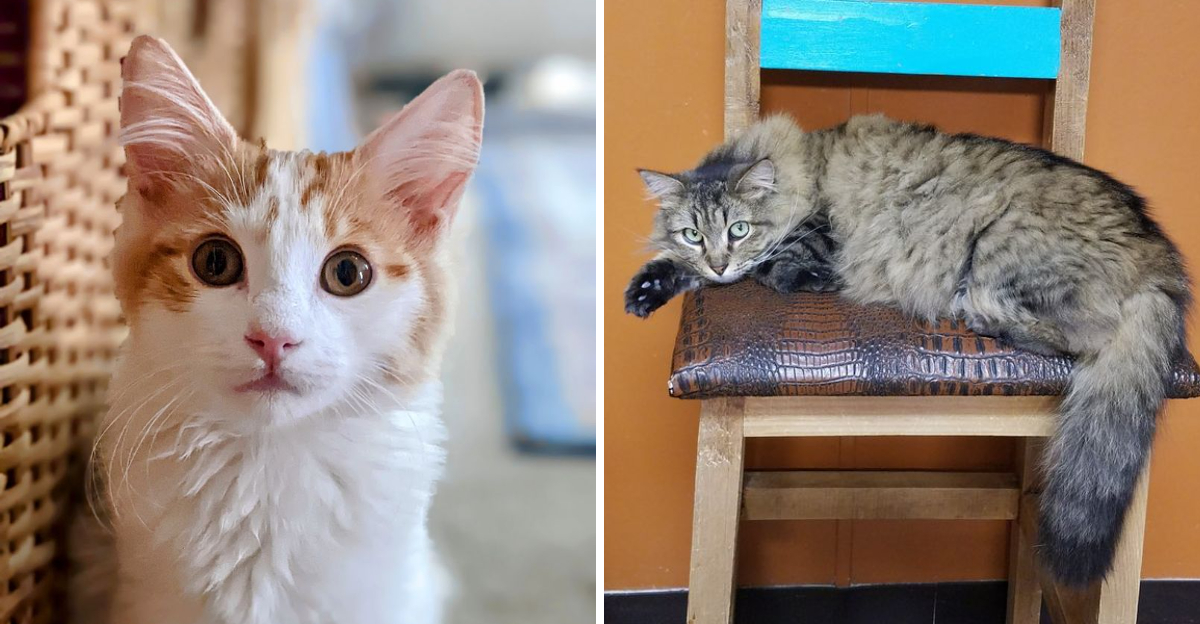
No cages anywhere in sight. Just cats roaming free, exactly how they please.
This Colorado sanctuary skips stacked kennels for open rooms full of sunbeams and quiet shelves. Personalities show up honestly, no fear hiding who a cat really is.
Grey-muzzled seniors get a soft landing too. Cats with lifelong medical needs find patient care most shelters cannot offer.
A screened catio lets residents feel a breeze and watch birds without real risk. Bottle-fed kittens arrive certain weeks, needing round-the-clock feedings.
Every resident leaves spayed, vaccinated, and checked before adoption becomes final. Colorado families drive in from surrounding counties just to meet these cats.
Love and a second chance wait behind these doors. A visit here rarely ends without someone falling for the wrong cat, in the best way.
A Rescue Built On One Simple Promise
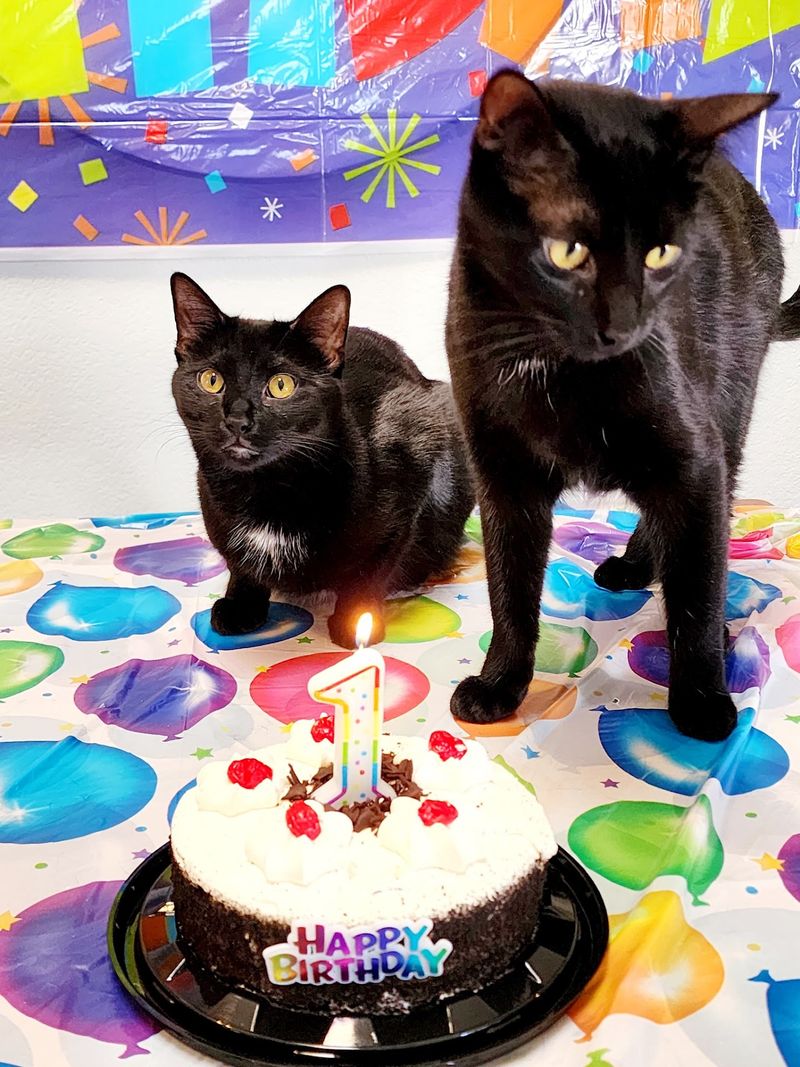
Every rescue starts somewhere. Almost Home Adoptions began in November 2005 with a straightforward goal.
Give homeless cats a safe place and a fair shot at a real home. That promise still shapes everything inside the building.
Cats arrive from many directions. Some were strays wandering Colorado neighborhoods.
Others came from public shelters where space ran short.
The organization operates as a no-kill, non-profit rescue. No cat gets turned away because of age or a complicated medical chart.
Care goes beyond food and shelter. Medical treatment, behavior support, and daily attention all factor into the routine.
Visitors will find the sanctuary at 6010 W 88th Ave, Westminster, CO 80031. Parking sits close, and the entrance feels more like a house than a facility.
Volunteers greet guests at the door. They know the cats by name, personality, and preferred nap spot.
That familiarity matters during adoption conversations. Staff can explain which cat prefers quiet rooms and which one supervises every houseguest.
Two decades of steady work built this place. The mission has stayed remarkably consistent.
Open Rooms Instead Of Metal Bars
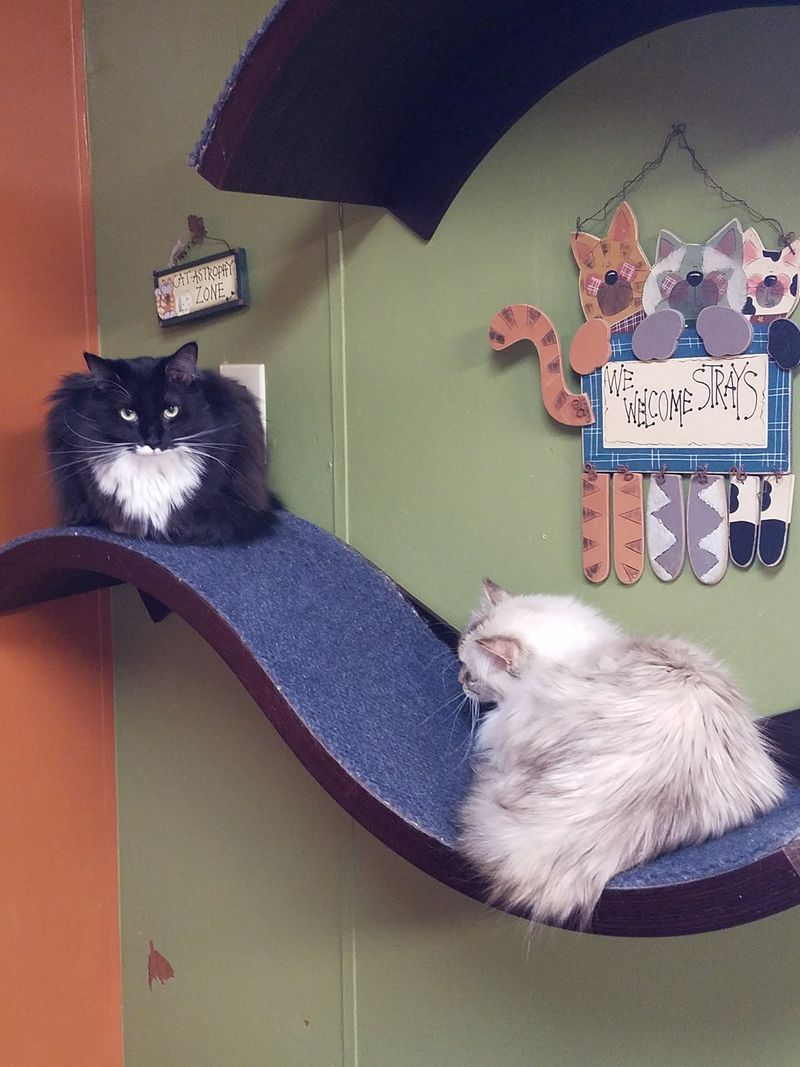
Bars stay out of the picture here. Cats at Almost Home Adoptions roam communal rooms rather than sitting in stacked enclosures.
The layout gives them choices all day long. Climb high, hide low, or stretch out in a sunbeam.
Freedom changes behavior in visible ways. Cats groom each other, chase toys, and sort out their own social order.
Stress levels drop when animals control their own space. That shows in how relaxed many residents appear.
Rooms include cat trees, tunnels, shelves, and quiet cubbies for privacy. Shy cats always have somewhere to retreat.
For adopters, the setup offers a practical advantage. Personalities show up honestly instead of hiding behind fear.
A cat who follows visitors around the room will likely do the same at home. One who watches from a shelf may need patience.
Volunteers point out these differences during visits. Their observations help people avoid mismatched expectations.
Cage-free living also eases the move to a new house. Cats already understand furniture, foot traffic, and household noise.
Fewer bars, better transitions, calmer cats.
Where Seniors And Special Needs Cats Belong
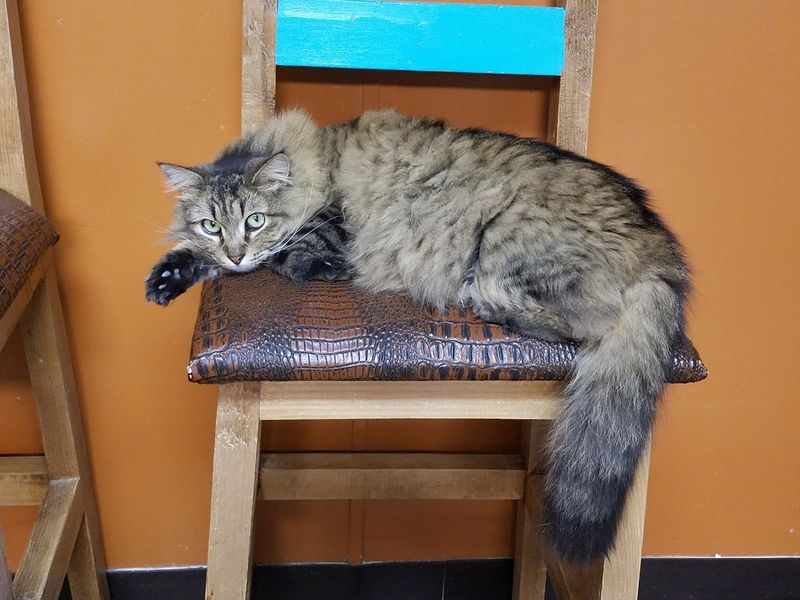
Grey muzzles get respect at this Westminster rescue. Almost Home Adoptions doubles as a long-term sanctuary for cats who wait longer than most.
Older residents live here comfortably. So do cats managing ongoing health conditions.
Traditional shelters can overwhelm these felines. Noise, small spaces, and constant turnover wear them down fast.
Open rooms suit them better. They pick a warm corner and settle in without competition for space.
Medical routines continue for as long as needed. Medications, checkups, and diet adjustments are part of ordinary days.
Sanctuary status does not mean unavailable. Many of these cats still hope for the right adopter.
Matching takes time and honesty about needs. A cat requiring daily pills needs someone genuinely willing to give them.
Volunteers explain those responsibilities upfront. Nobody wants a returned cat six months later.
Adopting a senior comes with quiet rewards. Lap time usually starts immediately, and zoomies at three in the morning are rare.
People who choose these cats often say they never regretted it. The gratitude arrives fast.
Fresh Air Under Screened Skies
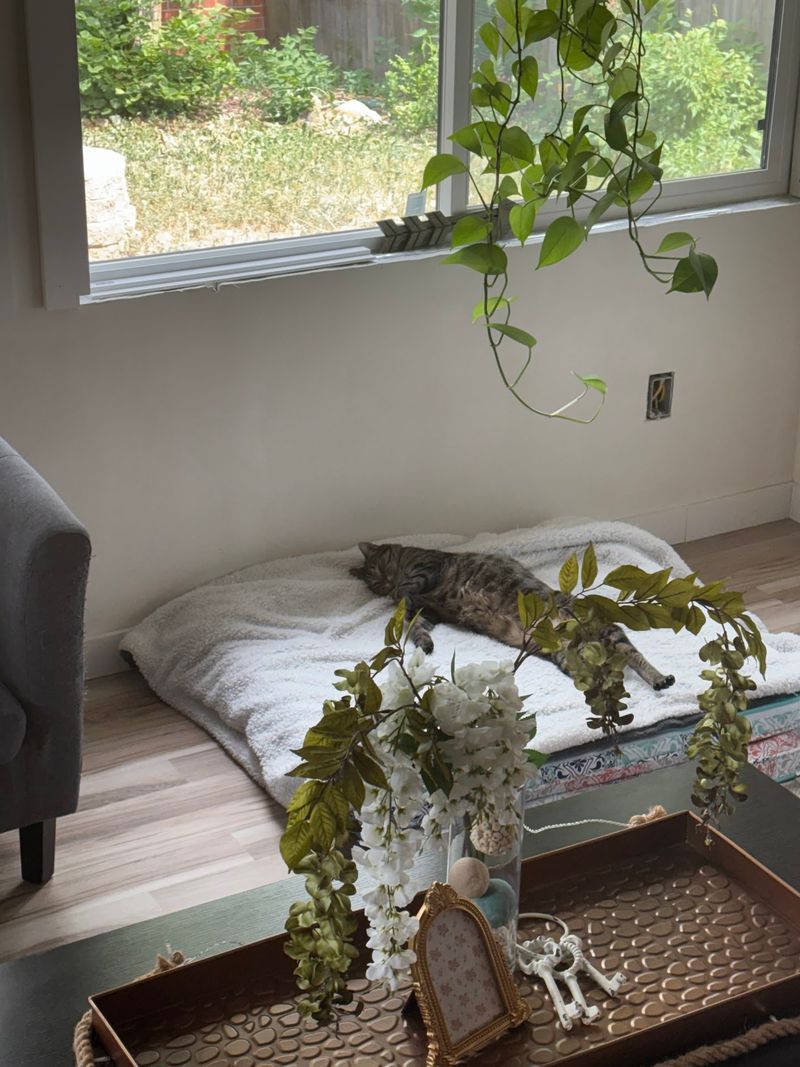
Sunshine without the risk. The catio at Almost Home Adoptions gives residents a safe outdoor break.
Screened walls keep cats contained. Wooden platforms let them perch and survey the yard.
Colorado weather cooperates often enough to make the space worthwhile. Sunny days bring out sprawling, blinking, thoroughly content cats.
Birds and squirrels provide the entertainment. Tails twitch, ears swivel, and nobody actually catches anything.
Enrichment like this matters more than people expect. Indoor cats need changing scenery to stay mentally sharp.
Fresh air also encourages movement. Climbing and stretching happen naturally outdoors.
Guests visiting during open hours often linger near the catio. Watching relaxed cats enjoy a breeze is oddly calming.
The feature also plants an idea for adopters. Building a small catio at home extends the same benefits.
Plenty of adopters go on to screen a porch or balcony. It keeps cats safe from traffic and wildlife.
Simple concept, big payoff for feline happiness.
Round-The-Clock Work For Bottle Babies
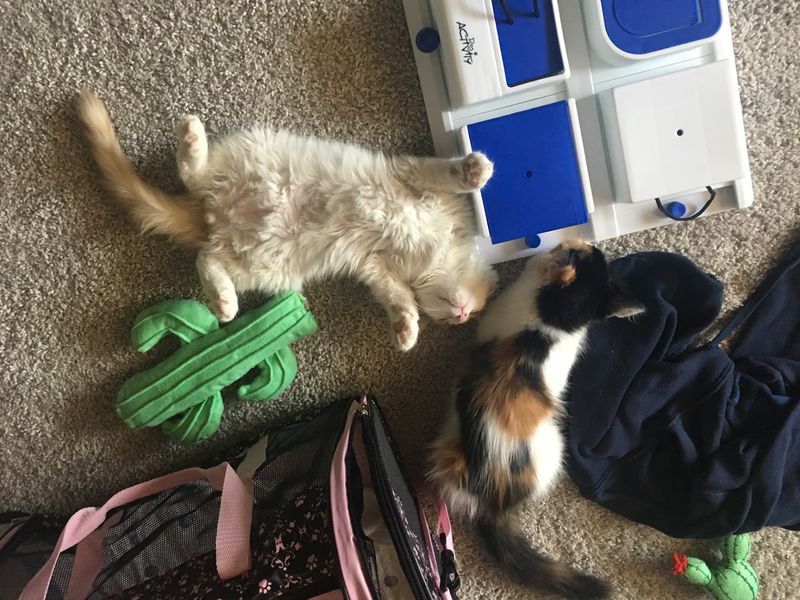
Some residents weigh less than a coffee mug. Orphaned kittens too young to eat solid food arrive at Almost Home Adoptions regularly.
Bottle babies need feedings every few hours. Skipping one is not an option.
Temperature control matters just as much. Tiny kittens cannot regulate their own body heat.
Volunteers handle warming pads, formula, and careful weight checks. It becomes a full-time commitment for whoever takes them on.
Many rescues cannot manage this work. The hours and skill required rule it out.
Almost Home built the capacity anyway. That decision saves litters that would otherwise have no options.
Socialization starts early too. Gentle handling teaches kittens that human hands mean good things.
Those early weeks shape adult personalities. Well-handled kittens usually grow into confident, friendly cats.
By adoption time, most show no sign of their rough start. They tear around rooms like any healthy youngster.
Anyone curious about fostering can ask about the nursery program. Extra hands are always welcome during kitten season.
Medical Care That Never Sends Anyone Away
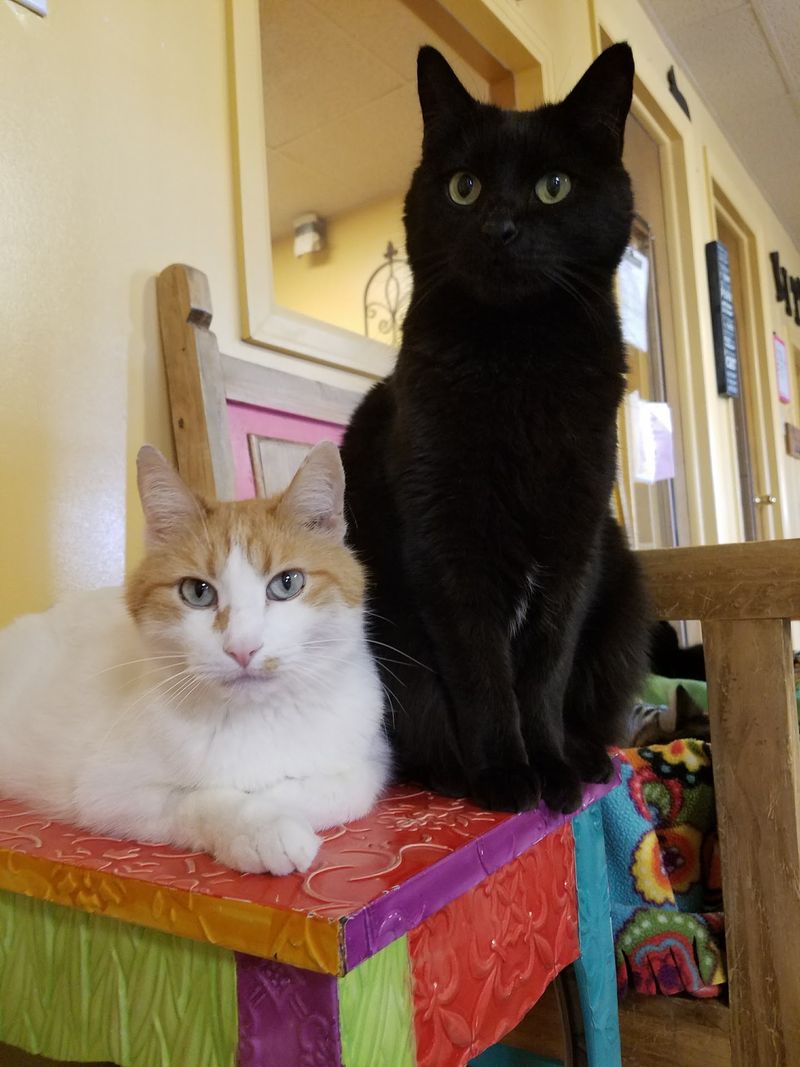
Not every arrival looks healthy. Many cats reaching Almost Home Adoptions need medical attention before anything else.
Untreated infections, injuries, and dental problems show up often. Treatment begins right away.
The rescue handles recovery care in house. Medications, wound checks, and post-surgery monitoring all happen on site.
Comfort care exists for cats with chronic conditions. They live out their days warm, fed, and looked after.
Age never disqualifies a cat from entry. Neither does a difficult diagnosis.
That policy costs money, and donations cover much of it. Vet bills add up quickly at a rescue this size.
Recovery involves more than medicine. Frightened cats need quiet time and steady routines to rebuild confidence.
Volunteers notice small victories. A cat eating on its own, or emerging from hiding, counts as progress worth celebrating.
Adopters receive honest health information. Every cat leaves spayed or neutered, vaccinated, microchipped, and tested for FIV and FeLV.
Transparency helps new owners plan ahead rather than face surprises.
Volunteers Are The Whole Engine
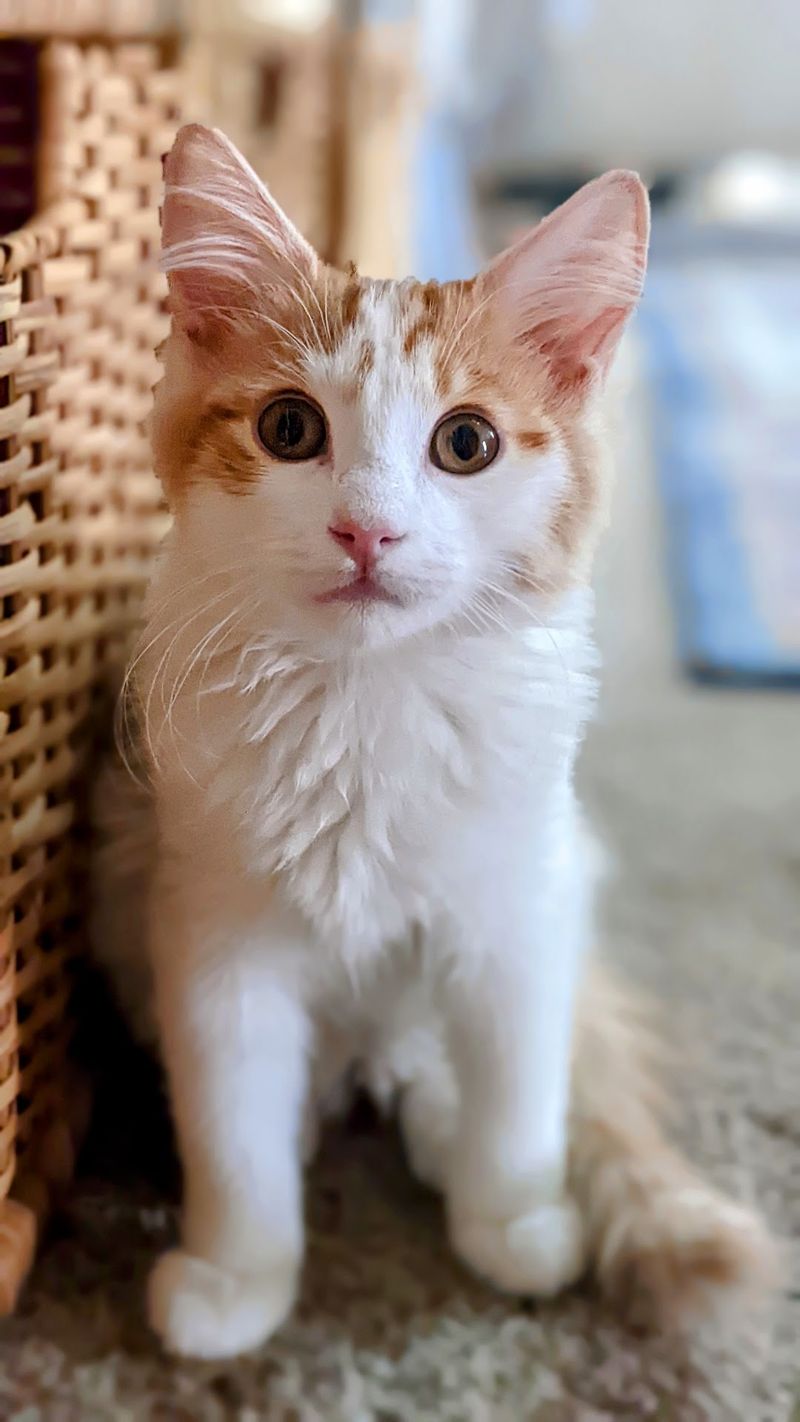
No government funding arrives here. Almost Home Adoptions runs on volunteers and community donations alone.
That reality shapes daily operations. Every scooped litter box represents somebody’s donated time.
Jobs vary widely across the schedule. Cleaning, laundry, feeding, and restocking supplies fill the morning hours.
Socialization counts as real work too. Cats need play, brushing, and lap time to stay adoptable.
Others help with fundraising events and supply drives. Behind-the-scenes support keeps the lights on.
Ages across the volunteer roster stretch from teens to eighty-somethings. Experience levels vary just as much.
Newcomers get training before handling shy or medically fragile cats. Nobody is thrown in unprepared.
The trade-off for visitors is worth understanding. A volunteer-run rescue may respond slower than a large municipal shelter.
Patience helps enormously during the adoption process. Emails and calls compete with feeding schedules and cleaning shifts.
People who visit regularly build relationships with the team. Those connections often smooth the path toward finding the right cat.
Inside A Deliberately Careful Adoption Process
Expect thoroughness. The adoption process at Almost Home Adoptions asks more of applicants than many people anticipate.
Applications must be completed in person during visiting hours. Phone and online submissions are not accepted.
Adopters need to be at least 21 with valid identification. Living within about an hour of Westminster is also required.
An interview follows the application. A home visit, often conducted by video call, comes after that.
Multiple families sometimes apply for the same cat. Approval is not guaranteed by applying first.
Kittens usually go home in pairs. Single kittens are placed only in homes with an existing cat.
Bonded pairs stay together, no exceptions. Splitting them is off the table.
Some applicants find the timeline slow, and the rescue acknowledges that limitation openly. Volunteer capacity affects response speed.
Anyone considering adoption should visit more than once. Familiarity with the team and the cats helps significantly.
Go in prepared with details about your home, schedule, and vet plans. Clear answers move things along.
Teaching Better Cat Care Across The Front Range
Rescue work only solves half the problem. Education handles the other half, and Almost Home Adoptions takes that seriously.
Spay and neuter messaging sits at the center. Fewer unplanned litters means fewer homeless cats.
Vaccination guidance and basic veterinary advice also get shared. Many first-time owners simply never learned the basics.
Behavior counseling helps too. Litter box trouble and scratching complaints send countless cats back to shelters.
Volunteers walk people through practical fixes. Adding a second litter box solves problems more often than anyone expects.
Outreach reaches beyond Westminster into surrounding communities. Adams County, Jefferson County, Denver, and Boulder all fall within range.
The goal stretches past individual adoptions. Better informed owners keep cats in homes long term.
Prevention costs far less than rescue. Every conversation about spaying reduces future intake.
Guests can ask questions during a visit even without adopting. The team generally enjoys talking cats.
Knowledge shared today shows up as fewer strays tomorrow.
Practical Tips Before Stopping By
Show up ready to sit still. Cats at Almost Home Adoptions approach on their own schedule, not yours.
Kneeling quietly works better than chasing. Curious residents usually investigate within a few minutes.
Doors open Tuesday, Friday, Saturday, and Sunday, though hours can change. Checking ahead by phone saves a wasted trip.
Arriving early gives more time with the cats. Late arrivals may find visiting winding down.
Dress for cat hair. Dark clothing and free-roaming felines rarely coexist peacefully.
Bringing a small donation is always appreciated. Paper towels, soap, and litter get used constantly.
Families with young children should ask about guidelines before applying. Certain cats are not placed in homes with very young kids.
Keep voices low inside the rooms. Sudden noise sends shy cats straight under furniture.
Visiting without adopting is completely acceptable. Regular guests help socialize cats who need human contact.
This Colorado sanctuary rewards patience more than urgency. The cats decide the pace, and honestly, they have earned that right.