It is 7 AM on a Saturday. The coffee is still hot, the car is packed, and you have no real destination.
You just know you want water, quiet, and a full day with nowhere to be. Wisconsin has been waiting for exactly this version of you.
The state has over 15,000 lakes. Most people end up at the same crowded handful, the ones with the rental shacks and the jet skis and the parking lot that fills up by nine.
But drive a little further, take a road that does not look like much, and the whole thing changes. These lakes have that quality that is hard to describe but easy to feel.
No noise, no rush, nobody trying to sell you something. Just water sitting still in the trees, doing exactly what water is supposed to do.
You will probably spend most of the day not doing very much. You will drive home tired in a good way.
The kind of tired that actually fixes something inside you that a normal weekend never quite reaches. Wisconsin has been keeping these places quiet for a reason.
We are sorry in advance for telling you about them.
1. Trout Lake
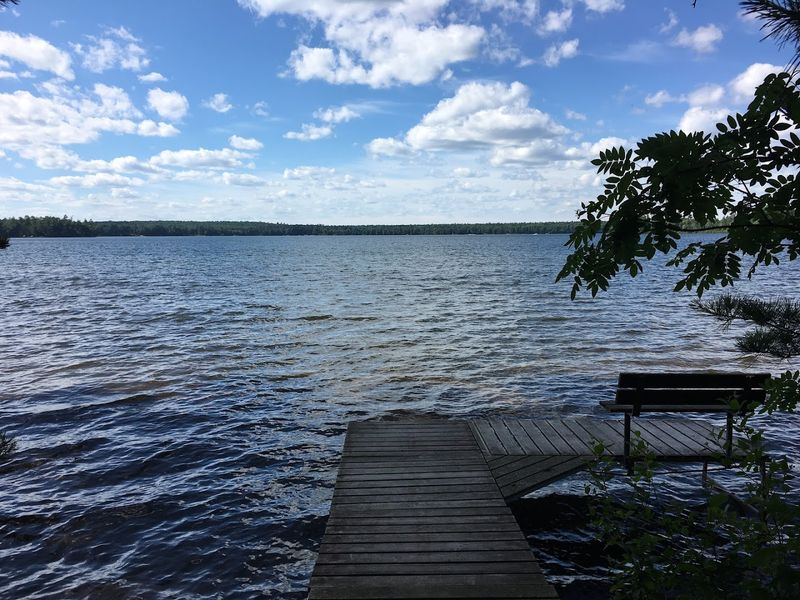
Trout Lake is the kind of place that makes you want to sit on a log and do absolutely nothing. At over 3,800 acres, it is one of the largest lakes in Vilas County.
Yet somehow, it still feels personal and unhurried.
The water is remarkably clear. You can see straight down through the surface, like looking through glass.
That clarity draws serious anglers chasing walleye, musky, and lake trout in good numbers.
Long stretches of undeveloped shoreline give the lake a raw, untouched character. No loud marinas or crowded launches here.
Just trees, water, and that deep forest silence that hits you right in the chest.
Loons call across the water in the early morning. Bald eagles circle overhead without much fuss.
Wildlife here acts like humans are the guests, not the other way around.
The lake sits within the Northern Highlands American Legion State Forest. That protection keeps development low and foot traffic manageable.
It is one of the reasons the area still feels genuinely wild.
Paddlers love the quieter bays tucked along the northern edges. Kayaking here gives you views that feel almost too good to be real.
Bring a camera because your phone camera will not do it justice.
Fishing from a canoe at sunrise here is basically a spiritual experience. The fog rolls off the water slowly.
Everything feels calm in a way that city life never quite delivers.
Pack a lunch, bring sunscreen, and plan to stay all day. You will not regret it.
2. Lost Lake
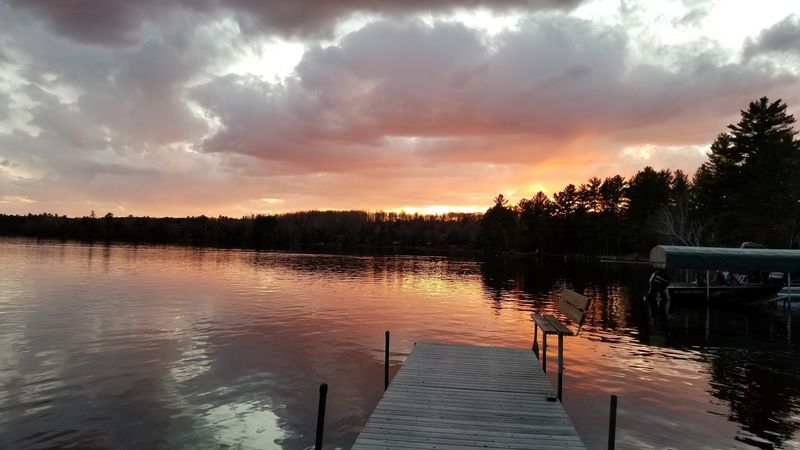
The name alone should tell you everything. Lost Lake in St. Germain lives up to its reputation as a quiet hideaway.
It sits far enough off the main road that casual visitors rarely bother making the turn.
This lake is small and intimate. That is part of its appeal.
You are not competing with a hundred other boats for space on the water.
The shoreline is thick with white pine and birch. Reflections of the trees on the still water look almost painted.
On a windless morning, the whole surface turns into a mirror you could stare at for hours.
Fishing here is genuinely good. Largemouth bass and panfish are plentiful.
Kids and beginners do especially well because the fish are cooperative and the water is manageable.
Paddling is the preferred way to experience Lost Lake. No engine noise, no wake, no fuss.
Just the sound of your paddle dipping in and the occasional frog making a splash near the reeds.
The surrounding forest trails are worth exploring between sessions on the water. Wildflowers pop up along the path edges in summer.
Deer sightings are common, especially in the early morning hours.
There is a quiet simplicity here that feels genuinely restorative. No gift shops, no tourist traps, no crowds.
Just nature doing its thing with zero interest in your schedule.
Honestly, Lost Lake feels like a reward for people who actually look for it. You have to want to find it.
3. Namekagon Lake
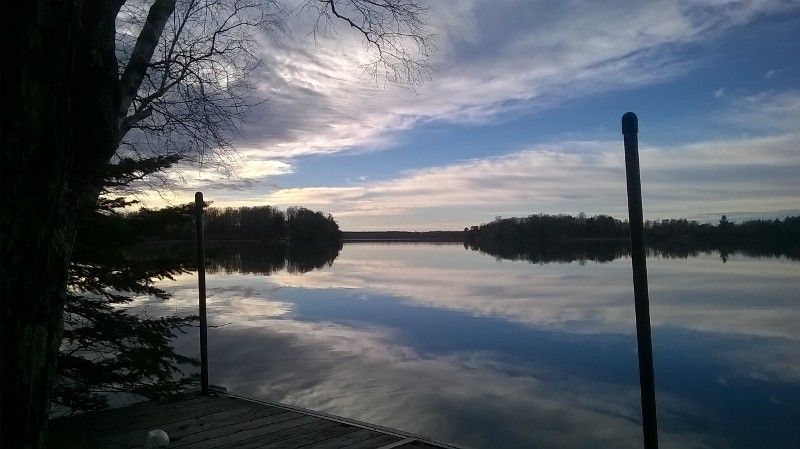
Namekagon Lake carries a name rooted in the Ojibwe language, meaning sturgeon country. That history alone gives the place a weight and depth that newer destinations simply cannot match.
The lake has been here a long time, and it shows.
At roughly 3,227 acres, the lake is large but never overwhelming. The shoreline stays mostly forested and undeveloped.
That keeps the view honest and the atmosphere calm.
The lake feeds the famous Namekagon River, which is part of the St. Croix National Scenic Riverway. That connection to a protected waterway means the surrounding land stays clean and wild.
The water quality here is consistently excellent.
Walleye fishing is a big draw for locals who know the lake well. Musky hunters also show up in serious numbers during the right seasons.
The fish population stays healthy thanks to responsible management.
Paddlers enjoy exploring the quieter coves along the eastern shoreline. Early morning kayaking here produces wildlife sightings that feel almost staged.
Otters, herons, and the occasional osprey make regular appearances.
The sunsets on Namekagon are genuinely spectacular. The western sky turns orange and pink over the water.
Bring a chair, sit at the edge, and let the day wind down naturally.
Camping options near the lake give you a reason to stay longer than planned. The stars out here are brilliant without city light pollution nearby.
A full night under that sky is worth the trip alone.
Namekagon rewards the curious and the patient equally well.
4. Big Muskellunge Lake
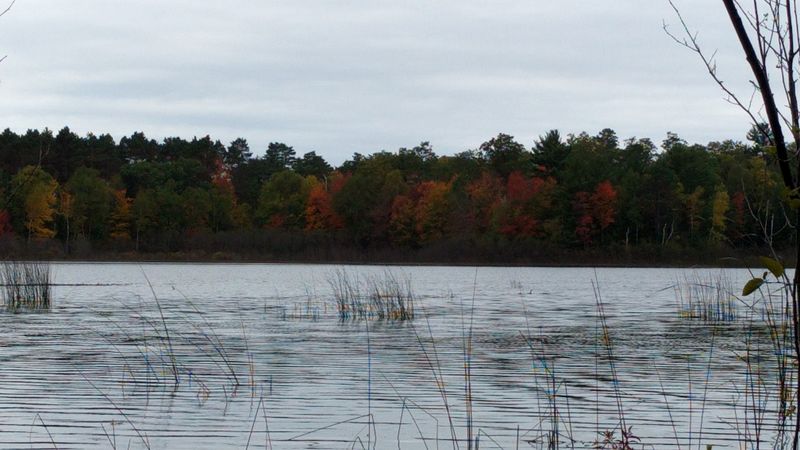
Big Muskellunge Lake has a name that commands respect, and the lake absolutely backs it up. Locals call it Big Musky, which sounds like a nickname a tough old fishing guide would use.
The lake earns every bit of that reputation.
The water here is famously clear. Visibility can reach depths that genuinely surprise first-time visitors.
Sandy shallows near the shore make wading comfortable and the swimming excellent.
The lake covers roughly 930 acres in Vilas County. It sits within the Northern Highlands State Forest, which keeps the surrounding land protected.
That protection translates directly into better water quality and fewer crowds.
Fishing for the namesake muskellunge is a serious pursuit here. Anglers come from across the Midwest chasing that one big catch.
The lake also holds walleye, bass, and panfish for those who prefer a more relaxed approach.
Kayaking along the quieter northern shoreline reveals hidden coves that feel completely removed from civilization. The forest presses right up to the water’s edge.
You get the sense that not many people have paddled through those spots recently.
Wildlife activity around Big Musky is consistently impressive. Loons are everywhere during summer.
Watching a loon dive and resurface fifty yards away never gets old, no matter how many times you see it.
The boat launch area is functional but not fancy. That is actually a good sign.
Fancy boat launches attract fancier crowds. This one stays refreshingly low-key throughout the season.
Big Muskellunge Lake delivers a full-day experience without any effort.
5. Allequash Lake
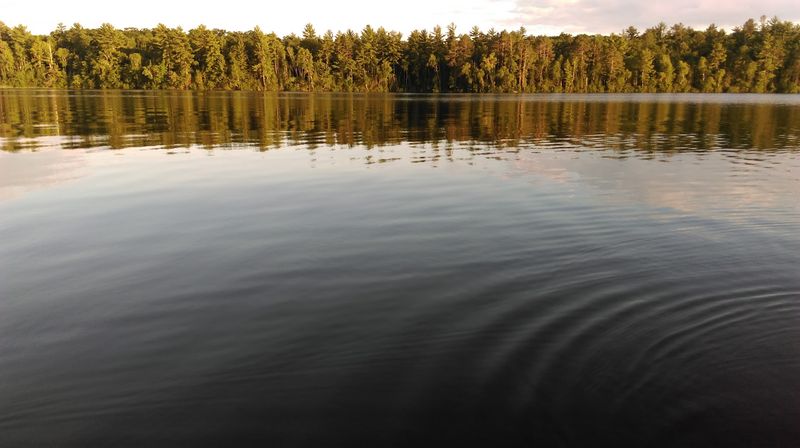
This lake is one of those places that scientists and nature lovers both agree on. It has been studied extensively as one of Wisconsin’s cleanest and most ecologically intact lakes.
That scientific stamp of approval says a lot.
The lake sits within the Northern Highlands American Legion State Forest near Boulder Junction. Development around the shoreline is almost nonexistent.
What you see is essentially what the lake looked like a hundred years ago.
Water clarity here is exceptional. The sandy bottom is visible at surprising depths.
Swimming feels like floating in a giant, perfectly clean aquarium with trees instead of coral.
Allequash is part of a long-term ecological research network. Scientists from the University of Wisconsin have monitored the lake for decades.
Knowing that level of care goes into protecting this water makes visiting feel meaningful.
Fishing is steady and satisfying. Largemouth bass, smallmouth bass, and various panfish keep anglers busy throughout the day.
The lake does not get the heavy pressure that more famous waters attract.
Paddling the perimeter of Allequash takes a few peaceful hours by kayak. The forest around the shore is dense and undisturbed.
Bird activity is constant, from warblers in the treetops to kingfishers diving near the reeds.
There is a primitive campsite option near the lake for those who want to extend the experience. Waking up to that water at dawn is genuinely hard to describe.
You just have to be there.
Allequash rewards the people who seek out real wilderness.
6. Pallette Lake
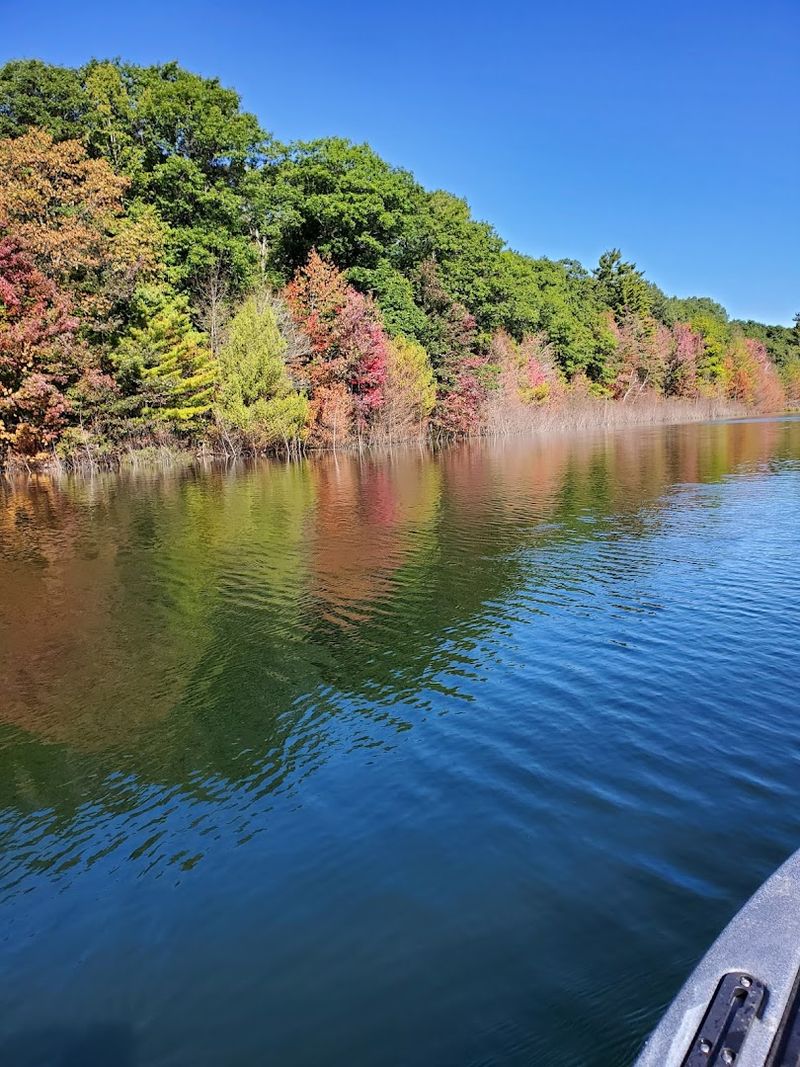
Pallette Lake gets its name from the range of colors visible in its water. Blues, greens, and deep blacks shift depending on the light and depth.
It is genuinely one of the most visually striking small lakes in the entire state.
The lake sits near the town of Boulder Junction in Vilas County. It is surrounded by the Northern Highlands State Forest.
That location alone keeps it well insulated from noise, crowds, and development.
At around 118 acres, Pallette is small enough to feel intimate. You can kayak the entire perimeter in a morning and still have energy left for an afternoon swim.
Small lakes like this reward slow, deliberate exploration.
The fishing here is surprisingly productive for a lake this size. Smallmouth bass and northern pike are the main targets.
Patient anglers working the weed edges in the evening consistently pull in quality fish.
One of the most unique features of Pallette is how the water color changes throughout the day. Morning light gives the surface a deep emerald tone.
Midday sun turns it a vivid, almost tropical blue that seems out of place in Wisconsin.
The hiking trail that loops near the lake offers elevated views of the water through the trees. Those glimpses through the pines make great photographs.
The trail is short and manageable for most fitness levels.
Loons nest near Pallette regularly. Hearing them call across that small, enclosed water feels amplified and intimate.
It is the kind of sound that stays with you long after you drive home.
Pallette Lake is small but absolutely unforgettable.
7. Lac Vieux Desert
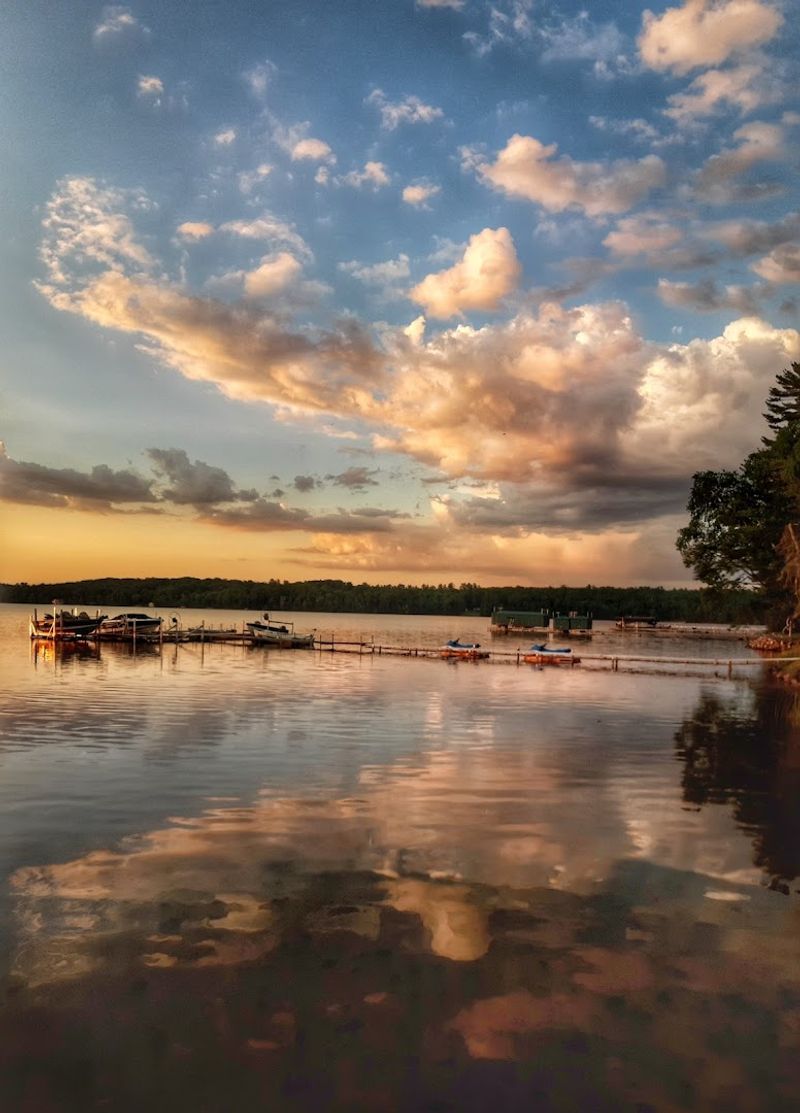
A spot like this sits right on the Wisconsin and Michigan border, which gives it a genuinely unique identity. It is the headwaters of the Wisconsin River, one of the most historically significant waterways in the entire Midwest.
That fact alone makes visiting feel like touching something ancient.
The lake covers about 4,200 acres. It is large enough to feel expansive but wild enough to feel completely removed from modern life.
The shoreline is predominantly undeveloped and forested in every direction.
The name translates roughly to Lake of the Old Clearing in French. Fur traders and Ojibwe people knew this water long before any roads existed nearby.
That deep history adds a layer to every paddle stroke and fishing cast.
Walleye, musky, and northern pike fishing here are legitimately excellent. The lake produces trophy-sized fish with regularity.
Serious anglers treat Lac Vieux Desert as a bucket-list destination rather than a casual afternoon stop.
Paddling along the northern shoreline puts you in some of the most remote-feeling water in the region. There are stretches where the only sounds are wind, birds, and your own breathing.
That kind of silence is increasingly rare and genuinely valuable.
Wildlife sightings here are exceptional. Black bears, wolves, and eagles have all been spotted around the lake.
The ecosystem is intact and functioning the way it was always meant to.
Sunrises over Lac Vieux Desert are worth setting an alarm for. The mist rises slowly off the water.
The whole scene looks like a painting that someone forgot to finish.
8. Round Lake
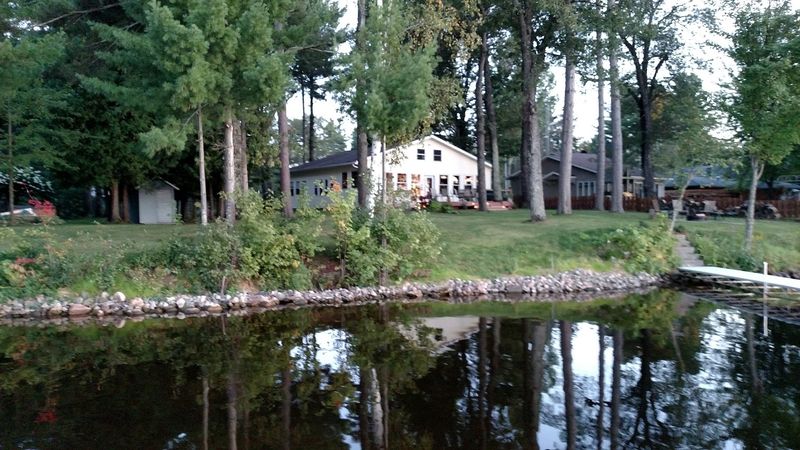
Round Lake in Burnett County is the kind of place that regulars keep intentionally quiet. They do not want it to become the next popular destination.
That protective attitude from locals is usually the best sign a place is worth visiting.
The lake lives up to its name with a nearly perfect circular shape. That symmetry gives it a calm, contained feeling that larger irregular lakes do not have.
Everything about it feels balanced and easy.
The water clarity is impressive for a lake this size in the region. Sandy bottom areas near the shore make swimming comfortable and safe for families.
Wading out from the small beach on a hot afternoon is a simple and genuine pleasure.
Fishing on Round Lake is relaxed and productive. Largemouth bass, bluegill, and crappie are all present in good numbers.
It is the kind of fishing where you are not obsessing over the catch but just enjoying the process.
The surrounding forest is a mix of hardwoods and conifers that produces brilliant fall color. Visiting in late September or early October turns a good lake trip into a genuinely stunning one.
The reflections of the orange and red maple on the water are almost unreasonably beautiful.
Kayaking the perimeter takes about an hour at a relaxed pace. The shoreline stays quiet and undeveloped for most of the loop.
A few cabins appear here and there, but never interrupt the natural feel of the place.
Round Lake does not shout for attention. It just delivers, quietly and consistently, every single time.