
10 Tennessee Towns Where Rising Property Tax Bills Are Putting Pressure On Homeowners
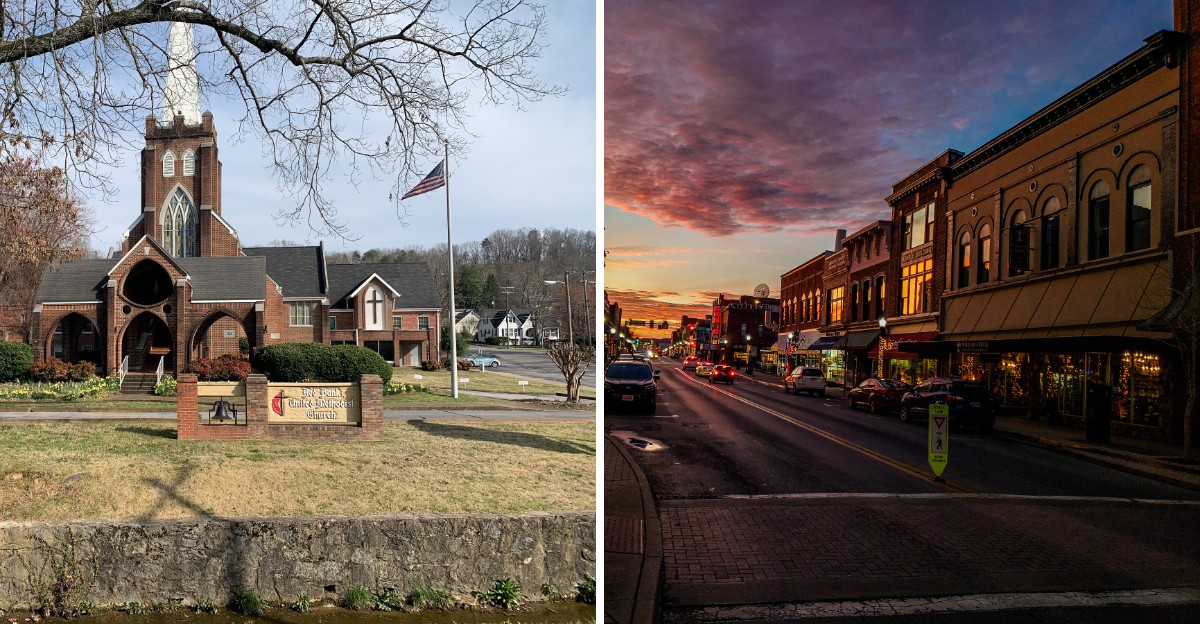
One Tennessee city actually lowered its property tax rate, and many homeowners still expected bigger bills. The reason?
A county reappraisal pushed average property values up by 66 percent.
That twist keeps popping up across the state. One small East Tennessee town weighed a 28 percent rate jump.
Another little city has raised its rate so many times that residents openly asked when it would stop.
I find this stuff oddly fascinating, because a tax bill tells a story about a place. It shows growth, growing pains, and tough choices about police radios, paved roads, and paychecks for city workers.
So which towns are feeling the squeeze right now? And what can a family do before the next bill lands in the mailbox?
I sorted through the numbers so you can see the pressure building, one town at a time, and decide for yourself.
1. Mount Juliet
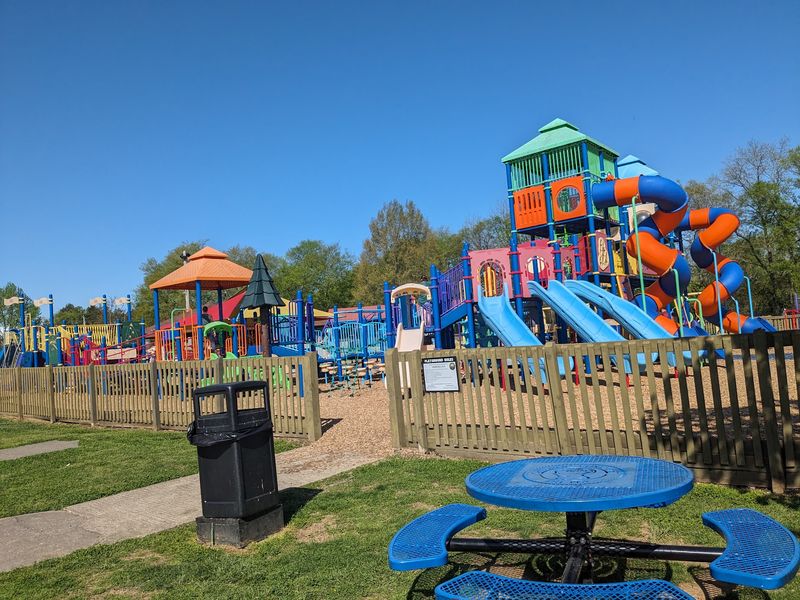
Mount Juliet pulled off a neat trick for Fiscal Year 2026. The city cut its rate from 29 cents to 28 cents per 100 dollars of assessed value, yet plenty of bills still went up.
How does that work? Wilson County finished a reappraisal, and average countywide property values jumped by 66 percent.
When your home is suddenly worth a lot more on paper, a slightly lower rate can’t always keep up. The county set a certified rate of 1.1657 per 100 dollars, and it carries most of the load.
In fact, the city portion makes up about 19 percent of the combined city and county property tax bill. County taxes cover the rest, so your eyes belong on both lines of that statement.
City leaders pointed to rapid growth as the driver. Police, fire, EMS, roads, and infrastructure all cost more when the population keeps climbing.
Not everyone took the news calmly. Some residents spoke against the changes, saying they felt surprised and wanted more transparency.
Here’s a bright spot, though. Mount Juliet says it still has the lowest municipal property tax rate in Wilson County.
As of April 2026, the median yearly tax bill was estimated near 1,644 dollars on a median home value of 344,100 dollars. That works out to an effective rate of about 0.48 percent.
Want to stay ahead? Check your new assessment closely and ask the county about appeal options if the number looks off.
2. Jonesborough
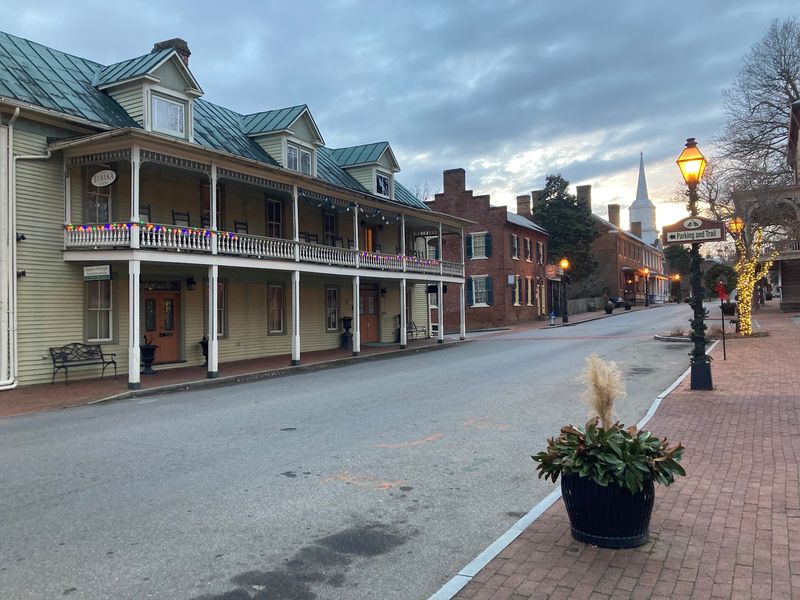
Tennessee’s oldest town has some very modern money questions. In July 2025, Jonesborough’s Board of Mayor and Aldermen approved a 28 percent property tax increase.
The plan would move the rate from just over 96 cents to 1.24 per 100 dollars of assessed value. That’s a big leap for a town known for its quiet brick streets.
So what would it mean at home? On a house appraised at 250,000 dollars, the yearly town property tax increased from about 604 dollars to roughly 775 dollars.
Town officials explained the reasoning in plain terms. Population has grown about 15 percent since 2020, and more people means more demands on services.
The wish list sounds practical rather than flashy. Police radios and road paving were both named as projects needing funds.
Property taxes are the main funding source for town services. When costs climb, that’s usually the first lever leaders reach for.
Timing matters here too. The latest reappraisal happened in 2024, and the next one is scheduled for 2029.
Bills are typically due by February 28 of the following year. Penalties start piling up on March 1, so circle that date in red marker.
A smart move for families is setting aside a little each month. That way the winter bill feels like a planned expense instead of a nasty surprise.
3. Erwin
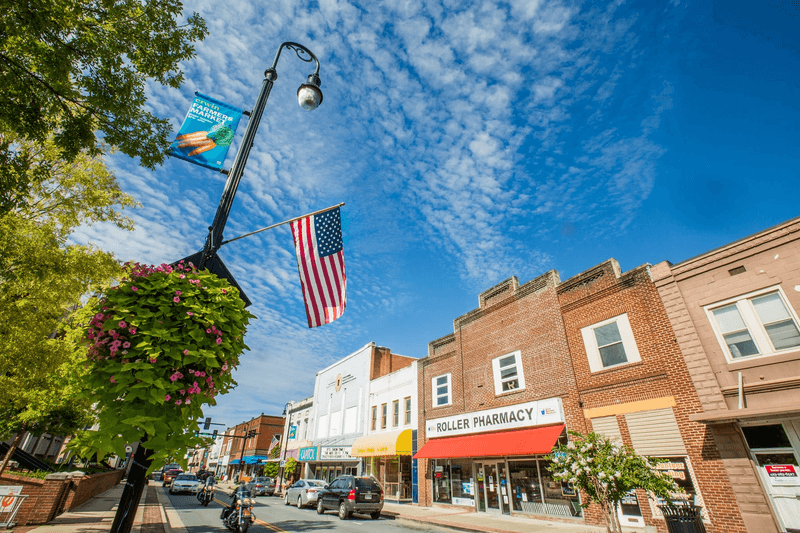
Call it a tax rate boomerang. In May 2026, Erwin’s Board of Mayor and Aldermen passed a proposed budget on first reading that includes a 31-cent property tax increase.
If it holds, the rate would rise from 1.55 to 1.86 per 100 dollars of assessed value. For a small mountain town, that’s a noticeable bump.
Mayor Glenn White offered an interesting angle. He said the increase would basically return the rate to its 2022 level.
Back then, the rate got lowered after home appraisals went up. Now the town is swinging back toward where it started.
The estimated cost lands around 150 dollars a year per household. That might not sound huge, but it adds up fast on a tight family budget.
Think of it as a few tanks of gas or a month of groceries for some families. When paychecks stay flat, every new bill gets a closer look.
Erwin’s median effective property tax rate sits around 0.65 percent. Erwin’s municipal property tax rate is set by the town’s governing board, while the Unicoi County Assessor of Property determines property values and county commissioners establish the county tax rate.
That means your questions can go to more than one office. The county assessor handles your property value, which is a key piece of the math.
The town approved the 31-cent property tax increase in June 2026, bringing the rate to 1.86 dollars per 100 dollars of assessed value. Showing up or calling in during public comment is one of the few ways to be heard before the numbers lock in.
4. Fairview
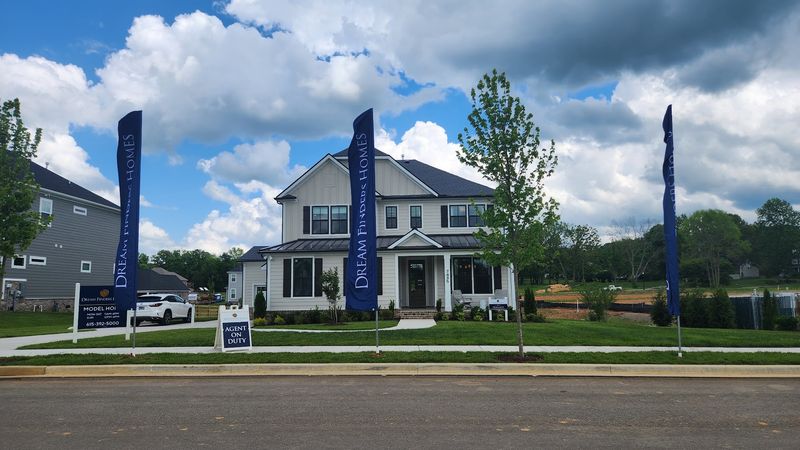
Talk about a roller coaster you didn’t buy a ticket for. In 2025, Fairview dropped its city rate from 0.8765 to 0.5904 per 100 dollars after Williamson County’s reappraisal.
That cut aimed for revenue neutrality, meaning the city would collect about the same money as before. Then 2026 arrived with a different plan.
The city raised its rate to 0.8404 per 100 dollars. That’s roughly a 42 percent jump over the reassessment-adjusted rate.
To be fair, it’s still slightly below the city’s 2024 rate. But higher assessed values from the 2025 reappraisal mean many bills still climb.
Here’s a real-world example. On a 500,000 dollar home, the city portion rises by about 312.50 dollars a year.
Fairview’s city tax makes up about 39.3 percent of the total property tax bill. Williamson County covers the remainder, so the city share carries real weight here.
Some residents have voiced worries about how these increases stack up over time. One raise feels manageable, but several in a row hit differently.
Fun twist for house hunters: properties in Williamson County outside Fairview city limits typically face lower tax burdens. A short move across a line on a map can change your bill.
The median effective rate in Fairview sits near 0.535 percent. The next county reappraisal is set for 2029, so you’ve got time to plan ahead.
5. Red Bank
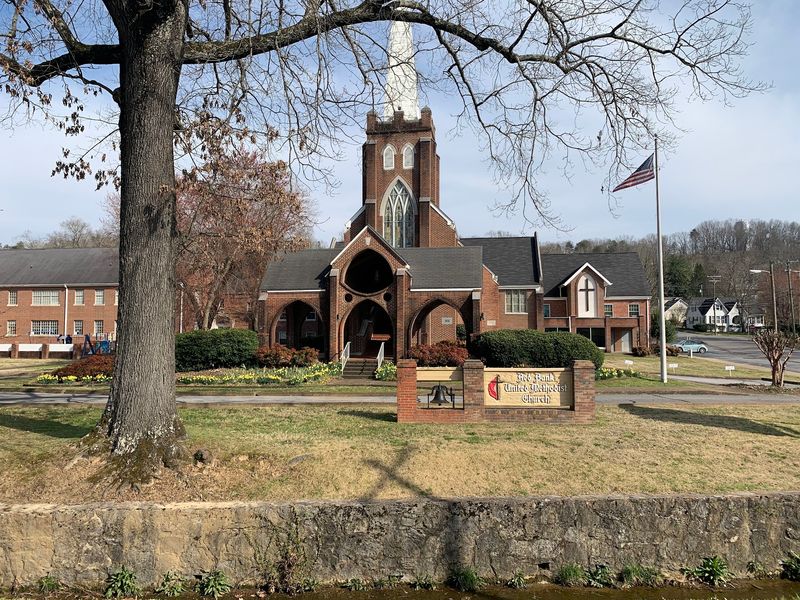
Some towns raise taxes once in a while. Red Bank seems to have the tax bill on speed dial.
In 2023, the city commission approved a 57-cent increase. The rate went from 1.10 to 1.67 per 100 dollars of assessed value, a 52 percent jump.
It stayed at 1.67 in 2024. Then 2025 got messy in a way nobody expected.
The Hamilton County Assessor’s Office miscalculated the certified rate. Early bills showed 98 cents, though the corrected figure landed higher.
For 2026, commissioners approved a rate of 1.29 dollars per 100 dollars of assessed value, up from the 98-cent rate billed in 2025.
That represents an increase of approximately 32 percent over the 2025 billed rate of 98 cents, although the state’s corrected revenue-neutral rate was 1.0775 dollars.
Compared to the 98-cent rate on those first bills, it’s closer to a 32 percent rise. No wonder people felt dizzy.
Some residents have openly asked why a small city keeps raising taxes so often. It’s a fair question when your budget keeps shrinking.
City officials say Red Bank lacks diverse revenue streams. They also want to pay city workers salaries that compete with nearby towns.
And there’s more on the horizon. Another 16-cent increase is expected for the 2028 budget.
If you live here, build a small cushion into your yearly plan now. Knowing a raise is coming beats getting blindsided by it.
6. Clarksville
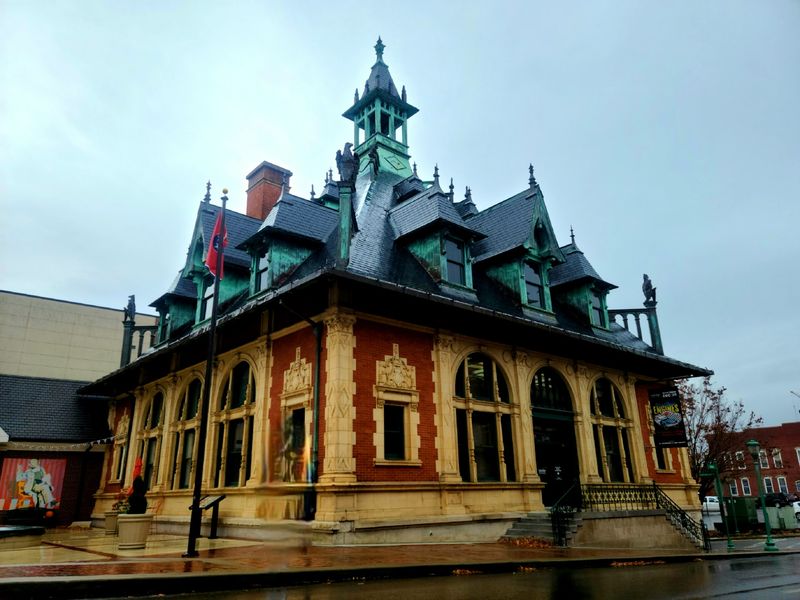
Good news and bad news walk into a city council meeting. In July 2026, Clarksville approved a budget raising the property tax rate from 92 cents to 1.01 per 100 dollars of assessed value.
That 9-cent bump is just under 10 percent. It still stings, but it could have been much bigger.
Back in May 2026, an earlier proposal floated a 31-cent increase. That would have pushed the rate to 1.23, a 33.7 percent leap.
Leaders later scaled it back, which surely brought some relief. Mayor Joe Pitts estimated the final change means about 9 to 10 extra dollars a month for many homeowners.
So why the raise at all? Officials pointed to population growth, inflation, and the need to expand city services.
Clarksville is one of the fastest-changing places in Tennessee, and growth isn’t free. More residents mean more roads, more safety staff, and more government work behind the scenes.
Montgomery County reappraises property on a five-year cycle. The latest happened in 2024, and the next is set for 2029.
Here’s a tip worth bookmarking. The Montgomery County Trustee runs state programs offering tax freezes and relief for qualifying low-income or disabled residents.
If that could apply to someone in your family, check eligibility soon. A quick application might save real money year after year.
7. Walden
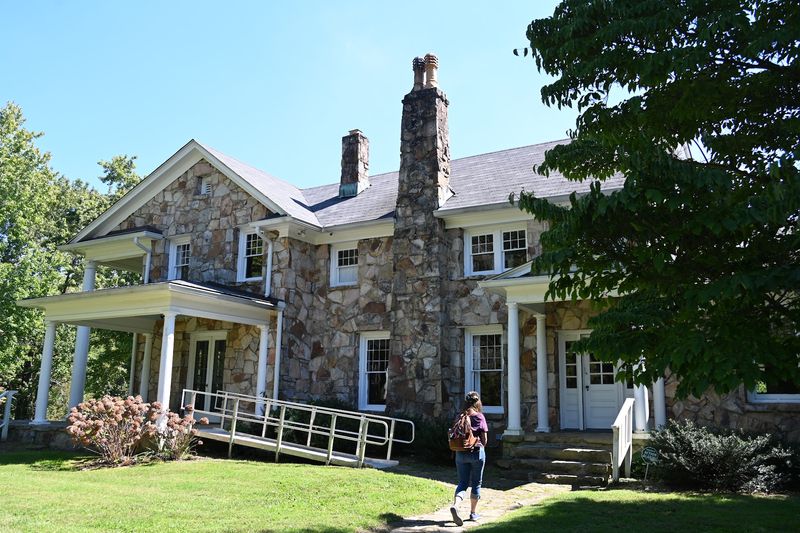
On paper, Walden looks like the odd one out. For Fiscal Year 2025-2026, the town set a certified rate of 0.3589 per 100 dollars of assessed value.
That’s down from the 0.5315 rate levied for 2024-2025. So why is this mountain town on the list?
The new rate came after a reappraisal. The State of Tennessee calculated it to bring in about the same revenue as the year before.
That’s what a revenue-neutral rate does. But your own bill can still rise if your home’s value climbed faster than your neighbors’ homes.
In other words, a lower rate doesn’t guarantee a lower bill. Your assessment notice tells the real story.
Walden faces a quieter challenge too. About 41 percent of residents are over 50, and town documents raise concerns about keeping people here.
Without more varied housing choices, older residents may struggle to downsize nearby. Younger families may find it hard to buy in.
That matters for taxes down the road. Fewer households means a thinner base to pay for town services.
If you live here, compare your new assessment to recent sales on your street. It’s an easy way to spot a number that seems too high.
And if you’re thinking about moving here, ask about housing options early. The answer could shape both your budget and your future.
8. Lookout Mountain
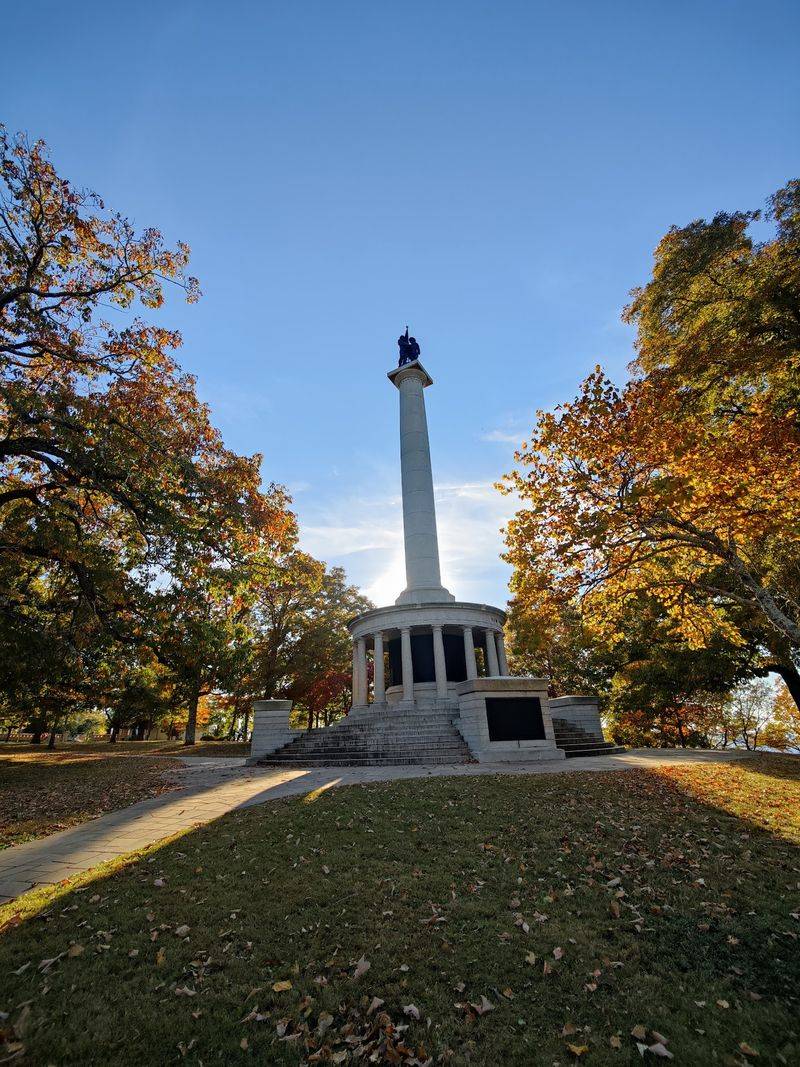
Great views come with a price tag on this ridge. In May 2026, Lookout Mountain approved its fiscal year 2026-2027 budget, including a property tax increase of approximately 4 percent.
That sets the municipal property tax rate at 1.69 dollars per 100 dollars of assessed value. It’s one of the higher rates on this list.
Here’s a small history lesson. Back in 2017, the town kept its rate at 1.83 for fiscal year 2018, above the county’s revenue-neutral rate.
Why? Leaders expected a drop in Hall tax revenue, even though property values rose about 8 percent on average.
The municipal tax rate increased from 1.63 dollars in 2025 to 1.69 dollars per 100 dollars of assessed value in 2026. It’s been a steady march over several years.
The median effective property tax rate sits around 0.56 percent. That reflects how high home values can soften the rate on paper.
Things got interesting at the state level in 2026. A proposed bill aimed to limit how often local governments could raise taxes without a public vote.
Under that bill, smaller increases Lookout Mountain passed in summer 2025 would have needed a referendum. That shows how frequently the town has adjusted its rate.
For families here, staying informed is half the battle. Budget meetings are public, and showing up gives you a voice before decisions become final.
9. Kingsport
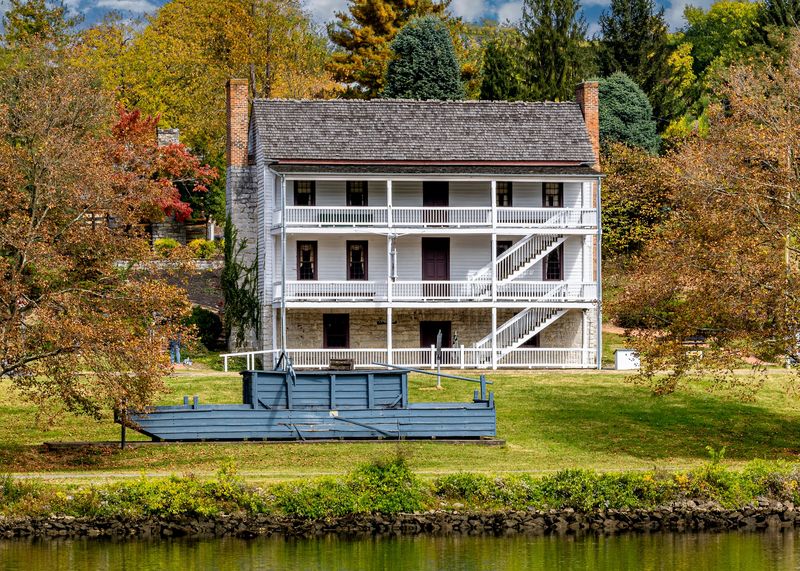
A shortfall of 3.8 million dollars a year will get a city’s attention fast. Kingsport traced that gap to a state-mandated ratio appraisal from 2023.
To fix it, the city raised rates for Fiscal Year 2025-26. In the Sullivan County part of town, the rate hit 1.6773 per 100 dollars.
That’s 33 cents above the state-certified rate of 1.34. The Hawkins County side saw an even bigger jump.
There, the rate climbed to 2.4878, about 48 cents above the earlier rate near 1.99. Yes, Kingsport sits in two counties, and your address decides which bill you get.
Sullivan County’s 2025 reassessment raised average home values by about 75 percent. Some residents faced a possible double increase as the county also weighed a higher rate.
In August 2026, the Board of Mayor and Aldermen voted to keep the rate at 1.6773. City officials estimated that maintaining the existing rate would leave property tax revenue approximately 480,000 dollars below the amount projected during the budget process.
Property taxes are the largest single revenue source for the city’s General Fund. That explains why leaders guard the rate so carefully.
Kingsport’s median effective rate is about 0.76 percent. That’s roughly 31 percent higher than the Sullivan County average.
Before buying here, check which county your street falls in. That one detail can noticeably change your yearly bill.
10. Bristol
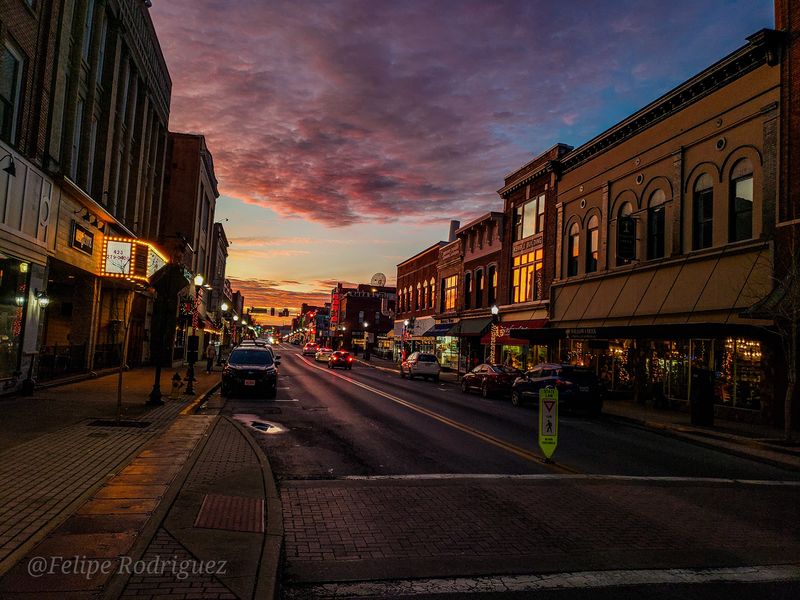
Two years, two big tax moves. Bristol, Tennessee, has kept homeowners busy checking their mail.
In September 2024, the rate rose from 1.98 to 2.25 per 100 dollars of assessed value. That’s more than a 13 percent increase.
City officials pointed to rising costs and the need to keep workers on the payroll. Then July 2025 brought another round.
The City Council approved a budget with a 21 percent property tax increase. The initially adopted rate was 1.87 dollars per 100 dollars of assessed value, but the city subsequently amended it to 1.845 dollars, which remained in effect for 2026.
It could have gone higher. Leaders first considered jumps of 30 percent and 24 percent before settling on 21.
The city also made budget cuts, including a hiring freeze. So the pinch wasn’t only felt by homeowners.
Residents spoke up about the strain, especially for low-income and fixed-income households. Retirees on steady checks often feel these changes first.
There’s some help available. Councilwoman Margaret Fire Robbins noted assistance programs for qualifying seniors 65 or older and veterans, based on income.
If you or a parent might qualify, contact Sullivan County about its property tax relief programs, and contact the City of Bristol for questions about municipal property tax payments. A little paperwork could ease a big bill.
Bristol’s median effective rate sits near 0.62 percent. Across Tennessee, the lesson stays the same: watch your assessment, know the deadlines, and ask questions early.