
The Free Nevada Campground With Mountain Views Where You Can Stay Up To Two Weeks
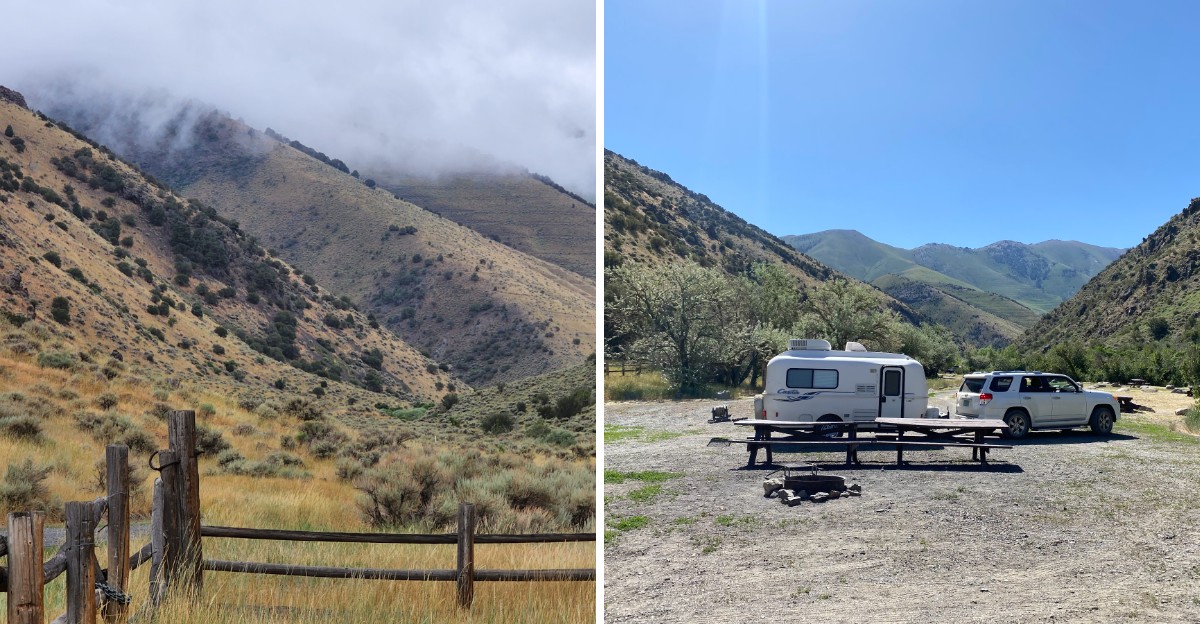
A campsite that costs nothing and lets you linger for two weeks sounds almost too generous. Yet that is exactly the deal at this creekside spot in Nevada.
The sites sit high in the mountains, where summer nights cool off fast. Each one comes with a picnic table and a fire ring or grill.
What about hookups, drinking water, or cell signal? Plan to haul your own water and live without the rest.
A long gravel road keeps the crowds thin. Rainbow trout swim in the creek right beside camp.
Who could say no to quiet trails, golden aspens in fall, and skies packed with stars?
Out here, two weeks can pass in a blink. So how does a long, free stay in rural Nevada actually work?
A Free Spot With A Two-Week Limit
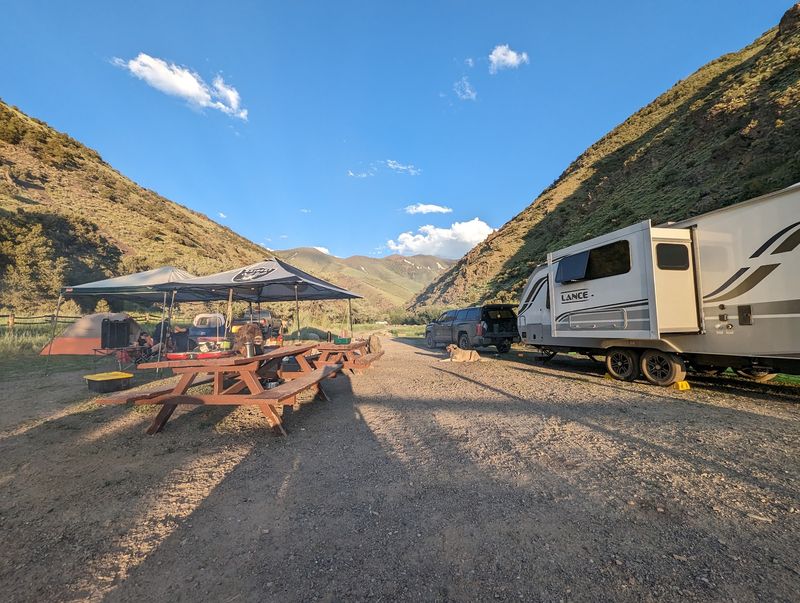
Big Creek Campground costs nothing to use. That alone makes it stand out, but the stay limit is the real surprise.
You can camp up to 14 days within any 30-day period.
Two weeks is plenty of time to slow down. You can fish one morning, hike the next, and spend an afternoon doing absolutely nothing.
Nobody is checking a clock out here.
The campground is run by the U.S. Forest Service in Lander County, Nevada.
Camping is first-come, first-served, so there are no reservations to book. You simply show up and pick an open site.
That setup rewards flexible travelers. If you arrive midweek, your odds of grabbing a good spot may improve, though nothing is guaranteed.
Have a backup plan in mind, just in case the sites are full.
The fee-free price tag also means a smaller budget works fine. Put the savings toward groceries, fuel, and extra water jugs.
Those three things will matter more than any fancy gear once you settle in.
Remember the 30-day window too. If you plan a long stay, count your days so you stay within the rules.
You Will Earn These Views On Gravel
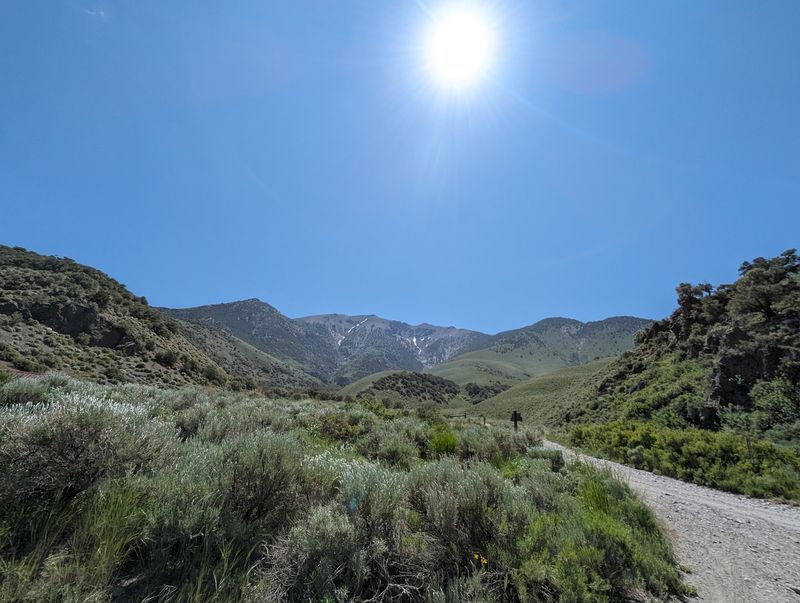
Getting to camp takes a little patience. The main route is Forest Service Road 002, a gravel road of about 11 miles.
After rain, it can get rough.
High-clearance vehicles are recommended here. A low car might make it in dry weather, but washboard sections can rattle everything you packed.
Drive slowly and your gear will thank you.
The campground sits about 12 to 15 miles southwest of Austin. Watch the signs as you turn off the highway, because the route is a long one.
Download your map before you go, since cell service is generally not available at camp.
RV travelers should read the fine print. The road is narrow, and only a few spots suit larger rigs.
The maximum RV length is 35 feet, and trailers are not allowed to cross the top of Forest Service Road 002.
Plan to arrive in daylight. You’ll see the road better, and you’ll have time to scout a site before dark.
A slow, steady drive turns the approach into part of the adventure instead of a chore.
Know The Address Before You Lose Signal
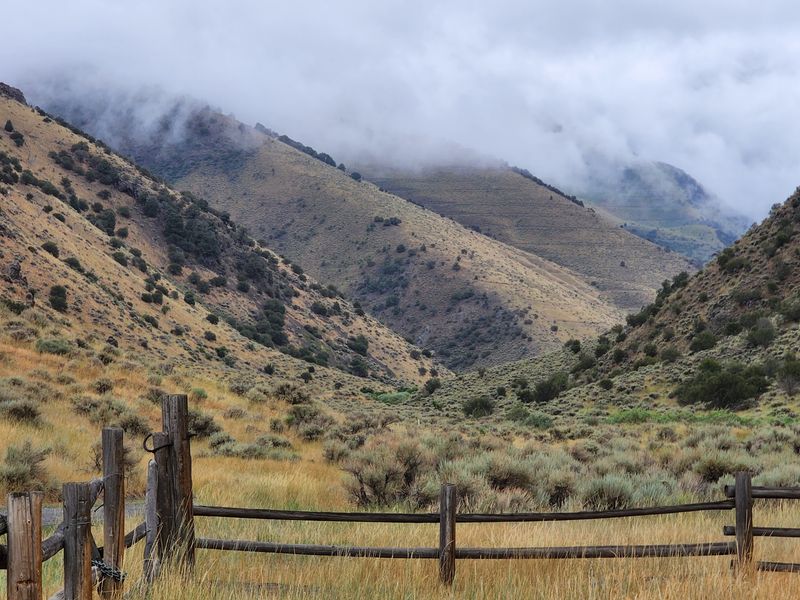
Cell reception is generally unavailable at the campground. Save directions ahead of time.
The listed address for Big Creek Campground is Forest Rd 43135, Austin, NV 89310.
Austin is the closest town, about 12 to 15 miles away. That’s where you’ll find groceries, camping supplies, and fuel.
Fill up before you head up the gravel road.
Highway 50 runs through this part of Nevada, and it’s famous as the Loneliest Road in America. The nickname fits the wide open feel of the region.
Plenty of travelers stop here for a night while crossing the state.
Coordinates help too. The campground sits near 39.345 north and 117.135 west.
Punching those numbers into an offline map can save you a wrong turn.
Some signal may turn up a few miles west of the campground. Don’t count on it, though.
Tell a friend your route and your return date before you go.
A paper map is a smart backup. Throw one in the glove box next to the flashlight.
Old-school tools never run out of battery.
Bring Your Own Water, Seriously
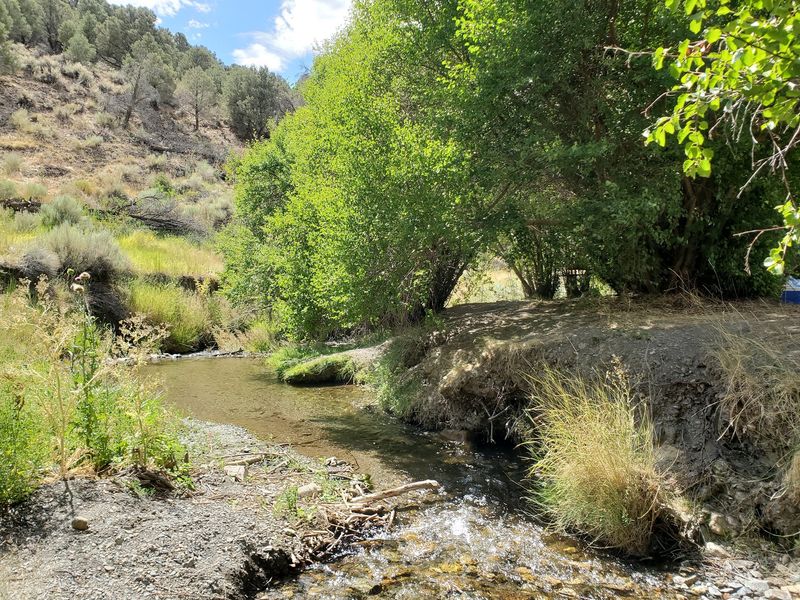
Water is the first thing to plan. Potable drinking water is not available at Big Creek Campground.
Bring enough for drinking, cooking, and cleanup.
Think big when you pack. A two-week stay uses far more water than you’d guess.
Several large jugs beat one small bottle every time.
The creek is there, but it’s not a faucet. Treat any water you plan to drink, or skip it.
Safe supplies from home keep things simple.
There are no electric, water, or sewer hookups, and no dump station. Pack lights, batteries, and a way to charge your phone.
A small power bank or solar panel can help.
Vault toilets are on site. Bring your own toilet paper and hand sanitizer, just to be safe.
It’s a small habit that makes camp life smoother.
Trash planning matters as well. Pack out everything you bring in, and bring sturdy bags.
A clean camp keeps the next visitor happy and the place looking great.
Casting A Line Where Big Creek Runs
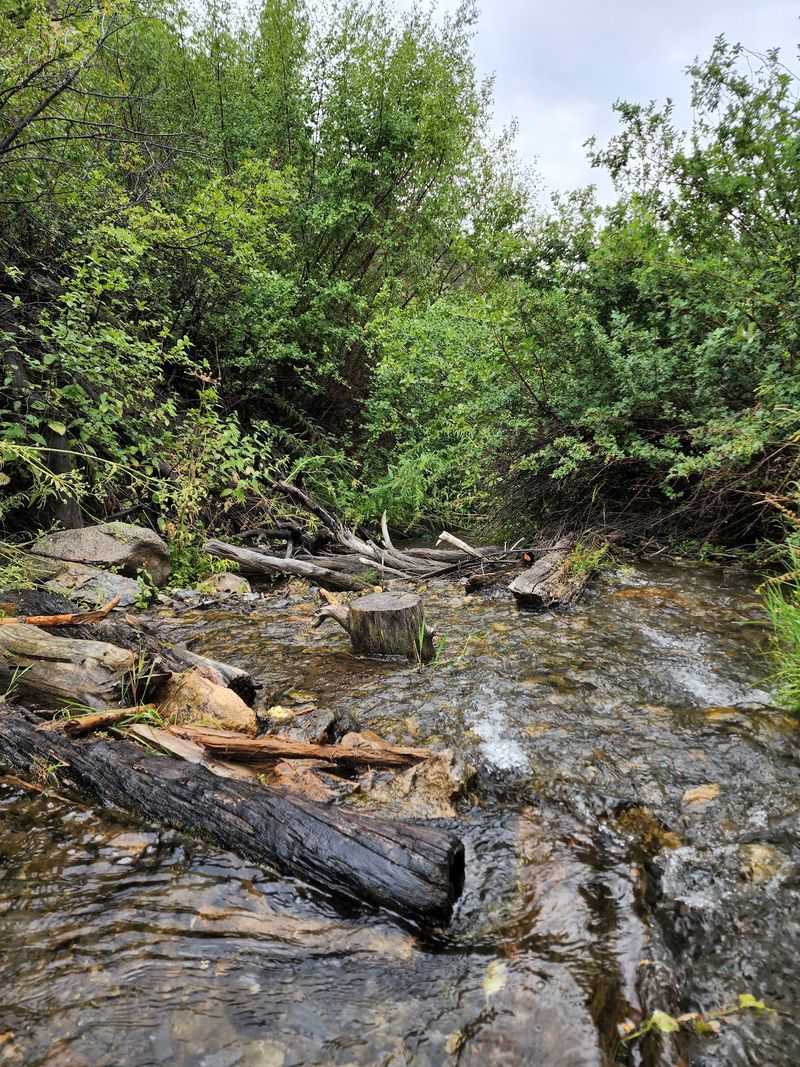
A creek runs right beside the campsites. That’s the star feature here, and it’s how the campground got its name.
Anglers know it as a spot to chase rainbow trout.
Pack a light rod and a few small lures. Check current Nevada fishing rules and license needs before you cast.
Rules can change, so look them up ahead of time.
Early mornings feel calm along the water. Trees like water birch, cottonwood, and Russian olive grow along the creek.
They add green to a landscape that’s mostly sage and rock.
Even if you never catch a fish, the creek is fun. The sound of moving water makes a nice backdrop for dinner.
It also gives kids and curious adults something to explore from the bank.
Keep your camp tidy near the water. Pack out fishing line and wrappers so wildlife stays safe.
Respect the banks, and the creek will stay healthy for the next angler.
Bring a folding chair and settle in. Fishing here is as much about slowing down as landing something.
Trails, Quads, And Two Wheels
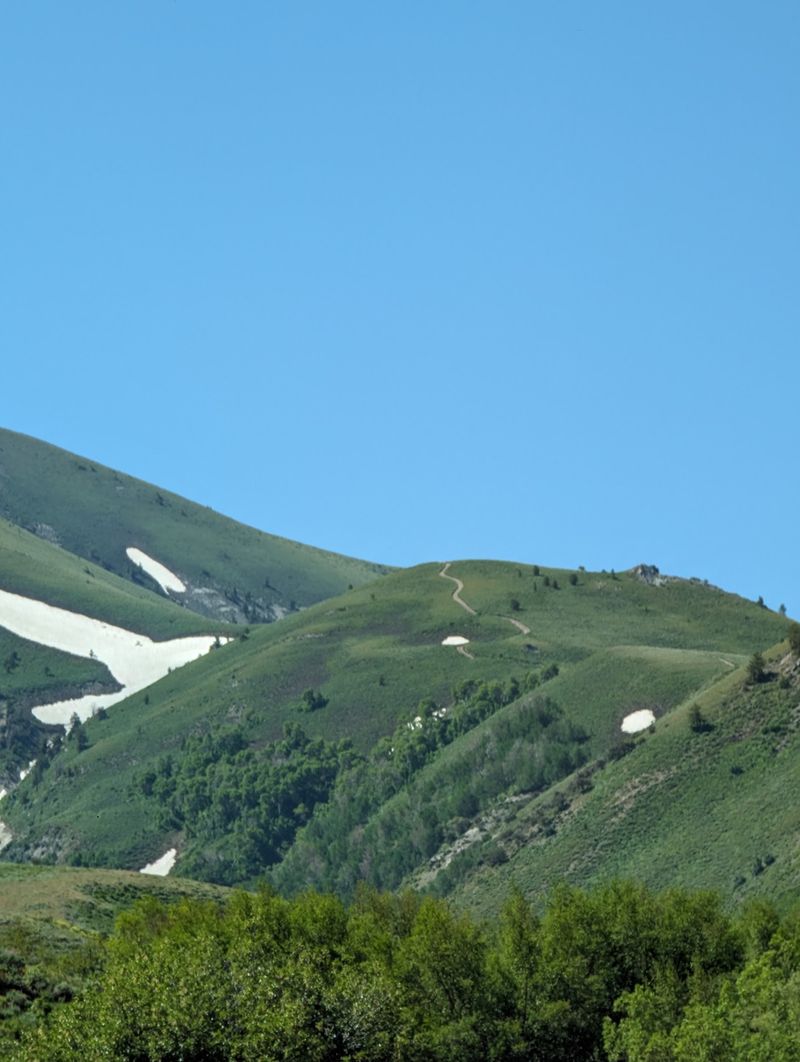
Hiking boots, dirt bikes, and mountain bikes all find a home here. The campground works well as a base camp.
From there, trails and backroads fan out into the Toiyabe Range.
Off-road riders have plenty to explore. The area is popular for OHV road riding, including dirt bikes and quads.
Stick to open routes and follow posted rules.
Hikers and backpackers can head out on foot. The campground offers direct access to Kingston Canyon and Groves Lake.
Bring a map, sun protection, and more water than you think you need.
Wildlife viewing is part of the fun. Keep a respectful distance, and let animals go about their day.
A good pair of binoculars is a great packing choice.
Photographers will want to be outside at golden hour. Light on the mountains can turn the whole canyon warm and glowing.
Even a phone camera can catch some memorable shots.
Plan one big outing and a few lazy ones. That mix keeps a two-week stay feeling fresh.
Rest days count too.
Sites Built For Simple Camping
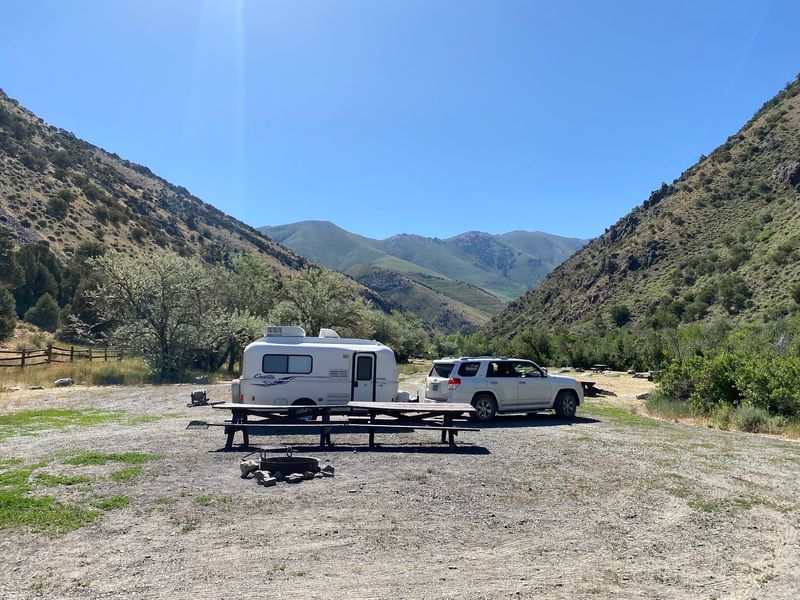
Don’t expect a resort. Expect the basics, done simply.
Each campsite has a picnic table and a fire ring or grill.
The campground has roughly 6 to 10 sites, depending on the source. Some listings also mention a group site.
Space is limited, so arriving early helps.
Shade can be hit or miss. Trees grow along the creek, but the terrain is open overall.
A canopy or tarp can be a lifesaver on sunny afternoons.
Dogs are welcome on a leash. Horse and pack animal owners need certified weed-free hay.
Those rules help protect the landscape.
Fire rules can change with the season and the weather. Check current restrictions with the Forest Service before you light anything.
When in doubt, a camp stove is a safer choice.
Park carefully, because rocks line parts of the loop. Larger rigs can find turning around tricky.
A smaller camper or tent makes life easier.
Pick your site, set up your kitchen, and make it homey. A rug, a lantern, and a good chair go a long way.
Fall Gold And Cool Summer Nights
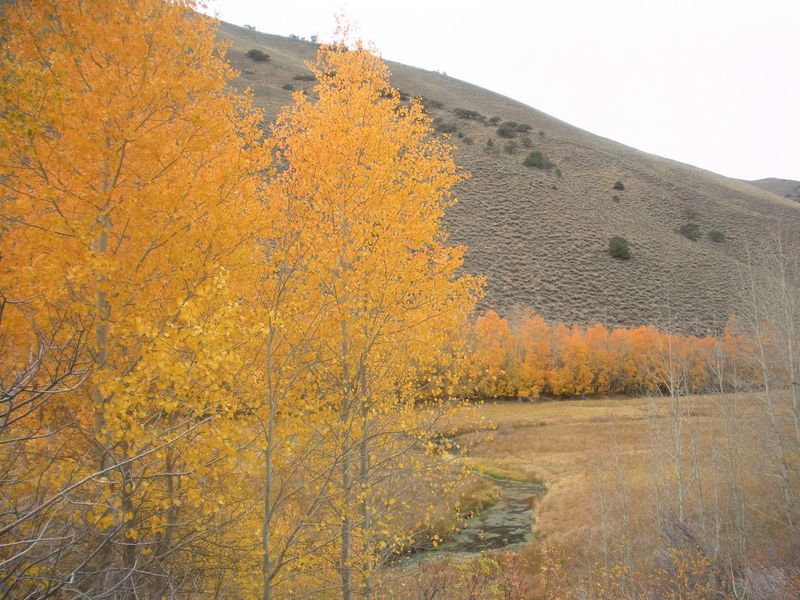
Timing shapes the whole trip. The campground generally opens from mid-May through late October.
Weather and road conditions decide the exact dates.
Summer days can heat up fast once the sun clears the ridges. Nights cool off nicely at this elevation of about 6,600 to 6,768 feet.
Pack a warm layer even in July.
Fall brings a showy change. Golden aspen colors light up the area in autumn.
It’s a lovely time for photos and quiet walks.
Spring and late season can bring surprises. Rain makes the gravel road rougher, and cold snaps can arrive early.
Check conditions before you leave town.
Stargazing may be the best nightly show. With no hookups and few lights, the dark sky does the work.
Lie back on a blanket and let your eyes adjust.
Bring a star chart or a free app that works offline. Download it at home before you lose service.
Then see how many constellations you can name.
Packing Smart For A Fourteen-Day Stay
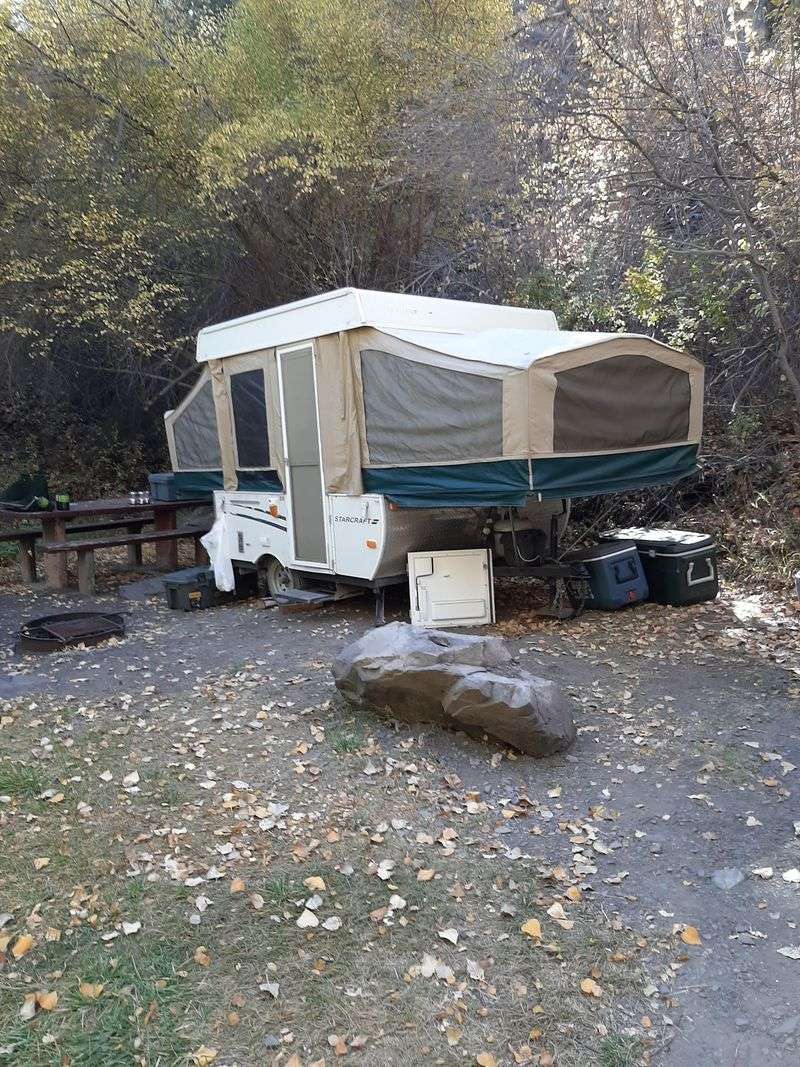
A long stay means smart packing. Start with the big three: water, food, and fuel.
Austin is about 12 to 15 miles away for resupply.
Bring a cooler you trust. Plan simple meals that travel well.
Stock extra lighting, since nights are dark.
Gear for the road matters as well. A spare tire, a jack, and a shovel are smart additions.
Rough gravel can punish unprepared vehicles.
Sun protection is a must. Pack hats, sunscreen, and a shade canopy.
Bring warm layers for cooler evenings.
Leave no trace. Carry out your trash and keep your campsite clean.
Dogs should stay on a leash.
Finally, bring something for downtime. A book, a deck of cards, or a sketchbook fits nicely.
Two weeks of quiet is a gift, so enjoy it.
Big Creek Campground in Nevada rewards the prepared. Pack well, drive slowly, and you may not want to leave.