
The Hidden New York Italian Restaurant That Locals Try To Keep To Themselves
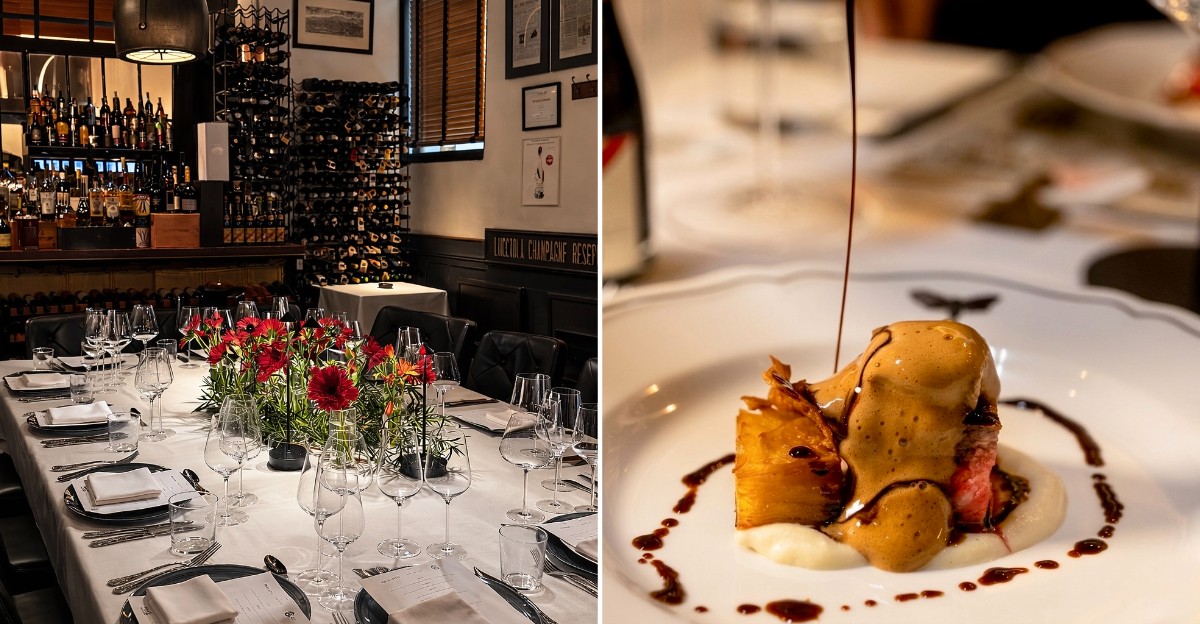
New York has a million places to eat, but the best ones are probably spots you have never even heard of. Locals know exactly where to go, and they would rather keep the address to themselves.
Red sauce simmers for hours until it turns deep and sweet. Pasta gets rolled and cut by hand before the doors open.
Meatballs come out tender and big enough to split between two people. Garlic bread lands on the table hot, with edges crisp and centers soft.
Lasagna stacks tall, layered with ricotta and bubbling cheese. Booths fill with families passing plates and arguing happily over the last bite.
Regulars know the owners by name and rarely open the menu. Weeknight tables fill early, and reservations make the evening easier.
This restaurant proves that the best Italian kitchens are often the ones locals protect the most.
A Tiny Firefly Glowing On Amsterdam Avenue
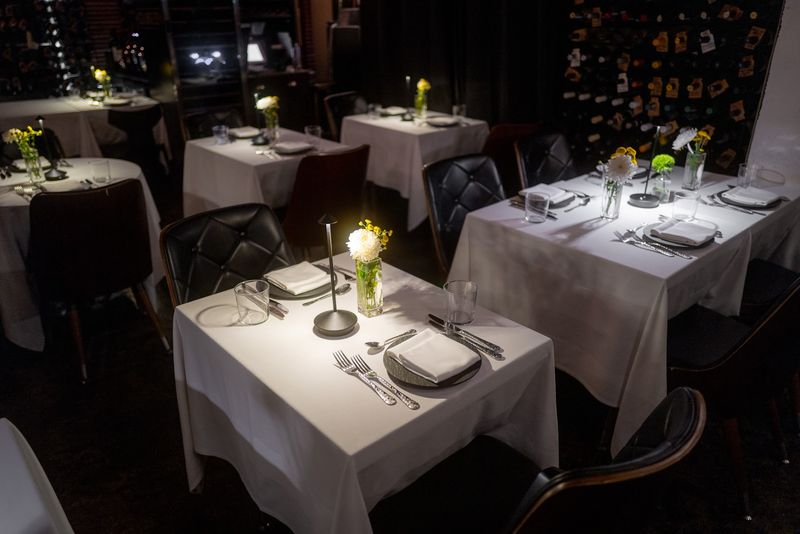
Picture a restaurant so small it could fit inside some people’s living rooms. Lucciola holds somewhere between 18 and 24 guests on a normal night, and that tiny number is a big part of its charm.
The name means firefly in Italian. It fits perfectly, because the place glows quietly on a busy avenue without shouting for attention.
Plenty of people walk right past it without a second look, which is exactly how the neighborhood likes it.
Behind the name are two friends from Emilia-Romagna, the Italian region famous for Parmigiano, balsamic vinegar, and serious pasta. Chef Michele Casadei Massari runs the kitchen.
Alberto Ghezzi oversees the drink side of things and the hospitality that goes with it.
Their idea was simple but unusual for Manhattan. Instead of packing in tables and rushing people out, they built the whole evening around three things, which are time, taste, and conversation.
That means the meal is meant to unfold slowly, like a good story.
Think of it as the opposite of grabbing a slice on the go. Here, dinner is the main event of the night, not a quick stop before something else.
Booking ahead is a smart move, since a room this small fills up fast and leaves very little room for walk-ins.
You can find this little firefly at 621 Amsterdam Ave, New York, NY 10024.
A Dining Room Borrowed From Italian Cinema
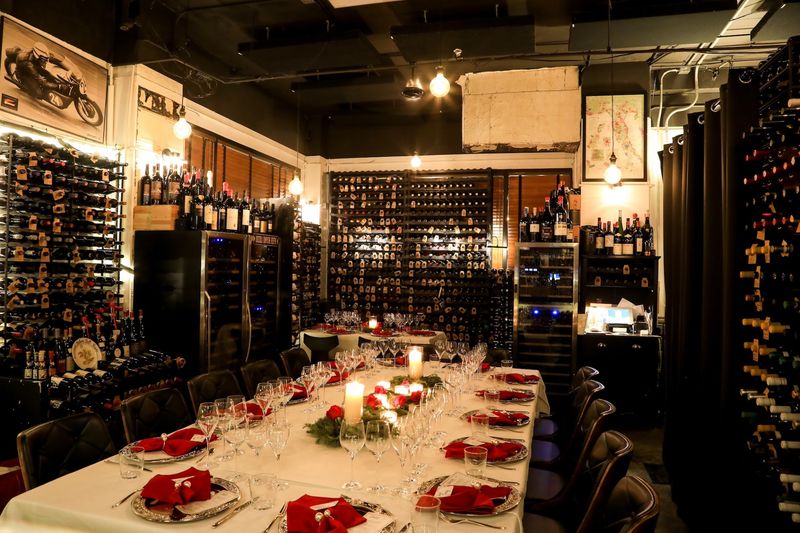
Ever wished you could eat dinner inside an old Italian film? That wish is closer to reality here than almost anywhere else in the city.
The dining room takes its cues from the movies of Pupi Avati, a filmmaker from Bologna known for warm, nostalgic stories. You will not find movie posters slapped on the walls, though.
The inspiration shows up in the mood, which is soft, golden, and a little dreamy.
Lighting does a lot of the heavy lifting. It stays low and warm, the way a scene looks right before two characters share an important secret.
Candles sit on the tables and add their own flicker to the glow.
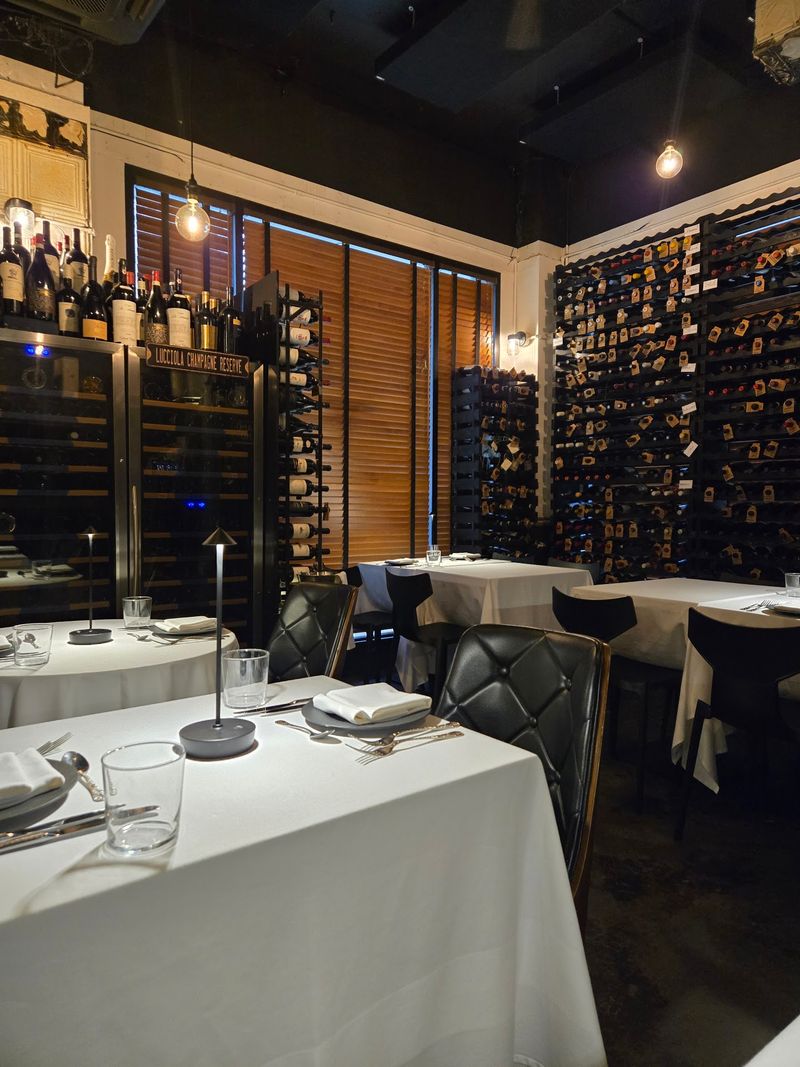
Venetian blinds give the room a stylish Art Deco feel. Crisp linens and fine drink glasses round out the look, borrowing the polish of the best dining rooms in Bologna.
Even the sound has been planned. The acoustics are designed so voices carry across a table but not across the whole room.
That is a rare gift in New York, where many restaurants sound like a subway platform at rush hour.
The design itself stays minimal on purpose. Nothing flashy pulls focus away from the plate or the person sitting across from you.
For anyone planning a date, an anniversary, or a big talk with an old friend, this setting does half the work already.
Dinner Without A Menu
Here is a fun twist that makes some people nervous and others giddy. At Lucciola, you can order dinner without ever reading a menu.
The No Menu experience works like a blind tasting. Before anything comes out of the kitchen, the staff asks about allergies, likes, and dislikes.
Then the chef builds a meal around those answers, the current season, and the mood of the table.
Guests pick how long the adventure lasts, anywhere from 5 to 9 courses. Five is a solid evening.
Nine is basically a full-length feature film for your taste buds, so plan to clear your schedule.
Honestly, the best part is the surprise. Every plate shows up like a little gift with a story attached, and the chef often includes notes explaining the thinking behind each dish.
You get to learn something while you eat, which is a sneaky way to turn dinner into a tasty history class.
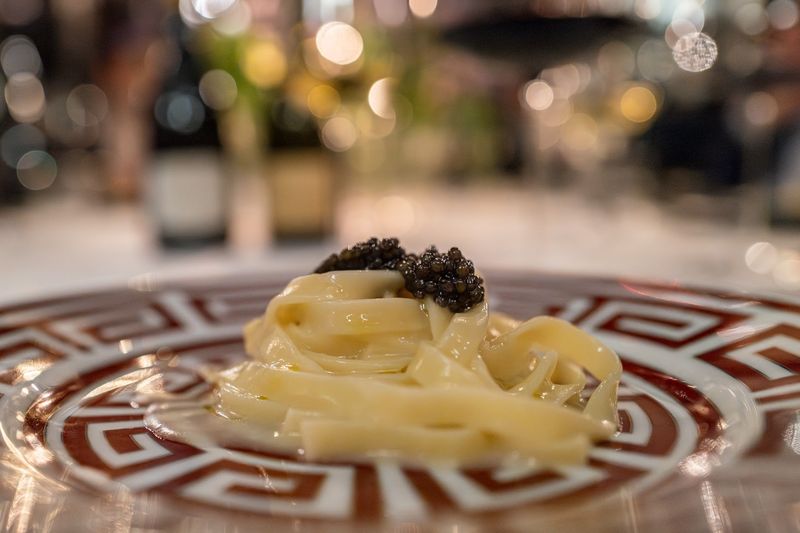
Dishes that have made appearances include a deconstructed lasagna with lobster and caviar, risotto carbonara, and handmade pasta like maltagliati. A simple spaghetti pomodoro also has a loyal following, proving tomato and pasta never go out of style.
A quick tip helps here. Be honest and specific when the staff asks questions.
If mushrooms make you sad, say so, because the kitchen truly cooks for you.
The Balsamic Journey Called The Giusti Experience
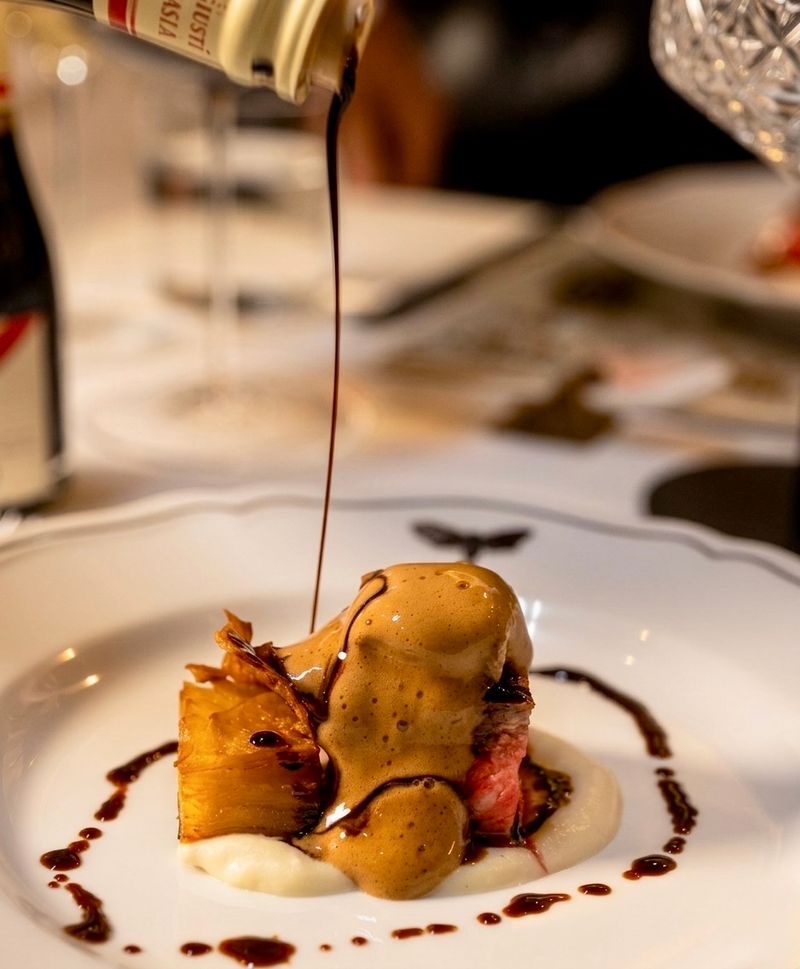
Most people think balsamic vinegar is that dark stuff you splash on a salad. Prepare to have that idea politely corrected.
Giusti is one of the oldest balsamic vinegar makers in the world, based in Modena and producing since the 1600s. That is older than the United States, which makes your kitchen cabinet bottle look like a toddler.
The Giusti Experience is a focused tasting built around these historic vinegars. Each course gets paired with a different aged balsamic, and the flavors change in surprising ways.
Some taste sweet and syrupy, almost like dessert. Others are bright and tangy.
It makes total sense for this restaurant to offer it. Both founders come from Emilia-Romagna, the same region where traditional balsamic has been made for centuries.
So this is less of a gimmick and more of a love letter to home.
For curious eaters, the journey works like a museum tour you can taste. You learn how time and wooden barrels shape flavor, one small drop at a time.
Pasta, cheese, and even dessert can shift completely with the right pairing.
Anyone who enjoys cooking at home will walk away with fresh ideas. A tiny drizzle of the good stuff over strawberries or Parmigiano might become your new favorite trick.
Just do not tell your salad dressing it has been replaced.
A Wall Of Bottles With Thousands Of Stories
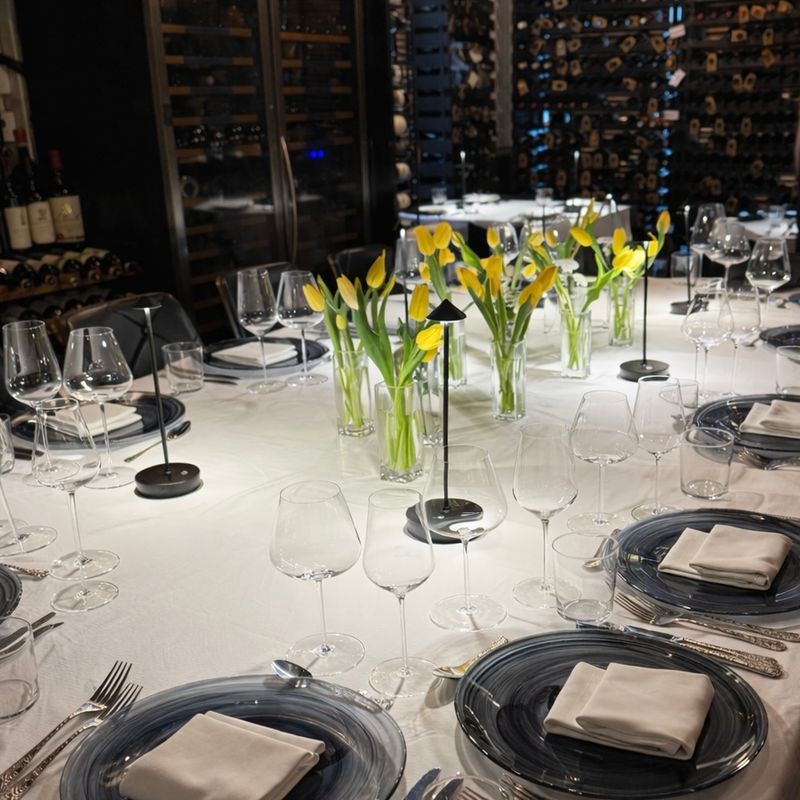
Count the seats, then count the bottles, and the math gets silly fast. A room built for about two dozen guests holds a collection of more than 1,450 carefully chosen labels.
Racks line the space near the bar, stacked high with bottles from Italy and beyond. They act as decoration, storage, and conversation starters all at once.
It is a bit like dining inside a library where every book has a cork.
Alberto Ghezzi leads this side of the house. He has picked each label with care, focusing on where it comes from and how it fits with the cooking.
The staff knows the collection well and can match bottles to dishes like puzzle pieces.
Not everyone cares about pairings, and that is fine. Even so, the sheer size of the collection tells you how seriously the team takes the whole experience.
Nothing here happens by accident.
The restaurant even brings people together through a drink club. It gathers collectors, producers, curious beginners, and regular guests for small tasting dinners.
Those evenings feel more like a gathering of friends than a formal class.
For someone just starting to learn, the best move is asking questions. The team enjoys sharing stories about grape regions and family vineyards.
You might leave knowing a little more about Italian farming than you ever expected from a dinner out.
Gold Rims And Black Clay Plates
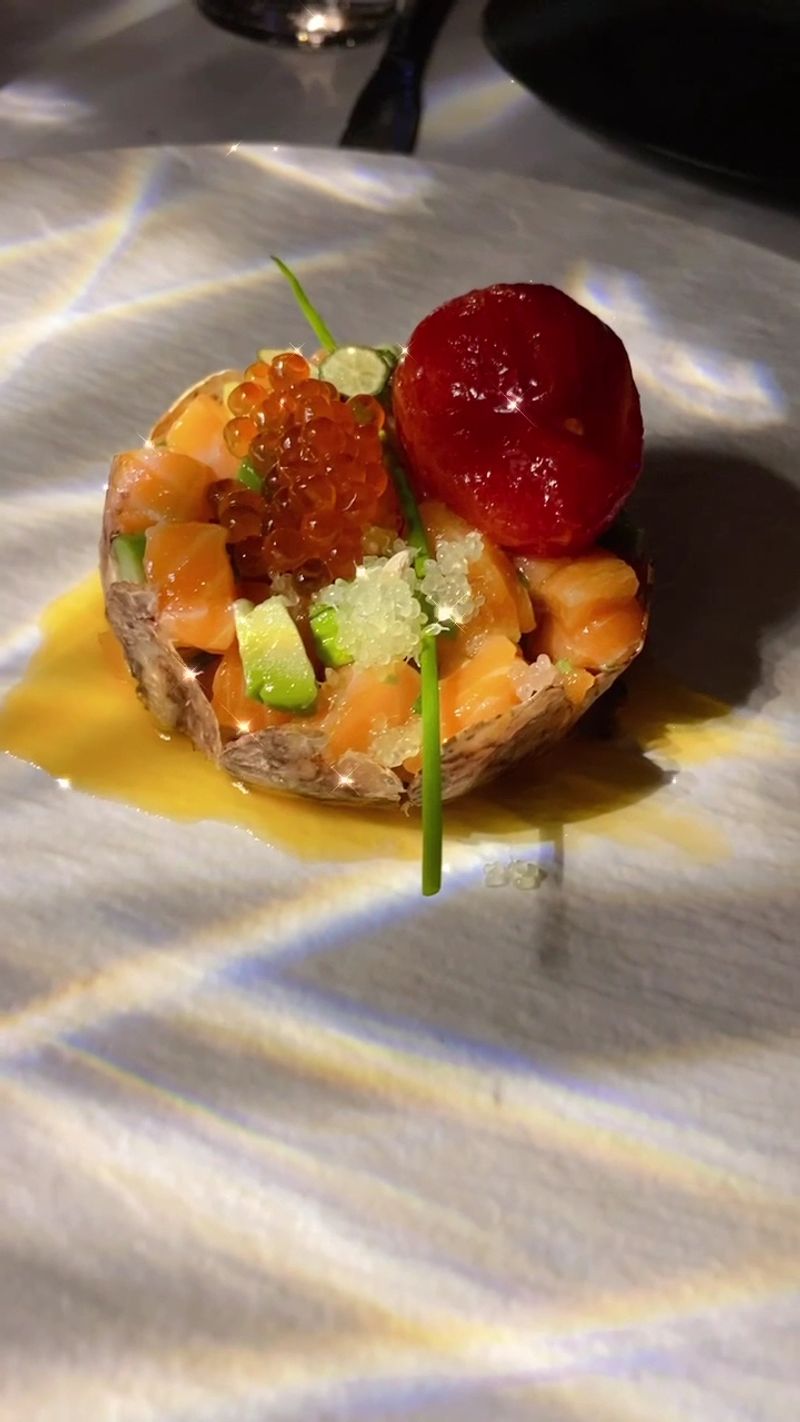
Some restaurants obsess over the food. This one also obsesses over what the food sits on, and the results are kind of fascinating.
Take the plates. Many dishes arrive on Egyptian black clay, chosen because the team believes it helps bring out rich, buttery flavors.
It also looks striking, since bright pasta and colorful vegetables pop against that dark surface like jewels on velvet.
Then come the glasses. Gold-rimmed versions are used for certain pours, with the idea that the rim adds crispness to the taste.
Whether science fully agrees is up for debate, but it shows how far the attention to detail goes.
Ingredients get the same kind of care. Everything is sourced with respect for where it came from, what season it is, and how good it truly is.
The kitchen leans on simplicity and lets quality speak for itself.
Here is a cool thought for home cooks. Serving dinner on a different plate really can change how a meal feels, even if the recipe stays the same.
Restaurants like this one prove presentation matters more than most people think.
Small notes from the chef often travel with each plate. They explain the idea behind the dish, so eating turns into a quiet little lesson.
Few places in the city put this much thought into a single bite.
Private Rooms For Big Celebrations
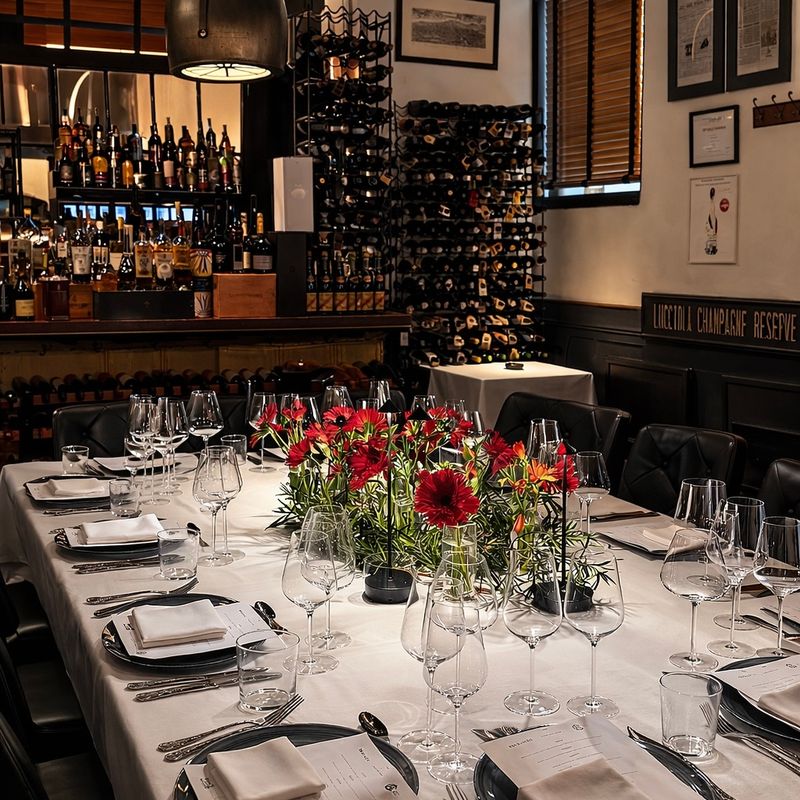
Planning a party in Manhattan usually means shouting over strangers at the next table. Lucciola offers a much calmer option for groups who want the place mostly to themselves.
There are two main setups. A semi-private room fits groups of 11 to 16 guests, which works nicely for a family birthday or a work celebration.
For bigger crowds of 17 to 24, the exclusive private option basically turns the restaurant into your own dining room.
Since the space is so small, booking the larger option feels like renting a tiny Italian villa for the evening. No random diners, no awkward elbow bumps, just your people and a long night of good food.
Little touches make these events feel personal. Printed menus can be customized with names or messages, and floral arrangements can match the occasion.
A grandparent’s anniversary or a graduation dinner suddenly feels like a scene from a movie.
Smaller groups can also ask about customized private dining. The team works with guests to shape the meal around preferences and the reason for celebrating.
That flexibility is rare in a city where many restaurants run on strict scripts.
One practical tip goes a long way. Reach out well ahead of the date, especially for weekends or holidays.
With so few seats in the building, the calendar fills up faster than a subway car at five o’clock.
Why Nobody Wants To Leave Early
Most New York restaurants want your table back in ninety minutes. Here, the whole evening is built so guests can settle in and forget about the clock.
That relaxed pace comes from the founders’ friendship. Chef Massari and Alberto Ghezzi have known each other for nearly thirty years and call each other family.
That bond spills into the way the room runs, which is warm, steady, and never in a hurry.
The staff plays a huge role too. Servers pace each course to match the table, slowing down for chatty friends and keeping things moving for others.
They know the dishes inside and out and happily explain every detail.
A guiding belief shapes the kitchen. Food should share values, not show off ego.
That means honest flavors, careful technique, and dishes that carry memories of home rather than flashy tricks.
Add it all up and you get a meal that feels personal from start to finish. It is the closest thing to eating at an Italian friend’s house, if that friend happened to be a professional chef with a massive cellar.
So why do locals keep it quiet? Simple.
With only a couple dozen seats and evenings that stretch on happily, every new fan makes getting a table a little harder. Consider yourself trusted with the secret now.