
The Historic New York State Park Hiding The First Section Of A Legendary Hiking Trail

The lowest point on the entire trail sits at just 124 feet. It isn’t on some remote southern ridge. It’s inside a zoo.
That quirky fact belongs to the very first stretch of the famous footpath ever opened. Volunteers finished it back in 1923, years before the rest of the 2,190-mile trail existed. I love that the whole legend started with one short New York section.
The views are a big part of the fun. On clear days, hikers can spot the Manhattan skyline from the high points. Stone steps climb through the forest toward a summit tower with sweeping Hudson Highlands scenery.
This spot works for almost everyone. Families, first-timers, and seasoned hikers all share the same historic dirt.
You Are Standing On Day One Of A 2,190-Mile Legend
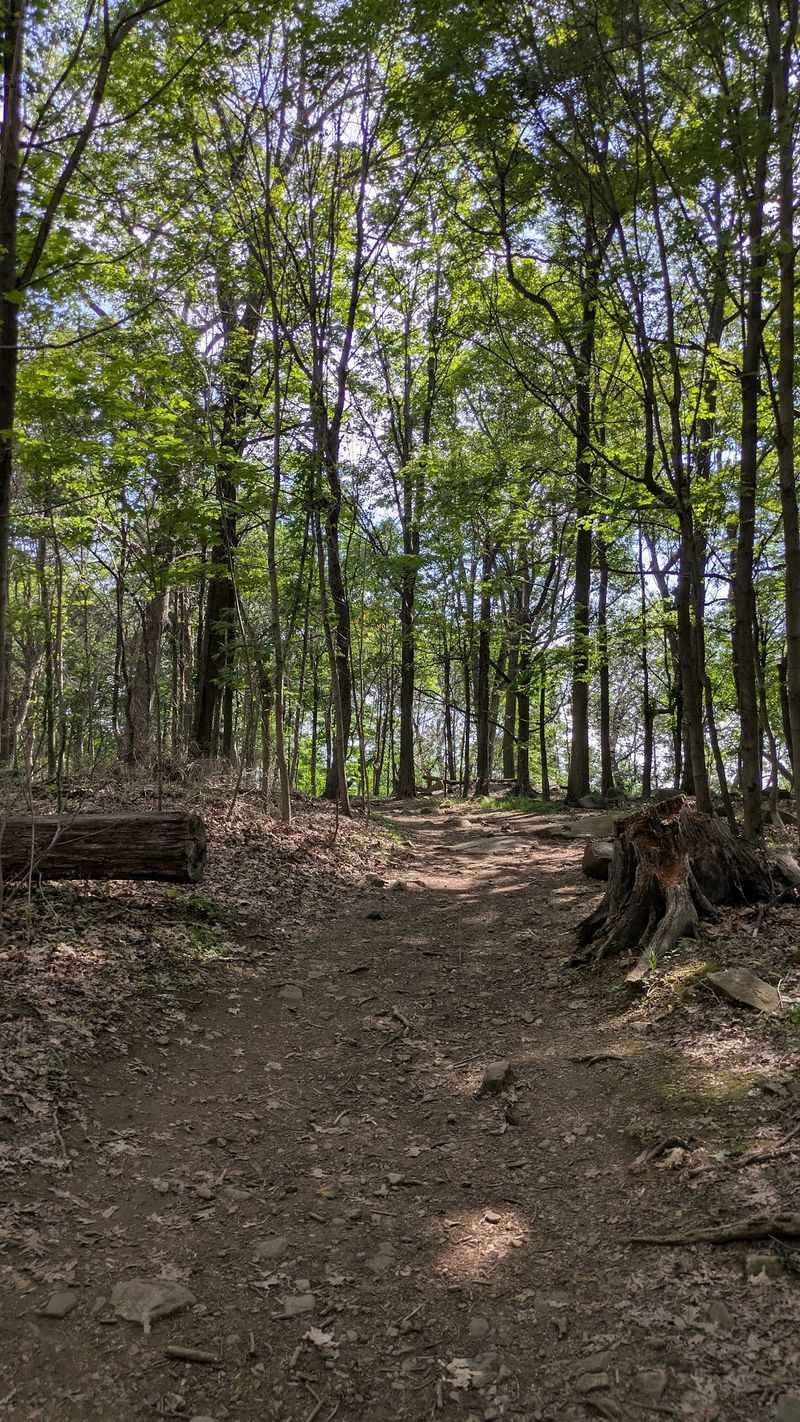
October 7, 1923, is the date that matters here. That’s when the first section of the Appalachian Trail officially opened, right here in New York.
Appalachian Trail Genesis marks that starting point in Bear Mountain State Park. The original segment ran from Bear Mountain west through Harriman State Park to Arden. Every thru-hiker story since then traces back to this patch of woods.
The big idea came two years earlier. In 1921, forester and planner Benton MacKaye dreamed up a long footpath linking wild areas for city folks. He wanted crowded urban residents to have an easy escape into nature.
His dream grew fast. The full trail, stretching from Georgia to Maine, was completed in 1937. In 1968, it became the Appalachian National Scenic Trail under the National Trails System Act.
I think that history changes how a simple walk feels. You’re not just stretching your legs on a random path. You’re exploring the historic landscape where the Appalachian Trail’s first completed section opened in 1923, even though parts of the route have since been rebuilt or relocated.
Bring a little curiosity along with your water bottle. Knowing the backstory makes every white blaze feel like a tiny trophy.
Those Famous Stone Steps Will Test Your Calves
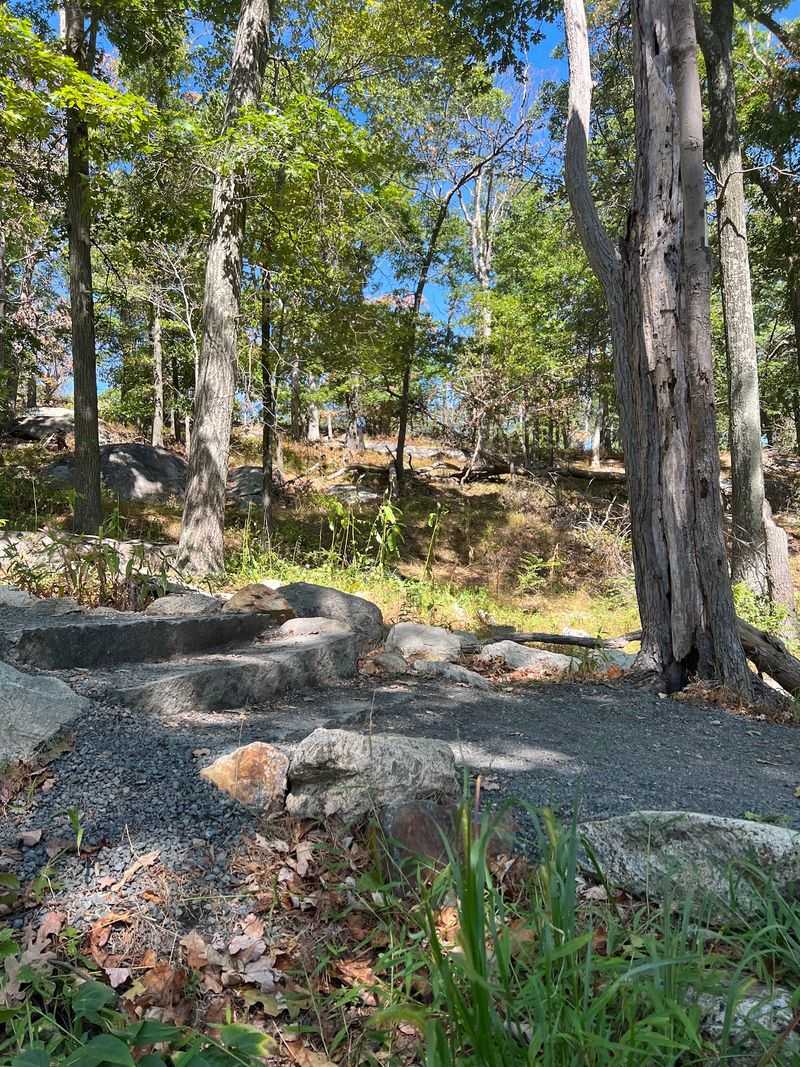
Stairs, stairs, and then a few more stairs. The climb up Bear Mountain features long runs of rock steps carved into the slope.
Fitness definitely helps on this route, though no climbing skills are needed. The steps make the steep sections manageable, but your legs will still notice the effort. Plan for frequent breaks and plenty of water.
A smart pace beats a fast one every time. The halfway point opens up to lovely valley views, which makes a perfect excuse to pause. Nobody needs to know you stopped mainly to breathe.
Good shoes matter more than fancy gear here. Sturdy sneakers or hiking boots with solid grip help on rock surfaces, especially after rain. Leaves in autumn can also make the steps slippery.
Start early if you can. The park is busy, with more than 100,000 hikers, runners, and day-trippers using this segment each year. Morning starts often mean cooler air and easier parking.
I like to think of the steps as a built-in workout plan. No gym membership required, and the reward at the top is far better than a treadmill screen.
Manhattan Might Wave Back From The Summit
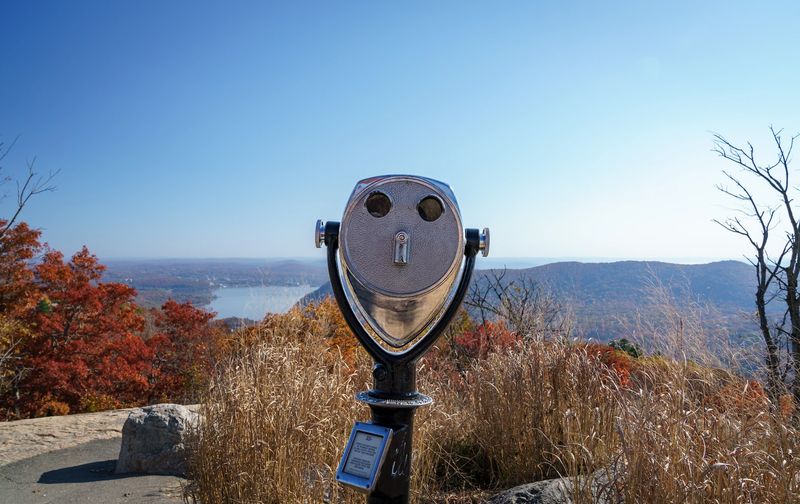
A skyscraper sighting from a mountaintop sounds made up. On clear days, though, the Manhattan skyline really does appear on the horizon from the high points here.
Perkins Memorial Tower crowns the summit of Bear Mountain. It offers sweeping views of the park, the Hudson Highlands, and Harriman State Park. The Hudson River valley stretches out below like a giant map.
You can hike to Perkins Memorial Tower or drive to the summit when Perkins Memorial Drive is open, typically from April through November, weather permitting. That makes it a great meeting spot for groups with mixed energy levels. One person hikes, another drives, and everyone celebrates together.
A portion of the summit path is wheelchair accessible. That’s a thoughtful touch that lets more people enjoy the same big views.
Timing helps with the skyline hunt. Pick a crisp, clear day for your best chance at spotting the city. Hazy summer afternoons can hide the distance completely.
Pack a snack and linger a bit. The summit area is a lovely place for a picnic after the climb. Honestly, few lunches come with a view that includes two states of mind: wild forest and busy city.
The Trail Takes A Detour Past Bears And Owls
Most long trails avoid zoos. The Appalachian Trail goes straight through one at Bear Mountain State Park.
The Bear Mountain Museum and Zoo sits right along the route. That makes this the only stretch of the trail where hikers can pass wildlife exhibits without leaving the path. Kids especially tend to find this detail hilarious and amazing.
Here’s the even stranger part. This area holds the lowest elevation point on the entire Appalachian Trail, at just 124 feet. So the trail’s low point is also one of its most unusual spots.
I love how this flips the typical hiking story. People usually brag about summits and peaks. Here you can brag about reaching the bottom, which is far easier on the knees.
Plan extra time if animals interest you. Rushing through would feel like skipping the best chapter of a good book. Check the zoo’s current hours before your trip, since they differ from the trail.
It’s a fun stop to pair with a gentler walk. Families with younger hikers can mix a little history, a little nature, and a few animal sightings into one easy outing.
Wheels Are Welcome On This Stretch Of History
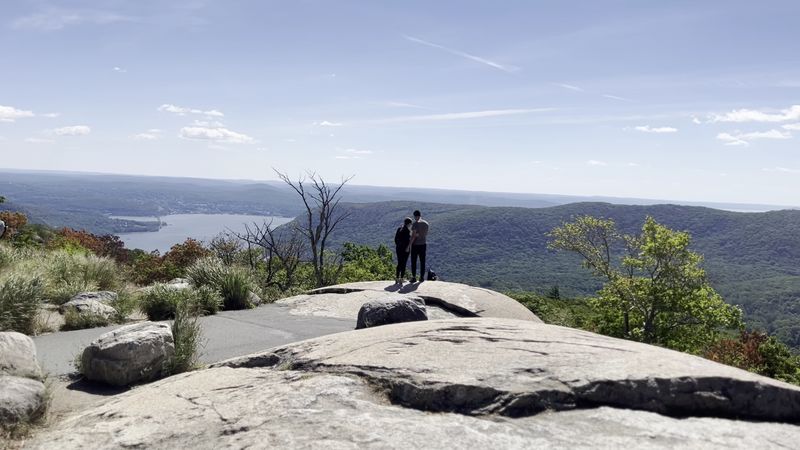
Accessibility usually isn’t the first word linked with mountain trails. Bear Mountain State Park changes that with sections of the Appalachian Trail built to ADA and ABA standards.
One highlight is a half-mile wheelchair-accessible portion. It leads from a parking lot to a scenic vista. Strollers and wheelchairs can roll along a piece of the very first trail section ever built.
That matters more than it might seem. Plenty of people want to experience famous trails but can’t handle rocky climbs. This path gives them a real taste of the adventure.
The summit tower area adds another accessible option. Visitors can drive up the paved road, park close by, and enjoy the views. A portion of the summit path is wheelchair accessible too.
I appreciate a place that thinks about everyone. Grandparents, little kids, and friends with mobility needs can all join the outing. Nobody gets left in the car wondering about the view.
It’s a great choice for multigenerational trips. Some can hike the steeper steps while others enjoy the smoother sections. Everyone still meets up for photos and snacks afterward.
Squeeze Through A Rocky Puzzle In Harriman
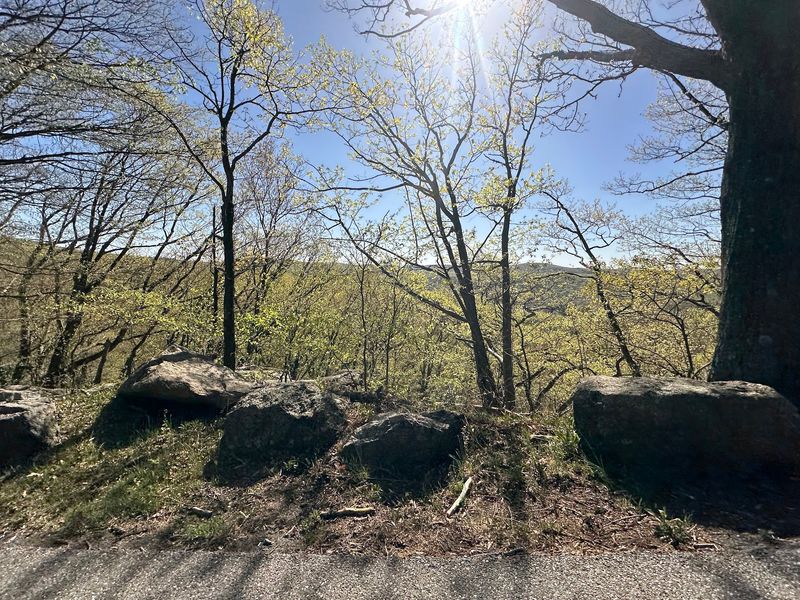
Some trail names are pure poetry. The Lemon Squeezer is simply honest.
This famous rock feature sits on the Harriman State Park portion of the original route. The trail narrows into a slim gap between huge boulders. You literally squeeze through, like the trail is testing your packing skills.
It’s one of the most talked-about spots along this early section. The name alone makes kids curious, and the real thing delivers. Expect some careful foot placement and maybe a little sideways shuffling.
Big backpacks can make the squeeze trickier. A smaller daypack is a smart choice if this spot is on your list. Gloves can also help when gripping rough rock.
Harriman is a huge playground for hikers. The park alone holds over 200 miles of hiking trails. That means the Lemon Squeezer is just one memorable stop among many choices.
I think it’s the perfect spot for a silly photo. Few pictures say adventure quite like someone wedged between two giant rocks. Just give yourself extra time, because the walk out to it takes real effort.
A Park Older Than Your Great-Grandparents’ Car
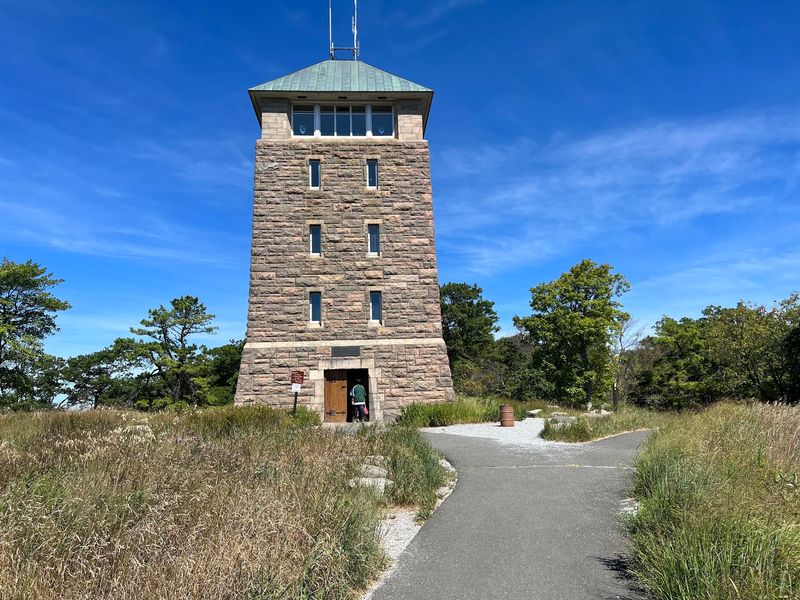
Bear Mountain State Park opened to the public in 1913. That makes it one of the oldest state parks in New York, and it was already established when trail builders arrived.
Bear Mountain State Park is located at 3006 Seven Lakes Drive, Bear Mountain, NY 10911, with the historic Appalachian Trail section passing through the park. Together, Bear Mountain and Harriman State Parks cover over 50,000 acres of backcountry habitat. That’s a whole lot of room to roam.
Big numbers continue here. Bear Mountain State Park welcomes roughly 2 to 3 million visitors each year. Even so, many folks skip right past the trail’s historic roots.
The terrain offers real variety. Hikers move through shady forests and onto open ridges with Hudson River valley views. Each turn seems to change the scenery a little.
Bear Mountain State Park is open year-round from dawn to dusk, so plan to finish your hike before dark. Bring a headlamp just in case a slow day runs late. Sunset can sneak up fast under thick trees.
I love that such an old park still feels fresh. History and wild space share the same ground here, and both are easy to enjoy in one day.
Autumn Here Is Worth Planning Around
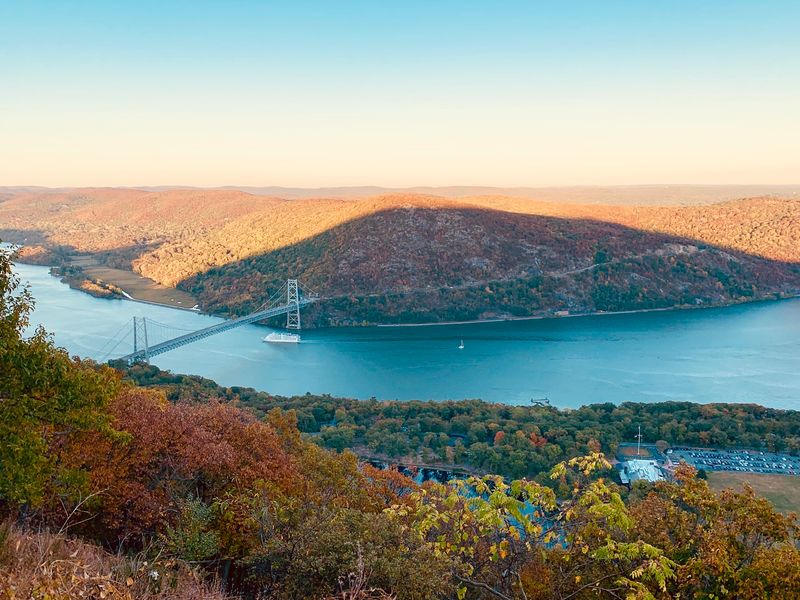
Leaf peepers, take note. Fall color in the Hudson Highlands can turn this historic route into a blazing tunnel of red and gold.
Timing is the tricky part. Foliage in early October may still be mostly green here. Waiting a week or two often brings stronger color, so check local foliage reports before heading out.
Summer has its own charm. The trails turn lush and green, with plenty of shade on warm days. Just bring extra water, because those steps feel steeper in the heat.
Spring offers fresh growth and cooler hiking temperatures. Winter can be beautiful too, but icy steps demand serious caution. Traction devices for your boots are a smart idea.
One recent update matters for planners. The Bear Mountain section reopened in May 2024 after repairs for storm damage. Checking for trail alerts before any visit is always a good habit.
I’d probably aim for a crisp fall weekday myself. Cool air, colorful trees, and the anniversary of the 1923 opening all line up nicely. October simply feels like the right month to celebrate the trail’s birthday.
Leave The Trail Better Than The Founders Found It
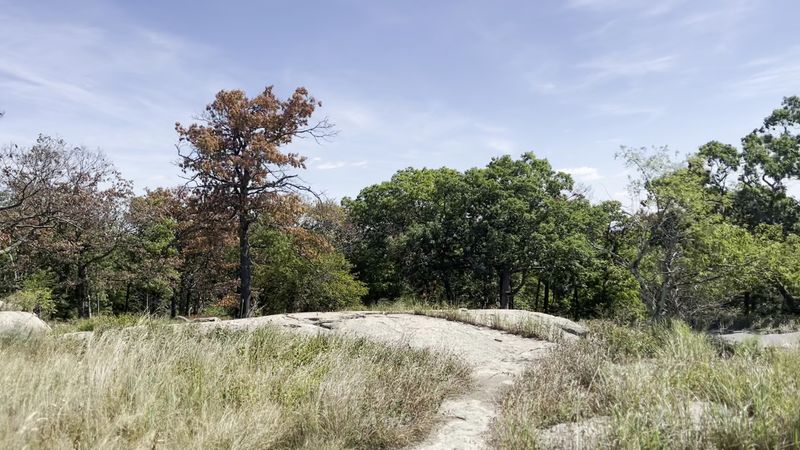
A century of footsteps adds up. With so many people visiting each year, small habits make a huge difference on this historic path.
Leave No Trace is the golden rule. Pack out every wrapper, bottle, and orange peel you bring in. Staying on marked paths also protects plants and slows erosion around those beloved stone steps.
Preparation keeps the day fun. Carry water, snacks, a map, and layers, since summit weather can shift quickly. Phone signal may fade in spots, so a paper map is a handy backup.
Plan for full parking on busy weekends. Arriving early helps, and so does visiting midweek. Carpooling with friends saves space and makes the drive more fun.
Groups should pick a meeting point before starting out. The summit tower area works well, since it’s reachable by trail or by car. That way nobody wanders the mountain searching for their crew.
Benton MacKaye pictured this trail as a gift for busy city dwellers. I think caring for it is the best thank-you note. Treat Appalachian Trail Genesis kindly, and New York’s oldest long-distance footpath will keep welcoming hikers for another hundred years.