
The Ithaca, New York Antique And Vintage Market Worth Planning A Whole Day Around
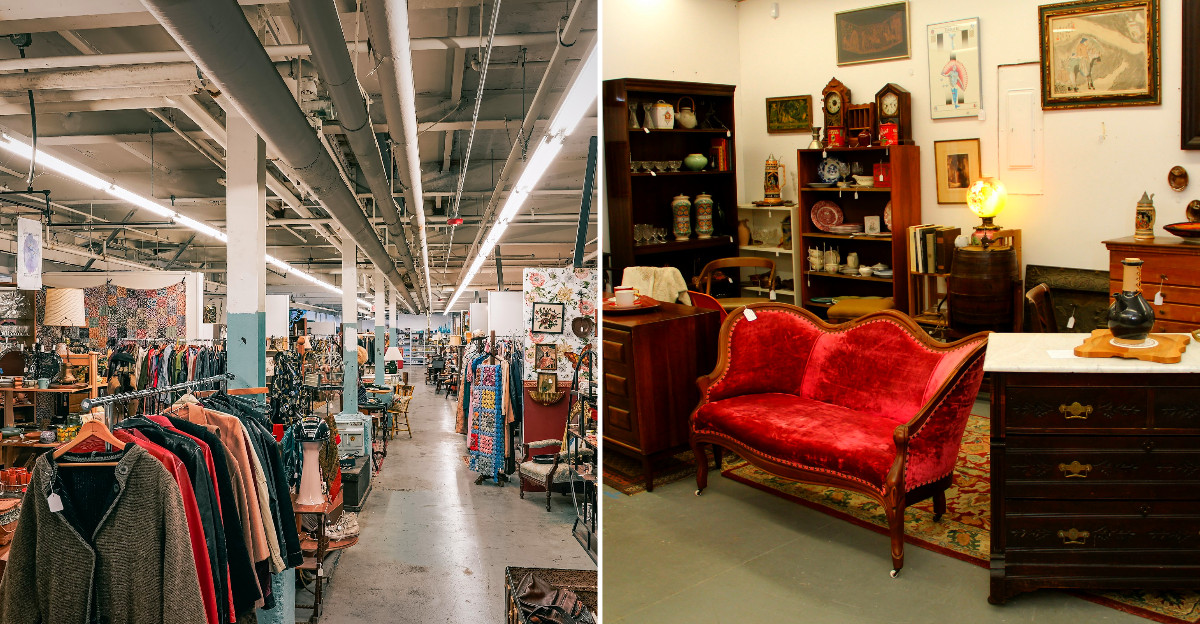
The trouble with a good antique store is that ten minutes means absolutely nothing.
You spot an old lamp, then a box of records, then a chair that suddenly seems perfect for a room you were not planning to change. New York makes that kind of distraction easy here.
Inside a former factory complex, thousands of square feet are packed with vintage furniture, jewelry, books, and wonderfully odd pieces that reward slow browsing.
Hours can disappear without much warning. Part of the fun is spotting something useful beside something completely strange, then circling back because you cannot stop thinking about it.
The space feels more like a hunt than a normal shopping trip, which makes rushing almost pointless. By the time you finally head for the door, the question is not what you found. It is how much of it will fit in the car.
A Factory Floor Full Of Second Chances
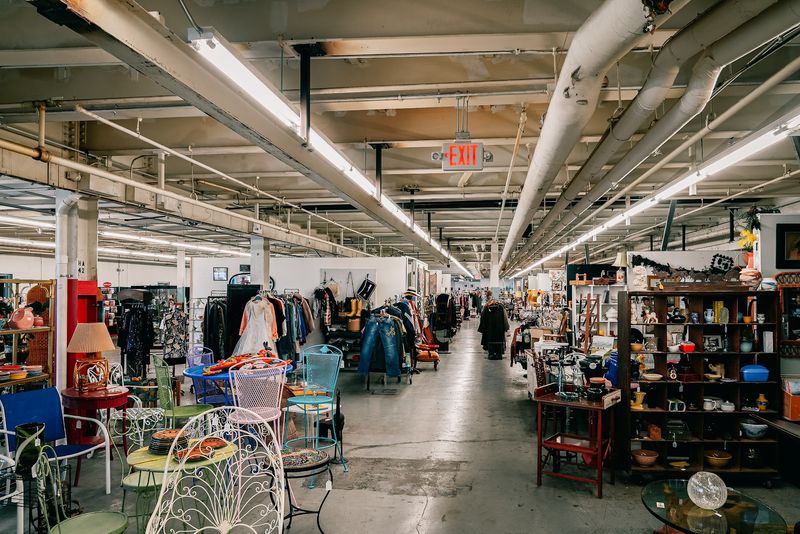
Old factories have good bones, and this one puts them to work. The brick and industrial framing give the whole space a bright, slightly funky character that matches the goods inside perfectly.
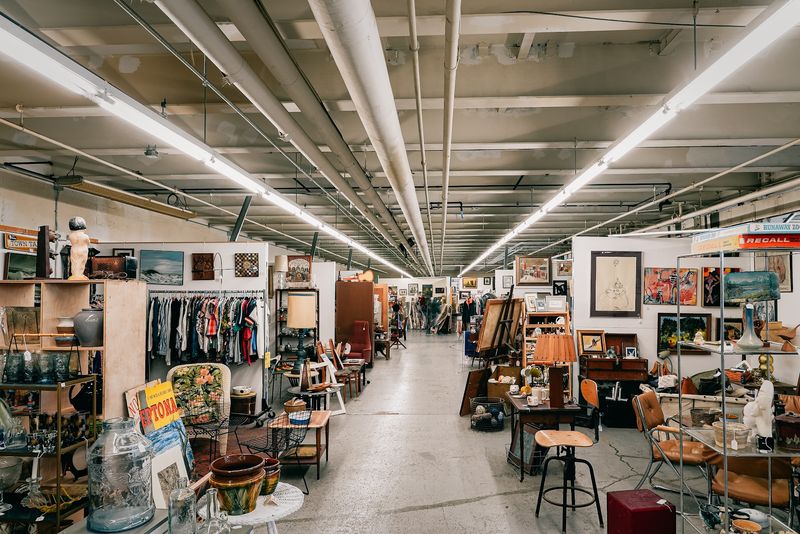
Roughly 20,000 square feet now sit under one roof, giving more than 70 dealers room to fill the former factory space with antiques, vintage furniture, jewelry, clothing, art, books, and unusual finds.
The range covers 19th-century furniture, Mid-Century Modern pieces, country primitives, industrial furniture, art glass, china, pottery, estate jewelry, vintage clothing, artwork, ephemera, electronics, and books.
The larger SouthWorks footprint gives browsing far more room than the former Cherry Street shop, especially with dozens of independent dealers arranging their own selections. That is not an exaggeration. Aisles bend around booths, and each booth reflects a different dealer’s taste.
Prices vary widely because each dealer brings a different mix of small collectibles, decor, clothing, jewelry, and larger furniture.
Treat it as a slow walk rather than a sprint, and the treasures start surfacing. The dealer setup keeps the experience unpredictable. One booth may lean toward polished furniture, while the next feels more like a collection of small curiosities gathered over decades.
FOUND In Ithaca Has A New Home On South Hill
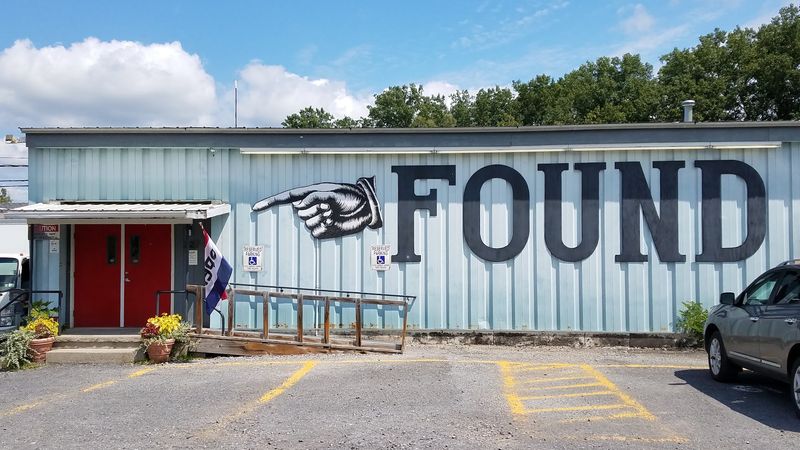
Ithaca regulars know the name already. FOUND spent more than 15 years at its Cherry Street location before closing there on October 26, 2025 and preparing for its move to SouthWorks.
The new address is 620 S Aurora Street, Ithaca, NY 14850, inside the SouthWorks building off Route 96B. FOUND became the very first tenant in that redevelopment, which gives the place a pioneering feel.
A soft opening happened in late December 2025, and the doors officially swung wide on January 10, 2026. Current ownership took over the business roughly two years before that milestone.
The larger building gives the merchandise more breathing room. Bigger pieces no longer compete for every inch, and wandering between sections feels much easier than it did in the smaller location.
The move tripled the square footage. More room meant more dealers, wider aisles, and space for the bigger furniture that previously had nowhere to sit.
Approaching by car takes a little faith. The drive in can look like an alleyway at first, so follow the posted signs and keep rolling toward the complex. There is a free parking lot waiting at the end.
Murals decorate parts of the property, turning the walk from your car into part of the visit. The industrial setting suits the merchandise better than any polished storefront could.
Jewelry Cases Worth Asking About
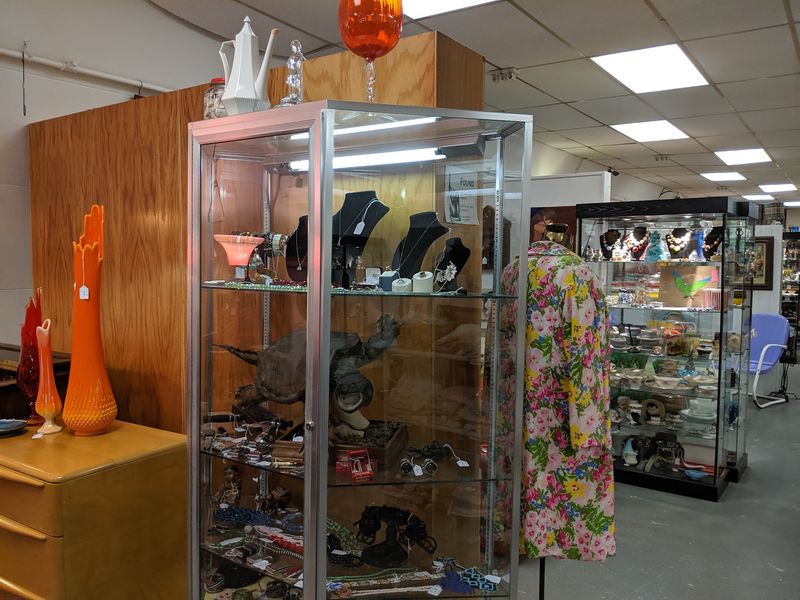
Ask an employee to unlock a case and the visit levels up. The jewelry selection draws steady praise, and for good reason.
Gemstone rings, brooches, old watches, and estate pieces rotate through the cases regularly. Because multiple dealers contribute, the styles jump across decades without warning, which makes each visit different from the last.
Green stone rings, filigree settings, chunky costume pieces, and simple gold bands all turn up. Prices span pocket change to a few hundred dollars, and the higher end tends to reflect real materials rather than hype.
Patience helps here. Staff will happily open cases and talk through a piece, though a short wait is possible when the register gets busy. Consider it a chance to eyeball the next case over.
A practical tip worth remembering: know your ring size before you go. Nothing stings quite like falling for a band that will not slide past your knuckle.
Jewelry shoppers who visit often say the good stuff moves quickly. If a piece speaks to you, do not plan on sleeping on it for a week.
Jewelry is easy to overlook when the furniture grabs your attention first. Slow down near the cases, since the smaller pieces often hold just as much history.
Furniture That Beats Buying Brand New
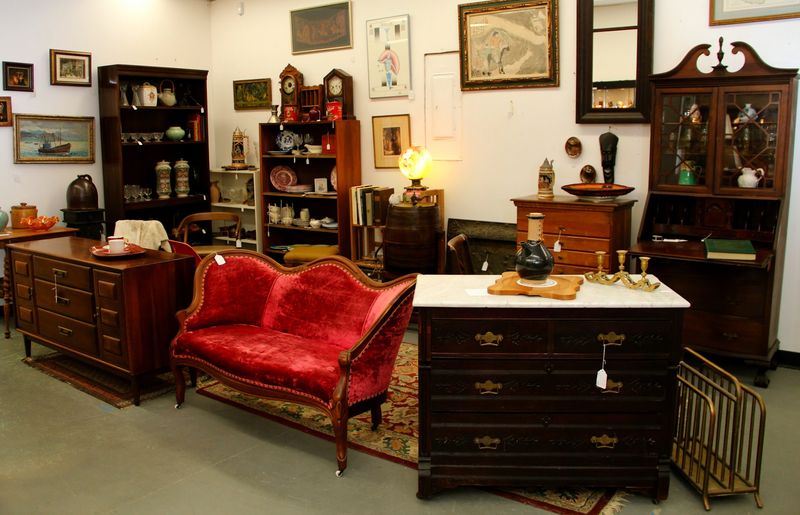
Solid wood, real joinery, and prices that do not require a payment plan. The furniture section is where a lot of first time visitors get into pleasant trouble.
Mid century modern pieces show up consistently, including Danish style credenzas and media consoles. Older Victorian era case goods appear too, alongside sturdy farmhouse tables and odd little accent chairs.
Condition is generally strong. Many shoppers moving into new apartments or homes find quality vintage furniture for less than the cost of flat pack alternatives, and it lasts considerably longer.
Delivery arrangements can be made, which removes the biggest headache of antique shopping. No need to wedge a dresser into a hatchback and hope for the best.
Measure your space beforehand. Write the numbers on your phone. Vintage pieces often run deeper or taller than modern furniture, and eyeballing it rarely works out.
One more piece of advice. Walk the furniture areas twice, once at the start and once before checkout. Fresh eyes catch the piece you overlooked while distracted by a shelf of glassware.
Racks Of Clothing From Every Decade
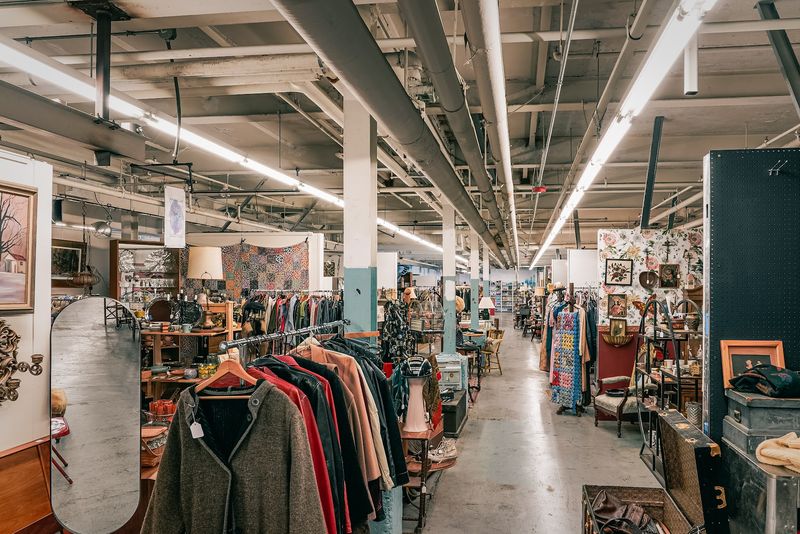
Costume party coming up? Or just tired of clothes that look like everyone else’s? The clothing racks here stretch across multiple eras and sizes.
Dresses, coats, denim, hats, shoes, and accessories fill a sizable portion of the floor. Garments date anywhere from the early twentieth century through the 1980s, with the occasional newer surprise thrown in.
Quality hats earn special mention from regular shoppers, and wedding dresses sometimes appear on the racks. Dealers price most items fairly, which makes experimenting with a bold style far less risky.
Sizing on vintage clothing rarely matches modern labels, so ignore the tag and try things on. What reads as a size ten from 1962 might fit like a modern six.
Bring a tote bag. Once you start pulling pieces, your arms fill up faster than expected.
Check pockets and seams before buying, a habit any seasoned thrifter picks up early. The staff know their inventory well and will point you toward the racks most likely to match what you are hunting.
Half the fun is the unplanned discovery.
Small Wonders Hiding On Every Shelf
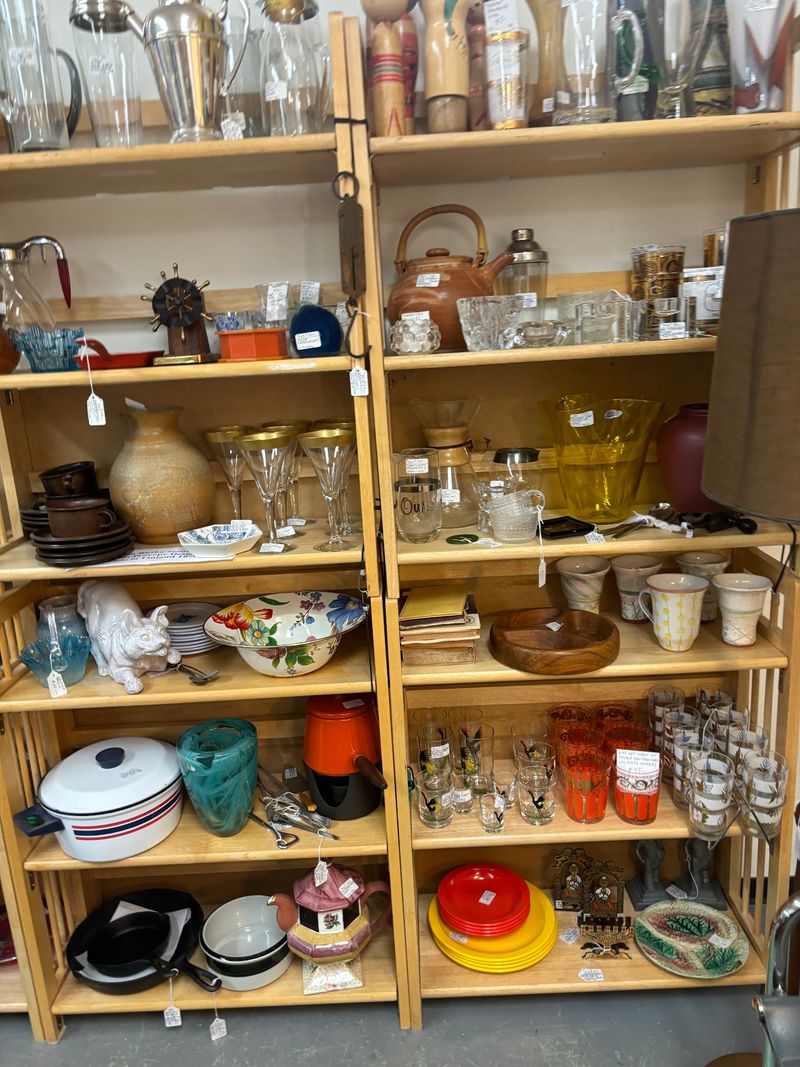
Grandmother’s Pyrex, the kind with the bold patterns, sits on shelves here waiting for a new kitchen. So do teapots, mixing bowls, cast iron pans, and glassware in colors nobody manufactures anymore.
Books occupy a respectable share of space, with paperbacks, hardcovers, and the sort of local history titles that are hard to find elsewhere. Vinyl records, artwork, and musical instruments round out the mix.
Odd candy with old fashioned packaging makes an appearance too, which is exactly the kind of detail that makes a store memorable. Houseplants share room with decor and knickknacks.
Some inventory arrives by way of local reuse channels, so the shelves genuinely reflect the region. That gives the whole collection a distinctly Ithaca flavor rather than a generic warehouse feel.
Look down and look up. Dealers use vertical space aggressively, and the best small finds often hide on bottom shelves or high corners.
Kids tend to love this section. Plenty of parents use it as a low stakes way to teach browsing, budgeting, and the quiet satisfaction of finding something nobody else has.
Planning Your Visit The Right Way
Timing matters more than you might think. Doors open Wednesday through Sunday from 10 a.m. to 6 p.m., and Mondays and Tuesdays are closed, so plan accordingly.
Give yourself at least ninety minutes. Shoppers who allot only thirty minutes almost always regret it, and the larger space rewards a slower pace.
Free parking sits on site, which spares you the downtown Ithaca parking shuffle. The one way drive in and the longer route back out take a moment to learn, so follow the signs carefully.
Wear shoes you can stand in for a while. Concrete floors in a former factory are honest about their intentions.
Bring a tape measure, your phone charged for photos, and a rough list of what you actually need. The list keeps you focused, though breaking it occasionally is part of the experience.
Staff are widely described as friendly and knowledgeable, so ask questions freely. They know which dealers stock what, and that shortcut saves real time.
Finally, come back. Inventory turns over constantly, so no two visits look the same.