
The Kentucky Small Town Where Neighbors Still Know Each Other By Name
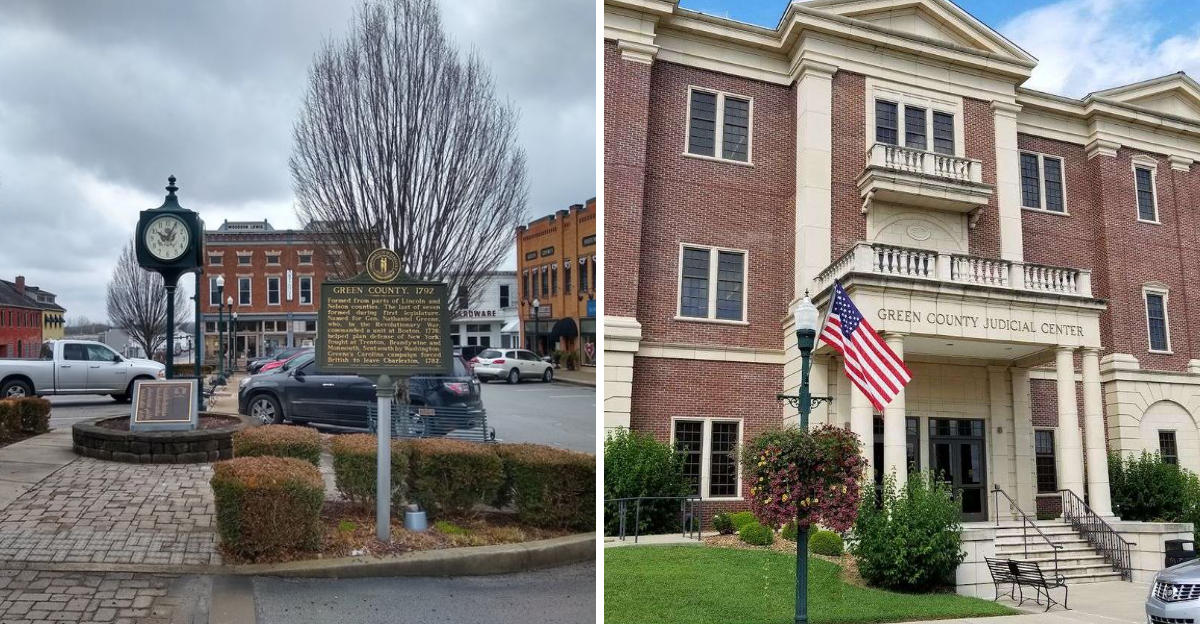
It is hard not to notice when people still wave at passing cars and stop to chat on the sidewalk.
That is part of everyday life in this Kentucky small town, where familiar faces seem to matter more than rushing through the day. The streets are quiet, local businesses still feel personal, and neighbors actually seem to know who lives a few doors down.
There is something refreshing about that kind of closeness. You can grab a meal, browse around downtown, or simply sit for a while and watch people greet each other like old friends. Nothing about it feels staged for visitors.
Kentucky has many charming small towns, but this one holds onto a sense of community that feels increasingly rare. Spend an afternoon here and you may find yourself wondering what it would be like to live somewhere everyone still knows your name.
A Courthouse That Witnessed History
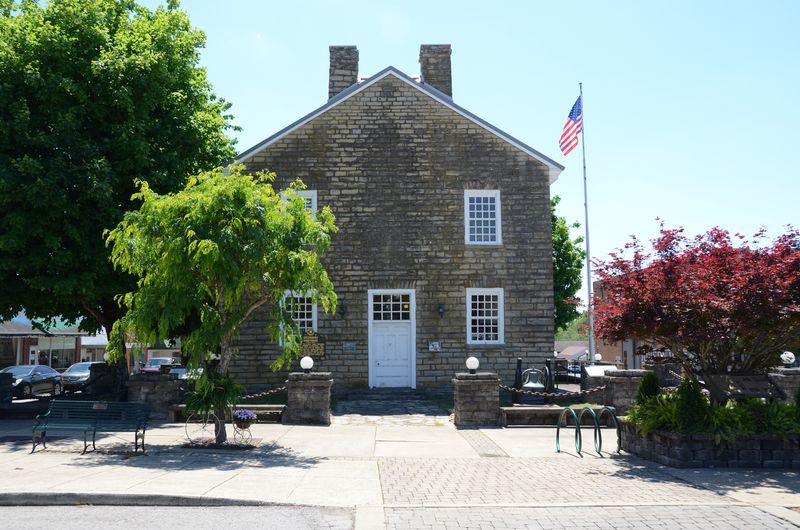
Walk into the heart of Greensburg and you’ll find yourself standing before Kentucky’s oldest courthouse west of the Allegheny Mountains. This isn’t just a building where legal matters get settled.
The structure represents over two centuries of community gatherings, debates, and decisions that shaped Green County.
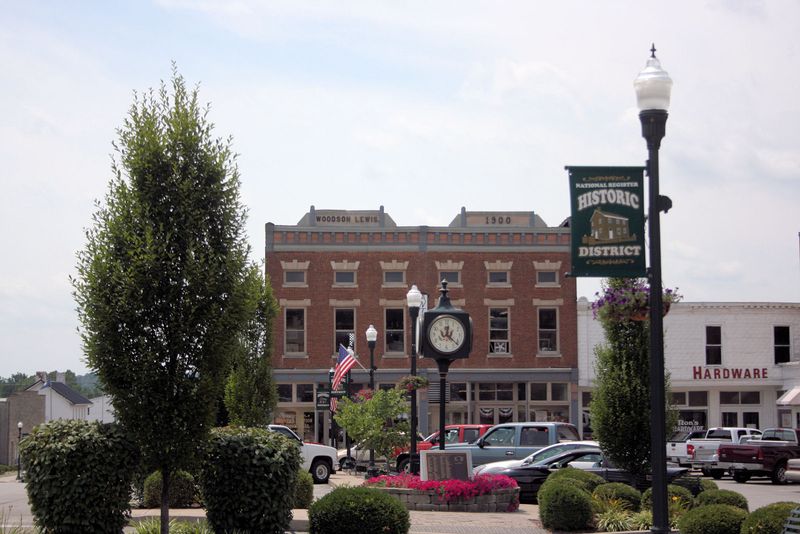
Built in 1804, the courthouse anchors the Downtown Greensburg Historic District, which earned its spot on the National Register of Historic Places. The architecture speaks to an era when craftsmanship meant something permanent.
Brick by brick, it was constructed to last generations, and it has delivered on that promise beautifully.
Local residents still use the courthouse square as a meeting point, just as their great-grandparents did. You might catch impromptu conversations on the lawn or planned community events that bring everyone together.
Can a building really hold the spirit of a town? Stand here long enough and you’ll believe it can.
Downtown Streets With Character
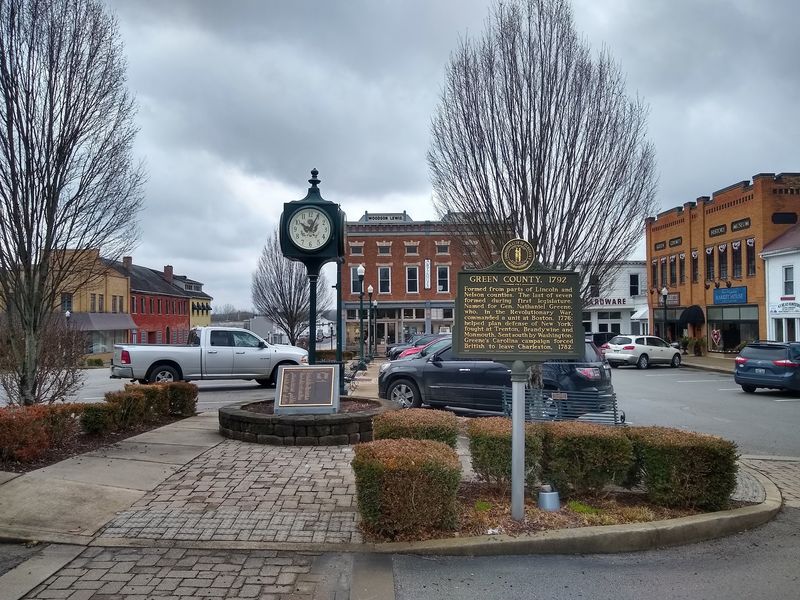
Stroll down the main streets radiating from the courthouse and you’ll notice something refreshing. No chain stores dominate the landscape.
Instead, locally-owned shops and businesses line the sidewalks, each with its own personality and story.
The storefronts retain their historic charm while serving modern needs. You’ll find everything from hardware stores run by families who’ve been in business for decades to newer ventures that young entrepreneurs have launched.
The mix creates a downtown that feels both timeless and alive.
Window shopping here means actually looking in windows, not scrolling on a screen. Owners often stand outside their doors, ready to chat about the weather, the latest town news, or help you find exactly what you need.
The sidewalks connect more than buildings in Greensburg, Kentucky. They connect people to each other in ways that feel increasingly rare.
Community Events That Bring Everyone Together
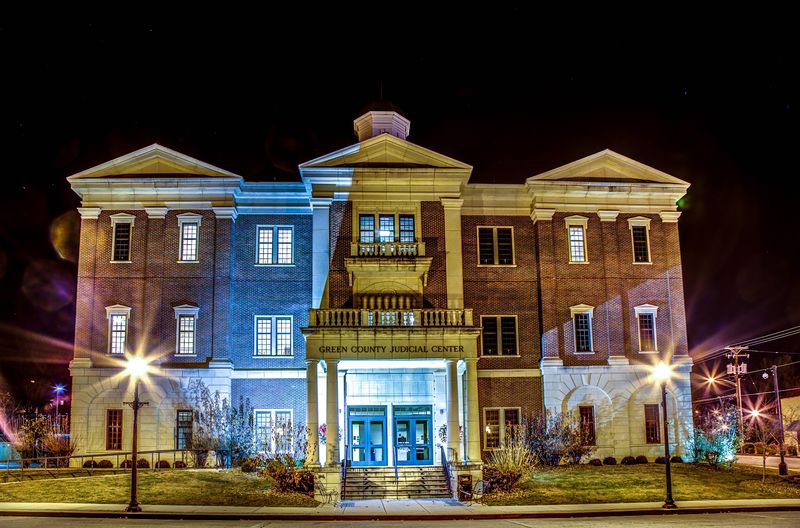
Throughout the year, Greensburg hosts events that transform the courthouse square into a gathering place for the entire county. These aren’t manufactured tourist attractions.
They’re genuine celebrations where locals come to see friends, catch up on news, and enjoy shared experiences.
Summer brings outdoor concerts where folding chairs appear on the lawn and kids run freely while parents relax. Fall festivals celebrate the harvest season with local vendors, homemade goods, and plenty of Kentucky pride on display.
Even smaller gatherings, like farmers markets, become social occasions where shopping is almost secondary to conversation.
What makes these events special isn’t elaborate planning or big budgets. The magic happens because people genuinely want to be there, together.
You’ll overhear stories about grandchildren, debates about high school sports, and laughter that comes from inside jokes built over years of friendship. When was the last time you knew everyone at an event?
Local Diners Where Everyone Knows Your Order
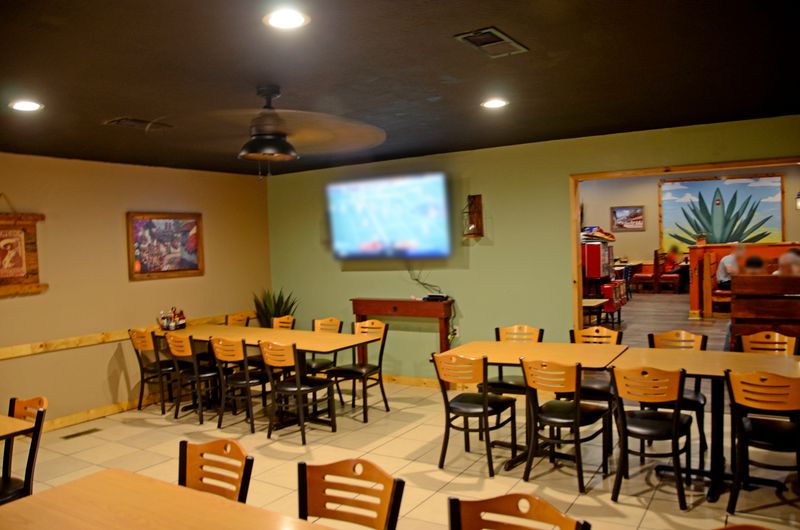
Step into one of Greensburg’s local diners and you’ll immediately sense the difference from chain restaurants. The servers don’t just take orders.
They remember your preferences, ask about your family, and might even bring your usual without you saying a word.
These establishments serve as informal community centers where morning coffee stretches into long conversations. Farmers discuss crop conditions, retirees solve world problems, and newcomers quickly get adopted into the regular crowd.
The food is honest and filling, the kind of cooking that reminds you of home kitchens.
Menus feature Southern staples prepared the way they’ve been made for generations. But the real nourishment comes from the atmosphere of belonging.
Strangers become regulars after just a few visits because people take time to learn your story. In Greensburg, Kentucky, breaking bread together still means building relationships.
Where else can breakfast come with a side of genuine friendship?
Churches As Community Anchors
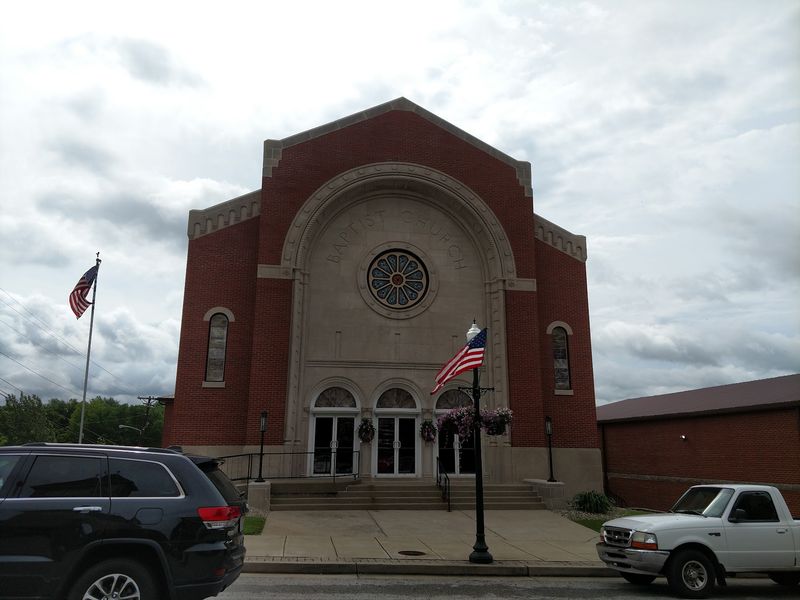
Multiple church steeples punctuate Greensburg’s skyline, each representing congregations that extend beyond Sunday services. These institutions function as social networks where people connect through potlucks, volunteer projects, and mutual support during difficult times.
The churches host more than worship services. They organize community meals, run food pantries, coordinate help for neighbors facing hardship, and provide spaces for various group meetings.
Participation crosses denominational lines when community needs arise because helping each other matters more than theological differences.
Even residents who don’t regularly attend services recognize the role these organizations play in maintaining social cohesion. They preserve traditions, mark life’s important moments, and create opportunities for people to serve something larger than themselves.
In Kentucky towns like Greensburg, faith communities help weave the social fabric that keeps everyone connected. The buildings themselves stand as visible reminders that people here still value gathering together with shared purpose and mutual care.
The Green County Library Connection
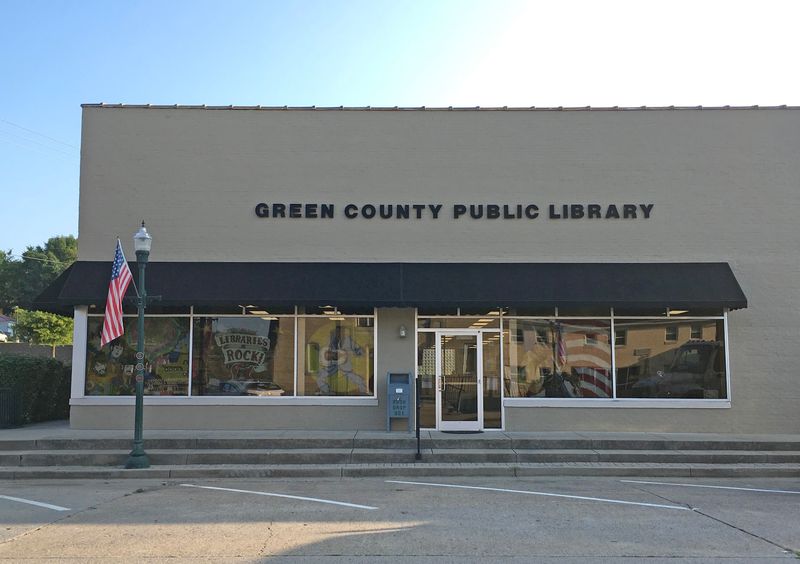
Libraries in small towns serve functions that extend far beyond book lending. Greensburg’s library acts as a community living room where residents of all ages come for resources, programs, and simple human connection.
Children gather for story times that parents use as opportunities to meet other families. Teens find quiet study spaces and internet access.
Older adults attend programs designed for their interests while enjoying social interaction. The library staff knows patrons personally and helps connect people with information and each other.
Public computers provide crucial internet access for job searches and official business in an area where not everyone has home connectivity. Meeting rooms host everything from book clubs to civic organizations.
The building pulses with community life in ways that prove libraries remain vital institutions. When you walk through those doors in Greensburg, Kentucky, you’re entering a space dedicated to the radical idea that knowledge and community should be freely available to everyone.
Local Businesses Built On Relationships
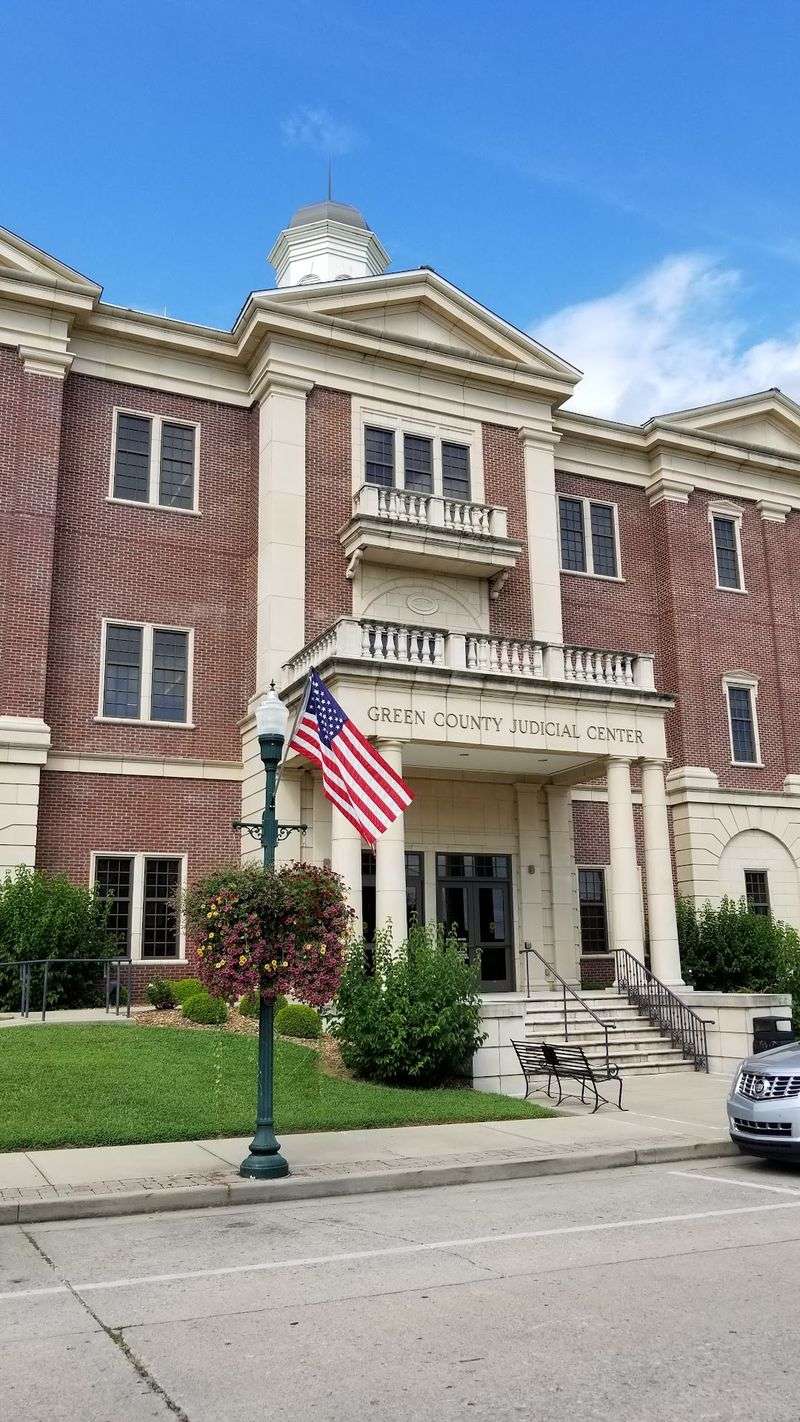
Shopping in Greensburg means supporting businesses where owners remember your name and your last purchase. These aren’t transactions but interactions built on years of relationship and mutual trust.
The hardware store owner knows your home improvement projects and can suggest solutions based on actual experience. The pharmacy staff recognizes your voice on the phone.
Local mechanics take time to explain repairs in plain language because your continued business depends on trust, not confusion.
This personal approach creates accountability that faceless corporations can’t match. When your reputation depends on treating neighbors fairly, quality and honesty become non-negotiable.
Customers return loyalty with loyalty, shopping local even when prices might be slightly higher because they value the relationship.
Small businesses anchor Kentucky communities economically and socially. They sponsor Little League teams, donate to school fundraisers, and stay open during emergencies when residents need them most.
Every dollar spent locally circles back to strengthen the entire community. Does convenience really beat connection?
Generational Roots Run Deep
Many Greensburg residents can trace their family history in Green County back multiple generations. This deep rootedness creates a living sense of history where current residents personally connect to the town’s past through their own family stories.
Grandparents tell grandchildren about attending the same schools, playing in the same parks, and shopping at stores that have changed names but occupy the same buildings. These stories aren’t abstract history but lived memory that gets passed down, creating continuity across time.
This generational presence means people take the long view on community decisions. They’re not just thinking about immediate convenience but how choices will affect the town their grandchildren will inherit.
Reputation matters across decades, not just moments, which encourages thoughtful behavior and mutual respect.
Of course, not everyone in Greensburg was born there. Newcomers get welcomed into the community tapestry, adding fresh perspectives while learning the established rhythms.
The blend of deep roots and new growth keeps the town vital without losing its essential character.
The Pace Of Life That Allows Connection
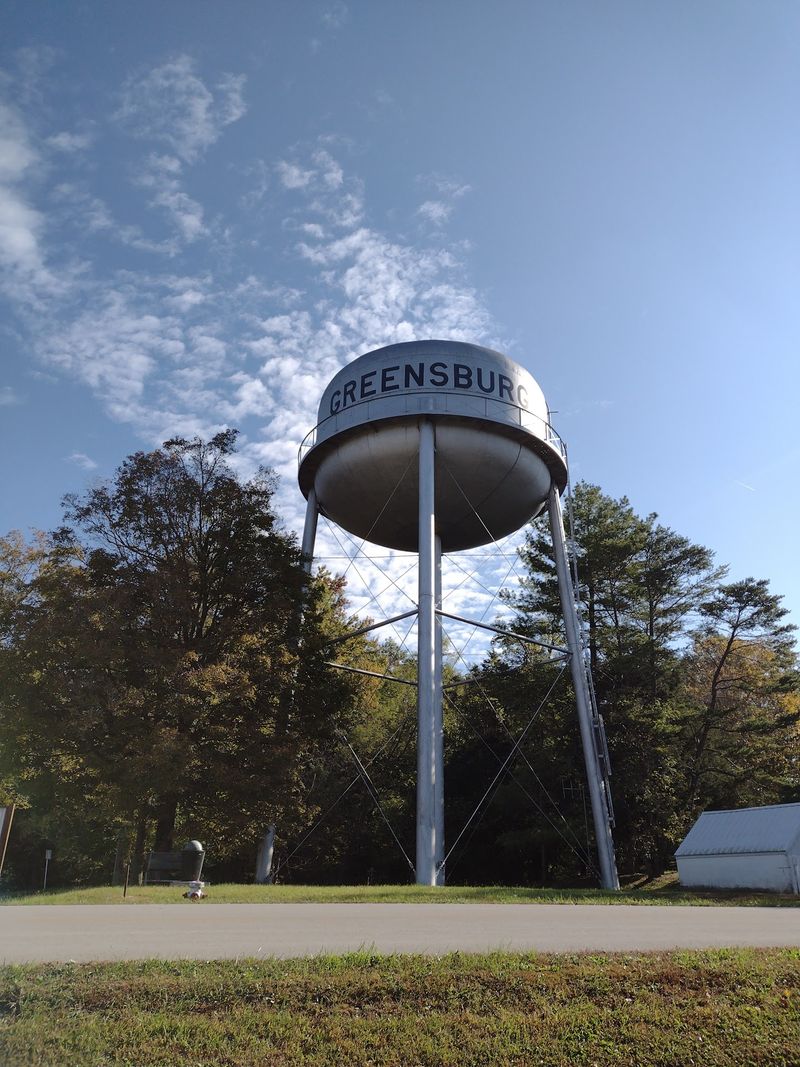
Perhaps Greensburg’s greatest asset isn’t visible in any building or event but exists in the unhurried pace of daily life. People have time to stop and talk because rushing isn’t celebrated as productivity but seen as rudeness.
You’ll notice it immediately if you visit from a city. Conversations at the post office don’t feel hurried.
Checkout lines at stores include pleasantries beyond scripted greetings. People make eye contact, smile at strangers, and treat brief encounters as opportunities for human connection rather than obstacles to efficiency.
This slower rhythm allows relationships to develop naturally. You can’t rush trust or friendship, and Greensburg doesn’t try.
The town operates on the understanding that people matter more than schedules, and community requires investment of that most precious resource: time.
Critics might call it inefficient, but residents would argue they’ve optimized for what actually matters. In Kentucky towns like this, success isn’t measured in productivity metrics but in the quality of relationships and the strength of community bonds.