
The Lesser Known Mississippi Zoo That Animal Lovers Need To Discover
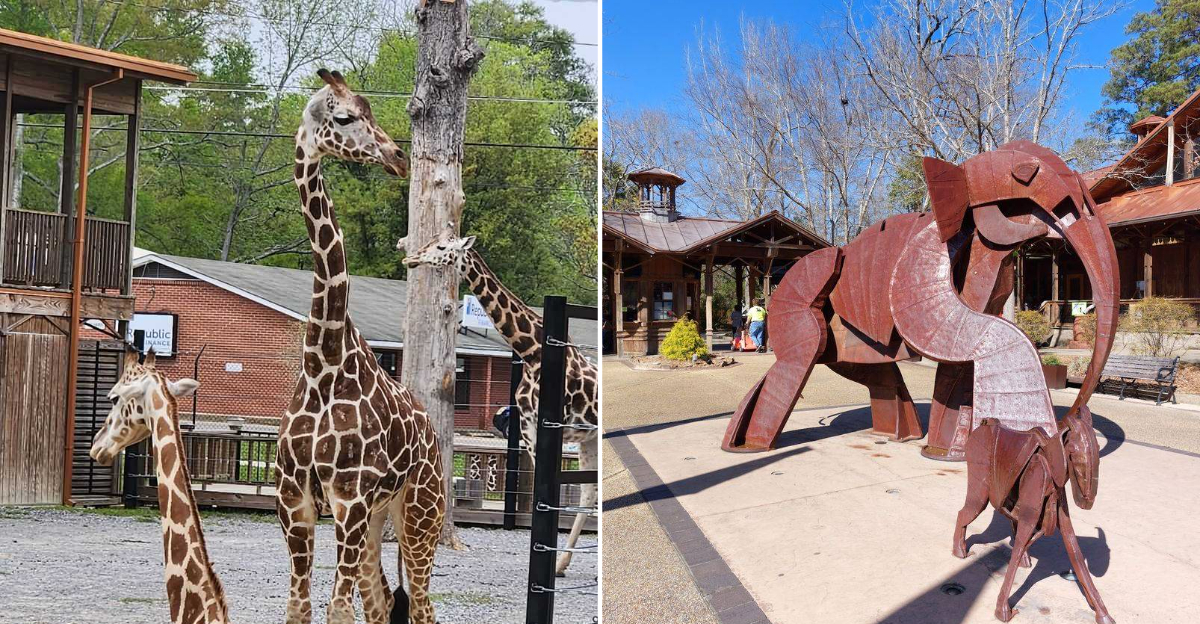
Tigers, giraffes, flamingos, and plenty of other animals fill this Mississippi haven built with real care. If you’ve ever wondered what Noah’s Ark might have looked like, this place offers a small glimpse of that idea.
Enclosures here feel spacious rather than cramped for the sake of fitting more exhibits into limited space. Staff seem genuinely invested in the animals rather than just managing a daily schedule.
Smaller crowds mean longer, more personal moments watching animals instead of fighting for a view. Rare and exotic species live alongside more familiar favorites, giving visitors variety without overwhelming them.
Educational programs run throughout the day, adding depth beyond just walking past enclosures. Animal lovers who find this place usually leave wondering why it isn’t more widely known already.
Diverse Species Native To Mississippi
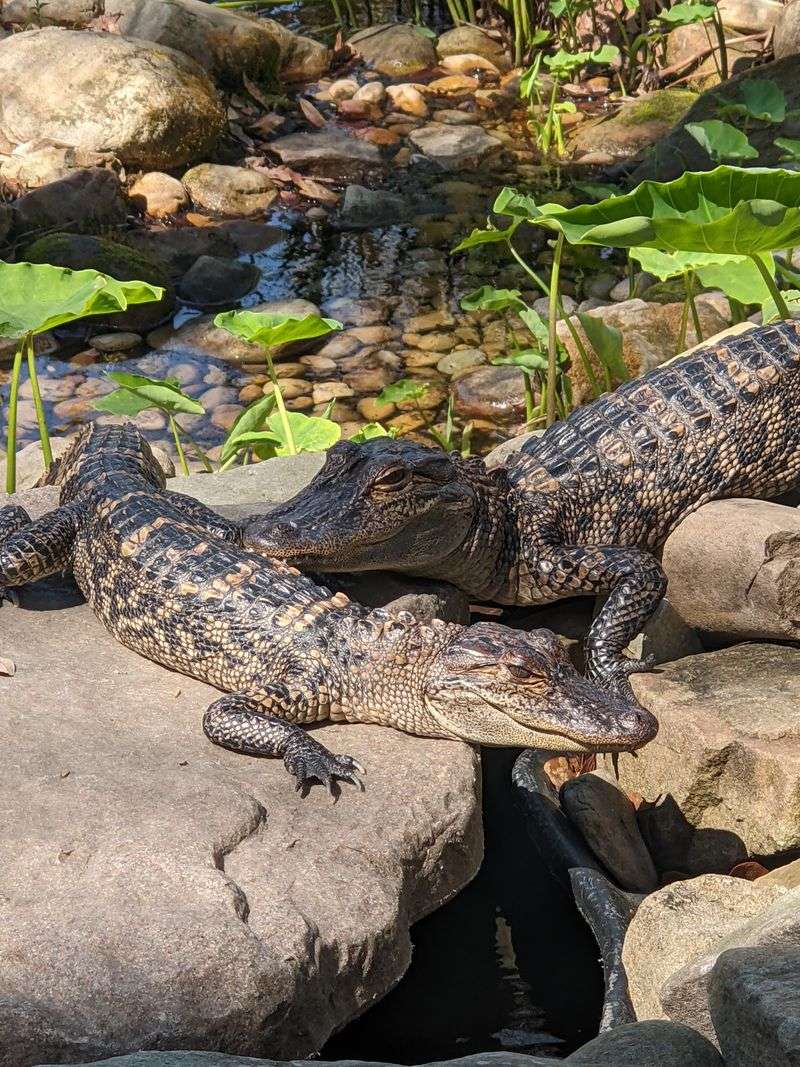
American alligators are one of the most exciting residents at the Hattiesburg Zoo. These powerful reptiles can be spotted at the Tiger Boardwalk area, where visitors get a surprisingly close look.
Alligators are native to the southeastern United States, making them a perfect fit for a Mississippi zoo.
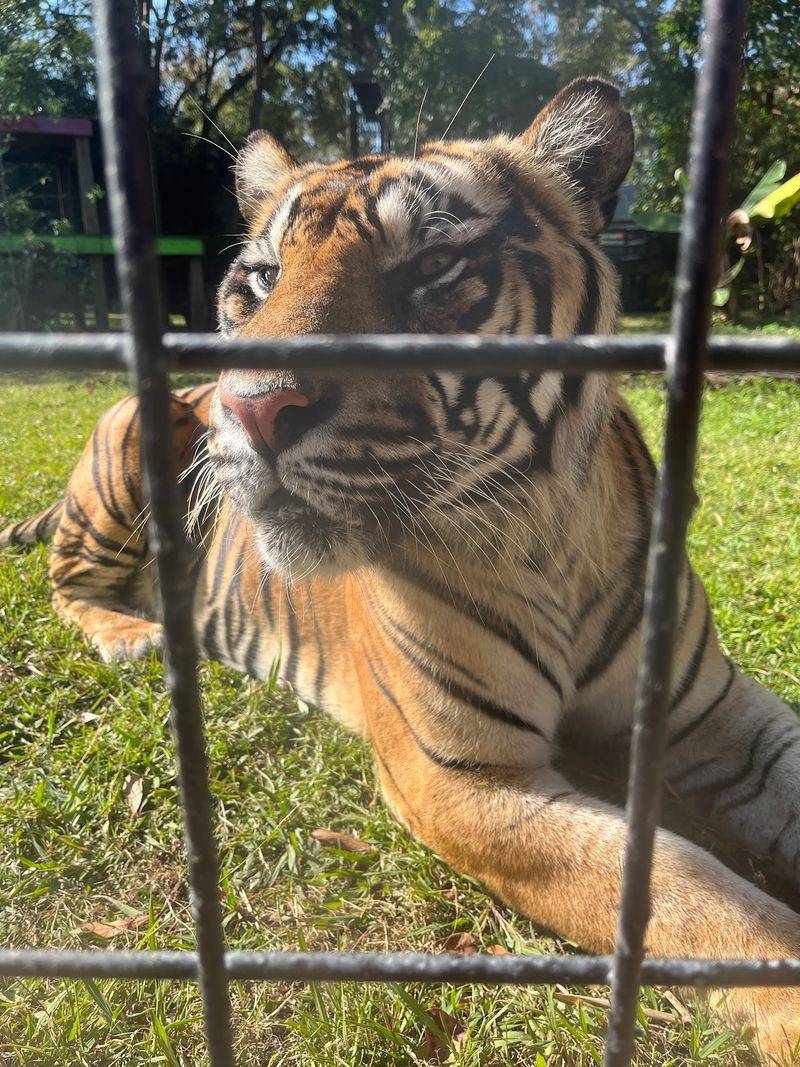
Beyond alligators, the zoo hosts more than 100 species from across the globe. You can see Malayan tigers, ring-tailed lemurs, and African crowned cranes all in one visit.
The variety keeps things interesting no matter how many times you come back.
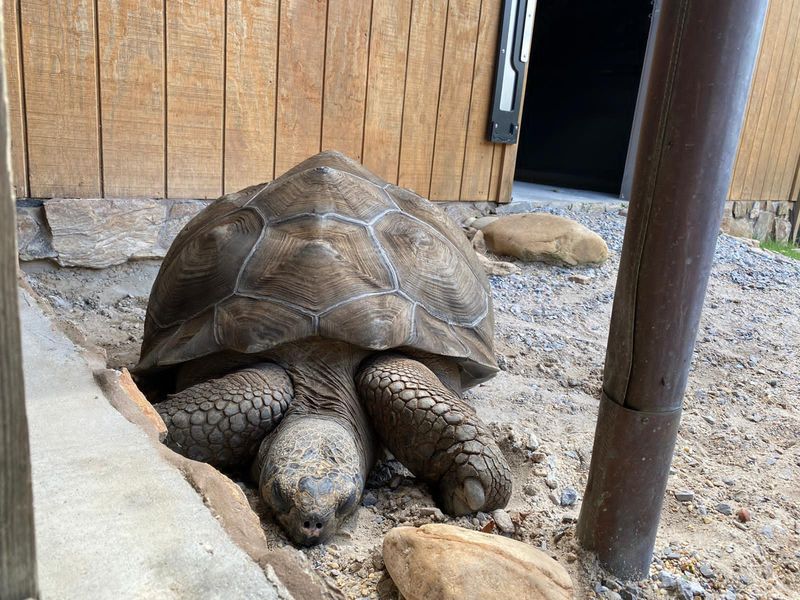
Spider monkeys swing around with impressive energy. Galápagos tortoises move at their own unhurried pace, which is honestly a little funny to watch.
Chinchillas and citron-crested cockatoos round out a collection that feels both educational and wildly entertaining.
Cotton-top tamarins are critically endangered primates that also call this zoo home. Seeing one up close makes you realize just how small and fascinating they are.
Each species tells a different story about the natural world around us.
The zoo sits at 107 S 17th Ave, Hattiesburg, MS 39401, right inside Kamper Park. Getting there is straightforward, and parking is easy to find.
It is a genuinely accessible destination for families across Mississippi and beyond.
Conservation Efforts Supporting Endangered Animals
The Hattiesburg Zoo does not just display animals. It actively fights to protect species that are running out of time.
The zoo participates in Species Survival Programs, which focus on breeding endangered animals and maintaining healthy genetic diversity.
Among the animals benefiting from these efforts are Malayan tigers, spider monkeys, and Chacoan peccaries. African grey parrots and Galápagos tortoises also receive specialized care under these programs.
Cotton-top tamarins, one of the most critically endangered primates on earth, live here too.
The zoo supports the Giant Anteater Fund, contributing to conservation work beyond its own fences. A wristband program channels support toward two separate global conservation efforts.
That is a lot of impact from one afternoon visit.
One creative initiative involves Mardi Gras beads. Instead of letting those colorful strands pile up in landfills, the zoo collects and recycles them.
It is a small act that adds up to real environmental benefit over time.
Zoo staff also roll up their sleeves for local cleanup efforts. They regularly clean nearby rivers and roadsides, removing hundreds of pounds of debris each year.
Seeing a zoo go beyond its walls to protect the surrounding environment is both admirable and motivating for visitors who want to do their part too.
Educational Programs For All Ages
Learning at the Hattiesburg Zoo does not feel like sitting in a classroom. Field trips here are fully customizable, meaning teachers can shape the experience to match what students are already studying.
Every age group gets something useful out of a visit.
Younger kids have the Story Book Program designed just for them. It targets Pre-K through 2nd Grade students and combines storytelling with real animal encounters.
Getting to see an actual animal after reading about one is a memory that sticks.
The Asbury Discovery Center serves as both a laboratory and a classroom space. It gives students a hands-on environment to explore science and nature in a focused way.
Groups can use it as a home base during longer visits.
An Outreach Program brings the zoo directly to schools and libraries. Zoo animals travel to local communities, making wildlife accessible to kids who may not visit in person.
That kind of outreach matters in areas where field trips are not always possible.
Summer camps like Wild Wonders Camp keep the energy going when school is out. Kids spend time learning about animals, conservation, and habitats in a fun, active setting.
Animal encounters are woven throughout all programs, so the experience always feels more like an adventure than a lesson.
Behind The Scenes Animal Care Practices
Most visitors never see what happens after the zoo closes. The Hattiesburg Zoo offers a program called Zoo Unzipped: Behind the Scenes, which pulls back the curtain on daily animal care.
Guests get access to animal housing and veterinary areas that are normally off-limits.
Field trip groups can also request behind-the-scenes tours. These tours show exactly how animals are housed, fed, and monitored throughout the day.
It is one of the most eye-opening experiences the zoo has to offer.
Animal records are kept with professional precision. Medical histories, nutritional logs, and behavioral notes are all maintained to ensure each animal gets the right care.
A dedicated Medical and Nutritional Facility supports the health of every resident.
Even the food sourcing is thoughtful. Eggs from the zoo’s own resident chickens are used in animal diets, reducing outside costs and keeping things fresh.
Plans for an on-site garden aim to offset food costs even further in the future.
The zoo also connects with the Zoological Association of America’s Veterinary Advisory Group. That connection gives the team access to expert guidance on complex health situations.
Knowing that level of professional support is in place makes the whole operation feel more trustworthy and reassuring for anyone who cares about animal welfare.
Interactive Exhibits Enhancing Visitor Experience
The Wallaby Walkabout is a barrier-free experience where guests walk right alongside wallabies, emus, and kune kune pigs. No glass, no fence between you and them.
It feels surprisingly personal for a zoo setting.
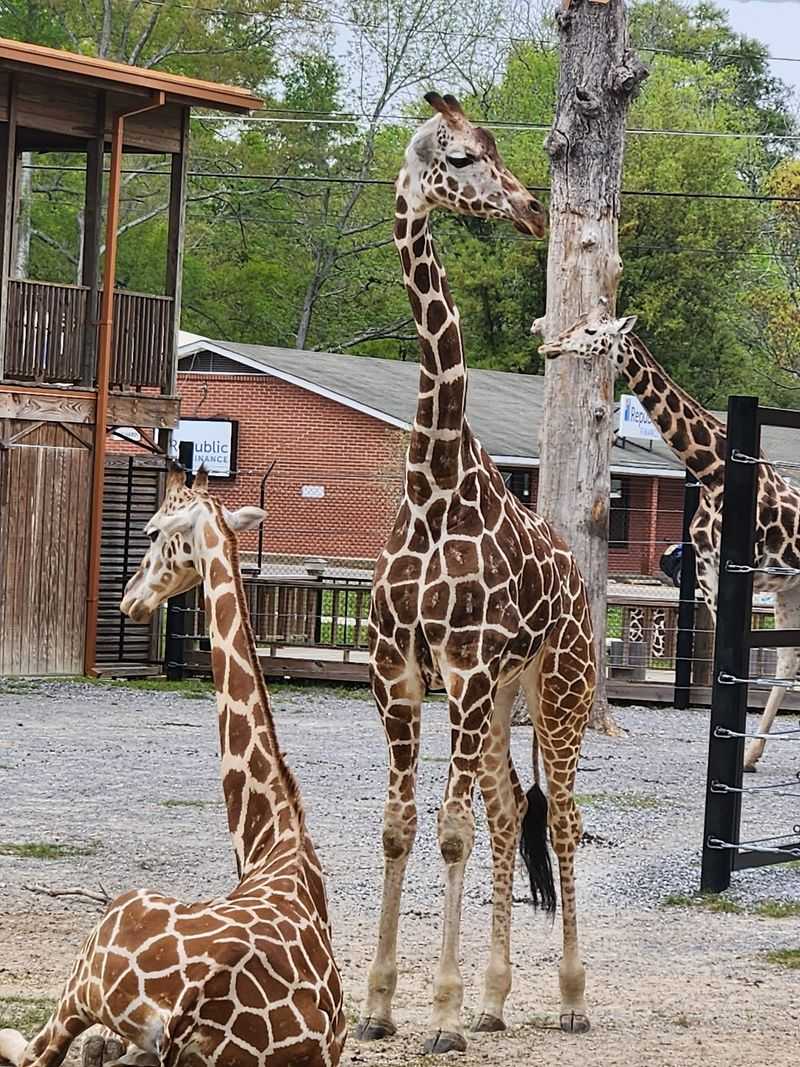
Giraffe feeding happens daily from a special elevated platform. You hand-feed one of the tallest animals on earth, and it leans down to meet you halfway.
That moment alone makes the trip worth it for most visitors.
The Sloth Experience lets guests meet a real sloth up close and even help prepare its food. There is also an Anteater and Capybara Feeding session and a South American Yard Experience for those who want more animal interaction.
The Touch Africa Petting Zoo features Nigerian Dwarf goats that are very enthusiastic about visitors.
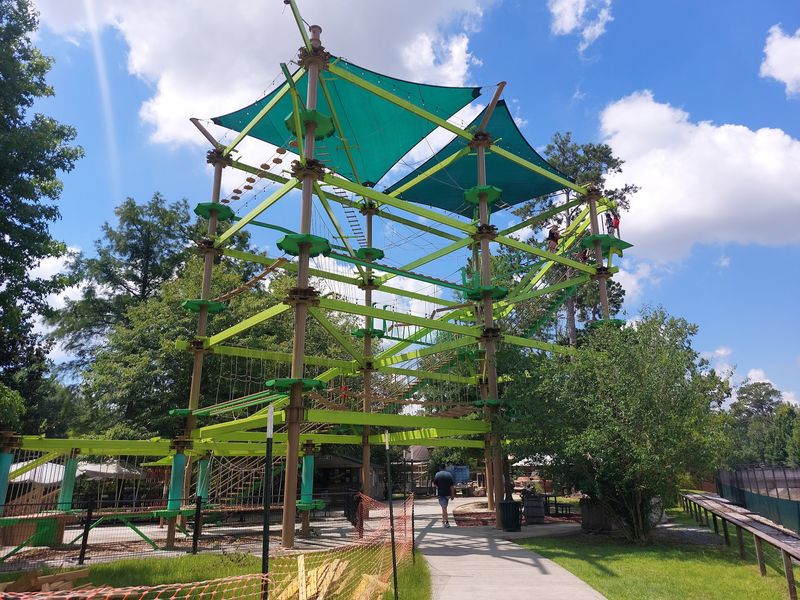
Beyond animals, the zoo keeps things lively with a High Ropes Adventure Course and a classic carousel ride. The Electric Train loops around the zoo’s perimeter, giving a relaxed overview of the whole park.
Kids can also cool off at the Splash Pad on warmer days.
The Bug Hub playground includes a giant anthill slide that younger visitors absolutely love. Mining Expedition lets guests sift through bags to find spots and arrowheads.
There is genuinely something here for every personality type and age group.
Seasonal Events Celebrating Wildlife
The Hattiesburg Zoo treats its calendar like a year-round celebration of wildlife. Each season brings a different reason to visit, and the events are designed to be both fun and educational.
Regular visitors never run out of new experiences.
Endangered Species Day happens every May and is one of the most meaningful events on the schedule. It highlights conservation efforts through keeper chats and live animal encounters.
Attending gives visitors a real sense of the challenges facing wildlife today.
ZooBoo arrives in the fall and brings a festive, playful atmosphere to the zoo grounds. Kids and families dress up and enjoy the zoo in a whole new way.
It runs through October and sets the mood for the holiday season ahead.
Lights of the Wild transforms the zoo on weekends in December into a glowing nighttime experience. The light displays are built around wildlife themes, keeping the educational spirit alive even during a holiday event.
Seeing the zoo after dark is a completely different kind of visit.
These events stretch from October through December, giving the zoo strong seasonal momentum. Planning a visit around one of these events adds an extra layer of excitement to the experience.
Checking the zoo’s event calendar before visiting is always a smart move for any animal lover.
Volunteer Opportunities With Animal Teams
Volunteering at the Hattiesburg Zoo is not just about picking up trash or handing out maps. It means working directly alongside animal care teams in meaningful, hands-on roles.
The program is structured, purposeful, and genuinely rewarding for participants.
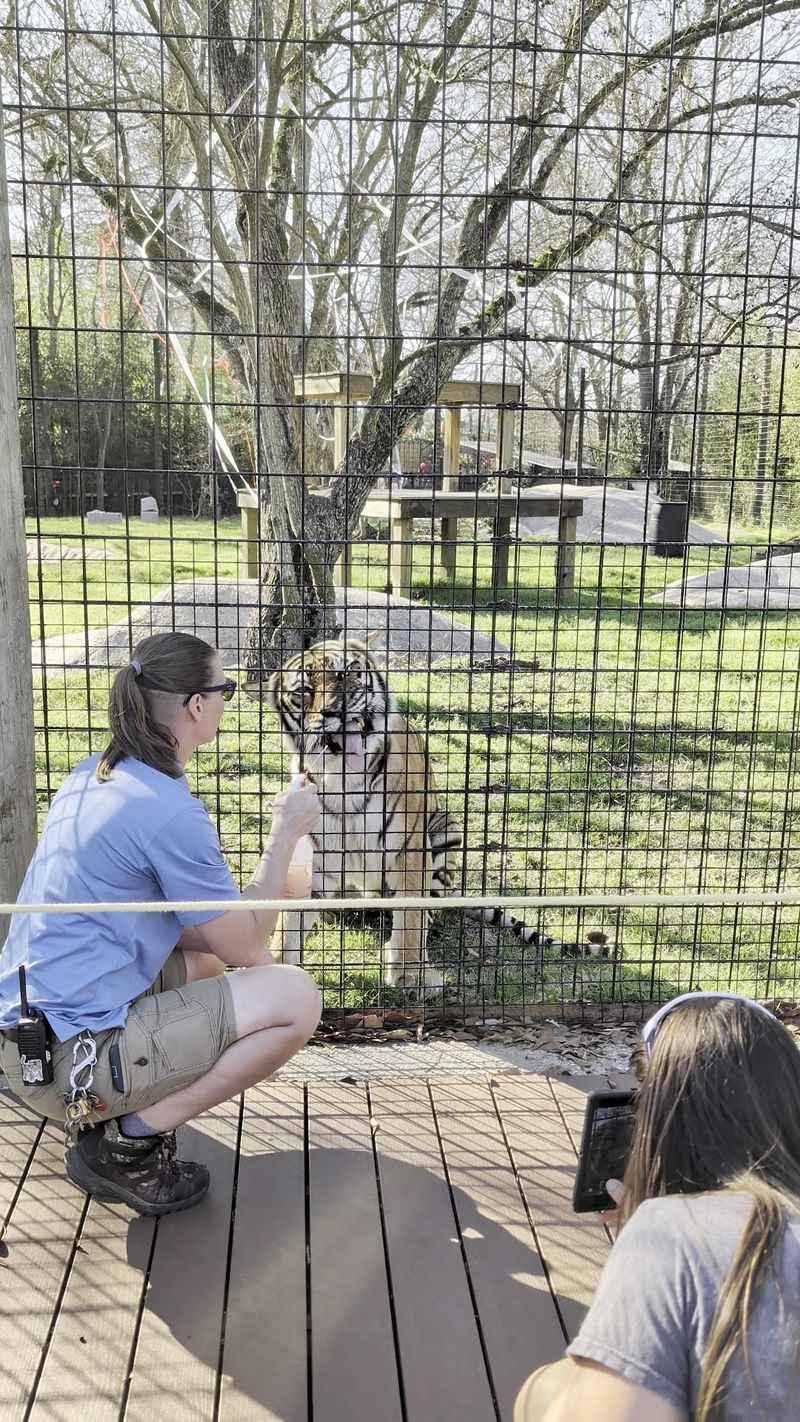
Contact area volunteers are stationed in petting areas where they monitor both animal behavior and guest interactions. They watch for signs of stress in animals and help ensure everyone stays safe.
It is a role that requires attention and a real care for animal welfare.
Education Docents share animal facts and conservation information with visiting guests. They use biofacts and ambassador animals to make learning feel interactive and engaging.
Connecting curious visitors with accurate information is a skill these volunteers develop over time.
Volunteers also assist with enrichment activities and behavioral recording. Enrichment keeps animals mentally stimulated, and tracking their behavior helps the care team spot changes early.
These contributions directly support the health and well-being of zoo residents.
The Junior Volunteer Program opens the door for young people between the ages of 13 and 15. It is a real program with real responsibilities, not just a supervised tour.
For a teenager who loves animals, this opportunity is about as good as it gets in Mississippi.
Sustainable Practices In Operations
Sustainability at the Hattiesburg Zoo is not just a buzzword. The zoo runs a fully electric train that circles the park, producing zero emissions during operation.
Choosing electric over gas-powered transport is a small but consistent step toward reducing the zoo’s environmental impact.
The Mardi Gras bead recycling program is one of the more creative sustainability efforts in the region. Visitors and community members donate used beads instead of throwing them away.
The zoo repurposes them, keeping plastic out of local landfills.
Staff members regularly clean nearby rivers and roadsides as part of an ongoing community effort. Hundreds of pounds of debris are removed each year through these organized cleanup sessions.
Keeping the local environment clean directly benefits the wildlife that lives in and around Hattiesburg.
A garden is currently in the planning stages to help grow food for the animals on-site. Growing produce locally reduces the cost and environmental footprint of sourcing animal nutrition.
It also creates a more self-sufficient operation overall.
Even small choices add up. The zoo uses aluminum cups at concession areas, which can be taken home or recycled by guests.
These details show that sustainability is woven into daily operations, not just announced in a mission statement. Visiting the Hattiesburg Zoo means supporting a place that genuinely tries to do things right.