
The Maine Island You Can Only Visit By Ferry And Will Never Want To Leave
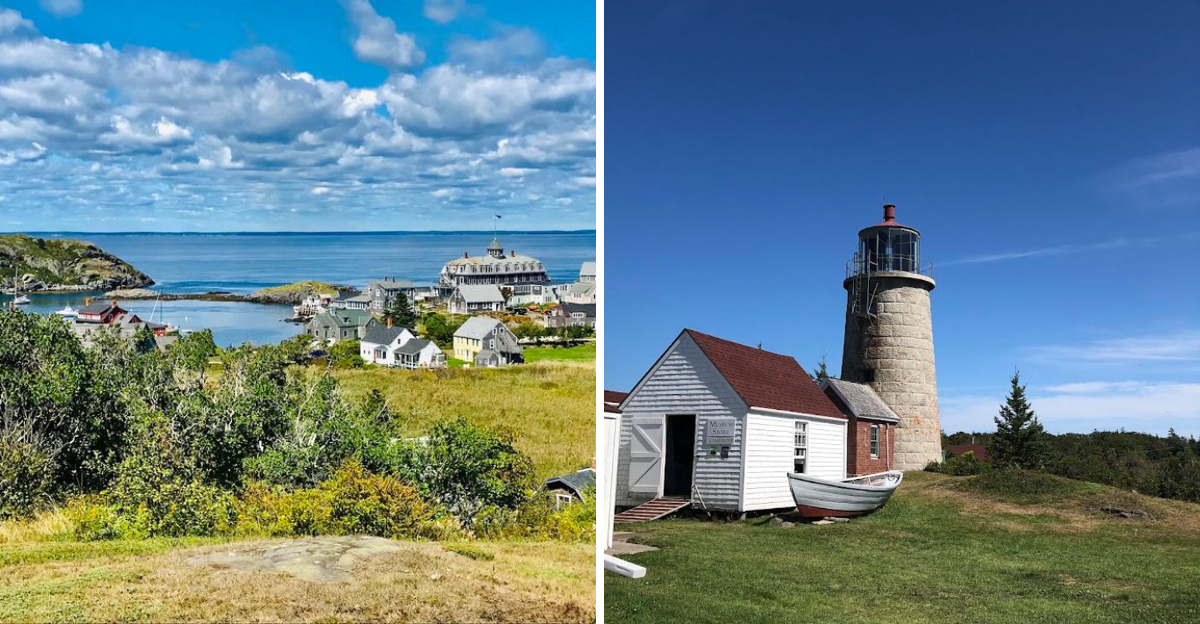
Think you could spend a few hours on a Maine island and leave without looking back? You may feel confident when the ferry docks, but that confidence tends to disappear once the return trip starts sounding far too soon.
The island has no bridge, so getting there already feels like part of the story. After arrival, the pace softens almost immediately.
You stop checking the time, wander longer than planned, and begin wondering how difficult it would be to miss the last ferry by accident. This state has many beautiful coastal places, but this one makes a surprisingly strong case for staying put.
You may arrive sure that one day is enough, then become a little less shore of yourself. By the time the boat returns, leaving may feel like the only bad part of the visit. That is the trouble with finding such a peaceful corner of the state. It is much easier to arrive than to convince yourself to go home.
Leave Your Car Keys On The Mainland
Getting to Monhegan Island requires commitment because no bridge connects it to the mainland. You’ll board a ferry from Port Clyde, New Harbor, or Boothbay Harbor depending on the season.
The boat ride takes anywhere from fifty minutes to ninety minutes depending on your departure point and ocean conditions.
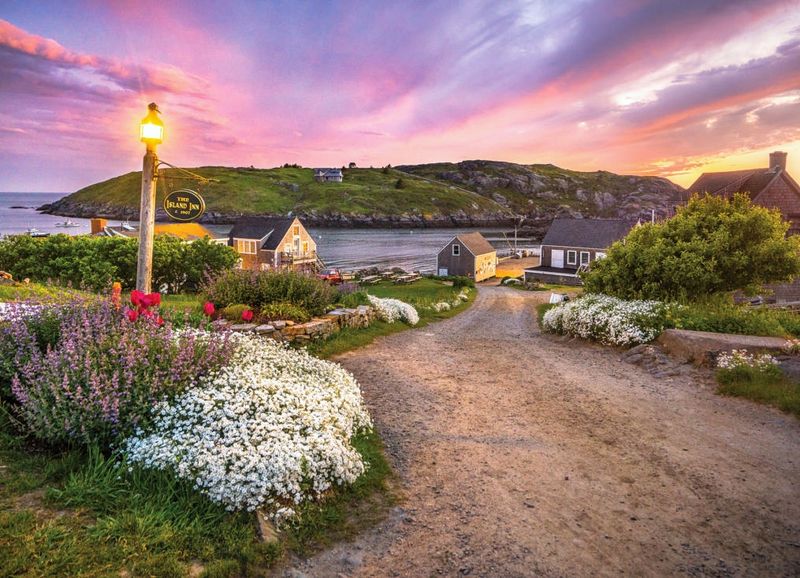
Once you arrive, you’ll notice something missing: the sound of engines. No cars rumble down the dirt roads because vehicles aren’t allowed except for a few work trucks that haul luggage and supplies.
Walking becomes your primary mode of transportation, which somehow makes distances feel more meaningful.
Most visitors find the car-free environment refreshing rather than limiting. The island measures roughly one mile by one and a half miles, making everything accessible on foot.
Luggage carts wait at the dock to help you transport bags to your lodging, operated by friendly locals who know every path and shortcut across this compact landscape.
Twelve Miles Of Trails Between Forest And Cliff
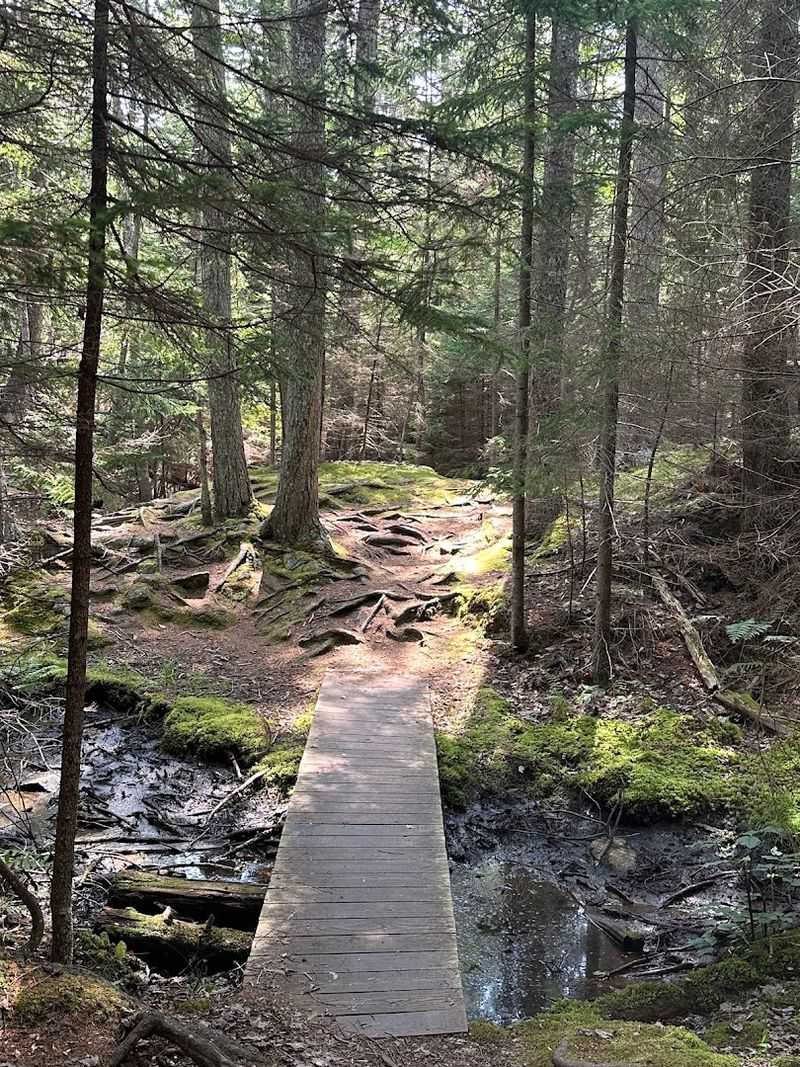
Monhegan’s trail system covers most of the island, offering routes that range from easy village walks to more challenging cliff-side paths. Trail 1 forms a popular loop around the backside, taking you past dramatic viewpoints like White Head and Black Head where cliffs drop sharply to crashing waves below.
The paths wind through dense spruce forests that suddenly open to breathtaking ocean vistas.
Trail markers consist of simple numbered posts, and maps are available at several locations around the village. Most trails connect, allowing you to create custom routes based on time and energy level.
Some paths require careful footing over roots and rocks, while others follow relatively smooth terrain suitable for most fitness levels.
The beauty of this trail system lies in its variety and the frequency of rewards. You rarely walk more than ten minutes without encountering a stunning view, an interesting geological formation, or a perfect spot to sit and absorb the surroundings.
Three Harbors, One Tiny Destination
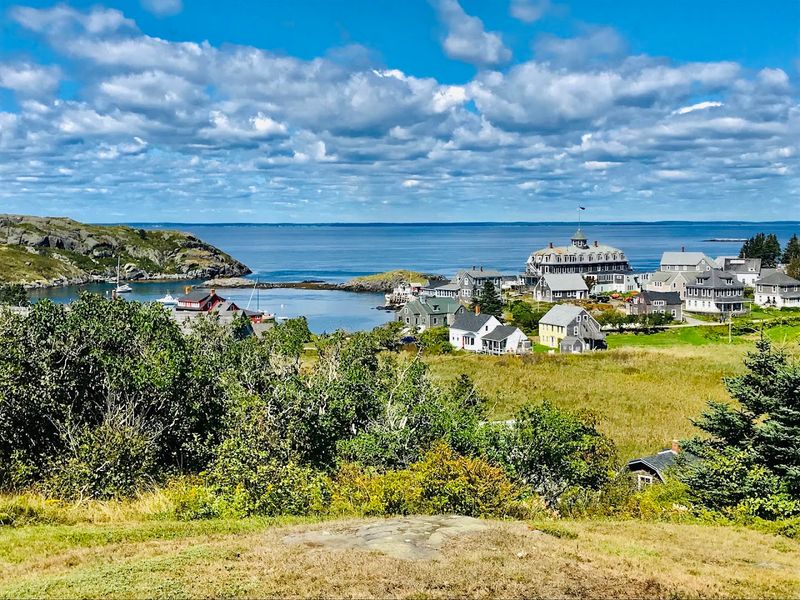
Monhegan fits an impressive amount of scenery into its compact size. The main harbor handles ferry arrivals and fishing boats, while Swim Beach offers a protected place for wading.
On the western side, Lobster Cove reveals another part of the island’s working waterfront and provides shelter during certain wind conditions. Moving between these areas takes little time, yet each one feels noticeably different.
You may see lobstermen sorting their catch, artists studying the morning light, or boats rising gently with the swells. Beyond the village, much of the island remains wild.
Spruce forests shade the interior, and quiet meadows soften the rugged landscape with seasonal wildflowers. The eastern harbor feels lively and practical, but the island’s far side becomes much more dramatic.
Cliffs drop toward the Atlantic as waves strike ancient rock formations below. Because everything sits so close together, you can pass through several landscapes during a single walk.
Landmarks soon become familiar, and favorite overlooks are easy to revisit before the ferry leaves. Monhegan concentrates Maine’s coastal beauty into a place small enough to know personally but varied enough to keep every outing interesting.
The Lighthouse Hill Will Reward You With Two Centuries Of Stories
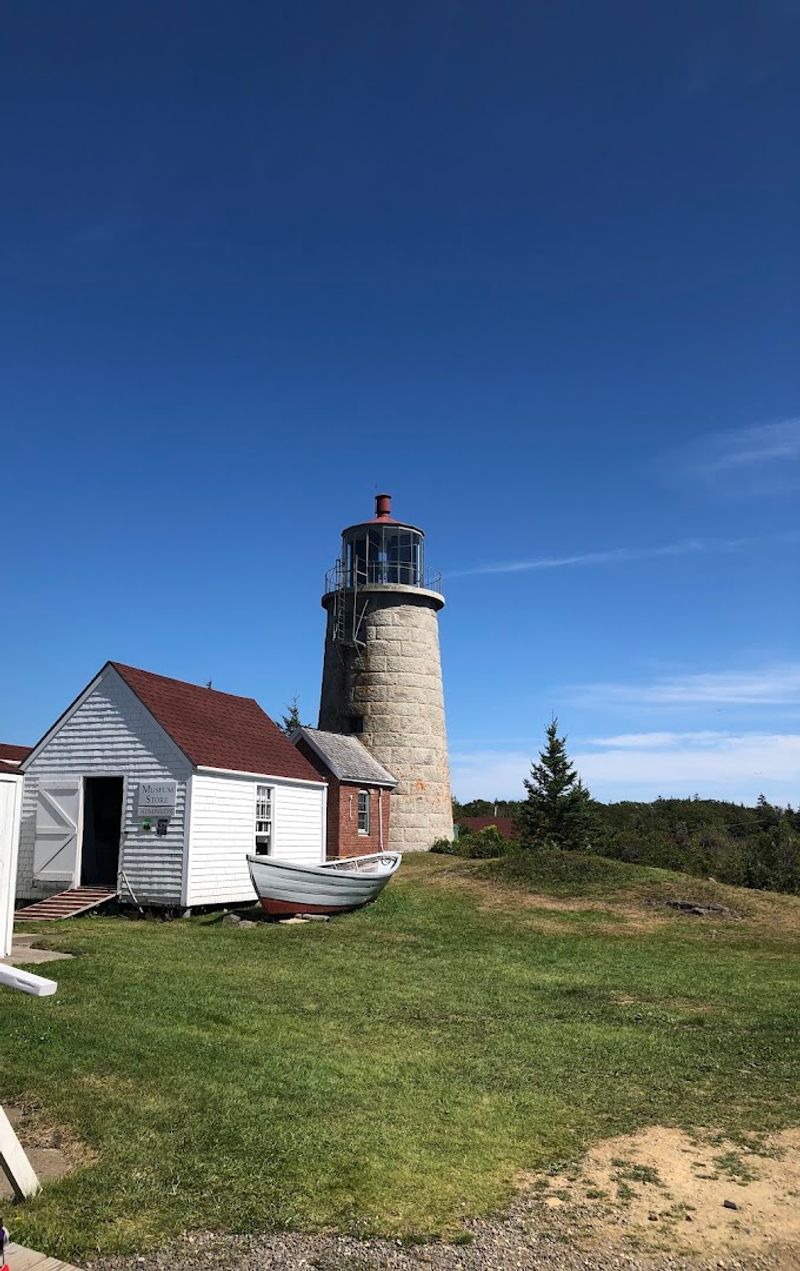
Monhegan Light rises 178 feet above sea level, making it one of Maine’s highest-elevated lighthouses. Built in 1824 and rebuilt in 1850, the beacon has guided mariners through difficult Atlantic waters for nearly two centuries.
Its grassy hilltop setting offers broad ocean views, while the white tower remains visible along many of the island’s trails. Visitors cannot climb the lighthouse, but the grounds are open for exploring and photography.
On clear nights, the light can be seen as far as 17 miles away. Beside the tower, the former keeper’s house now serves as a museum devoted to island life and maritime history.
Exhibits cover fishing traditions, early residents, shipwrecks, and the artists who helped shape Monhegan’s identity. Old gear, historic photographs, maps, recovered objects, and paintings reveal how people lived beside such unpredictable waters.
Learning about the island’s past adds meaning to the cliffs, harbor, and village you see afterward. The museum also helps preserve these stories, ensuring that the lighthouse remains more than a beautiful landmark above the Maine coast.
Where Painters Have Chased The Light For Over A Century
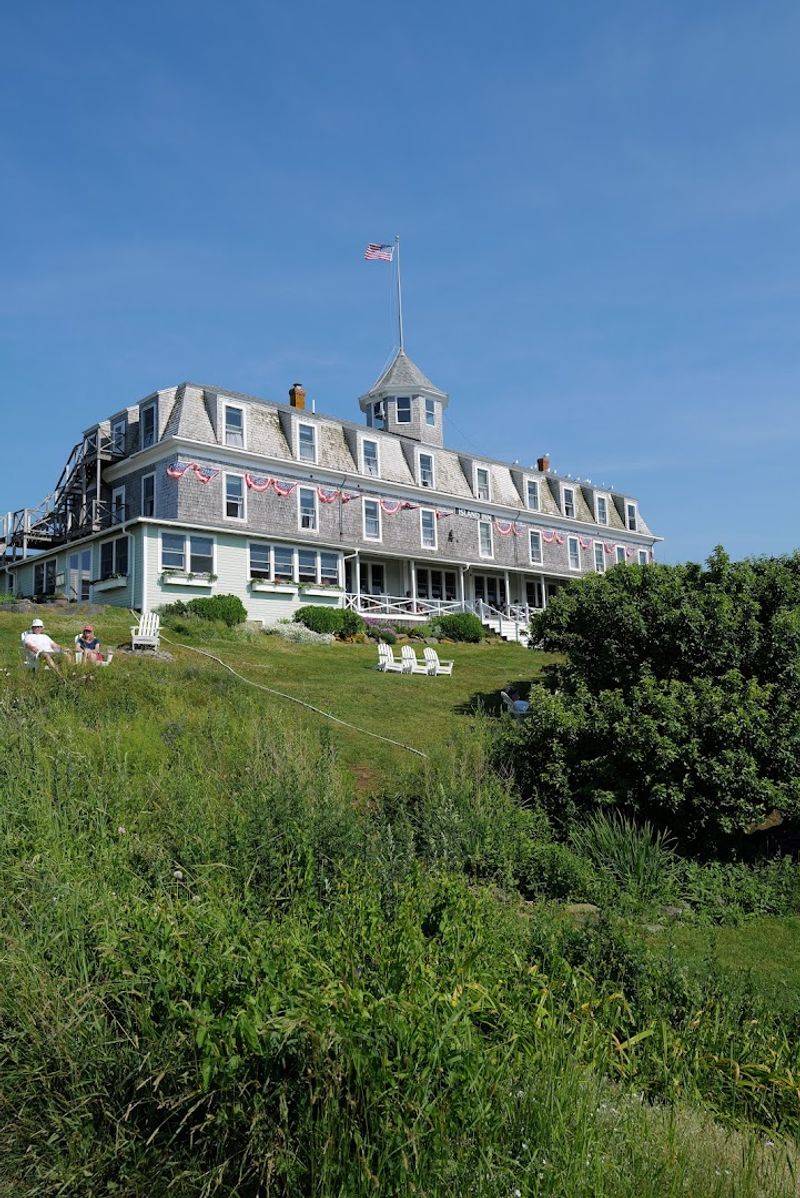
Artists discovered Monhegan in the 1850s, and the tradition continues strong today. The quality of light here differs from the mainland, something about the surrounding water and atmospheric conditions creates clarity that painters find irresistible.
Galleries dot the village, showcasing work created on the island by both resident and visiting artists.
You’ll often encounter painters working en plein air along the trails, their easels positioned to capture specific views or lighting conditions. Many wait for particular times of day when shadows fall just right across the rocks or when fog softens the landscape into muted tones.
The artistic community maintains studios in converted fish houses and cottages, some opening their doors for visitors to watch works in progress.
This creative energy permeates the island without feeling precious or exclusive. Art becomes part of daily life rather than a separate attraction, woven into the fabric of the community in ways that feel organic and unpretentious.
Two Hundred Bird Species Call This A Layover
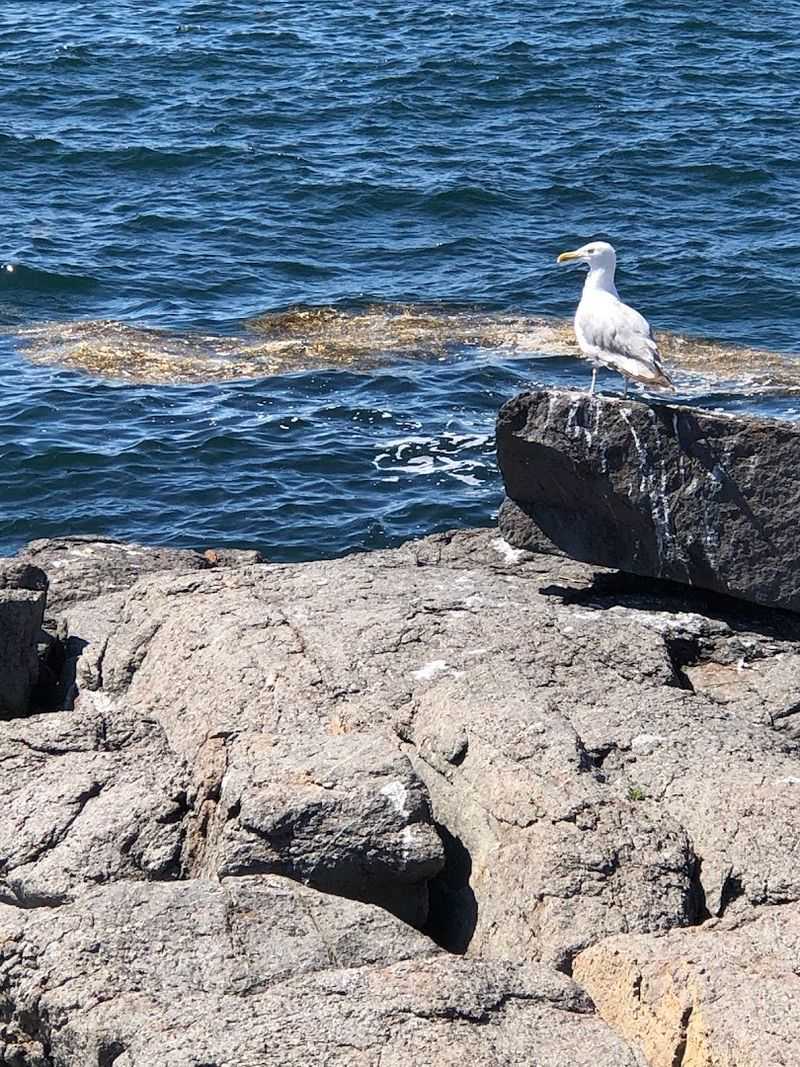
Monhegan sits along the Atlantic Flyway, making it a crucial stopover point for migratory birds traveling between breeding and wintering grounds. Over two hundred species have been documented here, with peak migration periods in spring and fall bringing the greatest diversity.
Birders arrive with binoculars and field guides, hoping to spot rarities blown off course by storms.
The variety of habitats within the small island supports different bird communities. Seabirds nest on the cliffs, forest species inhabit the interior spruce woods, and shorebirds probe the rocky beaches for food.
During migration, you might see warblers, thrushes, sparrows, and other songbirds resting in the trees before continuing their journeys.
Even casual observers will notice the abundance of avian life. Gulls wheel overhead, ravens call from the treetops, and various species provide constant soundtrack to your island explorations.
The isolation that makes Monhegan special for humans also creates vital habitat for birds navigating vast oceanic distances.
Bring Cash, Leave The Wifi Habit Behind
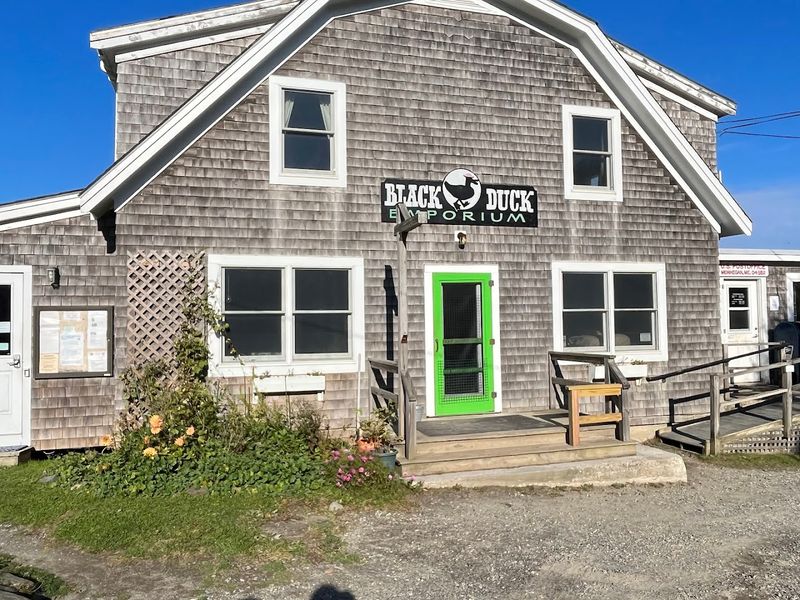
Modern conveniences take a backseat on Monhegan, and that’s entirely the point. Cell service ranges from weak to nonexistent depending on your carrier and location.
Most accommodations and restaurants don’t offer wifi, forcing a digital detox whether you planned one or not. This disconnection feels jarring initially but liberating after a few hours.
Cash remains king at most island businesses. The general store, cafes, and small shops operate on island time with limited hours, especially outside peak summer season.
These limitations aren’t inconveniences but features that preserve the island’s character. Without constant notifications and endless scrolling, you’ll find yourself actually present in conversations, attentive to your surroundings, and aware of subtle details that usually escape notice.
Maine offers plenty of connected destinations, but Monhegan provides something increasingly rare: genuine disconnection that allows genuine connection with place and people.
Right Across The Harbor, A Whole Island Sits Empty
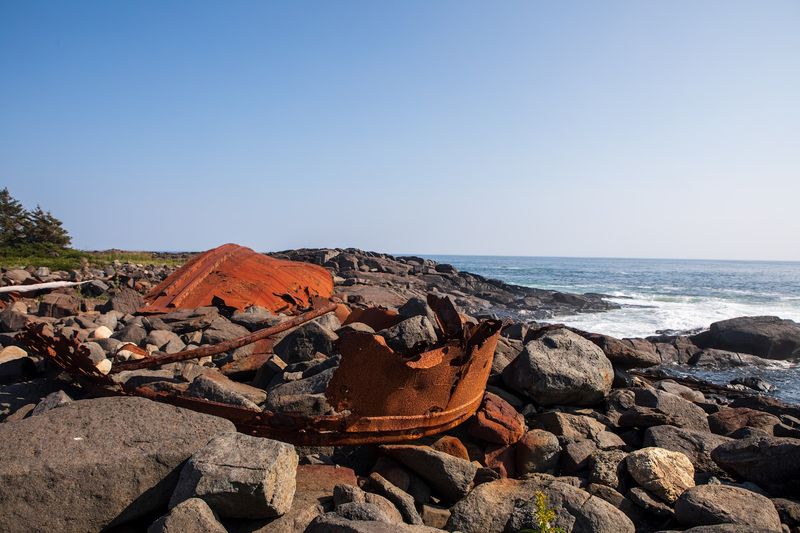
Manana Island lies just across the harbor from Monhegan’s main village, close enough to reach by kayak but worlds apart in character. This smaller island remains uninhabited and undeveloped, its rocky shores and spruce-covered interior left to nature.
A few ruins from past occupation remain, including remnants of a hermit’s dwelling from the early twentieth century.
The island serves as a reminder of what Monhegan might have become without its community of year-round residents and summer visitors. Seabirds nest undisturbed on Manana’s cliffs, and seals haul out on its beaches without human interference.
Some adventurous kayakers make the crossing during calm conditions, though currents can be tricky.
Looking across at Manana from Monhegan’s shore provides perspective on the delicate balance this community maintains. The contrast between inhabited and wild, developed and pristine, plays out across a narrow channel of water, illustrating the choices that shape island life in coastal Maine.