
The Mississippi Delta Museum Honoring B.B. King In The Town Where His Story Began
I pulled off a quiet Delta road in Mississippi expecting a quick look and a stretch of my legs. Two hours later, I was still inside, reading old letters, staring at worn guitars, and humming blues songs under my breath.
The story here starts in a cotton field and ends with a boy who became the King of the Blues. If you have ever tapped your foot to a guitar solo, this is a stop that will stay with you long after you drive away.
A Blues Landmark in the Heart of the Delta
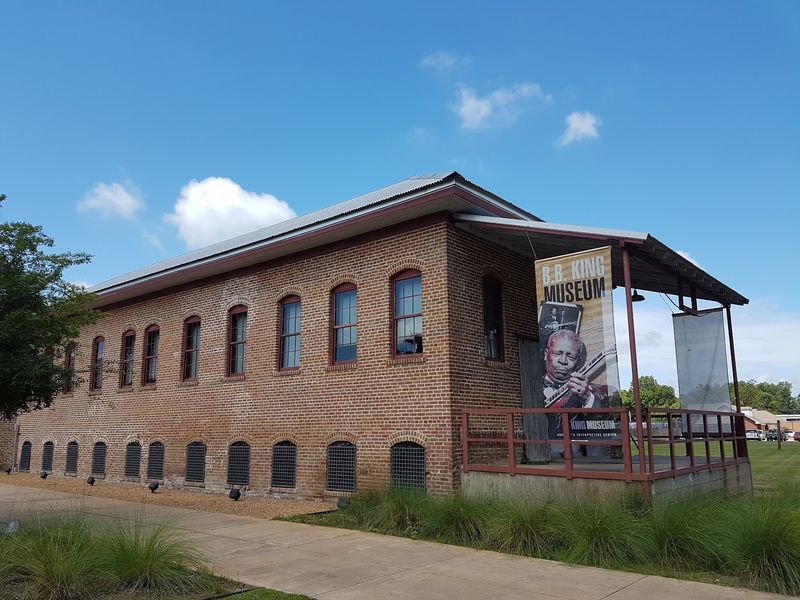
Picture a small Delta town where the land stretches flat in every direction and cotton once ruled daily life. Right on 2nd Street in Indianola, Mississippi, sits a museum built to honor the town’s most famous son, Riley B.
King, better known to the world as B.B. King.
The museum opened in 2008, and it does two jobs at once. It traces the life and career of one of the greatest blues musicians who ever lived.
It also tells the larger story of the Mississippi Delta, the region that shaped his sound, his struggles, and his spirit.
What makes the setting so special is how close it sits to where everything began. King grew up nearby, worked the fields of this area, and played for spare change on local street corners.
Standing here, you are not looking at his story from far away. You are right in the middle of it.
The grounds also hold something deeply personal. B.B.
King is buried here, which turns a museum visit into something closer to a pilgrimage for many fans. Between the exhibits, the history, and the memorial outside, the place feels like a full chapter of American music history packed into one stop.
From Can See to Can’t: A Childhood in Cotton
Long before the bright stage lights, there was a mule, a plow, and endless rows of cotton. Riley B.
King was born on September 16, 1925, on a cotton plantation near Berclair, Mississippi. His parents, Nora Ella and Albert L.
King, were sharecroppers in the segregated South.
Work started early and lasted long. Folks in the Delta described the hours as running from “can see to can’t,” meaning from first light until it was too dark to keep going.
By age seven, young Riley was already doing tasks expected of grown men.
Here is a number that sticks with people. He reportedly spent 18 years plowing cotton behind a mule for six months of each year, earning about $15 a month.
That is hard to imagine today, and the museum does not soften it.
Family life was difficult too. His mother left when he was four, and he went to live with his grandmother.
After he lost his mother at age nine, he moved between different small homes. Those early hardships appear throughout the exhibits, helping visitors understand why his music carried so much feeling and honesty.
The Old Cotton Gin Where He Worked
Few museums can say a piece of their hero’s real workplace is part of the building. At this one, the cotton gin where King once worked is on display, and it adds a powerful sense of truth to everything else you see.
Why does that matter so much? Because it connects the legend to a real job, a real paycheck, and real sweat.
Before he was famous, King was simply a young worker in a Delta town, doing what nearly everyone around him did to get by.
Walking near the old gin, it becomes easier to picture the noise, the heat, and the dusty air of a working day. The structure acts like a bridge between the farm life he knew and the music career he would build.
Visitors often point to the cotton gin as one of the most memorable parts of the trip. It is not flashy, and that is exactly the point.
It reminds you that the King of the Blues came from humble beginnings, and that his talent grew in a place where few people expected anything extraordinary to happen at all.
Church Songs, a Phonograph, and a First Guitar
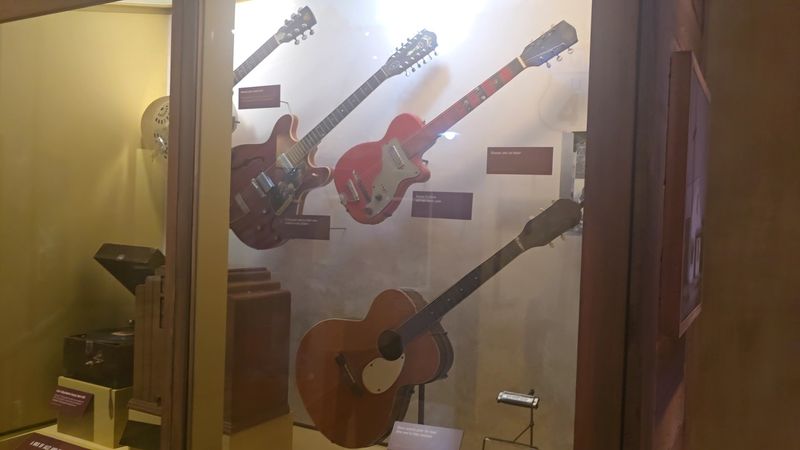
Music found him early, and it found him in church. As a boy, King took comfort and inspiration from the songs of the African American church.
His preacher taught him the basics of the guitar, planting a seed that would grow into one of the most famous playing styles in history.
Records were a rare treat. He could sometimes listen to music on his great aunt’s phonograph, soaking up sounds that opened his ears to a wider world beyond the cotton rows.
Then came the guitar. King got his first one from his boss, Flake Cartledge, and paid it off with two months of work.
Think about that for a second. A whole season of labor, just for the chance to make music.
He began playing on street corners in Indianola to earn extra money and to start his escape from farm work. Even after leaving school and driving a tractor on a large plantation, he kept singing for spare change in nearby towns.
The museum lays out these early steps clearly, so visitors can trace how a determined young man slowly turned a dream into a career.
A Short Film to Set the Stage
Before you wander through a single gallery, the museum invites you to sit down. A short film about King’s life plays at the start of the visit, and it works like an opening act at a concert.
The movie gives you the big picture first. You hear about his roots, his rise, and the impact he had on music around the world.
Once the lights come up, the exhibits that follow make much more sense, because you already know the shape of the story.
Guests often mention how helpful this introduction is. It is especially handy for anyone who knows the name B.B.
King but not much else. In just a few minutes, you go from casual curiosity to genuine interest.
The films do not stop at the entrance, either. Smaller video screens appear throughout the self-guided tour, adding interviews, performances, and background in a way that keeps things lively.
For younger visitors or anyone who learns better by watching than reading, these clips are a real bonus. They break up the text panels nicely and let King’s voice and personality shine through, which is fitting for a man whose charm was as famous as his playing.
Guitars, Gowns, and Golden Awards
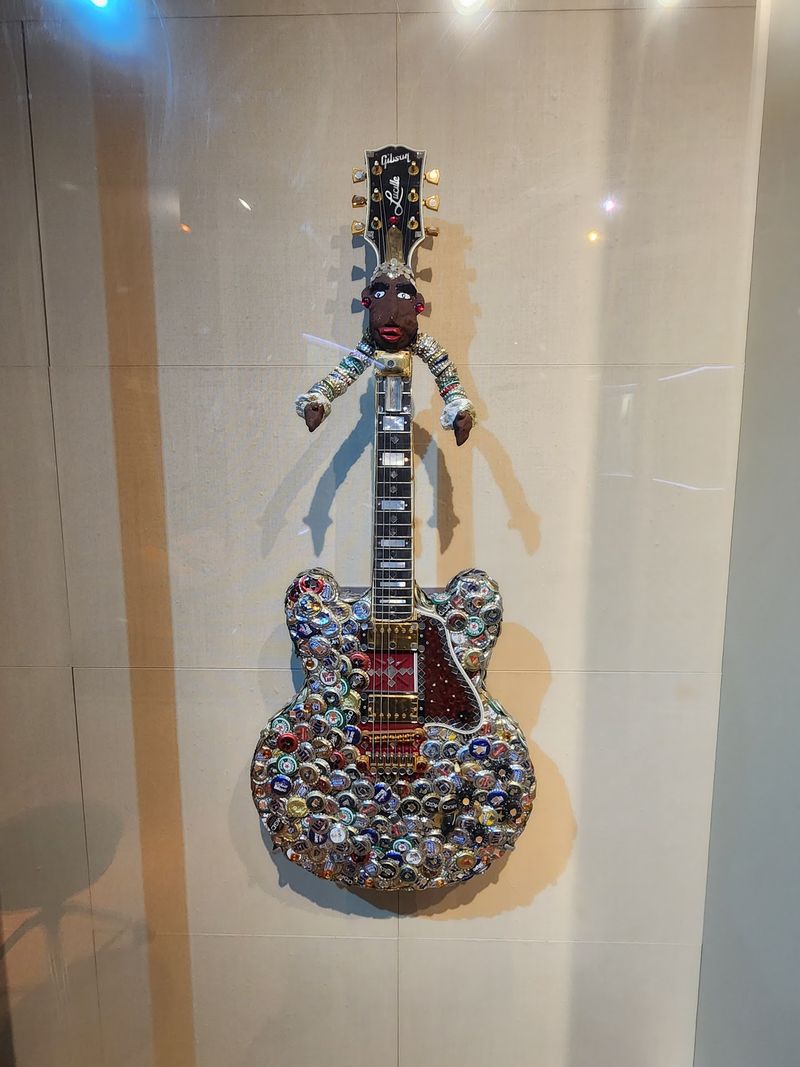
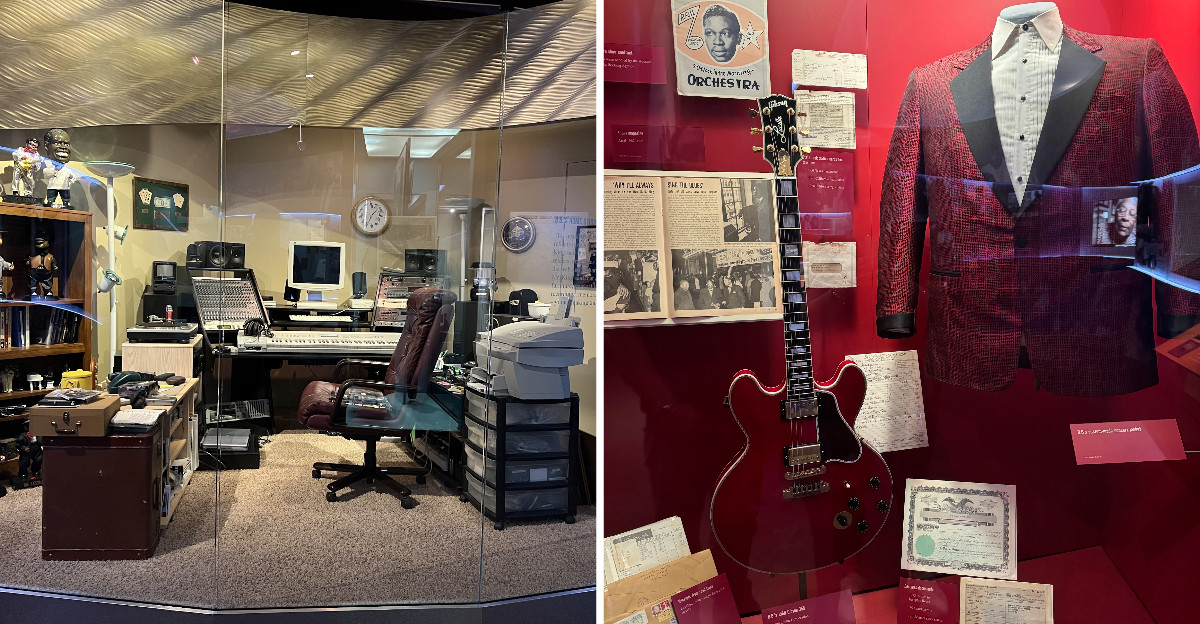
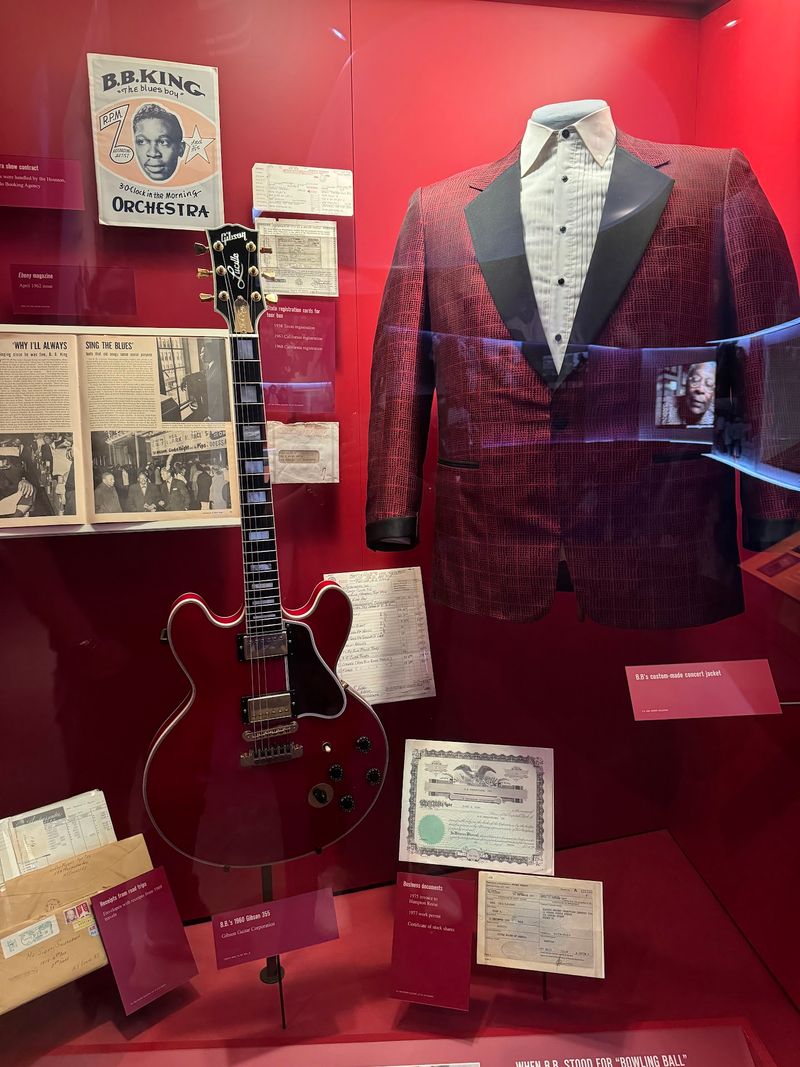
Guitars line the galleries in such numbers that some guests joke the place could double as a guitar museum. There is also a collection of harmonicas, which surprises many first-time visitors.
The artifacts cover nearly every part of King’s life on and off stage. You will find stage wardrobes, records, press clippings, photographs, and his home office setup.
Grammy Awards and other honors are displayed too, showing just how much the music world respected him.
Visitors describe the collection as thorough and well designed. Some even say there is so much information that it can feel a little overwhelming, though the layout keeps things easy to follow as you move from his early years to his later life.
One detail many people enjoy is how personal the objects feel. These are not copies or props.
They are original items he owned, wore, and used. Seeing a well-loved guitar or a shiny stage outfit up close brings the stories to life in a way no book can.
Music lovers, especially guitar players, tend to linger longest here, studying the instruments that helped shape the sound of modern blues and rock.
The Rolls Royce and the Tour Bus
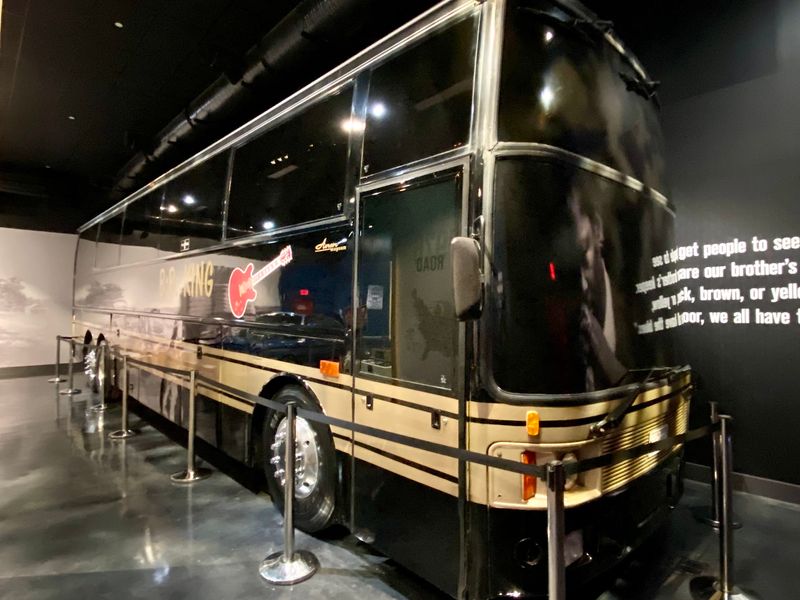
Not every museum lets you stand beside a rock star’s ride. Here, two of King’s cars and his original tour bus are part of the collection, including a Rolls Royce with the license plate “BBK 1.”
The tour bus carries its own story. King was famous for his nonstop touring schedule, playing show after show for audiences all over the world.
Seeing the actual bus helps you picture those long nights on the road, rolling from one city to the next.
The cars are a fun change of pace after so many photos and documents. They are real vehicles that King owned and drove, not stand-ins.
Families and road-trippers especially enjoy this part of the visit, since it adds a bit of everyday life to the larger legend.
Some guests leave with a different impression than they expected, too. Rather than piles of flashy luxury items, the collection shows a man who lived fairly modestly for someone so famous.
A couple of cars and a hardworking bus seem to fit the character of a performer who spent most of his life simply doing what he loved, playing for people.
A Resting Place Ringed by Song Titles
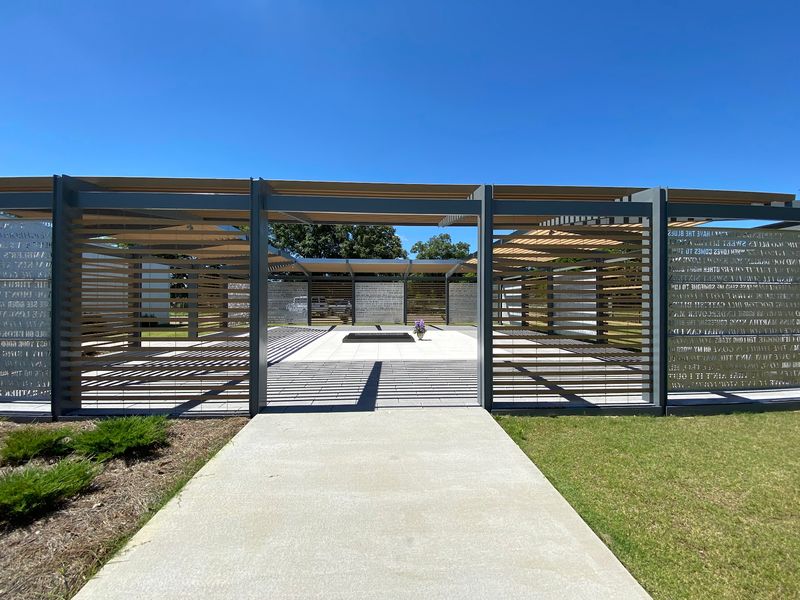
Quiet settles over people when they step outside. After the indoor tour, visitors can walk to the memorial garden where B.B.
King is buried, right on the museum grounds.
The enclosed outdoor memorial is surrounded by the titles of his songs. Reading them one by one feels a little like flipping through a playlist of his life.
Many guests say this is the moment when the visit becomes emotional, as the stories inside suddenly connect to a real resting place.
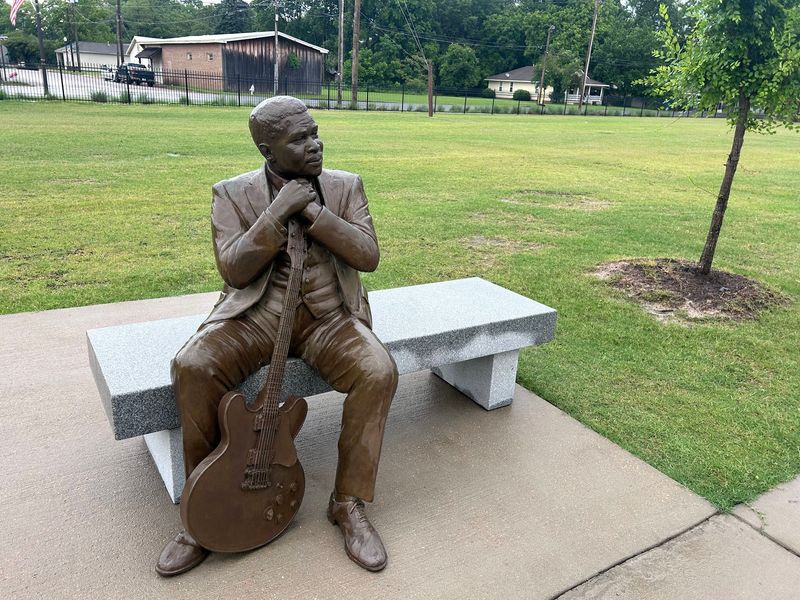
A statue of King stands outside as well, along with a sculpture near the gravesite. The grounds are well kept and lovely, and since photos are not allowed inside the exhibits, this is where most people take their pictures.
For longtime fans, the memorial is often the main reason they came. Some first heard his music decades ago, while others picked up a guitar because of him.
Paying respects here gives them a chance to say thank you. Even visitors who knew little about King before arriving often find themselves moved by the calm, thoughtful space.
It is a fitting tribute for an artist whose music brought joy to so many kitchens, cars, and concert halls.
Lucille Cafe and a Standout Gift Shop
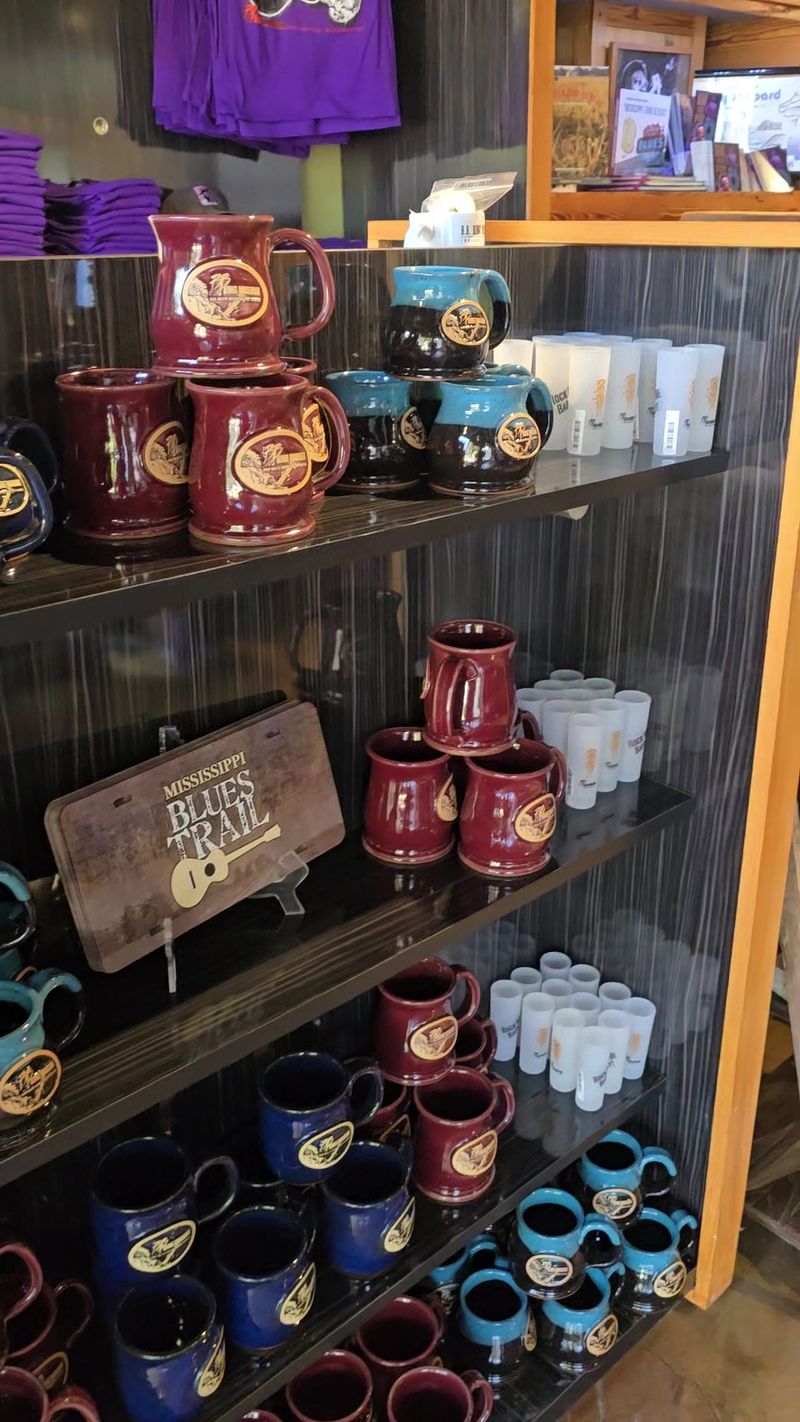
Every B.B. King fan knows the name Lucille, the nickname he gave his guitars.
So it makes sense that the cafe near the entrance carries that name. You can grab a cup of coffee, browse souvenirs, and chat with the staff before or after your tour.
The gift shop gets plenty of praise from visitors. It offers a wide selection, from t-shirts to music-themed keepsakes, and many guests call it one of the best museum shops they have seen.
Looking for a fun photo? There is a spot in the shop where you can sit and pose with a large picture of B.B.
King. It is a cheerful way to wrap up the visit, especially if photos inside the exhibits were off limits.
Here is a money-saving tip. The visitor center and gift shop are free to enter, so even if you are short on time, you can stop in for coffee and a souvenir.
Some guests have spotted discount coupons in local magazines available in the building, including deals on gift purchases. It is always smart to look around before you pay for anything.
Friendly Faces and School Groups
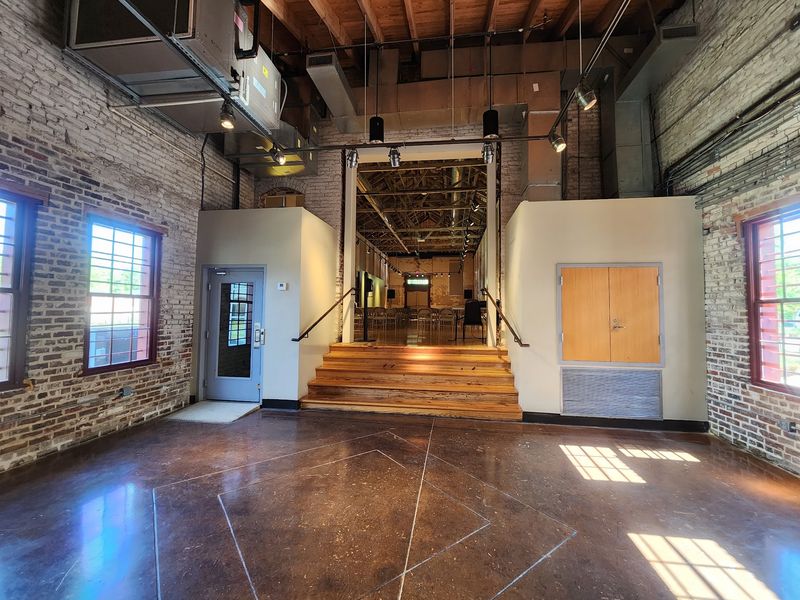
Warmth seems to run through the building as much as the music does. Visitors regularly mention how friendly and helpful the staff are, from the front desk to the gift shop counter.
The museum suits a wide range of people. Blues lovers will obviously feel at home, but so will history buffs, curious road-trippers, and families exploring the Delta.
Guitarists often find it especially meaningful, since King inspired so many great players.
Young learners have a place here, too. School buses are a common sight, with groups of students filing in to learn about music and Delta history.
The museum also has an education center that runs programs for children throughout the year. That feels fitting, since King was known for his love of children and people in general.
The overall mood is welcoming rather than stiff. You can move at your own pace on the self-guided tour, stop to watch a video, or spend extra time with an exhibit that grabs you.
Some guests return again and again, finding something new on each visit. The town itself adds to the friendly feeling, with locals happy to share stories about their famous neighbor.
Hours, Tickets, and Timing Tips
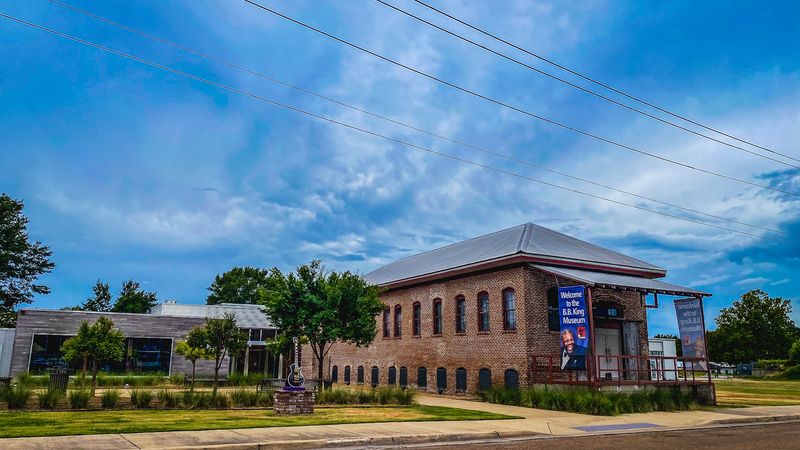
Plan around the calendar, because the doors are not open every day. The museum welcomes guests Tuesday through Saturday from 10 am to 5 pm, and it is closed on Sundays and Mondays.
More than one traveler has rolled up on a Sunday only to find it shut.
Admission to tour the museum has been about $10 per person, while the visitor center and gift shop are free. Prices can change, so checking the official website at bbkingmuseum.org before your trip is a good idea.
Some visitors have found deals through Groupon or coupons in local magazines.
How long should you stay? Most guests suggest at least an hour, and many say two hours is better if you like reading every panel and watching every video.
Arriving late in the afternoon can feel rushed, so aim for a morning or early afternoon start.
Weather matters too. Since the memorial and grounds are outdoors, a cooler month makes the visit more comfortable.
Late spring and summer in the Delta can get very hot. Keep in mind that photography is not allowed inside the exhibits, but the grounds are fair game.
A Fitting Stop on Any Delta Blues Road Trip
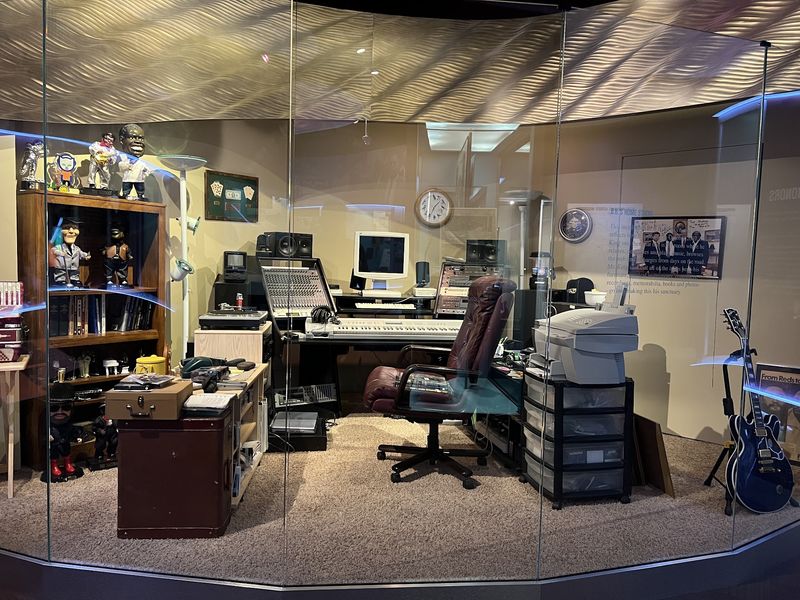
Road trips through the Delta tend to feel like chasing music across the map. This museum, at 400 2nd St in Indianola, makes a natural anchor for that kind of journey, and many travelers call it a must on any blues-focused route.
Nearby stops add even more to the day. Church Street in town is where King first got his start playing for passersby.
Fans also mention Betty’s Place, a local barbecue spot where King and his band ate often over the years. Greenwood is about 30 miles away for anyone continuing to explore the region’s history.
So, is it right for you? If you love the blues, the answer is almost certainly yes.
If you are simply curious about American history, the story of a sharecropper’s son who rose to worldwide fame offers plenty to think about.
What lingers most is the full arc of the story. You start with a boy in a cotton field and finish beside a garden lined with song titles.
In between, you get guitars, cars, films, and the sense that you truly understand where the blues came from and why it still matters.