
The Upstate New York Craft Store Where $10 Can Fill A Bag With Fabric And Yarn
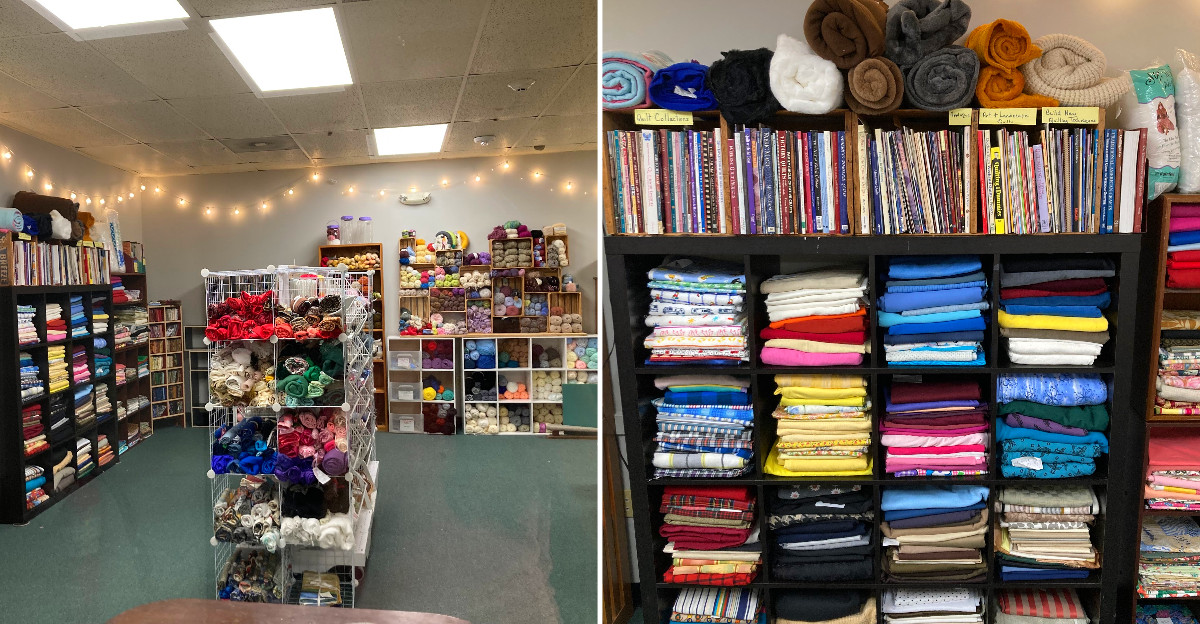
New York crafters have a very good reason to test their packing skills here. Ten dollars can cover whatever fits, which turns a normal supply run into something closer to a puzzle with excellent prizes.
The bag is part shopping tool, part challenge. Once it is in your hands, every scrap of fabric and skein of yarn starts looking like it could squeeze into one more corner.
The story behind the shelves makes the bargain even better. Every item was donated, giving fabric, yarn, and other craft supplies another chance before they were tossed aside.
You may come looking for one color and leave planning an entirely different project. For makers who hate waste and love a good deal, that is a dangerous combination.
A Treasure Hunt Built From Other People’s Leftovers
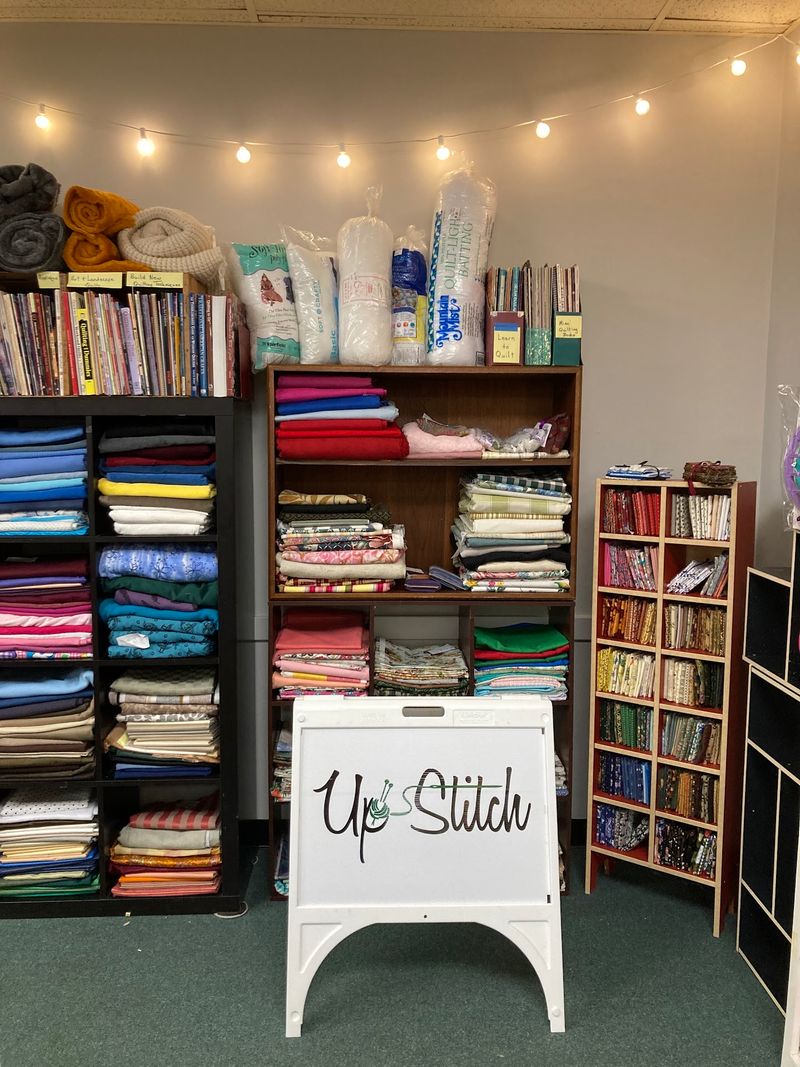
Every single item on the shelves here once belonged to someone else. Retired quilters, downsizing knitters, and families clearing out craft rooms drop off bags of supplies each week.
That steady flow means the inventory shifts constantly. A shopper who visits in March will find a completely different selection in April, which is exactly the appeal.
Fabric arrives in fat quarters, remnants, and yardage. Yarn shows up in skeins, balls, and partial hanks in colors that stopped being manufactured years ago.
Vintage sewing patterns turn up regularly, along with buttons, hoops, and embroidery floss in shades no big box store carries anymore.
The pricing sits at roughly half of retail, sometimes lower. That gap matters for beginners who do not want to invest heavily before learning a new skill.
Regulars treat the trip like a scavenger hunt rather than a shopping list. You come in hoping for one thing and leave with three others you never knew existed.
There is also a quiet satisfaction in knowing your purchase kept usable material out of the trash. Good for the wallet, good for the planet, and genuinely fun besides.
Meet Up-Stitch On Essex Street In Albany
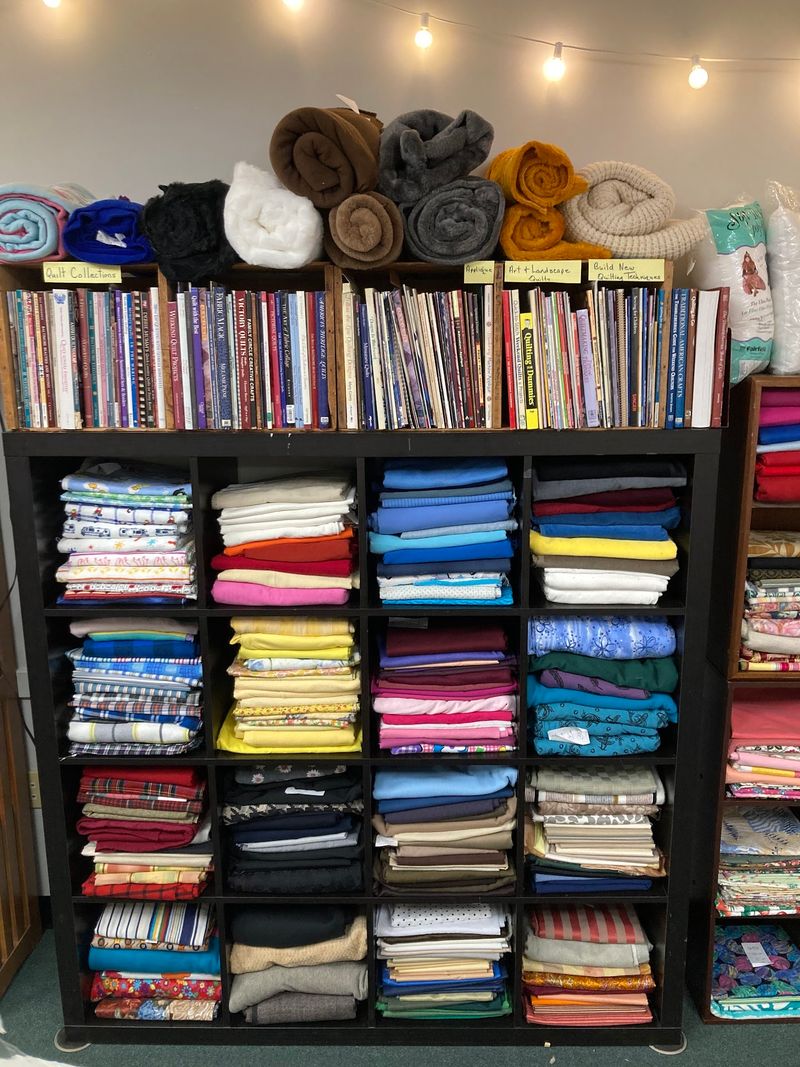
Up-Stitch makes its home at 28 Essex St in Albany, New York, a short hop from the Honest Weight Food Co-op and easy to reach off Exit 5.
The nonprofit got its start in early 2017 and has been serving Capital District crafters without interruption since. It previously operated on New Scotland Avenue before relocating.
June 2025 brought a grand reopening at the Essex Street space, which gave the shop more room to sort, display, and sell its growing collection of donations.
Parking is straightforward and the building is accessible, two details that matter more than most shops admit.
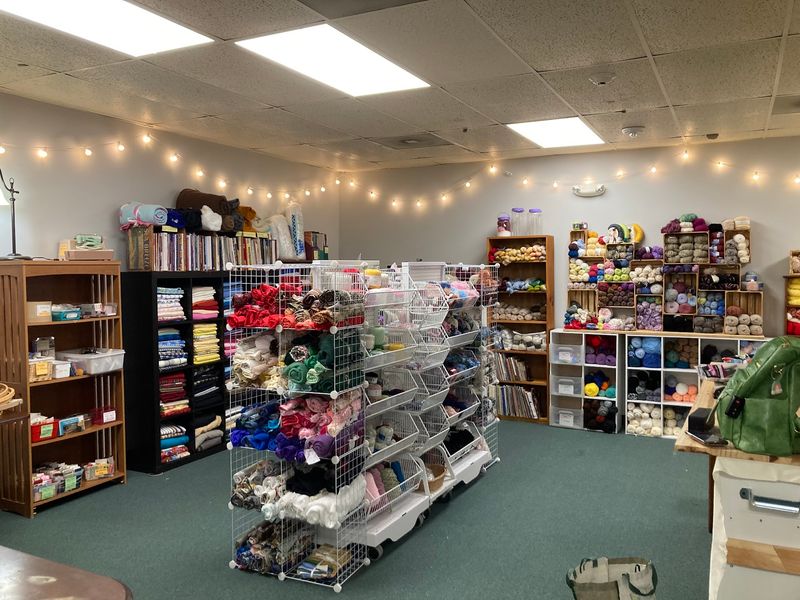
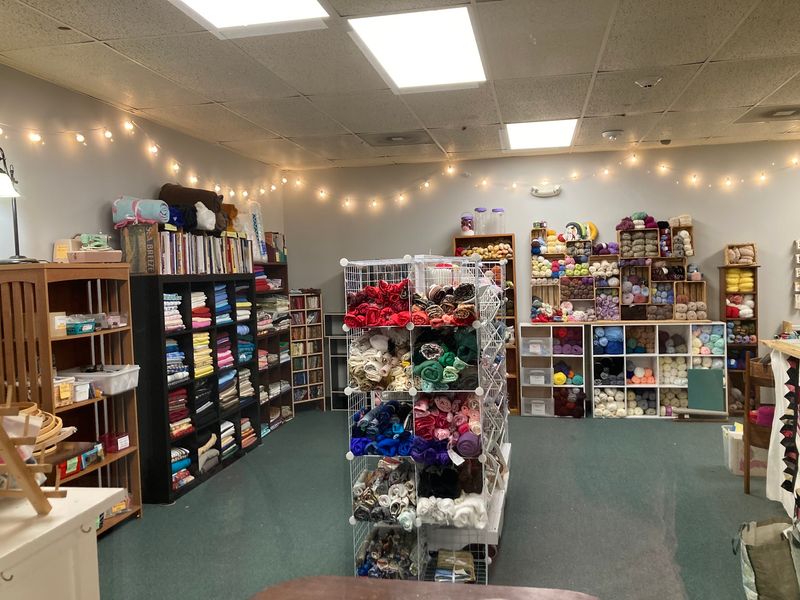
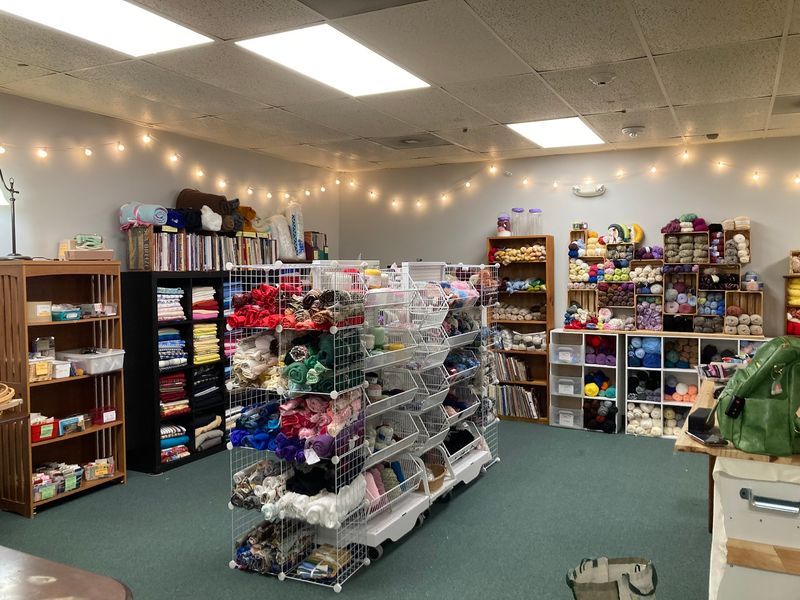
Inside, the layout feels deliberate rather than chaotic. Fabric occupies one area, yarn another, with notions, tools, and books sorted into clearly labeled sections.
The organization holds 501c3 status, so every dollar spent circles back into the mission. That mission includes redistributing materials to schools, food pantries, and community groups around the region.
For anyone who sews, knits, crochets, weaves, or simply likes poking through bins of pretty things, the address is worth writing down.
The Ten Dollar Bag Sale Everybody Talks About
Ten dollars. One handmade reusable bag.
Fill it with as much fabric or yarn as you can reasonably fit.
That is the deal at the recurring Bag Sale, and it has been drawing crafters since the shop’s earliest days. The bags themselves are sewn by hand, which adds a nice touch to the whole arrangement.
Bring back a bag from a previous sale and the price drops to eight dollars. Loyalty pays, apparently.
Shoppers who plan ahead tend to do best. Folding fabric tightly and choosing squishy yarn over bulky items means more material per trip.
The value here is hard to overstate. A single yard of quilting cotton at a chain store can cost more than the entire bag.
Beginners love the sale because it lets them experiment without worrying about wasting expensive material. Experienced makers love it because scrap fabric feeds quilts, and odd yarn skeins feed charity blankets and hats.
Sale dates are announced ahead of time, so checking the shop’s website before heading over saves disappointment. When one is scheduled, arriving early is a smart move.
Yarn For Knitters, Crocheters, And Hoarders Alike
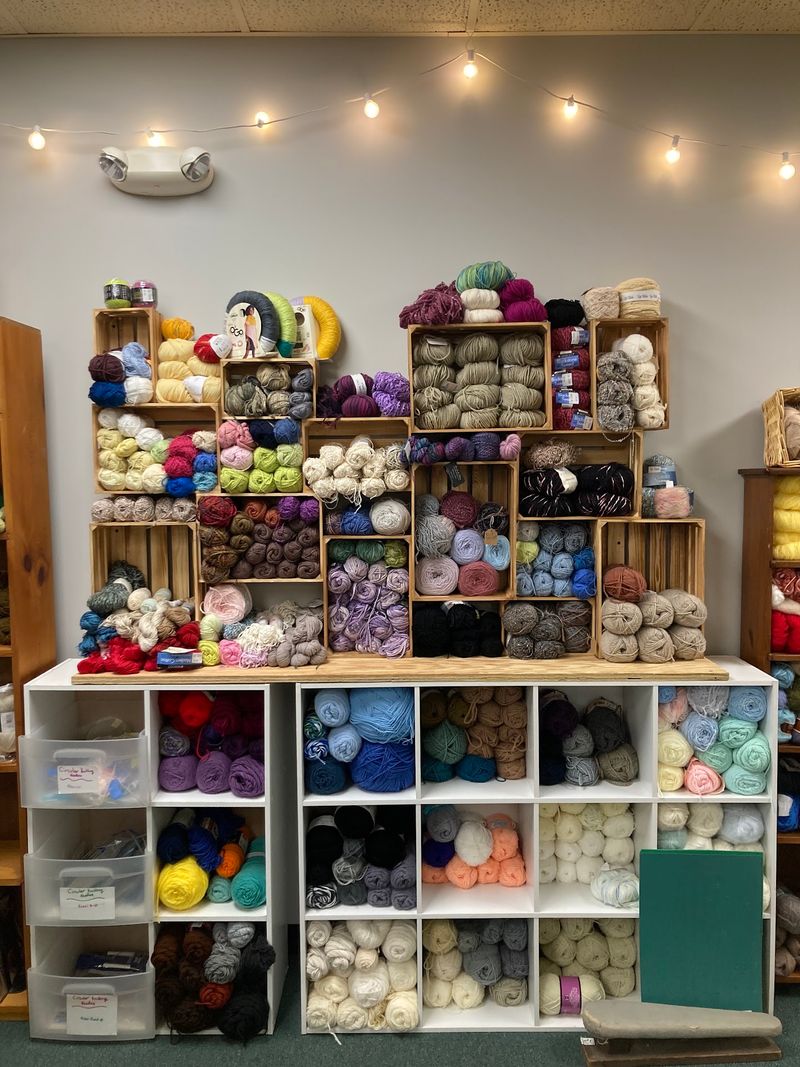
Yarn gets mentioned more than almost anything else by people who shop here, and the reason becomes obvious fast.
Skeins fill shelves in wool, cotton, acrylic, and blends that defy easy labeling. Some still carry their original bands.
Others are partial balls left over from projects that found their finish line.
Discontinued colorways show up often, which thrills anyone trying to complete an old pattern or match a sweater sleeve.
Prices run well below what a yarn shop would charge, making it realistic to buy enough for a full blanket rather than a single scarf.
Crocheters find hooks in every size, sometimes vintage aluminum ones with a satisfying weight. Knitters find straights, circulars, and double points scattered through the notions area.
Volunteers behind the counter know their fibers and will happily help identify a mystery skein by feel and burn test knowledge rather than guesswork.
A word of advice: bring a project in mind, but stay flexible. The stock changes weekly, and rigid plans rarely survive contact with a bin of unexpected merino.
Stash builders, consider yourselves warned and welcomed.
Fabric Bins Worth Digging Through
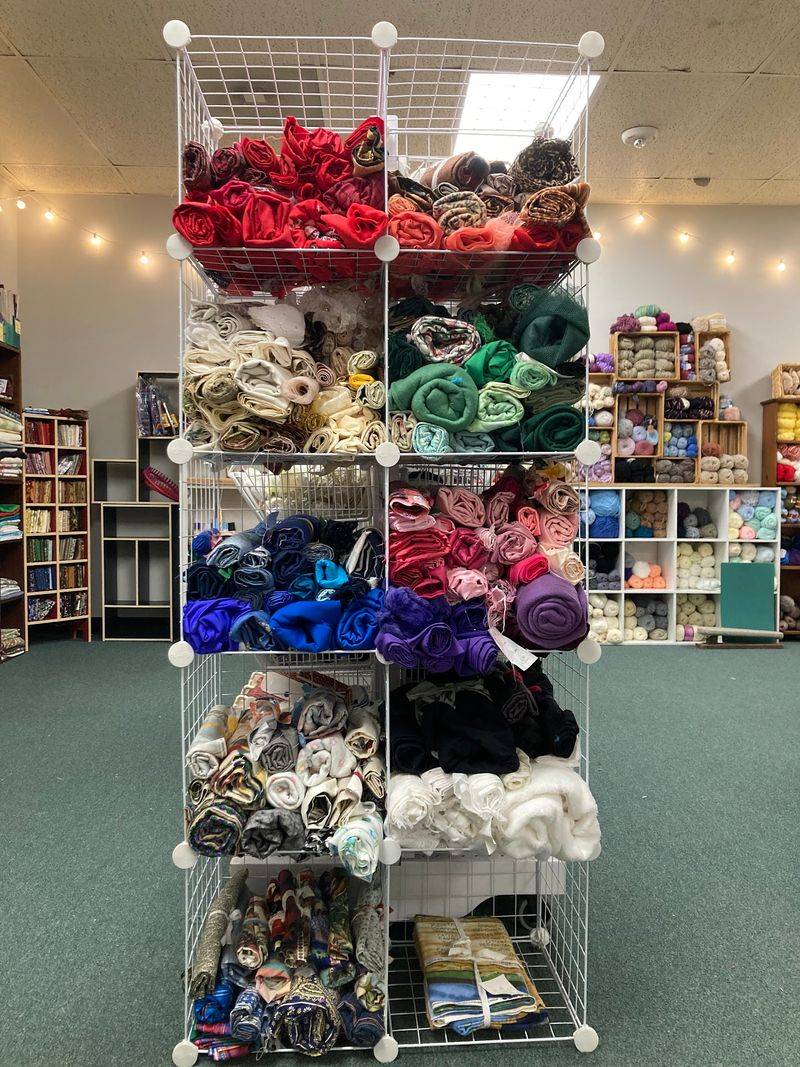
Quilters have a particular kind of patience, and the fabric section rewards it generously.
Fat quarters sit sorted and stacked, ready for anyone piecing together a top. Remnants fill nearby bins in lengths suitable for pouches, masks, doll clothes, and patchwork.
Cotton dominates, but linen, flannel, fleece, and the occasional bolt of upholstery weight material appear too.
Vintage prints are a regular find. Florals from decades past, novelty prints, and solids in colors that modern manufacturers seem to have abandoned all turn up in rotation.
Touching fabric before buying it is a real advantage over online shopping. You can check the hand, the weight, and the true color under the shop’s bright lighting.
Prices stay friendly enough that a beginner can afford to make mistakes. Cutting a piece wrong stings far less when the whole yard cost a couple of dollars.
Notions live nearby, so zippers, bias tape, thread, and elastic are easy to grab in the same trip.
Bring a tote and a rough measurement of what your project needs. Then let the bins surprise you.
Where Old Supplies Get A Second Life
Keeping usable material out of landfills sits at the center of everything this organization does.
Craft supplies have a strange afterlife. Fabric bought with good intentions often sits untouched for decades, then gets tossed when a household clears out.
Up-Stitch intercepts that cycle. Donations come in, get sorted, and head back out to people who will actually use them.
Not everything goes on the sales floor. A meaningful share of donated goods travels to local schools, food pantries, and community organizations across the Capital District.
Classroom art programs receive scraps and notions. Community groups get materials for projects that would otherwise strain tight budgets.
Donating is simple for anyone with a closet full of forgotten supplies. Fabric, yarn, needlework materials, tools, and sewing notions all find takers.
Environmental awareness runs through the mission alongside creativity. The two goals reinforce each other rather than competing.
Buying a bag of yarn here is a small act, but small acts add up across a whole region of crafters.
Better in a project than in a dumpster, as the logic goes.
Tools, Looms, And Gadgets For Fiber Nerds
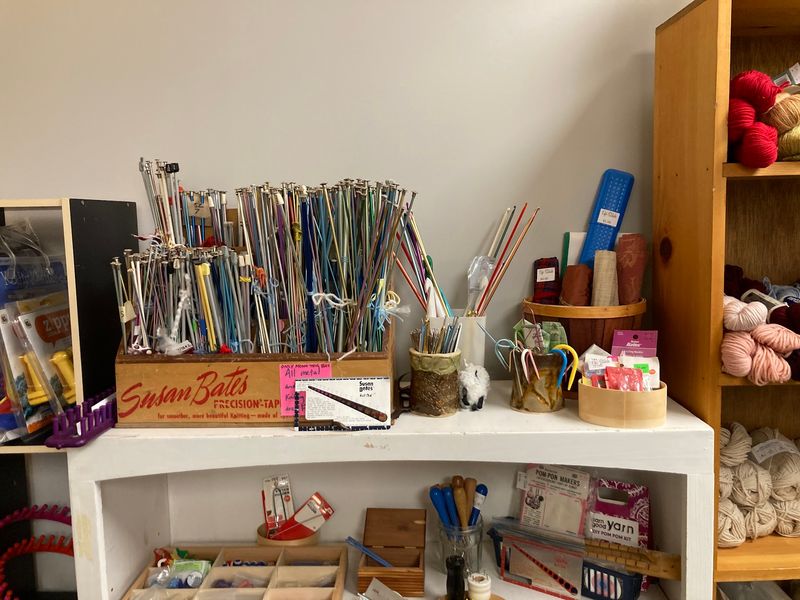
Fiber arts go far beyond needle and thread, and the tool section proves it.
Looms appear from time to time, along with shuttles, warping tools, and weaving accessories that are hard to source secondhand anywhere else.
Embroidery hoops stack in multiple sizes. Transfers, floss, and specialty needles fill nearby containers.
Knitting needles come in aluminum, bamboo, and plastic, some still in original packaging from another era.
Quilting rulers, rotary cutters, pins, and marking tools round out the selection for anyone piecing a project together.
Books and patterns take up their own space, covering techniques that range from basic stitches to complicated colorwork. Vintage pattern envelopes are a particular draw for collectors.
Kits show up too, sometimes complete, sometimes missing a piece that is easy to replace from the bins a few feet away.
Pricing on tools tends to be especially forgiving compared to new retail, which matters for equipment that lasts decades.
Anyone curious about trying weaving or needle arts without a big upfront cost will find this corner of the shop unusually useful.
Bring curiosity and a willingness to rummage.
Smart Moves For Your First Visit
A little preparation turns a good visit into a great haul.
Start by checking the website for current hours and any scheduled Bag Sale. Schedules shift with volunteer availability and special events.
Write down measurements for whatever project you have in mind. Yardage needs, needle sizes, and color goals all help narrow the search.
Stay open to substitutions though. Inventory depends entirely on what arrived that week, so rigid shopping lists rarely get fully checked off.
Bring cash or card, plus a tote for anything that does not fit in a sale bag.
Give yourself the full three hour window if possible. Rushing through a shop built on discovery defeats the purpose entirely.
Ask questions freely. The people working the floor enjoy talking shop and often know exactly where an obscure item is hiding.
Consider bringing donations along if your own craft closet has grown unruly. Trading clutter for inspiration is a satisfying exchange.
Above all, return regularly. The stock turns over weekly, and the shoppers who visit often are the ones who walk away with the best finds.