
The Vermont Mountain Village Where Over A Dozen Historic Buildings Still Stand, And You Walk Right In
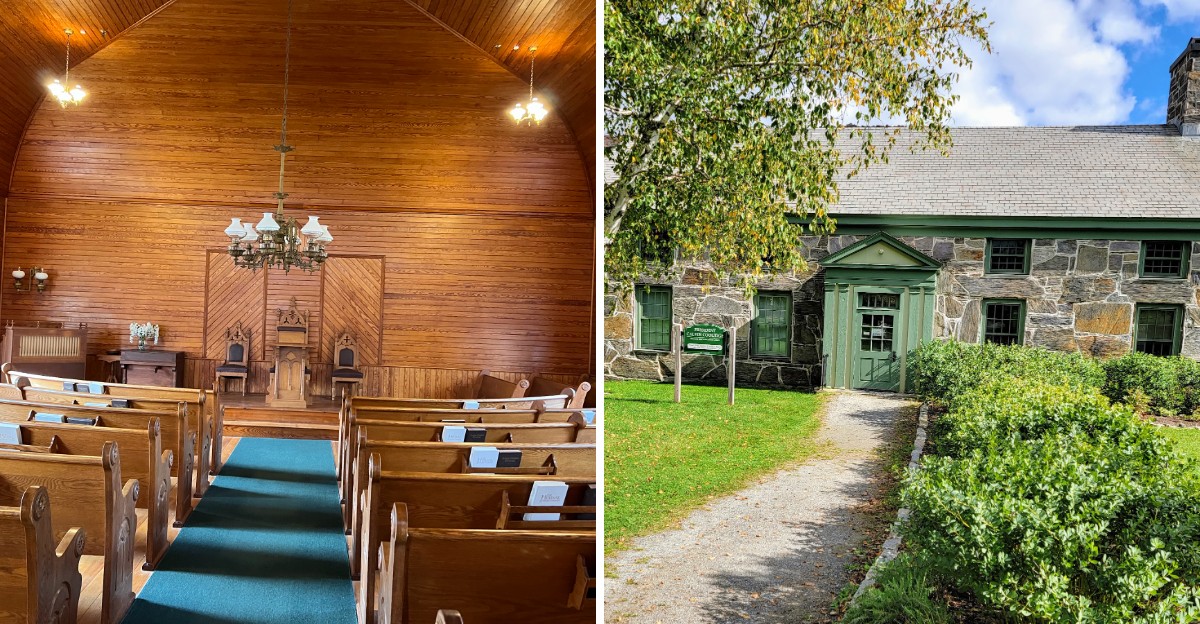
Kerosene glow, creaky floorboards, and a mountain village that refuses to leave its century behind.
Picture a tiny green wrapped in white clapboard homes and weathered barns under a big Vermont sky. Over a dozen historic buildings still stand here.
And yes, you walk right in.
No velvet ropes. No glass walls.
Just doors that swing open and floors that creak under your sneakers.
Inside one farmhouse parlor, a single lamp once lit the humblest presidential moment in American history. That story alone gives you goosebumps.
Then the cheese shows up, and the village gets even better.
Wander slowly, peek through every doorway, and let the hills of Vermont work their quiet magic. Your next favorite road trip might be waiting at the end of a winding mountain road.
A Village Frozen In The Best Way
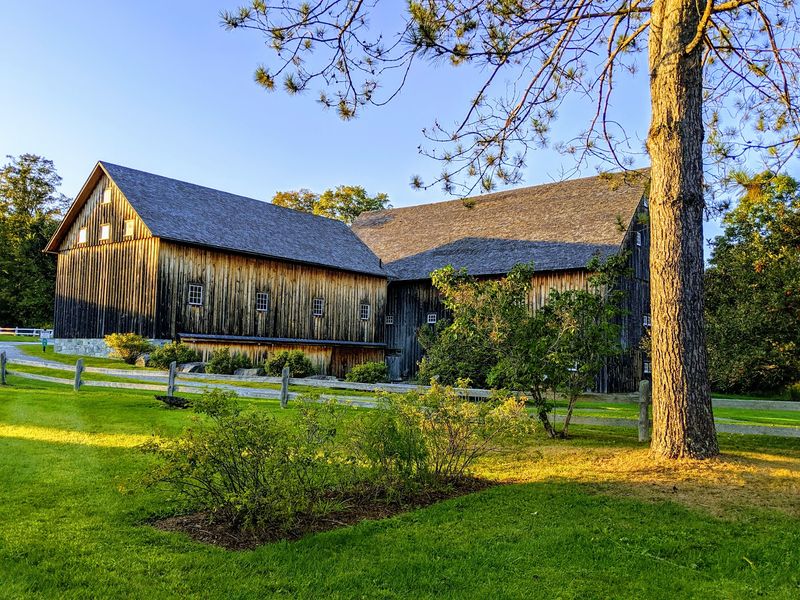
Hit pause on modern life. Plymouth Notch makes that easy.
The whole hamlet sits high in the Green Mountains of central Vermont. Instead of one lonely museum building, the President Calvin Coolidge State Historic Site covers an entire village.
The state began acquiring these properties in 1947. Since then, caretakers have worked to keep the village looking much as it did in the early twentieth century.
Visitors find homes, barns, a church, a store, and a schoolhouse clustered close together. Over a dozen historic structures dot the area, and many open their doors to guests.
Plenty of historic sites keep you behind velvet ropes. Here, the fun comes from wandering from building to building at your own pace.
The roads stay quiet, and the setting feels calm and unhurried. Cell service may be spotty, so download maps before arriving.
Wear sturdy shoes, since the terrain rolls up and down. Ramps appear where possible, though some spots involve stairs.
Give yourself a couple of hours to see everything without rushing. Budget extra time for photos, because the views keep pulling cameras out of pockets.
The Lamplight Oath That Made History
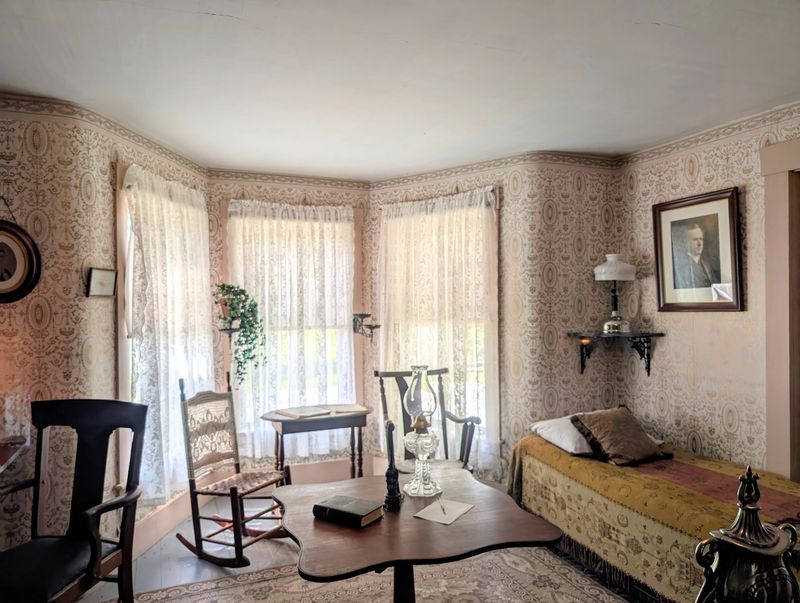
Midnight news, a kerosene lamp, and a family Bible. Few inaugurations can top that scene.
In August 1923, word reached Plymouth Notch that the sitting president had passed suddenly. The vice president happened to be home visiting his family.
His father, a local notary public, administered the presidential oath in the family sitting room. The moment happened in the small hours, lit only by lamplight.
Americans loved the humble image. A farmhouse parlor in Vermont became the stage for a new presidency.
That room sits inside the Coolidge Homestead at the President Calvin Coolidge State Historic Site. The Homestead holds many original family furnishings.
Restoration work on the foundation, drainage, and chimneys closed the Homestead for the 2026 season, so check its status before visiting.
Some of its treasured objects have moved temporarily to the museum center for safekeeping.
Check with staff before visiting to learn the current status. Even from outside, the house tells a powerful story.
Stand on the porch and imagine the knock at the door that night. Few spots let history feel this close and this ordinary at once.
Where The Story Begins
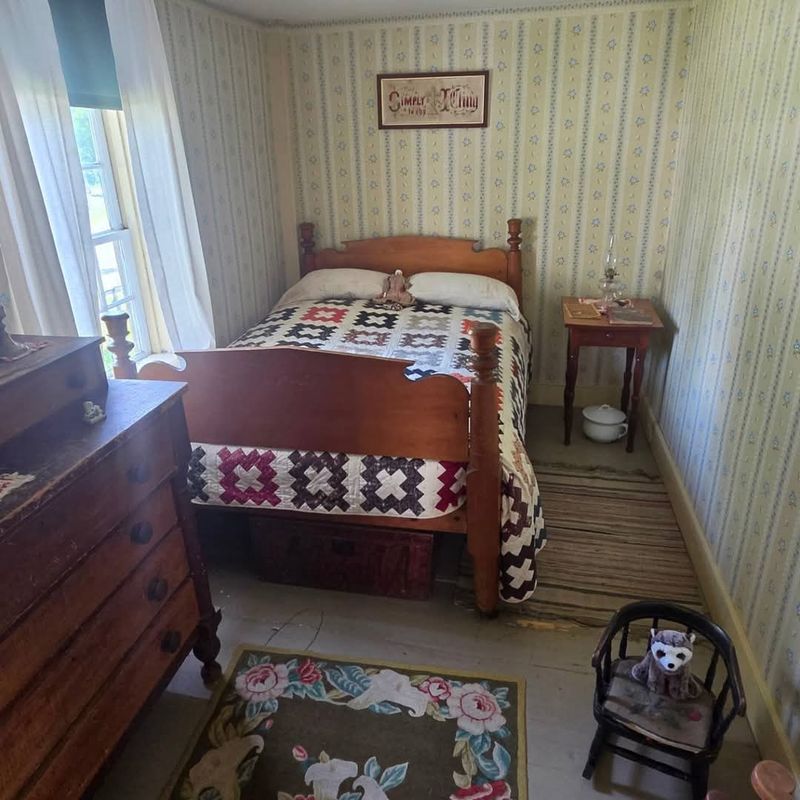
Every president starts somewhere. This one started in a modest cottage attached to the village store.
The Coolidge birthplace still stands on its original site. That detail matters, since many historic houses get moved over the years.
Inside, visitors can see the bedroom where the future president arrived on the Fourth of July. Yes, he really shares a birthday with the nation.
The rooms feel small and simple. Low ceilings and plain furnishings show how rural families lived in the 1870s.
Kids often find the size surprising. A future leader of the country began life in a space smaller than many modern apartments.
The President Calvin Coolidge State Historic Site lets guests step right inside. Guides, when available, share stories about the family and its early days.
Take a moment to compare the birthplace with the later Homestead nearby. The family moved across the road when he was a young boy.
That short walk mirrors a much longer journey, from a mountain farm to the White House. Not bad for a kid from a hamlet this tiny.
Snacks, Souvenirs, And Old-Time Shelves
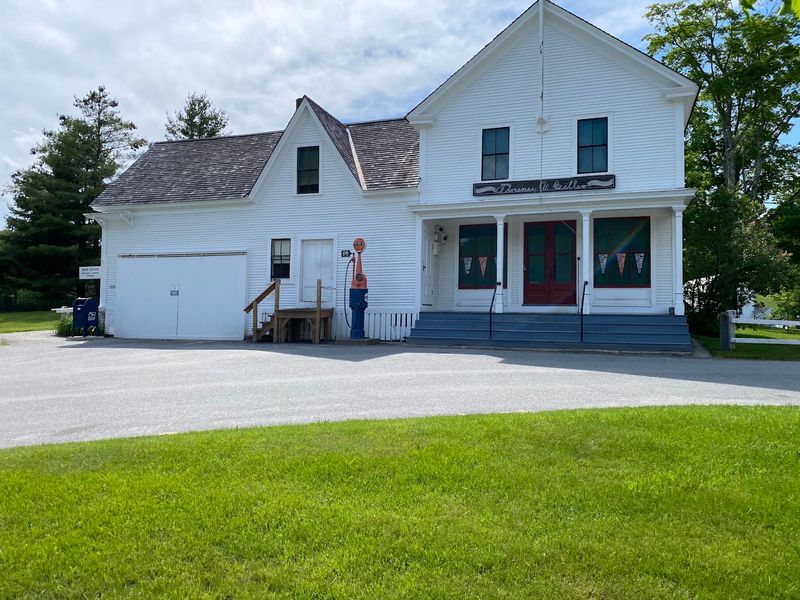
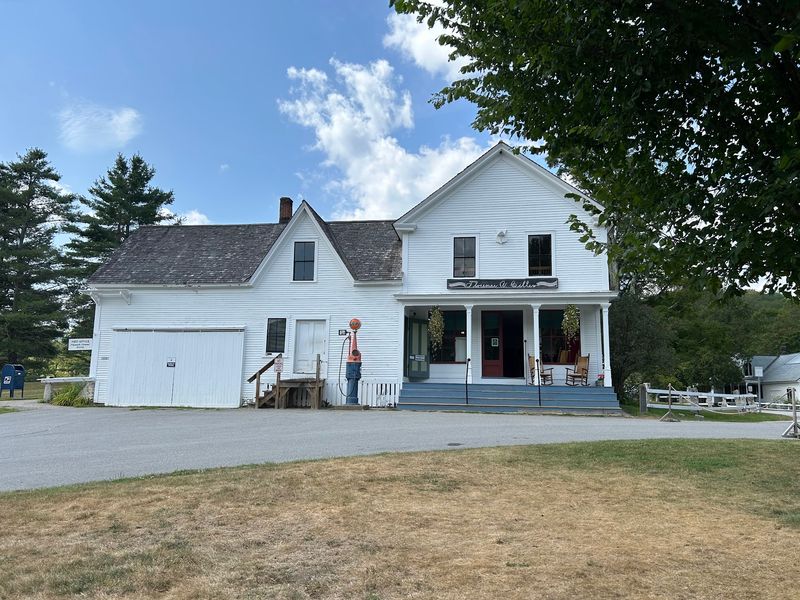
Need a snack break with a side of history? The general store delivers both.
The Florence Cilley General Store dates back to before 1835. Generations of locals bought flour, fabric, and everyday supplies under its roof.
The future president’s father once ran the store. The family lived in the attached house where their famous son was born.
Today, visitors browse wooden shelves stocked with small gifts and treats. Snacks come in handy, since the area has few places to grab a meal.
Upstairs sits a hall once used for dances and community gatherings. In 1924, it served as the Summer White House office.
Reaching that upper hall requires climbing stairs. Guests with limited mobility may want to plan around that.
The store remains one of the liveliest stops at the President Calvin Coolidge State Historic Site. It feels lived-in rather than staged.
Pack a picnic lunch and pick up a treat here to round it out. Then step outside onto the porch and watch the quiet road for a minute.
Running The Country From A Dance Hall
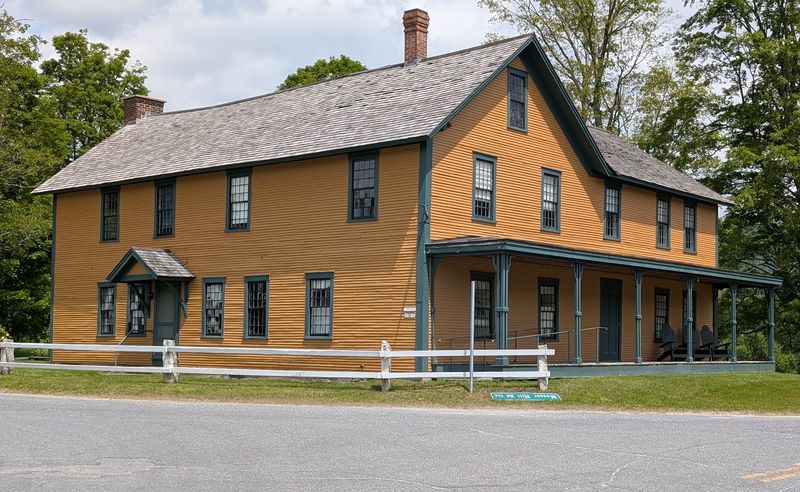
Forget marble columns. In 1924, the nation’s business ran from a room above a country store.
The hall above the general store, known as Coolidge Hall, became the Summer White House office that year. Staff handled presidential work in this simple space.
Before and after that summer, the room hosted dances, meetings, and local events. Neighbors gathered there long before reporters showed up.
The contrast feels almost funny. One week, a square dance.
The next, matters of national importance.
That mix says plenty about the quiet president and his hometown. He seemed perfectly comfortable leading from a modest mountain village.
At the President Calvin Coolidge State Historic Site, guests can climb up and look around. Wooden floors and plain walls keep the mood humble.
Bring curiosity and a few questions for any staff nearby. They often share details about visitors, telegrams, and the bustle of that summer.
Peek out a window and picture cars rolling into a hamlet this small. Plymouth Notch probably never saw traffic like it again.
Cheddar With A Presidential Pedigree
Say cheese, and mean it. The Plymouth Cheese Factory makes that a tasty instruction.
The president’s father helped found the factory in 1890. Local farmers brought their milk here to turn into cheese.
Production paused for decades after the factory closed in 1934, but cheesemakers revived it, and the original building still turns out cheddar today.
Visitors can browse the shop and sometimes try samples. Flavored varieties sit beside classic cheddar, so picking just one gets tricky.
Don’t skip the upstairs level. A small exhibit there displays old equipment once used in cheesemaking.
Many guests miss those stairs entirely. Look for them right after walking in.
The factory adds a working, everyday feel to the President Calvin Coolidge State Historic Site. History here comes with a flavor you can take home.
A small cooler in the car helps if summer heat runs high. Cheese travels better when it stays cool during the drive.
This stop also shows how dairy farming shaped Vermont life. Cows, milk, and community cooperation kept this mountain valley going.
Lessons In One Room And Worship Under Wood
Reading, writing, and a single wood stove. School looked very different back then.
The one-room schoolhouse dates to 1890. Children of many ages shared one space and one teacher.
Visitors can step inside and see rows of desks. Kids usually love imagining their own grade squeezed in with older siblings.
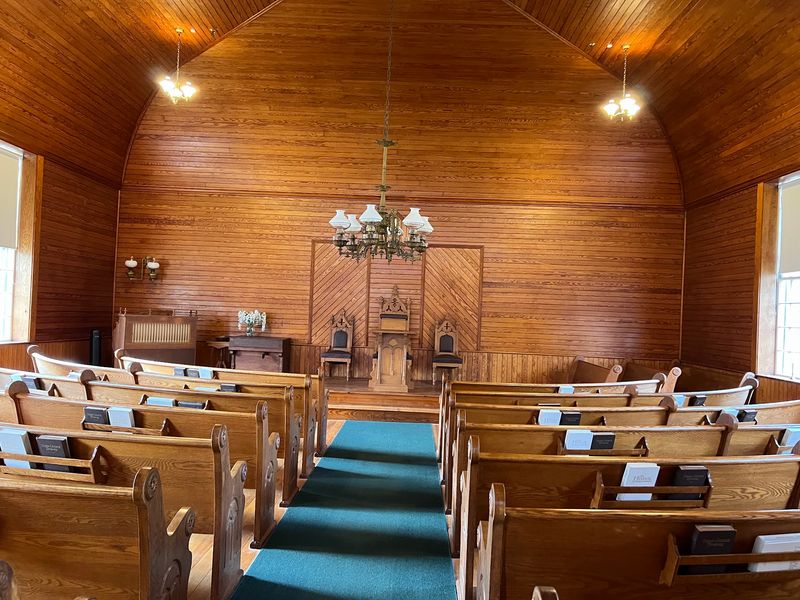
Nearby stands the Union Christian Church, built in 1840. The Coolidge family worshipped here.
Inside, the woodwork draws plenty of admiring looks. The craftsmanship shows real skill and care.
The church may not open every day, so check during your visit. Its white steeple still makes a lovely photo from outside.
Together, these buildings at the President Calvin Coolidge State Historic Site show village life beyond politics. Learning and faith held the community together.
The homes of family and friends line the small village green close by. Everything sits within an easy stroll.
Families with young children will find these stops especially fun. A quick scavenger hunt, sometimes offered on site, keeps little explorers busy and curious.
Barns, Tools, And Mountain Grit
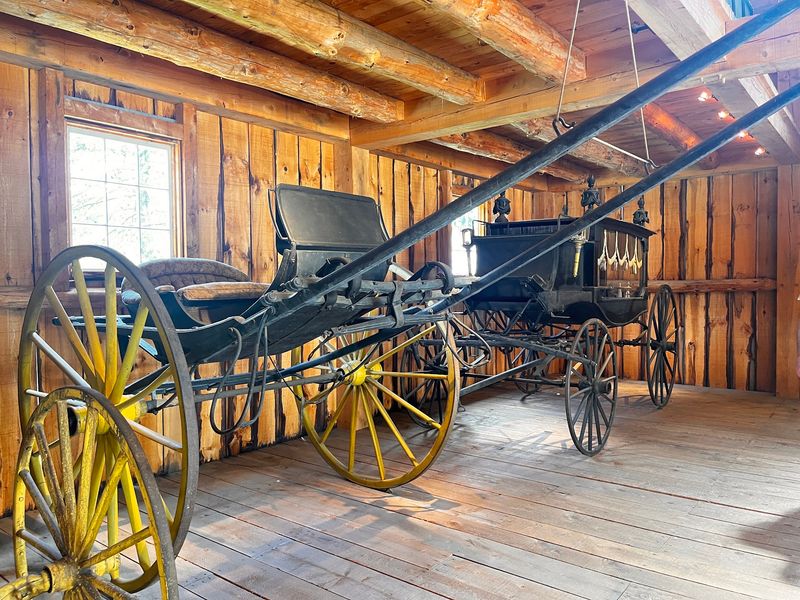
Farming in these hills never came easy. The Wilder Barn proves it.
Purchased by the state in 1947 along with the neighboring Wilder House, the barn now displays antique farm tools and equipment.
Each object hints at long days of hard labor. Families grew, harvested, and repaired almost everything themselves.
Nearby, a farm shop shows where locals fixed broken equipment. Buying new gear rarely made sense in a remote mountain valley.
Self-reliance ran deep in this corner of Vermont. That spirit helped shape the young boy who later led the nation.
The barns at the President Calvin Coolidge State Historic Site offer a hands-on view of rural work. They balance out the presidential stories nicely.
History fans who love old machinery could linger here a while. Look closely at the wear marks on handles and wheels.
Those smooth spots came from real hands doing real chores. Each scuff tells a quiet story about grit, patience, and stubborn determination.
Start Smart At The Museum Center
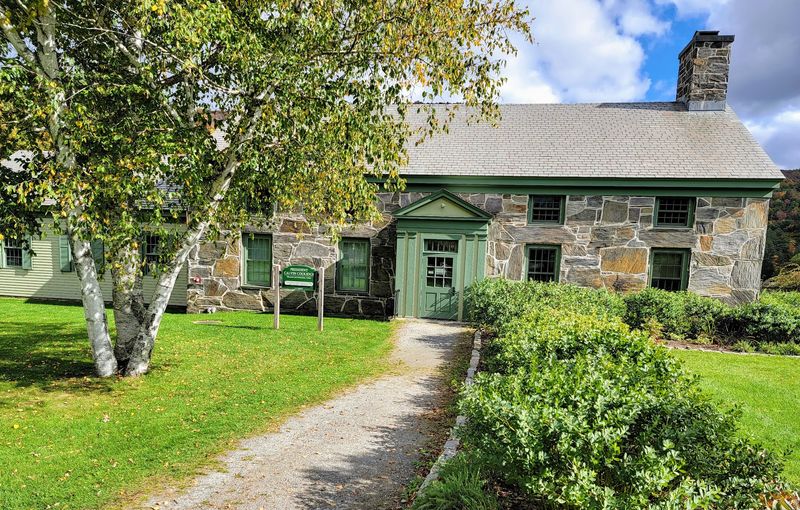
Want the backstory before the stroll? Head to the museum and education center first.
Award-winning exhibits trace the president’s path from country boy to the White House. Displays cover both public life and family moments.
A short introductory film plays here too. It sets the stage and makes every later building more meaningful.
Many visitors call this the perfect first stop. Context turns old rooms into living stories.
During Homestead restoration, some important objects from that house appear here. That gives guests a chance to see treasures that might otherwise stay hidden.
Guided tours sometimes leave from this area. Others prefer exploring independently, which works just as well.
The center at the President Calvin Coolidge State Historic Site also handles admission. One ticket generally covers entry to the open buildings.
Restrooms and helpful staff make this a smart place to regroup. Grab a map, ask questions, and plan a route through the village.
Then step outside, and the real fun begins.
Foliage, Family Roots, And Smart Planning
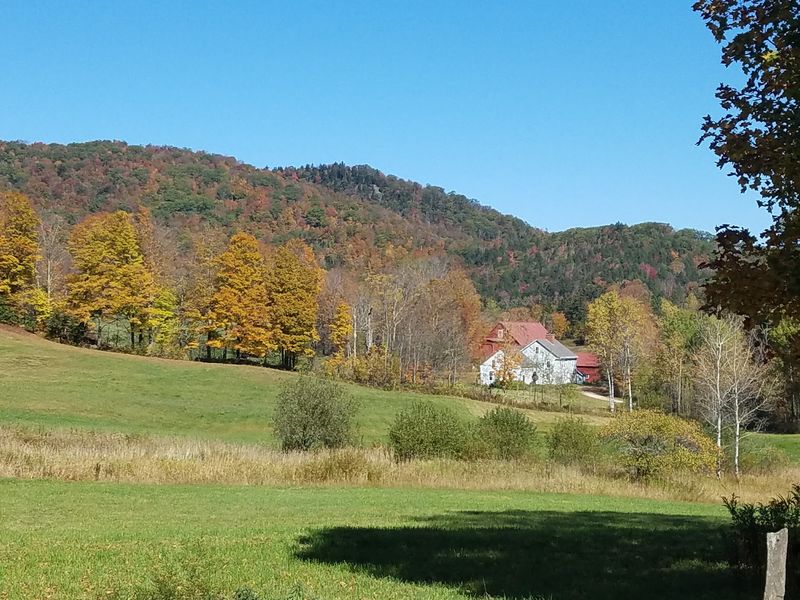
Autumn here practically shows off. Red and gold hills wrap the whole village in color.
The site usually opens seasonally, roughly from late spring through mid-fall. Dates can shift, so confirm before driving out.
Fall foliage season draws many photographers. Summer brings warm days and long, easy strolls.
The President Calvin Coolidge State Historic Site sits at 3780 VT-100A, Plymouth, VT 05056, in the United States. The scenic drive passes through small towns, though road and bridge work along VT Route 100 may call for an alternate route.
A short walk away lies the hillside cemetery. The president rests there among several generations of his family.
This quiet stop shows how strongly he stayed tied to Vermont. Plain headstones match his famously modest style.
Food options remain scarce nearby. Packing a lunch makes the day far more relaxed.
Plan for a couple of hours, more with a guided tour. Bring layers, since mountain weather loves surprises.
When the visit ends, take one last look across the green. Few places let a president’s whole story fit inside one peaceful mountain village.