
These 9 Michigan Counties Are Seeing A Massive Spike In Black Bear Sightings This Fall
A dark shape near the fence line is not always a stray dog anymore in Michigan. Trail cameras and doorbell footage keep catching an animal wandering closer to town.
Wildlife officials trace most of it to young bears pushed far from home. Fall hunger sends them toward orchards, cornfields, and quiet creek corridors.
A few counties expect this every autumn. Others are seeing it far more often than they used to.
Farm towns, river corridors, and deep northern forest all appear on this list. That spread alone says plenty about how fast the range is shifting.
Would your neighborhood make the cut this year?
Michigan keeps surprising people who thought they already knew its wildlife.
A little awareness now beats a startled encounter later, especially with leaf season pulling everyone outdoors.
1. Isabella County, Central Lower Peninsula
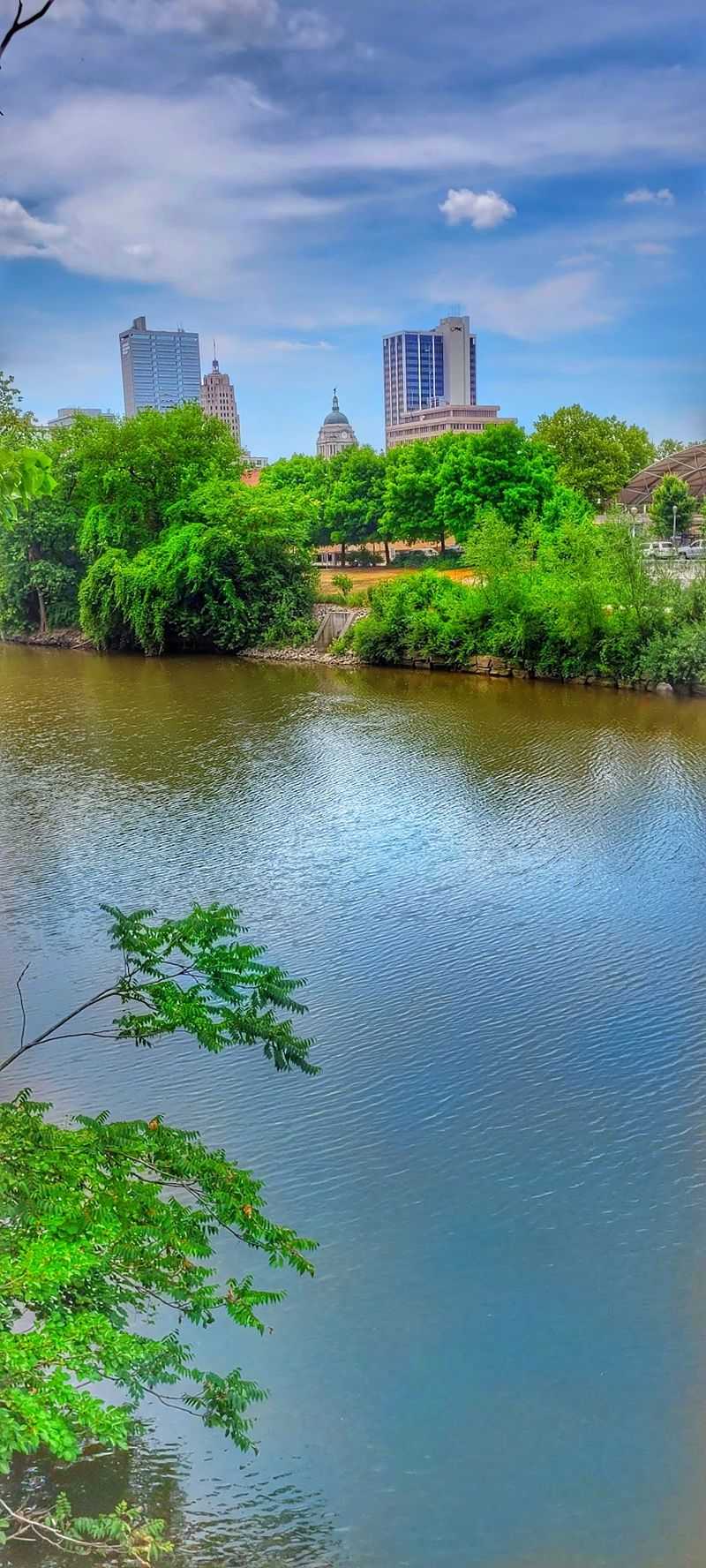
Central Michigan used to feel like a bear-free zone. Not anymore.
Isabella County reports have climbed, and residents around Mount Pleasant talk about tracks and trail camera photos more than they used to. Corn fields, woodlots, and the Chippewa River give bears cover plus snacks.
Range expansion explains much of it. As northern populations grow, bears push south along rivers and forested strips.
Autumn amplifies everything. Acorns drop, crops ripen, and a bear will walk miles for an easy meal.
Hunters and hikers should expect the unexpected in these woodlots. Make a little noise on blind corners so nothing gets surprised.
Store food properly if you camp. Coolers in a locked vehicle beat coolers on a picnic table.
Landowners can help by fencing beehives and cleaning up windfall apples. Those two steps solve a surprising number of problems.
The county also offers quiet river trails and small-town cafes for a slow weekend. Bear talk makes excellent conversation with locals.
Keep expectations realistic. Most visitors see tracks, scat, or nothing at all.
That is fine. Knowing bears share the neighborhood changes how the woods feel.
Mount Pleasant, Isabella County, Michigan, USA
2. Grand Traverse County, Northern Lower Peninsula
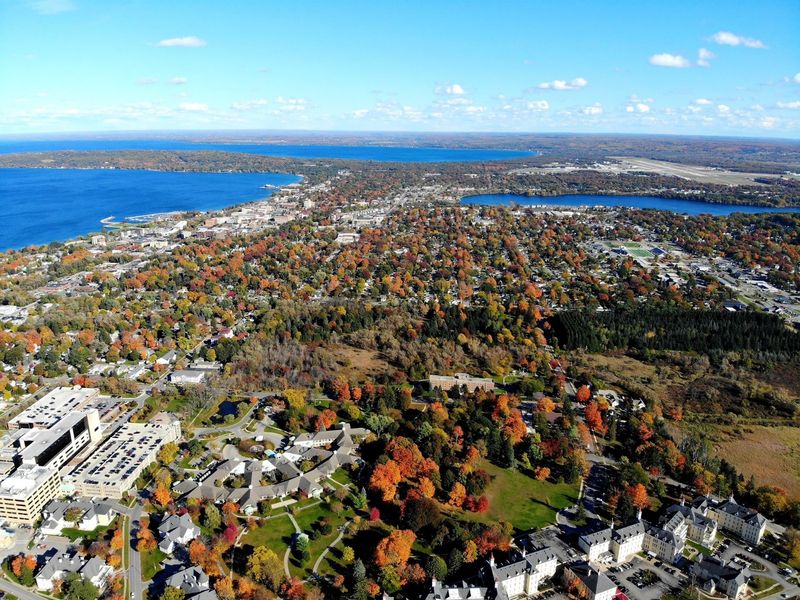
Cherries get the headlines here. Bears quietly enjoy the leftovers.
Grand Traverse County wraps orchards, wooded ridges, and river corridors around Traverse City. That mix gives bears cover and calories in the same square mile.
Wildlife officials have logged steady bear activity in this part of the state for years. The county sits inside a northern Lower Peninsula bear management area, so sightings surprise fewer locals than you might think.
Fall raises the odds. Bears pack on fat reserves before denning, and fallen fruit makes an easy stop.
Hike the wooded trails early or late in the day. Keep your voice at a normal volume so nothing gets startled.
Bring binoculars instead of curiosity that walks closer. Distance keeps everyone comfortable.
Secure trash and take down bird feeders if you are renting a cabin. A fed bear becomes a returning bear, and that rarely ends well for the animal.
Vineyard roads and orchard edges make gorgeous drives this time of year. Pull over safely if something dark moves through the brush.
Leaf color usually peaks in October, which stacks two reasons to visit into one trip.
Drive slowly at dusk. Bears cross pavement without checking for traffic.
Traverse City, Grand Traverse County, Michigan, USA
3. Marquette County, Upper Peninsula
Welcome to the heavyweight of Michigan bear country.
Marquette County leads the Upper Peninsula in bear complaints, and reports in recent years have outpaced most other counties. Officials logged dozens of complaints in a single season.
Geography explains the numbers. Vast forests, rocky ridges, and Lake Superior shoreline create nearly endless habitat.
Bears wander into city limits too. Residents share stories about visitors on porches and in alleys during berry season.
Trail runners and mountain bikers use the network around town constantly. Carry bear spray if it makes you feel steadier, and know how to use it.
Around campsites, hang food or use a hard-sided container. Ore-to-Shore trails and backcountry spots both reward tidy campers.
Fall brings spectacular color to the hardwood hills above the harbor. Bears feed hard through those weeks, so activity stays high.
If a bear stands up, it is usually gathering information rather than threatening you. Speak calmly, stay tall, and retreat.
Photograph with a long lens from a safe distance. The shot is not worth crowding a wild animal.
This county delivers real wilderness within minutes of coffee shops. That balance keeps people coming back.
Marquette, Marquette County, Michigan, USA
4. Houghton County, Upper Peninsula,
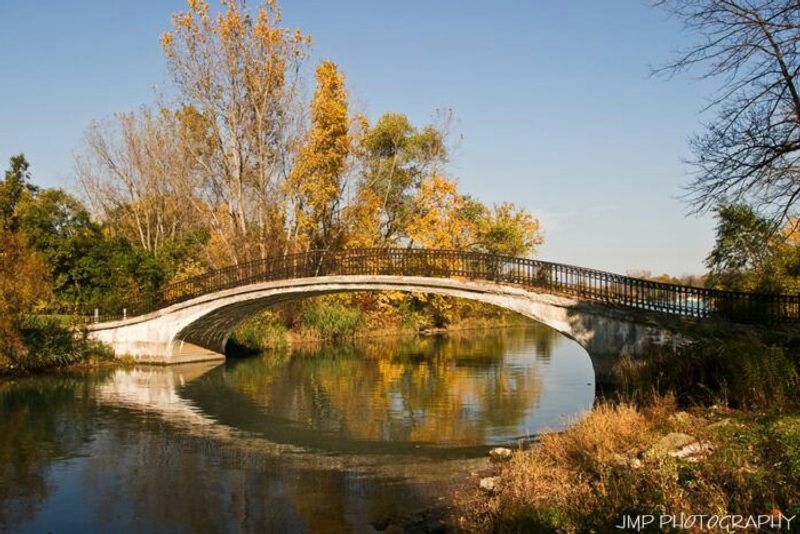
Copper country holds more than mining history.
Houghton County ranked near the top for bear complaints in recent reporting, sitting on the Keweenaw with thick forest in every direction. Lake Superior wraps the region in cool, damp air that grows berries by the ton.
Bears here move through neighborhoods now and then. Town limits do not stop a hungry animal following its nose.
Fall foraging peaks as bears fatten before denning. Expect more roadside activity during that stretch.
Waterfall hikes and old mining trails make excellent autumn outings. Travel in pairs if you prefer extra comfort.
Stash snacks in your pack rather than your pocket. Wrappers left behind teach bears bad habits.
Campers should keep cooking gear away from sleeping areas. Simple layout choices prevent midnight surprises.
The Portage waterway and surrounding woods give photographers plenty to shoot without needing a bear in frame. Consider that a bonus, not a consolation.
Locals tend to be relaxed about bear talk. Ask around and you will hear a story or two worth the trip.
Respect the animals and enjoy the quiet. This part of the Upper Peninsula runs on both.
Houghton, Houghton County, Michigan, USA
5. Chippewa County, Upper Peninsula
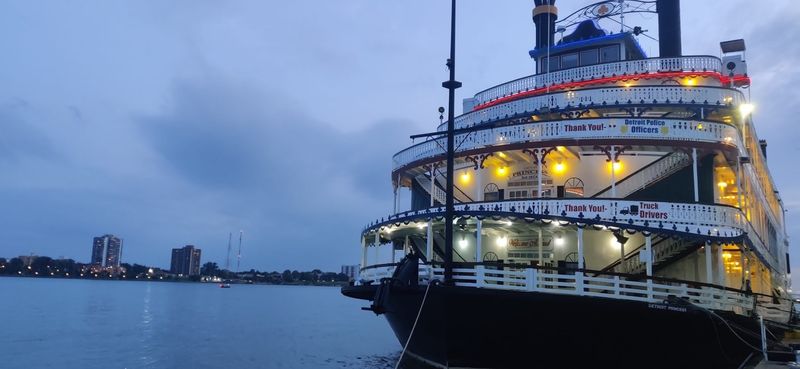
East end of the Upper Peninsula, big woods, big water.
Chippewa County registered around two dozen bear complaints in a recent year, which places it firmly on this list. Forests, cedar swamps, and wetlands stretch for miles between small communities.
Sault Ste. Marie anchors the county and draws travelers for the locks and river views.
Bear habitat begins just outside town.
Fall turns the tamaracks gold and gets bears moving toward whatever food remains. Berry patches and oak stands become busy places.
Paddlers and anglers often spot bears along shorelines. Keep fish scraps far from camp and clean up thoroughly.
If you meet one on a two-track road, stay in your vehicle and let it pass. Patience solves most encounters.
Seasonal roads can get soft after rain. A sturdy vehicle and a paper map help more than you expect.
Watch for other wildlife too. This county holds sandhill cranes, eagles, and plenty of deer.
Quiet hours reward the patient. Sit still near a clearing and the forest starts revealing itself.
Leave with photos, not with stories about getting too close.
Sault Ste. Marie, Chippewa County, Michigan, USA
6. Montmorency County, Northern Lower Peninsula,
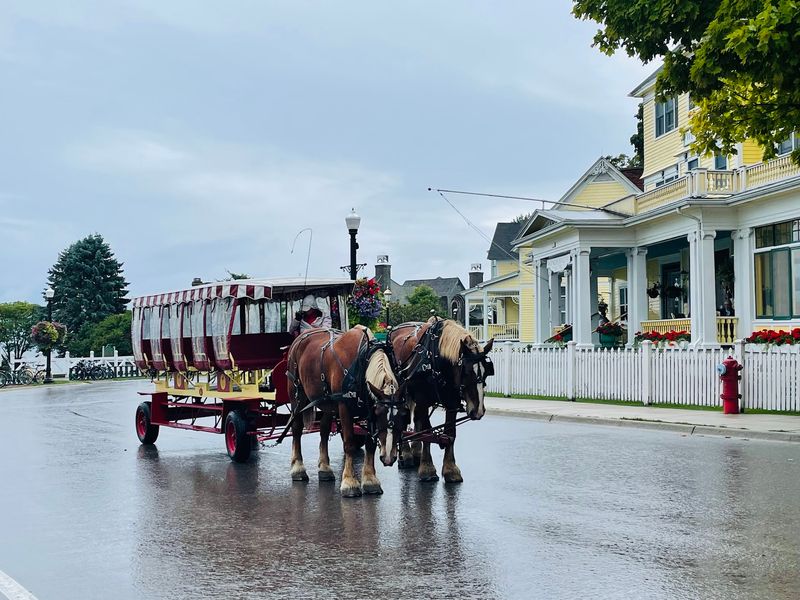
Small county, serious bear density.
Montmorency County sits in the heart of the northern Lower Peninsula and carries one of the region’s denser bear populations. State forest land covers a huge share of the map.
Atlanta serves as the hub, and the area is better known for elk. Bears share those same woods without the fanfare.
Autumn is prime viewing season. Bears forage intensely through daylight hours before winter shuts the buffet.
Drive the forest roads slowly with windows down. Listen for branches cracking in the aspen stands.
Pull off safely if you spot movement. Engines off, voices low, cameras ready.
Hunting season overlaps with peak color, so wear bright clothing on the trails. Common sense keeps the woods friendly for everyone.
Dispersed camping exists across state land here. Food storage discipline is not optional in that setting.
Fun detail: this county’s elk viewing routes double as fine bear habitat, so one drive can deliver two headliners.
Bring layers. Inland nights get cold fast once October settles in.
Head home before dark if you are unfamiliar with the road network. Sandy two-tracks confuse GPS regularly.
Atlanta, Montmorency County, Michigan, USA
7. Alpena County, Northern Lower Peninsula
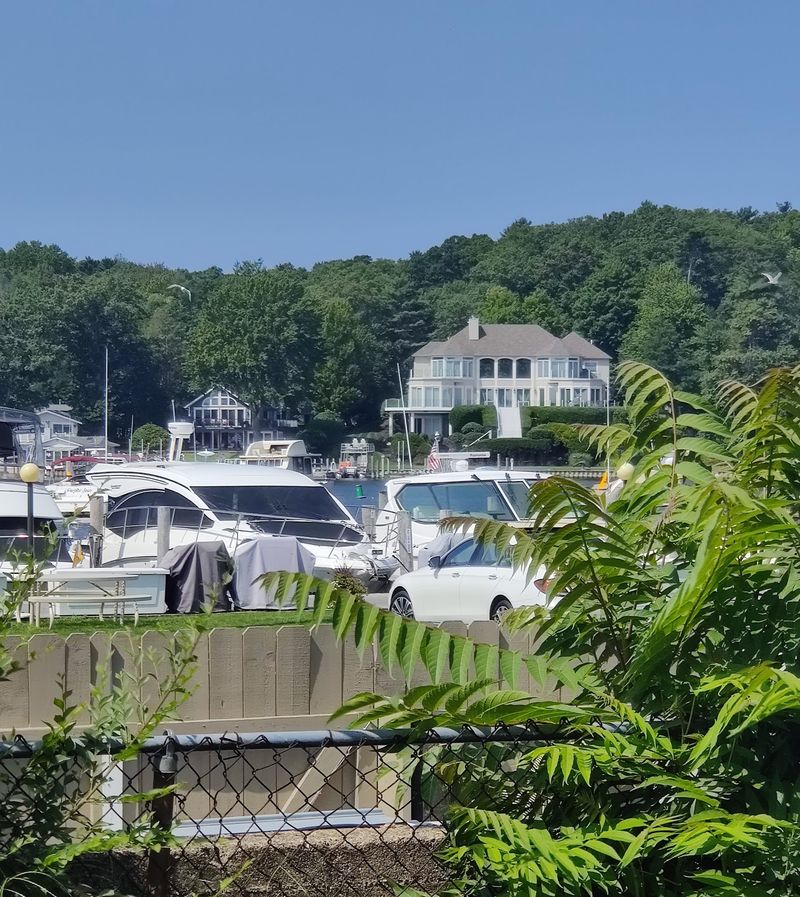
Lake Huron breezes, quiet shoreline, and a growing bear presence.
Alpena County rounds out the list with woods that back right up to the water. Like neighboring Montmorency, it holds a dense share of the northern Lower Peninsula’s bears.
Sightings have increased as the population spreads. Residents report bears near rural homes and along wooded edges more often than in past decades.
The county offers sinkhole trails, limestone shoreline, and a well-known underwater preserve. Land and water both deliver.
Fall walks here feel almost private. Fewer crowds mean more chances to hear wildlife instead of traffic.
Keep snacks sealed and packed out. Trailhead bins overflow fast in autumn and bears notice.
Should a bear approach, stand your ground, make yourself look big, and speak firmly. Do not run.
Cyclists on rural roads should stay alert at dawn. Bears cross pavement without warning.
Local naturalists sometimes lead seasonal walks worth joining. Guided outings teach tracking skills that stick.
End the day at the harbor watching light fade over the bay. That view alone justifies the drive north.
Nine counties, one truth: Michigan’s bears are on the move this fall.
Alpena, Alpena County, Michigan, USA
8. Alcona County, Northeast Lower Peninsula
A “Black Bear Capital” sign greets drivers at the edge of town, and nobody put it there as a joke. Curran has worn that title for decades, and locals shrug it off as simple fact.
State forest land blankets Mitchell Township, and Alcona County sits inside one of the Lower Peninsula’s steadiest bear ranges. Fall foraging season pulls animals through the same corridors year after year.
Officials describe the population here as established rather than surprising. Unlike counties seeing their first bear ever, this one plans an annual festival around the animal.
Autumn brings the heaviest activity of the year. Bears bulk up fast before denning, and daylight sightings become routine.
Drive the back roads slowly and watch the tree line at dusk. Patience pays off more than speed ever does.
Secure coolers, grills, and trash before bed if you are camping near Hubbard Lake. A fed bear becomes a repeat visitor fast.
Fishing and quiet lake shorelines round out the county beyond the bear talk. Hubbard Lake alone justifies a slow weekend.
Keep expectations calm rather than thrilled. Most sightings end with the bear wandering off without any drama at all.
Leash dogs near wooded trailheads. A startled bear and a loose dog rarely mix well.
Curran, Alcona County, Michigan, USA
9. Newaygo County, West Michigan
A three-legged bear and her cubs once wandered onto a porch here, and the whole town talked about it for weeks. Newaygo County has that kind of story more often than most people expect.
State wildlife officials count this as one of only a few Lower Peninsula counties with a measurable, huntable bear population. Growth in numbers has pushed animals into neighborhoods along the Muskegon River corridor.
Fall changes the rhythm completely. Acorns and apples draw bears out of the deeper woods and closer to backyards and orchards.
Locals here treat a bear in the yard as inconvenient rather than alarming. That familiarity says a lot about how long bears have called this county home.
Bring in bird feeders and pet food well before dusk. Bears remember an easy meal and return for it.
Trail cameras catch far more activity than daytime hikers ever do. Checking footage has become a genuine local pastime.
The Manistee National Forest and the Muskegon River offer paddling and fishing beyond the bear watching. Both stay busy through the fall color season.
Keep a respectful distance and let any bear move on at its own pace. Most encounters end quietly once the animal feels unbothered.
Store garbage in a garage or secured bin. Curbside night before pickup is exactly when bears come looking.
Newaygo, Newaygo County, Michigan, USA