
These 8 Texas Hill Country Towns Carry Rich German Heritage And Old World Vibes
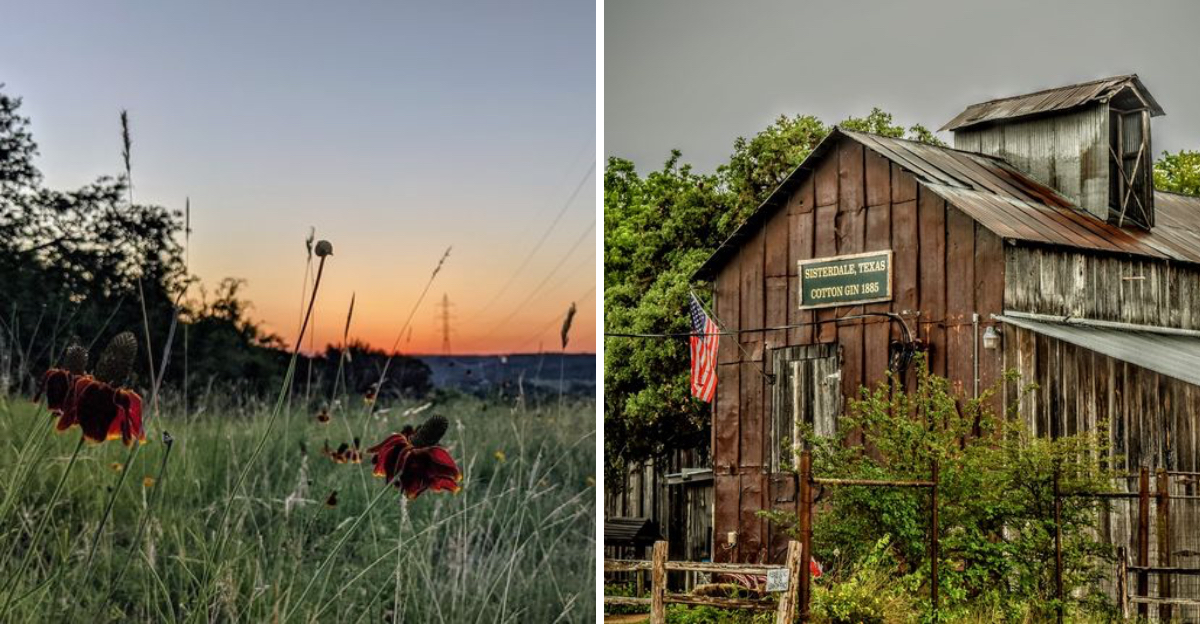
Old World charm feels surprisingly close in these unforgettable Texas Hill Country towns. Stone buildings, German traditions, and lively community celebrations create an atmosphere that feels worlds away from everyday life.
Every stop tells a different story through historic streets, family traditions, and remarkable architecture that has stood for generations. Texas invites curious travelers to experience a side of its history that often catches first-time visitors completely by surprise.
The journey blends scenic drives with fascinating heritage, making each destination memorable for its own reasons.
Whether you enjoy exploring historic districts, discovering unique local culture, or simply wandering through beautiful small towns, there is always another reason to keep going. Texas rewards every mile with places that preserve their past while warmly welcoming today’s visitors.
1. Fredericksburg, Texas
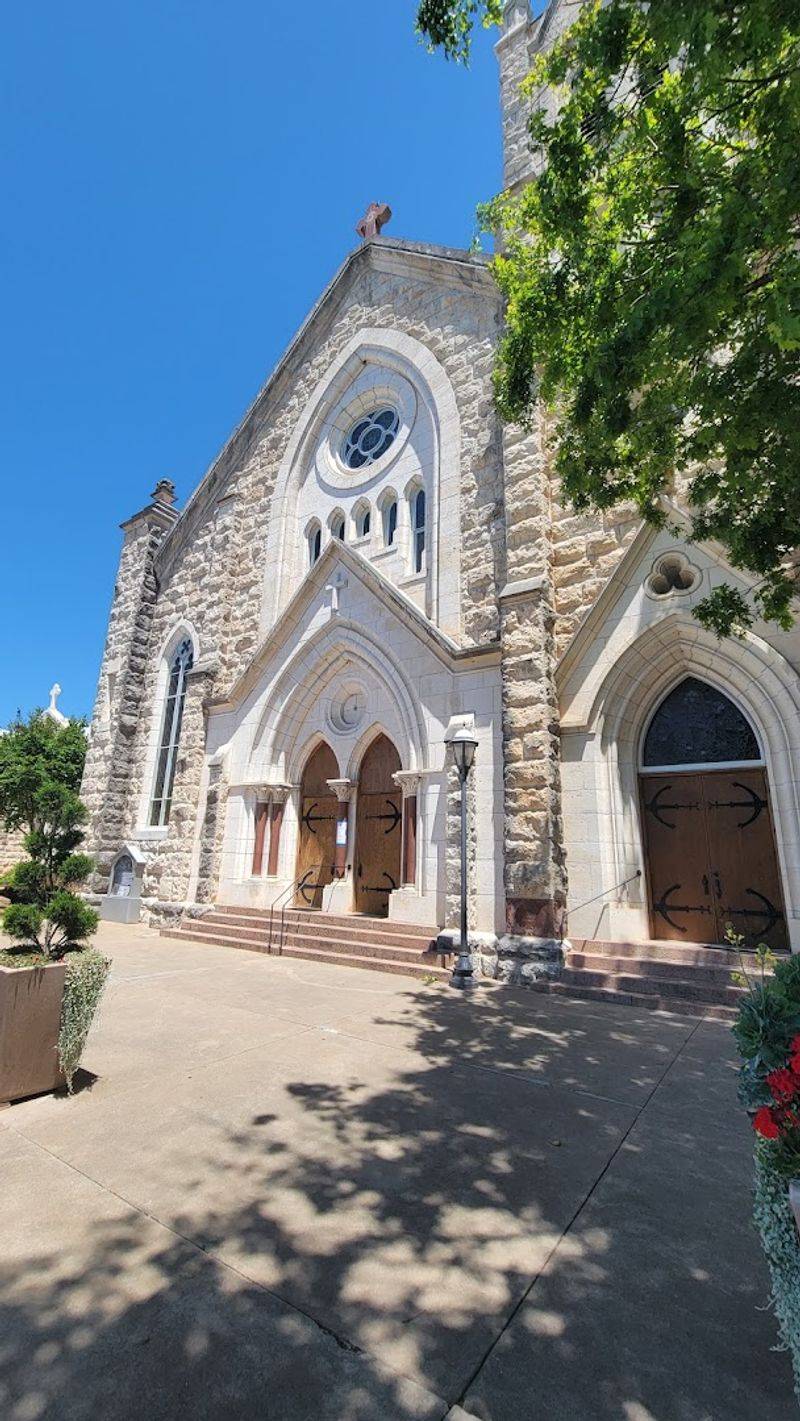
Founded in 1846 and named for Prince Frederick of Prussia, Fredericksburg is one of the most authentically German towns in all of Texas. The founders were part of the Adelsverein, a German society that organized immigration to the Lone Star State.
Their influence is still unmistakably present today.
Walk down Main Street and you will spot half-timbered buildings and thick limestone walls. These structures were not built for looks.
They were built to last, and they have. The central Marktplatz, or market square, still serves as a gathering hub for community events throughout the year.
Every October, the town hosts a spirited Oktoberfest packed with polka music, hearty food, and local crafts. Two other beloved traditions include Sangerfest, a nearly 130-year-old German choir celebration, and the Gillespie County Bundes Schuetzenfest, a traditional German competition that has continued for well over a century.
German-inspired cuisine is everywhere here. Bratwurst and schnitzel are staples on local menus.
The food alone is worth making the trip.
Fredericksburg also sits at the heart of Texas country, surrounded by rolling hills and peach orchards that bloom beautifully in spring. The combination of cultural depth and natural beauty makes this town a standout destination in the Texas Hill Country region.
Fredericksburg, Texas, is located in Gillespie County, roughly 70 miles west of Austin.
2. New Braunfels, Texas
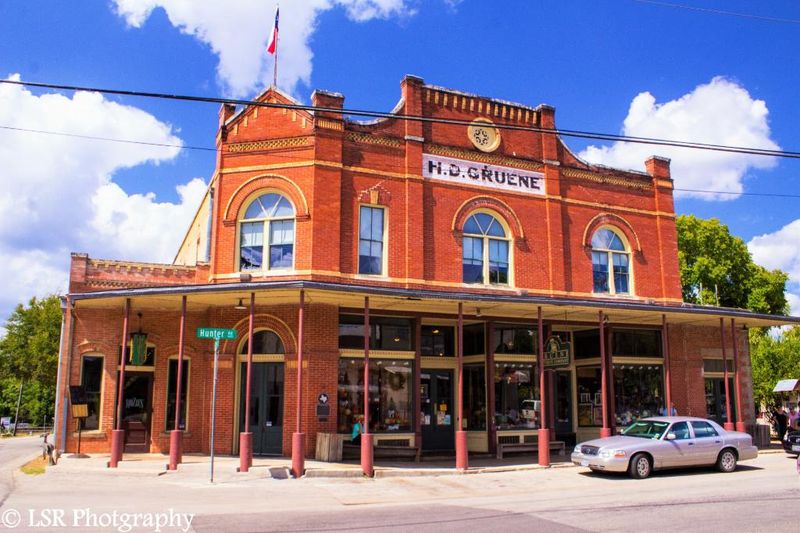
Prince Carl of Solms-Braunfels founded this city in 1845, and he did not hold back on the European ambition. New Braunfels quickly became a cornerstone of German-Texan culture in the Hill Country.
The bones of that original vision are still very much alive.
Nineteenth-century buildings line the streets, many of them remarkably well preserved. The architecture tells the story of settlers who built with care and intended to stay.
That permanence radiates through every historic block.
Wurstfest is the town’s most famous tradition. This ten-day November celebration draws visitors from across the state for sausage, polka dancing, and traditional German music.
It is loud, festive, and completely worth attending.
The Sophienburg Museum and Archives holds over a million artifacts documenting the German immigrant experience in Texas. It is one of the most thorough collections of its kind in the region.
History lovers will find it genuinely absorbing.
Even the popular Schlitterbahn Waterpark Resort incorporates a German theme, nodding to the town’s origins in a fun and unexpected way. New Braunfels manages to blend historical reverence with modern entertainment in a way that feels natural rather than forced.
The Guadalupe and Comal rivers run through the area, offering tubing and outdoor recreation that draw crowds year-round. Culture and nature coexist here without competing.
New Braunfels, Texas, is located in Comal County, about 30 miles northeast of San Antonio.
3. Boerne, Texas
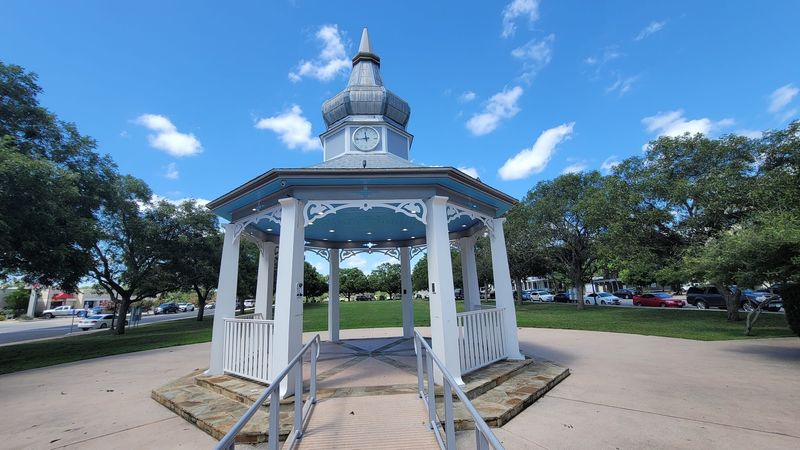
Named after German political writer Karl Ludwig Berne, this town carries its intellectual roots proudly. German immigrants settled here in 1850, and their cultural fingerprints are still pressed into every corner of Boerne.
The historic district is one of the most walkable and photogenic in the Hill Country.
German-Texan restaurants serve up hearty, satisfying food that would make any Old World kitchen proud. Cultural events pop up throughout the year, keeping the community connected to its heritage.
The calendar here stays busy in the best possible way.
The Cibolo Nature Center and Herff Farm, established in 1852 by Dr. Ferdinand Herff, preserves 100 acres of trails and open wilderness. It is a peaceful retreat just steps from the town center.
Nature and history share the same address here.
Organizations like the Boerne Gesangverein, a singing society founded in 1860, helped shape community life, and the Boerne Village Band continues that musical tradition today. The Boerne Village Band carries that musical spirit forward today.
These living traditions keep the past from feeling distant.
The annual Berges Fest draws crowds with German festivities, music, and food. It is a celebration that feels both local and timeless.
First-time visitors often leave already planning their return.
The town sits along Cibolo Creek, adding scenic charm to an already compelling destination.
Boerne, Texas, is located in Kendall County, about 30 miles northwest of San Antonio.
4. Comfort, Texas
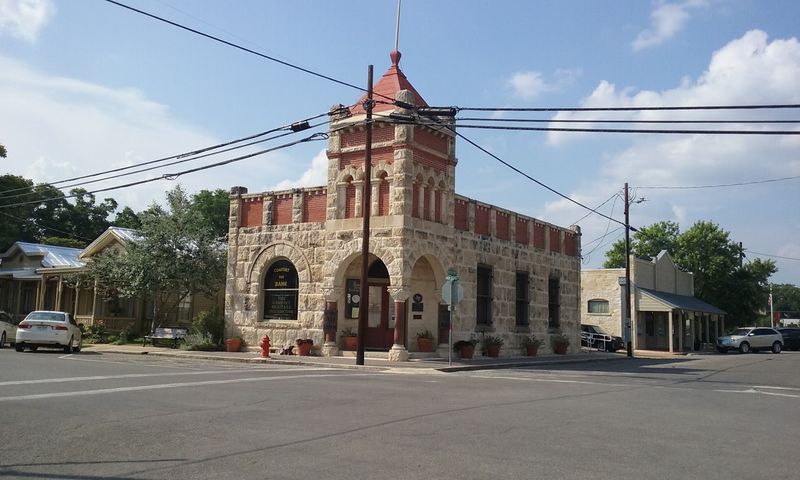
What kind of town names itself after a feeling? Comfort, Texas does, and it earns that name completely.
Founded in 1854 by German immigrants with strong Freethinking and abolitionist convictions, this small town carries a moral weight that sets it apart from anywhere else in the Hill Country.
The downtown area stands as one of Texas’s best-preserved historic business districts. Over 100 structures dating back to the 19th century still stand here.
Walking through feels less like tourism and more like stepping into a living archive.
Several buildings were designed by acclaimed architect Alfred Giles, whose work gives the streetscape a refined, deliberate elegance. His designs blend practicality with beauty in a way that has aged exceptionally well.
Architecture enthusiasts will want to linger.
The Treue der Union Monument is one of the most powerful historical markers in the state. It honors German settlers who opposed Texas’s secession during the Civil War and paid dearly for those convictions.
Few monuments carry this kind of emotional and historical gravity.
A self-guided walking tour covers the Freethinkers Memorial Monument and the 1892 German Evangelical Church. These stops reveal a community that held firm to its principles even under pressure.
Comfort rewards curious visitors who take the time to look closely.
The pace here is unhurried, the scenery is lovely, and the history runs deep.
Comfort, Texas, is located in Kendall County, roughly 45 miles northwest of San Antonio.
5. Luckenbach, Texas
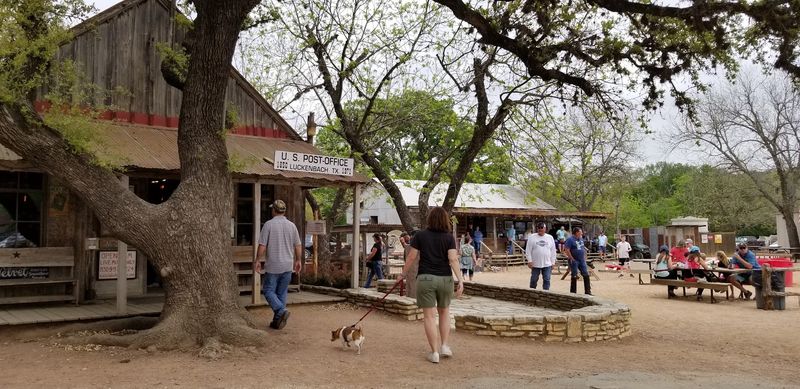
Everybody is somebody in Luckenbach. That is not just a catchy phrase.
It is the actual philosophy of this tiny Texas Hill Country settlement that has punched far above its weight for generations. German farmers first settled this land in the late 1840s, and the community they built was rooted in simplicity and togetherness.
The legendary dance hall, opened in 1887, remains the heartbeat of the place. Musicians show up, pick up their instruments, and play.
No big production, no ticketing drama, just music under the Texas sky.
The historic general store and post office give visitors a tangible connection to the town’s earliest days. These buildings have seen a lot of history pass through their doors.
They are still standing, still used, and still charming.
Luckenbach draws both professional and amateur musicians who love its unpretentious setting. The informal jam sessions are legendary.
You might sit next to a touring artist or a retired schoolteacher, and neither would feel out of place.
Country music royalty has performed here, cementing Luckenbach’s reputation far beyond Texas. The town became nationally famous through song, which only added to its mystique.
But locals will tell you the real magic has always been in the everyday gatherings.
The oak trees are enormous, the crowds are friendly, and the vibe is irreplaceable. Come for the history, stay for the music.
Luckenbach, Texas, is located in Gillespie County, about 10 miles southeast of Fredericksburg.
6. Bulverde, Texas
Originally called Pieper’s Settlement, Bulverde carries a name that honors August Pieper, one of the early German settlers who helped shape this corner of the Texas Hill Country. The community grew steadily after Texas’s annexation as German immigrant families, including the Schulmiers, Voges, and Rompels, put down roots and got to work.
These founding families were builders in every sense. They cleared land, raised structures, and established the agricultural rhythms that defined life here for generations.
Their work ethic is written into the landscape itself.
Historic buildings, distinctive rock walls, and old windmills are scattered throughout the region. These are not museum pieces.
They are real remnants of a working pioneer community that thrived through hard seasons and changing times.
The area has earned a reputation as the Front Porch of the Texas Hill Country, a description that fits perfectly. It is the kind of place that invites you to slow down, look around, and appreciate what has been preserved.
The atmosphere feels welcoming rather than curated.
Heritage preservation is taken seriously here. The community actively maintains its identity and keeps the stories of its founders alive.
That commitment gives Bulverde a warmth that newer developments simply cannot replicate.
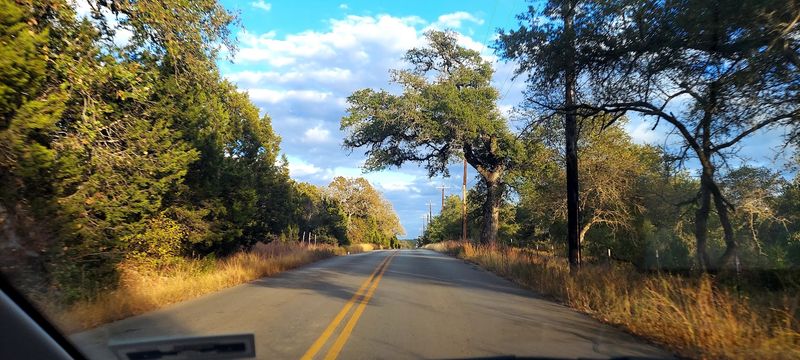
The surrounding landscape is beautiful in a quiet, unhurried way. Rolling hills, cedar breaks, and open sky make every drive feel scenic.
Bulverde, Texas, is located in Comal County, approximately 20 miles north of San Antonio.
7. Sisterdale, Texas
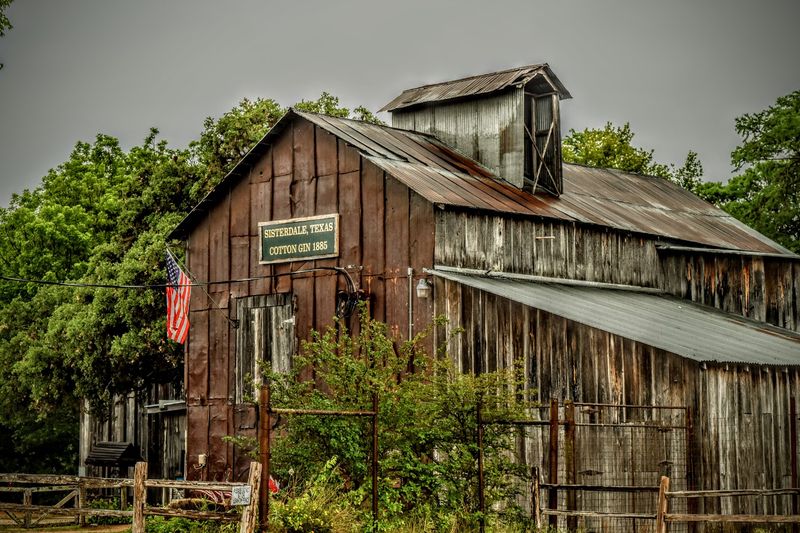
Forget everything you think you know about small Texas towns. Sisterdale was founded in 1847 by Nicolaus Zink, a German freethinker, and it became part of what historians call the Latin Settlements, communities populated by radical intellectuals who fled Europe after the failed revolutions of 1848.
These settlers were known as Forty-Eighters. They were writers, geographers, journalists, and philosophers who chose this remote Texas valley to build a society based on equality and free thought.
They often conversed in Latin, which is how the settlements got their name.
Ernst Kapp, a notable geographer, was among the early residents. These were not ordinary frontier settlers.
They were people with strong convictions and sharp minds, and they left an intellectual imprint on this land that is still fascinating to explore.
The Sisterdale Dance Hall and Opera House stands as a testament to the community’s vibrant early social life. Even in the wilderness, these settlers made space for culture and gathering.
That spirit of community-building never quite faded.
Sisterdale’s founders also advocated for the immediate end of slavery, a bold position in antebellum Texas. Their moral courage adds another layer of significance to this already remarkable place.
History here is not just interesting. It is inspiring.
The quiet valley setting, framed by cypress-lined creeks and rolling hills, retains an undeniable old-world atmosphere.
Sisterdale, Texas, is located in Kendall County, about 15 miles north of Boerne.
8. Center Point, Texas
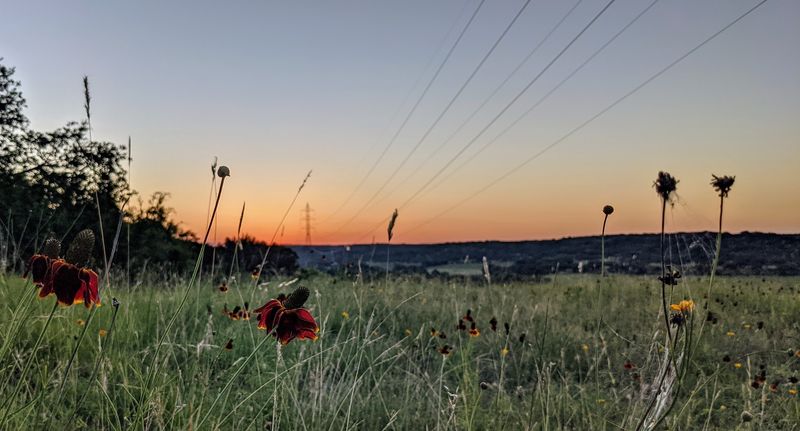
Here is a town with an identity layered like a good pastry. Center Point, Texas, sits along the Guadalupe River in Kerr County, and its story begins with an Austrian connection that surprises most visitors.
Early settler Dr. Charles de Ganahl named his first post office Zanzenburg, honoring his ancestral home in the Austrian Tyrol.
That Austrian origin hints at the broader Germanic influence that shaped this community. German immigrants arrived and brought with them agricultural traditions and skilled craftsmanship that left lasting marks on the land.
Their contributions were practical, purposeful, and enduring.
The town took its current name in 1872, reportedly because of its central position between deeply German-influenced towns like Fredericksburg and Comfort. That geography is no accident.
Center Point grew up in the middle of a cultural corridor rich with Old World traditions.
The local Methodist Church, founded in 1852, features a sanctuary built in 1911 in the German Gothic style. Stained glass windows filter light into the interior in a way that feels genuinely reverent.
It is one of the most architecturally striking buildings in the area.
Historical structures throughout the town reflect this rich cultural tapestry. The scenic countryside surrounding Center Point adds natural beauty to its historical appeal.
Rolling hills, the sound of the river, and the quiet pace of life here create an atmosphere that feels removed from the modern rush.
Center Point, Texas, is located in Kerr County, roughly 60 miles northwest of San Antonio.