
This 1860s Nevada Mill Refined Comstock Silver, And Volunteers Still Fire Up Its Giant Stamps
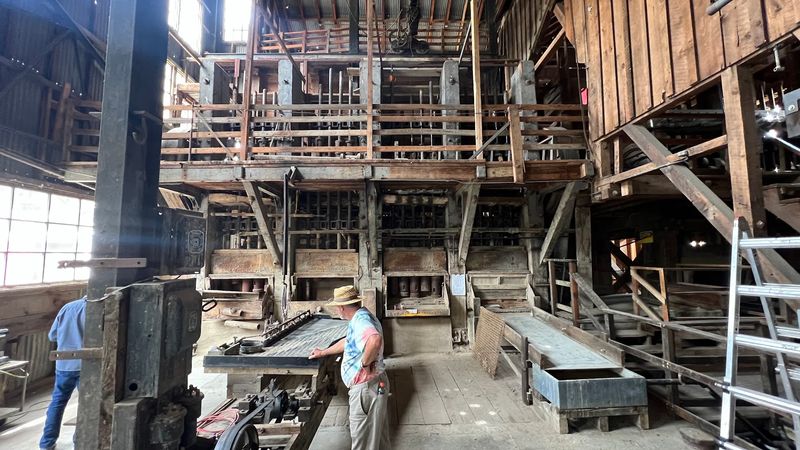
The building ran for almost a full century, crushing Comstock ore from 1860 all the way to 1959. Today, volunteers still switch on its giant stamps so visitors can feel them pound.
They even hand out free ear plugs. That tells you plenty about the noise level before you ever reach the door.
I like how this stop sits right on a quiet Nevada road that many drivers simply cruise past. It looks like an old industrial shell, but it holds a 30-stamp setup, three forges, and a vault.
I can’t imagine a better way to show kids where silver actually came from.
It’s open to the public on just one day each week. Children 12 and under get in free.
So how loud can a 150-year-old rock crusher still get?
An Old Ore Mill On The Back Road To Virginia City
Few roadside stops in Nevada come with a soundtrack quite this loud. The Donovan Mill Museum sits in tiny Silver City, along the route between Carson City and Virginia City.
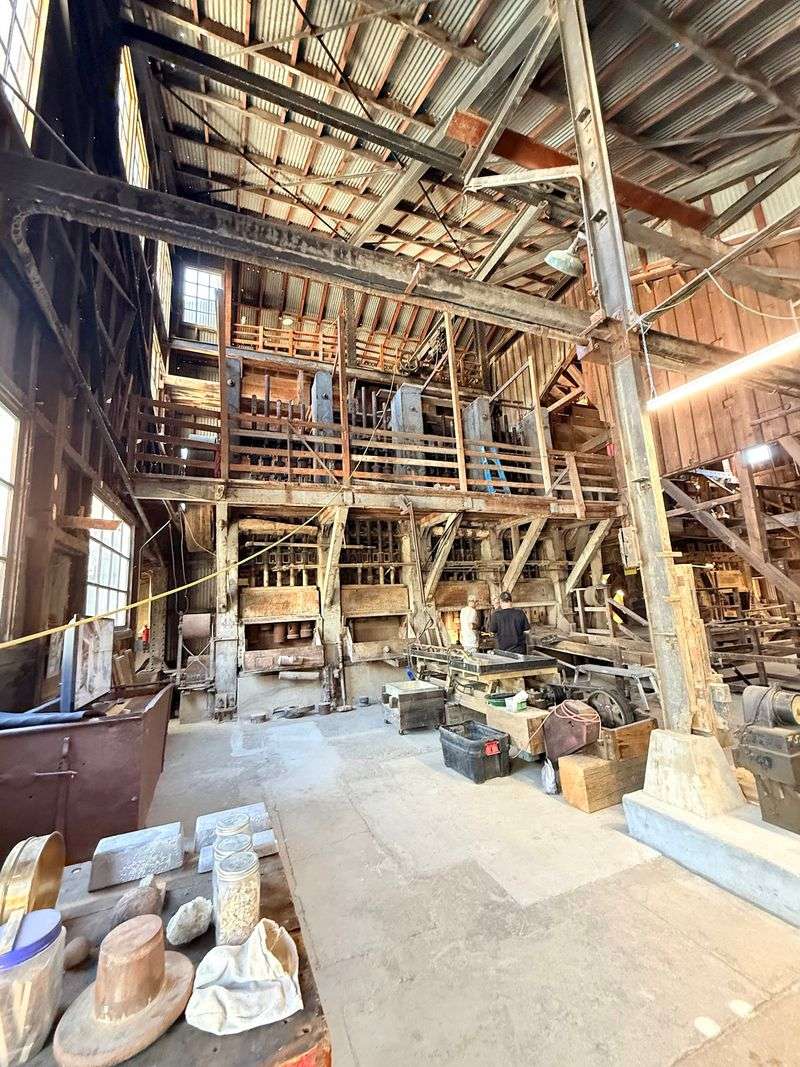
From the road, it looks like a rambling cluster of weathered mill buildings. Inside, though, it holds working machinery that once turned raw Comstock rock into silver and gold.
The mill is a short drive south of Virginia City. That makes it an easy add-on for anyone already heading up to the famous mining town for the day.
Families coming from Reno or Carson City can reach it without a marathon car ride. Kids get a break from the back seat, and parents get a history lesson that actually makes noise.
What makes the site stand out is simple. Most mining museums show old equipment sitting still behind ropes.
Here, volunteers actually run the giant machines for visitors when they can. You get to see, hear, and feel how ore was crushed more than a century ago.
Think of it as a museum where the exhibits still clock in for work. Few places in Nevada can say that.
Nearly A Hundred Years Of Pounding Comstock Rock
Ninety-nine years is a long shift for any building. The Donovan Mill ran from 1860 until 1959, making it the longest-running stamp mill on the Comstock.
That stretch covers the wild silver boom days and well beyond. While other mills shut down and faded away, this one kept crushing ore decade after decade.
The Comstock Lode was one of the richest silver strikes in American history. Rock pulled from deep mines needed processing, and mills like this one handled that tough job.
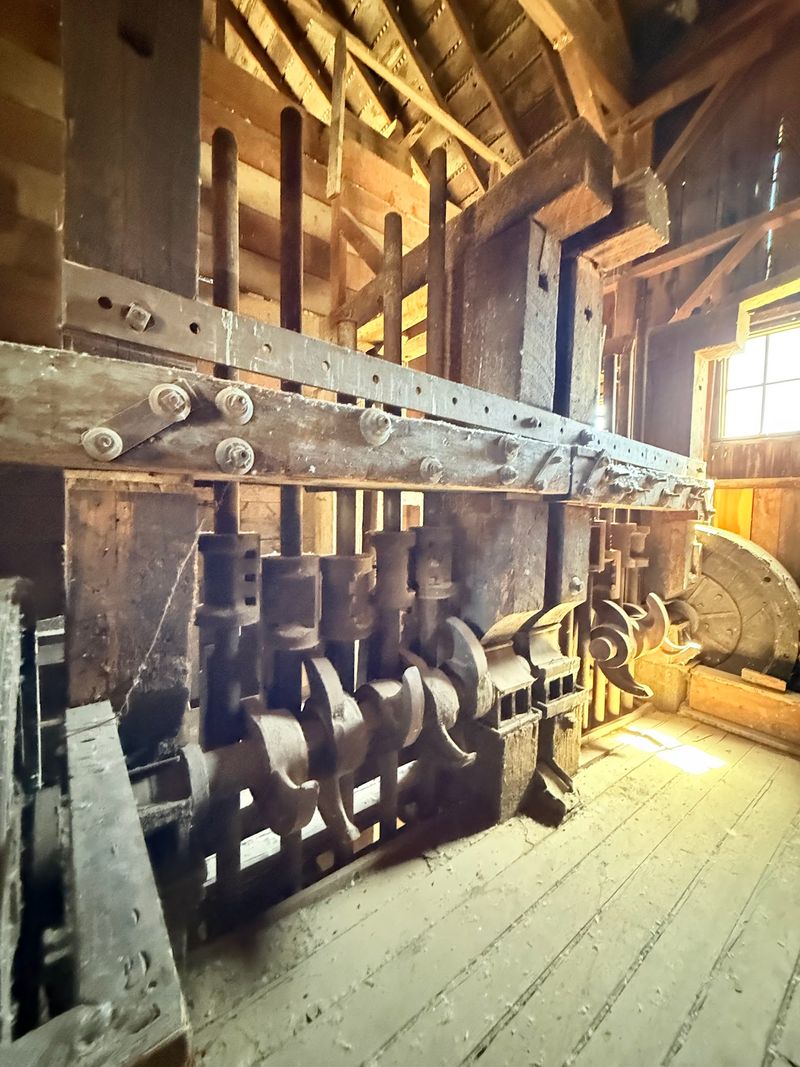
Each stamp lifted and dropped onto the ore, smashing it into fine sand. Workers then separated the precious metal from the crushed rock.
Knowing that timeline changes how the building feels. You’re not looking at a short-lived experiment or a replica built for tourists.
You’re looking at a mill that adapted again and again to stay useful. New equipment arrived, old parts were reused, and the work kept going.
For kids, it’s a great way to connect a big history topic to a real place. For grown-ups, it’s a reminder of how much grit the Comstock era required.
A Rare Survivor From More Than 200 Comstock Mills
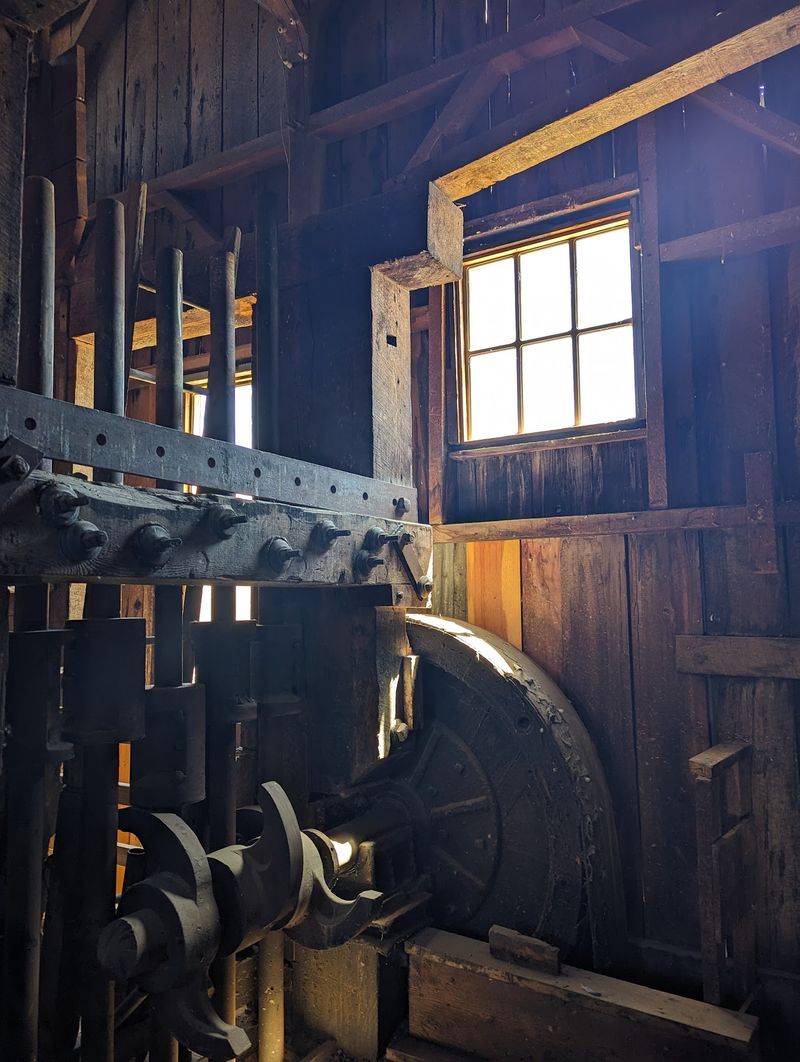
More than 200 mills once dotted the Comstock landscape. Only four remain today, and the Donovan Mill is one of them.
That number tells a big story about how much has vanished. Many mills were torn down, picked apart for materials, or simply lost to the harsh Nevada weather.
So getting to walk through one is a real treat. It’s the kind of survivor that turns a casual drive into a meaningful stop.
The site isn’t one single building either. Several structures make up the old mill, each with its own job in the ore-processing chain.
Some areas have been restored, while others are still works in progress. That means the mill keeps changing as volunteers finish new projects.
Repeat visitors may notice fresh progress from one trip to the next. It’s a living restoration rather than a frozen display.
For families, this rarity adds a nice teaching moment. Ask the kids to guess how many mills used to exist nearby, then watch their faces when they hear the answer.
Odds are they’ll remember the number long after the ride home.
Giant Stamps That Still Shake The Floor
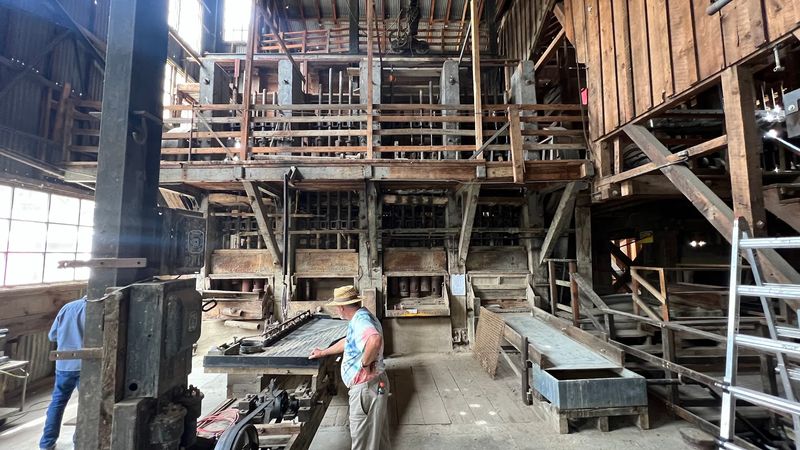
Free ear plugs are part of the welcome here, and for good reason. When volunteers fire up the stamps, the whole room seems to rumble.
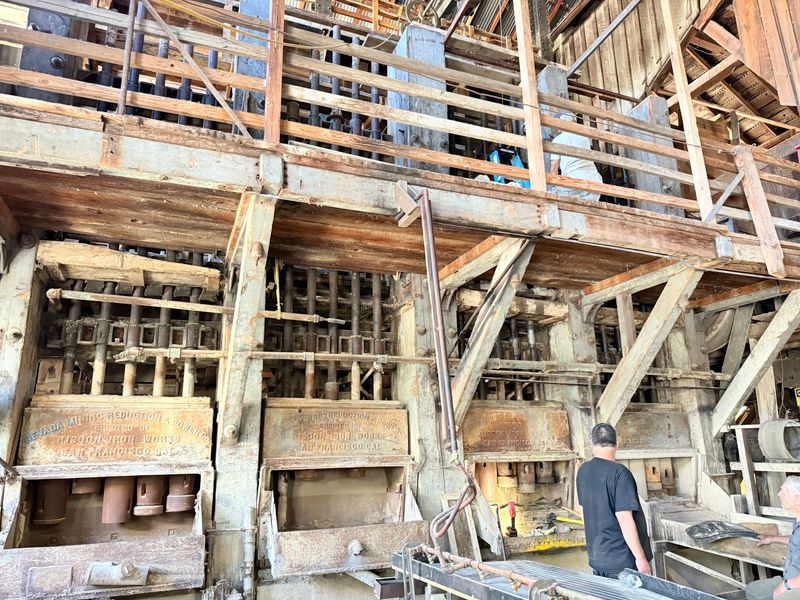
During special Stamp Mill Demonstrations, the main stamp batteries number three and four pound away. A rotary stamp joins in too, working much like it did over a century ago.
The motion is hypnotic. Heavy iron stems rise, then drop with a thud you can feel through your shoes.
Watching it happen explains the milling process faster than any sign could. Kids instantly understand how big rocks became fine sand.
Not every machine runs every visit. Restoration is ongoing, and the demonstrations depend on volunteers and equipment being ready.
Special Stamp Run Days are scheduled periodically throughout the year. Checking the current schedule before driving out is a smart move if seeing the stamps run is your top goal.
Little ones sensitive to noise may want to stand back a bit. Those ear plugs really do help.
Either way, it’s hard to beat the moment a 19th-century machine roars back to life. That sound sticks with you.
Layers Of Mill History Stacked Under One Roof
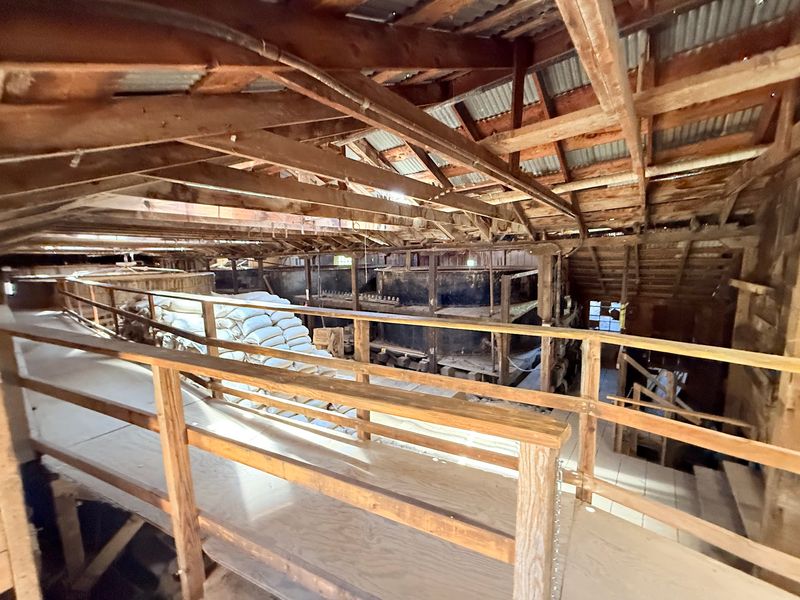
Here’s a fun twist for history buffs. The Donovan Mill is built on the original 1861 foundation of the Kelsey Mill, one of the Comstock’s earliest processing centers.
So the ground floor of the story goes back even further than the Donovan name. Mills rose and changed shape right on this spot.
The equipment has its own travel history too. The mill holds a 30-stamp capacity, and twenty of those stamps came from the Rock Point Mill in Dayton.
They were moved and installed here in 1937. Nevada mill owners clearly believed in reusing good iron.
Look around and you’ll also find the Dazet 10 Stamp Mill. It was originally built in 1890 and still stands within the larger structure.
Put together, the site reads like a scrapbook of mining technology. Each piece reflects a different decade and a different solution to the same problem.
Guides can help connect the dots between these parts. Asking which stamps came from where makes a great game for curious older kids.
It also shows how practical old-time miners were. Nothing useful went to waste.
The First Comstock Mill To Try A Game-Changing Process
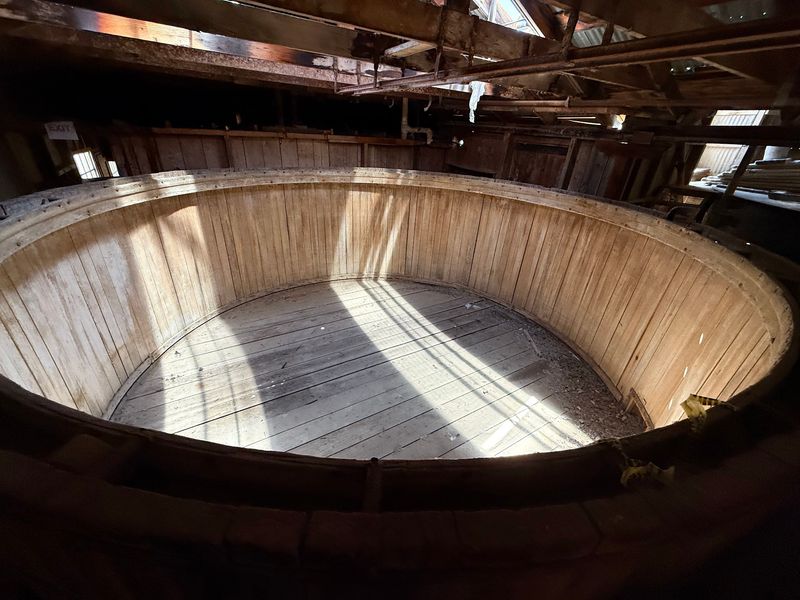
Tiny specks of gold and silver used to slip right past old milling methods. The Donovan Mill helped change that by becoming the first mill on the Comstock to use the cyanide process.
The method allowed workers to recover microscopic bits of precious metal. Rock once treated as leftovers suddenly had real value again.
University of Nevada Professor Robert D. Jackson perfected the approach in the 1890s.
The mill adopted the MacArthur-Forrest cyanide process, which turned the metals into a water-soluble mixture.
That shift improved extraction rates and helped renew productivity on the Comstock. Its influence reached mining operations well beyond Nevada.
Tours explain how early milling compared with this newer technique. It’s a clear before-and-after lesson in how science solved a stubborn problem.
Older kids interested in chemistry will likely perk up here. It’s a real-world example of classroom science paying off.
Younger visitors can grasp the simple version. People figured out a smarter way to catch the shiny bits they used to miss.
That kind of problem-solving story makes the mill more than a pile of machinery. It’s a story about thinking differently.
Belts, Forges, And A Mighty Oil Engine
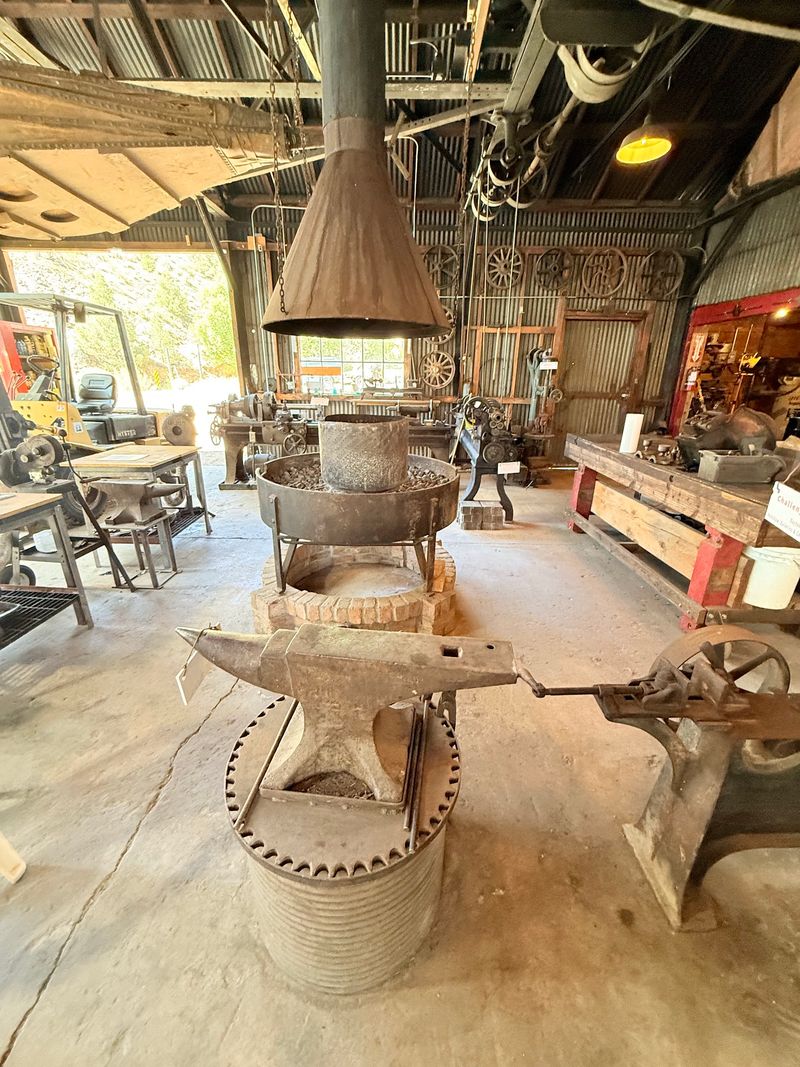
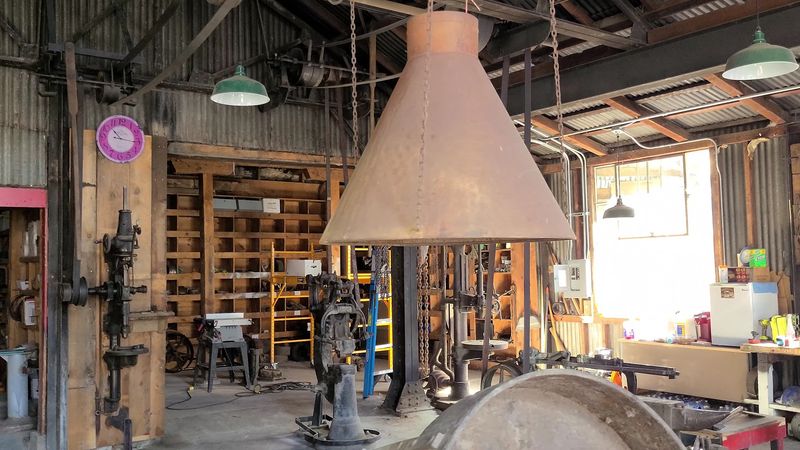
Overhead belts and old iron tools give the machine shop a serious workshop feel. Belt-driven equipment still stands here, showing how mills kept their own gear running.
Back then, a broken part couldn’t wait for a quick delivery. Crews built and repaired what they needed right on site.
One highlight is a 55-horsepower Ingersoll-Rand oil engine. It’s the kind of hefty machine that makes gearheads stop and stare.
Some of the old engines at the mill have been brought back to working order. Restoration continues, so what runs can vary over time.
The shop also houses three historic forges. These aren’t just props, since they’re still used today for blacksmithing classes.
For families, this area helps show that a mill wasn’t only about stamps. It needed mechanics, smiths, and tinkerers to stay alive.
Kids who love building things may find this room even more exciting than the stamps. Grandparents who grew up around tools often feel right at home too.
It’s a good spot to slow down and look closely. Every belt and pulley had a purpose.
Photos, Specimens, And A Vault In The Old Office
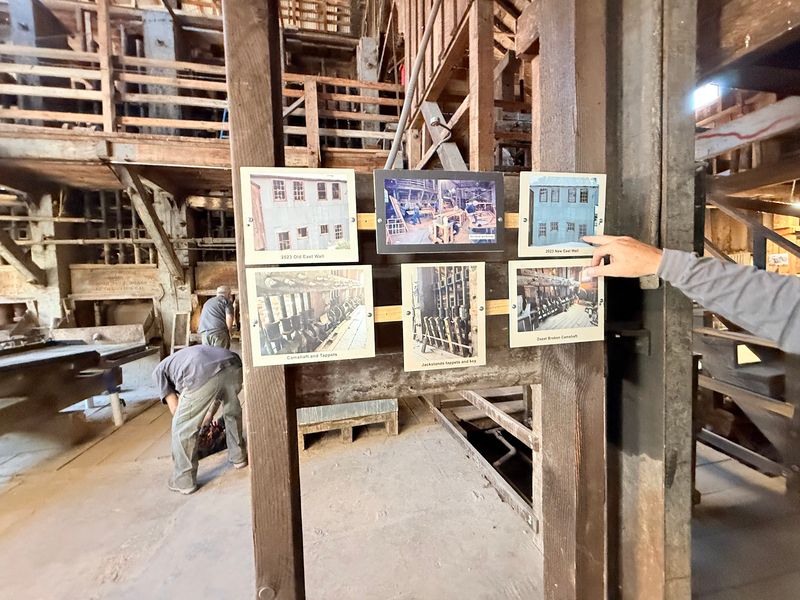
Every mill needed someone counting the money. At the Donovan Mill, that original office building has been carefully preserved as a museum space.
Inside, displays and historical photos help fill in the human side of the story. It’s a nice change of pace after the clanging machinery.
A specimen collection shows off ore and minerals tied to the region. Kids can see what the rock looked like before it ever met a stamp.
Then there’s the vault. Few things spark a child’s imagination quite like a real old vault in a silver-mining town.
A separate lecture room, converted from a former storage area, adds more space for learning. Groups can use it to hear more about Comstock history.
The office area works well as a calmer stop for anyone needing a breather. It’s quieter, more compact, and full of small details.
Bring curious questions here. Volunteers often know the backstory behind the photos and objects.
Pairing this room with the stamps gives a fuller picture. You see the hard labor and the business side side by side.
Gold Panning Turns Kids Into Little Prospectors
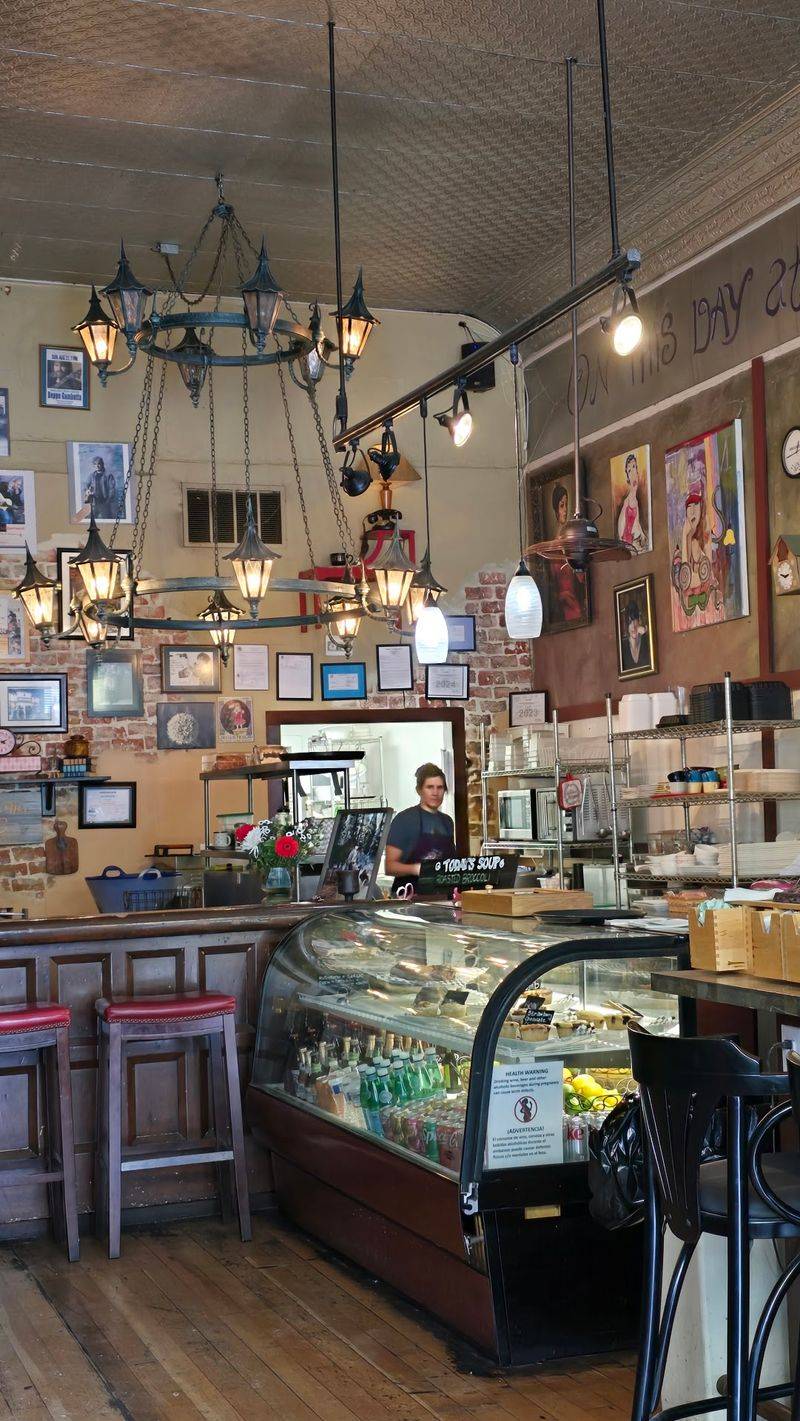
A pan, some gravel, and a little patience can make any kid feel like a 49er. Gold panning is one of the hands-on activities offered at the Donovan Mill.
It’s a simple way to connect visitors directly to the old hunt for precious metals. Swirling water, sinking flakes, and lots of hopeful staring.
Younger children often need something to do with their hands after listening to a tour. Panning fills that need nicely.
It also reinforces what they just learned about separating metal from rock. The lesson lands better when their fingers are wet.
Grown-ups shouldn’t skip it either. There’s something oddly relaxing about the rhythm of working a pan.
Availability can depend on the day and volunteer schedule. Asking about panning when you arrive, or before you go, saves any disappointment.
For budget-minded families, this kind of activity stretches the value of the trip. One stop delivers a tour, a loud demonstration, and a little treasure hunt.
It’s a fun reminder of why so many people rushed to Nevada in the 1800s. Hope is a powerful thing.
Four-Hour Blacksmithing Classes At Historic Forges
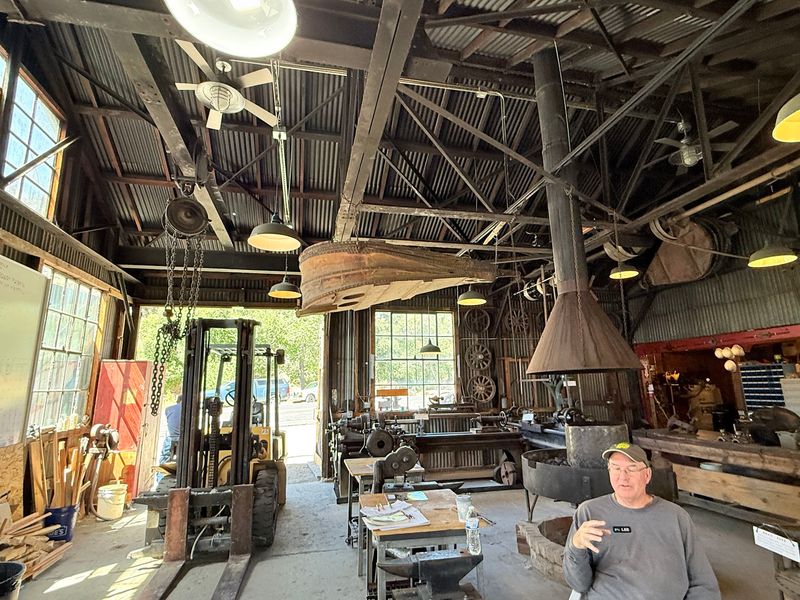
Sparks, hammers, and glowing steel make for a very different kind of museum visit. The Comstock Foundation offers hands-on blacksmithing classes at the mill’s historic forges.
Each session runs about four hours. That’s enough time to learn real traditional metalworking techniques rather than just watch.
All the tools and supplies are provided. Beginners don’t need to show up with a garage full of gear.
The setting adds plenty of charm. You’re shaping metal in the same kind of space where mill crews once fixed their equipment.
Classes are priced separately from regular tours. Check with the foundation for current costs and age guidelines before booking.
This option suits teens, curious adults, and retirees looking for a new skill. It could even make a memorable gift for a hands-on family member.
A class also gives a deeper look at the craft side of mining life. Smiths kept everything from tools to machine parts in working shape.
Leaving with sore arms and a homemade piece of metal feels pretty satisfying. It beats another trip to the gift shop by a mile.
The Volunteers Who Brought The Machines Back
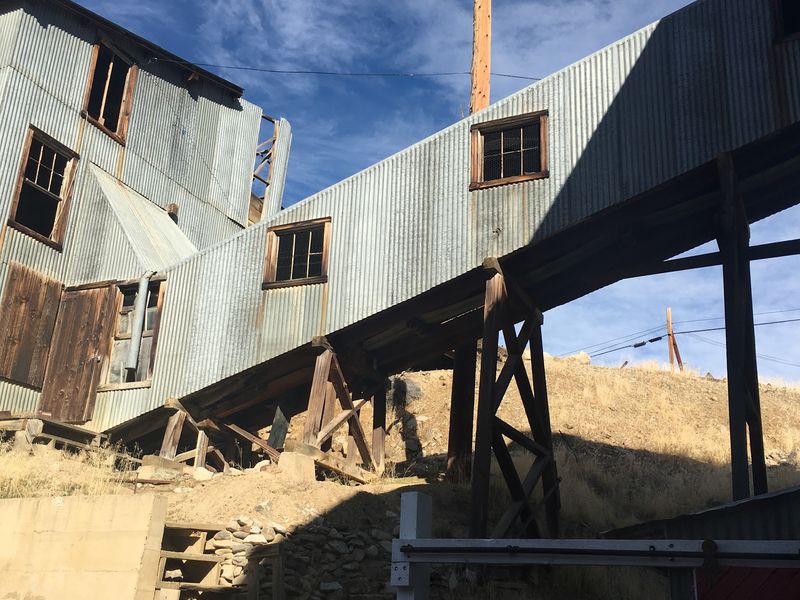
Restoring a century-old stamp mill is nobody’s idea of a weekend project. Yet that’s exactly what a dedicated team has taken on for years.
The Comstock Foundation for History and Culture, a nonprofit, acquired the mill in 2014. It saved the site from further deterioration and possible dismantling.
Since then, volunteers have poured thousands of hours into the work. They clean, repair, and slowly coax old machines back to life.
Tuesdays are volunteer workdays, which is also when the mill opens for tours. You’ll likely see restoration happening right alongside the guided walk.
Guides are part of that same crew. Many know the equipment inside and out because they’ve helped repair it.
The foundation’s mission goes beyond simple upkeep. It aims to keep the stories of the Comstock, its technology, and its workers understandable for future generations.
That effort shows in how the place feels. It’s clearly cared for by people who love it.
For families, it’s a lovely lesson in community. Ordinary people decided a piece of Nevada history deserved a second chance, then rolled up their sleeves.
Tuesday Tours, Free Kids, And Easy Parking
Mark your calendar for Tuesday, since that’s the main day the mill opens for public tours. Hours generally run from 8 a.m. to 2 p.m.
The Donovan Mill Museum is at 900 Main St, Silver City, NV 89428. It’s right on the road connecting Carson City and Virginia City.
Guided tours typically last around an hour and a half. Some groups may move faster, so plan loosely.
Admission is charged for adults, while children 12 and under get in free. That’s a welcome break for families watching every dollar.
Parking is available near the front of the building, with extra space if needed. There are a few steps for a small part of the tour.
Most visitors should find the route manageable. Anyone with mobility concerns may want to ask ahead about specific areas.
Small-town Nevada schedules can shift without much warning. Calling ahead to confirm hours, demonstrations, and current prices is a smart idea.
Stamp Run Days happen on separate dates. If seeing the stamps in action matters most, double-check those before you drive.
A little planning keeps the day smooth and the stamps loud.
Why This Mill Earns A Spot On Your Comstock Day Trip
A good day trip should mix learning, a little fun, and a story worth retelling. The Donovan Mill Museum checks all three without asking for a whole weekend.
It works especially well when paired with nearby Virginia City. Spend the morning at the mill, then head up the road for more Comstock history.
Families get a rare chance to see old industry in motion. Retirees get a slower, thoughtful stop packed with craftsmanship and memory.
Free admission for younger kids helps stretch the budget. Add gold panning or a forge demonstration, and the value climbs even higher.
Machine lovers, history fans, and curious kids will likely find plenty to talk about. Anyone who enjoys quiet museums should simply bring those ear plugs.
The site keeps evolving as volunteers finish new projects. That means a return trip in a year or two may reveal something new.
Nevada has plenty of mining towns and ghost stories. Few places, though, let you feel the floor tremble under a working stamp.
Plan around a Tuesday, confirm the schedule, and go hear history for yourself. Your ears will remember it.