Commuters here can still ride a wooden cable car up a cliff that first started hauling people in 1877. The ride ends with a view of three rivers meeting beside a glittering skyline, which is not bad for a Tuesday.
This Pennsylvania city also counts more than 400 bridges. It has a famous ballpark facing downtown, a museum for a pop art legend who grew up here, and homes priced far below the national median.
I appreciate a place that feels big without charging big-city rent. Recent rankings keep naming it a strong pick for first-time homebuyers and overall quality of life.
So what would daily life actually look like here? I’d bet the neighborhoods, food, parks, and jobs make a pretty convincing case for packing a few boxes.
Your Budget Finally Gets Some Breathing Room
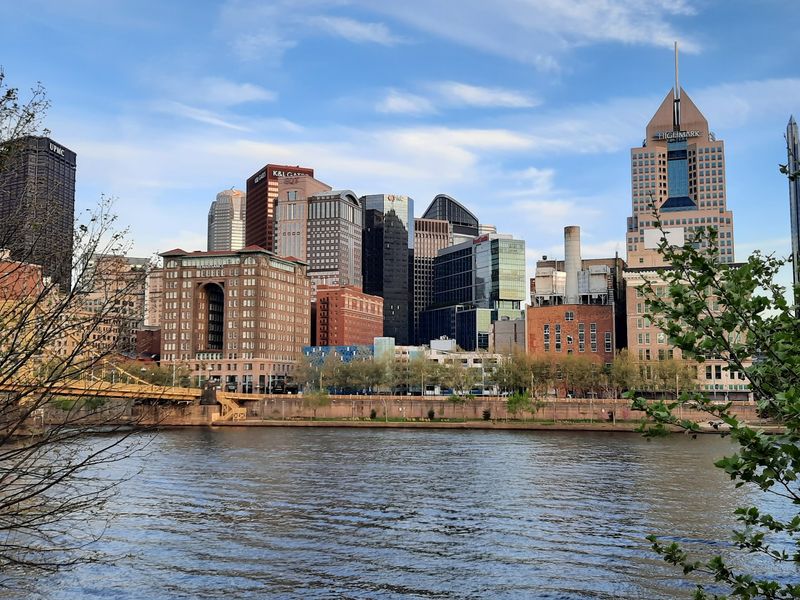
Money talks, and in Pittsburgh, Pennsylvania, it speaks in a surprisingly calm voice. The overall cost of living here sits a few points below the national average, according to several 2026 cost guides.
Housing is where the real savings show up. The typical home price lands far below the national median, with some estimates putting the gap around 40 percent.
That changes the whole conversation for first-time buyers. A 2026 national study by Realtor.com ranked Pittsburgh ninth among the best markets for first-time homebuyers.
Renters get a break too. Median rent in the city and the wider metro area stays well under what you’d see in places like New York, Boston, or Washington.
Not every bill is a bargain, though. Utilities can run noticeably higher than the national average, partly thanks to chilly winters that keep furnaces busy.
My practical advice is simple. Budget a little extra for heating, then enjoy the cushion that lower housing costs usually create.
Rankings keep noticing all this. A 2026 report by Resonance ranked Pittsburgh 25th among America’s best cities, considering factors such as livability, prosperity, and overall appeal.
Pick A Neighborhood That Matches Your Personality
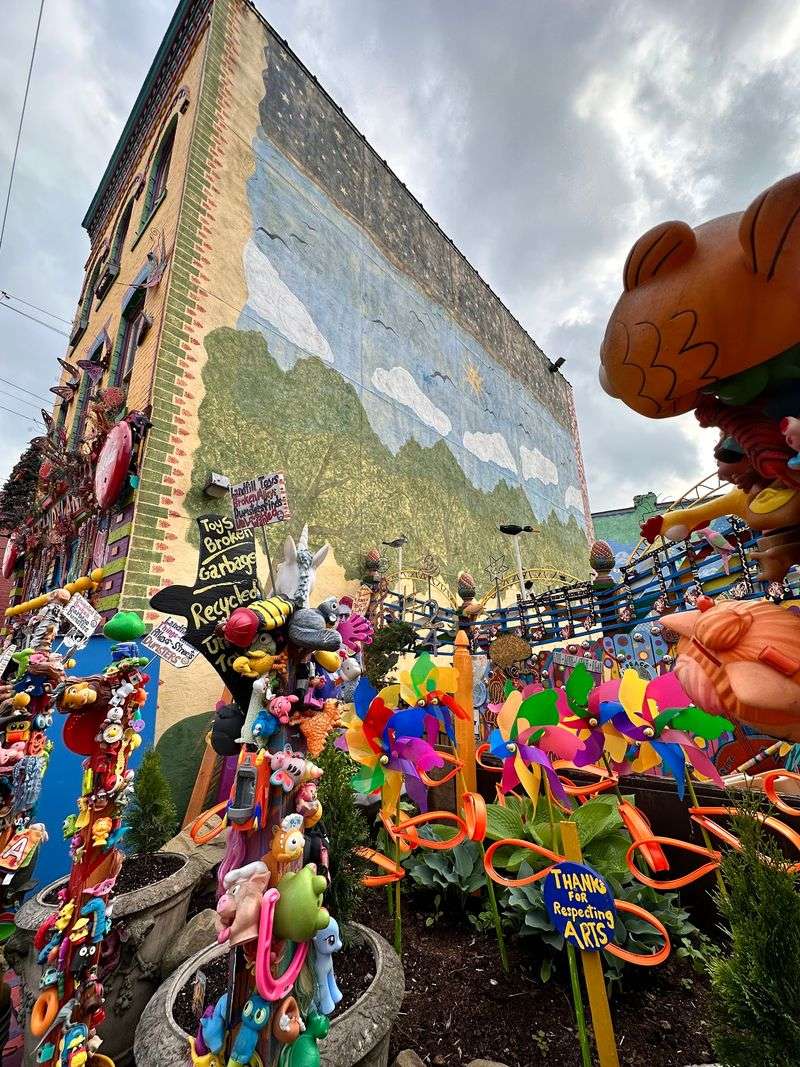
Ninety neighborhoods sounds like a lot, and Pittsburgh really does have about that many. Each one feels like its own small town with its own main street.
Lawrenceville is the creative one of the bunch. Butler Street runs through it with galleries, coffee shops, boutiques, and a long list of restaurants.
Shadyside leans a bit more polished. Walnut Street offers shopping and dining, while leafy side streets hold handsome older homes.
Families often look closely at Squirrel Hill. It’s walkable, diverse, and sits near both Frick Park and Schenley Park, which is a pretty sweet backyard.
Bloomfield has deep Italian roots and a laid-back residential feel. You’ll find longtime bakeries and delis sharing blocks with newer spots.
Then there’s Mount Washington, perched high above the rivers. The views of downtown from Grandview Avenue are the kind people put on postcards.
Here’s a tip worth stealing before you sign a lease. Spend a full Saturday in two or three neighborhoods, because hills and parking can feel very different street to street.
Bring Stretchy Pants To The Strip District
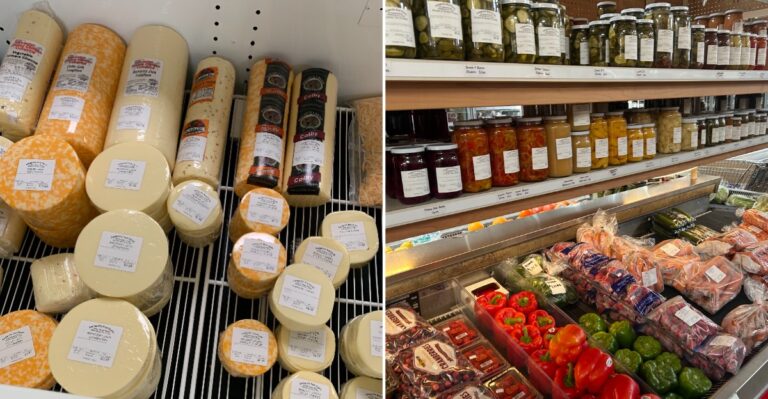
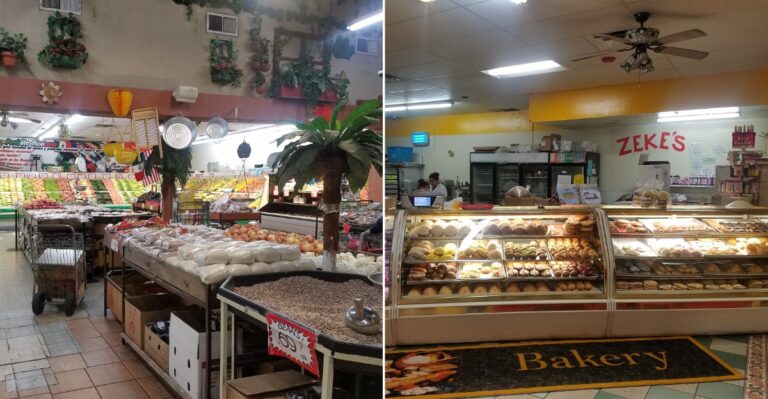
A half-mile stretch of food shops has been feeding this city for more than a century. The Strip District remains the place to grab fresh produce, fish, cheese, coffee, and specialty groceries.
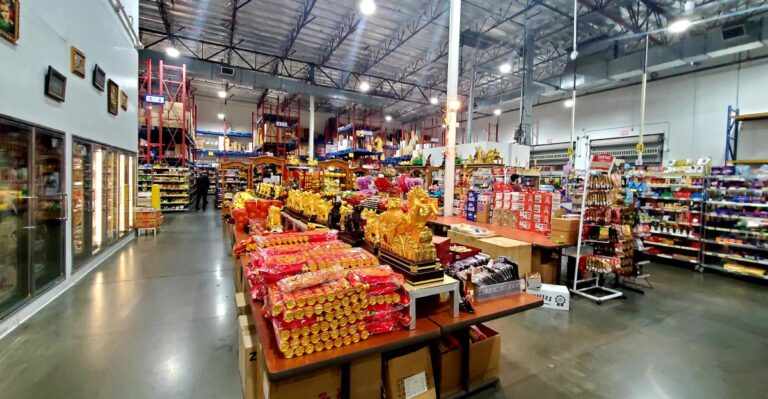
Weekend mornings there feel like a treasure hunt for your fridge. You can stock up on Italian imports, Asian ingredients, and baked goods all in one walkable trip.
The city also loves a famous sandwich. Primanti Bros. started in the Strip and piles fries and coleslaw right inside the bread.
Pierogies deserve a mention too. These stuffed dumplings show up across town, a tasty nod to the region’s Eastern European heritage.
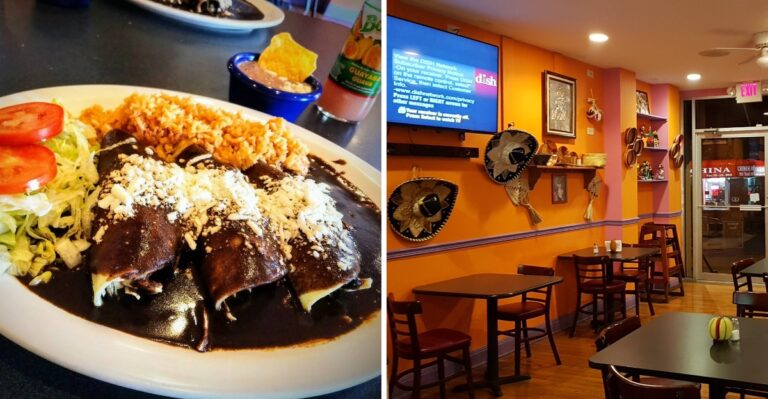
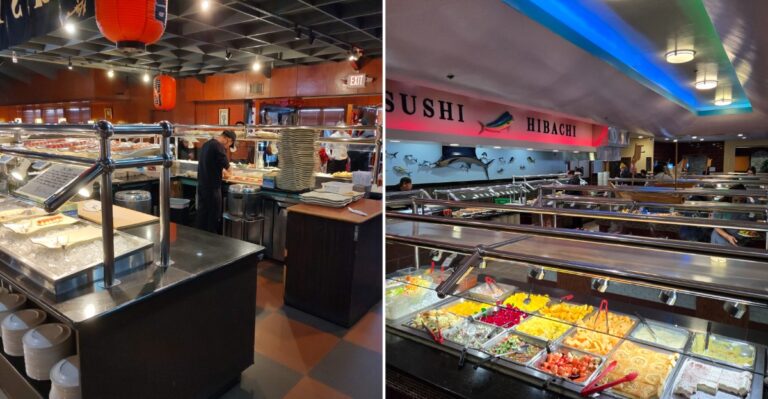
Newer flavors keep arriving fast. Restaurants serving Oaxacan, Shanghainese, Nordic, and Hungarian-inspired dishes have helped push the dining scene in fresh directions.
National critics have started paying closer attention. In 2026, the city was named part of the new Great Lakes edition of the Michelin Guide.
I’d probably start with a Strip District stroll and a sandwich. Then I’d spend the next few months working through the neighborhood restaurant lists, purely for research.
Dinosaurs And Pop Art Live Just Miles Apart
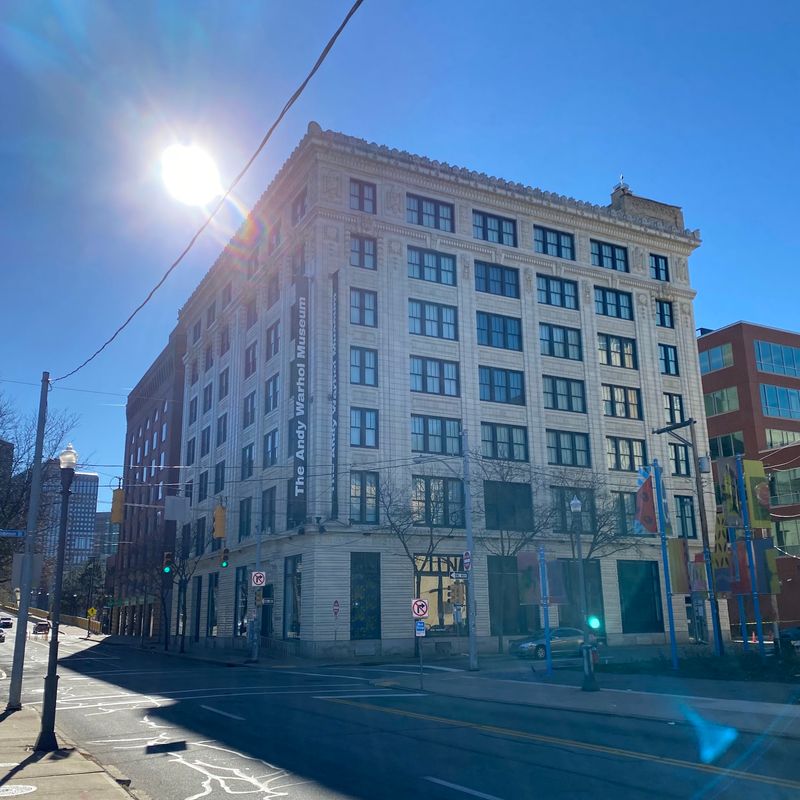
Andy Warhol was born in Pittsburgh, and the city built him a seven-floor tribute. The Andy Warhol Museum on the North Shore is the largest museum in North America dedicated to a single artist.
A major expansion is underway there too. The project will add a new space for performances, giving the museum even more to offer.
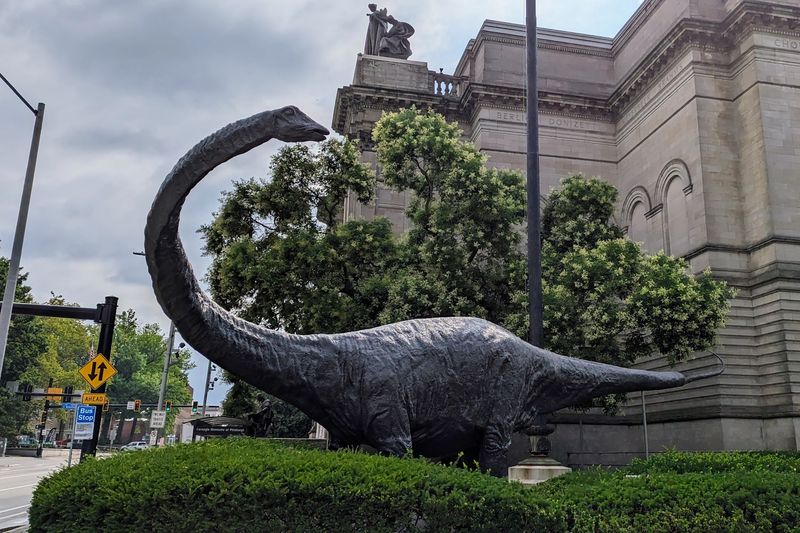
Over in Oakland, the Carnegie Museum of Natural History holds a famous dinosaur collection. Its fossil halls include real specimens that kids and grown-ups both gawk at.
Right next door sits the Carnegie Museum of Art. You can wander from giant skeletons to paintings without ever stepping back outside.
Science fans get their own stop at the Kamin Science Center, formerly known as the Carnegie Science Center. It sits along the Ohio River and leans hard into hands-on exhibits.
Performing arts fill the Cultural District downtown. The Benedum Center hosts touring Broadway shows through the PNC Broadway in Pittsburgh series.
A membership could pay off quickly if you plan to stay. With more than 30 museums around town, rainy weekends suddenly look a lot less boring.
Black And Gold Will Become Your New Favorite Colors
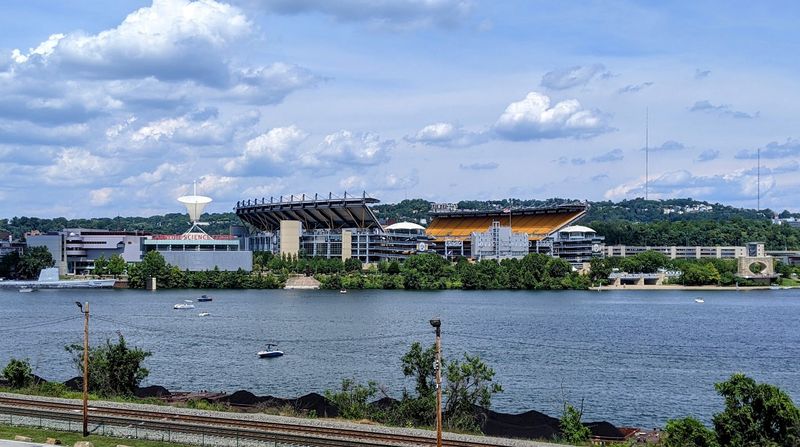
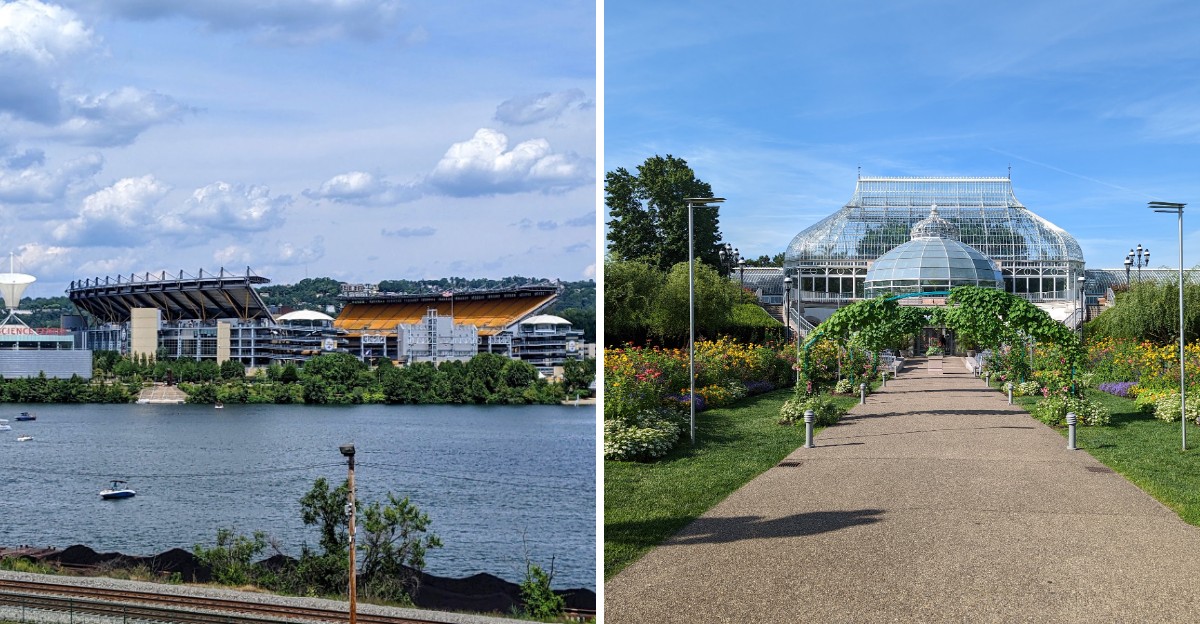
Sunday mornings in fall come with a dress code. Black and gold jerseys appear everywhere once the Steelers start playing at Acrisure Stadium.
All three major pro teams share those colors. The Steelers, Pirates, and Penguins make the city one of the most color-coordinated sports towns in America.
Baseball here comes with a showstopper of a view. PNC Park faces the Allegheny River, with the bright yellow Roberto Clemente Bridge and the downtown skyline right beyond the outfield.
Many fans walk across that bridge on game days. It’s a short, scenic stroll from downtown that beats circling for a parking spot.
Hockey takes over in winter at PPG Paints Arena. The Penguins have won multiple Stanley Cups, so expectations stay sky-high.
Football fans also know the Terrible Towel. This yellow towel became a waving symbol of team pride and still shows up at games.
New residents should learn one thing fast. Wearing a rival team’s jersey here might earn you some good-natured teasing, so maybe save it for road trips.
Trade Smokestacks For Trails, Tropical Plants, And A Fountain
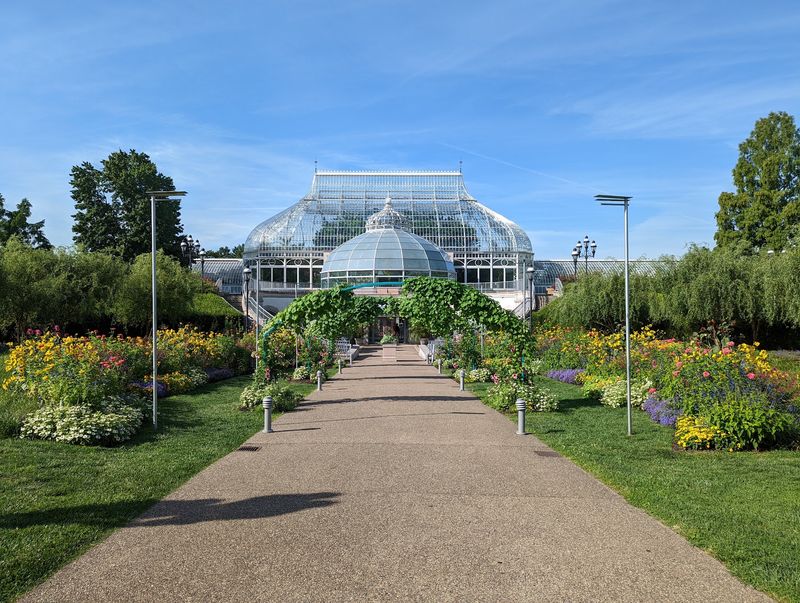
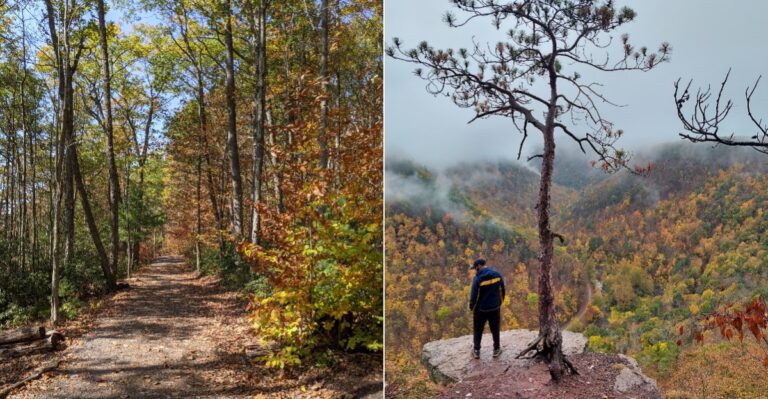
Old steel-town stereotypes skip right over the green stuff. The city has hundreds of acres of parks, and some feel surprisingly wild.
Frick Park covers more than 600 acres in the East End. Its wooded trails and ravines make it easy to forget you’re still inside city limits.
Schenley Park sits close to the universities in Oakland. Next to it, Phipps Conservatory and Botanical Gardens shows off a glass greenhouse filled with plants and seasonal flower shows.
Downtown has its own showpiece. Point State Park sits where the Allegheny and Monongahela rivers join to form the Ohio, and a big fountain shoots water skyward.
Cyclists have a serious bragging right. The Great Allegheny Passage trail links the area to Cumberland, Maryland, where it connects to a path heading to Washington, D.C.
Paddlers can join the fun too. Kayaking on the rivers gives you a totally different look at the bridges and skyline.
My suggestion is to pick one park per month after moving. By year’s end, you’d know the city’s green side better than plenty of longtime residents.
Your Commute Might Include A Cable Car Ride
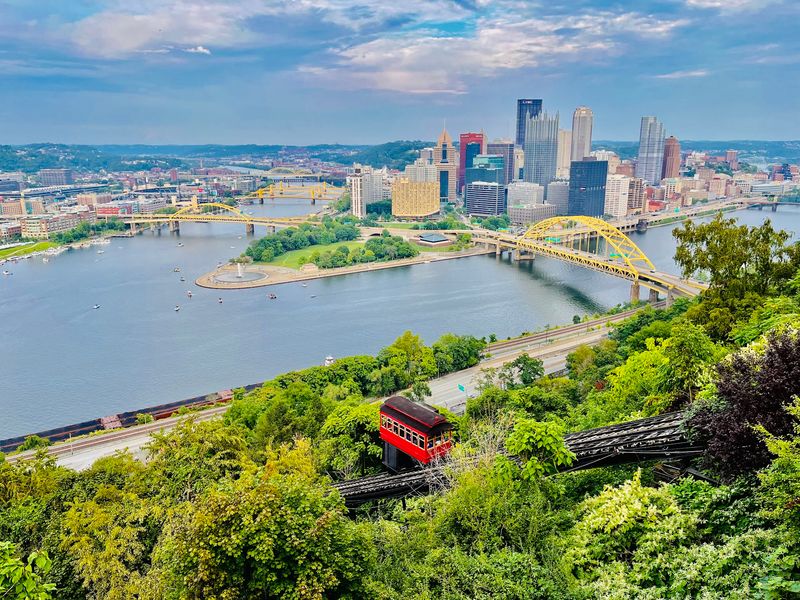
Two historic inclines still climb Mount Washington today. The Duquesne Incline opened in 1877, and the Monongahela Incline is even older.
Both work as real transportation, not just tourist rides. The Monongahela Incline is part of the public transit system run by Pittsburgh Regional Transit.
Bridges matter here even more than inclines. With more than 400 of them, Pittsburgh has fairly earned its nickname, the City of Bridges.
The light rail system, called the T, connects downtown with the South Hills. Rides between certain downtown and North Shore stations are free, which is handy for game days.
Buses fill in most of the remaining gaps. Some routes link neighborhoods to downtown and Oakland, where many people work and study.
City government sits downtown at the City-County Building, 414 Grant Street, Pittsburgh, PA 15219. It’s a short walk from several T stations and bus stops.
Hills and tunnels can make driving tricky for newcomers. Test your commute during rush hour before choosing a home, because a quick map estimate can be wildly hopeful.
Robots, Research, And Real Career Options
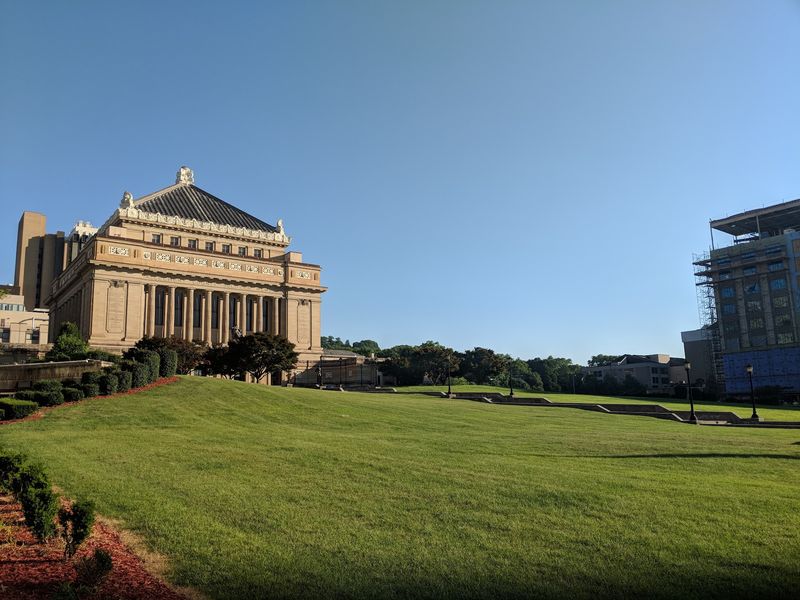
Jonas Salk’s team developed the polio vaccine at the University of Pittsburgh in the 1950s. That spirit of discovery still powers much of the local economy.
Carnegie Mellon University is a big reason why. Its robotics and computer science programs are known worldwide, and tech companies have opened offices nearby.
Robotics, artificial intelligence, and life sciences now shape the city’s future-focused economy. Self-driving vehicle testing has even taken place on local streets.
Health care is another giant employer. UPMC operates hospitals and offices across western Pennsylvania and ranks among the region’s largest employers.
Education and health services continue to lead job growth. Manufacturing and financial services also remain solid parts of the local mix.
The unemployment rate has stayed fairly low, around 3 percent in recent reports. Still, the overall job market grows slowly, so landing work before moving is smart.
Universities make a great networking starting point. Public lectures, meetups, and campus events can help newcomers meet people working in fields they care about.
Prepare To Say Yinz By Your First Winter
Yinz is the local way of saying you all, and newcomers tend to pick it up quickly. The dialect even has a nickname, Pittsburghese.
Friendliness is a big part of the city’s reputation. Fred Rogers taped Mister Rogers’ Neighborhood here, and a statue honoring him stands on the North Shore.
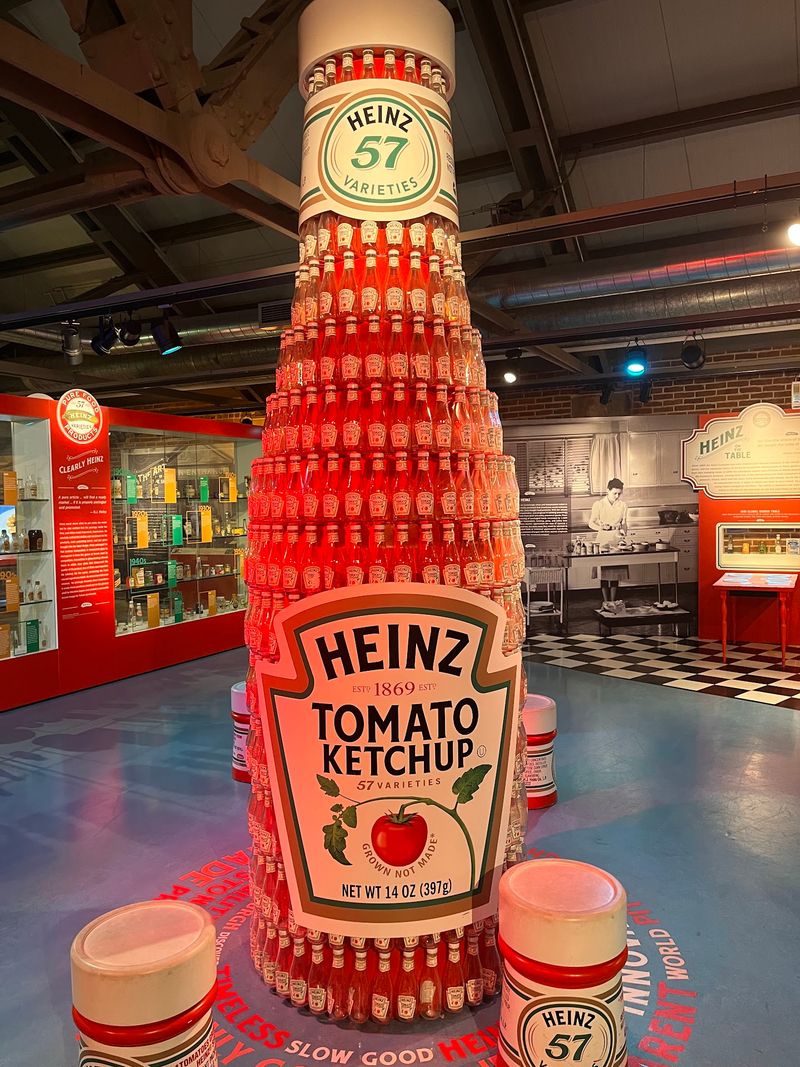
Ketchup fans should know a fun fact. H.J. Heinz started his famous food company in the area back in 1869.
Directions here often sound like riddles. People sometimes point you toward landmarks that no longer exist, so keep a map app handy.
Seasons bring plenty of reasons to get out. Festivals cover everything from Irish culture to fringe theater to film throughout the year.
Winters can be gray and snowy, so a solid coat is a must. Summers, though, bring riverfront concerts, outdoor dining, and long evenings on the trails.
Moving anywhere takes some adjusting. In Pennsylvania’s second-largest city, the welcome tends to come with a side of pierogies and a strong opinion about football.