
This Antique Village Stays Under The Radar For Almost Everyone Outside Nevada
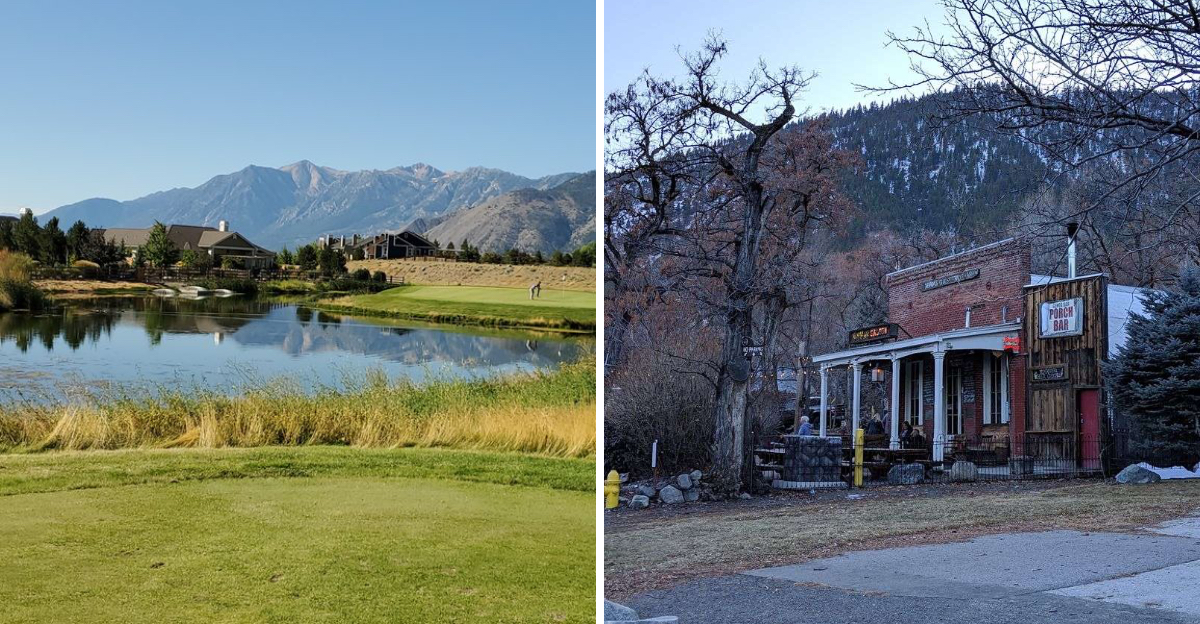
A whole antique village flies under the radar for almost everyone outside Nevada. A narrow street of weathered wooden storefronts holds relics older than most family trees.
Mule deer wander past like they pay rent here, unbothered by visitors snapping photos. A courthouse museum quietly guards frontier secrets behind brick walls that have stood for generations.
Mountains frame every direction, and the air carries a chill even when the sun feels warm. Locals will politely correct your pronunciation of the town’s name.
Nevada rarely gets to show off this kind of old world charm without a crowd. A candy festival packs the streets each fall, pulling crowds from across the region.
More is waiting past that first weathered doorway, and honestly, it might be worth clearing your calendar for it.
The Town That Started It All In Nevada
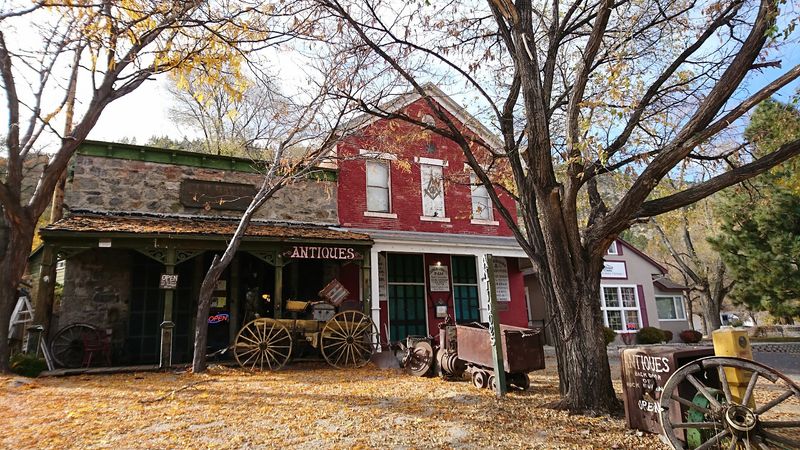
Picture a trading post in the middle of nowhere, surrounded by mountains, serving exhausted travelers heading west. That was Genoa in 1851, and remarkably, the spirit of that original outpost still lingers.
Founded by Colonel John Reese and a group of Mormon traders, the settlement was first called Mormon Station. It served as a critical rest stop on the overland trail connecting the eastern states to California.
Supplies, shelter, and a moment of calm were the main offerings back then.
In 1855, the town was surveyed and renamed Genoa, reportedly after the Italian birthplace of Christopher Columbus. Unlike the Italian city, though, locals pronounce it “juh-NO-ah,” and they will politely correct anyone who gets it wrong.
The town later served as the first capital of the Nevada Territory in 1861 before that designation moved to Carson City. Its Historic District is listed on the National Register of Historic Places.
Few places in Nevada carry this much original weight.
Where To Find Genoa And Why It Matters
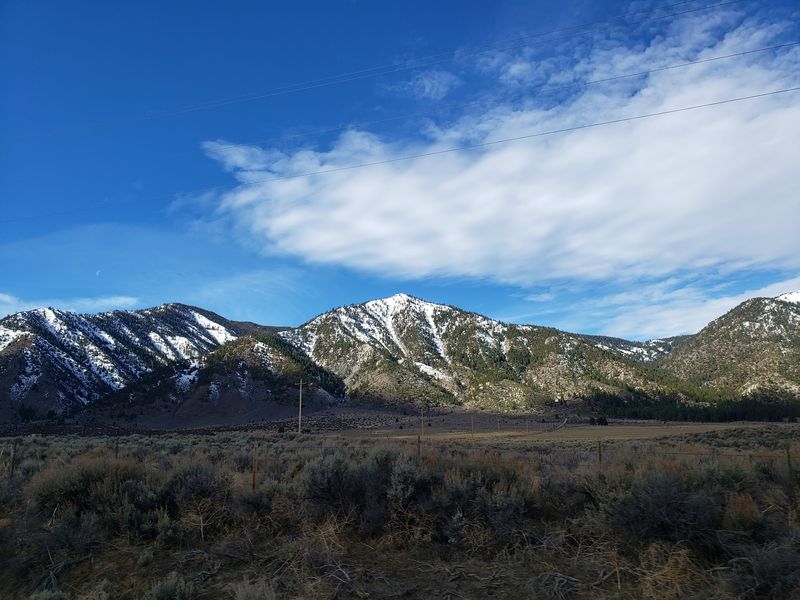
Knowing where Genoa sits on a map helps explain why it feels like a world apart. The town is located in Douglas County, Nevada, roughly 42 miles south of Reno and about 25 minutes east of Lake Tahoe.
Its elevation reaches 4,806 feet above sea level.
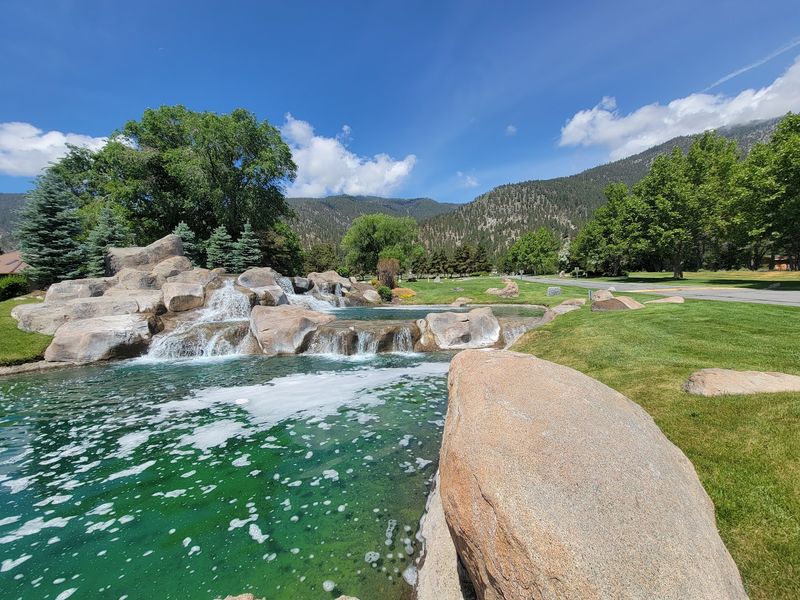
The Carson River Valley cradles the town on its eastern side, while the Sierra Nevada mountains rise dramatically to the west. That combination of valley floor and mountain backdrop creates views that feel almost theatrical, especially at sunrise when the peaks catch the first light.
Because of its position at the foot of the Sierra Nevada, Genoa experiences early morning sunrises but shorter afternoon sun exposure. Temperatures can swing dramatically within a single day, sometimes dropping by more than 40 degrees Fahrenheit after sunset.
Layers are not optional here; they are essential.
The thin air at nearly 5,000 feet also means sunscreen matters more than most visitors expect. Plan accordingly, and the setting will reward every bit of preparation.
Mormon Station State Historic Park
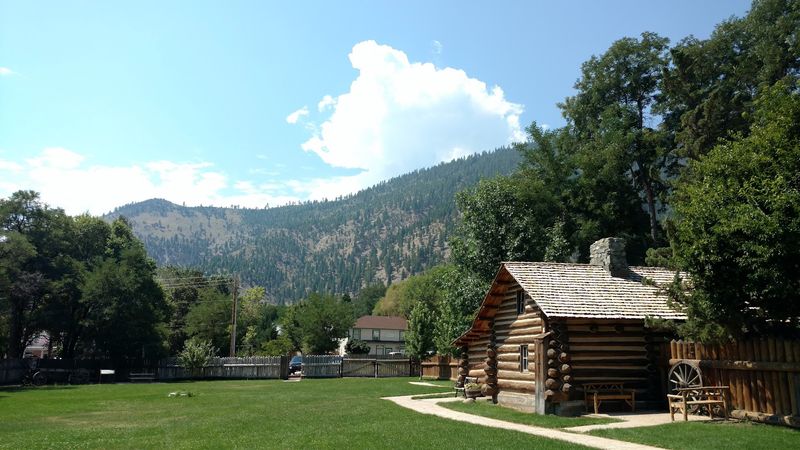
Right at the heart of town stands a reconstructed wooden trading post that marks where Nevada’s story officially began. Mormon Station State Historic Park commemorates the 1851 settlement that launched an entire territory’s history.
The park is compact but meaningful. It offers a tangible connection to the overland trail era, when travelers arriving here after weeks of difficult travel must have felt enormous relief.
The site has a calm, reflective quality that makes it easy to picture those early days.
Picnic areas dot the grounds, making it a pleasant spot to slow down and absorb the surroundings. Families with children find it especially approachable, since the open space allows kids to roam while adults take in the historical context.
The park sits within easy walking distance of other key landmarks in Genoa’s small but dense historic core. Visiting it first gives the rest of the town a richer sense of context.
It is the kind of place that rewards curiosity and patience in equal measure.
Nevada’s Oldest Saloon And Its Remarkable Story
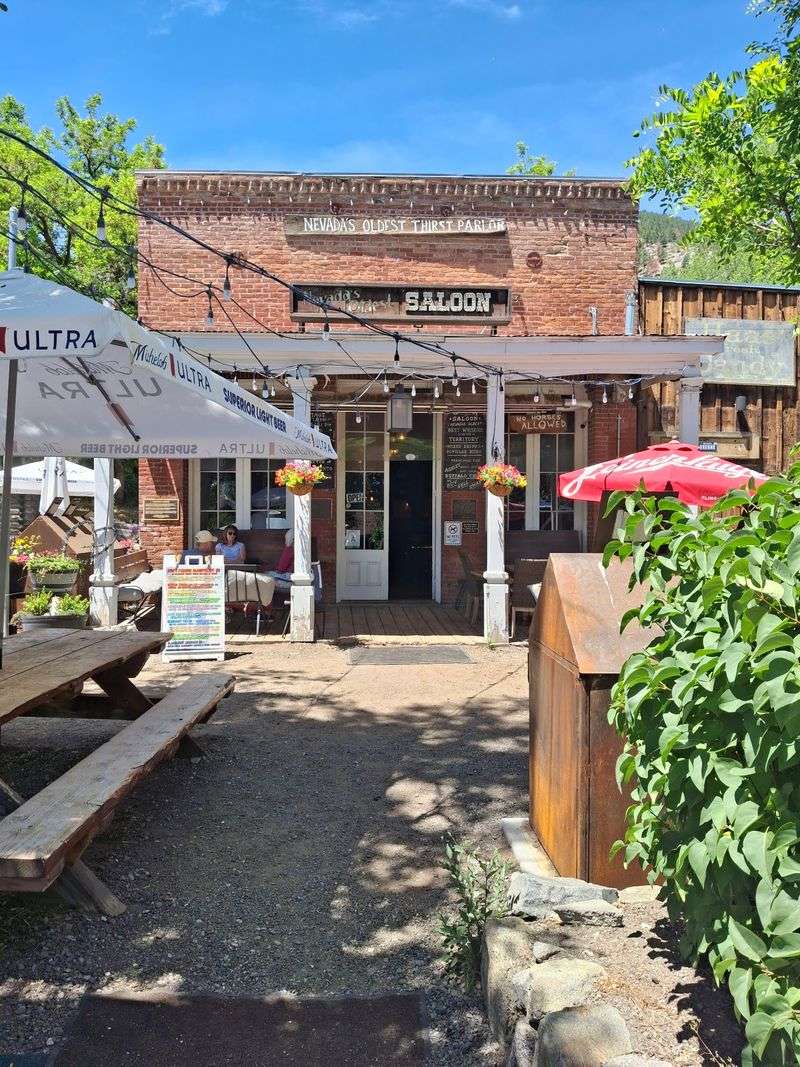
Opened in 1853, the Genoa Bar holds the title of Nevada’s oldest saloon, and it wears that distinction with considerable character. The building survived a major fire in 1910 that leveled much of the surrounding block, which makes its continued existence feel almost defiant.
Step inside and the 19th century is still very much present. Original paintings hang on the walls alongside historic ephemera that would make any antique collector’s pulse quicken.
The standout piece is a diamond dust mirror imported from Scotland, which catches light in a way that feels almost theatrical.
The place has attracted notable visitors over the decades, including figures from American literary and cultural history. That history adds a certain texture to the place that no amount of renovation could manufacture.
Even for visitors who are not interested in the bar itself, the building is worth examining from the outside. Its age and survival through fires and decades of change make it one of the most quietly impressive structures in Nevada.
The Genoa Bar is located in the historic core of the town, easy to spot and hard to forget.
The Genoa Courthouse Museum
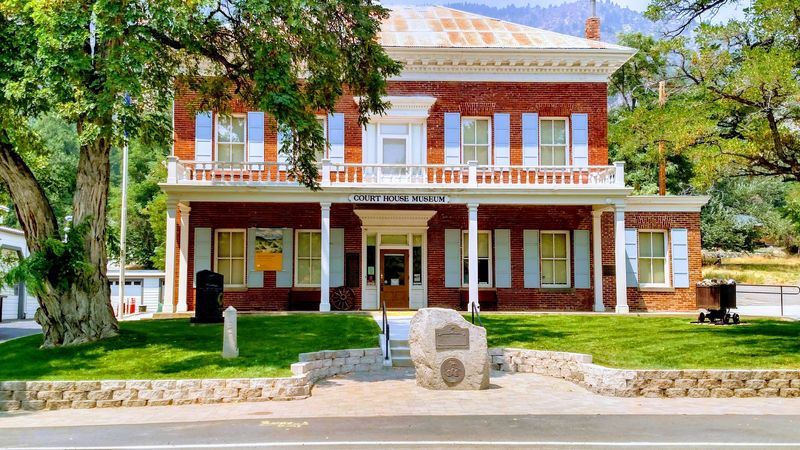
Old brick buildings have a way of keeping secrets, and the Genoa Courthouse Museum is no exception. The structure began its life as a functioning courthouse and has since been converted into a museum that unpacks the town’s layered past.
Exhibits inside cover the pioneer era, the early territorial period, and the daily lives of people who built this community from almost nothing. The collection is curated with care, offering visitors a sense of what daily existence looked like in the mid-1800s on the edge of the frontier.
The building itself is part of the attraction. Its Victorian-era brick construction stands as a physical record of the ambitions and craftsmanship of early Nevada settlers.
Architecture enthusiasts will find plenty to appreciate even before stepping through the door.
For anyone interested in regional history, the museum provides context that makes the rest of Genoa feel more vivid. It connects abstract dates and events to real places and real decisions made by real people.
That kind of grounding is what separates a good museum from a great one, and this one leans firmly toward the latter.
Wildlife And The Natural World Around Town
Mule deer are practically locals in Genoa. They wander through the park grounds, cross roads at their own pace, and seem entirely unbothered by human presence.
Spotting one near Mormon Station is almost a guaranteed part of any visit.
The broader Carson Valley region surrounding the town supports a remarkable range of wildlife. Bald eagles patrol the skies during winter months.
Sandhill cranes pass through during migration seasons. Monarch butterflies make appearances that feel almost choreographed against the mountain backdrop.
Leopard frogs and other species tied to the valley’s water sources add to the ecological richness of the area. Birdwatchers find the region especially rewarding, with a variety of species that changes depending on the season.
Binoculars and a field guide are worthwhile additions to any packing list.
The dry climate and significant elevation create conditions that are cooler than the desert areas to the east of Nevada. Early mornings tend to be crisp and clear, making wildlife sightings more likely before the day warms up.
Quiet observation is the best strategy here, and the surroundings make it easy to practice.
Hiking, Biking, And Getting Outdoors
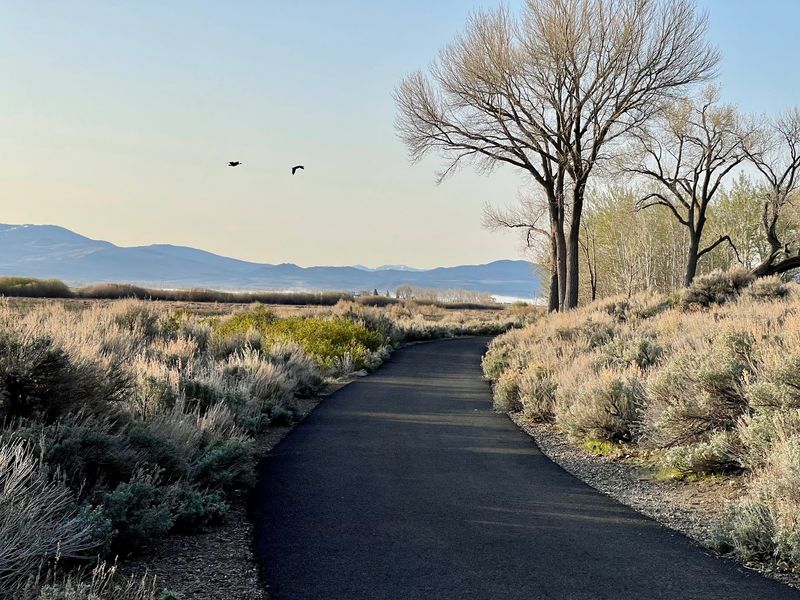
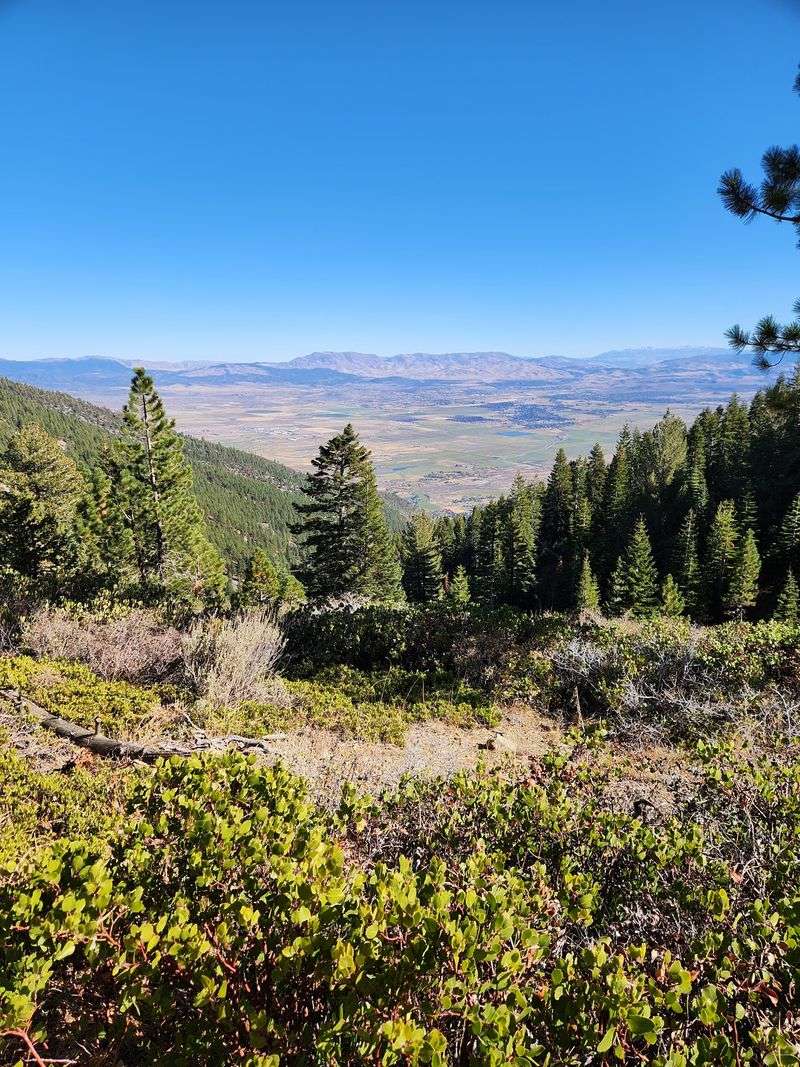
Outdoor options around Genoa punch well above the town’s small size. The Genoa Canyon Trail offers hikers a route into the Sierra Nevada foothills with views that expand dramatically as elevation increases.
The terrain is rugged in the best possible way.
Biking routes through the Carson Valley take advantage of quiet roads and relatively flat terrain between the mountain base and the valley floor. The combination of mountain scenery and easy road access makes this area appealing to cyclists of varying fitness levels.
Horseback riding is another option that fits naturally with the town’s frontier character. Several outfitters in the broader Douglas County area offer guided rides through landscapes that have changed very little since the 1800s.
That sense of continuity with the past is part of what makes outdoor activity here feel different from a typical trail outing.
Fishing opportunities exist in the Carson River and surrounding waterways. Scenic drives through the valley connect Genoa to neighboring communities while passing through some of the most photogenic terrain in Nevada.
Every direction offers something worth stopping for.
The Candy Dance That Brings Thousands To Town
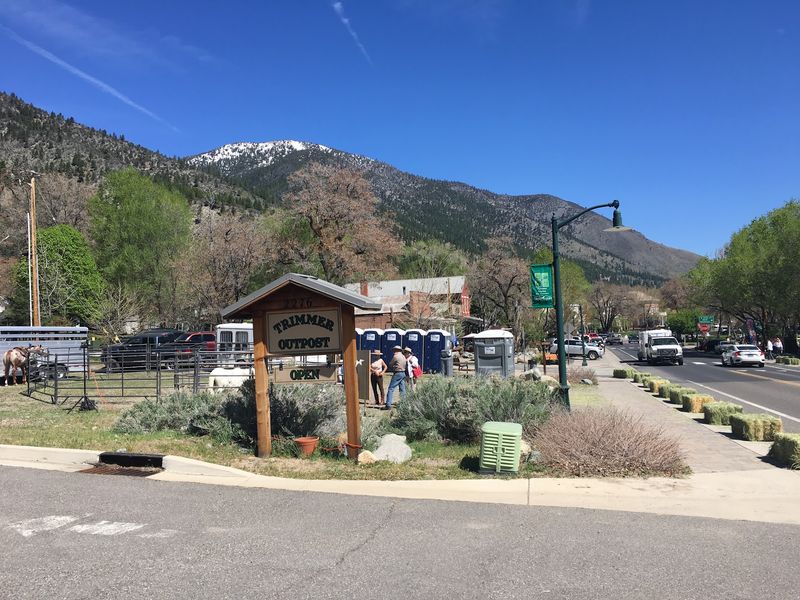
Once a year, Genoa’s quiet streets transform into something loud, colorful, and wonderfully chaotic. The Genoa Candy Dance Arts and Crafts Faire takes over the town on the last full weekend of September, drawing thousands of visitors from across Nevada and beyond.
The event started in 1919 as a practical fundraiser. Townswomen made homemade candy to raise money for streetlights, which was a pressing need at the time.
That original batch of candy has since grown into one of the most beloved community events in the state.
Today, the faire features hundreds of craft and food vendors spread across streets that are closed to traffic for the weekend. Handmade goods, local food, and the famous homemade candy all compete for attention.
The atmosphere is festive without being overwhelming, which is a balance not every small-town event manages to strike.
For visitors who want to experience Genoa at its most social and celebratory, the Candy Dance weekend is the obvious choice. Booking accommodations early is strongly advised, as nearby lodging fills quickly when the event approaches.
Golf With A View That Demands Attention
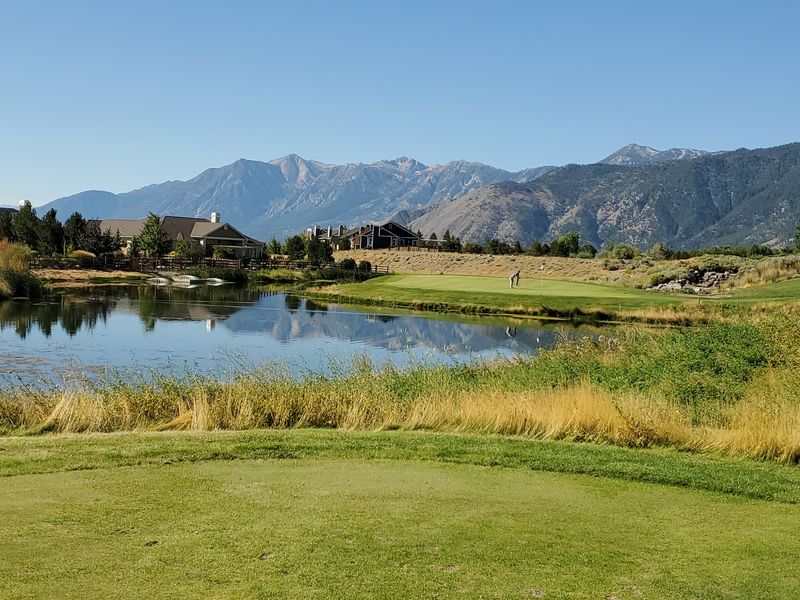
Few golf settings in Nevada compete with what Genoa Lakes Golf Club puts in front of players. The club offers two distinct courses, the Lakes Course and the Ranch Course, each taking full advantage of the Carson Valley’s wide-open terrain.
The mountain backdrop visible from nearly every fairway is the kind of scenery that makes it hard to focus on the game. Sierra Nevada peaks frame the horizon in a way that feels almost unfair to golfers trying to concentrate on their swing.
The distraction is completely worth it.
The Ranch Course follows a more traditional layout through the valley floor, while the Lakes Course introduces water features that add both visual interest and strategic challenge. Both options suit players who want quality golf paired with scenery that most courses can only dream about.
The club draws visitors from Reno, Lake Tahoe, and beyond, many of whom make the trip specifically for the combination of course quality and setting. For golfers who have not yet played in this part of Nevada, Genoa Lakes Golf Club makes a compelling argument for adding it to the list.
The Historic Cemetery And Its Unusual Landmark
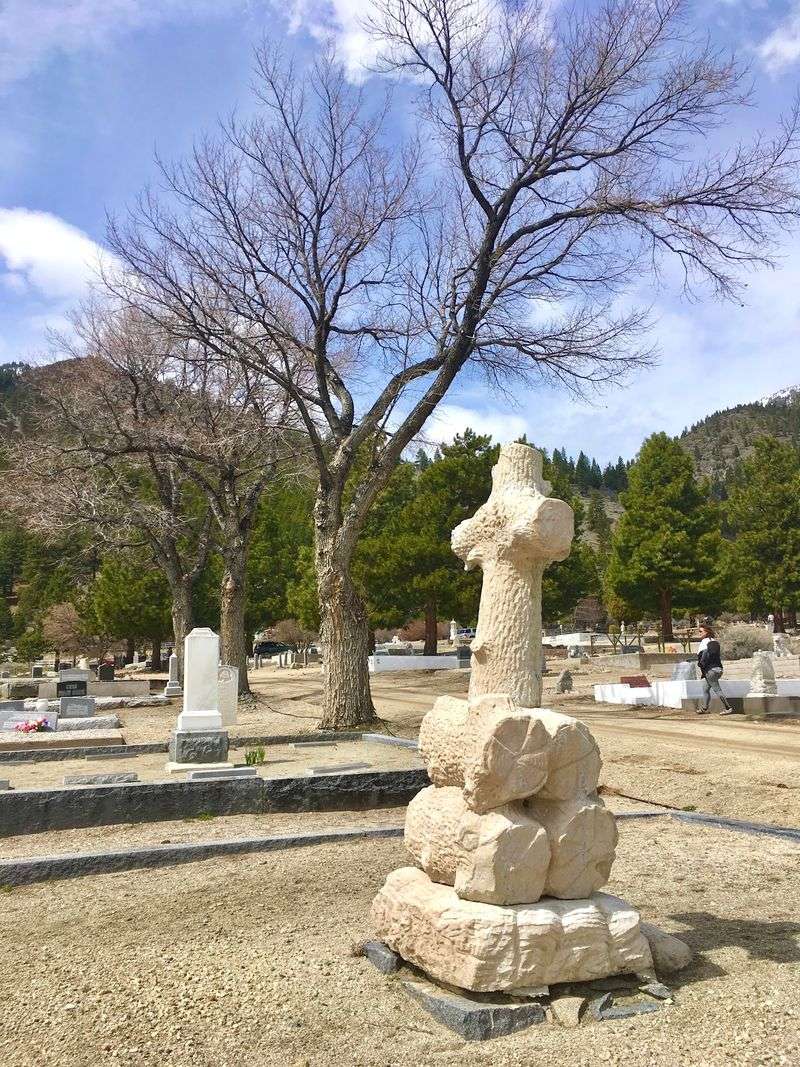
Cemeteries tell stories that no museum can fully replicate, and Genoa’s historic cemetery is no different. The grounds hold markers dating back to the earliest days of the settlement, offering a direct and sobering connection to the people who built this community.
Walking through the older sections of the cemetery reveals names and dates that span the entire arc of Genoa’s development. Some markers are elaborate; others are simple stones with barely legible inscriptions worn down by weather and time.
Both types carry equal historical value.
The setting itself is peaceful, surrounded by the natural landscape that defines this part of Nevada. Visitors who take time to explore find that the cemetery functions as an open-air archive, preserving individual lives that might otherwise have been forgotten entirely by history.
Practical Tips For Visiting Genoa
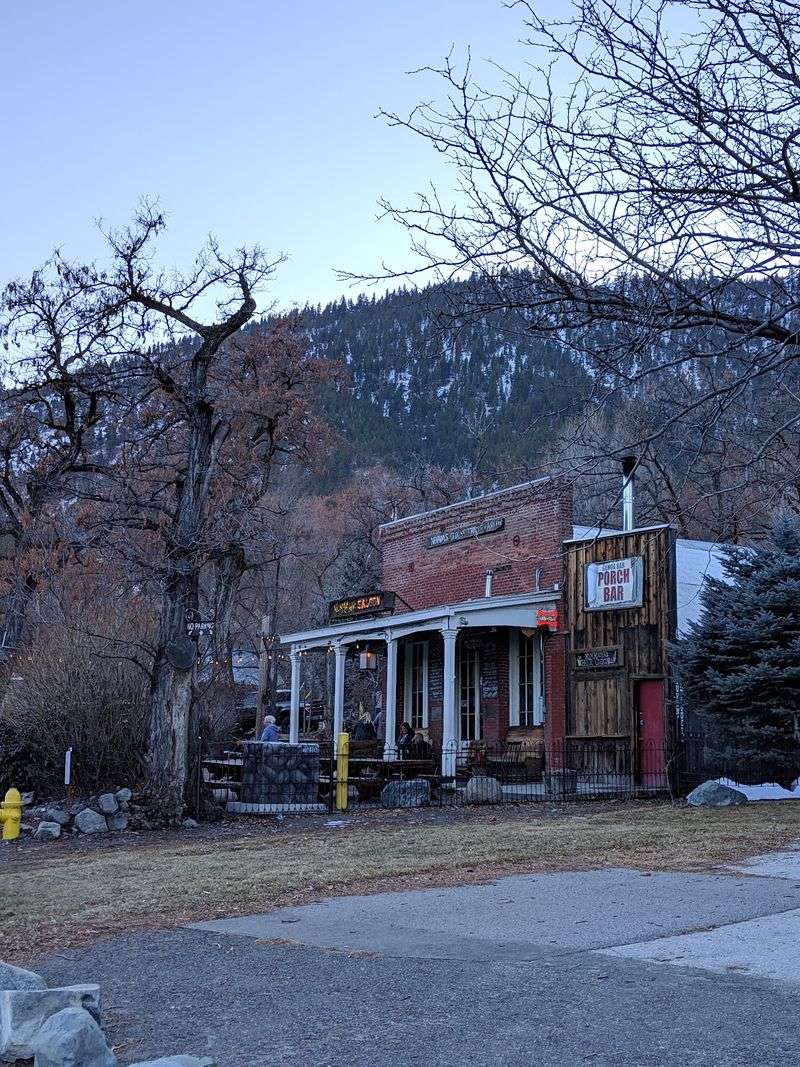
Planning a visit to Genoa requires a few adjustments that most travelers do not think about until they arrive unprepared. The elevation sits close to 5,000 feet, which means the sun hits harder than it does at lower altitudes.
Sunscreen is a practical necessity, not a suggestion.
Temperature swings are dramatic and fast. Days can feel pleasantly warm while afternoons in the shade turn cool quickly.
After sunset, temperatures can drop significantly, sometimes by more than 40 degrees Fahrenheit. Layered clothing handles these shifts far better than any single outfit.
The town is small, which means exploring on foot is genuinely practical. Most of the key landmarks sit within a walkable area, making a car optional once visitors arrive.
That walkability is part of what makes the experience feel unhurried and relaxed.
Genoa is roughly 42 miles south of Reno and about 25 minutes east of Lake Tahoe, making it an easy day trip from either location. Combining it with a stop at Lake Tahoe turns a short detour into a full day of genuinely varied scenery and history across Nevada.
Why Genoa Rewards The Curious Traveler
Places like Genoa do not advertise loudly, and that restraint is precisely what makes them worth seeking out. The town has no neon signs, no chain restaurants, and no manufactured attractions designed to hold attention by volume alone.
What it does have is authenticity. The buildings are genuinely old.
The history is genuinely significant. The landscape is genuinely dramatic.
None of it requires a promotional brochure to make an impression, because the place does that work on its own.
Nevada is often reduced in the popular imagination to Las Vegas and desert highways. Genoa quietly dismantles that simplification by offering something entirely different: a living piece of the state’s founding story, preserved in a valley that still feels removed from the noise of modern life.
Travelers who value depth over spectacle tend to leave Genoa with more than they expected. The town asks for patience and rewards it generously.
For anyone willing to follow that small brown road sign off the main highway, the payoff is a version of Nevada that most people never get to experience.