
This Central Mississippi Soul Food Cafe Has Turned Sunday Brunch Into Something Locals Plan Their Week Around
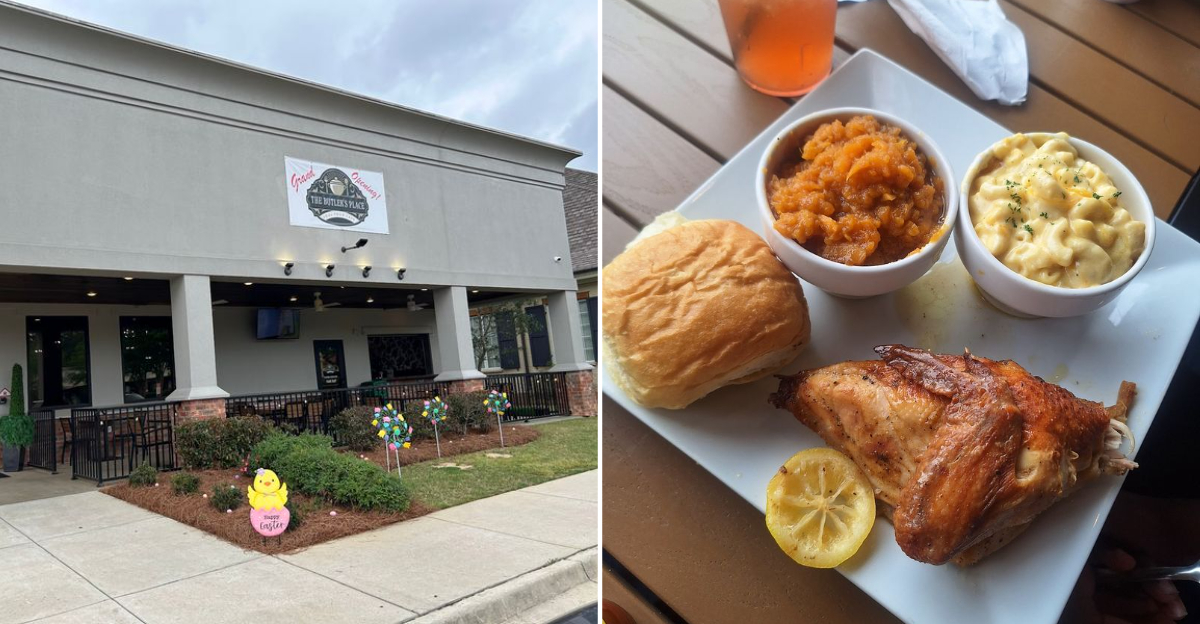
Sunday lunch is practically sacred for many people, and this Mississippi cafe takes that idea extremely seriously. Soul food here gets prepared the traditional way, recipes passed down rather than adapted for outside trends.
Regulars plan their entire week around this one meal, treating it as a genuine tradition rather than routine dining. Nothing about the food feels rushed or simplified to speed up the Sunday rush.
Portions stay generous, matching the comfort food reputation this cafe built over the years. Every dish gets prepared with the same care regardless of how busy brunch hours get.
Word about the food spread the old fashioned way, through actual conversation rather than any advertising push. This cafe proved that sometimes the best comfort food comes from the simplest kitchens.
Unique Soul Food Ingredients That Define The Cuisine
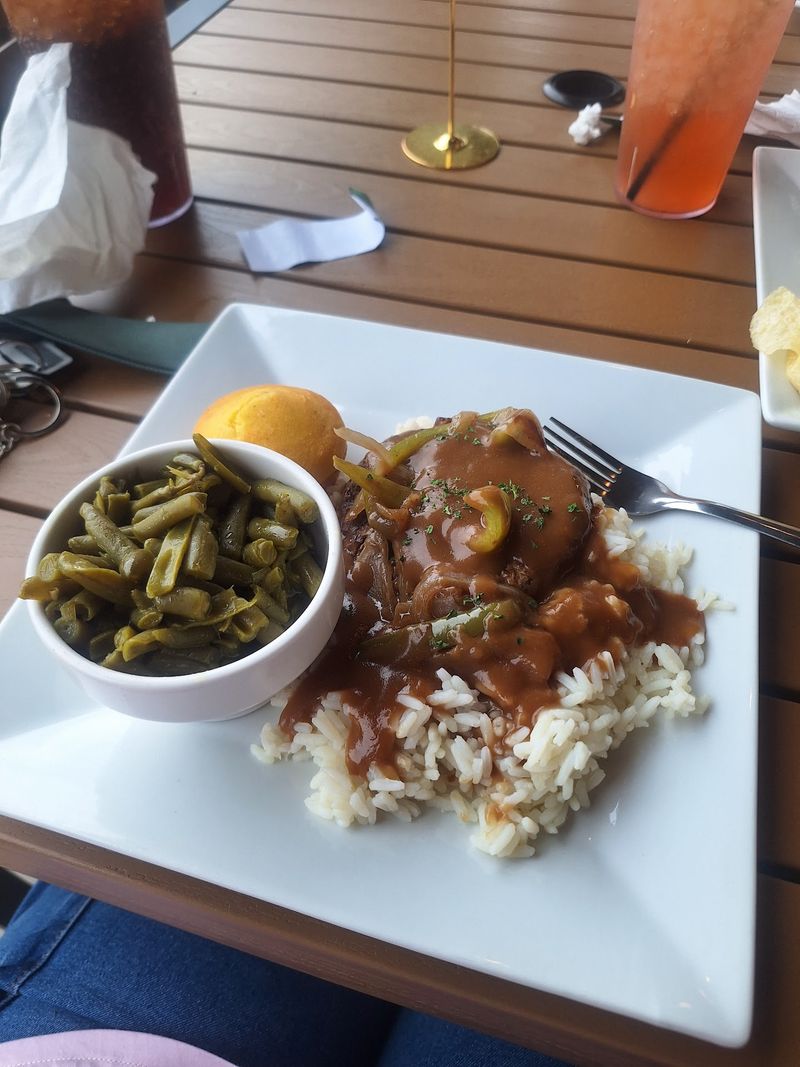
Collard greens, mustard greens, okra, black-eyed peas, and sweet potatoes form the backbone of soul food, and none of it happened by accident.
Many of these ingredients traveled from West Africa and took root in Southern soil, where cooks turned modest supplies into meals worth remembering.
Cornmeal deserves its own mention. It becomes a crisp coating on fried fish one minute and warm cornbread the next, which explains why it shows up on so many plates around here.
Slow-simmered greens get their savory backbone from smoked meats like ham hocks, a technique built out of resourcefulness rather than luxury. That deep, layered flavor cannot be rushed or faked with a shortcut.
Yams are the star of the show at this Clinton cafe, mentioned more often than almost anything else on the menu. Mustard greens and cornbread follow close behind, along with mac and cheese that regularly gets ordered as a main event instead of a side.
Fun bit of history worth knowing: okra arrived in America through the transatlantic slave trade and thrived in the humid Southern climate, becoming a staple in gumbo, stews, and fried dishes.
Recognizing these ingredients changes how the meal tastes, because every bite carries generations of adaptation behind it. Anyone curious can find the kitchen putting these staples to work at 734 Clinton Pkwy, Clinton, MS 39056.
Classic Brunch Recipes Passed Down Through Generations
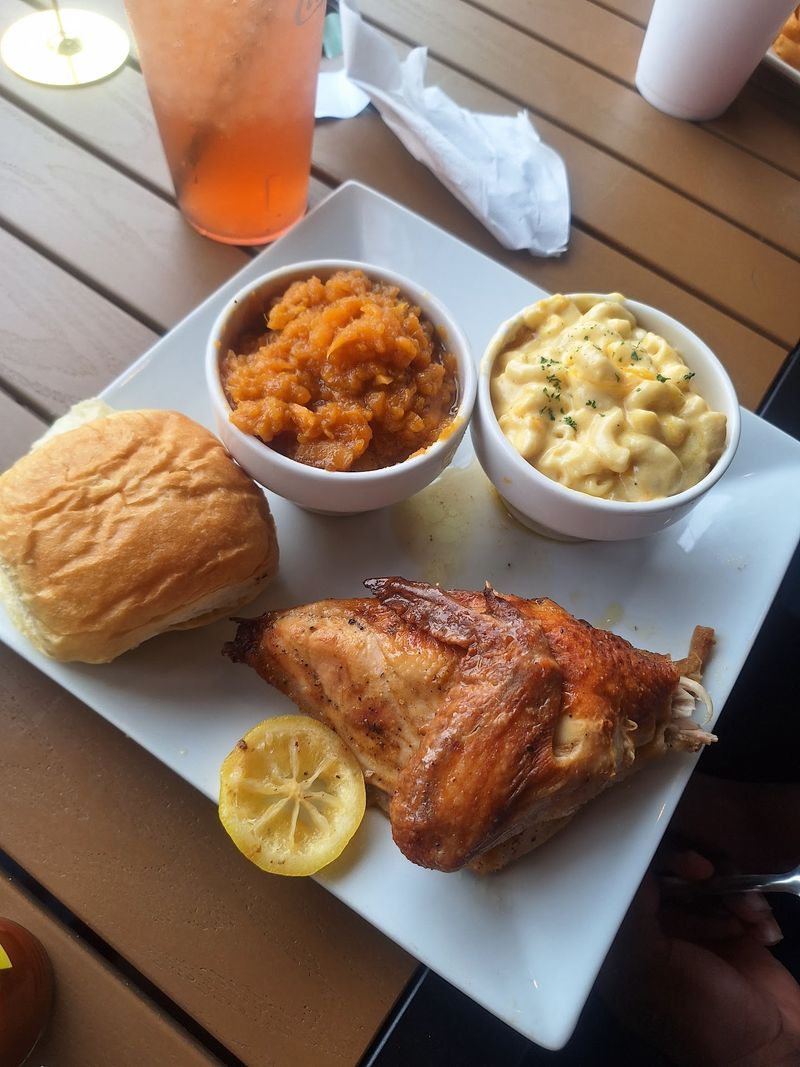
Somewhere along the way, fried chicken met a waffle and refused to leave. That pairing anchors soul food brunch menus across the South, and it earns its reputation every single time.
Stone-ground grits show up creamy and steaming, sometimes with shrimp folded in, sometimes beside salmon croquettes.
Buttermilk biscuits arrive soft enough to pull apart with two fingers, and at this Clinton cafe they have a reputation for practically dissolving on contact.
Recipes like these rarely come from cookbooks. They get handed down through kitchens where somebody watched an aunt measure flour by feel and never wrote a single step down.
Candied yams and slow-cooked mustard greens round out the plate, and both have become signatures here. The yams in particular get talked about so often that skipping them almost seems like a mistake.
Peach cobbler closes things out, warm and spiced, the kind of dessert that makes people linger at the table long after their forks stop moving. Chicken tenders and fried fish also hold steady spots for anyone who wants something less traditional.
The buffet setup on weekends lets you sample widely instead of committing to one choice. Cool jazz fills the dining room, turning a simple meal into a slower, more enjoyable morning than most restaurants can offer.
The Role Of Fresh Southern Produce In Flavor Profiles

Produce is not a sidekick in soul food. Greens, okra, and sweet potatoes carry entire dishes, and the flavor depends heavily on how fresh they are when they hit the pot.
Turnip greens cooked low and slow with a piece of smoked meat turn tender and savory in a way that quick cooking never achieves. At this cafe, the turnip and mustard greens surprise people who assumed they already knew what greens taste like.
Okra thrives in Mississippi heat, which is exactly why it became a staple. Fried, stewed, or dropped into gumbo, it brings a texture nothing else quite replicates.
Sweet potatoes deserve their own paragraph. They become pies, cobblers, and candied sides seasoned with cinnamon and nutmeg, and the natural sugars deepen the longer they cook.
Seasonality matters more than people realize. Greens taste better in cooler months, tomatoes peak in summer, and cooks who pay attention to that calendar end up with brighter plates year-round.
Garden-grown vegetables have always been central to this cuisine, born from households that grew what they ate. That habit shaped flavor combinations that still hold up today.
Walking into a dining room where the vegetables get the same respect as the meat is rarer than it should be. Here, the sides frequently outshine whatever people originally came in to order.
How Cooking Techniques Enhance Soul Food Dishes
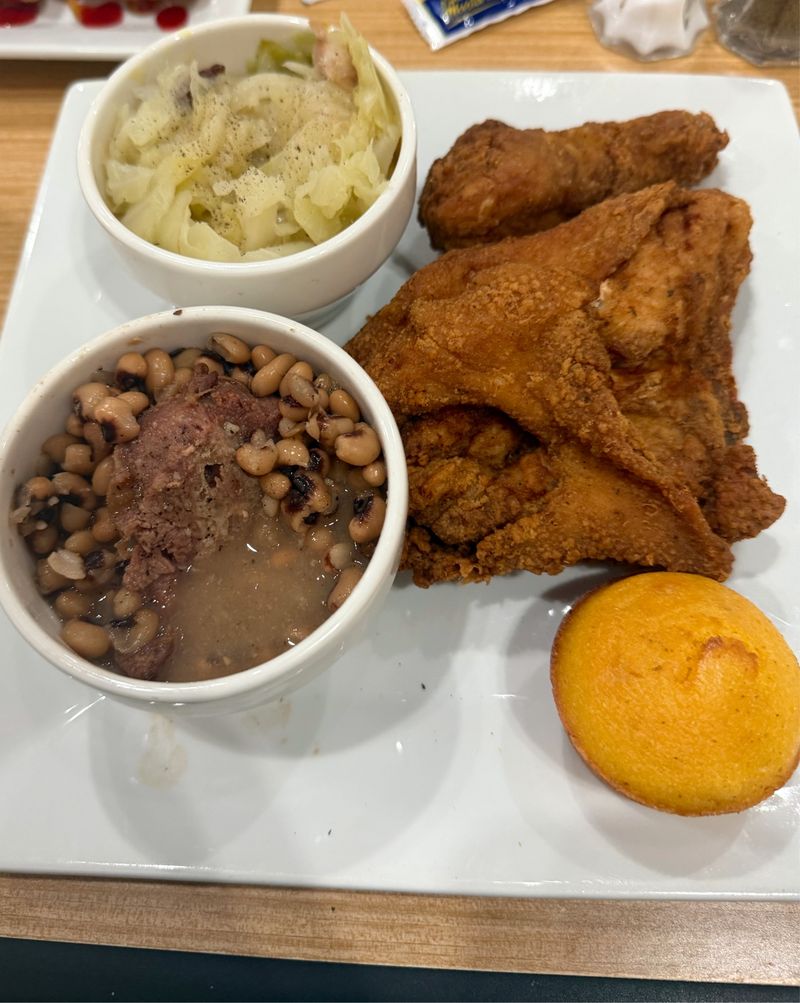
Technique is the quiet hero of soul food. Two cooks can start with identical ingredients and end up with wildly different results depending on patience and heat control.
Slow simmering breaks down tough cuts and hardy greens until everything turns tender and deeply flavored. Hours matter here, not minutes, and shortcuts show up immediately on the plate.
Frying is the other cornerstone. Getting fish or chicken crisp outside while keeping the inside juicy takes oil at the right temperature and the confidence to leave it alone.
Fried fish at this Clinton spot comes out golden and light, tasting like it was pulled from the water that morning. Chicken tenders follow the same standard, tender under a crackling crust.
Seasoning gets layered in stages rather than sprinkled at the end. Salt early, taste often, adjust as things cook down, because greens and beans absorb far more than people expect.
Baking plays a role too. Cornbread and buttermilk biscuits rely on hot pans and cold fat, a combination that creates lift and those crisp edges everyone fights over.
All of it grew from resourcefulness, from cooks making extraordinary food out of ordinary supplies. That inventiveness never disappeared from the tradition.
Watching plates come out hot and properly cooked, meal after meal, tells you the kitchen respects those older methods instead of trying to modernize them into something unrecognizable.
Pairing Sweet And Savory Elements For Memorable Meals

Sweet and savory together is where soul food brunch gets genuinely fun. Syrup running off a waffle onto fried chicken sounds like chaos and tastes like genius.
Candied yams pull the same trick. Their sweetness cuts through savory greens and salty smoked meat, which is why nobody ever complains about having both on one plate.
Cornbread bridges the gap effortlessly. A slightly sweet version alongside peppery greens creates a balance that plain bread simply cannot deliver.
Bacon and maple syrup remain the classic duo, especially next to pancakes. Biscuits go either direction depending on whether gravy or fruit preserves land on top.
At this cafe, the yams have earned near-legendary status specifically because they play so well against everything else. Ordering them alongside mustard greens and fried fish creates a plate with real range.
Peach cobbler handles the finish, warm and spiced, arriving after the savory portion has done its work. Timing dessert that way keeps the whole meal from feeling too heavy.
Mac and cheese sits somewhere in the middle, rich and mellow, softening bolder flavors around it. Plenty of people build their entire order around it.
Balance is the real lesson. When sweet, salty, and savory share space on one plate, the meal stays interesting from the first bite to the last, and nobody gets bored halfway through.
Celebrating Community Through Shared Brunch Experiences
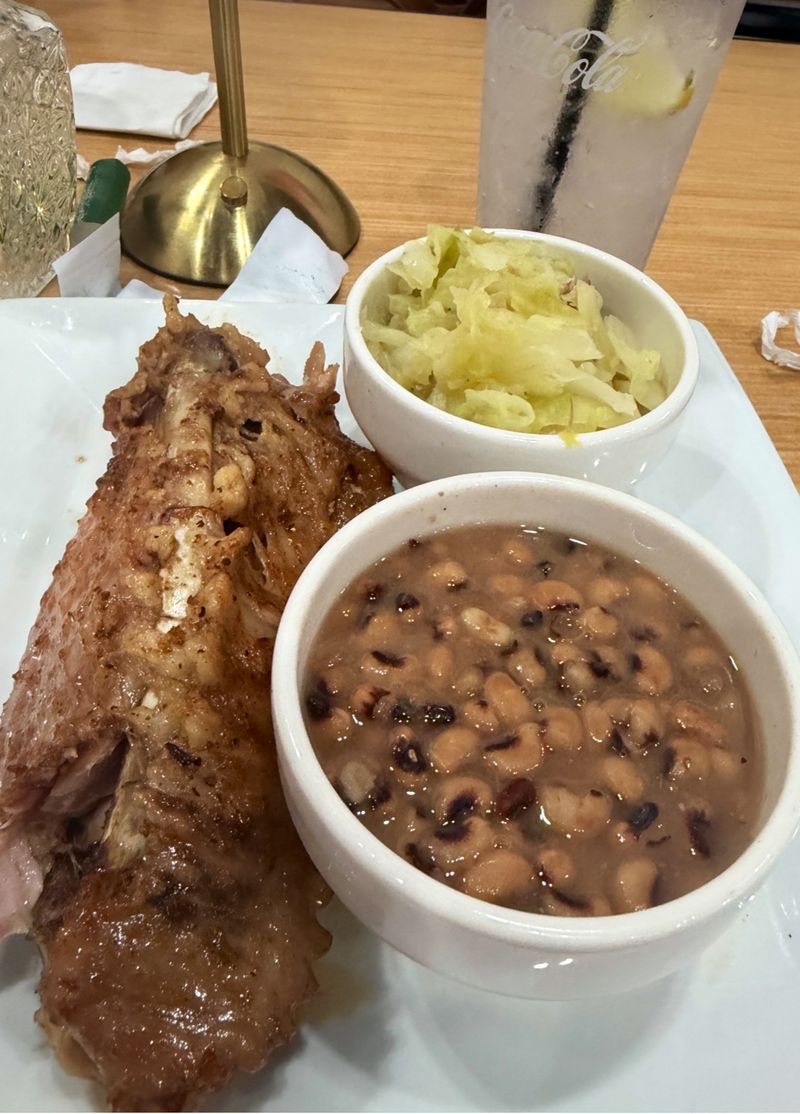
Sunday brunch here functions more like a reunion than a restaurant visit. Families roll in after church, tables get pushed together, and conversations stretch far past the last bite.
Soul Food Sunday has been a tradition for generations, built around fellowship as much as food. Recipes travel between relatives at these tables, along with stories nobody wrote down.
Weekend hours run from ten in the morning until three in the afternoon, which gives people room to arrive whenever their morning wraps up. The dining room fills quickly, so patience helps.
Live jazz on Sundays sets the mood, low enough to talk over and good enough to notice. That combination makes lingering feel natural instead of awkward.
Private events happen here too, from banquets to family dinners, which fits a place already built around gathering. Birthdays and holidays like Mother’s Day draw especially big crowds.
Soul food carries real cultural weight during celebrations like Juneteenth and Black History Month, marking history and resilience through food. Sharing those dishes keeps that memory active.
Newcomers passing through Mississippi end up sitting beside longtime Clinton residents, which happens more often than you would guess at a neighborhood cafe.
Food has a way of dissolving the distance between strangers. A crowded Sunday dining room where everyone is eating the same yams proves that better than any speech ever could.
The History Behind Popular Soul Food Brunch Plates
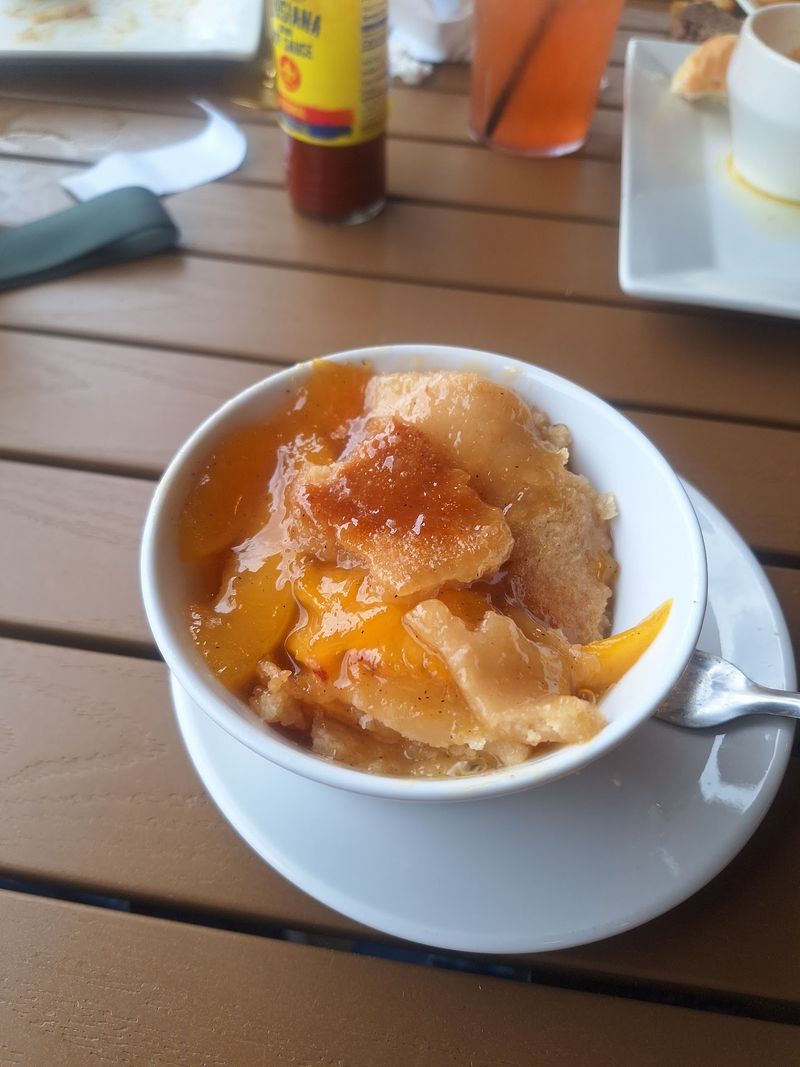
Every plate of soul food carries a backstory, and it is not a light one. The cuisine took shape in the American South during slavery, when cooks were handed the least desirable ingredients and made them nourishing anyway.
Okra, black-eyed peas, and yams crossed the Atlantic and adapted to new soil. Sweet potatoes stood in for African yams, and cornbread became the parallel to grain breads from home.
Fried chicken, collard greens, and black-eyed peas all carry meaning beyond flavor. Peas eaten on New Year’s Day for luck is a tradition that never faded.
Here is something a lot of people do not know. The phrase soul food only entered common use in the mid-1960s, tied directly to the cultural pride of the Civil Rights movement.
Before that, it was simply home cooking, the food families made without labeling it. Naming it turned it into a statement.
Brunch plates at this Clinton cafe reflect that lineage clearly, from cornbread and greens to yams and fried fish. Nothing on the menu feels invented for trend purposes.
Understanding the history changes the meal. Grits stop being just grits once you know how far those recipes traveled to reach the table.
Eating with that context makes the whole experience richer, which might be the real reason people keep coming back week after week.
Tips For Creating Authentic Soul Food At Home
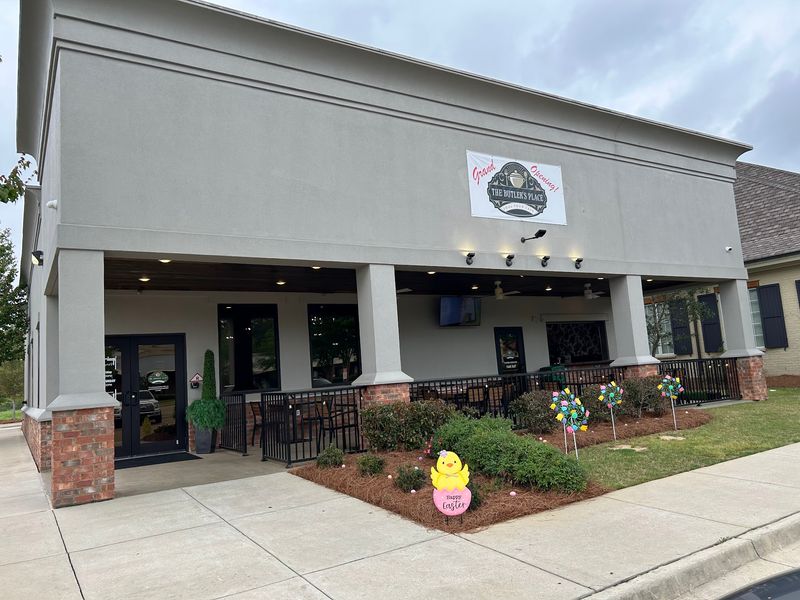
Anybody can cook soul food at home, but a few habits separate decent from unforgettable. Seasoning is where most people fall short, and it is the easiest fix.
Cayenne, paprika, garlic, onion powder, and black pepper belong within reach the whole time you cook. Add gradually, taste constantly, and adjust rather than dumping everything in at once.
Time is the second ingredient nobody lists. Greens and tougher meats need long, low heat to soften and absorb flavor, so plan for hours and let the stove do the work.
Quality matters more than quantity. Fresh greens, real butter, good cornmeal, and sweet potatoes with firm skin will outperform anything shortcut-based every time.
Canned vegetables served straight from the can with nothing added are a common misstep. A little onion, seasoning, and simmering time transforms them completely.
Cast iron earns its reputation for cornbread and frying because it holds heat steadily. One well-seasoned skillet handles most of what these recipes require.
Approach the recipes with respect for where they came from. These dishes carry history, and honoring that means learning the stories along with the steps.
When curiosity outpaces confidence, eating somewhere that does it properly helps. Tasting greens or yams made the traditional way gives you a target to aim for in your own kitchen.