
This Charming Wisconsin Downtown Feels Like A Hallmark Movie Every Autumn
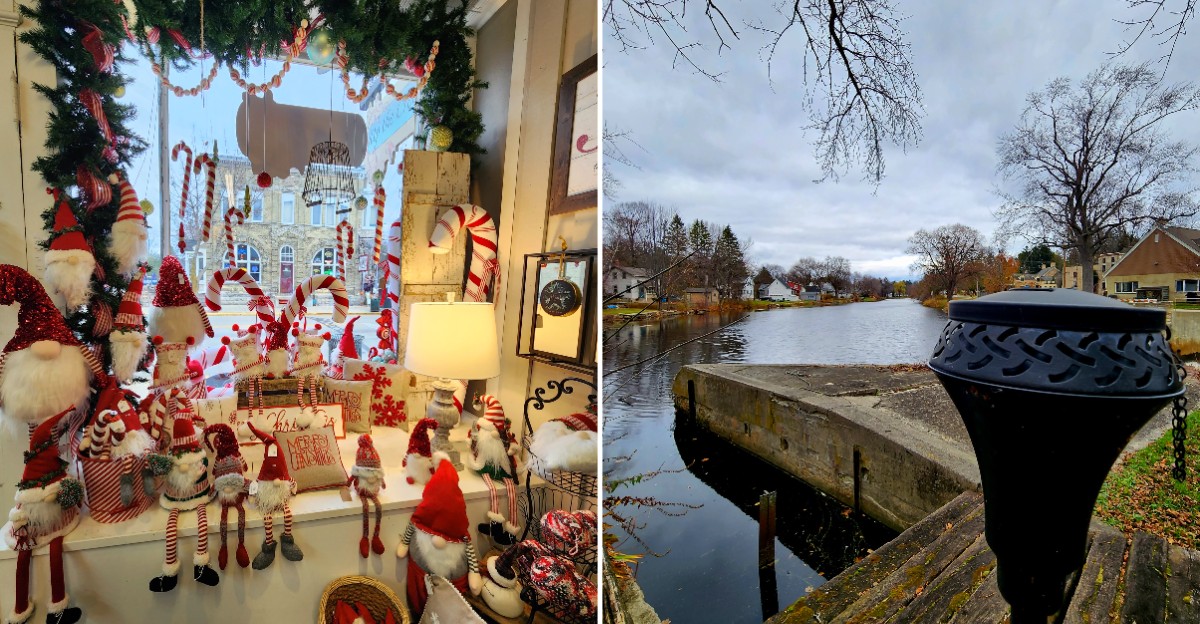
Cream-colored limestone buildings line one main street, including a former stagecoach inn dating to 1853. Guests still sleep there today, which feels a little like time travel with breakfast included.
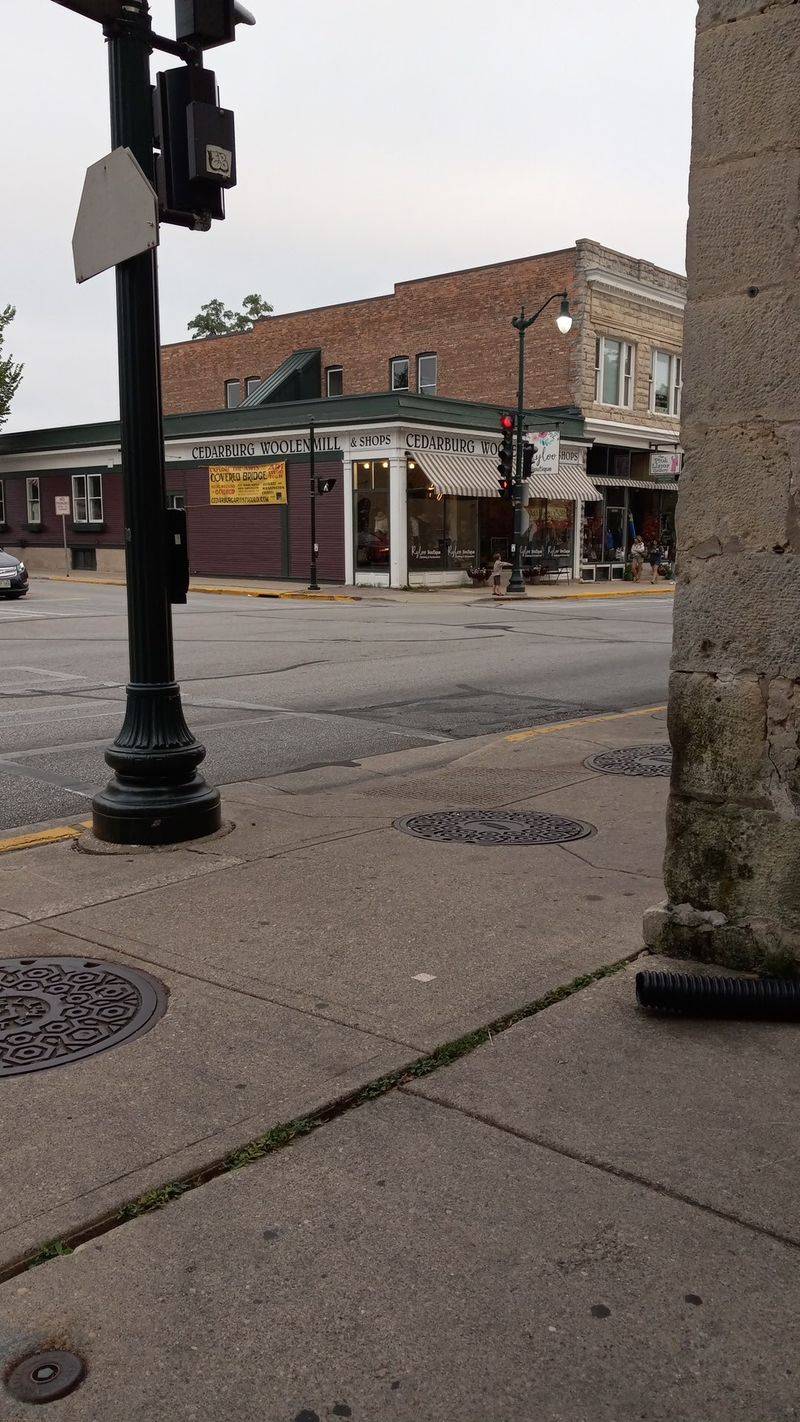
The same street sits beside a creek where an 1864 woolen mill now holds more than 20 shops and galleries. Each harvest season brings a floating giant pumpkin regatta, and yes, people really race pumpkins on water.
I can see why folks call this place the Hallmark of Wisconsin. Old stone, bright leaves, candy shops, and a covered bridge nearby make the comparison almost too easy.
I appreciate that it doesn’t feel frozen in time, either. Real shops, cafes, and neighbors keep it lively. And when autumn colors settle over those limestone storefronts, even an ordinary walk down Main Street starts to feel like a scene someone spent months designing for a movie.
The Nickname Fits Better Than A Cozy Flannel In October
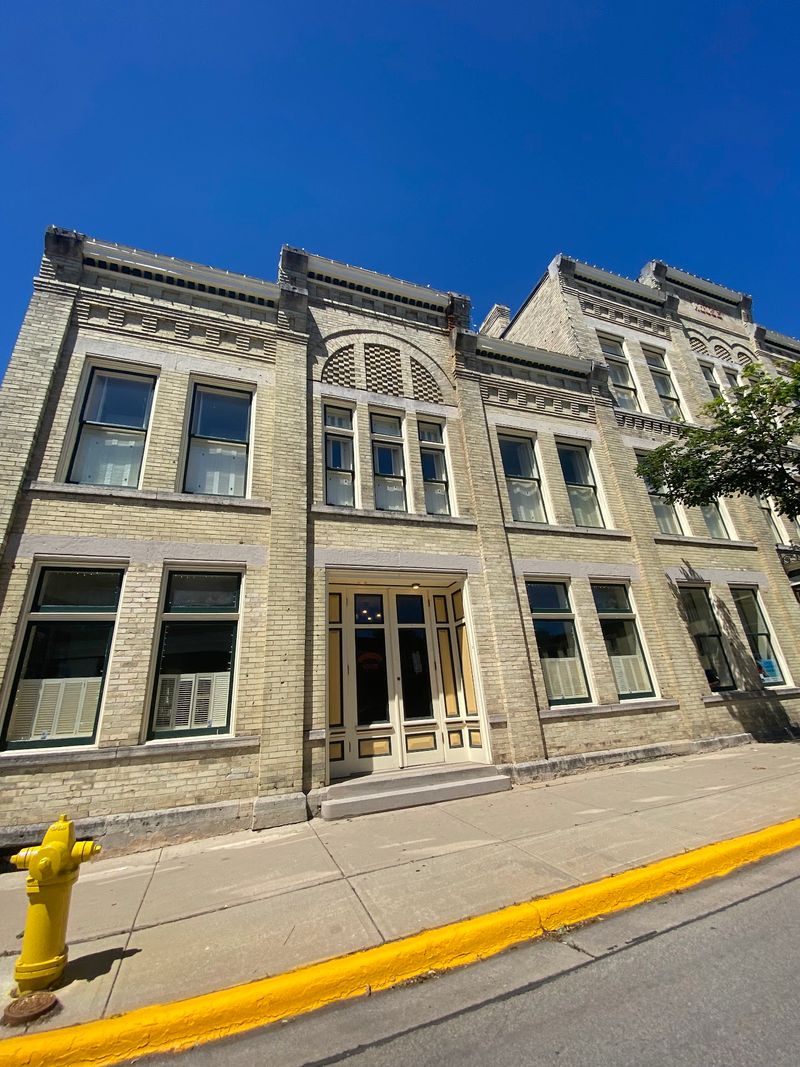
Some towns earn their nicknames, and Downtown Cedarburg (Cedarburg Historic District) wears its title proudly. People call this little city the Hallmark of Wisconsin, and one look at Washington Avenue explains why.
Restored stone buildings stand shoulder to shoulder along the street. Inside, you’ll find boutiques, artisan studios, antique shops, and specialty food stores instead of chain logos.
The real charm comes from how lived-in it all feels. Cedarburg kept its nineteenth-century character without turning into a stiff museum display.
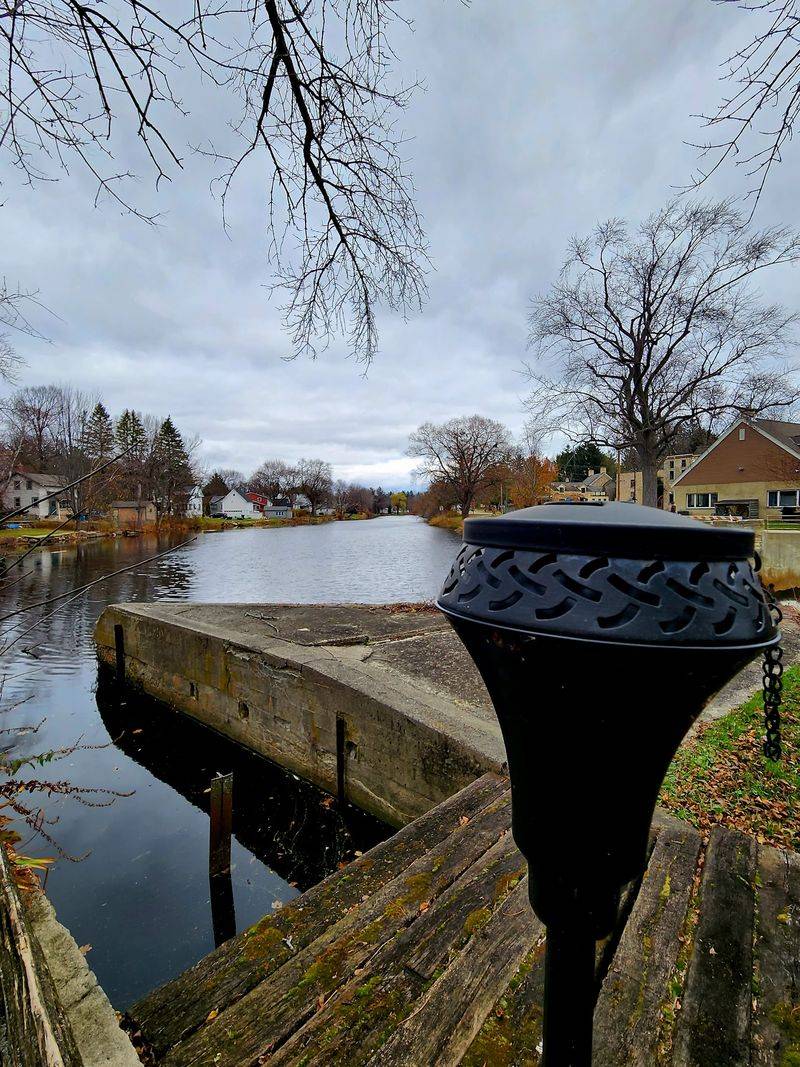
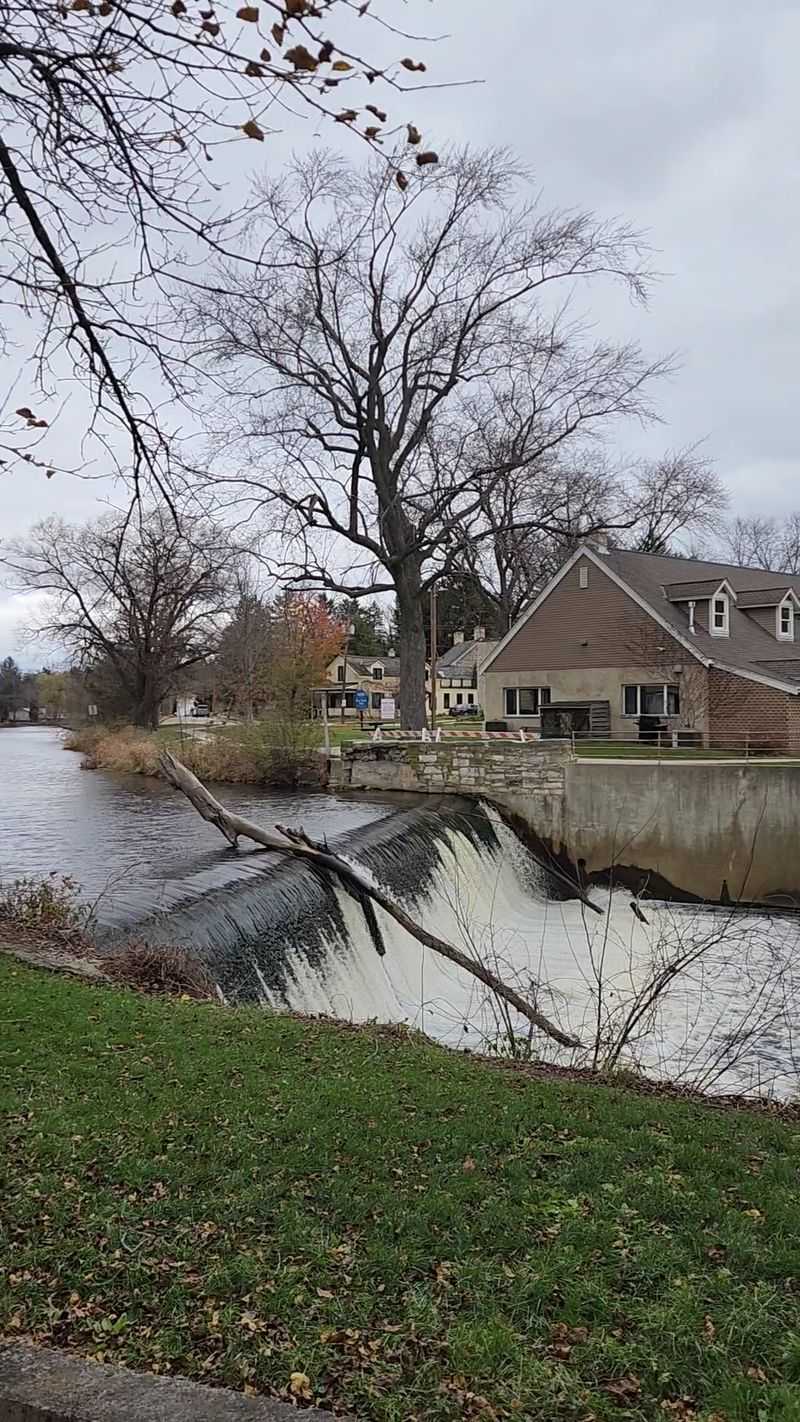
Cedar Creek winds right through the heart of town, adding a little water-and-stone drama to the scenery. Walkable blocks mean you can park once and wander for hours.
Autumn turns the whole place up a notch. Southern Wisconsin color usually peaks in mid-to-late October, so plan around those weeks for the best leaf show.
That timing matters if you want the full movie effect. Earlier visits still bring crisp air, but the golden trees against limestone are the real headliner.
Bring comfortable shoes and a loose schedule. This downtown rewards slow strolling, window shopping, and the occasional unplanned stop for something sweet.
Every Stone Wall Here Has Been Practicing Its Close-Up Since The 1840s
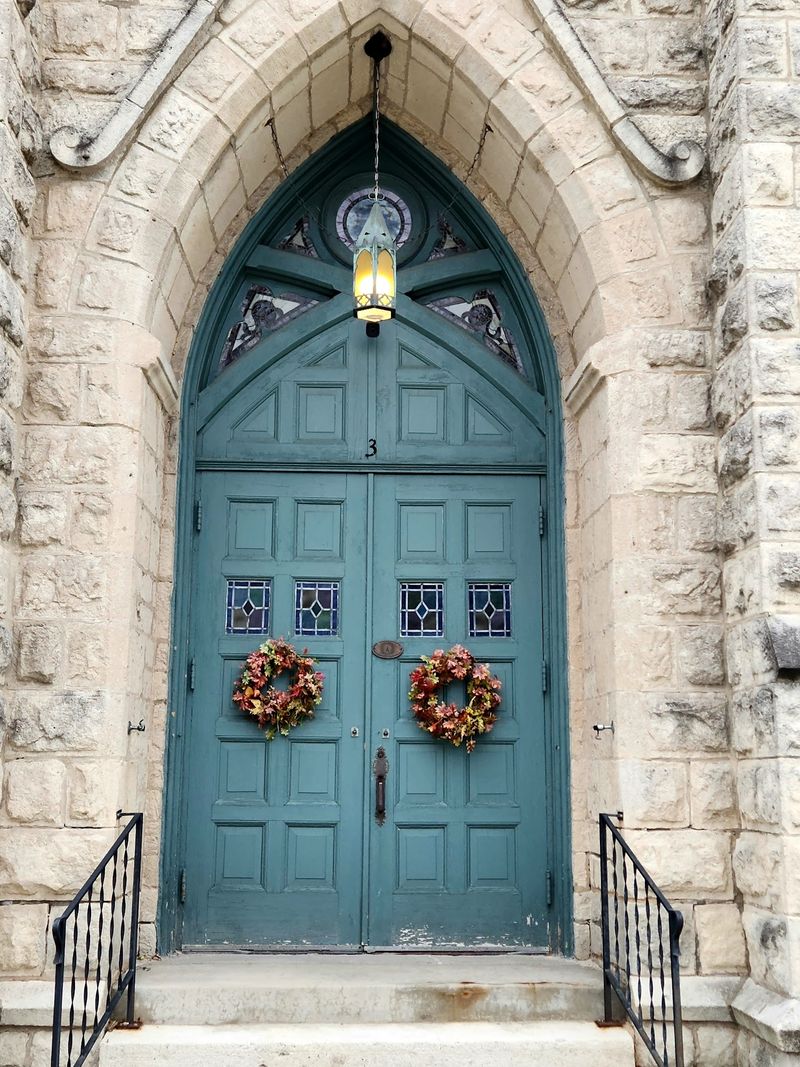
More than 200 historically significant buildings fill Cedarburg. That’s a lot of history for a small city about 20 miles north of Milwaukee.
Many of these structures went up between the 1840s and early 1900s. Builders used locally mined limestone and fieldstone, which explains that warm, sturdy look.
Architecture fans can play spot-the-style while they walk. Greek Revival, Italianate, Queen Anne, and Commercial Vernacular designs all appear along the district’s streets.
Want a showstopper? The Cedarburg Mill rises five stories in limestone and dates to 1855, when it began as a grist mill. Today, that same building houses Landmark Feed, Seed and Supply. It’s a nice reminder that old buildings can still have day jobs.
Then there’s the 1908 Cedarburg Fire Station, City Hall, and Jail. Its five-story hose-drying tower looks like it belongs on a storybook cover.
The 1894 Lincoln Public School now serves as the Senior Center. Even the town’s schoolhouse got a second chapter instead of a wrecking ball. Snap photos in the late afternoon if you can. Soft fall light makes all that old stone glow like toasted bread.
An Old Woolen Mill Now Spins Shopping Instead Of Yarn
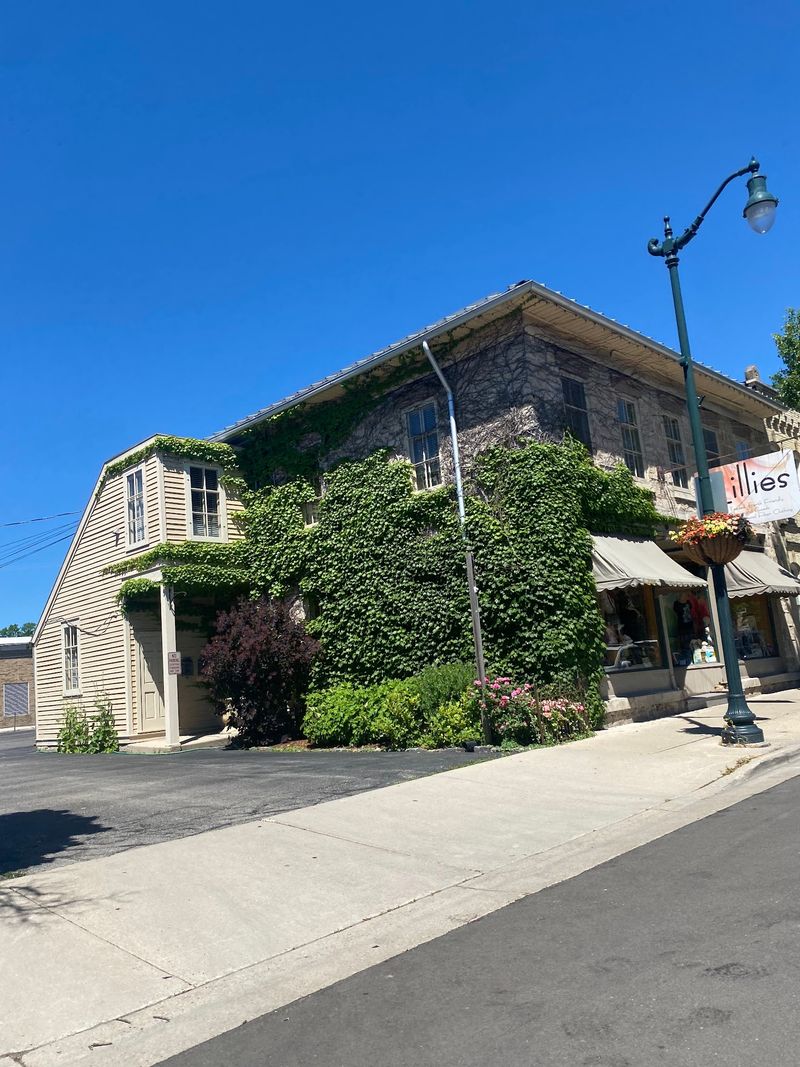
Back in 1864, workers turned wool into fabric inside a stone mill beside Cedar Creek. Today, that same building is Cedar Creek Settlement, and it’s packed with far more fun than looms.
The restored mill holds more than 20 specialty shops, art galleries, and restaurants. It sits at N70 W6340 Bridge Road and appears on the National Register of Historic Places.
Multiple levels give the place a treasure-hunt feel. You can drift from handmade crafts to jewelry, pottery, clothing, and unique gifts without stepping outside. That comes in handy on a chilly October afternoon. When the wind picks up, the old mill becomes your cozy indoor detour.
Hungry shoppers have options here too. Anvil Pub & Grille serves meals in a historic blacksmith shop setting, which adds some extra old-time character to lunch.
Give yourself at least an hour or two for this stop. Rushing through a building this full of nooks feels like skimming the best chapter of a book. It’s also an easy anchor for your day. Start here, then wander back toward Washington Avenue for more shops and sweets.
Your Sweet Tooth Should Have Its Own Itinerary
Caramel apples might be the official snack of fall daydreams. In Cedarburg, Amy’s Candy Kitchen turns them into a full-blown local institution.
The shop is known for its signature caramel apples and handcrafted chocolates. Grabbing one while leaves crunch underfoot feels like a scene somebody scripted on purpose.
Not into candy? Fair enough, though that’s a bold choice in this town. The Olive Sprig offers a different kind of treat. This family-owned shop specializes in infused olive oils, which make great gifts for the cook in your life.
Downtown also has plenty of locally owned cafes and specialty food shops. You can bounce between bakery-style stops and gourmet markets without ever leaving the historic blocks.
Here’s a smart move for autumn visits. Buy treats near the end of your stroll so you’re not juggling bags and caramel at the same time. Sticky fingers and antique shops are not a winning combo. Trust the plan, keep napkins handy, and save the big candy haul for last.
Your future self, sitting in the car with a chocolate stash, will be very grateful.
A Mansion Full Of Art Is Just Steps From The Shops
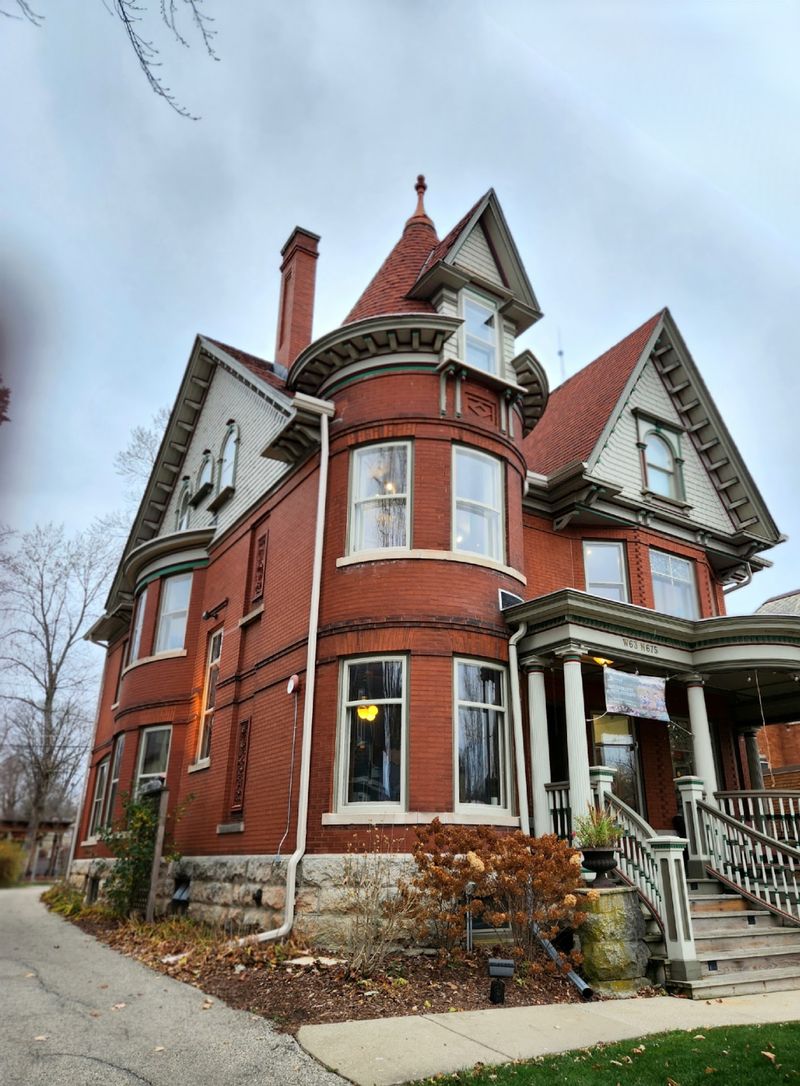
Art museums don’t usually live in houses with porches and personality. The Cedarburg Art Museum breaks that rule inside the 1898 Wittenberg-Jochem Mansion on Washington Avenue.
Its collection focuses on Wisconsin art, with special attention to Cedarburg and the surrounding area. You get local stories told through paint and canvas instead of plaques alone.
History buffs should also stop at the Cedarburg History Museum and Visitor Center. It sits on Columbia Road near Washington Avenue, so it’s an easy add-on.
Photographs and displays there introduce the town’s past in a quick, friendly way. Staff also share current details about local attractions and events.
Then there’s the Cedarburg Cultural Center, which keeps things fresh all year. Art exhibits, music, performances, classes, and local history programs rotate through its calendar.
Check what’s happening before your trip. A concert or new exhibit could become the surprise highlight of your autumn day.
These three spots work well as a rainy-day backup too. Fall weather in Wisconsin can switch moods fast, so it helps to have a cozy indoor plan ready.
Pumpkins Go Sailing When The Harvest Festival Rolls In
A floating giant pumpkin regatta is exactly as wonderful as it sounds. Cedarburg’s big September harvest festival includes one, and it might be the most delightfully odd race in Wisconsin.
The 2026 festival took place September 19 and 20 in downtown Cedarburg. Food, music, arts and crafts, and a pumpkin carving demonstration all join the lineup.
Families tend to love this kind of event for obvious reasons. Kids get pumpkins, adults get crafts, and everybody gets a story about watching squash float.
Fall fun doesn’t stop there, either. The Covered Bridge Art Studio Tour returns each autumn, giving art lovers a reason to explore beyond the main drag.
Festival weekends bring a busier downtown, so plan a little ahead. Arriving early gives you more breathing room for photos and browsing.
Want leaves and festivals in one trip? September events usually land before peak color, so you may need two visits. Honestly, that’s not the worst problem to have. One trip for pumpkins, another for golden October trees sounds like a solid autumn plan.
Sleep Where Stagecoach Travelers Once Rested Their Weary Bones
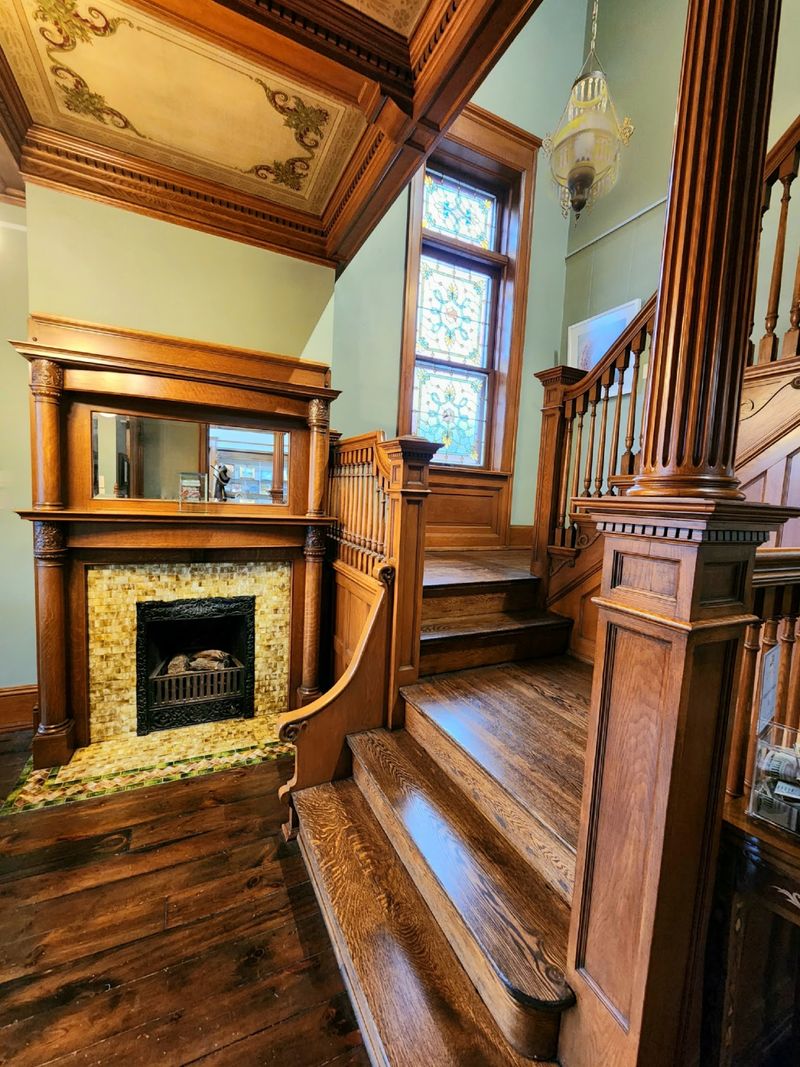
The Washington House Inn traces its history to an earlier inn established in 1846, while its present historic building dates to 1886. Today, the historic building welcomes guests as a bed and breakfast inside the Washington Avenue Historic District.
Builders used locally quarried limestone, which gives the inn that classic Cedarburg look. A restoration in 1984 brought it back to life for modern travelers.
Staying overnight changes the whole feel of a visit. You can watch downtown in the quiet morning hours before the shops even open. That’s prime time for photos of empty streets and fall leaves. Early light on stone buildings makes a very convincing movie set.
Evenings offer their own charm too. The historic Rivoli Theatre still shows movies, so you can catch a film in a classic downtown setting.
Talk about fitting. Seeing a movie in a town that already feels like one is a fun bit of double feature energy. Book lodging early for October weekends and festival dates. Popular autumn stretches can fill up fast, and nobody wants to miss the cozy overnight option.
Bike Right Out Of Downtown To Wisconsin’s Last Covered Bridge
Wisconsin’s last remaining historic covered bridge stands about three miles north of Cedarburg. Built in 1876, it stands in Covered Bridge Park for walkers, cyclists, and pedestrians.
Wooden beams, a quiet creek, and autumn leaves create serious postcard energy. It’s the kind of spot that makes everyone suddenly care about photography.
Getting there can be part of the adventure. The Ozaukee Interurban Trail passes directly through downtown Cedarburg on its 30-mile paved route.
Bikers, walkers, and even winter skiers use this trail. That means you can enjoy a scenic ride through the area, though reaching the covered bridge requires leaving the main trail.
Pack a light jacket for the ride. Fall mornings in this part of the state can start cool, then warm up by afternoon. A snack in your bag is smart too. Fresh air plus pedaling equals a sudden, very serious hunger.
Back in town, you’ll have earned that caramel apple. Call it exercise balancing, or simply call it an excellent autumn afternoon. Either way, the bridge and trail add a fresh outdoor chapter to your downtown day.
Plan Your Visit Like The Main Character Would
German and Irish immigrants first settled here in the 1840s, and their stone legacy still shapes every block. The village was platted in 1844, then officially became a city in 1885.
Fredrick Hilgen built a gristmill on Cedar Creek after 1845. With partners, he added sawmills, planing factories, and woolen mills that powered the town’s growth.
The railroad arrived in 1870 and opened bigger markets. By 1986, the Washington Avenue Historic District earned a spot on the National Register of Historic Places.
For your map, aim for Washington Avenue, Cedarburg, WI 53012. The historic business district stretches along Washington Avenue, with shops, restaurants, and landmarks spread across several walkable blocks.
Milwaukee sits about 20 miles south, making this an easy day trip. Still, an overnight stay lets you enjoy downtown at a slower pace.
Craving a sit-down dinner? Brandywine offers seasonal dishes, a nice way to cap off a crisp day.
Wear supportive shoes, since some shops have steps. Then wander, snack, browse, and let Downtown Cedarburg (Cedarburg Historic District) handle the rest of the storyline.