
This Free-Feeling Laurel Museum Shows How Mississippi’s Pine Forests And Lumber Mills Built A Whole Town
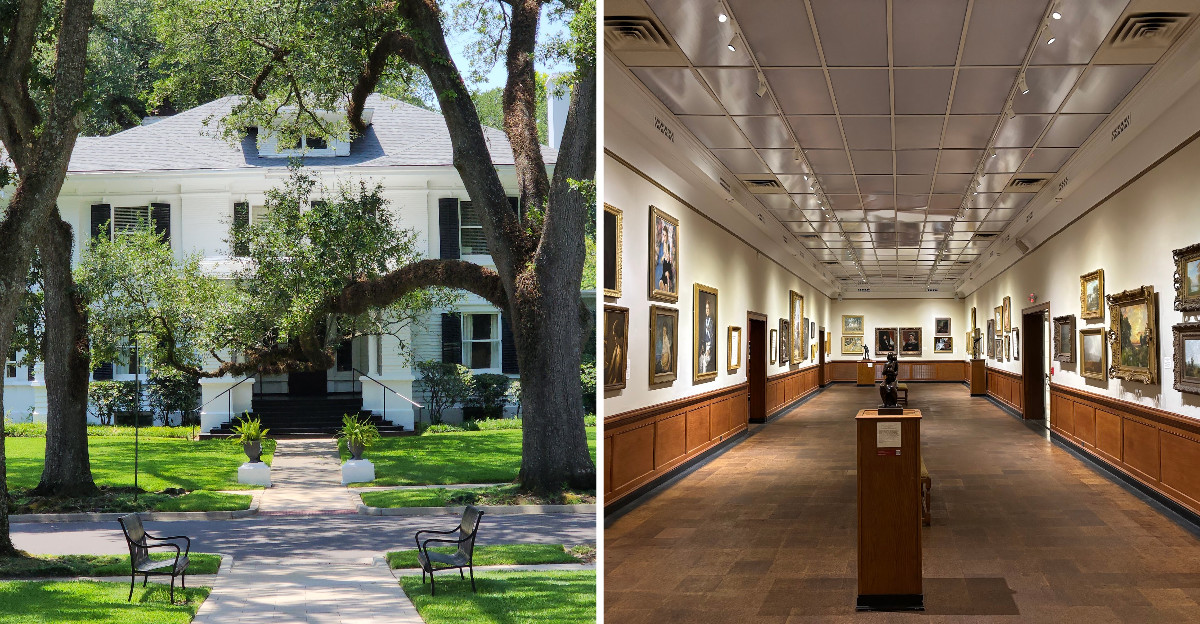
I only planned to stretch my legs and maybe find a snack before getting back on the road through Mississippi. Then a handsome old building with a quiet lawn caught my eye, and the door was open.
Inside, I found glowing paintings, delicate baskets, and the story of how pine forests and busy lumber mills built a whole town. It turned out to be the best unplanned stop of the whole trip.
An Art Museum in the Heart of the Pine Belt
Picture a leafy residential street in southeast Mississippi, lined with grand old homes. Right there, at 565 North 5th Avenue in Laurel, sits the Lauren Rogers Museum of Art.
It looks calm from the sidewalk, almost like a stately house, but it holds one of the most surprising collections in the region.
Laurel grew up as a timber town, surrounded by tall longleaf pines. The money that came out of those forests and lumber mills helped shape the town, and this museum is one of its most lasting results.
Walking in, you feel that link between the woods outside and the art within.
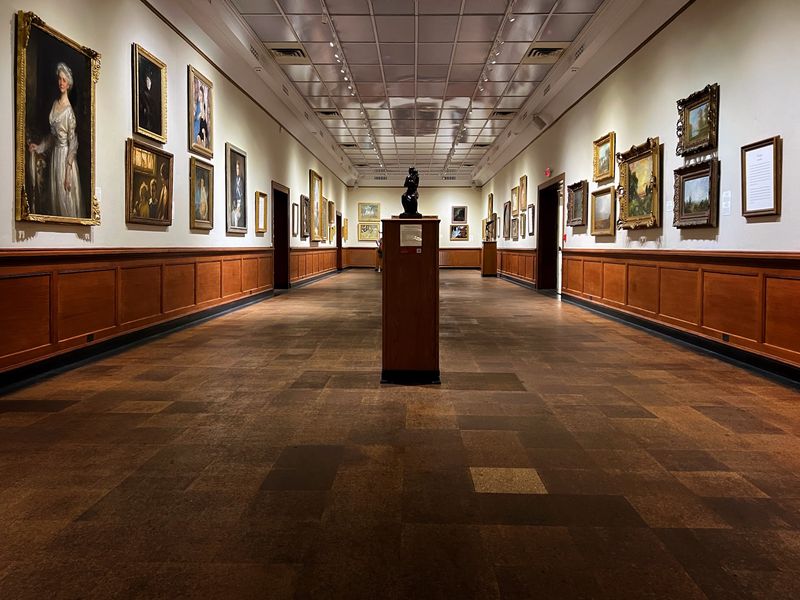
What exactly will you find? Paintings, sculpture, textiles, mixed media, a well-loved gallery of Native American baskets, and a gleaming collection of antique silver.
Rotating exhibits keep things fresh, so the rooms change from one visit to the next.
Many visitors arrive expecting a small-town gallery and leave a bit stunned by the quality. The space is not huge, which is part of its charm.
You can see it all in an afternoon without feeling rushed or worn out, and still feel like you learned something real about art and about this corner of the South.
Lumber Money and a Young Man Remembered
Around the turn of the 20th century, Laurel was booming. Large-scale timber and lumber mill businesses brought serious wealth to a handful of families, and some visitors compare that era to the world of the Vanderbilts.
Grand homes rose along the streets, and big plans followed.
Lauren Rogers belonged to one of those families. He graduated from Princeton and was ready to step into the family business, only nine months after his wedding.
Then, suddenly, complications from appendicitis took him from his family far too young.
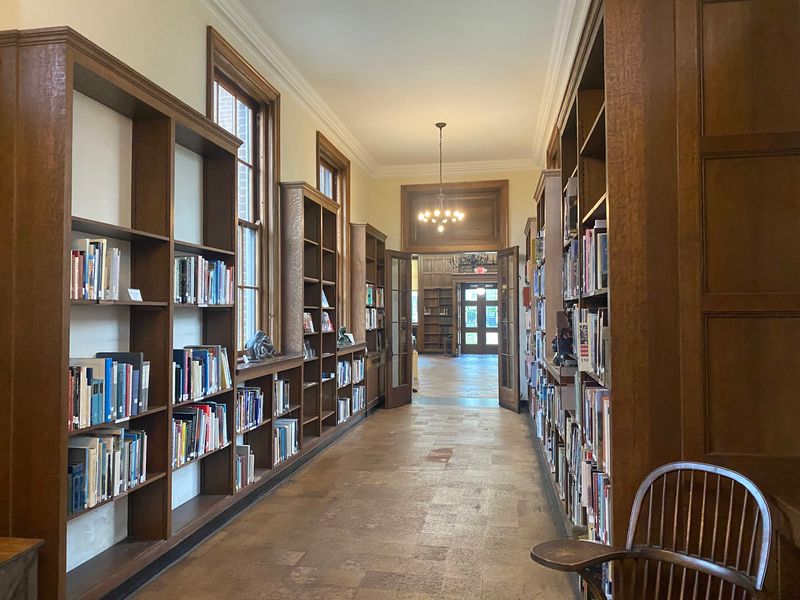
Out of that grief came something generous. His family founded the building in his memory, first as a public library for the town.
Over the years, acquisitions and expansions turned it into the art museum people visit today.
Knowing that backstory changes how the rooms feel. Many guests mention that learning why the museum was built made the whole visit more meaningful.
It stands as a memorial, yes, but also as a gift to every resident and traveler who walks through the door.
Fun fact: books are still part of the place. Guests can sit down with a volume and read, a gentle nod to its library roots.
Woodwork Worthy of Its Own Gallery
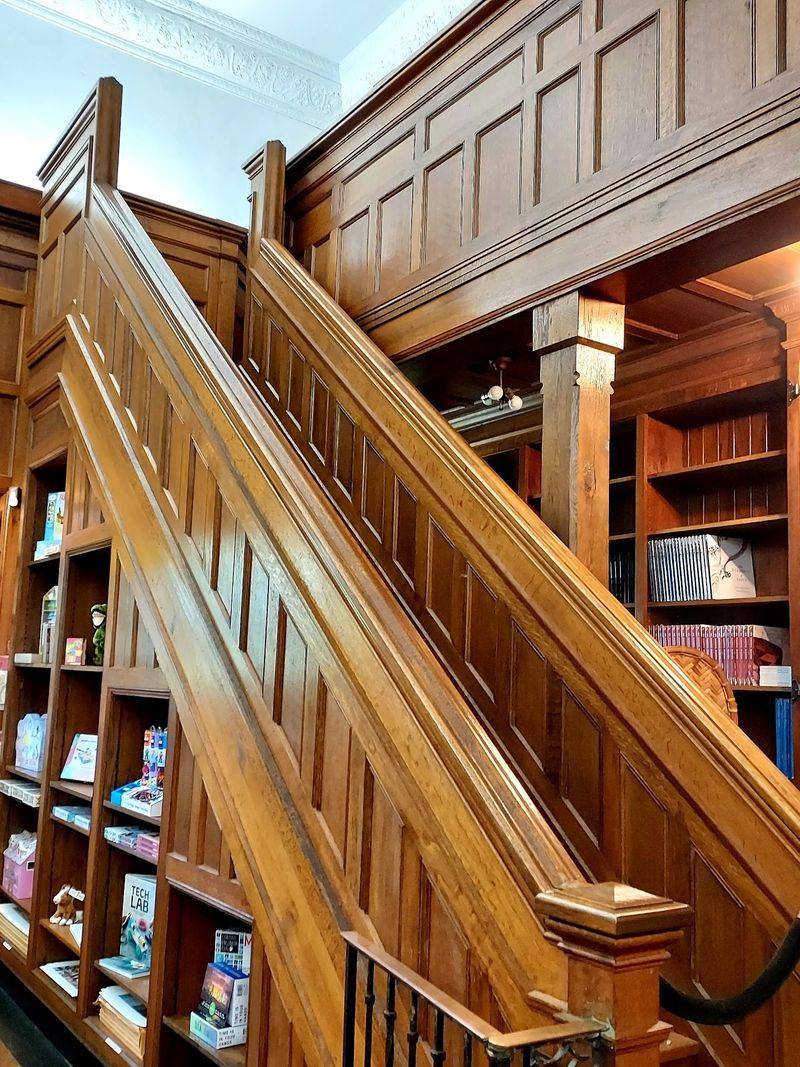
Look up. Then look at the walls, the doorframes, and the ceilings.
Before you even reach a painting, the building itself starts showing off.
Fitting for a museum funded by timber fortunes, the interior is famous for its stunning woodwork. Rich paneling and careful craftsmanship give the rooms a warm, glowing feel that plain white gallery walls simply cannot match.
Guests often describe the museum as a work of art in its own right.
That warmth matters. Instead of feeling stiff or formal, the rooms invite you to slow down and linger.
It feels a little like visiting an elegant family home where someone happened to hang masterpieces in every room.
The layout helps too. Visitors describe the museum as quiet and nicely arranged, with galleries flowing easily from one to the next.
You never feel lost, and there is always a comfortable spot to pause and take in what is in front of you.
If you enjoy old buildings, set aside a few extra minutes just to admire the craftsmanship. Pine woods built this town, and here you can practically see the forest turned into beauty, polished and preserved for more than a century of curious eyes.
Native American Baskets, Woven With Skill
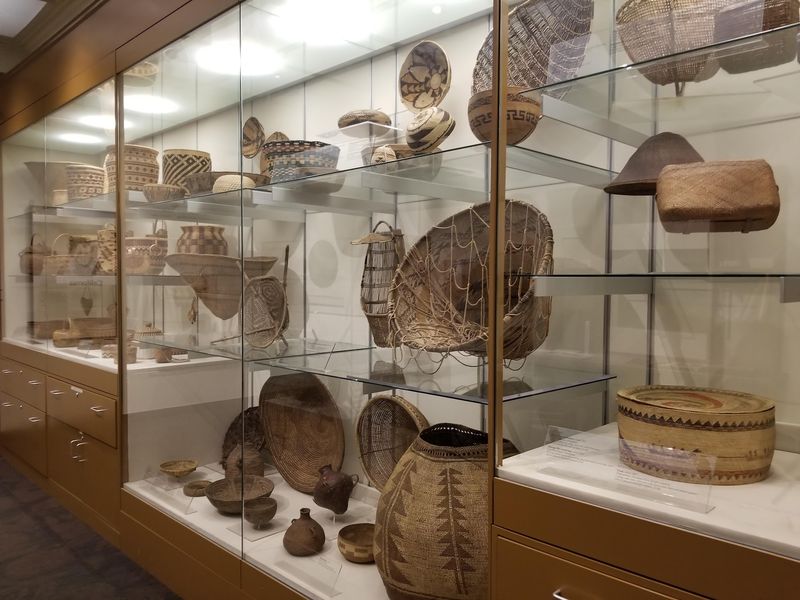
Ask a handful of visitors to name their favorite room, and many will point to the baskets. The Native American basket gallery is often called the best part of the entire collection, and it is easy to see why.
Rows of woven pieces show incredible patience and skill. Some are tightly coiled, others boldly patterned, and each one reflects the traditions of the people who made it.
Standing close, you can study how fibers loop and twist into shapes that are both useful and beautiful.
The gallery goes beyond simply displaying objects. Exhibits describe different Native American cultures from across the United States and explain the features that make each group’s work distinct.
You walk away understanding why a basket from one region looks so different from another.
For younger visitors, this room can be an eye-opener. It is a chance to see that art is not only paint on canvas, but also something people carried, stored food in, and passed down through families.
Give yourself time here. The details reward a slow look, and many guests say they kept circling back for one more glance before moving on to the rest of the museum.
Silver, Portraits, and Old-World Masterpieces
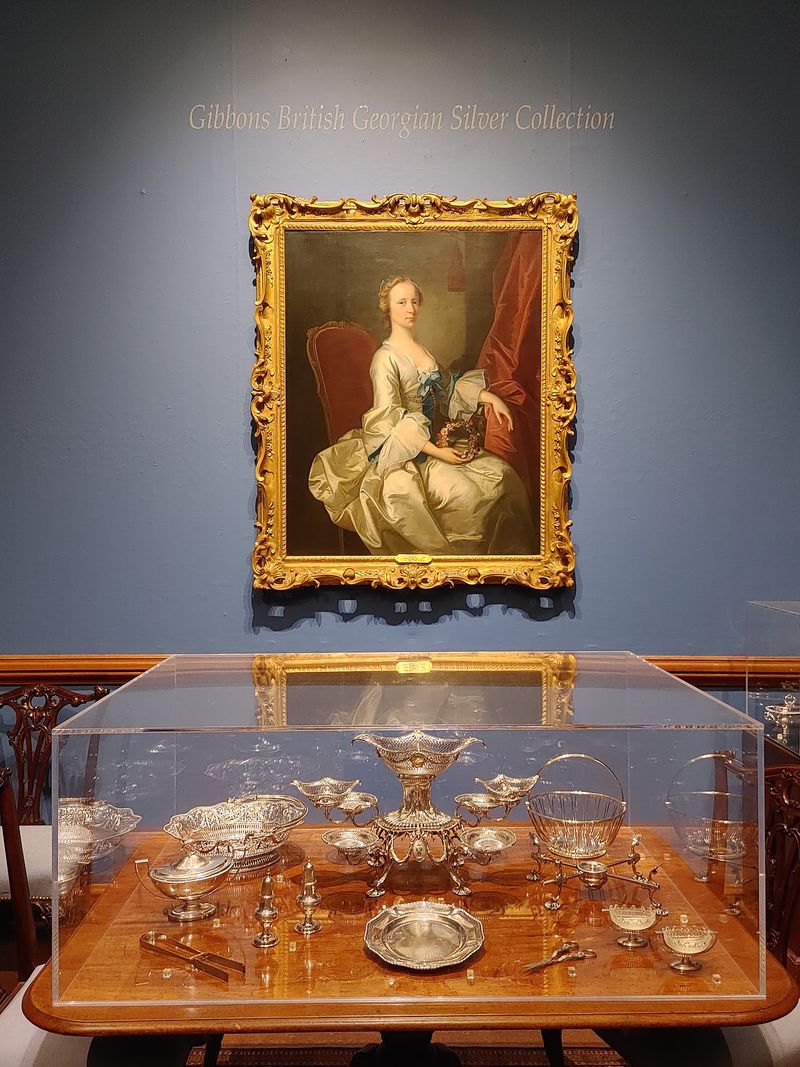
Sparkle catches your eye first. The antique silver collection, including elegant English pieces, gleams under the lights in carefully arranged cases.
Teapots, serving pieces, and finely worked objects show how wealthy households once set their tables. The craftsmanship is remarkable, with curves and engravings that reward a close look.
One small note from guests: glare on the glass labels can make reading tricky, so leaning in at an angle helps.
Beyond the silver, the walls hold a wide sweep of painting and sculpture. American art hangs near European works, and the mix includes portraits, landscapes, oil paintings, and sculpture.
Textiles and mixed media round out the variety, giving the museum an eclectic personality.
That range is a big part of the appeal. In one afternoon you can move from a stern old portrait to a sunny landscape to a sculpted figure, all within a few steps.
People who rarely visit art museums say the variety kept them interested the whole time.
Labels are well marked and informative, so you are never left guessing. Even without an art history background, you can follow along, learn a few names, and find a favorite piece to remember.
Rotating Exhibits From Van Gogh to Chihuly
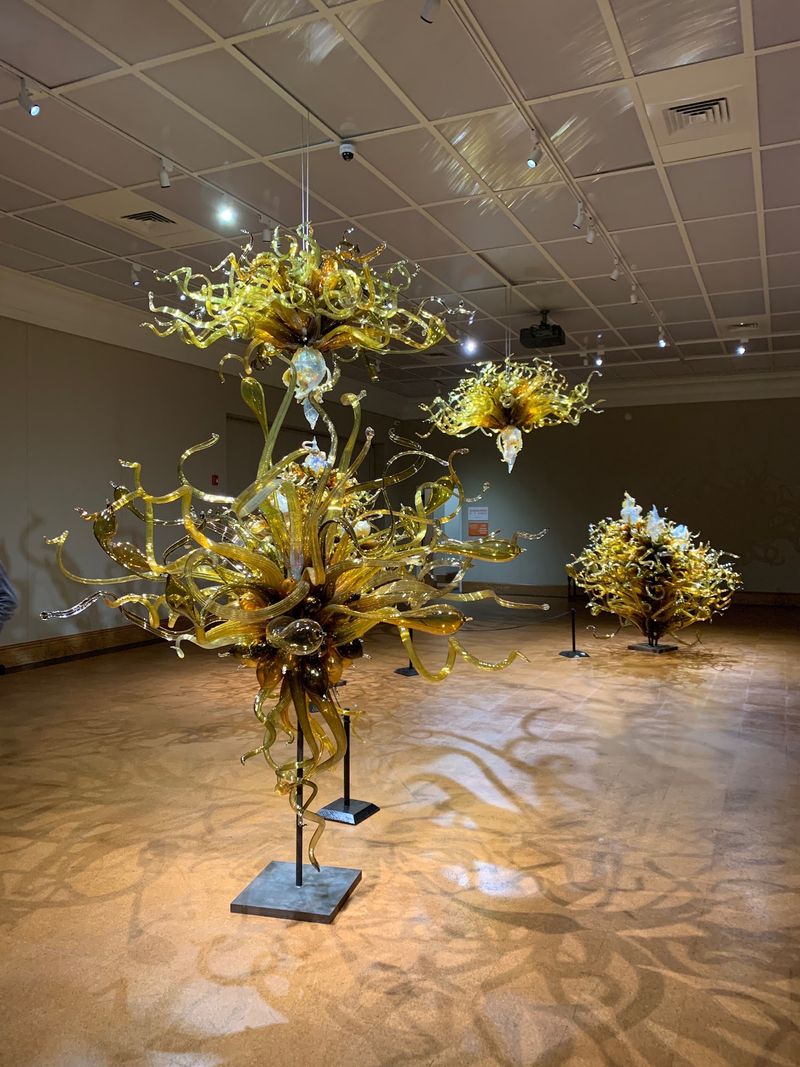
No two visits look exactly alike. Exhibits are changed out and rotated regularly, so longtime locals keep coming back to see what is new.
The traveling shows have been impressive. Past highlights mentioned by guests include a Van Gogh exhibit, a Leonardo da Vinci showcase, vintage Major League Baseball photography, and a guitar exhibit.
Families have driven over from Hattiesburg after kids came home from field trips raving about what they saw.
Then there is the glass. A visiting Chihuly collection, along with a spectacular Chihuly glass chandelier, left many guests nearly speechless.
People say photos simply cannot capture how the colors glow in person.
Hands-on fun shows up too. Block printing comes up often among visitors, and a scavenger hunt has been a hit with younger guests, turning a gallery walk into a game of searching and spotting.
Because the lineup shifts, it is smart to check the museum’s website before you go. You might catch a famous name, a playful themed show, or a local favorite.
Either way, the rotating spaces give the museum a lively feel, a sense that something fresh is always just around the corner.
A Stroll Through the Historic District
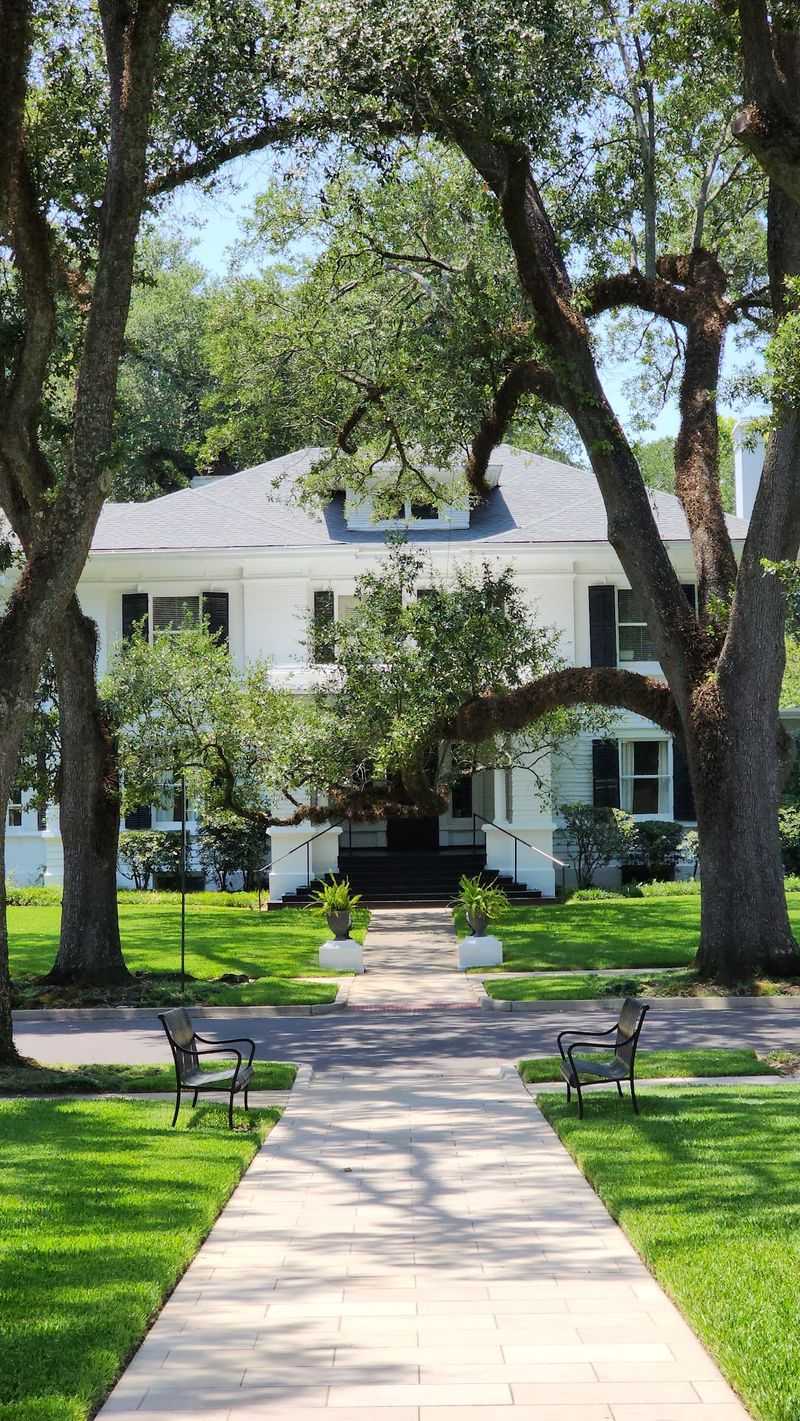
Step outside, and the history keeps going. The museum offers a free guided walking tour through the surrounding historic neighborhood, and guests rave about it.
The route covers grand historic homes and centers of worship, many tied to the same timber wealth that built the museum. Knowledgeable guides, sometimes including the museum director, share stories about the houses and the families behind them.
Visitors describe the tour as instructive, fun, and full of details you would never notice on your own.
How tough is it? The walk covers roughly two blocks and is doable for most people, with older walkers joining in comfortably.
Just watch your footing, since some sidewalks are uneven.
Pairing the tour with a gallery visit gives you the full picture. Inside, you see the art and hear the story.
Outside, you see the actual streets where that story played out, with porches, columns, and tall trees framing the view.
Some guests liked it so much that they came back on a separate day just for the tour. Others wandered the district on their own afterward.
Either way, it turns a museum stop into a small journey through Laurel’s golden age.
Calm Galleries for Every Kind of Visitor
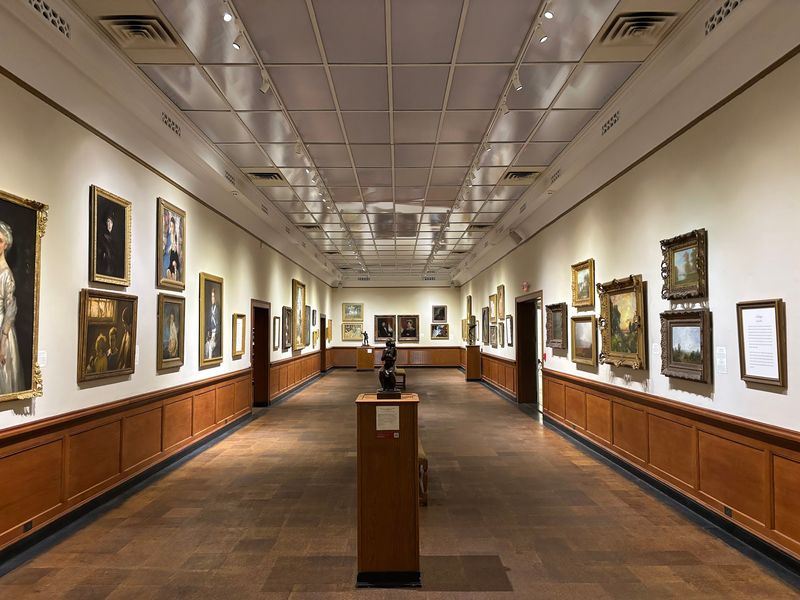
Quiet is the word that comes up most. The galleries feel calm and unhurried, the kind of place where you can actually hear your own thoughts.
Staff play a big role in the mood. Guests constantly mention how friendly, helpful, and eager to share the team is, ready to answer questions or point you toward a favorite piece.
That welcome makes newcomers feel at ease right away.
Who will enjoy it most? Art lovers, obviously, but also history buffs, families, and travelers looking for a peaceful break from the road.
Kids can take on the scavenger hunt, while grown-ups linger over portraits or baskets. People of all ages find something that clicks.
It also suits folks who think museums are not their thing. Several visitors admit they rarely visit art museums, yet left this one delighted.
The manageable size helps, since you never feel overwhelmed.
Bookworms get a treat as well, thanks to the library roots and books available for reading. A small shop sells items too, so you can take home a little reminder.
Whether you have one hour or a full afternoon, the pace bends to fit you.
Hours, Admission, and Planning Your Stop
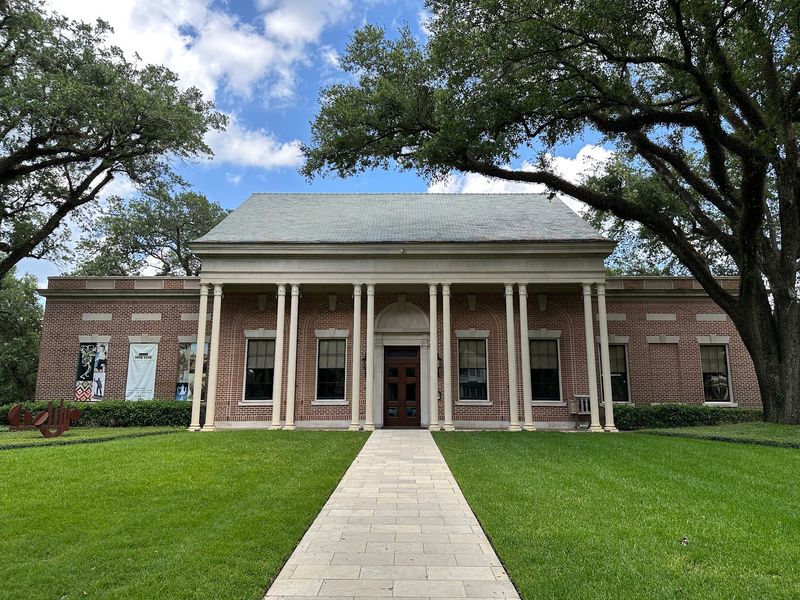
Good news first: admission is free. Donations are accepted, and some regulars like to drop a few dollars in to help support the museum, but there is no required ticket.
Timing matters, so plan around the schedule. The museum is open Tuesday through Saturday from 10 AM to 4:45 PM, and on Sunday from 1 PM to 4 PM.
It is closed on Mondays, which catches some travelers off guard.
Finding it is simple. The address is 565 North 5th Avenue in Laurel, Mississippi, in a leafy historic neighborhood not far from downtown.
If you plan to join the walking tour afterward, wear comfortable shoes for those uneven sidewalks.
How long should you stay? An afternoon works well for most people.
Start with the history videos, explore the galleries at an easy pace, and leave time for the basket room and any current traveling exhibit.
Exhibits rotate, so a quick look at the official website, lrma.org, before your trip is a smart move. You can see what is on display and check for tours or special programs.
A little planning helps you catch the shows you would hate to miss.
Why the Pine Woods Story Lingers
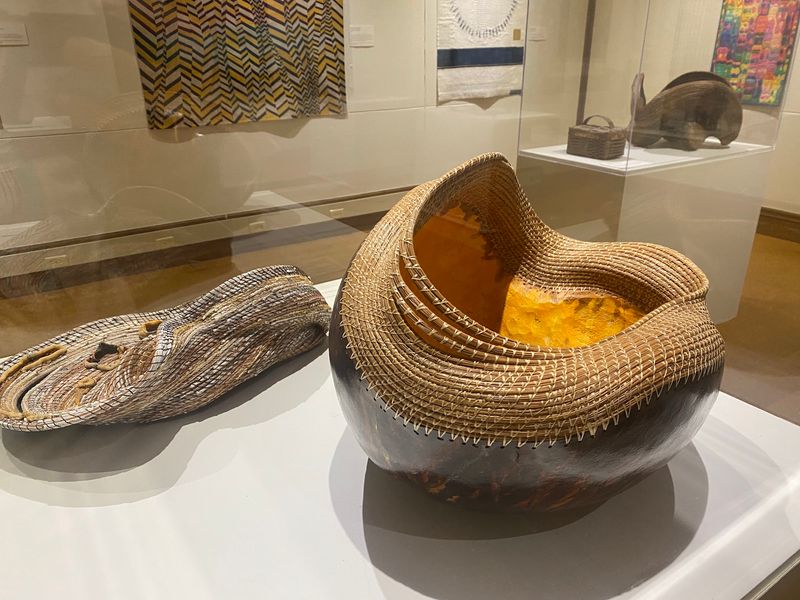
Long after leaving, the details tend to stick. A woven basket pattern, a flash of silver, the glow of polished wood, or the story of a young man remembered by a grieving family.
That mix is what makes this museum feel different. It is not only an art collection, and not only a local history stop.
It blends both, showing how pine forests and lumber mills shaped a town that, in turn, chose to share beauty with everyone. Many guests say it rivals museums that charge hefty entrance fees.
Some visitors even suggest seeing it first on any trip through the area, since other stops may feel ordinary afterward. That might sound bold, yet plenty of people leave agreeing.
The free admission, warm staff, and changing exhibits make it easy to return again and again.
If you enjoy slow afternoons, thoughtful stories, and art that surprises you, this corner of Laurel fits the bill. Bring curiosity and comfortable shoes, and save time for the neighborhood walk.
You may arrive thinking of it as a quick stop. Chances are, you will leave already planning when to come back.