
This Free Mississippi Refuge Off I-10 Has Short Trails, Bug-Eating Plants, And Some Of America’s Rarest Cranes
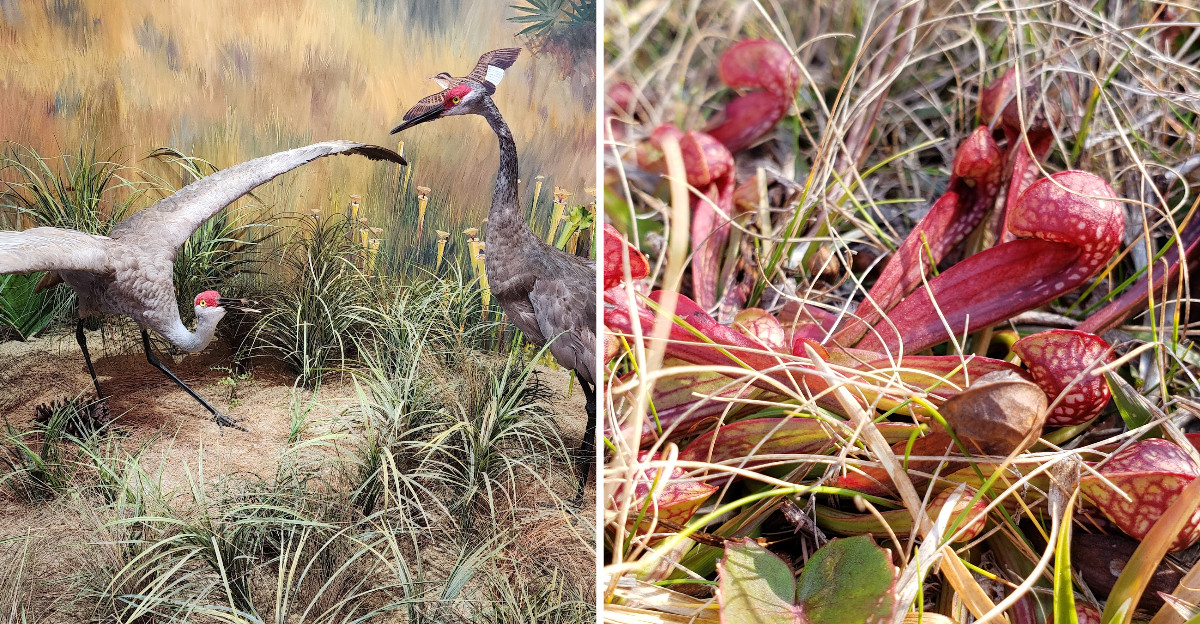
A quick exit off the interstate in Mississippi led us down a quiet lane lined with pines, and we expected nothing more than a stretch break. Instead, we found tall grasses, bug-eating plants, and the chance to spot one of the rarest birds in the country.
The trails cost nothing, the loops are short enough for small legs, and every step passes through a habitat that almost vanished. For families who love a free outdoor adventure with real wonder built in, this little refuge delivers far more than its size suggests.
A Federal Refuge a Few Minutes From the Interstate
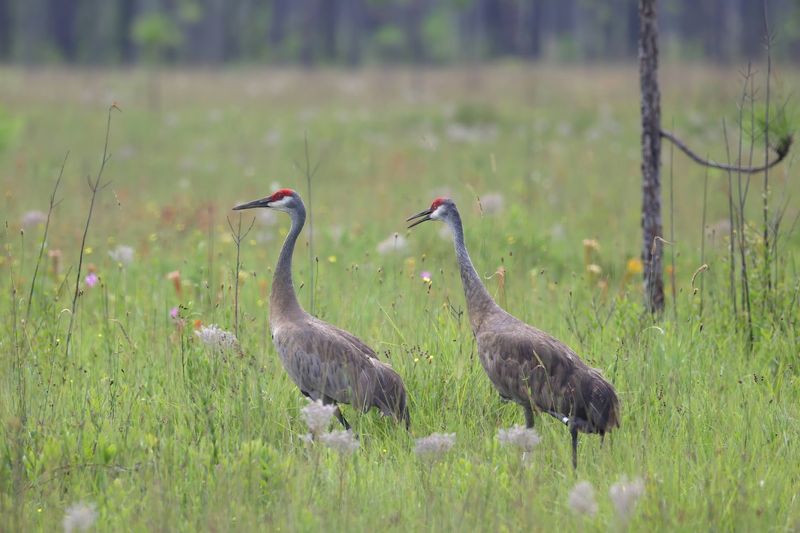
Road-trippers crossing the Gulf Coast on I-10 often zoom right past it. Tucked at 7200 Crane Lane in Gautier, the Mississippi Sandhill Crane National Wildlife Refuge sits so close to the highway that visitors call it an easy detour for anyone driving through.
The refuge is part of the national wildlife refuge system, managed by the U.S. Fish and Wildlife Service.
Its job is simple to explain and hard to pull off: protect a rare, non-migratory crane and the open, grassy pine land it needs to survive.
Families will find a visitor center, an observation deck, a picnic area, and two easy nature trails. None of the trails charge a fee, so a stop here costs nothing but a little time.
Many visitors describe it as small compared to bigger refuges, yet they keep coming back because the scenery shifts so much with each season.
Kids get room to roam and plenty to look at, while parents get a calm, low-pressure outing that fits neatly between longer drives. A quick snack at the picnic table and a loop on the trail can easily fill a relaxed hour, or stretch into a whole morning if the cranes cooperate.
From Thirty Birds to a Comeback Story
Thirty to thirty-five birds. That was roughly the entire population of Mississippi sandhill cranes back in the 1970s, a number small enough to fit on a single school bus with seats to spare.
Alarm over that tiny count led to the creation of the refuge in 1975 under the Endangered Species Act. It became one of the early efforts to protect a single subspecies along with the land it calls home.
Unlike many crane cousins that fly long distances each year, these birds stay put on the Mississippi coast all year.
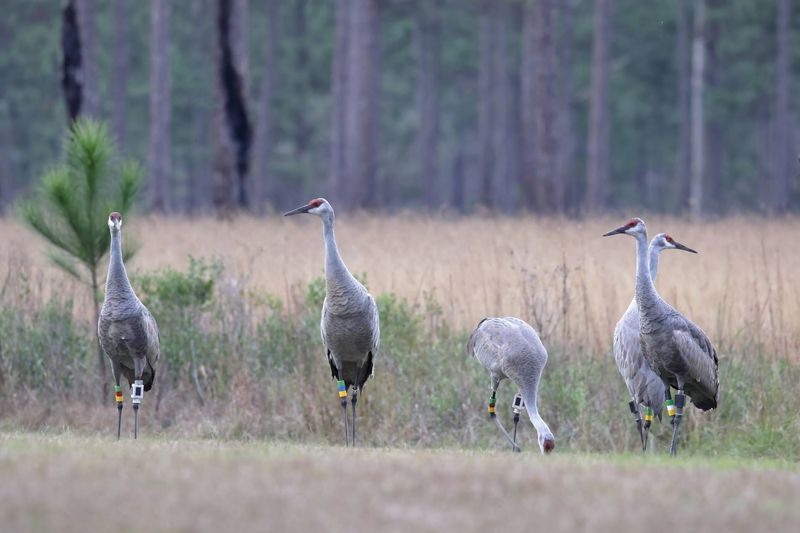
Decades of careful work have paid off. Today the population sits at around 200 cranes, a growth story kids can easily understand when you compare it to their classroom size.
Rangers and volunteers continue restoring habitat so the birds have safe places to feed and nest.
Sharing this history before a hike adds meaning to every step. Children who know how close the cranes came to vanishing tend to scan the grass a little harder and whisper a little more.
Several parents have noted that their kids left with a stronger interest in protecting wildlife, which may be the best souvenir a free outing can offer.
The Last Wet Pine Savanna in the Country
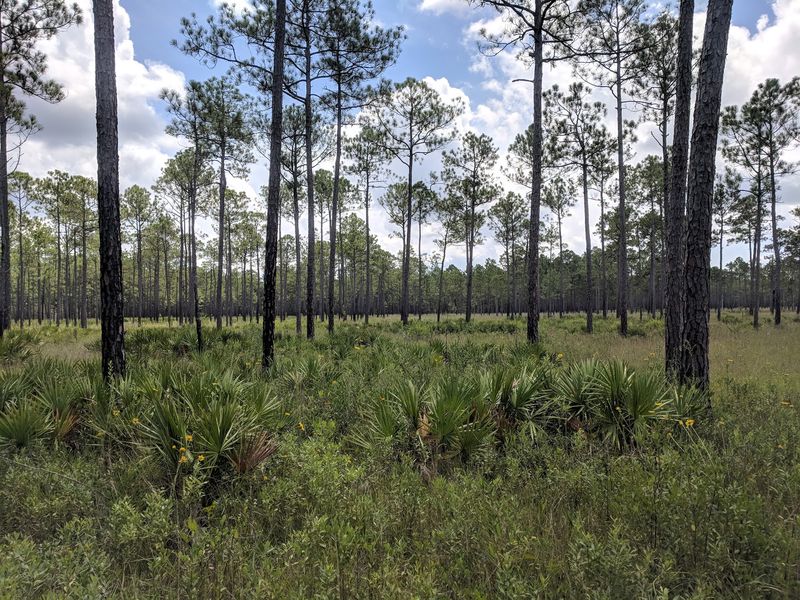
Flat, soggy, and covered in grass dotted with tall pines, the landscape here does not look dramatic at first. Yet it is something truly rare, since the refuge protects the last remaining wet pine savanna ecosystem in the United States.
What makes it special is the ground itself. The soil is waterlogged, acidic clay, which sounds unfriendly but turns out to be perfect for an amazing mix of plants.
Orchids, wildflowers, and several kinds of carnivorous plants thrive in conditions most garden plants would hate.
Fall brings a particularly bright show. One visitor who came in November described reds, oranges, yellows, browns, and greens spread across the savanna.
Others mention butterflies drifting everywhere in warmer months, and some guests arrive hoping for birds only to leave talking about the flowers.
Staff also use prescribed burns to keep the savanna healthy, and tour guests have seen fresh plants sprouting from burned areas. That is a neat lesson for kids about how some habitats actually need fire to stay balanced.
Ask them to notice the open spaces between trees, since cranes rely on that wide view to feed and stay alert.
Pitcher Plants, Sundews, and Other Bug-Eating Greenery
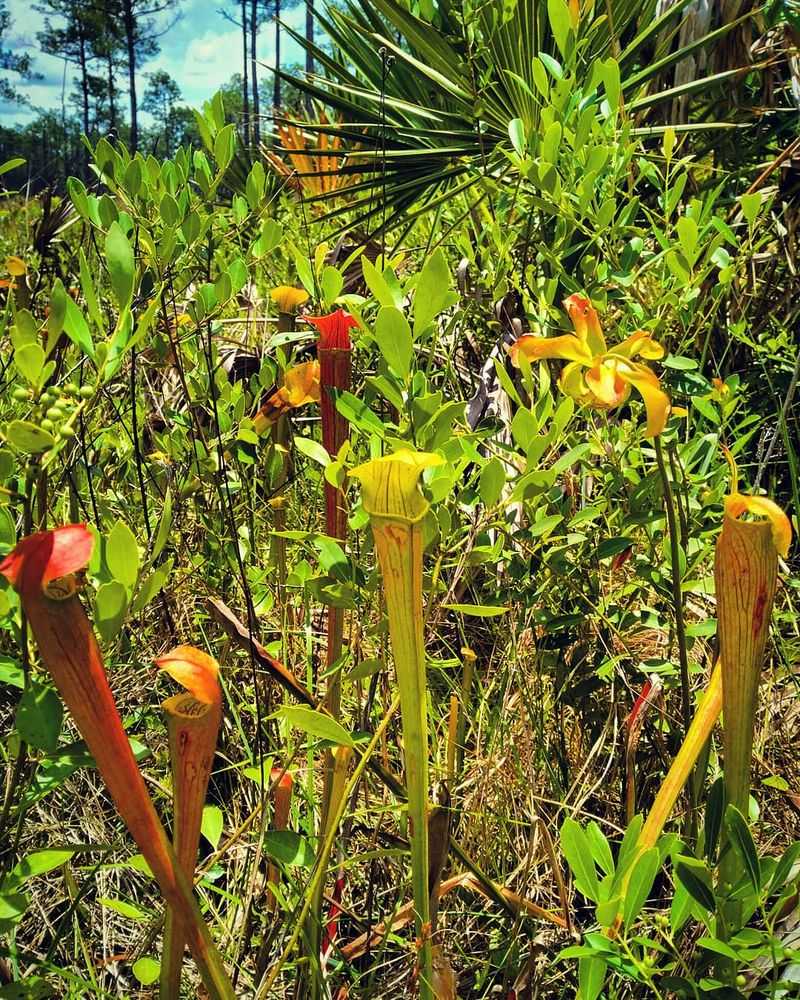
Ask any kid whether they want to see a plant that eats bugs, and the answer usually comes fast. Carnivorous plants are a big draw at this refuge, and visitors call it a very unusual chance to see them growing wild.
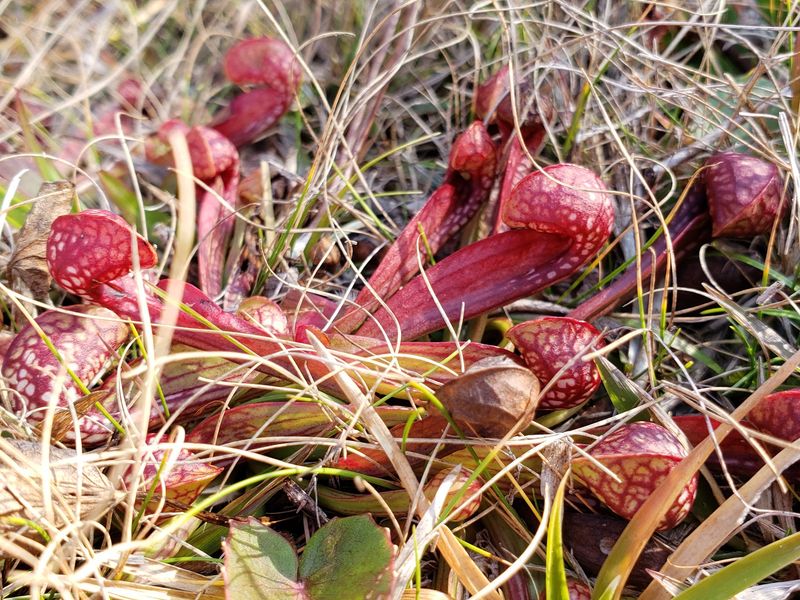
Pitcher plants steal the show. Their tall, tube-shaped leaves trap insects that slip inside, giving the plant nutrients the poor soil cannot provide.
One visitor said there were so many of them along the trail that it was hard to count.
Look closer and you may also find butterworts and sundews, which are smaller and easier to miss. Butterworts have sticky, flat leaves, while sundews sparkle with tiny gooey droplets that catch small bugs.
The C.L. Dees trail offers chances to spot these plants all year, though what you see depends on the season.
Helpful trail markers show names and pictures of specific plants, turning the walk into a living scavenger hunt. Hand kids a short checklist before you start and let them call out each find.
Remind everyone to look without touching or picking, since these plants are fragile and staying on the marked path keeps the bog healthy for future visitors.
An Easy Loop Down to Bayou Castille
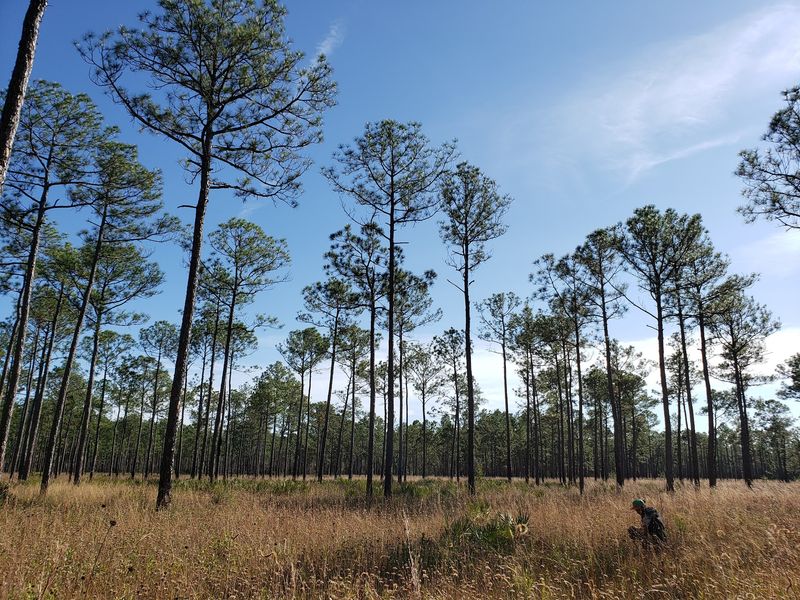
Short legs, rejoice. The C.L.
Dees Nature Trail is an easy loop of less than three-quarters of a mile, a length that works for toddlers in carriers and restless grade-schoolers alike.
Starting near the visitor center, the path winds through open savanna and pine woods before dipping down toward Bayou Castille. Visitors describe passing wildflowers, a pitcher plant bog, various birds, and a creek on the far side.
Because it is a loop, there is no worry about taking a wrong turn.
Hikers call it well maintained, peaceful, and not very hilly. A few tree roots poke across the path, so little ones should watch their feet.
One guest even spotted a pine and a small tree that had both been struck by lightning, which makes for a memorable trail story.
Plan on a relaxed pace rather than a quick march. Families tend to stop often to read plant signs, peek at the bayou, and look for deer, which a few visitors have seen near the trail.
Bring water, sunscreen, and bug spray during warm months, and count on this loop as a calm afternoon stretch that leaves everyone happily tired rather than worn out.
Fontainebleau Nature Trail and Its Views of Davis Bayou
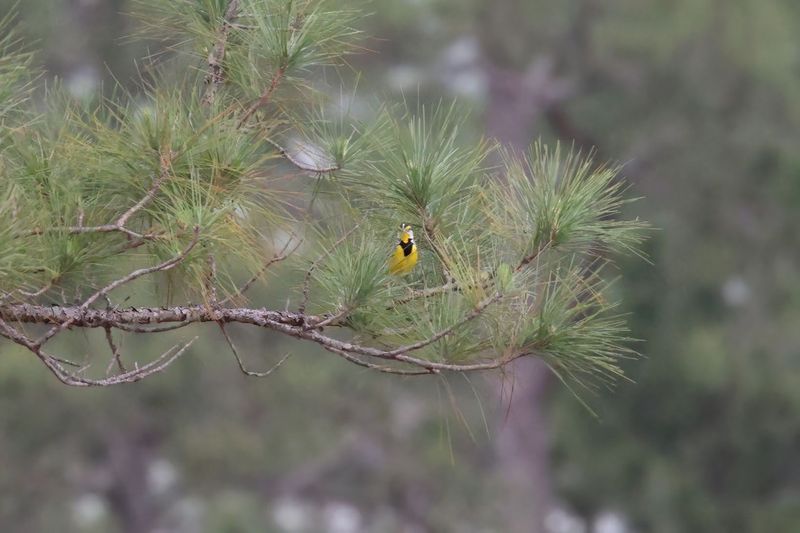
Older kids who finish the first loop and still have energy to burn can try a second option. The Fontainebleau Nature Trail runs about one mile, adding a bit more challenge without turning into a tough hike.
Expect slight changes in elevation as the path moves through pine forest. Some sections can be wet, especially after rain, so sturdy shoes or old sneakers make a smart choice.
The payoff comes with views of Davis Bayou, where the woods open up toward the water.
Compared with the shorter loop, this trail feels more like a woodland walk than a savanna stroll. That change of scenery helps kids notice how different habitats sit side by side in one small area.
Point out how the trees, ground, and sounds shift as you move closer to the bayou.
Families with very young children may prefer to stick with the easier loop, while tweens and teens often enjoy the extra distance. Leashed dogs are welcome on designated trails, which lets the family pup join the adventure too.
Pack a small towel for muddy paws and feet, and give yourselves enough daylight, since the trails stay open only from sunrise to sunset.
Timing a Crane Sighting
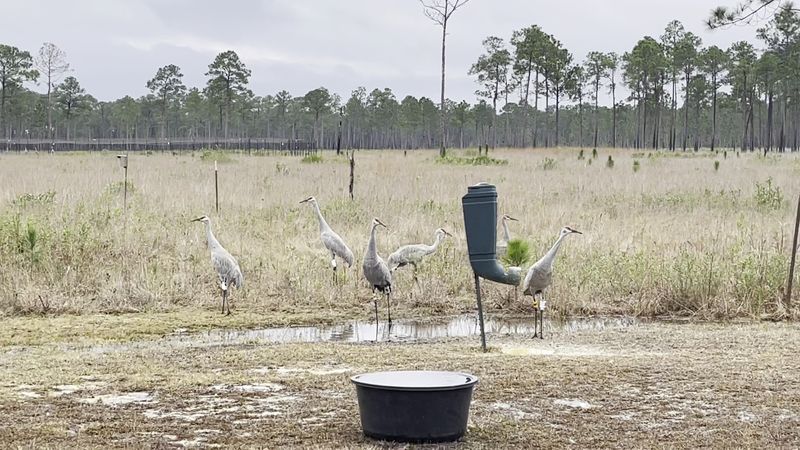
Patience matters here, and honesty does too. Seeing a crane is hit or miss, and plenty of visitors leave without spotting one, yet still say they had a wonderful time.
Fall and winter offer the best odds. During spring and summer, the birds are busy nesting and tend to stay hidden.
Since these cranes live here all year, a sighting is always possible, but cooler months bring more chances.
Early hours seem to help. One guest saw three cranes around 8:30 in the morning, while another watched several feeding near 10 a.m.
A lucky group once had nine cranes wander right onto the lawn area, and another family spotted five resting under trees as they drove back toward the road.
Keep eyes open the entire time, including on the entrance drive, since that is where some of the best surprises happen. A spotting scope behind the visitor center lets kids take turns scanning the savanna.
Turn it into a game by giving each child a section of the landscape to watch, and explain that a quiet voice and slow movements make birds feel safer. Even without a sighting, deer and other wildlife often keep things exciting.
Exhibits, a Short Film, and an Elevated Blind
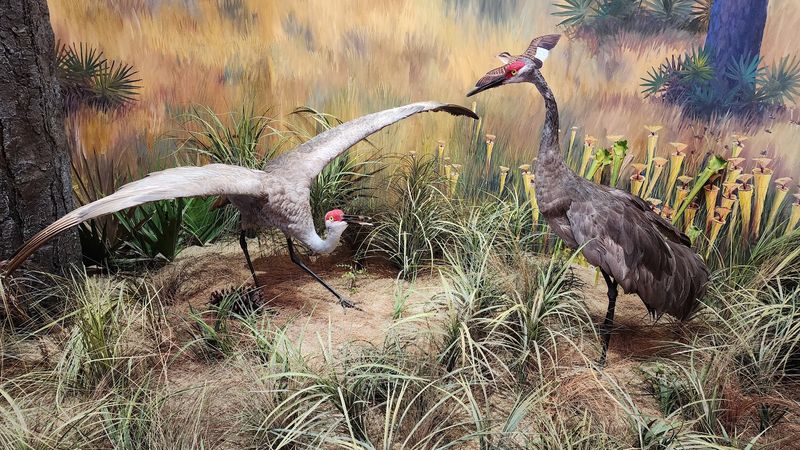
Rainy morning? Cranes playing hide and seek?
The visitor center makes a great backup plan and a strong first stop either way.
Inside, families will find interactive exhibits and plenty of infographics about the cranes and their habitat. A twelve-minute film explains the birds and the refuge, and several visitors strongly suggest making time to watch it.
The length is just right for kids who struggle to sit still.
Staff and volunteers get warm praise for being friendly, kind, and full of knowledge. They are happy to answer questions, and one group was even invited to sit in the elevated blind to look for birds.
Outside, an observation deck offers wide views across the wet pine savanna.
A family with children ages seven and nine shared that everyone enjoyed the visit and left thinking more about conservation. Starting here helps kids know what to look for on the trail, from crane shapes to pitcher plants.
Hours for the center are limited and have changed over time, with recent listings showing Thursday and Friday mornings, so call ahead at 228-497-6322 before planning your day around it.
Seasonal Guided Crane Tours
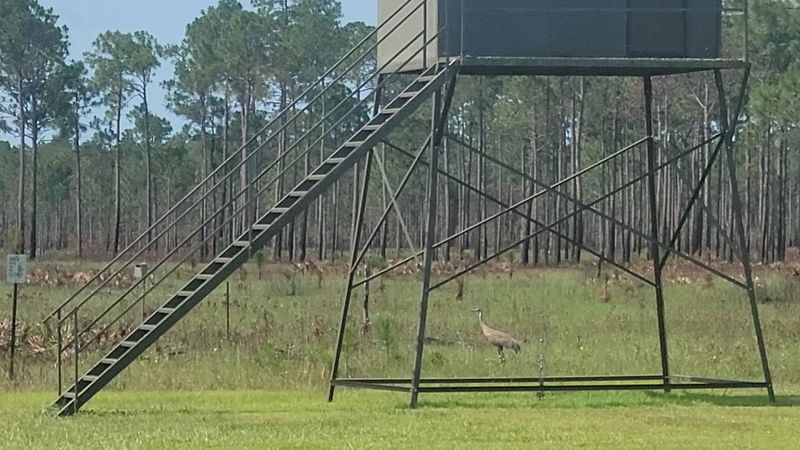
Eighteen sandhill cranes, an alligator, eagles, a deer, a snake, and ducks. That is the list one group rattled off after joining a guided tour, and it shows why these outings are so popular.
Tours usually run from late fall through late winter, matching the season when cranes are easiest to find. Guides take visitors into parts of the refuge they would not see from the public trails.
On one trip, the driver stopped to point out plants sprouting from recently burned areas, giving guests a chance to take photos.
For families, the tours take much of the guesswork out of spotting the birds. Kids get to ask experts questions in real time, and parents can relax instead of scanning every field.
Guests describe the guides as well informed and easy to talk with.
Spots and dates are not posted on a fixed schedule, so planning ahead matters. One visitor recommended checking the refuge Facebook page to learn about upcoming tours.
Calling the refuge or visiting its official website can also help. Booking a winter tour during a Gulf Coast trip could give children their best chance at seeing these rare birds up close.
Hours, Costs, and Refuge Rules
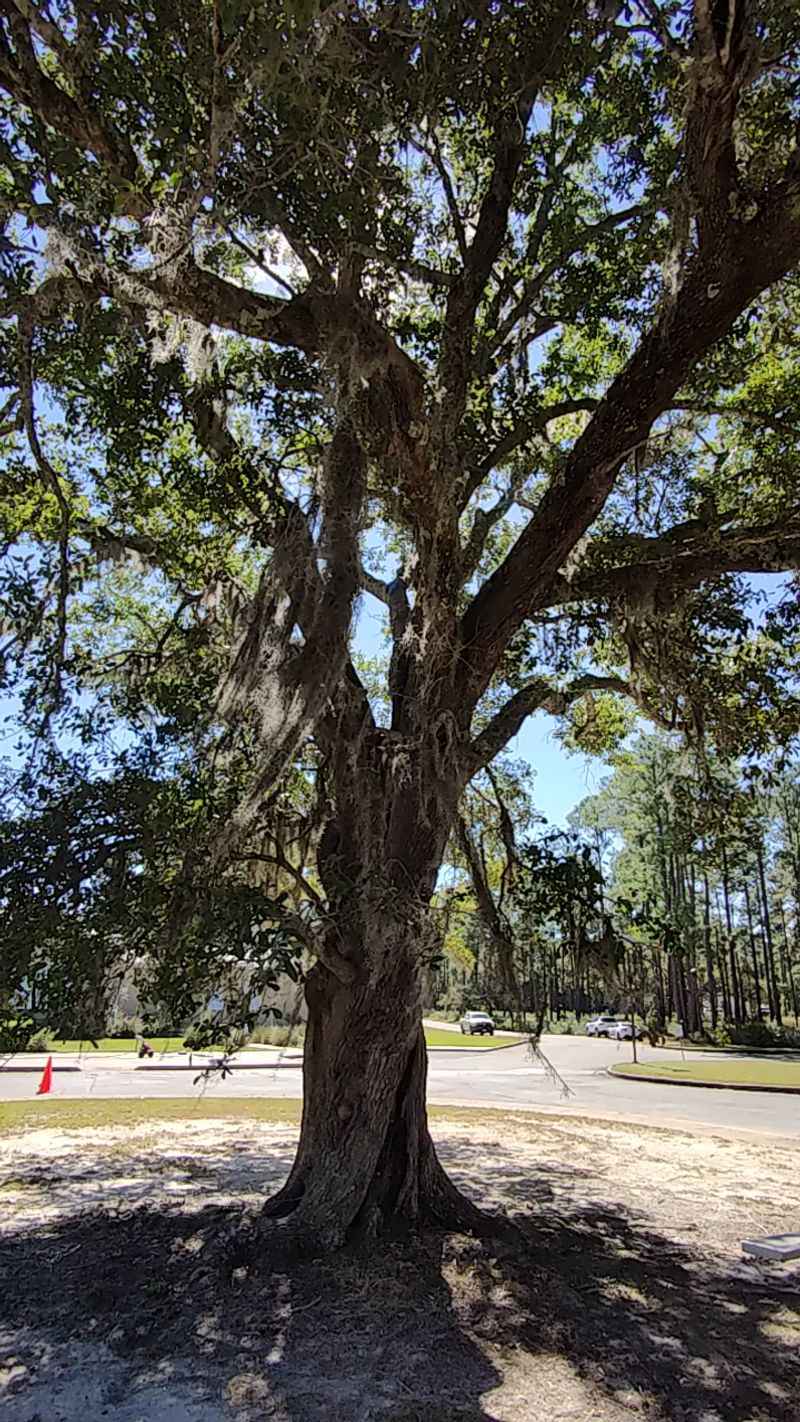
Free is the best price for any family outing, and that is exactly what the trails cost. They are open seven days a week from sunrise to sunset, so if it is light out, the gate should be open.
Keep in mind that the visitor center keeps much shorter hours than the trails. Recent listings show it open Thursday and Friday from 9 a.m. to noon, while other sources mention a wider schedule.
A quick phone call to 228-497-6322 clears up any confusion before you drive over.
A picnic area sits across from the visitor center, perfect for a packed lunch. Dogs are allowed on designated trails and visitor center grounds as long as they stay leashed.
Bikes can ride the Crane Lane entrance corridor but are not allowed on the hiking trails.
To protect the habitat, camping, fires, hunting, fishing, and trapping are all off limits. Everyone is asked to stay on marked paths.
Parking is limited, though one visitor noted there is room to turn an RV around. Restrooms and snacks are not covered in available info, so pack drinks, snacks, and a backup plan for little ones before arriving.
Why Families Keep Circling Back
One local who lives just a few miles away says they come often and find it calming every single time. That kind of loyalty says a lot about a place that charges nothing and takes only an hour or two to explore.
For parents, the appeal adds up quickly. Short, easy trails suit young hikers, carnivorous plants hold kids’ attention, and the visitor center turns a walk into a real lesson.
Add free access and an easy drive from I-10, and it fits almost any Gulf Coast itinerary.
Cranes are never guaranteed, and that is part of the charm. Children learn that wildlife lives on its own schedule, and a sighting feels earned when it finally happens.
Many visitors who missed the birds still left with full camera rolls of flowers, butterflies, and pitcher plants.
Seasons change the scenery enough that repeat trips feel fresh. Fall brings bright colors and better crane odds, winter brings guided tours, and warmer months bring blooms and butterflies.
For families wanting a calm, low-cost outing with a meaningful story behind it, this Mississippi refuge offers a simple, memorable way to spend a morning outside together.