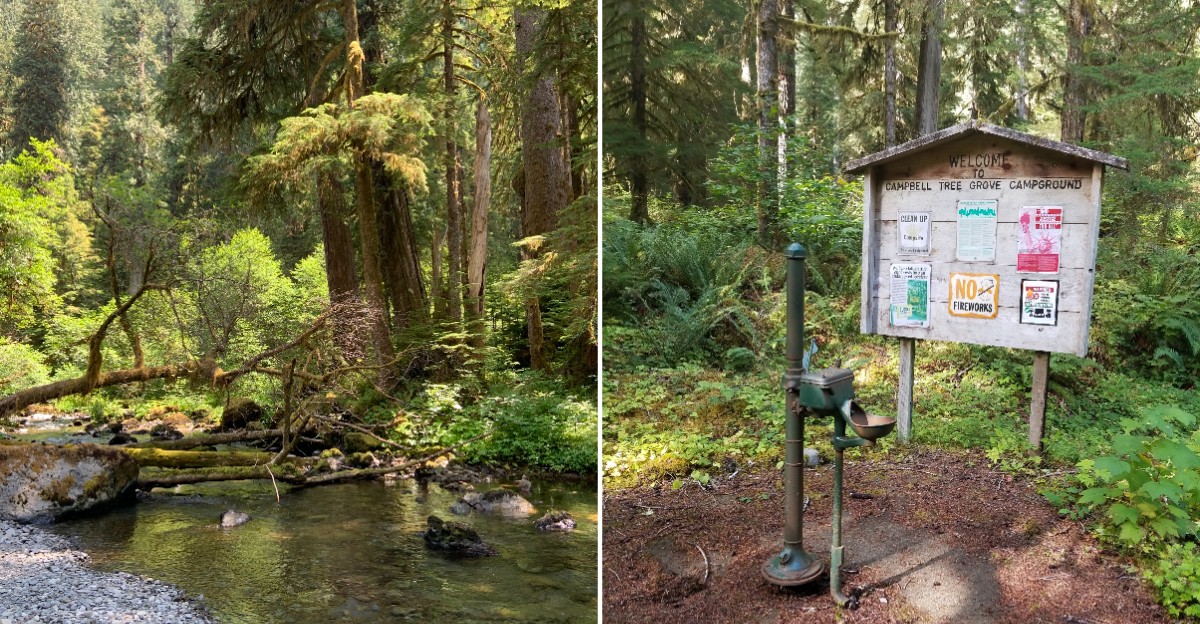
Ten campsites, zero fees, and a grove of old-growth giants waiting at the end of a long gravel road. That combination sounds almost too good to be true.
Yet it sits quietly in a Washington rainforest.
Douglas firs, western redcedars, and hemlocks crowd around each site. Thick plants separate the camps, so your neighbors feel far away.
A river runs right beside the whole setup.
I appreciate that nobody takes reservations here. You just show up, find an open spot, and claim it.
That old-school approach feels refreshing in a world of booking apps.
The catch is the drive, which takes about an hour on unpaved forest roads. There’s no drinking water and very little cell signal.
So is a free night under ancient trees worth a bumpy ride?
Free Camping Under Trees That Were Here Long Before You
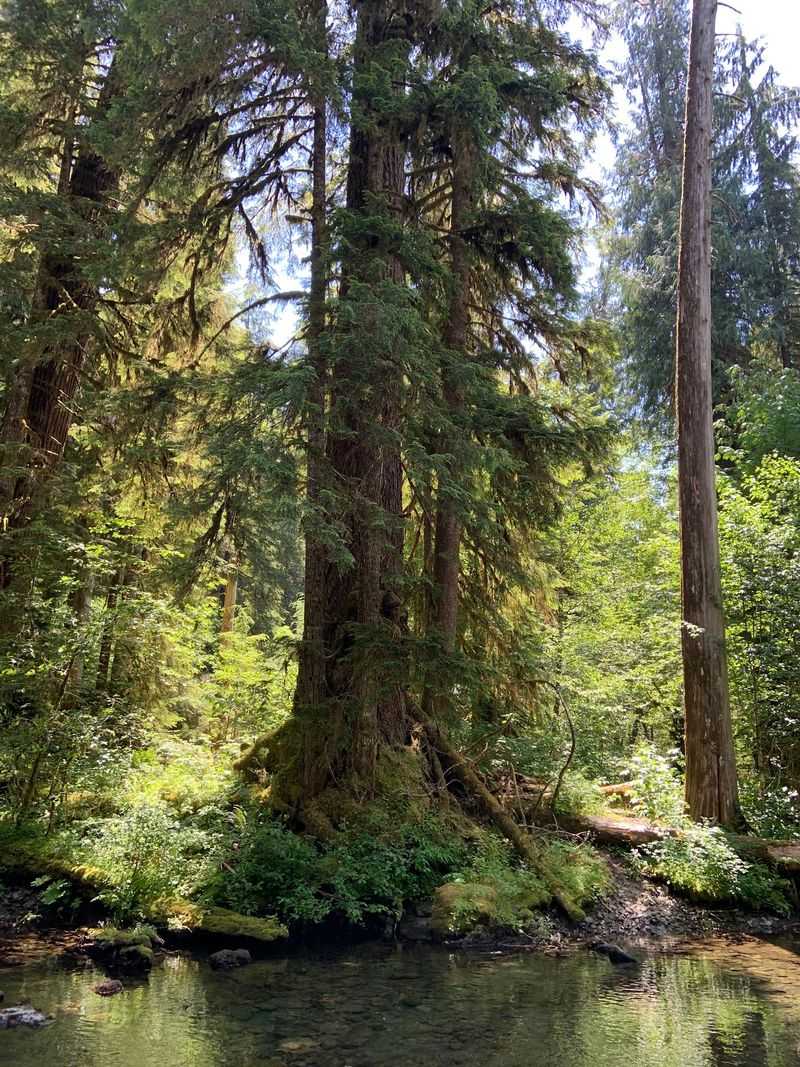
Old-growth Douglas firs tower over the campsites at Campbell Tree Grove Campground in Olympic National Forest. Western redcedars and hemlocks fill in the rest of the canopy.
The best part might be the price tag. Camping here costs nothing at all, which feels a little wild for a setting this grand.
Many campgrounds charge plenty for a patch of dirt and a view of the parking lot. Here, the forest does all the heavy lifting.
The trees are the main attraction, and they don’t ask for a dime.
The grove is considered one of the best spots in the region for anyone chasing ancient forests and giant trees. That’s high praise in a part of Washington famous for big timber.
It also tells you how special this patch of woods really is.
I’d honestly plan a trip just to stand under these trunks for an hour. Bring a camera, but expect it to struggle with the scale.
Photos rarely capture how small these giants make a person feel.
So pack your gear and your sense of wonder. The trees are ready whenever you are.
You Will Want To Arrive Early For One Of Only Ten Sites
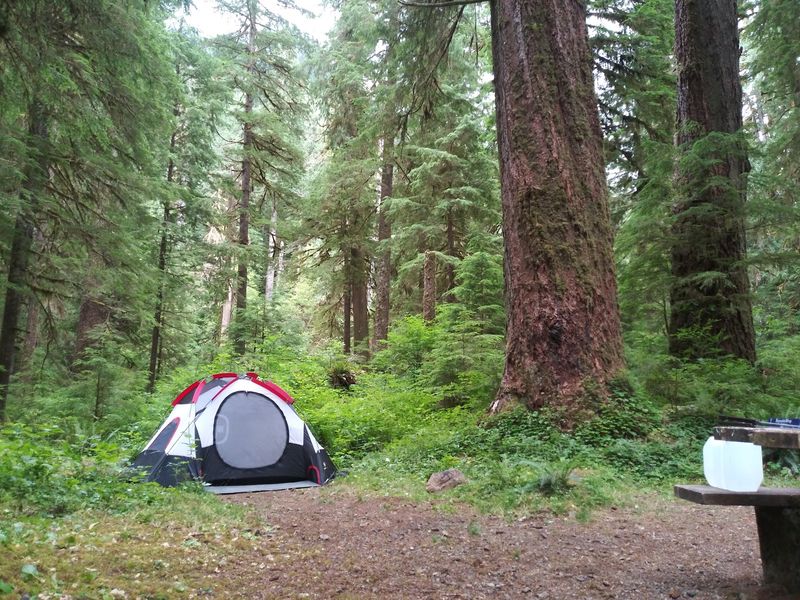
Ten campsites. That’s the whole lineup, so every spot counts.
No reservations are accepted at this campground. It runs on a first-come, first-served system, which rewards early birds and punishes procrastinators.
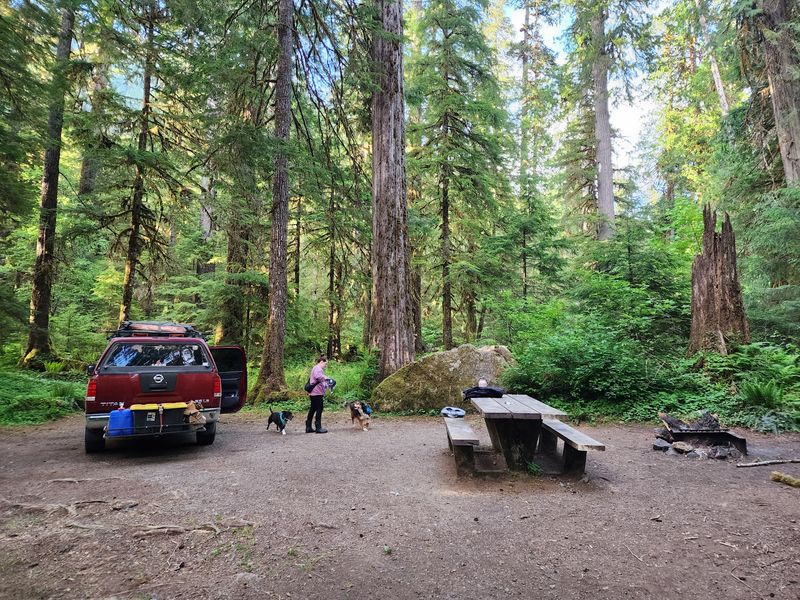
Each site comes with a picnic table and a fire ring. Parking aprons are a mix of gravel and grass.
Vault toilets and garbage cans round out the basic setup.
Privacy is a big perk here. Dense vegetation separates the individual sites, so you won’t be staring into your neighbor’s camp chair.
It feels more like your own little forest room than a crowded campground.
Small RVs up to 16 feet can fit, along with tents. Bigger rigs should look elsewhere, since the roads and sites simply aren’t built for them.
Think compact and simple.
Timing matters a lot with only ten spots. A weekday arrival gives you better odds than a Friday evening rush.
Having a backup plan nearby is also a smart move.
I like that the small size keeps things calm. Fewer sites mean fewer generators, fewer voices, and more room for the forest sounds to take over.
The Drive In Is Part Of The Adventure, Bumps Included
Getting here takes some commitment. Plan on roughly an hour of unpaved forest roads after you leave the highway.
The usual route starts on Highway 101 north from Aberdeen for about 25 miles. Then you turn right onto Forest Service Road 22, also called Donkey Creek Road, for about 8 miles.
Next comes a left onto Forest Service Road 2204 for roughly 14 more miles. After about three miles, it narrows into a single-lane gravel road with turnouts.
Patience is your best travel buddy here.
Expect potholes, possible creek crossings, and seasonal tree debris along the way. A vehicle with decent clearance makes the trip far more comfortable.
Low cars can struggle on the rougher stretches.
The campground sits along National Forest Development Road 2204, Montesano, WA 98563. Download your directions before leaving, because signal fades fast out here.
Drive slowly and enjoy the scenery rolling past your windows. Rushing only rattles your car and your nerves.
The forest views along the way make the slow pace feel worth it.
Think of the road as a filter. It keeps the crowds down and the quiet up.
A Riverside Setting That Sets The Mood Instantly
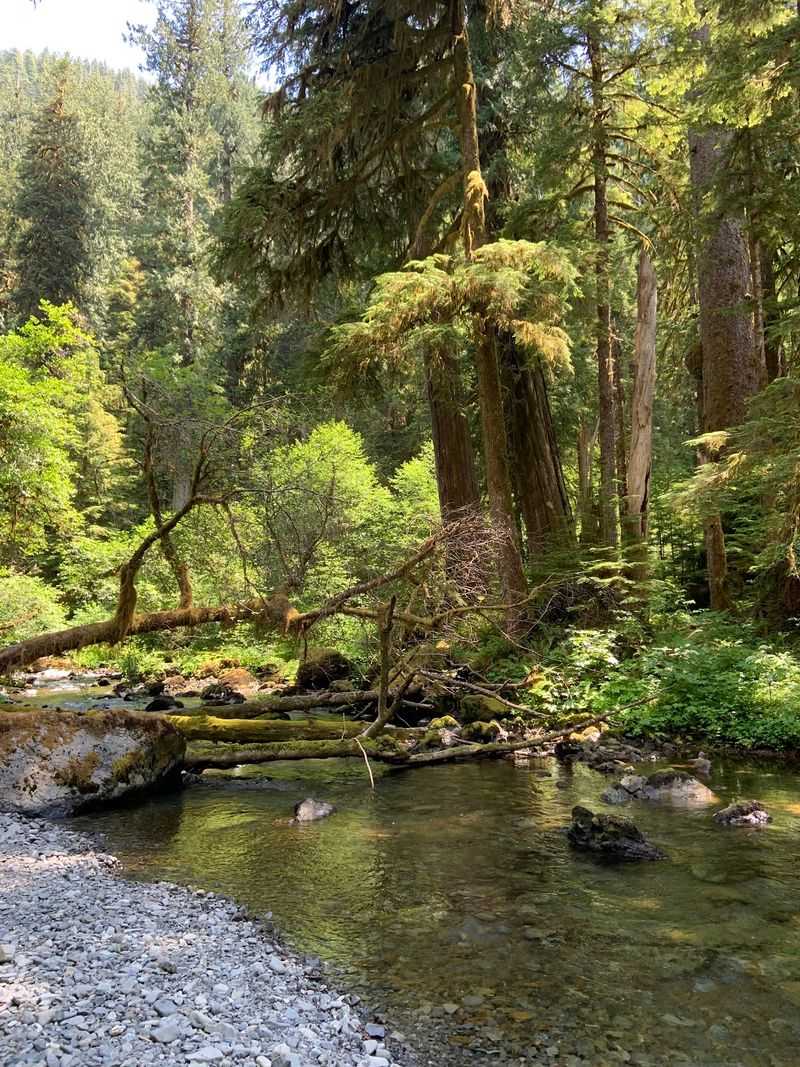
Running water makes everything better. At Campbell Tree Grove Campground, the West Fork Humptulips River flows right alongside the camp.
The campground sits in a temperate rainforest, which explains all that green. Moss, ferns, and thick undergrowth soak up the moisture and fill every corner.
The river brings more than pretty views. It adds a steady soundtrack that helps you forget about traffic, emails, and your phone.
That phone won’t work much here anyway.
Wildlife and plant viewing are popular activities around the river and forest. Slow down, and you may notice details you’d usually rush past.
Mushrooms, tiny flowers, and forest slugs all deserve a closer look.
Picnicking is another easy win. Pack lunch, find a calm spot, and let the river handle the entertainment.
Few dining rooms come with a better backdrop.
I’d probably spend a whole afternoon just sitting by the water. No plans, no schedule, just a folding chair and a good snack.
Bring sturdy sandals if you want to explore the edges. Rocks can be slippery, so take your time.
The river isn’t going anywhere.
A 23-Mile Trail Starts Right From Camp
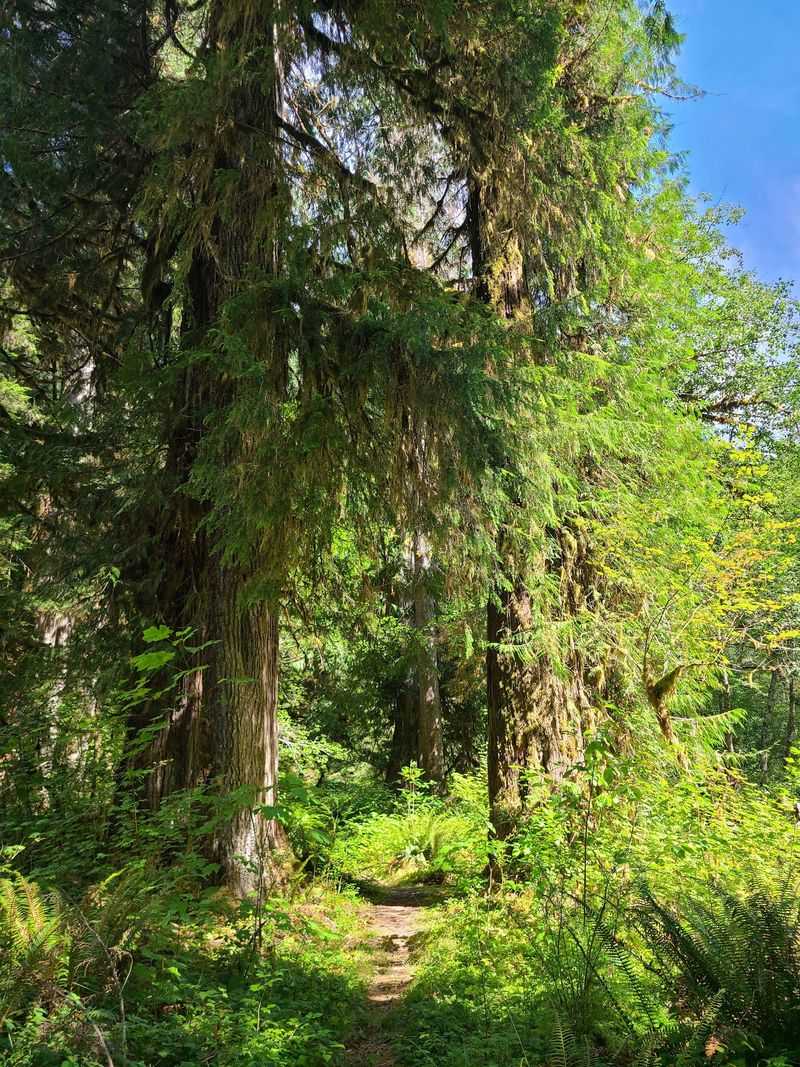
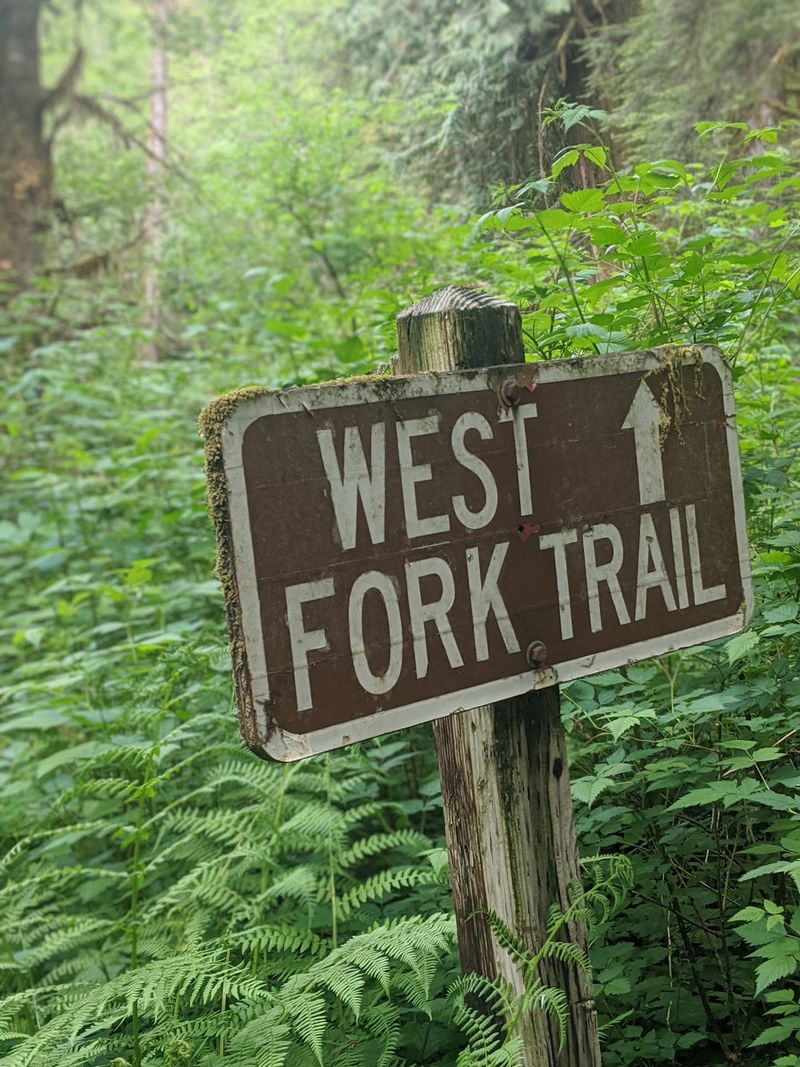
Few campgrounds hand you a 23-mile trail at your doorstep. The West Fork Humptulips Trail #806 connects right to the campground.
This long trail follows the river through a remote valley. It’s open to hikers, mountain bikers, and horse riders, so everyone gets a turn.
You don’t have to tackle all 23 miles, of course. A short stroll from camp still delivers big trees and river views.
Turn around whenever your legs vote to stop.
Some sections can be overgrown, so expect brushy spots. Long pants help protect your legs from scratchy plants.
Good hiking shoes are a must.
The trail has some loyal caretakers too. The Grays Harbor Chapter of Backcountry Horsemen has maintained the trail system since 2008.
That’s a lot of volunteer muscle keeping the path open.
Carry plenty of water and snacks, since services are nonexistent out here. A paper map is smart, because you can’t count on cell service.
Let someone know your plans before heading out.
Honestly, I can’t imagine camping here without at least a short walk. The trail is right there, practically waving at you.
Cast A Line For Trout Without Leaving The Woods
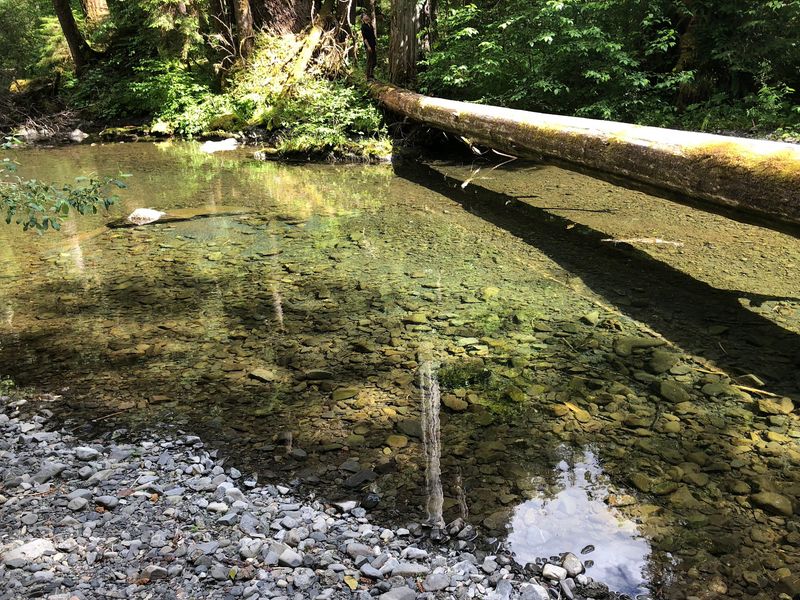
Fishing fans, here’s a nice bonus. The West Fork Humptulips River near camp offers river fishing, with cutthroat trout reported in these waters.
Morning coffee by the campfire ring, then a few casts in the river? That’s a pretty great way to start a day.
Before you grab your rod, check current Washington fishing rules. Licenses, seasons, and limits can change, and staying legal keeps the trip stress-free.
A quick check online before you lose signal is the smart move.
Bring all your own gear, since there’s no camp store nearby. Spare hooks, extra line, and a small tackle box will save you from frustration.
Pack them like you’re heading to the edge of the map.
Patience is key on any river. Fish don’t follow schedules, and that’s half the charm.
Even a quiet day on the water beats a busy day indoors.
Kids might enjoy simply watching the current and hunting for small critters along the bank. Keep a close eye on them near moving water.
Catch something or not, the setting does the real work. The river and trees make every cast feel rewarding.
Your Packing List Needs To Be Smarter Than Usual
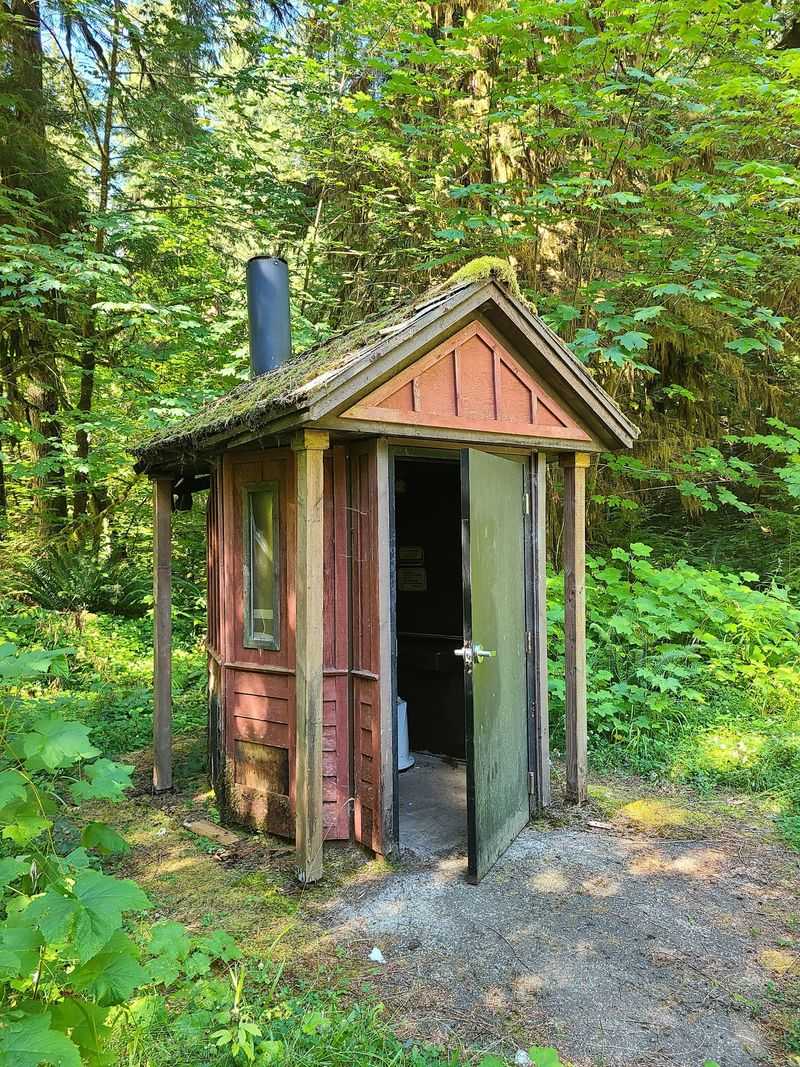
Water tops the list. There’s no drinkable water on-site, so you must bring every drop you’ll need.
Hookups are also off the table. No electric, water, or sewer connections exist here.
There are no showers and no camp store either.
That means planning ahead really pays off. Pack extra water for cooking, drinking, and washing dishes.
Running dry out here would turn a fun trip sour fast.
Bug spray deserves a front-row spot in your bag. Mosquitoes and horseflies can be heavy, especially in July and August.
Long sleeves and a head net can help too.
Extra toilet paper is a wise addition. The vault toilets are basic, so being prepared keeps everyone happy.
A small hand sanitizer bottle doesn’t hurt either.
Download maps and music before you leave town. Cell service is limited, so don’t count on streaming anything.
Honestly, that might be a gift.
Finally, toss in a headlamp and some warm layers. Rainforest nights can feel cool, even in summer.
A well-packed car is the difference between roughing it and thriving out here.
Elk, Bears, And Leashed Pups Share These Woods
Roosevelt elk roam these forests, which is a thrill for wildlife lovers. Black bears have also been reported in the area.
That second part means food storage really matters. Keep snacks, coolers, and trash secured, and never leave food sitting out overnight.
A clean camp keeps both you and the animals safe. Bears that find easy food tend to come back for more.
Nobody wants a furry visitor rummaging through the cooler.
Spotting elk is a different kind of treat. Keep a respectful distance and enjoy the moment quietly.
Binoculars help you get a closer look without crowding them.
Dogs are welcome at the campground, which is great news for pet owners. They must stay on a leash at all times.
That rule protects your pup and the local wildlife.
Horses and pack animals aren’t allowed at the campsites themselves. Riders planning to use the trail should plan accordingly.
Washington forests are full of life, and this spot is no exception. Watch the ground too, because slugs love the damp trails.
Step carefully, and enjoy the whole crowd of creatures.
Mark Your Calendar Because The Season Is Short
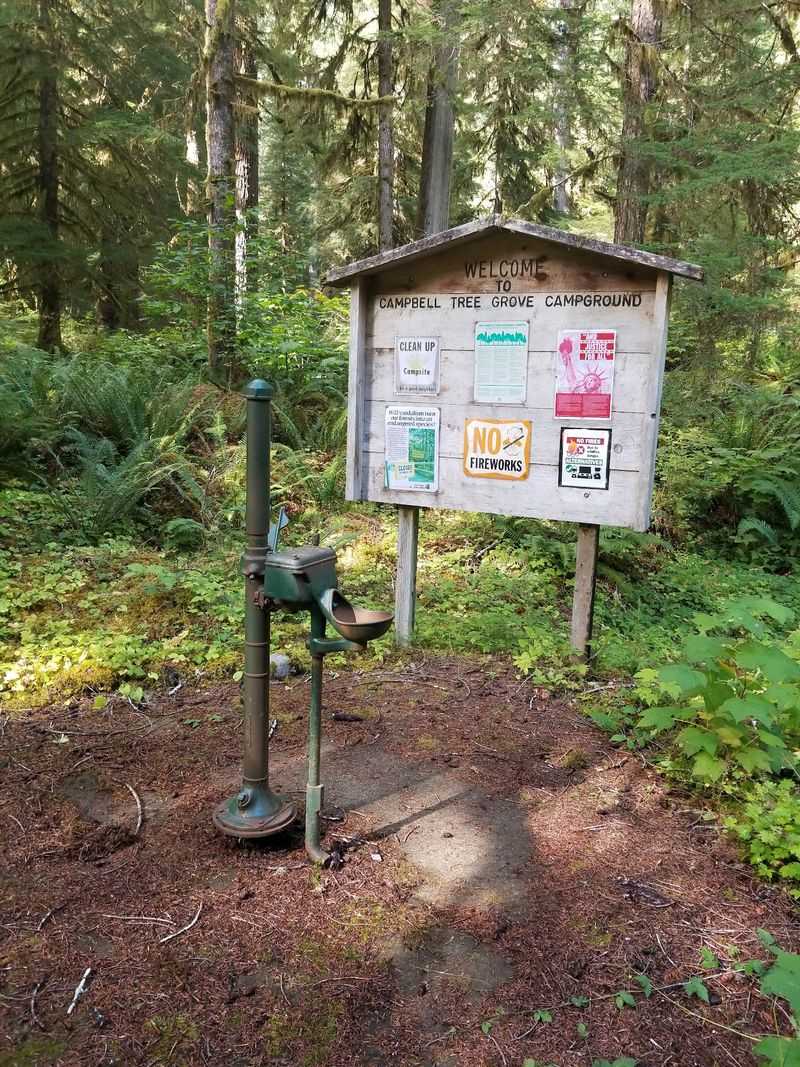
Summer is the window for this spot. Campbell Tree Grove Campground typically opens in late May and closes in September.
For 2026, the expected season runs from May 18 through September 18. Outside those dates, the gates stay quiet and the trees get a break from visitors.
Early season can bring cooler weather and fewer bugs. Mid-summer usually brings warmer days, but also more mosquitoes and horseflies.
Pick your trade-off wisely.
History buffs will enjoy a fun fact about the name. Joseph Campbell, a local prospector, pioneered a route up the river in the late 1890s.
His mining claims sat near today’s campground.
The surrounding Olympic National Forest was designated in 1905. That’s well over a century of protected woods around this little camp.
Before heading out, check with the Forest Service’s Pacific Ranger District for road updates. The Quinault Office handles questions for this area.
This Washington treasure rewards people who plan ahead and pack well. Free camping, giant trees, and a long river trail make a hard combo to beat.
I’d circle a summer weekend now and start dreaming.