
This Georgia Harvest Fair Is Cash-Only And Draws Visitors From Three States Away
Bring cash or bring regret to this Georgia harvest fair. Card readers flicker out on this mountain hillside more often than anyone expects.
Cinnamon drifts through packed vendor rows while chainsaw carvers turn raw logs into bears. Apple dumplings vanish faster than the lines can form.
Visitors already drive in from three states just to spend one weekend surrounded by crafts and cider. Bluegrass carries across the fairgrounds while a parade rolls through town.
Camel rides, chainsaw carving, and fried apple everything crowd the grounds. Half the fun is discovering what waits past the gate.
Georgia’s mountains turn a simple apple crop into a cash-only tradition worth chasing every fall. Bring bills, bring an appetite, and expect a long, happy walk.
Born From A Cotton Crisis In The Mountains
Apples saved this county. That single fact explains the entire festival.
Back in the 1920s, the boll weevil tore through Georgia’s cotton fields. Farmers across the state lost their livelihoods.
Gilmer County leaned on its orchards instead. Apple trees held steady while cotton faltered.
The Georgia Apple Festival began in 1971 as a modest arts and crafts show honoring that shift. It grew into a two-weekend October tradition that still feels small-town.
Ellijay now carries the nickname Apple Capital of Georgia, and locals wear it proudly. The title is earned, not marketing fluff.
Everything happens at the Ellijay Lions Club Fairgrounds, 1729 S Main St, Ellijay, GA 30540, a grassy property just south of downtown. The setting sits in the southern Appalachians, in the northern corner of Georgia in the United States.
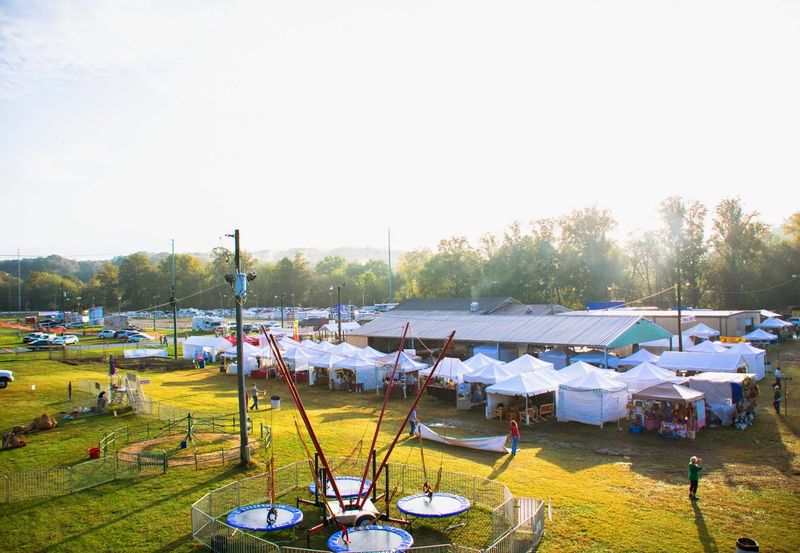
Vendor lanes stretch across the field, marked with street signs so shoppers can retrace their steps. That thoughtful touch gets mentioned often.
History here is not displayed behind glass. It shows up in cider jugs, orchard trucks, and handwritten price cards.
Why Bringing Bills Beats Swiping Plastic
Cell signal on a crowded hillside can be moody. Card readers notice.
Plenty of vendors at the Georgia Apple Festival accept cards, but some prefer cash, and a few add a small fee for plastic. Visitors who plan for both rarely get stuck.
ATMs sit on the grounds, though lines build once the field fills. Arriving with cash already tucked away saves time and frustration.
Small bills help most. Food stalls, parking attendants, and ride tickets all move faster when change is easy.
There is a charm to the arrangement. Conversations happen.
Sellers explain how a piece was made while counting out change.
Admission runs around ten dollars for adults, with young children generally free, though details can shift year to year. Parking is separate, and prices vary by lot.
Kids’ rides and attractions usually cost extra too. Budgeting a cushion prevents disappointed faces near the petting zoo.
Treat the cash-only habit as part of the fair’s personality rather than an obstacle. A folded stack of bills is the smartest thing in anyone’s pocket here.
Handmade Goods That Actually Look Handmade
Forget plastic trinkets. Shoppers come here for the real thing.
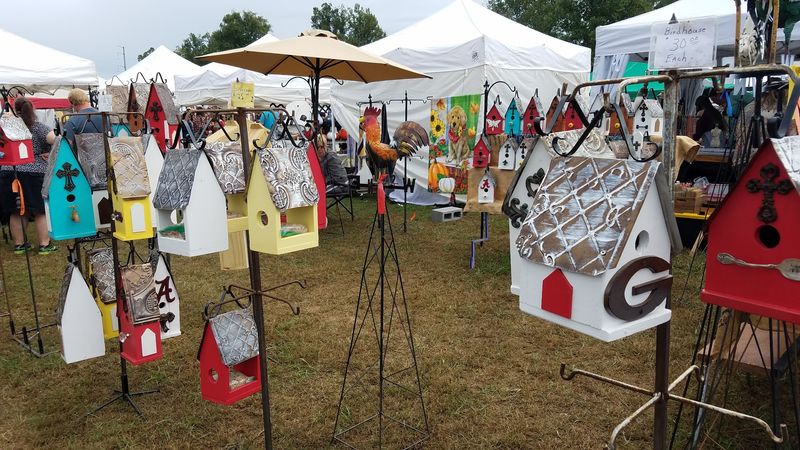
Hundreds of vendors set up at the Georgia Apple Festival, and the mix leans heavily toward handmade work. Pottery, quilts, jewelry, carved wood, and forged metal fill the lanes.
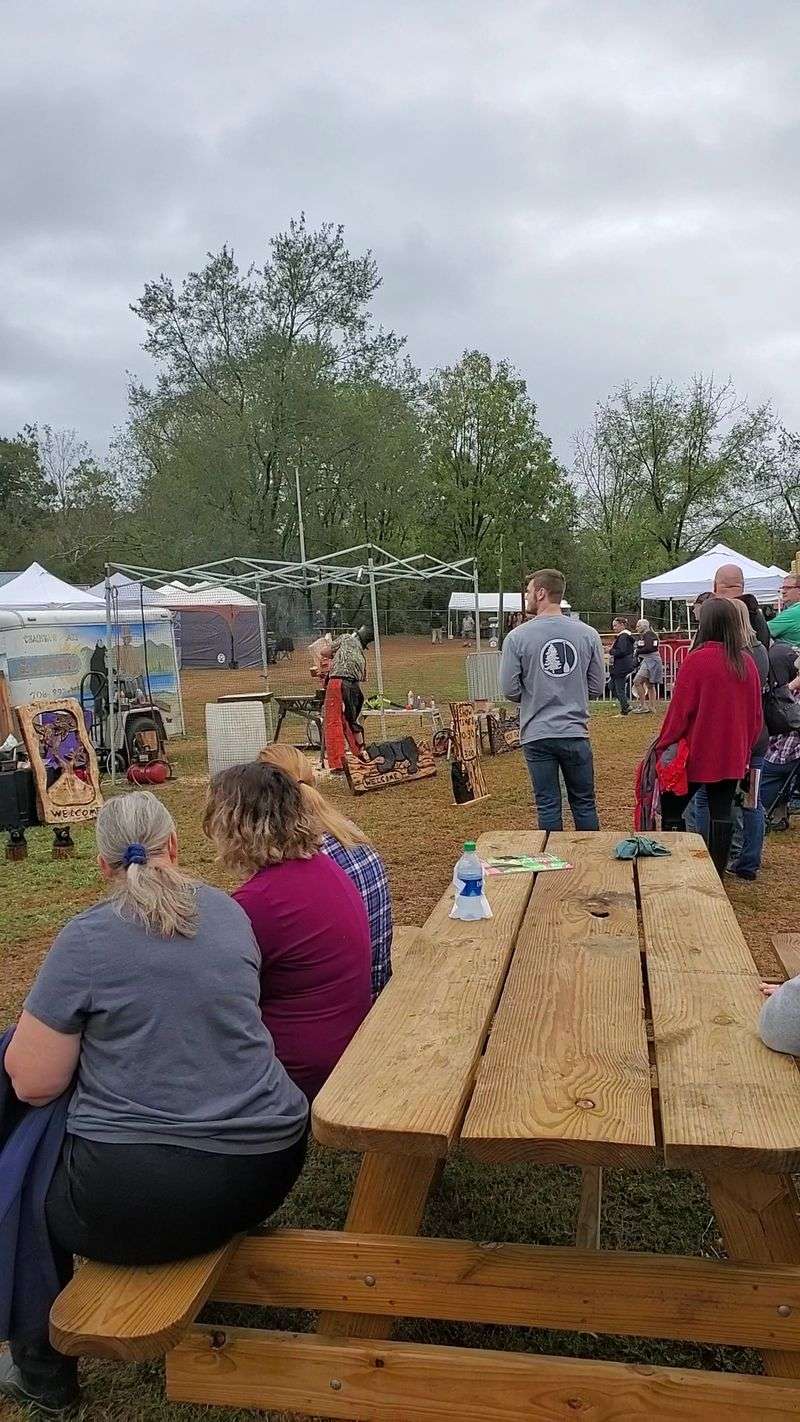
Chainsaw carvers draw steady crowds. Bears and pumpkins take shape from raw logs while sawdust piles up underfoot.
Blacksmiths hammer glowing metal. Glass artists twist molten shapes into ornaments.
Many visitors treat the fair as an early holiday shopping trip. Buying gifts in October beats fighting mall crowds in December.
Prices range widely, so browsing before buying pays off. A lap around the field reveals which booths suit a budget.
Vendors enjoy talking about their process, and questions are welcome. Asking how something was made often turns a purchase into a memory.
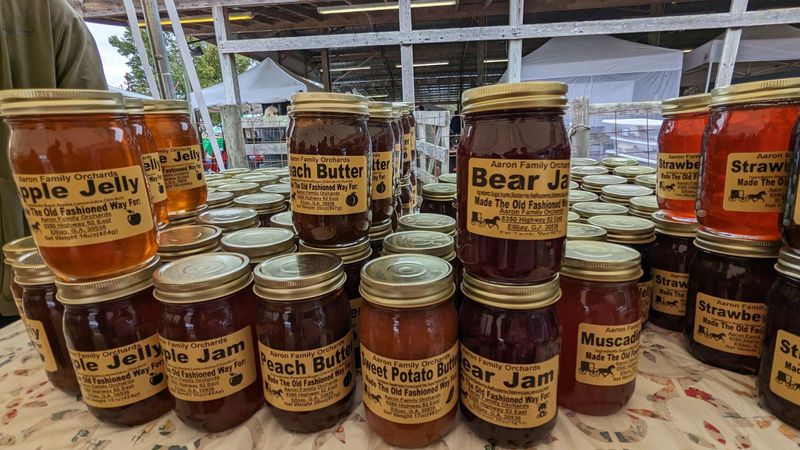
Bring a tote bag or a small wagon. Arms fill up faster than expected once the honey jars and wooden bowls appear.
Craft festivals come and go, but this Ellijay gathering keeps its reputation for genuine workmanship intact year after year.
Apple Dumplings, Fritters, And Fried Everything
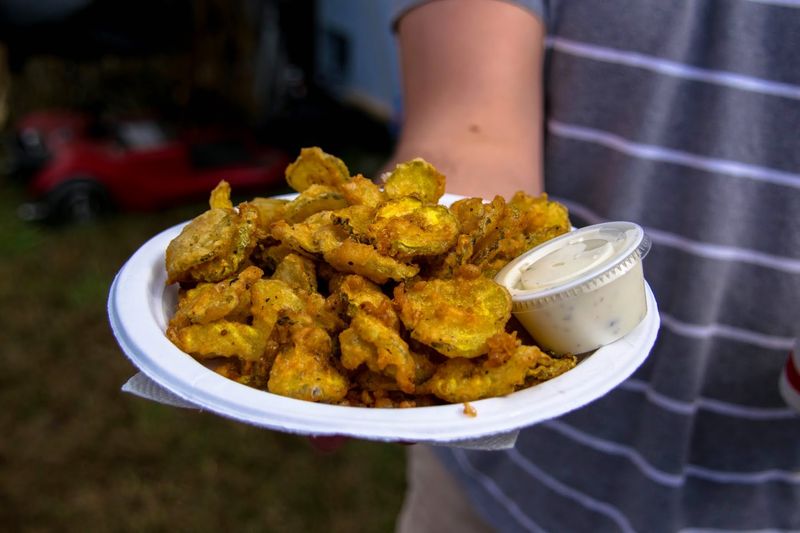
The smell arrives before the booth does. Cinnamon wins every time.
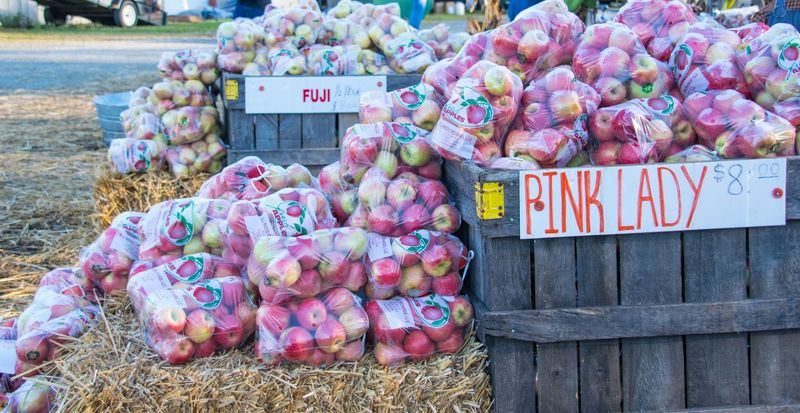
Apple dumplings rank among the most talked-about treats at the Georgia Apple Festival. Warm, soft, and dusted with sugar, they disappear quickly.
Cider donuts and fried apple pies compete for attention. Caramel-dipped apples and cinnamon sugar apples round out the sweet lineup.
Fresh cider is sold by the cup and the jug. Cold mountain mornings make that first sip memorable.
Savory options stretch far beyond apples. Gyros, cheesesteaks, street tacos, turkey legs, kettle corn, and boiled peanuts all have their loyal fans.
Lines can grow long around midday. Eating early or late keeps waiting to a minimum.
Festival food carries festival prices, so some visitors pack a few snacks and water bottles for the kids. That small step prevents meltdowns.
Not every booth sells apple products, which occasionally surprises first-timers. Orchard stands and dessert vendors are where the fruit shines brightest.
Come hungry, pace yourself, and save room for something warm. Dessert is where this Ellijay fair truly shows off.
Fall Color Across The Appalachian Ridges
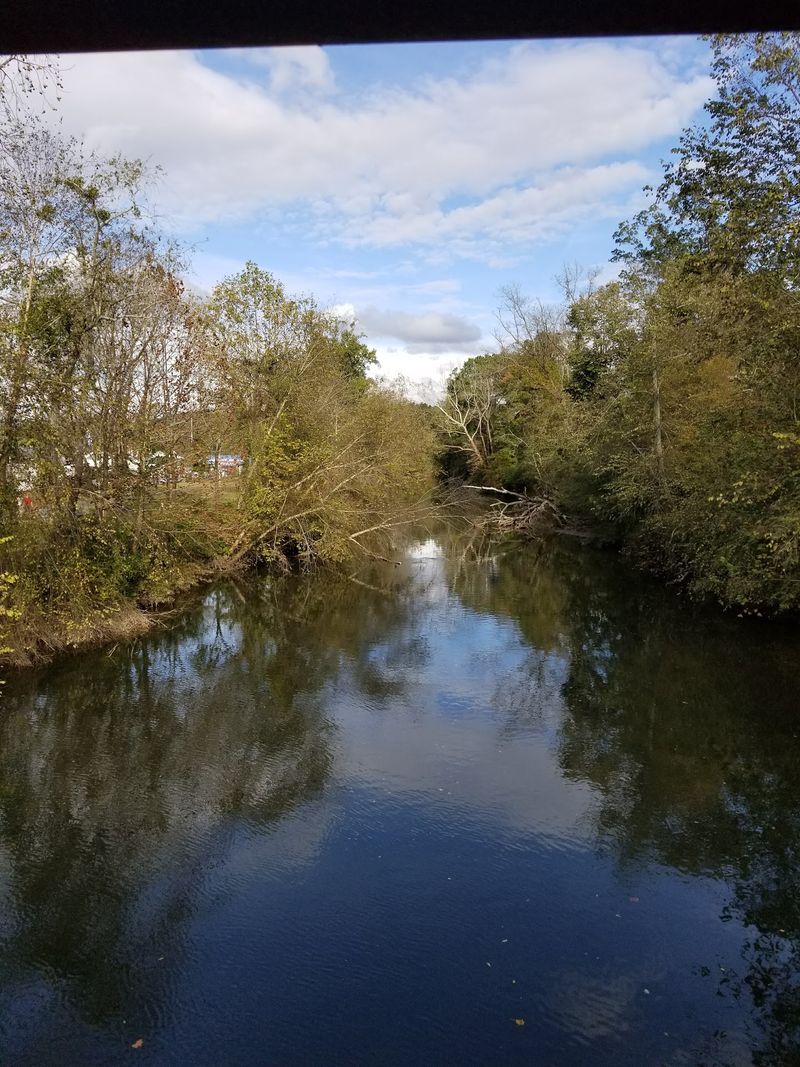
October paints these hills without asking permission. The timing is generous.
The Georgia Apple Festival lands during the stretch when Appalachian foliage turns red, orange, and gold. Ridges around Ellijay glow on clear afternoons.
The fairgrounds sit on grass with a noticeable slope. Comfortable shoes matter more than fashionable ones.
Weather in the mountains shifts fast. Mornings can feel sharp and cool, then afternoons warm up considerably.
Layers solve the problem. A light jacket in the morning becomes a bundle under one arm by noon.
Rain is always possible since this is an outdoor event. A packable poncho takes up almost no room.
Sun protection helps too, because shade across the vendor field is limited. Hats earn their keep.
Photographers do well on the drive in, where pullouts reveal layered blue ridges. The scenery alone justifies the trip north.
Sunlight, crisp air, and color overhead give the whole fair a glow that no indoor market can copy. That backdrop keeps people coming back to this corner of Georgia.
Bounce Houses, Camel Rides, And A Petting Zoo
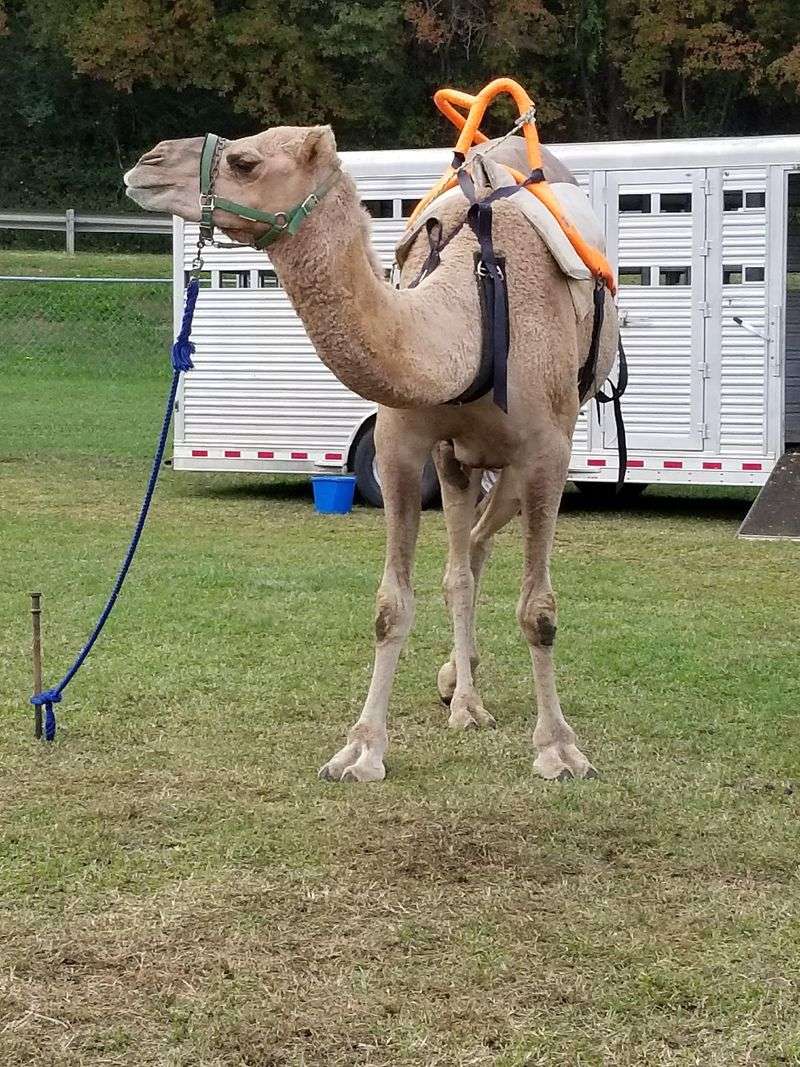
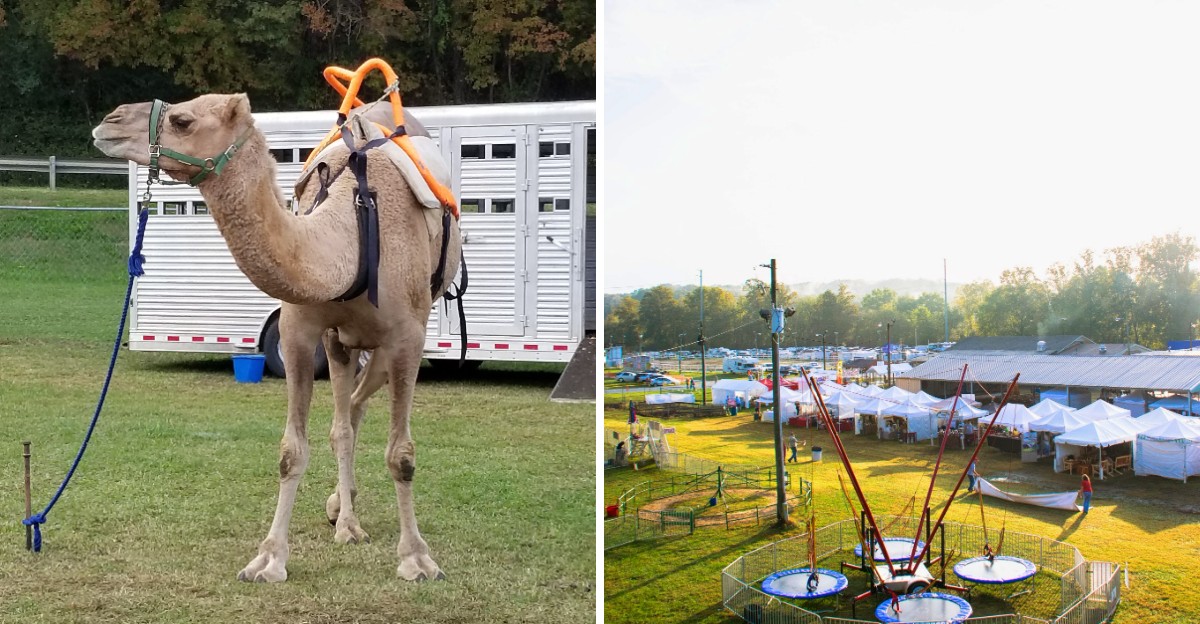
Camel rides at an apple fair? Yes, really.
The kids’ area at the Georgia Apple Festival has become a highlight for families. Bounce houses, a rock climbing wall, and a kiddie train keep energy flowing.
Pony rides and a petting zoo let little hands meet animals up close. Face painting turns cheeks into pumpkins and butterflies.
Camel rides show up some years and always draw a crowd. Parents reach for their phones immediately.
Apple-themed crafts and contests give children something to take home. Small prizes feel enormous at age six.
Most attractions cost extra, so cash for tickets is wise. Planning a spending limit beforehand avoids negotiations later.
Strollers can struggle on uneven grass, and a carrier sometimes works better for toddlers. Portable restrooms are placed around the grounds.
Picking a meeting spot helps, since the crowd thickens by late morning. Vendor lane signs make good landmarks.
Families who arrive early get the shortest ride lines and the calmest atmosphere. Ellijay rewards the early birds with breathing room.
Live Music, A Parade, And Gleaming Classic Cars
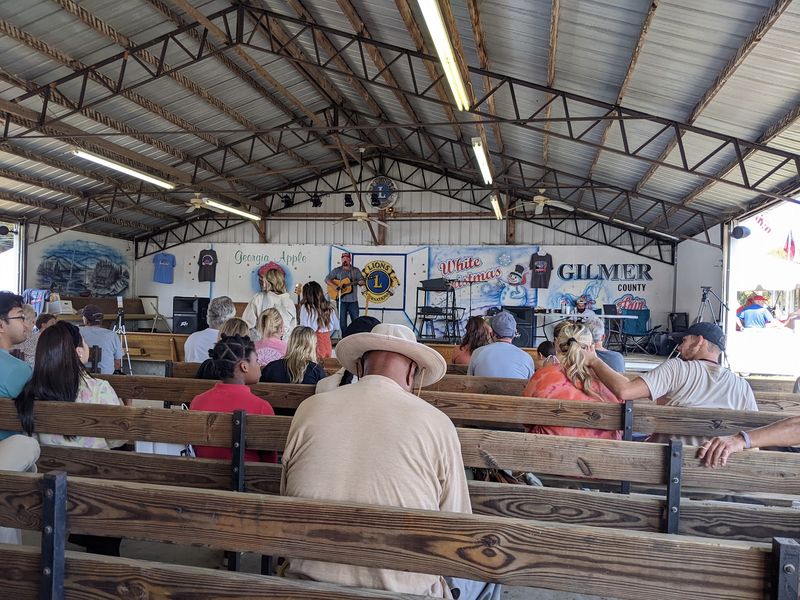
Bluegrass drifts across the vendor lanes most afternoons. Toes tap on their own.
Stage performances at the Georgia Apple Festival feature regional musicians playing throughout the day. The sound gives the field a steady pulse.
Downtown Ellijay hosts a parade during the festival season. Floats, marching bands, and local groups fill the streets with noise and color.
An antique car show pulls in enthusiasts. Chrome bumpers catch the low October sun.
Craft demonstrations happen between musical sets. Watching a bowl emerge from a spinning block of wood never gets boring.
Maps handed out at the gate help with orientation, though not every performance is listed. Asking a volunteer usually clears things up.
Seating near the stages is limited, so a folding chair or blanket comes in handy. Shade is scarce, which makes timing important.
The combination of music, motors, and marching creates a rhythm that stretches from the fairgrounds to Main Street. Entertainment here costs nothing beyond the gate, which feels like a fair trade.
Parking, Shuttles, And Beating The Traffic
Traffic is the one complaint everybody shares. Preparation fixes most of it.
Roughly fifty thousand people visit the Georgia Apple Festival across its October weekends. Highways 575 and 515 feel every bit of that.
Parking on the fairgrounds costs a modest fee, and nearby lots charge their own rates. Bring cash for whichever option appears first.
School buses shuttle visitors from downtown lots up the steep drive. Many regulars now skip fairground parking entirely and ride instead.
Arriving near opening time makes the biggest difference. Later arrivals can spend a long stretch simply inching toward a space.
The terrain is uneven, which matters for anyone with mobility concerns. Accessible options can be limited, so calling ahead is sensible.
Pets are not permitted at the main event, though service animals are welcome. The downtown arts festival offers a pet-friendly alternative.
Weapons are prohibited and the grounds are smoke-free. Knowing the rules prevents awkward moments at the gate.
A little logistics homework turns a stressful arrival in Ellijay into an easy morning stroll.
Orchards And Downtown Shops Worth The Detour
The fair is the headline. The orchards are the encore.
Gilmer County surrounds the Georgia Apple Festival with working orchards that open their gates each autumn. U-pick rows, wagon rides, and corn mazes fill out a weekend nicely.
Farm stores sell cider donuts, fried pies, and bags of fresh fruit. Varieties change as the season progresses, so selection depends on timing.
Downtown Ellijay joins the celebration with its own arts festival. That event is pet-friendly and adds more local artwork to browse.
Square-side shops, galleries, and antique stores invite slow wandering. Coffee shops give tired legs a place to recover.
Restaurants around town stay busy during festival weekends. Eating slightly off-peak improves the odds of a table.
Cabin rentals in the surrounding mountains book up early in October. Planning weeks ahead is realistic advice.
Splitting a trip between the fairgrounds and the orchards gives a fuller picture of why apples matter so much here. Georgia’s apple country rewards anyone willing to stay an extra day.