
This Haunting West Virginia Asylum Tour Uncovers A Hidden World Beneath The Historic Grounds
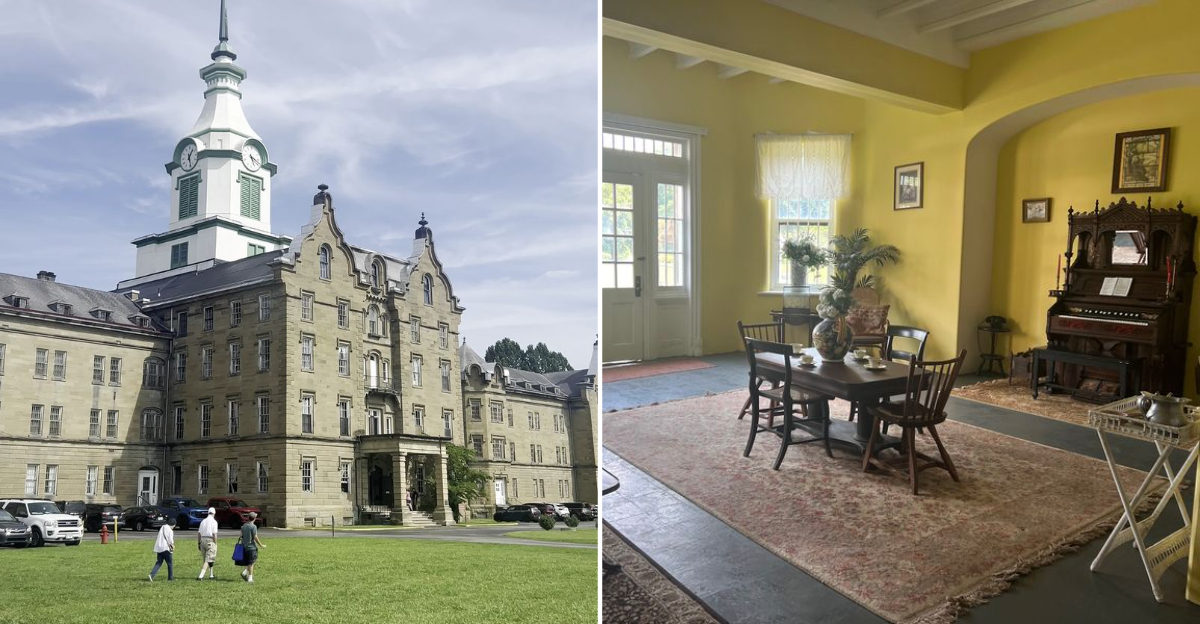
Many people arrive out of curiosity to visit this place, and leave with far more questions than answers. This West Virginia asylum tour uncovers a hidden world beneath the historic grounds most visitors never expect to find.
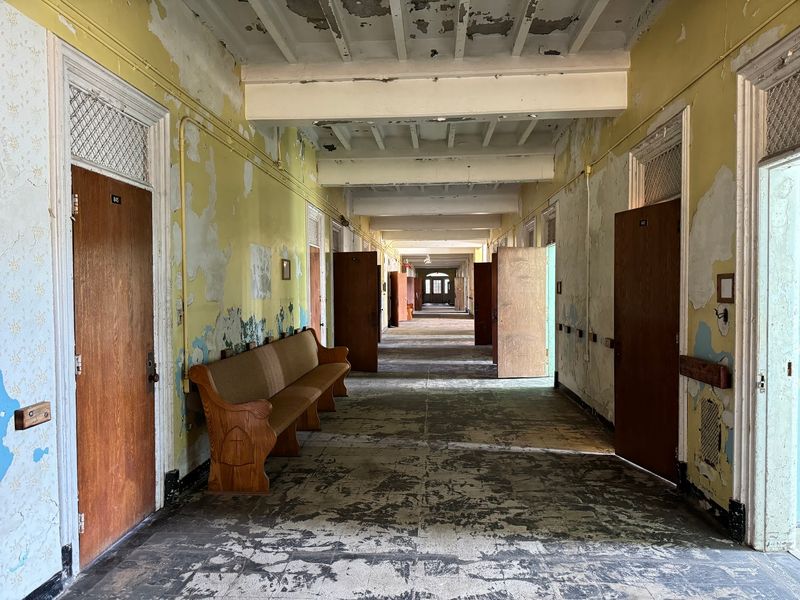
Hallways stretch out empty now, paint peeling in long strips off walls that used to be spotless. Old equipment sits exactly where staff left it decades ago, untouched by anyone since.
Guides share stories about the building’s history, adding context that shifts depending on who’s telling it. Stories about the asylum rarely stay consistent, though the core details remain the same.
Nobody agrees on everything that happened here, and that uncertainty is part of what keeps people coming back. This tour proved that sometimes the most haunting places are the ones we understand the least.
History Of Psychiatric Care In West Virginia
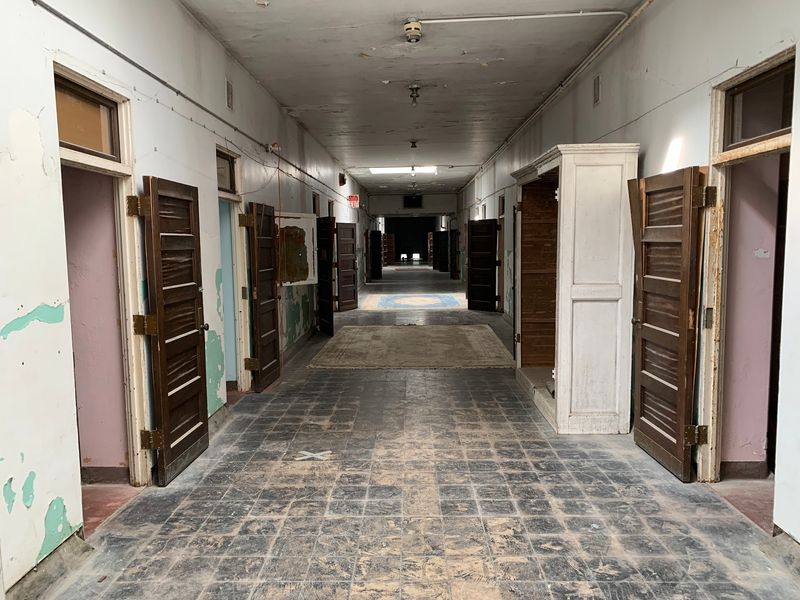
Long before West Virginia was even a state, the Virginia General Assembly approved plans for a hospital that would treat the mentally ill with kindness instead of chains. Construction started in the 1850s, but the Civil War got in the way.
The doors finally opened to patients in 1864, the same era when reformer Dorothea Dix was pushing states to build public asylums instead of locking people in jails.
The idea behind it was called moral treatment, and it centered on quiet rooms, fresh air, and respect.
Good intentions ran headfirst into math. The building was designed for roughly 250 patients, and by the 1950s it held more than 2,400 people under the name Weston State Hospital.
Hallways became bedrooms. Rooms built for one person held four.
Staff was stretched thin, and the humane philosophy the place was founded on quietly collapsed under the weight of sheer numbers.
By 1994, with crumbling infrastructure and treatment methods that medicine had long abandoned, the hospital shut down for good.
Tours today walk through that entire timeline, from hopeful reform to overcrowded reality, and guides do not sugarcoat any of it.
Anyone curious about how America treated mental illness across 130 years will find the answers here, written into the walls. The address is 50 S River Ave, Weston, WV 26452.
Architecture And Design Of Historic Asylums
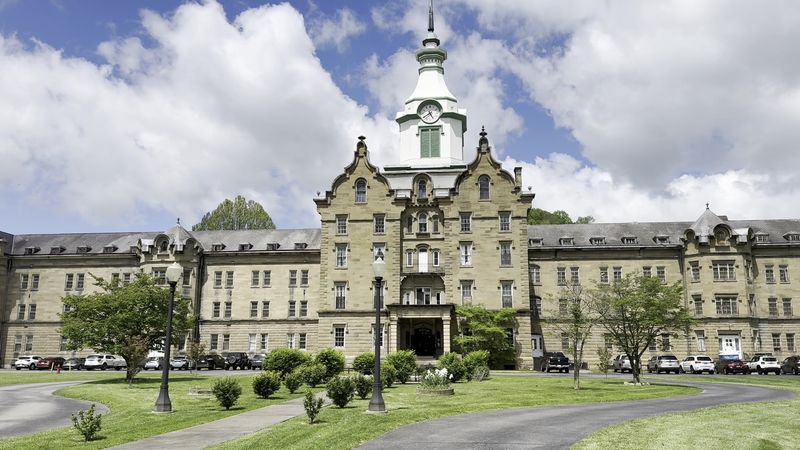
Here is a strange fact: the building itself was considered part of the medicine. Architect Richard Andrews drew it up in Gothic and Tudor Revival styles, following the Kirkbride Plan, a mid-1800s blueprint for mental hospitals.
Kirkbride buildings spread outward in staggered wings, shaped a bit like a bat with its arms extended. That layout was not for looks.
Every wing was angled so sunlight and cross-breezes could reach each room, because doctors genuinely believed light and air could cure illness.
Windows are enormous. Ceilings soar.
The woodwork lining the corridors still looks sharp after more than 150 years, which says something about how they built things back then.
Then there is the stone. Cut by hand, block by block, it makes this the largest hand-cut stone masonry building in North America, and some accounts rank it second in the world behind the Kremlin.
An architecture-focused tour exists for people who care more about craftsmanship than cold spots, and it is worth considering.
Off to one side sits the decaying tuberculosis hospital, a blunt reminder of what happens to grand buildings without upkeep.
Photographers love the light in these halls, especially midday when the sun cuts across the floorboards. The scale alone tends to catch visitors off guard, since photos never quite capture how far those wings stretch.
Stories From Former Patients And Staff
Some of the reasons people were committed here would be laughable if they were not so sad. Admission records list things like novel reading, disappointed love, and laziness.
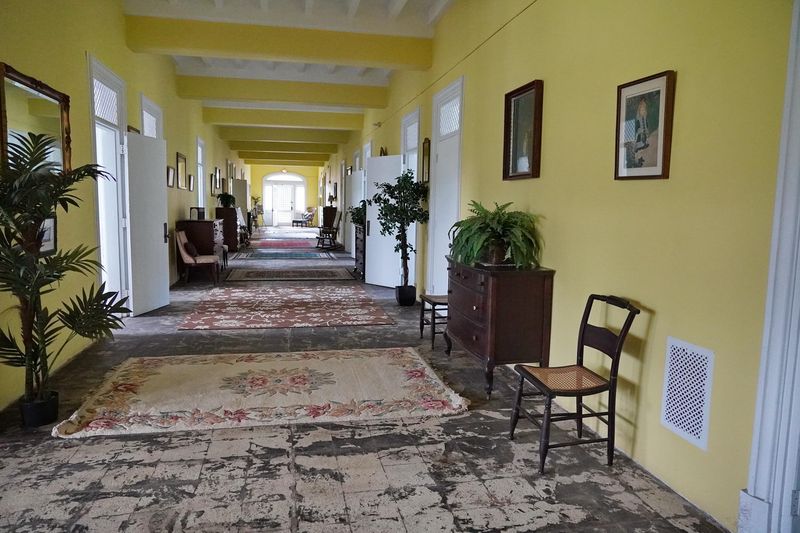
At the peak in the 1950s, around 2,600 patients filled a building meant for a fraction of that. Mattresses lined hallway floors.
Rooms designed for a single person held four people who had never met.
One man reportedly lived here for roughly 60 years and was heartbroken when the hospital closed. He passed away only weeks after being relocated, which tells you the place had become home, for better or worse.
Not every story is gentle. Aggressive patients were sometimes restrained or chained to walls, and violence broke out in the crowded wards.
In Ward 2, a man was stabbed 17 times by another patient. Two patients passed away by hanging from curtain rods in that same section.
On the third floor, an attempted hanging ended in a bludgeoning.
Staff had their own experiences worth mentioning. A few reportedly quit within days, unnerved by sounds nobody could explain, including the squeak of gurney wheels rolling down empty tiled corridors.
Guides share these accounts on the four-floor historical tour, and they balance the grim details with the human ones. Many locals worked here, and the hospital was the beating heart of Weston for generations.
Legends And Folklore Surrounding Mental Institutions
Every old institution collects legends, but the ones attached to this place have staying power. Stories of restless spirits circulated here while the hospital was still operating, which is unusual.
The most famous belongs to a little girl called Lily. According to the tale, she was born inside the asylum to a patient named Gladys who had been attacked by soldiers during the Civil War era.
Lily supposedly passed away from pneumonia around age nine. Visitors bring her toys, and her room is filled with balls, dolls, and small gifts left by strangers who somehow got attached to a ghost story.
Upstairs on the fourth floor, two spirits nicknamed Frank and Larry get credited with playing cards and reacting to jokes. Guides talk about them like coworkers.
The man hurt on the third floor is said to linger in the room where it happened. Less friendly names come up too, including entities called Joe and Big Jim, blamed for pushes and scratches.
Whether any of it holds up is beside the point for most visitors. The stories are part of how this community remembers the people who lived and passed away inside these walls.
Guides tend to separate documented history from campfire lore, which keeps skeptics engaged instead of eye-rolling. Believers still get their chills.
Underground Passages And Hidden Structures
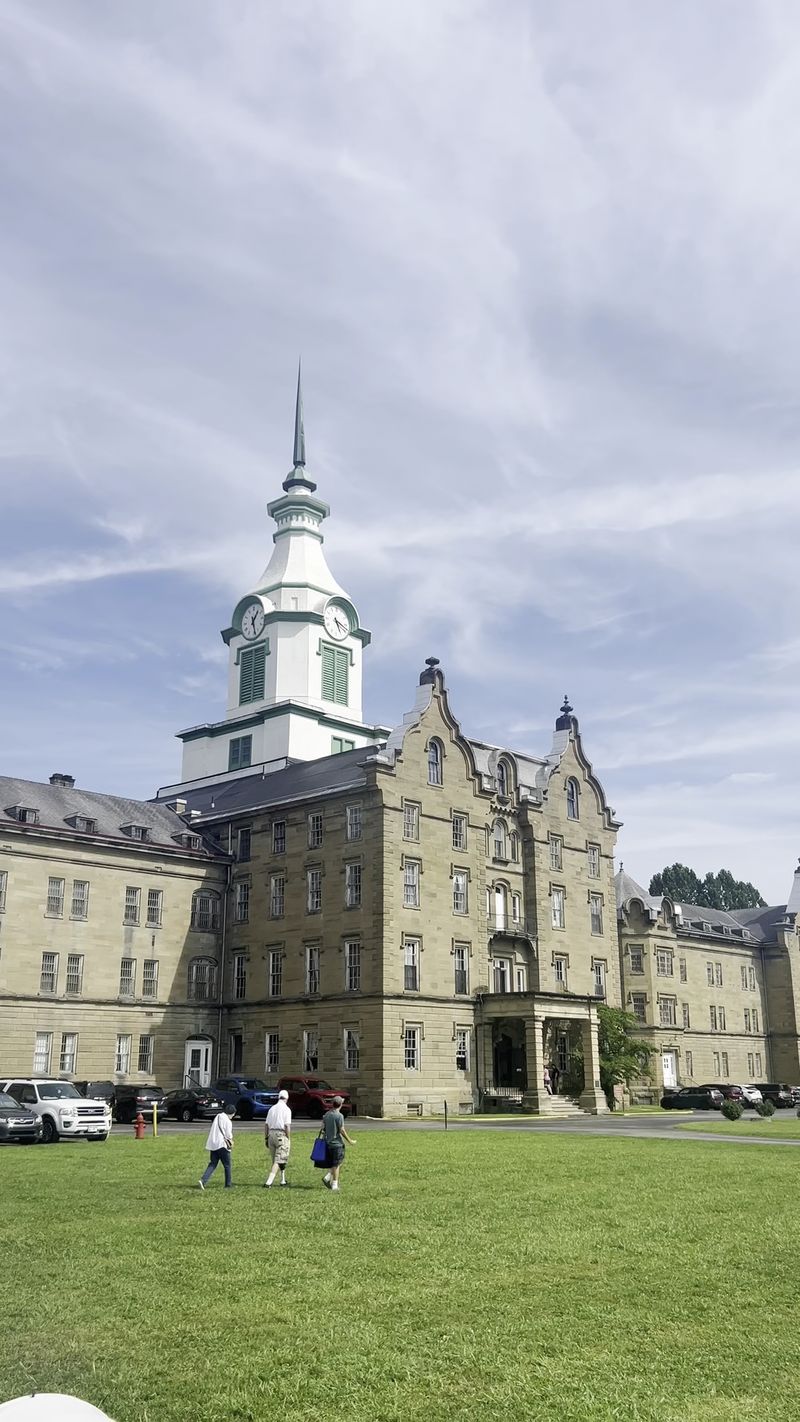
The grounds once stretched across 666 acres, a number that ghost tour guides absolutely never forget to mention. That land was not decoration. It was infrastructure.
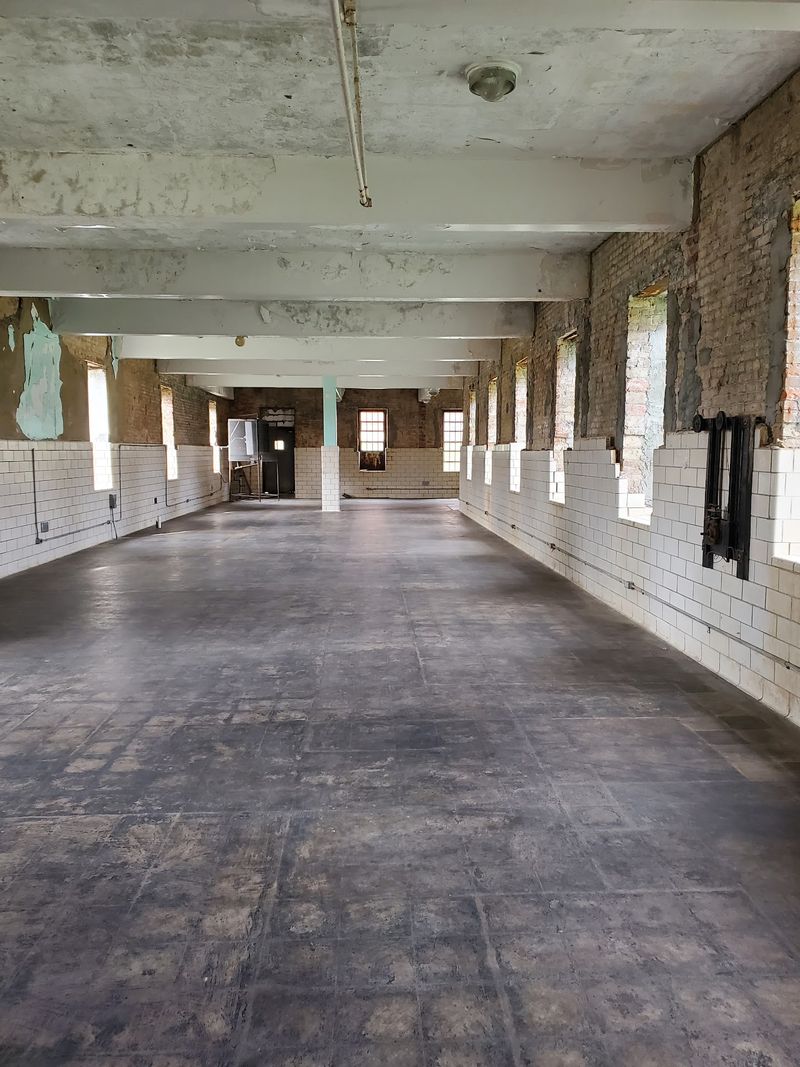
Running a hospital with thousands of residents in rural West Virginia meant building a self-sufficient community from scratch. The property had its own water plant, complete with a pump house and filtration system, plus wastewater treatment.
Farm operations covered the food supply. There was a dairy barn, a cannery, greenhouses, sprawling gardens, horse barns, and livestock pens, including a building dedicated to fattening hogs.
Patients worked much of it, which was considered part of their therapy. Growing vegetables and tending animals gave structure to days that would otherwise stretch on forever.
Service corridors and utility routes connected buildings so staff could move supplies, food, and equipment without hauling everything across open ground in a January snowstorm. Practical, not sinister, though the atmosphere down in those passages does not exactly feel cheerful.
The 90-minute four-floor tour includes outdoor spaces behind the main building, where remnants of this working village are still visible. The Criminally Insane building sits nearby too, an intimidating prison-like structure covered on a separate tour.
Seeing the support systems changes how the whole property reads. It was less a single hospital and more a small, walled-off town.
Methods Of Treatment Used In The Past
Medical history here swings from hopeful to horrifying, sometimes within the same decade. The founding philosophy rejected beatings, bleeding, and ice water immersion in favor of kindness and calm.
That gentler approach faded as the wards filled. 20th-century treatments included insulin shock, electroshock, and hydrotherapy to reduce agitation.
The hardest chapter involves lobotomies. Dr. Walter Freeman, who popularized the transorbital or icepick method, performed or supervised hundreds of these procedures at this hospital.
He sometimes operated without anesthesia. He sometimes operated in front of an audience.
Both details tend to land hard on tour groups.
Many lobotomized patients came out permanently changed, unable to care for themselves, and some did not survive the operation at all.
The push behind it had a name, the West Virginia Lobotomy Project of the early 1950s, and its goal was reducing the patient count during severe overcrowding.
The museum section displays instruments, documents, and photographs that make all of this concrete rather than abstract. Guides handle the material with care instead of shock value.
Visitors often describe leaving with a new appreciation for how far mental health care has come. That perspective is arguably the most valuable souvenir the place offers.
Paranormal Sightings And Investigations
Television found this building a long time ago. Ghost Hunters on Syfy and Ghost Adventures on Travel Channel both filmed here, which put Weston on the map for paranormal fans nationwide.
Reports pile up in specific spots. Shadowy figures get described moving through the long wings, and unexplained voices turn up on audio recordings.
Ward 2 produced one of the more famous claims, an electronic voice phenomenon that seemed to say two words: get out. Investigators return to that section repeatedly.
Cold spots and sudden temperature drops come up constantly during nighttime hunts. In Lily’s room, people document rolling balls and giggles with no visible source.
A handful of areas have reputations for less pleasant contact, with visitors reporting shoves or scratch marks. Guides warn groups ahead of time.
Options range widely. Flashlight tours, two-hour night walks, paranormal tours, and overnight ghost hunts all exist, and guides on the ghost-focused routes carry equipment plus their own collected evidence.
Video and audio recording is restricted during some tours, so check the rules before packing gear. Ghost apps are generally permitted.
Skeptics do sometimes walk out unconvinced, and that is fine. Even the doubters usually admit the atmosphere in a pitch-dark 1860s stone corridor does interesting things to the imagination.
Preservation Efforts For Historical Psychiatric Facilities
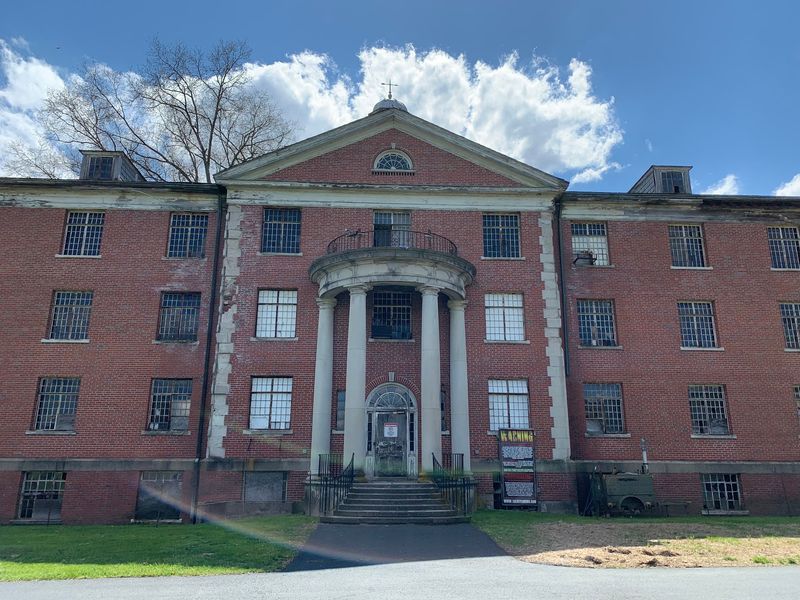
Saving a stone giant this size is not a weekend project. The building was listed on the National Register of Historic Places in 1990 and became a National Historic Landmark, yet after the 1994 closure it sat empty for more than ten years.
Rain, frost, and neglect went to work. Demolition was a real possibility.
In 2007, an asbestos demolition contractor named Joe Jordan bought the entire complex for $1.5 million and did the opposite of what his job title suggests. He restored the original name, Trans-Allegheny Lunatic Asylum, and opened the doors to visitors.
Tour income now funds the whole operation. Money goes toward staff, supplies, utilities, and the slow, expensive work of repair.
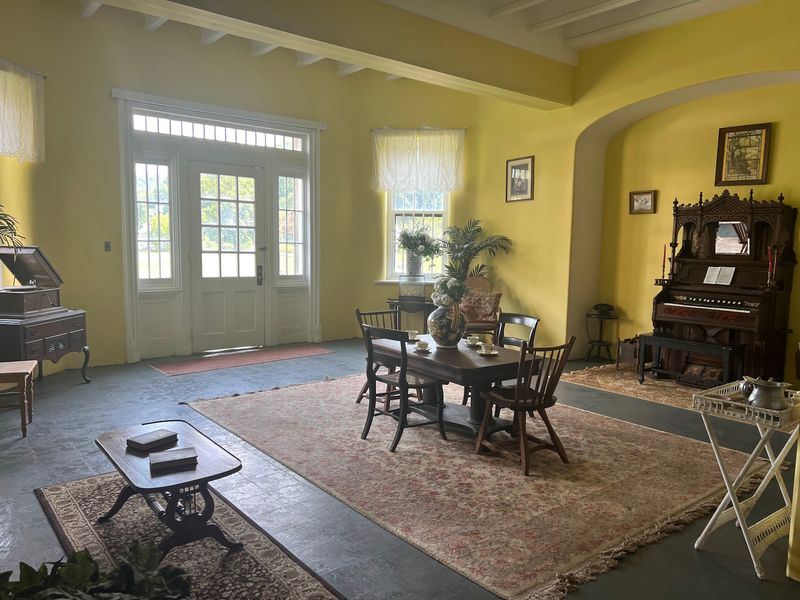
Progress shows in patches. The main hallway and the former doctors’ and nurses’ quarters have been refurbished, while other wings still wear peeling paint and buckled plaster.
That contrast is honestly part of the appeal. Visitors can see restored craftsmanship in one room and raw decay a few doors down.
Doors open at 11:30 AM Tuesday through Sunday, with an earlier 9:30 AM start on Saturday, and Monday is closed. Filling out the waiver online ahead of time saves a few minutes at check-in.
There is a gift shop, friendly staff, and enough left to see that most people plan a second visit.