
This Hidden Dune Beach In North Carolina Has Gone Unwalked By Most Locals
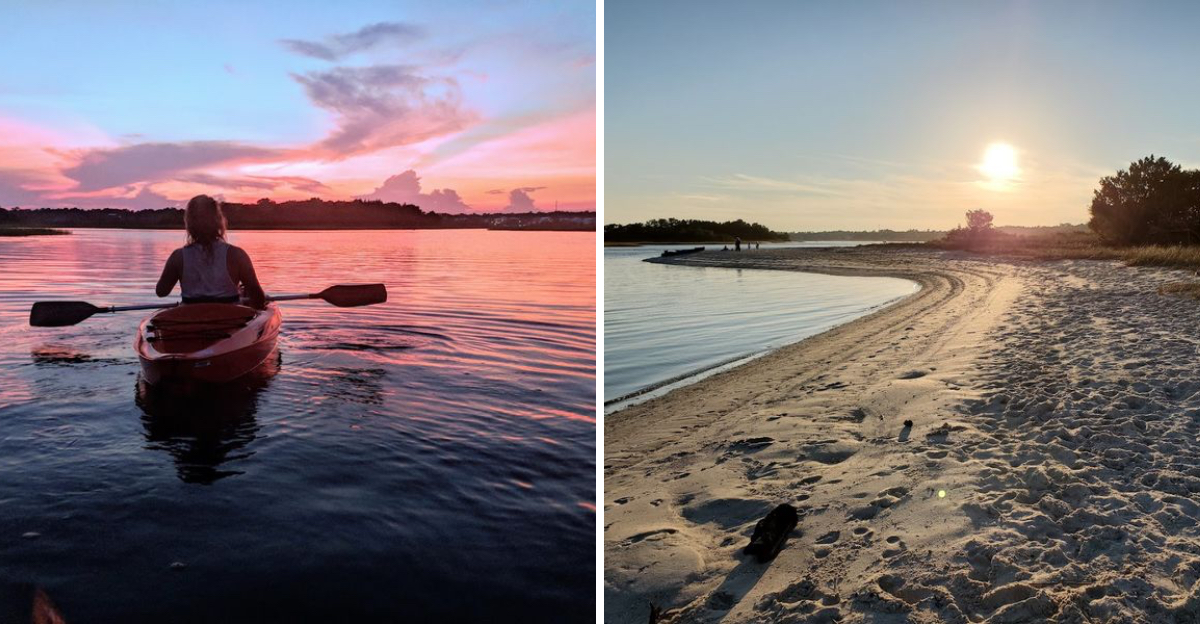
An eight-mile stretch of beach in North Carolina holds secrets most people driving nearby never notice. No roads lead here.
Only water gets you across, and that single detail keeps this coastline wilder than almost anywhere else in North Carolina.
Salt marsh gives way to open dunes, and dunes give way to a shoreline that feels borrowed from another century.
Shells wash up here in numbers that make collectors go quiet with focus. Sea turtles pick this sand for nesting once summer warms the water.
Spend the night and the sky puts on a show no city block could match.
Curious what else is waiting past those dunes? Grab a boat, or find a friend who has one, because this coastline rewards anyone willing to make the trip.
North Carolina’s Largest Undisturbed Barrier Island
Most barrier islands along the East Coast have been built up, paved over, or turned into resort towns. Masonboro Island Reserve broke that pattern entirely.
It stands as the largest undisturbed barrier island along North Carolina’s southern coast, and that title is not just a label.
The reserve covers roughly 5,653 acres of protected coastal habitat. It stretches 8.4 miles from end to end, sitting between Wrightsville Beach and Carolina Beach.
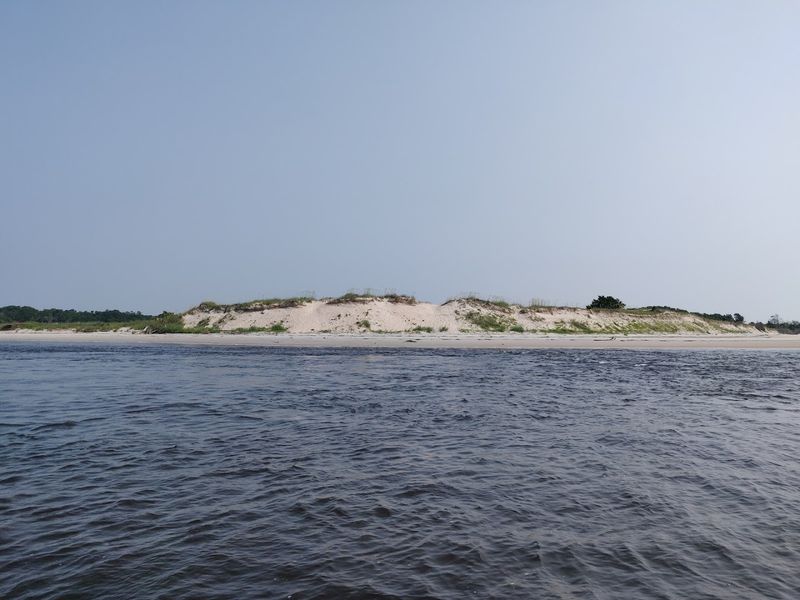
From the water, the island looks like it belongs to another era.
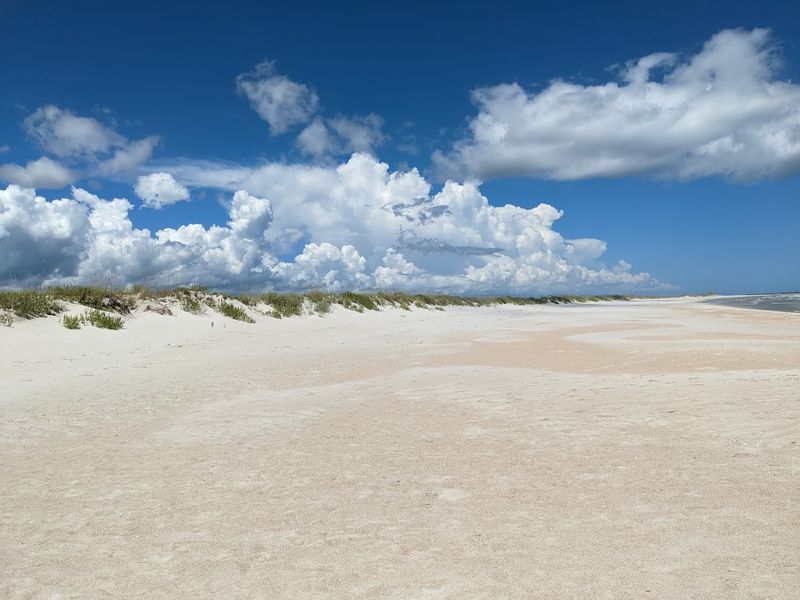
Eighty-seven percent of the island consists of marsh and tidal flats. The remaining stretch gives way to shrub thickets, maritime grasslands, and rolling sand dunes.
The oceanfront beach runs wide and clean, with no buildings breaking the view in either direction.
The reserve is officially listed at 613 Trails End Rd, Wilmington, NC 28409, though no road actually reaches the island itself. That inaccessibility is precisely what keeps it so extraordinary and so unspoiled.
Getting There Is Half The Adventure
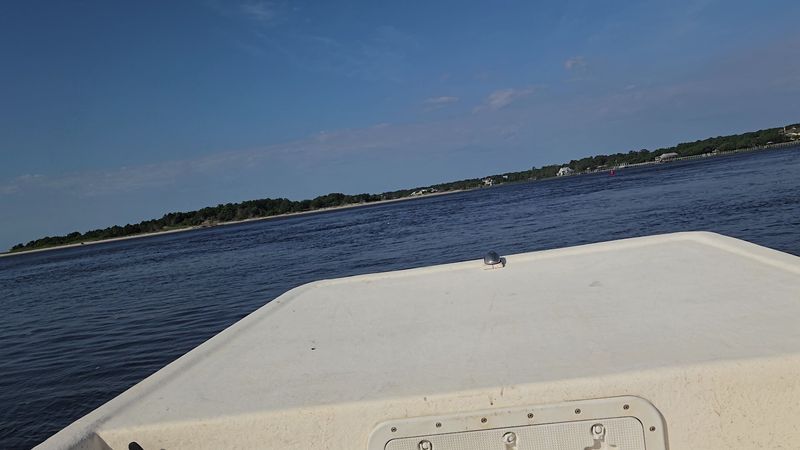
Forget parking lots and boardwalks. The only way onto Masonboro Island is by water, and that single requirement filters out the crowds before they even begin to form.
Private boat owners often launch from ramps near Wrightsville Beach or Carolina Beach. Kayakers and paddleboarders cross the Intracoastal Waterway, which can feel calm on a quiet morning or surprisingly challenging when wind picks up.
Tides matter here, so checking conditions before heading out is a smart move.
For visitors without their own vessel, private ferry and tour services operate in the area. Boats land on the sound side of the island, where broad sandy flats make for easy arrivals.
From there, short trails cross the width of the island and open up onto the Atlantic oceanfront.
The boat ride itself sets the tone for the whole experience. Dolphins are sometimes spotted in the waterway.
Pelicans glide overhead. By the time boots hit sand, the outside world already feels very far away.
A Landscape That Shifts With Every Step
Few places pack this much ecological variety into a single island. Cross from the sound side to the ocean side, and the scenery changes completely within a short walk.
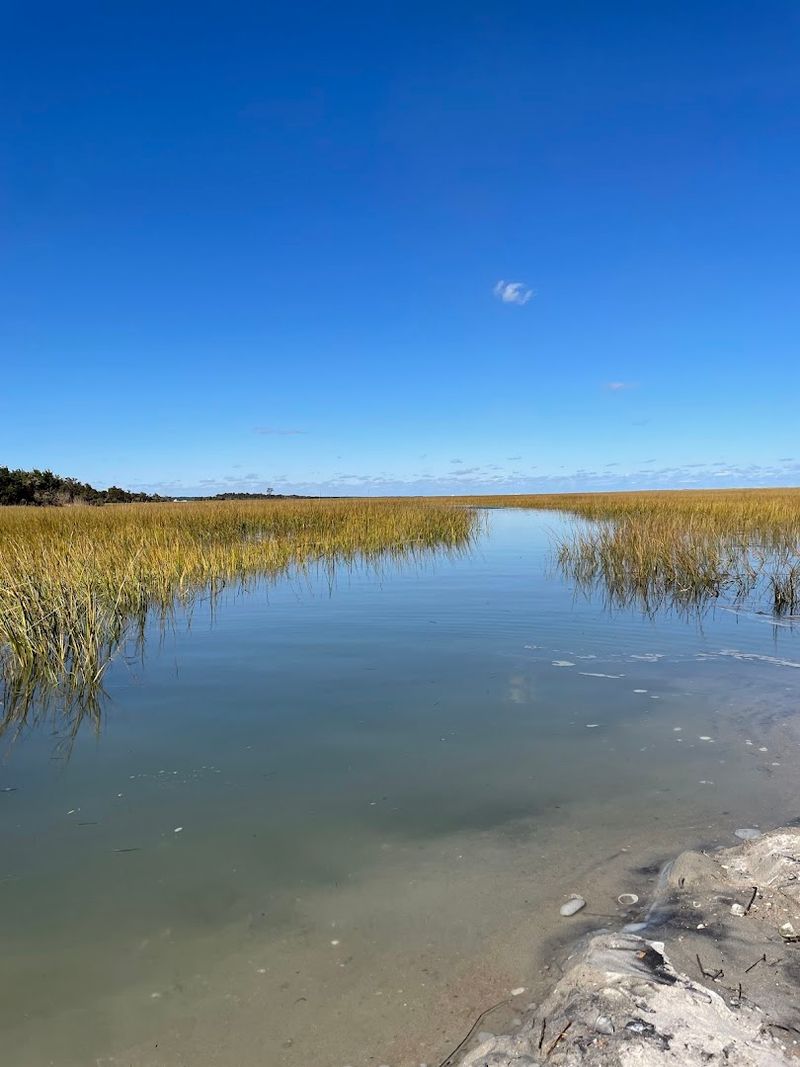
Salt marshes line the Masonboro Sound edge, where cordgrass sways with every tidal shift. These marshes are not just scenic backdrops.
They serve as nursery grounds for fish, feeding stations for wading birds, and natural buffers against storm surge.
Moving inland, the terrain rises into shrub thickets and patchy maritime grassland. Small pockets of maritime forest appear in sheltered areas.
Then the dunes take over, built up by wind and held in place by sea oats that are legally protected from being picked or disturbed.
Beyond the dunes, the wide Atlantic beach opens up. The sand is pale and soft underfoot.
Waves arrive uninterrupted by jetties or piers. Standing at the water’s edge, the nearest developed beach town is invisible.
The horizon holds nothing but open ocean, and that view is genuinely hard to find anywhere in North Carolina anymore.
Wildlife That Treats The Island Like Home
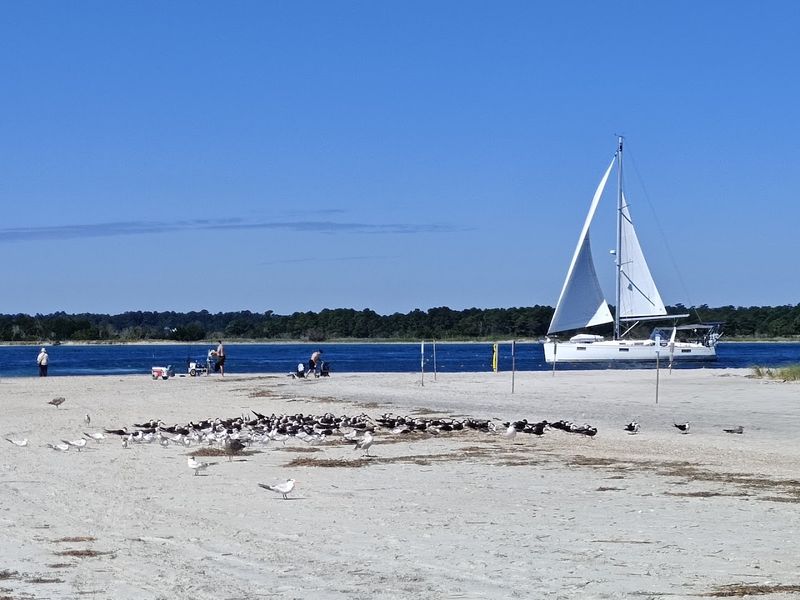
The island does not just tolerate wildlife. It actively supports species that struggle to survive anywhere development has taken hold.
Loggerhead and green sea turtles nest on the oceanfront beach during warmer months, making this stretch of sand a critical stop in their reproductive cycle.
Shorebirds are everywhere. American oystercatchers, least terns, and black skimmers nest in the dunes.
Brown pelicans cruise low over the surf. White ibis, great blue herons, and snowy egrets work the tidal flats with patient precision.
The marshes hide their own residents. Diamondback terrapins slide through the shallows.
Masonboro Sound functions as a nursery for juvenile fish, including flounder, mullet, spot, and bluefish. Non-native red foxes have also established themselves on the island and are occasionally spotted trotting along the beach.
Wildlife watching here requires no special equipment or guided tour. Just moving quietly and staying observant is enough.
The island rewards patience, and almost every visit turns up something worth stopping to watch for a while.
Shell Collecting At Its Absolute Best
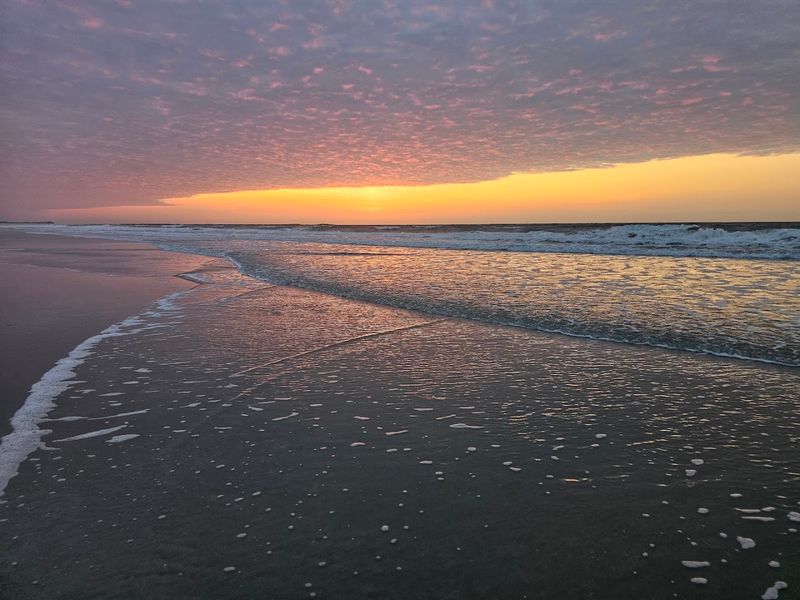
Shelling enthusiasts have a way of finding each other, and they all seem to know about Masonboro Island. The reserve has built a quiet reputation as one of the best shelling spots along the entire North Carolina coastline.
The reason is straightforward. No development means no foot traffic clearing the beach daily.
Shells accumulate undisturbed, and low tide reveals the real prizes. Whelks of impressive size wash up regularly.
Moon snails, olive shells, and sand dollars appear with satisfying frequency.
The most coveted find is the Scotch Bonnet, North Carolina’s official state shell. It does not turn up on every visit, but its presence on this beach is more likely here than at busier spots nearby.
Collectors who arrive early after a storm often make the best hauls.
Beachcombing here takes on a meditative quality. The beach stretches long enough that crowds never form.
Each wave resets the shoreline. Each walk covers new ground.
It is the kind of slow, unhurried activity that feels almost impossible to find at more popular coastal destinations.
Ocean Swimming, Surf Fishing, And Open Space
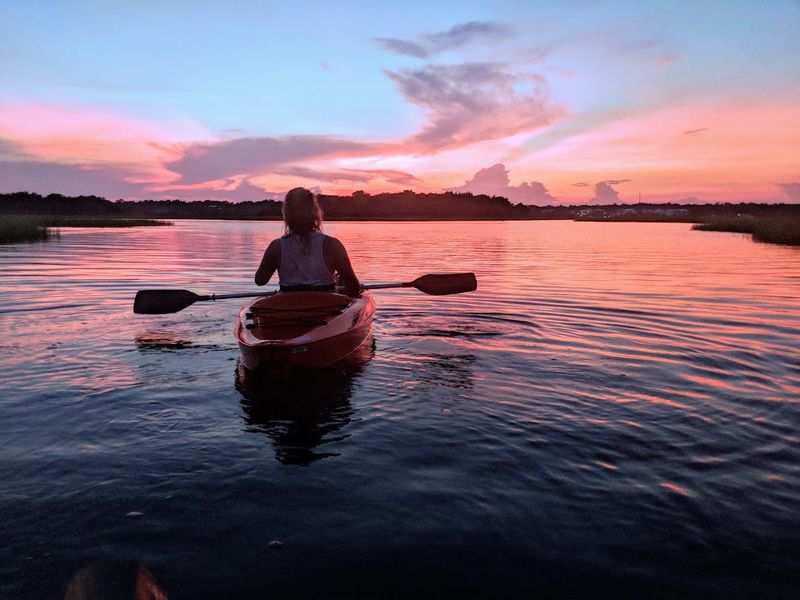
Eight miles of open beach and no lifeguards on duty. That combination demands respect, but it also delivers a level of freedom that managed beaches simply cannot match.
Swimming in the Atlantic here is a raw, unfiltered experience. Currents can run strong, especially near the inlets.
The ocean side sees genuine surf, which draws visitors who want waves without the crowds. Caution is always the right approach, particularly for families with young children.
Surf fishing is a popular activity along the oceanfront. Anglers set up wherever they like, casting for bluefish, flounder, and other coastal species.
There are no designated fishing zones, no permit booths, and no one telling you where to stand.
Kayaking and paddleboarding inside the tidal creeks offers a completely different pace. The waterways are calm, sheltered, and rich with wildlife.
A slow paddle through the marsh at low tide reveals a world that most beachgoers never bother to look for. Both the ocean and the sound side deliver, just in very different ways.
Spending The Night Under A Sky Full Of Stars
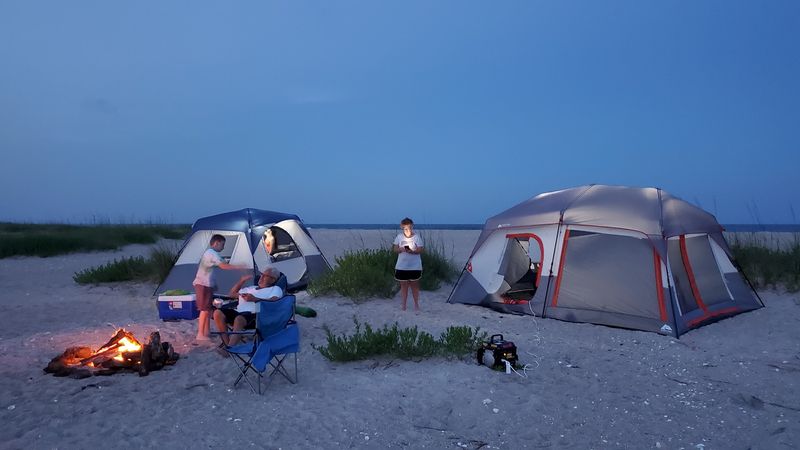
Primitive camping is permitted on the island, and that option turns a day trip into something far more memorable. Spending a night here means falling asleep to the sound of the Atlantic and waking up before any day visitors arrive.
The experience comes with a clear set of expectations. No facilities exist on the island.
No restrooms, no running water, no trash cans. Campers must carry everything in and carry everything out, without exception.
Existing camp areas should be used to minimize impact on vegetation and dunes.
Fires require care and responsibility. All personal belongings must be removed within 48 hours.
These rules are not obstacles. They are the reason the island still looks the way it does.
Waking up on Masonboro Island as the sun rises over the Atlantic is the kind of experience that is hard to put into words afterward. The beach belongs entirely to those who stayed.
Dolphins may be visible from the shoreline. Shorebirds begin their routines at first light.
It is the most unfiltered version of coastal North Carolina available.
The Conservation Story Behind The Reserve
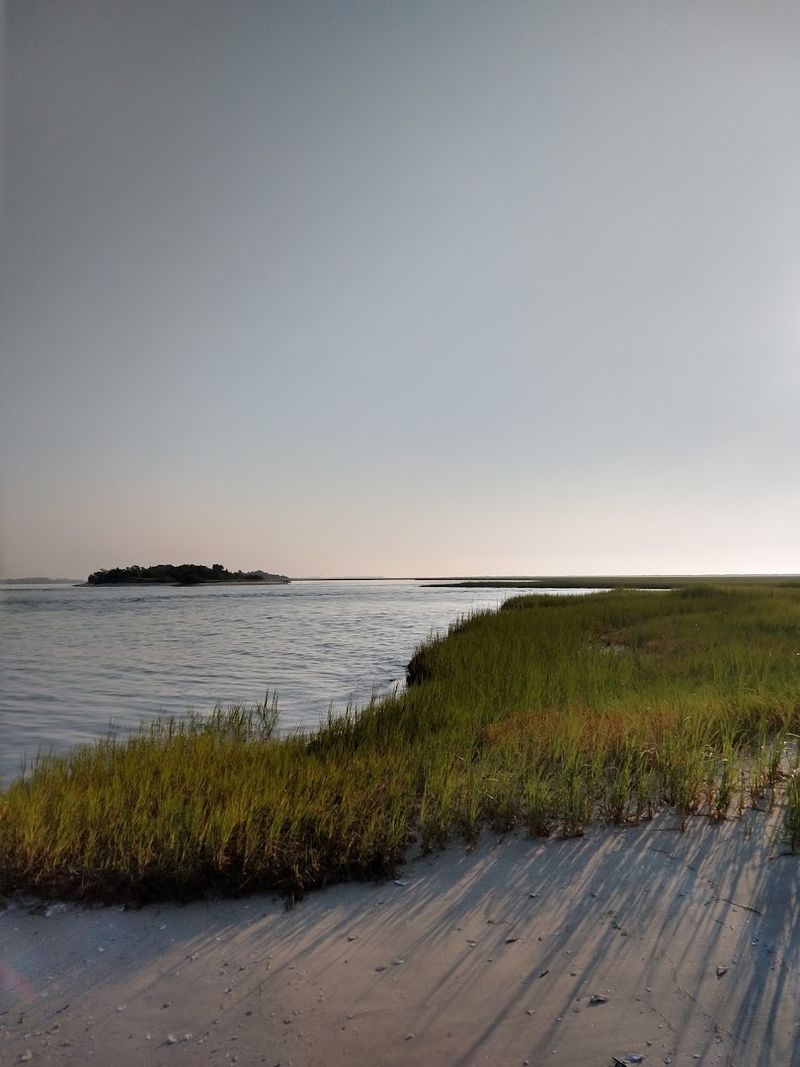
The island’s current protected status did not happen automatically. It took determined effort from people who recognized what would be lost if development moved in during the 1980s, when pressure on coastal land was intense.
For most of the twentieth century, Masonboro Island remained privately owned. As surrounding communities grew, the island’s future became uncertain.
Local citizens organized, and the Society of Masonboro Island became a driving force in the push for permanent protection.
Working alongside the North Carolina Coastal Land Trust, advocates succeeded. In 1991, the island was formally incorporated into the NC Coastal Reserve and National Estuarine Research Reserve system.
That designation gave it long-term legal protection from commercial development.
Today, the reserve functions as a living research site. Scientists study coastal ecosystems, monitor sea turtle nesting activity, and track how barrier islands respond to natural forces over time.
The island serves future generations as much as it serves today’s visitors. North Carolina’s coastline is better for the effort that went into saving it.
What To Pack Before You Cross The Water
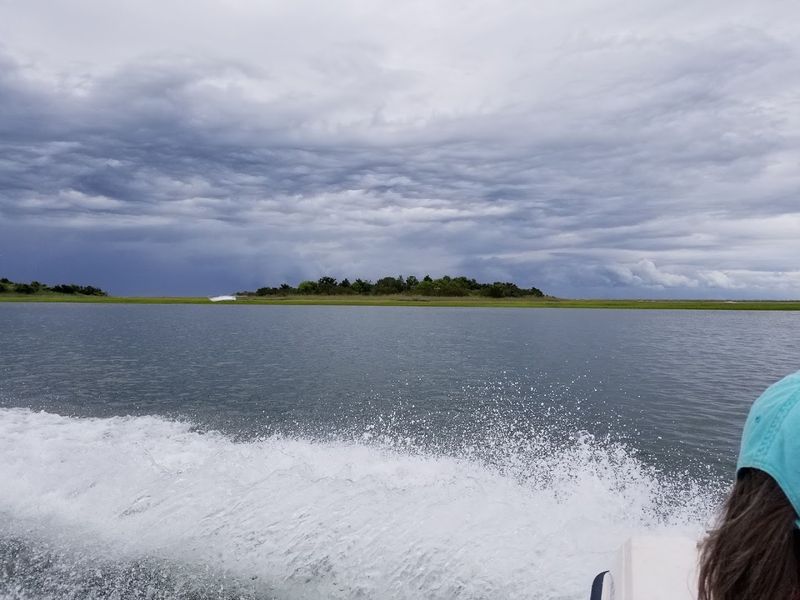
Preparation separates a great visit from a miserable one. The island offers no services of any kind, and the nearest store is a boat ride away.
Thinking through the packing list before leaving the dock makes a real difference.
Water is the top priority. The sun reflects off both sand and water, and the heat can be intense during summer months.
Bring more than expected. Sunscreen is equally non-negotiable, as shade is minimal across most of the island.
A wide-brim hat and UV-protective clothing add an extra layer of defense.
Bug spray earns its place in the bag, especially for anyone spending time near the marshes. Mosquitoes and biting flies can be persistent depending on the season and wind conditions.
A reusable bag for collecting trash, including any shells that turn out to be less impressive up close, keeps the beach clean.
Dogs are welcome on the island but must stay on a leash at all times. Nesting areas are often marked with signs, and giving those zones a wide berth protects the wildlife that makes this place worth visiting.
Timing Your Visit For The Best Experience
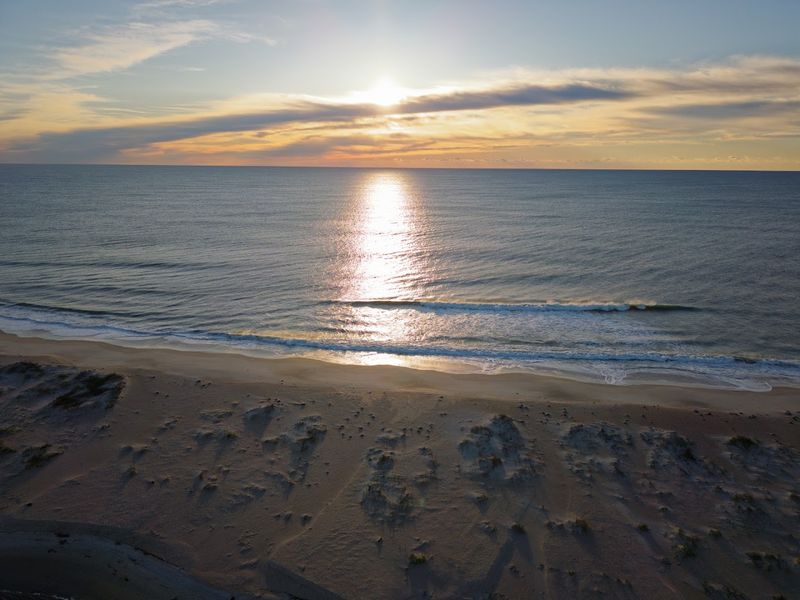
The island changes personality depending on the season, and knowing when to go shapes the entire experience. Spring and fall tend to offer the most balanced conditions, with comfortable temperatures, lower humidity, and fewer visitors on the water.
Summer brings warmer water and more boat traffic in the Intracoastal Waterway. Sea turtle nesting season runs through summer, making the beach particularly active with wildlife.
Early morning arrivals during this period are rewarded with the quietest stretch of sand and the best light for photography.
Winter visits are quieter still. Migratory birds pass through in large numbers, and the island takes on a stark, windswept quality that feels completely different from the summer version.
Water temperatures drop considerably, so swimming is less appealing, but beachcombing and birdwatching remain excellent.
Tides affect the experience regardless of season. Low tide opens up the widest beach and exposes the best shelling ground.
Checking a tide chart before launching is a practical habit that experienced visitors develop quickly. The island rewards those who pay attention to natural rhythms.
Photography Opportunities Around Every Bend
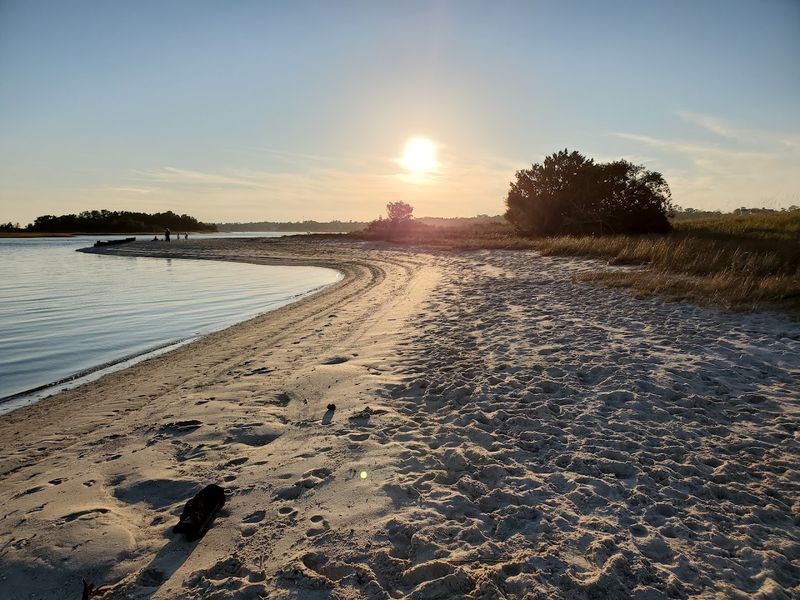
Point a camera in almost any direction on this island and something worth capturing fills the frame. The light here behaves differently than it does at developed beaches, without buildings or artificial structures to interrupt the natural landscape.
Sunrise on the oceanfront is particularly striking. The beach runs flat and wide, and the first light catches the wet sand in a way that makes the whole shoreline glow.
Shorebirds are active at this hour, moving along the waterline and providing natural foreground interest.
The sound side offers its own visual rewards. Salt marsh cordgrass catches afternoon light with a warm golden tone.
Reflections in the tidal creeks mirror the sky above with minimal distortion. Wading birds stand motionless in the shallows long enough to compose a careful shot.
Wildlife photography requires patience more than expensive equipment. Sea turtles, dolphins, and nesting birds appear on their own schedule.
The island does not perform on command. Visitors who slow down and stay observant consistently come away with images that feel genuinely wild, because they are.
Why This Place Deserves Far More Respect Than It Gets
Easy access breeds familiarity. Familiarity breeds carelessness.
The boat-only requirement at Masonboro Island acts as a natural filter, but it does not make the place indestructible. The island needs visitors who understand what they are walking into.
Leave-no-trace principles are not suggestions here. They are the foundation of the entire experience.
Every piece of trash left behind, every dune trampled, every nesting site disturbed chips away at something that took decades to protect and cannot be easily rebuilt.
The reserve functions as an active research site. Scientists working on coastal ecosystem studies depend on the island remaining as undisturbed as possible.
Visitors who respect that mission become part of the conservation story rather than a threat to it.
North Carolina has very few places like this left. The combination of size, ecological diversity, and genuine wildness makes Masonboro Island something that should not be taken for granted.
Those who visit with care and intention tend to leave with a deeper appreciation for what undeveloped coastline actually looks and feels like, and a strong desire to protect it.