
This Historic Mississippi Counter Has Served Its Unusual Signature Sandwich Since 1939
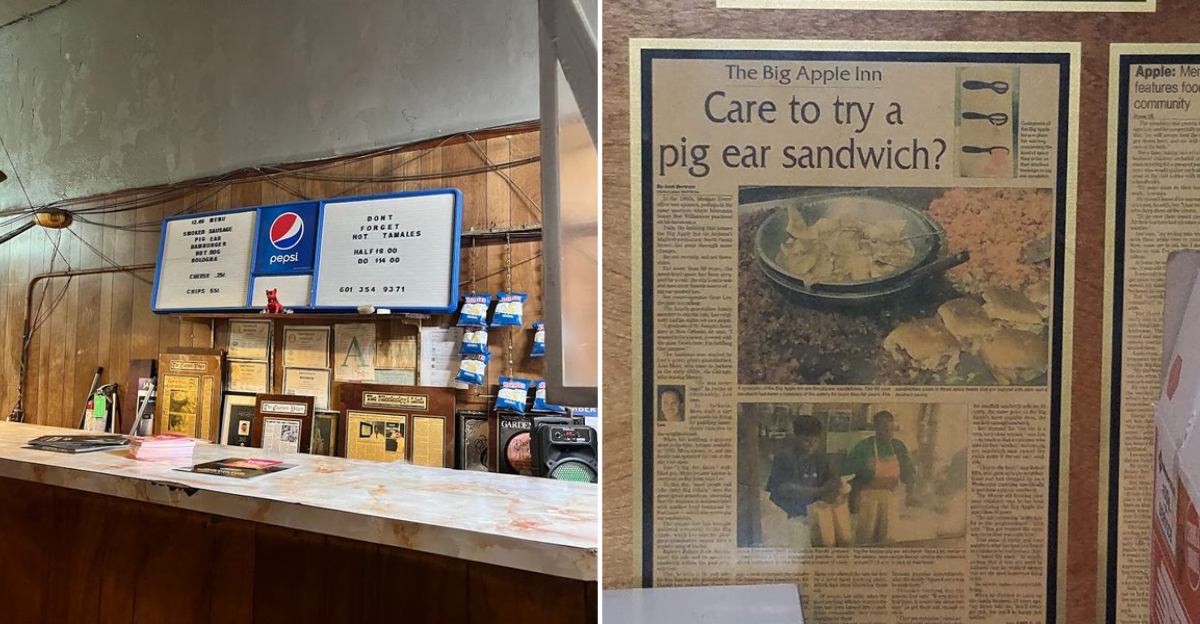
Culinary traditions often survive through a stubborn refusal to change the original blueprint. Depression-era cooks frequently relied on unusual, affordable ingredients to stretch their meager kitchen budgets.
This historic downtown lunch counter honors that resilience by serving its unique signature sandwich exactly as it did in 1939. The curious combination sounds puzzling on paper to modern out-of-town visitors.
However, the first bite instantly explains why generations of families keep returning to the same vinyl stools. The kitchen prepares each order using vintage iron equipment from the early twentieth century.
Mississippi history is deeply intertwined with resourceful, comforting soul food. Yet, this specific counter stands completely alone for its preservation of a bygone era.
Tasting this piece of living history requires stepping away from standard fast-food drive-thrus.
Origins Of The Signature Sandwich
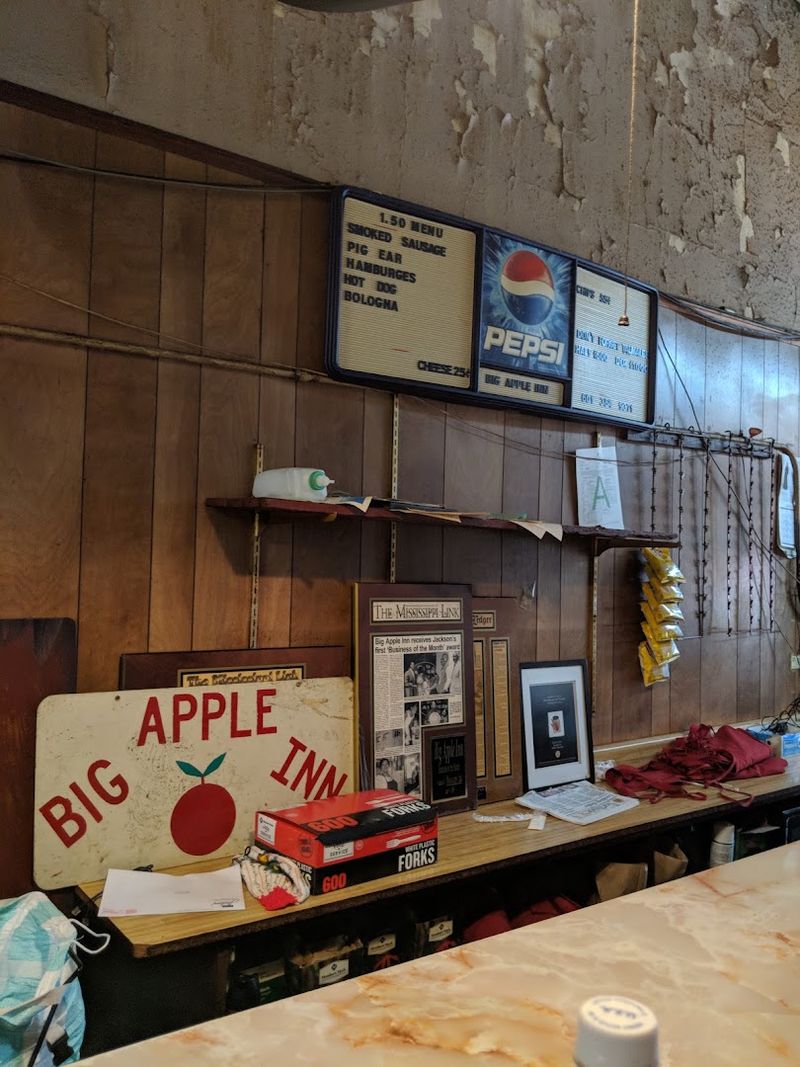
Almost nineteen years ago, in 1939, a Mexican immigrant named Juan “Big John” Mora had a cart and a dream. He sold tamales on the streets of Jackson, Mississippi.
Every dollar saved brought him closer to something bigger.
When a local butcher offered him free pig ears, Mora did not turn them down. He experimented, failed a few times, and eventually figured out how to make them tender and worth eating.
That creative hustle gave birth to the pig ear sandwich.
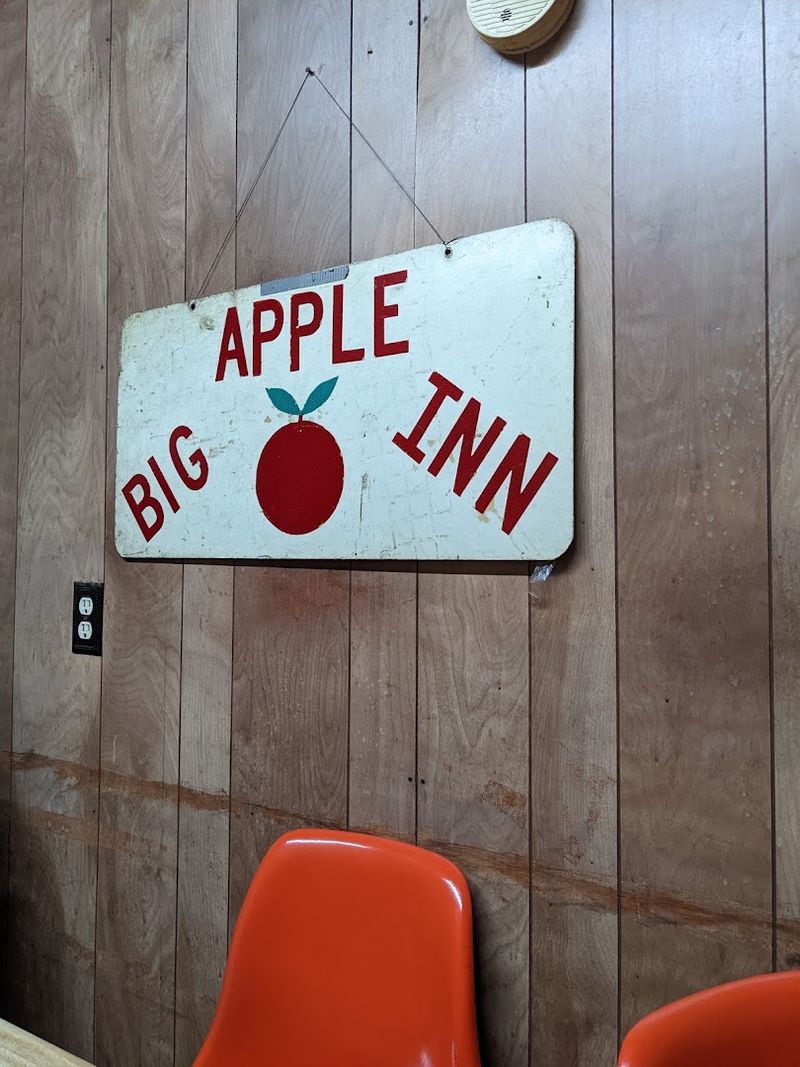
Big Apple Inn opened its doors on Farish Street and never really looked back. The neighborhood was alive with Black-owned businesses, jazz clubs, and community energy.
This counter became part of that fabric immediately.
Mora built something that outlasted trends, recessions, and entire generations of restaurants. The story is not just about food.
It is about a man who turned scraps into a legacy that still feeds people today.
You can visit this living piece of history at 509 N Farish St, Jackson, MS 39202. The counter is still standing.
The sandwiches are still being made. Some things are worth keeping exactly as they are.
Unique Ingredients That Define The Flavor
Pig ears are not something most people grow up eating. That is exactly what makes the Big Apple Inn sandwich so fascinating.
It challenges your comfort zone before it even reaches your mouth.
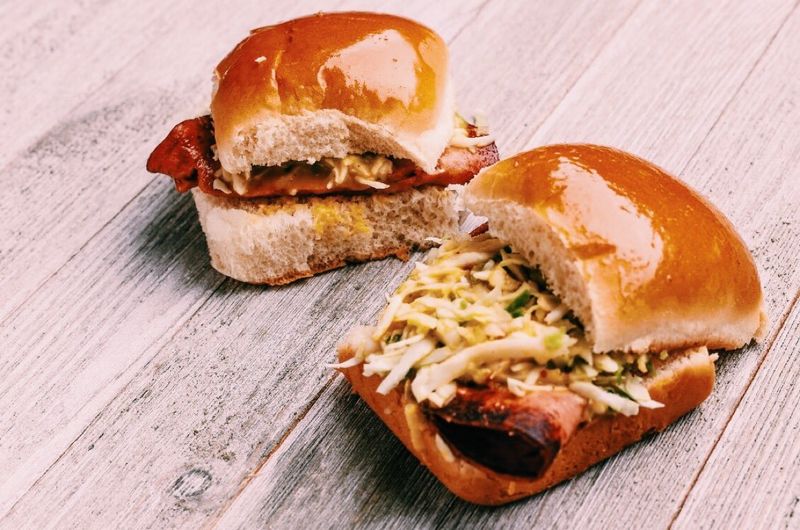
The star ingredient is slow-cooked pig ear, made tender through a long cooking process. It carries a soft, gelatinous texture that surprises most first-timers.
Some describe it as meaty. Others say it is unlike anything they have ever tried.
The pig ear lands on a soft slider bun, which keeps things simple and honest. Then comes the mustard, applied with zero hesitation.
Coleslaw adds a cool, creamy contrast to the warm meat.
Homemade hot sauce finishes everything off with a kick that you can actually feel. The heat level is your choice: mild or hot.
That decision matters more than you might think.
Together, these ingredients create something hard to explain but easy to remember. No single element overpowers another.
The balance is the whole point, and it has been working since before your grandparents were born.
Traditional Preparation Techniques Explored
In the early days, making the pig ear sandwich was a two-day commitment. Pig ears had to be boiled for nearly 48 hours straight.
That is a lot of patience packed into a tiny slider.
Today, a pressure cooker handles the job in about two hours. The result is the same level of tenderness that Mora originally worked so hard to achieve.
Modern tools, same old soul.
The smoked sausage sandwich, locally called the “smoke,” follows its own method. Ground sausage gets cooked on a flat grill until it develops the right texture and heat.
It then goes straight onto a slider bun.
Nothing about the process is complicated. There are no secret marinades or elaborate spice blends hiding behind the scenes.
The technique is straightforward, and that simplicity is part of what makes it work.
Each sandwich is assembled quickly and wrapped up without ceremony. Speed matters at a counter where the lunch line stretches out the door.
Watching the prep happen in real time is part of the whole experience at Big Apple Inn.
Cultural Impact On Regional Cuisine
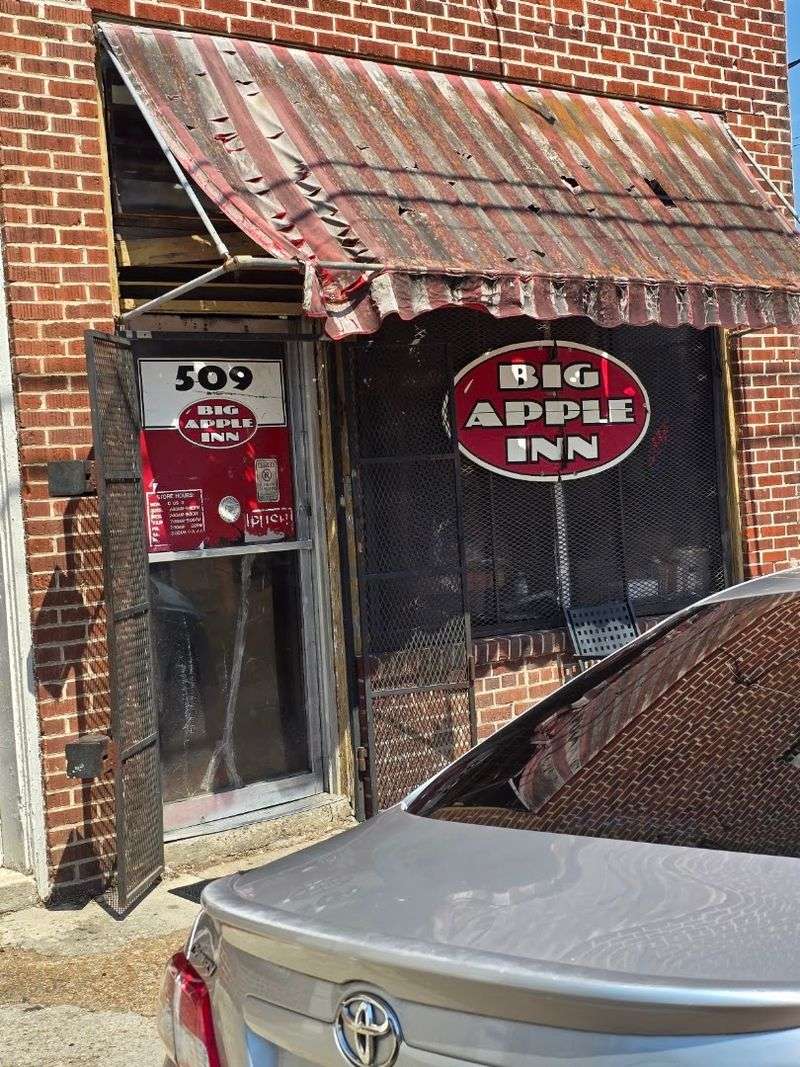
Farish Street was once the heartbeat of Black commerce in Jackson, Mississippi. Big Apple Inn sat right in the middle of all that energy.
It was not just a place to eat. It was a place to be.
During the Civil Rights Movement, the restaurant served as a gathering point for activists and community leaders. Medgar Evers, one of the most important civil rights figures in American history, had an office directly above the counter.
That is not a small detail.
Freedom Riders passed through. Local organizers met here between marches and meetings.
The pig ear sandwich was being eaten while history was being made just a few feet away.
That kind of context changes how food tastes. A sandwich made in a place like this carries weight beyond its ingredients.
Big Apple Inn became a symbol of resilience without ever trying to be one.
Its influence on regional cuisine goes beyond the menu. It helped normalize bold, resourceful cooking rooted in necessity.
Mississippi food culture is richer because this counter has been here, holding its ground, since 1939.
Evolution Of Sandwich Varieties Over Time
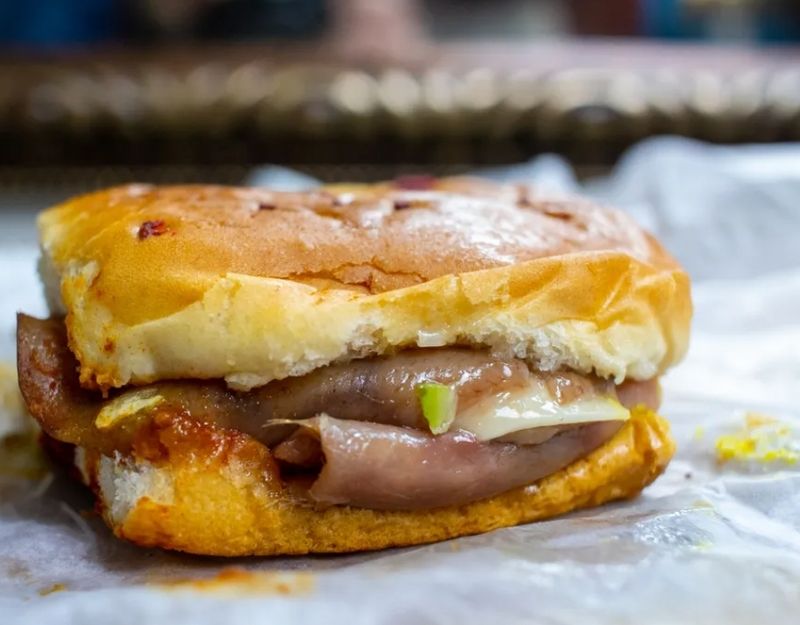
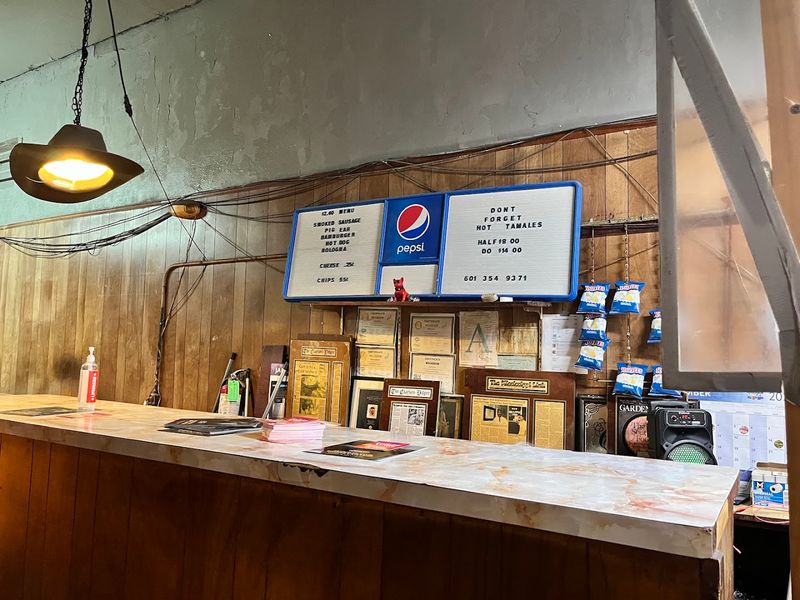
When Big Apple Inn first opened, the menu was short and to the point. Tamales, pig ear sandwiches, and smoked sausage sliders were the whole lineup.
That was it, and people were happy.
Decades passed, and a few additions quietly joined the original crew. Bologna sliders, hot dog sliders, and hamburger sliders eventually made their way onto the menu.
The core stayed intact while the options grew slightly.
Five items remain at the center of everything Big Apple Inn serves. That consistency is intentional.
Owner Geno Lee understands that the menu works because it has always worked.
A second location opened in North Jackson, bringing the same food to a new part of the city. The expansion did not dilute anything.
Both spots carry the same spirit and the same recipes.
Interestingly, a remodel attempt once caused business to drop noticeably. The original style was brought back, and customers returned.
That moment proved that people do not come to Big Apple Inn for something new. They come for something that has not changed, and that is exactly the point.
Customer Experiences And Testimonials
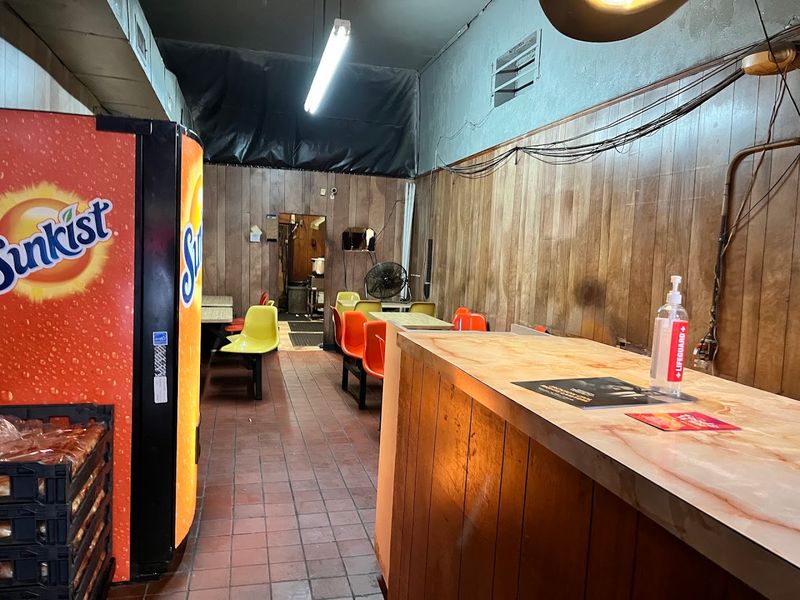
Lunchtime at Big Apple Inn has its own rhythm. A line forms, people wait, and conversations happen between strangers who all showed up for the same reason.
The wait is part of the visit.
People travel from other states just to try the pig ear sandwich. Some heard about it on television.
Others found it through word of mouth that stretched across decades and state lines. The draw is real.
First-timers often walk in unsure of what to expect. Most leave with a completely different opinion than the one they arrived with.
A few come back the same day for a second round.
The regulars are their own category entirely. Some have been coming since the 1970s.
They know exactly what they want before they reach the counter, and they order without hesitation.
Big Apple Inn holds a great rating across many of its reviews, which is impressive for a counter that charges just a couple of dollars per sandwich. The food earns that rating honestly.
No gimmicks, no social media campaigns, just a consistent product that people keep talking about long after they leave Jackson.
Pairing Ideas With Non-alcoholic Beverages
Big Apple Inn keeps its drink situation refreshingly simple. A classic vending machine handles the beverage side of the meal.
It fits the no-frills personality of the whole operation perfectly.
Dr. Pepper is a natural match for the pig ear sandwich. The sweetness cuts through the mustard and balances the richness of the slow-cooked meat.
It is a classic Southern pairing that just makes sense.
Mountain Dew brings a citrus brightness that works well against the heat of the homemade hot sauce. If you ordered the hot version, that cold, sharp soda does a solid job of cooling things down between bites.
Sunkist offers a similar effect with its orange flavor. The fruity notes contrast nicely with the savory, smoky qualities of the smoked sausage slider.
It is not a complicated pairing, but it is a satisfying one.
Water is always a smart move when heat levels are involved. Hawaiian Punch adds a nostalgic sweetness that pairs surprisingly well with the bologna slider.
Pepsi and cola round out the options for anyone who prefers a more classic soda experience alongside their meal.
Preserving Culinary Heritage In Modern Times
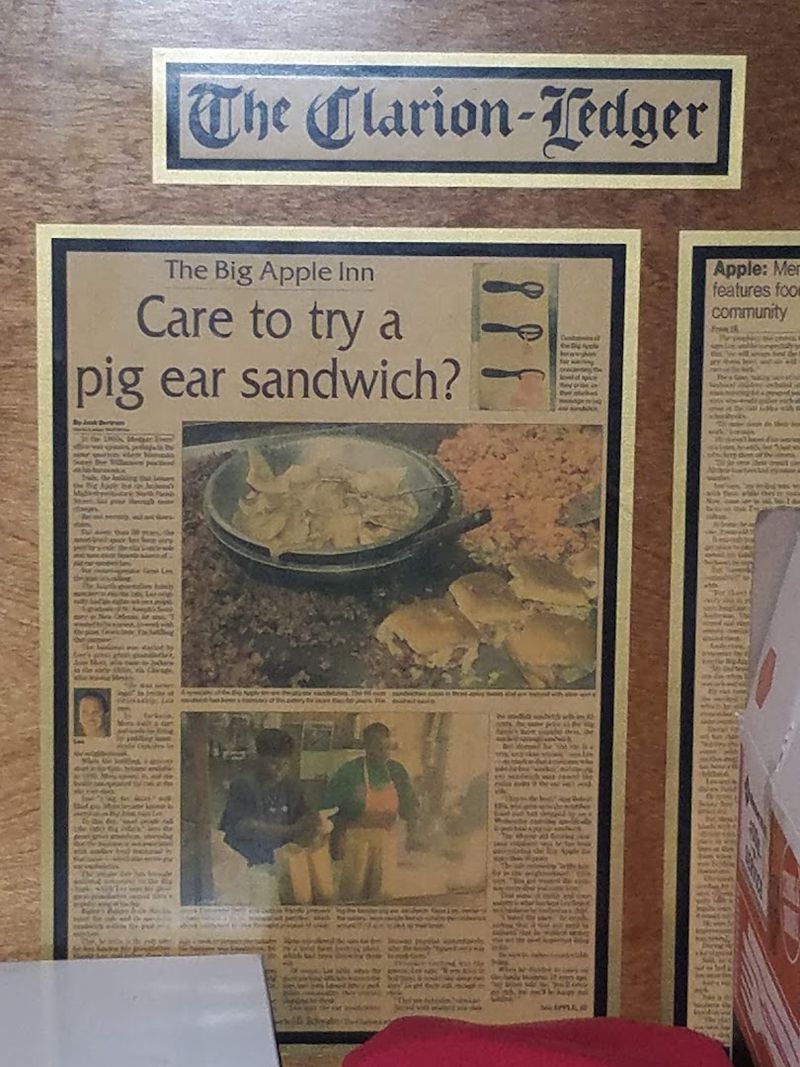
Big Apple Inn has outlasted a lot. Farish Street has seen businesses come and go, neighborhoods rise and fall.
This counter keeps its lights on and its grill hot regardless of what happens around it.
Owner Geno Lee carries the responsibility of his family’s legacy with clear intention. He keeps the prices modest so the food stays accessible to the community it has always served.
That decision is not accidental.
The menu has stayed at five core items for over eighty years. Lee understands that changing too much would mean losing the thing that makes Big Apple Inn worth preserving.
The food is the history.
Community service is woven into how the restaurant operates. It is not a marketing strategy.
It is a value that has been passed down alongside the recipes and the stories of the people who built this place.
When a remodel once threatened the original character of the space, customers responded by staying away. The original look was restored, and the regulars returned.
Big Apple Inn proved that authenticity is not just a word. It is the reason this sandwich counter is still standing after more than eight decades on Farish Street.