A gun disguised as an ink pen, made around 1910, sits inside an old brick house in Kentucky. Yes, a pen that fires.
I can’t stop thinking about who carried it, and why.
That sneaky pen shares space with about 100 handguns and roughly 50 rifles. One flintlock rifle may have belonged to the founder of the town itself.
Notice that word may. Nobody can fully settle the question.
The house dates back to around 1810, with a big addition started in 1830. Some of its exhibits have stayed in place for decades.
Now a group of friends and a state curator are working to refresh them.
I love a place that still keeps a few secrets after two centuries. So what else has been waiting quietly behind those brick walls?
A Brick House With Two Names And One Big Job
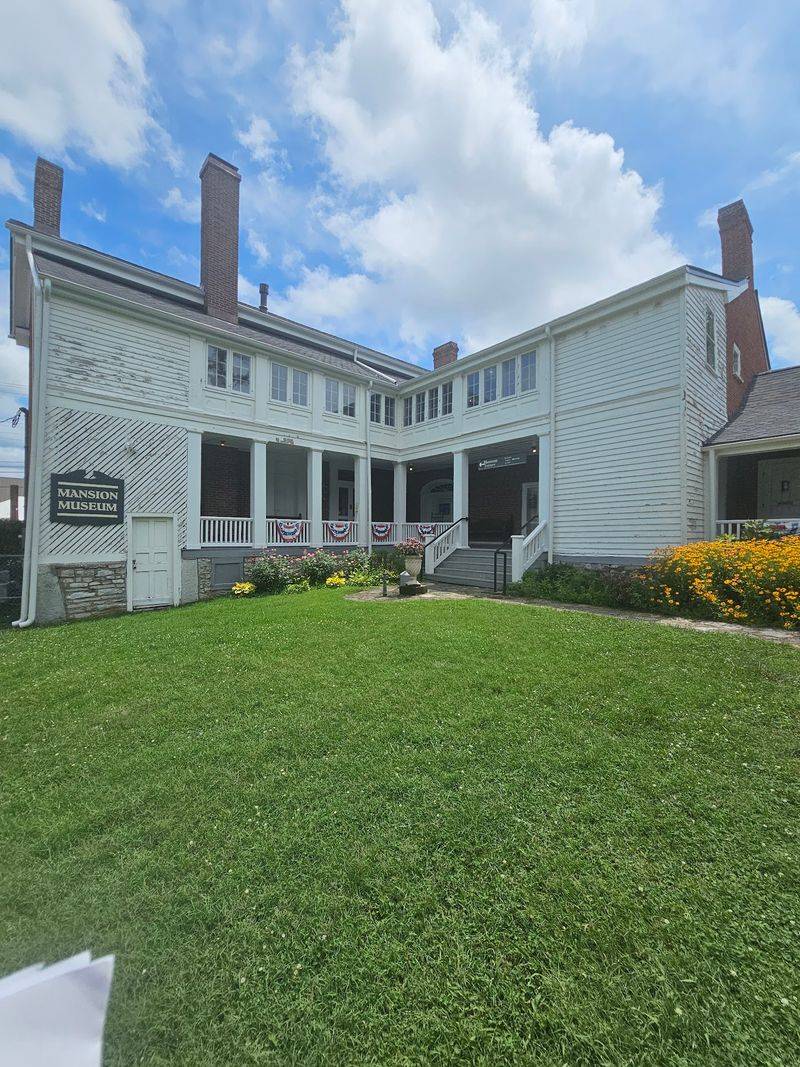
Most houses settle for one name, but this one answers to two. The Mansion Museum is also known as the Matheny-Taylor House, a nod to the families behind it.
It stands inside Old Fort Harrod State Park, one of the most history-packed spots in Kentucky. That means the house shares grounds with a replica fort, monuments, and plenty of pioneer stories.
Inside, the job is simple to describe and huge to pull off. The museum holds artifacts reaching back to the earliest days of the first settlement in the state.
You’ll find paintings, photographs, old newspapers, documents, and firearms spread through several rooms. Each room nudges you toward a different chapter of the past.
I appreciate that the house itself counts as an exhibit too. Its brick walls have been part of the local skyline for nearly 200 years.
It also earned a spot on the National Register of Historic Places. That kind of honor doesn’t get handed out to just any old building.
So the Mansion Museum works like a time capsule you can actually stroll through. The trick is knowing which questions to ask once you get there.
Nobody Can Quite Agree On When It All Began
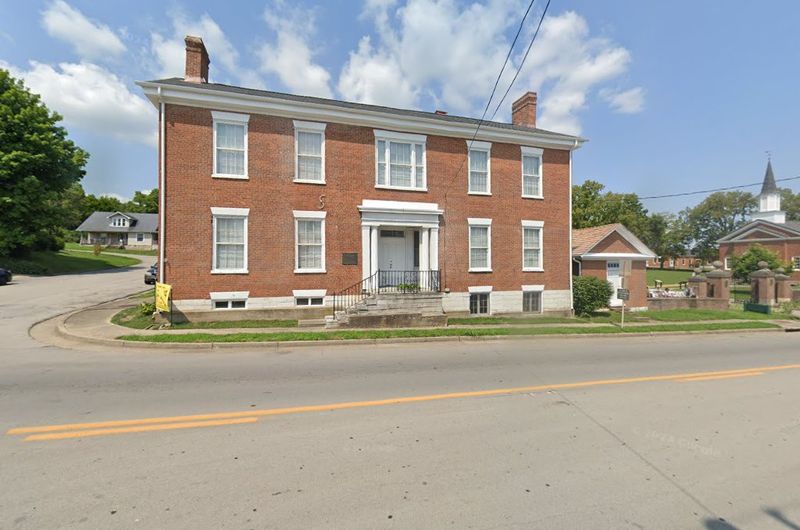
Here’s a fun puzzle for history fans. One source says Felix Matheny built the original house in 1810, while another points to 1813.
Three years might sound small. Still, it’s a reminder that even solid brick can’t settle every argument.
Matheny’s first version was fairly modest. It was a two-story brick block, three bays wide, which means three window and door openings across the front.
That simple layout would grow into something much grander later. But at the start, it was a sturdy frontier home in a young Kentucky town.
Think about how new everything was back then. The area had only been settled a few decades earlier, so a brick house signaled serious staying power.
I like that the founding date stays a little fuzzy. It gives you something to chew on as you study the walls from the outside.
One source also mentions an expansion in 1830. Put it all together, and you get a house built in stages over several decades.
Old buildings rarely arrive finished in one tidy moment. This one clearly took its sweet time becoming the landmark it is today.
Major Taylor Had Big Plans For College Street
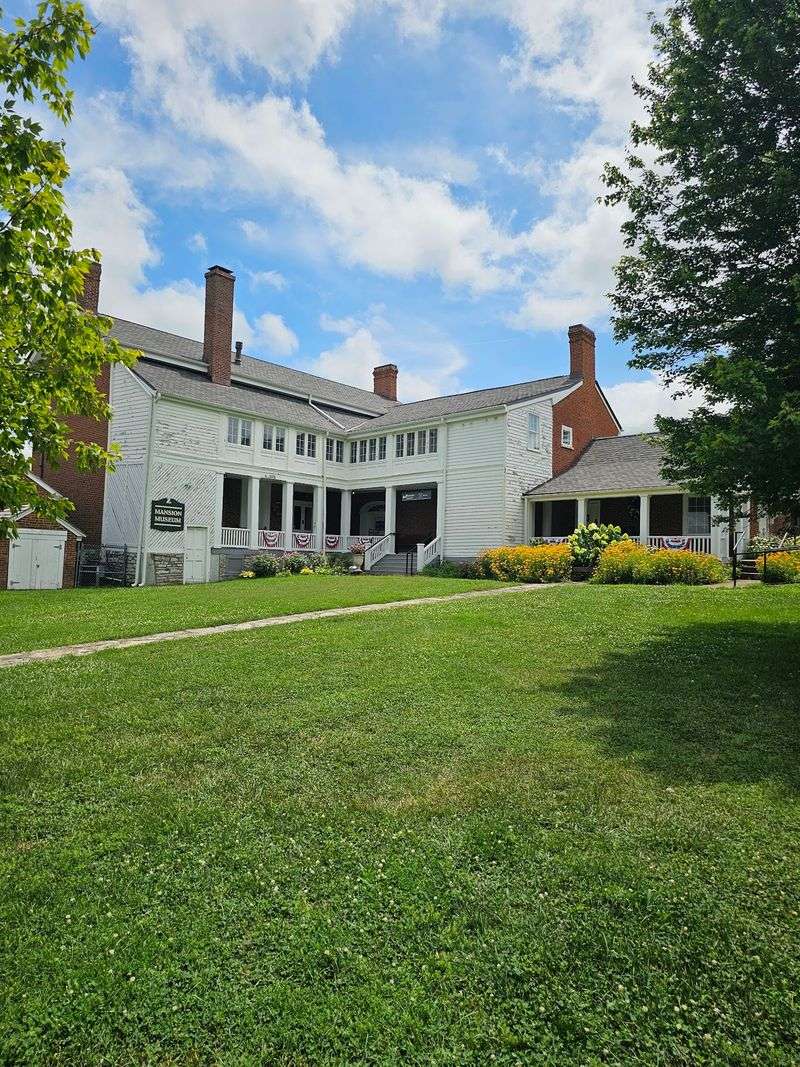
In 1830, James Taylor decided the house needed a serious upgrade. He began work on a two-story, five-bay addition that faces College Street.
Five bays means five openings across the front. That’s a much wider, more impressive face than the original three-bay block.
The addition is a big reason the place earns the word mansion. It turned a solid home into a building that commands the street.
Taylor, often called Major Taylor, cared about more than his own front porch. He played a key part in preserving the pioneer cemetery next to the reconstructed fort.
That cemetery is considered the oldest one west of the Alleghenies. Without people like Taylor, a lot of early settler history could have slipped away.
I find it fitting that his house now protects history too. The man who saved old stories ended up giving them a home.
So when you look at the College Street side, give the Major a little credit. He helped shape both the building and the memory of the town around it.
Not a bad legacy for one ambitious remodel.
The Rifle That Might Have Belonged To The Town Founder
Few words carry as much weight in a museum as potentially. Inside the Weapons Room, a flintlock rifle sits with that word attached to its story.
It may have belonged to James Harrod, the man the town is named after. Harrod led the group that started the first settlement in Kentucky.
So is it truly his rifle? The honest answer is that nobody can say for certain.
I actually love that uncertainty. It turns a plain display into a mystery you get to weigh for yourself.
Flintlock rifles were the tools of frontier life. They used a piece of flint to spark the powder, which took patience and skill.
Standing near one helps the pioneer era feel less like a textbook chapter. You start picturing the long walks, the hunting, and the hard work of building a settlement.
Take a moment with this piece before moving on. Look at the wood, the metal, and the wear from long years of use.
Whether it was Harrod’s or not, it raises the kind of question that sticks with you on the drive home.
Your Pen Collection Suddenly Feels Very Boring
A writing pen that’s secretly a gun sounds like something from a spy movie. Yet one from 1910 sits right here in the Weapons Room.
It’s a perfect example of how sneaky inventors got in the early 1900s. From across the room, you’d never guess what it really is.
That clever pen is just one item in a massive collection. The room holds around 100 handguns and roughly 50 rifles.
Yes, that’s a lot of firepower for a historic home. It shows how firearms changed over many generations of Kentucky life.
You can trace the shift from old frontier designs to more modern pieces. Each case tells a small story about craftsmanship and need.
Kids especially tend to love a good disguised object. Turn it into a game and challenge them to spot the pen before reading any labels.
I’d probably spend the most time right here. Something about a hidden purpose makes every other item in the room look suspicious too.
After this, you might double-check every pen on your desk. Don’t worry, yours almost certainly just writes.
Both Sides Of The 1860s Get A Room Downstairs
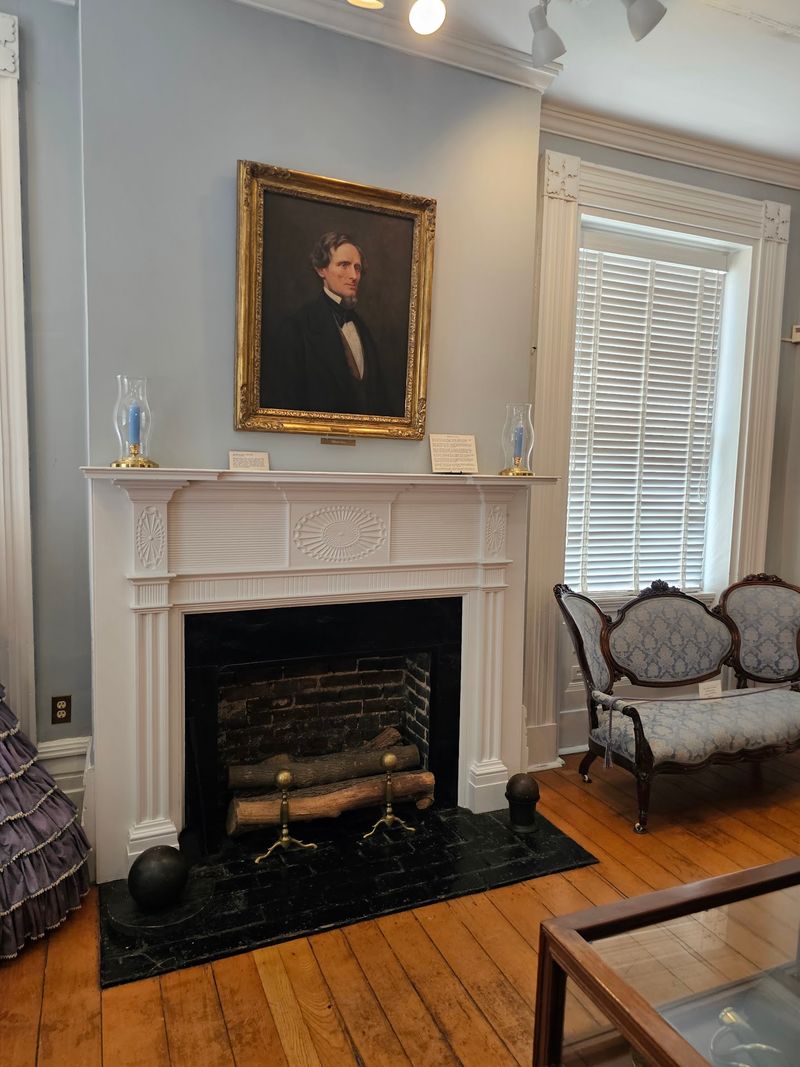
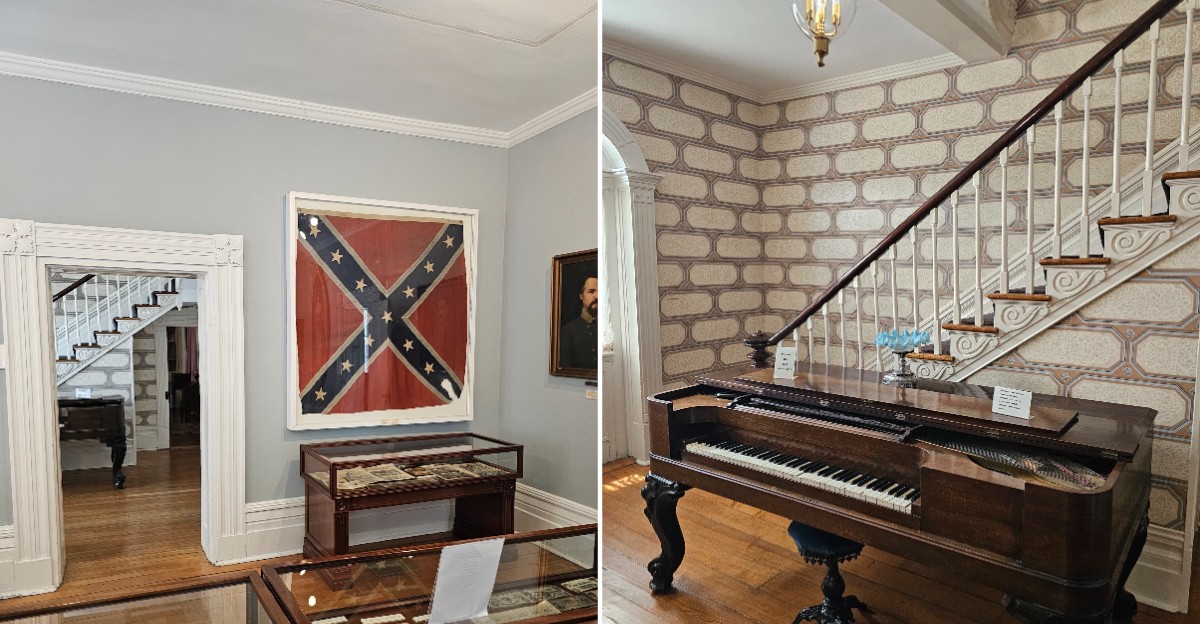
Kentucky had a complicated spot in the 1860s, with families split between North and South. The first floor of the Mansion Museum reflects that tension.
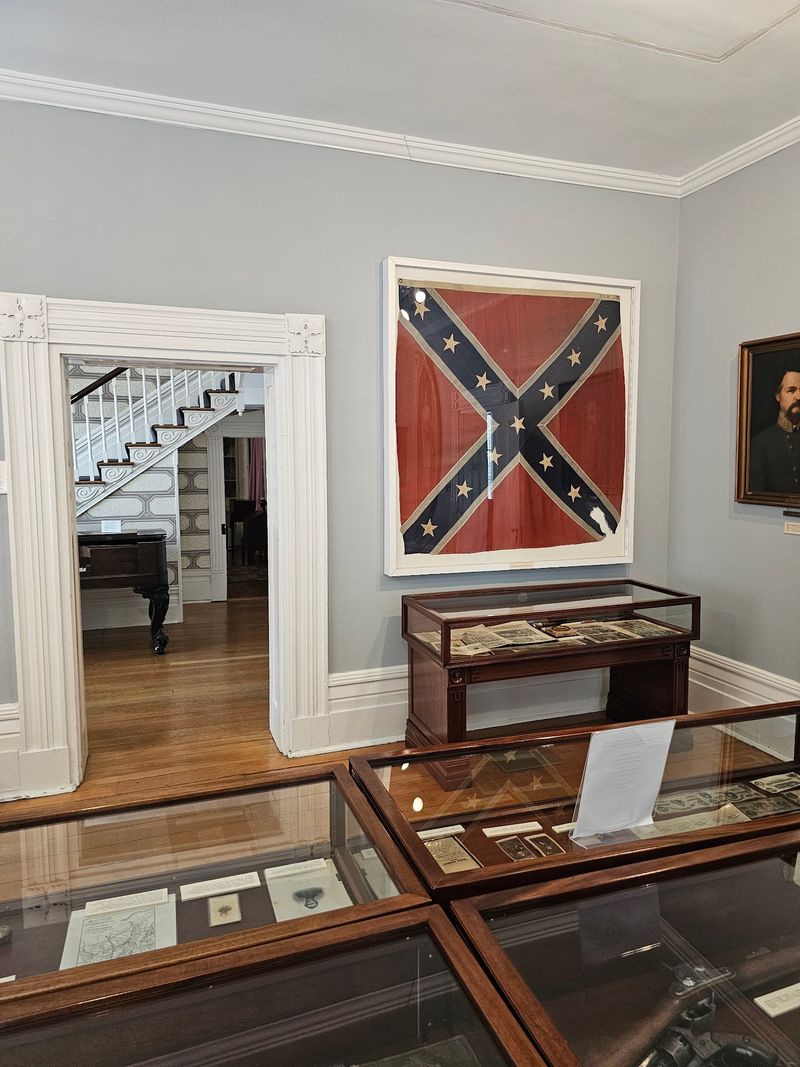
Exhibits here show both Confederate and Union perspectives. That balance helps you understand why the era felt so personal for people in the state.
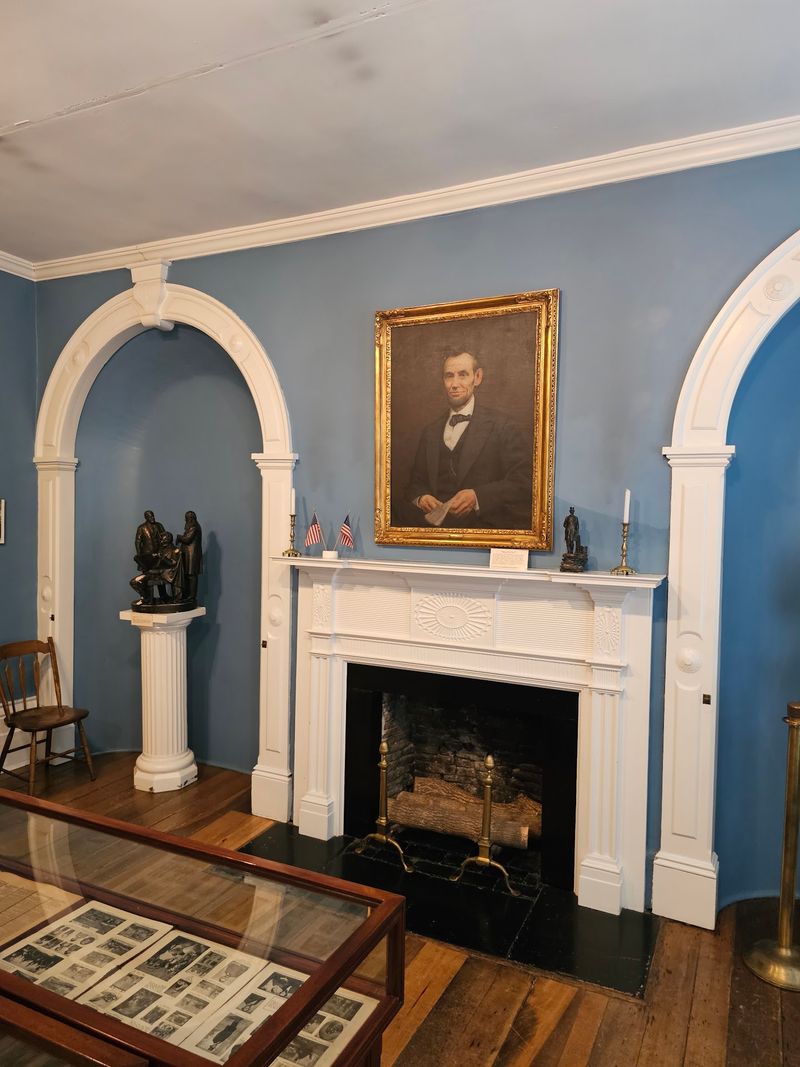
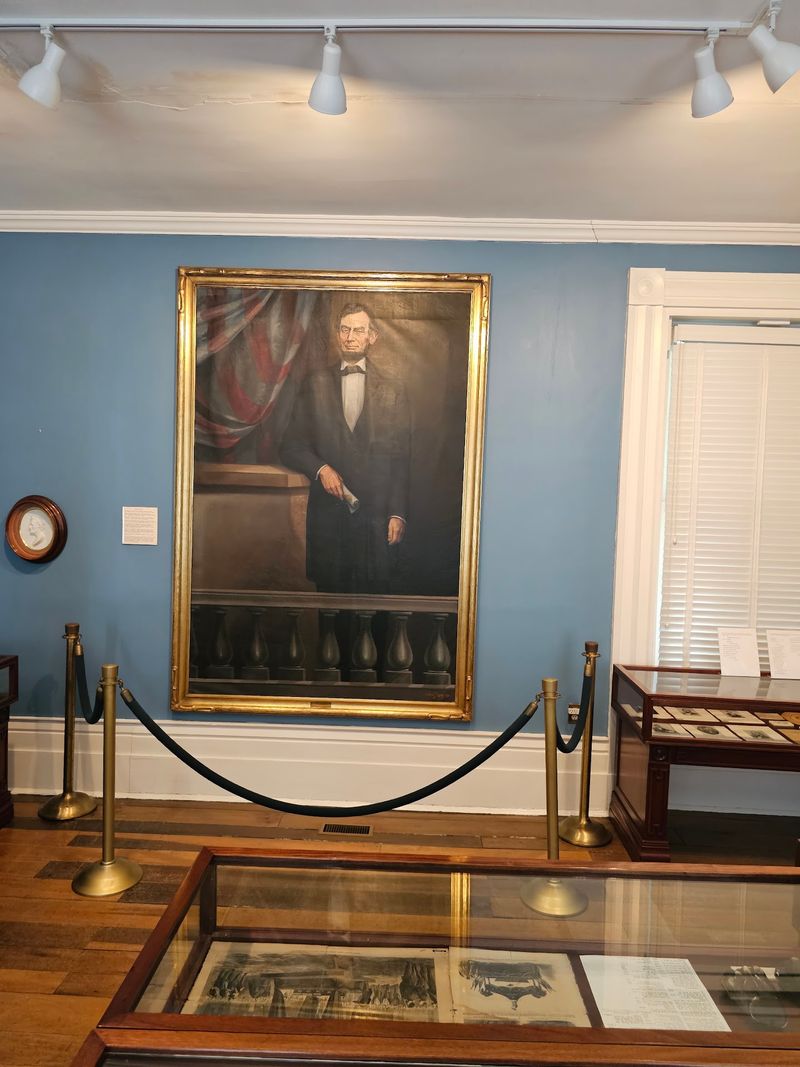
Then there’s the showstopper. A life-sized portrait of Abraham Lincoln greets visitors along with artifacts connected to him.
Lincoln was a Kentucky native, which gives this display extra local pride. Seeing him at full scale makes the famous president feel surprisingly real.
I appreciate a museum that doesn’t flatten history into a simple story. Showing more than one side invites better questions and smarter conversations.
Families can use this room as a starting point for discussion. Ask the kids what it might have felt like to have neighbors on opposite sides.
Give yourself time to read the labels slowly. The details often hold the most surprising bits.
And before you leave, stand next to that portrait for a moment. You may be surprised how tall the man really was.
Old Newspapers And Documents Do A Lot Of Talking
Paper might be the quietest storyteller in the building. Still, the newspapers, documents, and photographs here say plenty.
They sit alongside paintings and other artifacts from the earliest settlement days. Together, they help fill in the gaps that objects alone can’t explain.
The museum also covers Native American history. That’s an important part of the story, since people lived on this land long before any fort went up.
Exhibits connected to the American Revolution add another layer. The frontier settlement grew up during that same stretch of history.
I always find old newspapers oddly addictive. The headlines are interesting, but the tiny ads and notices often steal the show.
Photographs work a similar kind of magic. A single face from long ago can make a whole century feel close.
Bring your reading glasses if you need them. Some of the print is small, and you won’t want to skip the fine details.
Slow down in these rooms and you’ll find stories most people walk right past. That’s where the real treasure tends to hide.
Some Displays Haven’t Moved In Ages, And That’s Changing
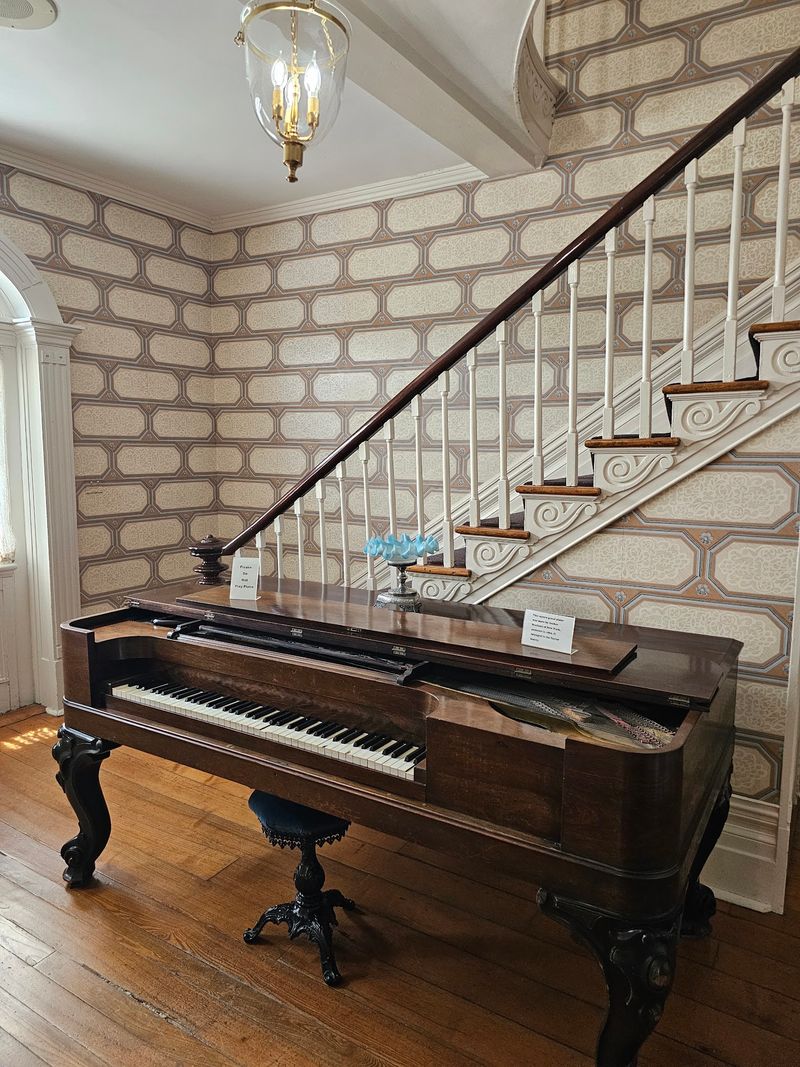
Some of the exhibits inside have been sitting in the same spots for decades. In a way, that’s where the forgotten feeling comes from.
The house never stopped welcoming the public. But a few displays clearly needed fresh eyes and new information.
Good news arrived on that front. The Friends of Old Fort Harrod State Park and the Kentucky State Parks Curator are working to update many exhibits.
The plan includes swapping in different artifacts and adding fuller information. That means more context and maybe a few surprises pulled from storage.
I love catching a museum during a refresh. You get the charm of the old setup along with hints of what’s coming next.
It also means a repeat visit could feel different from your last one. Changing displays give returning guests a real reason to come back.
You’ll find the Mansion Museum at 100 S College St, Harrodsburg, KY 40330. It sits within the state park grounds, so plan to explore both.
Give the place a little time to show off its new look. Old houses deserve a second chapter too.
Save Energy For The Fort, Monument, And Marriage Temple
Finishing the house only covers part of the adventure. Old Fort Harrod State Park packs several more attractions into the same grounds.
A replica of the original fort shows how the first settlers lived and protected themselves. It pairs naturally with everything you just saw inside the mansion.
Nearby stands the George Rogers Clark Federal Monument. Clark was a major frontier leader tied to this region’s early years.
Then there’s the Lincoln Marriage Temple, a charming spot connected to Lincoln family history. After the life-sized portrait inside, it feels like the next chapter.
The park also holds the oldest cemetery west of the Alleghenies. Major Taylor helped preserve it, so it links right back to the house.
I’d suggest wearing comfy shoes for the whole loop. You’ll want to see each piece without rushing.
Putting it all together gives you a full day of Kentucky history in one place. Few stops can match that kind of variety.
The mansion may have the most questions, but the rest of the park helps answer a few. Not a bad trade for one afternoon.