
This Louisiana State Park Stays So Quiet You Can Have The Trails Practically To Yourself
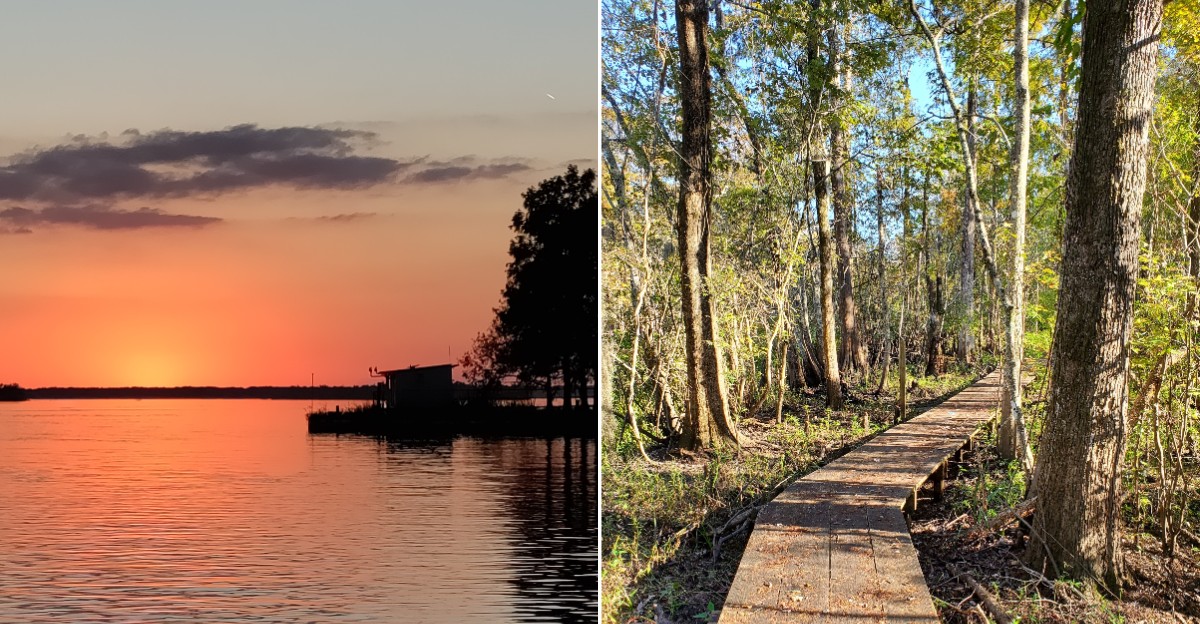
Picture a trail where the loudest sound is a woodpecker tapping on a tree. No traffic.
No crowds. No phone pinging every two minutes.
Louisiana has a corner of swamp country where that kind of quiet is normal, not rare.
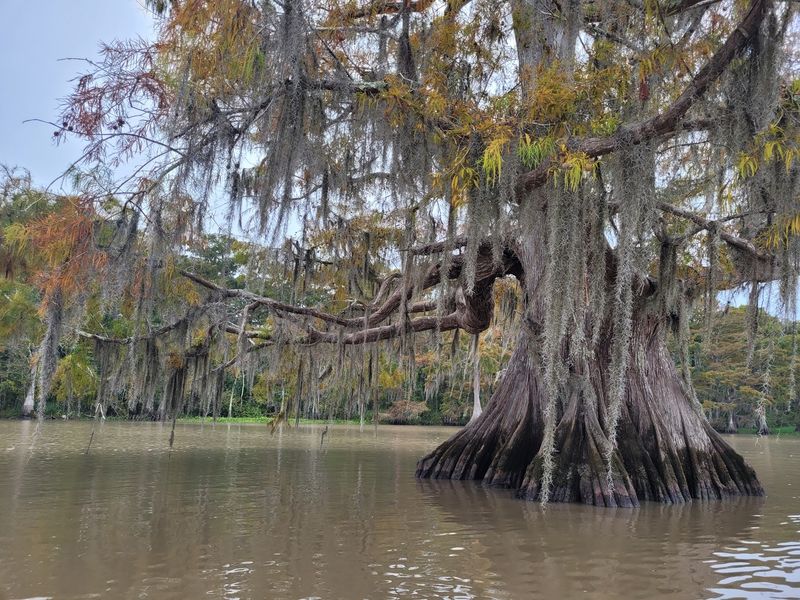
Spanish moss sways from cypress branches. Turtles line up on logs like they are waiting for a parade.
Herons stand so still you might think they are statues, until they lift off with slow, wide wings.
This is the wild side of Louisiana, the part many travelers zoom past on the highway. Stop, and the swamp starts talking in its own soft language.
Families come here to slow down. Hikers come for flat, easy paths.
Birders come with binoculars and leave with long lists.
There are cozy cabins over the water, campsites with private docks, and trails you can walk at night with reflective markers. Ready to trade noise for nature?
Where The Swamp Hits Mute
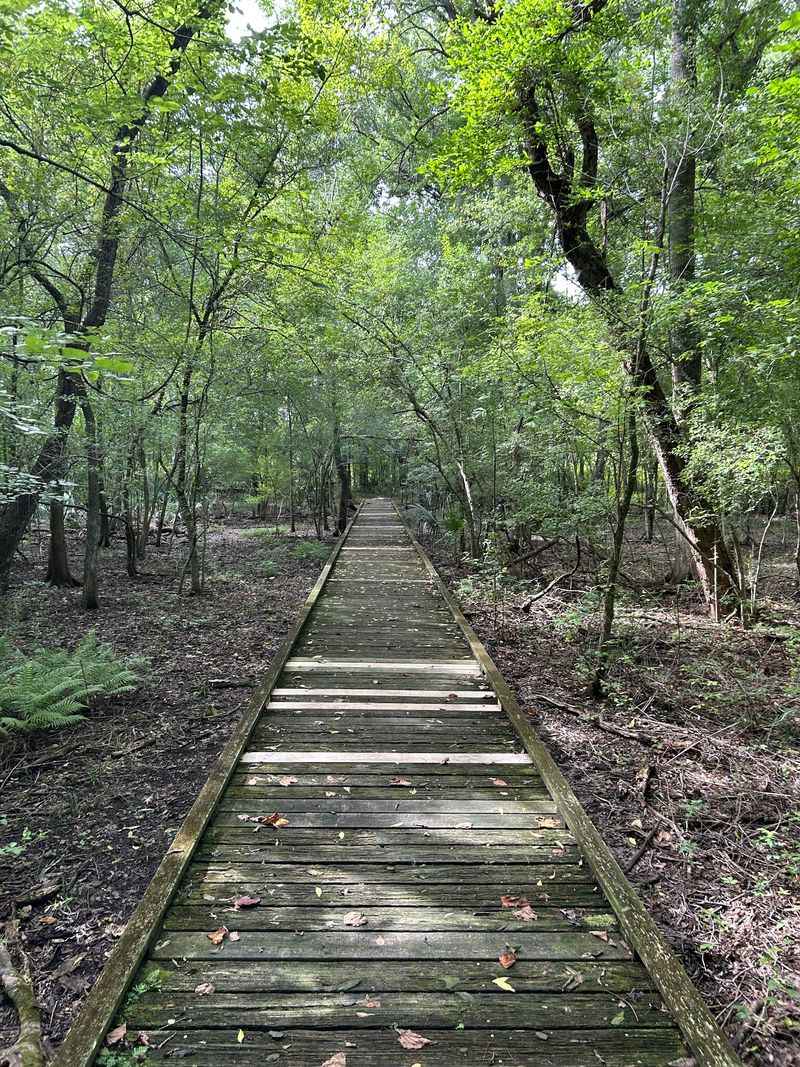
Some places are quiet by accident. Lake Fausse Pointe State Park is quiet by nature.
It sits inside the Atchafalaya Basin, known as America’s largest river swamp.
The park covers thousands of acres of water, woods, and winding bayous. That space soaks up sound like a sponge.
Visitors often say it feels secluded and calm, even on a weekend.
Getting there is part of the adventure. The park sits off a levee road, far from busy highways.
One tip matters a lot. Some map apps send drivers down a long, bumpy gravel stretch of levee road when coming from the south.
Visitors have learned to follow the park’s own directions instead, which loop around from the north.
Once you arrive, the pace drops fast. Cars move slowly on park roads.
Birds call from the treetops. The water barely ripples.
Here is a fun bonus. There is little to no cell service in most of the park.
Some guests have driven miles just to find a signal. That might sound scary at first, but many visitors end up loving it.
Kids play outside. Adults actually finish conversations.
So, could you handle a whole weekend without scrolling? Try it here.
Bring a paper map, a book, and snacks. Also stock up on groceries before you come, since the nearest stores are a drive away.
Three Trails, Zero Traffic Jams
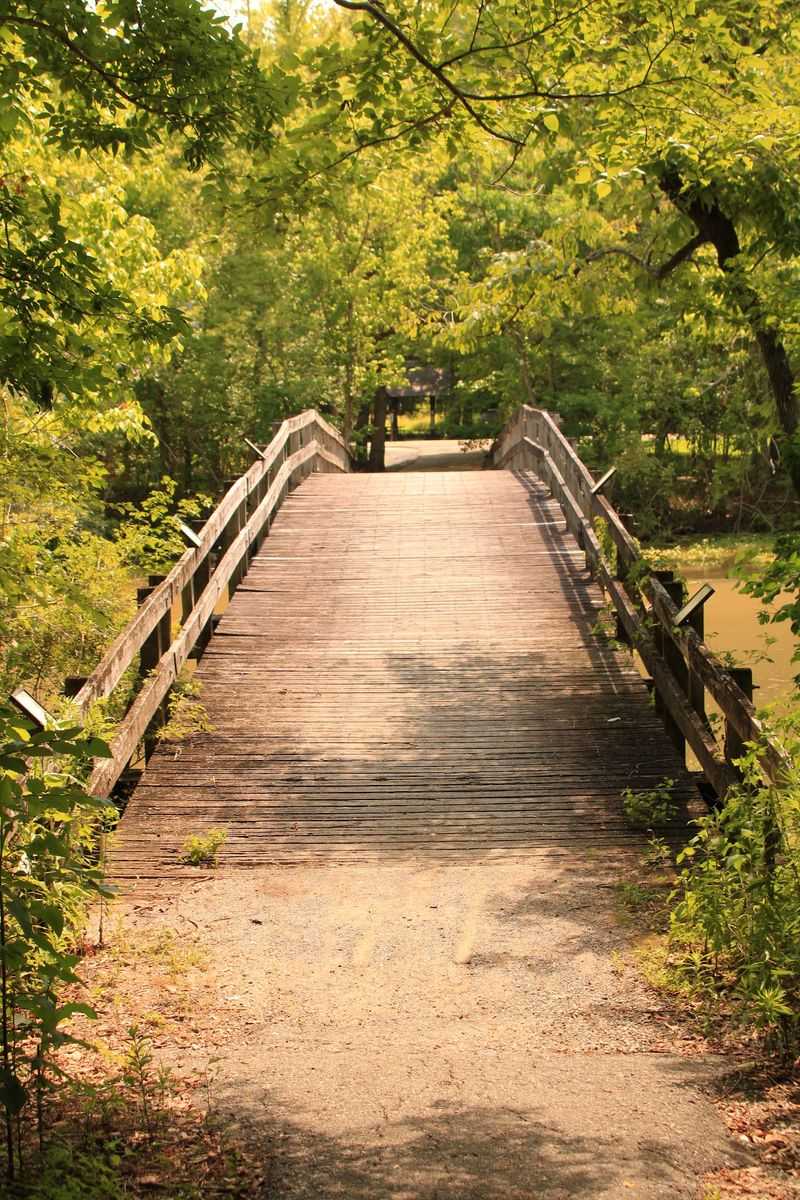
Lace up and pick your flavor. The park has three main hiking trails, and each one has its own personality.
Best of all, they are mostly flat and beginner friendly.
Trail A, called Armadillo Ridge, is the short and sweet one. It runs about 0.75 miles through a bottomland hardwood forest swamp.
Little legs can handle it with ease, and it makes a great warm-up.
Trail B, Cardinal Run, stretches about 1.6 miles. It hugs the edge of Lake Fausse Pointe and passes through a lovely cypress swamp.
The views of the water make it a favorite for photos.
Trail C, Barred Owl Trek, is the big one at about 3.3 miles. It moves through many types of swamp plants and trees.
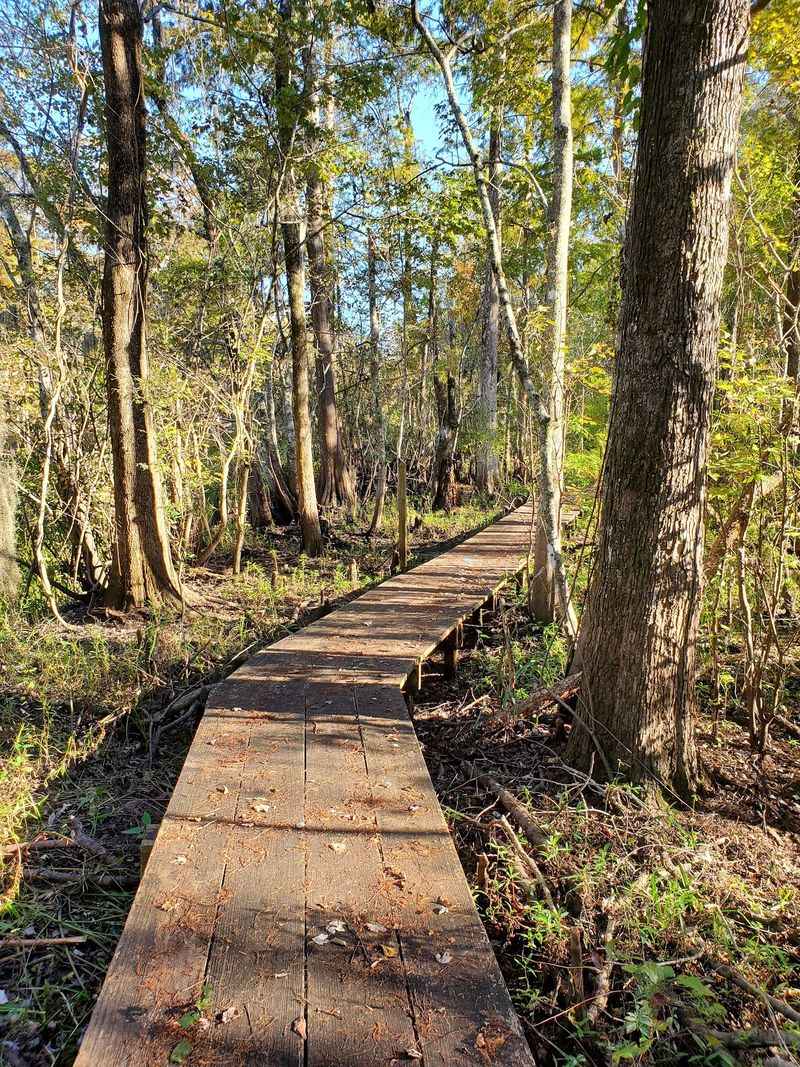
Some parts can get wet, but footbridges help you cross. One of them is about 525 feet long, which feels like walking on a ribbon above the swamp.
Which trail matches your mood today? Many hikers start small and add more each visit.
Some sections have boardwalks, and portions of two trails are accessible for people with disabilities.
Wear waterproof shoes, just in case. Pack plenty of water and a hat.
Most of all, bring strong bug spray. Mosquitoes love this swamp as much as people do, especially in warm months.
Hiking After Dark, Swamp Style
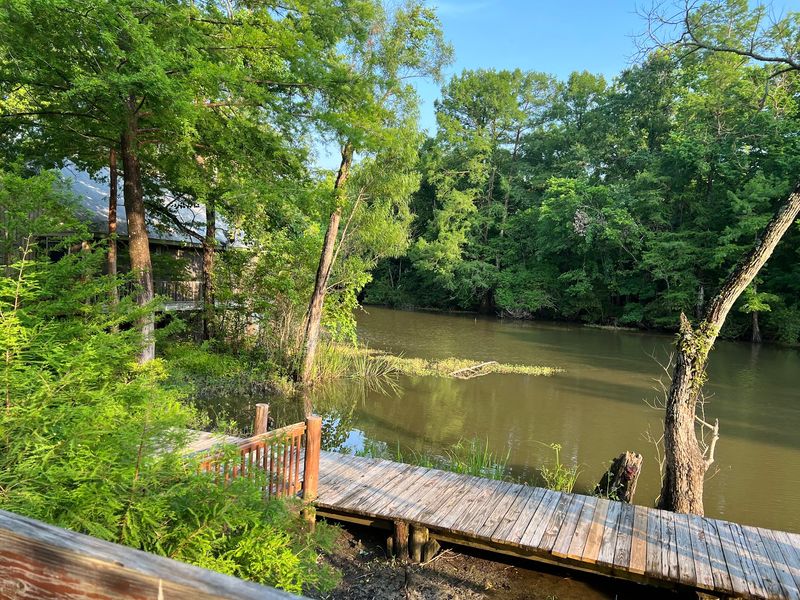
When the sun sinks, the swamp wakes up. Frogs start their chorus.
Owls begin to hoot. Fireflies may blink in the trees on warm nights.
Here is something most parks do not offer. Trails B and C have reflective markers, so they work for night hiking.
Shine a flashlight, and the markers glow back to guide you along.
Night hikes feel completely different from daytime walks. Sounds seem louder.
Your other senses kick in. You notice the smell of damp leaves and the cool air near the water.
Even a simple walk turns into a small adventure.
Have you ever heard a barred owl call in the dark? It sounds a bit like someone asking, who cooks for you?
Trail C is even named after this bird, so keep your ears open.
Safety comes first, of course. Bring a good flashlight or headlamp, plus extra batteries.
Hike with a buddy and tell someone your plan. Stay on the trail, and keep a respectful distance from any wildlife you spot.
Dress in long sleeves and pants. Spray bug repellent before you go, because mosquitoes get busy at dusk.
Then slow down and listen. Kids especially love this, since a night hike feels like a secret mission.
Afterward, everyone will have a story to tell around the campfire.
Paddle Between Ancient-Looking Cypress
Glide. Dip.
Drift. That is the rhythm of a paddle here.
The park sits among a maze of bayous, backwater lakes, canals, and sloughs.
A canoe trail runs about 7 miles, and parts of it suit beginners. It winds through shady cypress trees and quiet bayous.
From the water, the swamp looks much like it may have looked centuries ago.
No boat? No problem.
Canoes, kayaks, and flat-bottomed boats are available to rent at the visitor center. Rental desks are not always open, though, so check hours before you go.
One visitor arrived on a weekday morning and found rentals closed.
Do you have your own boat? A boat launch gives easy access to the waterways of the Atchafalaya Basin.
Some cabin guests even tie up their boats at their private docks.
Paddlers often spot turtles sunning on logs and herons wading in the shallows. Alligators live here too.
Keep your hands inside the boat and give them plenty of room. Never feed them.
A few smart tips will help. Water levels can change, so check conditions before heading out.
Wear a life jacket, sunscreen, and a hat. Bring water and a dry bag for snacks and keys.
Which would you choose for your first trip, a canoe for two or a kayak for one? Either way, the quiet will greet you.
Binoculars Ready, Feathers Everywhere
Bird lovers, get ready to fill your notebook. The calm trails make this park a favorite for birdwatchers.
Fewer people means more birds willing to show up.
Look up, and you might catch a Swallow-tailed Kite slicing across the sky. Look down at the water, and herons, egrets, and white ibises may be wading by.
Listen closely, and a Pileated Woodpecker could be drumming somewhere nearby.
The list keeps going. Visitors have spotted Northern Cardinals, Carolina Wrens, Belted Kingfishers, Wood Ducks, and bright yellow Prothonotary Warblers.
Broad-winged Hawks, Tufted Titmice, and Carolina Chickadees join the party too. During migration, birders sometimes see a Black-crowned Night-Heron.
So, how many birds can your crew count in one morning? Make it a friendly contest.
Kids can draw the birds they see. Adults can test their skills with a bird app downloaded before arrival, since signal is spotty.
Timing helps a lot. Early morning is usually the liveliest.
Late fall through early spring brings cooler weather, lower humidity, and great birding during migration and winter months.
Bring binoculars and move slowly. Wear soft colors and keep voices low.
Sit on a bench for a few minutes and let the birds forget you are there. In this Louisiana swamp, patience pays off with feathers, songs, and sudden flashes of color.
Gators, Turtles, And Shy Neighbors
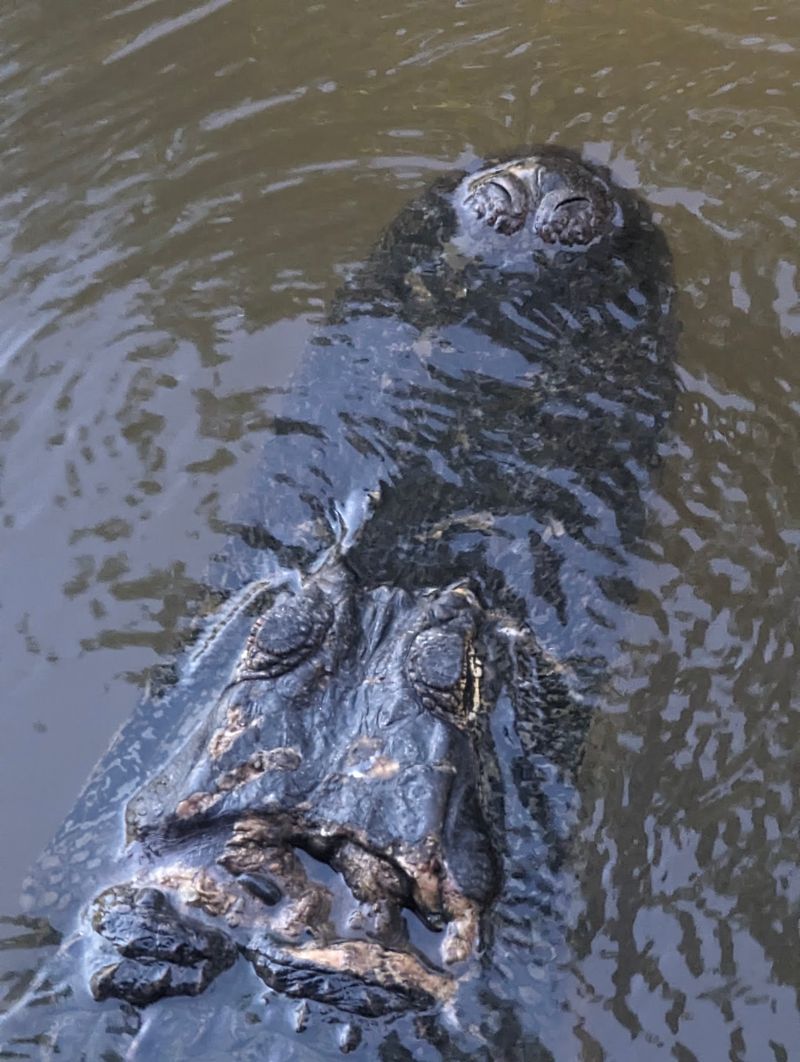
Two bumpy eyes rise above the water. Then a long tail swishes, and the alligator slides away.
Moments like that make visitors grin for days.
Alligators are some of the stars of this park. Campers with waterfront sites have watched several gators cruise past their docks in the evening.
Turtles galore pile onto logs to soak up the sun.
Other animals call the park home too. White-tailed deer, raccoons, armadillos, and bobcats live in these woods.
Black bears also live in the area, though they tend to stay out of sight. Rabbits and snakes show up too, because this is real swampland.
Here is a key rule. Never feed the alligators.
Some gators have learned to approach people because others fed them, and that is not safe for anyone. Keep pets on a leash and well away from the water’s edge.
Dogs are allowed, but leashes are required at all times.
Swimming is a no. Gators are everywhere, and they deserve their space.
What animal would your family most like to see? Make a checklist before you go.
Bring a camera with a good zoom so you can stay back and still get great shots. Dusk and early morning are often busy times for wildlife.
Sit quietly on your dock, and the swamp may put on a show just for you.
Cabins Perched Right Over Water
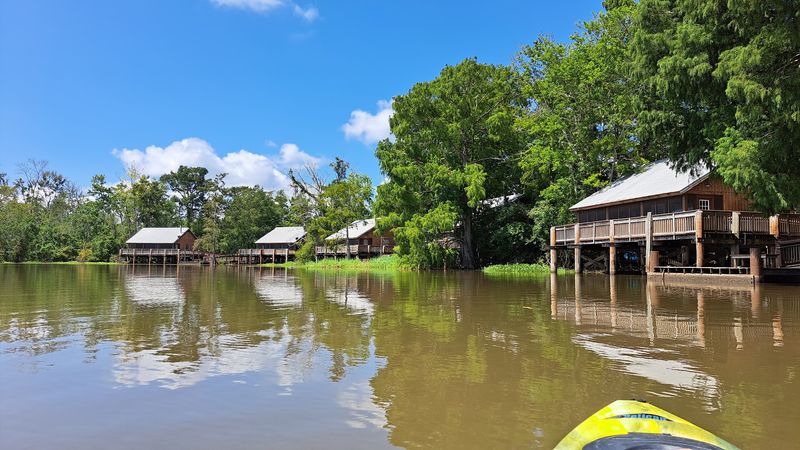
Imagine waking up, pouring a warm cup of coffee, and watching mist float over the bayou. That is a normal morning in one of the park’s waterfront cabins.
There are 18 deluxe two-bedroom cabins. Each one has a private dock and a screened-in porch.
Some sit low with a yard out front, while others are built right over the water.
Inside, the cabins are fully furnished with air conditioning. Each one sleeps up to eight people.
Kitchens come stocked with cookware, utensils, dishes, and silverware. There is even a large gumbo pot, which feels very Louisiana in the best way.
Guests have mentioned extras like a coffee maker, microwave, toaster, and a barbecue pit outside.
Who would you bring for a cabin weekend? Grandparents, cousins, or your best friends?
With room for eight, it works well for groups.
A few tips will make your stay smoother. Book early, since these cabins are popular.
Bring groceries, as the nearest store is a drive away. Some guests suggest packing a non-slip mat for the shower if traveling with little ones.
Evenings here are pure magic. Sit on the porch and listen to frogs sing.
Watch for gators gliding past your dock. Then fall asleep to the soft sounds of the swamp instead of city noise.
Camp, Splash, Learn, Repeat
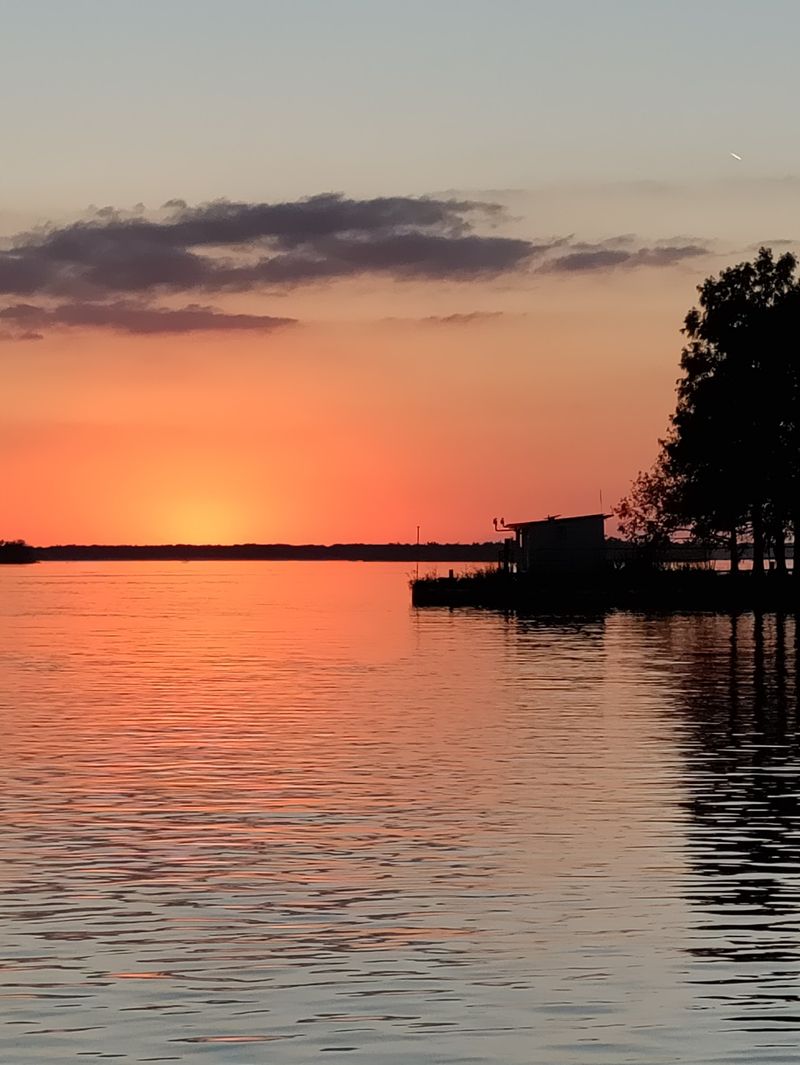
Not ready for a cabin? Campers have plenty of choices.
The park offers 50 RV sites with water and electrical hookups, and many waterfront sites come with their own little dock.
Love roughing it? Primitive, backcountry, and canoe-in campsites are available.
There are five canoe campsites, and four can only be reached by water. Some have docks, tent pads, fire rings, and covered food prep areas.
Families will find a playground, a splash pad, picnic areas, and pavilions. Equipment can close for upkeep sometimes, so check ahead before promising the kids a splash day.
The park also hosts programs like Junior Ranger activities, guided tours, workshops, and scavenger hunts.
Curious about the story behind the swamp? Visit the interpretive center.
Exhibits share local ecology and history. This land was once home to the Chitimacha, Louisiana’s original inhabitants.
Later, French and Acadian farmers and trappers settled the region. A levee built in the early 1930s helped keep the lake’s ancient natural shape.
What will your crew explore first, the trails or the exhibits? You can find it all at 5400 Levee Rd, St Martinville, LA 70582.
Check the park website for hours, fees, and program schedules before you visit. Then pack bug spray, sunscreen, and a sense of wonder.
This quiet slice of Louisiana is waiting.