
This Maine Apizza Joint Keeps An Old School Coal Fired Tradition Alive
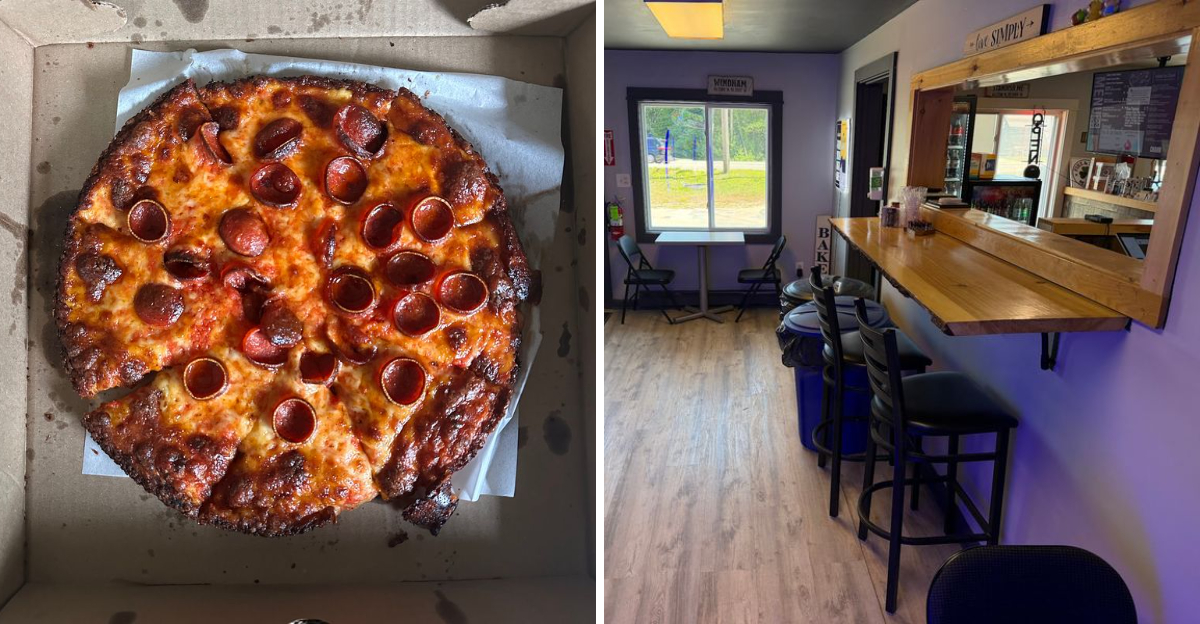
You can usually tell when a pizza has spent time in a coal-fired oven. The crust comes out blistered and crisp, with just enough char around the edges to make you reach for another slice before you have finished the first.
That old-school style is still going strong at one Maine apizza joint that refuses to mess with a good thing. The pies have the thin crust, smoky flavor, and slightly imperfect edges that make this kind of pizza so satisfying.
Maine has no shortage of places to eat well, but this one gives the state something a little different. In a state known for strong food traditions, keeping a coal-fired pizza tradition alive feels right at home, especially once you taste what that oven can do.
New Haven Apizza Style With Proper Thin Crust Construction
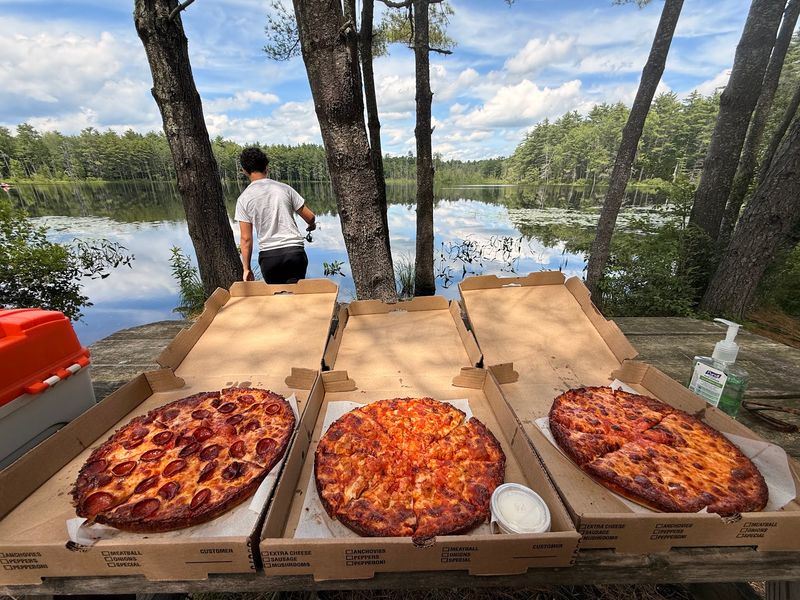
Authentic apizza features a thin, crispy base that supports toppings without folding or flopping over. The dough gets stretched thin and cooked at high temperature, creating a cracker-like texture that still maintains some chew.
Fire & Ice nails this balance, producing pies that hold their shape when lifted and deliver that satisfying crunch with each bite.
The style contrasts sharply with thick Neapolitan crusts or puffy Sicilian squares. Some diners expecting fluffy bread might find it too thin at first, but apizza fans know this construction allows the toppings and char to shine.
The minimal dough means each ingredient gets noticed rather than buried under bread.
Thickness consistency matters tremendously for even cooking. The center stays just as crispy as the edges, preventing that dreaded soggy middle.
This construction method separates authentic apizza from imitators who simply roll dough thin without understanding the technique.
Coal-Fired Cooking Method That Creates The Perfect Char
Coal ovens burn hotter than wood or gas, reaching temperatures that create the signature char pattern apizza lovers recognize instantly. Fire & Ice Maine at 856 Roosevelt Trail, Windham uses this traditional method to achieve the blistered, crispy bottom that defines authentic New Haven style.
The intense heat cooks pies quickly while creating those dark spots without burning the cheese or toppings.
This cooking approach differs dramatically from conveyor belt ovens found in chain restaurants. The coal fire produces a distinct flavor that gas simply cannot replicate.
Each pie spends just minutes in the intense heat, emerging with a crackly texture that stays crisp even as it cools.
The technique requires constant attention and experience to master. Too long and the crust burns, too short and it stays soft.
That balance makes all the difference between decent pizza and the real deal.
Connecticut-Trained Owner Who Knows The Wooster Street Tradition
The owner’s background in Connecticut pizza shops provides legitimacy that cannot be faked or learned from videos. Having worked in the New Haven area where apizza originated, he understands the nuances that separate good from great.
This hands-on training shows in every pie that comes out of the oven, from dough hydration to topping placement.
Customers from Connecticut frequently mention recognizing the authentic approach in their feedback.
Moving that knowledge to Maine filled a gap for transplants craving what they left behind. The owner didn’t just copy a recipe but brought an entire philosophy about how pizza should taste and feel.
That dedication to authenticity over shortcuts makes the difference obvious.
Multiple Regional Pizza Styles Beyond Just Apizza
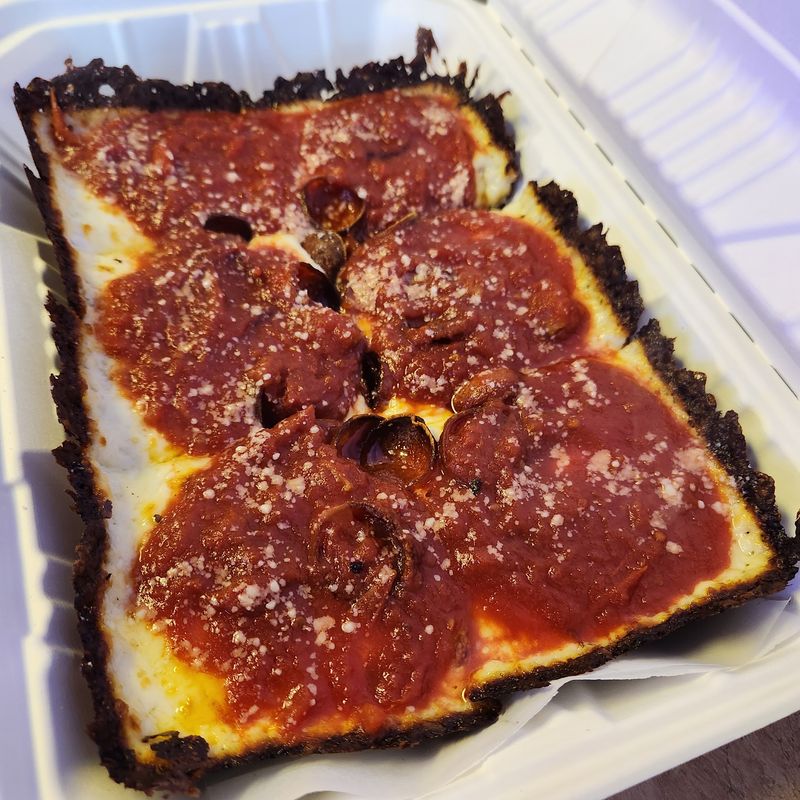
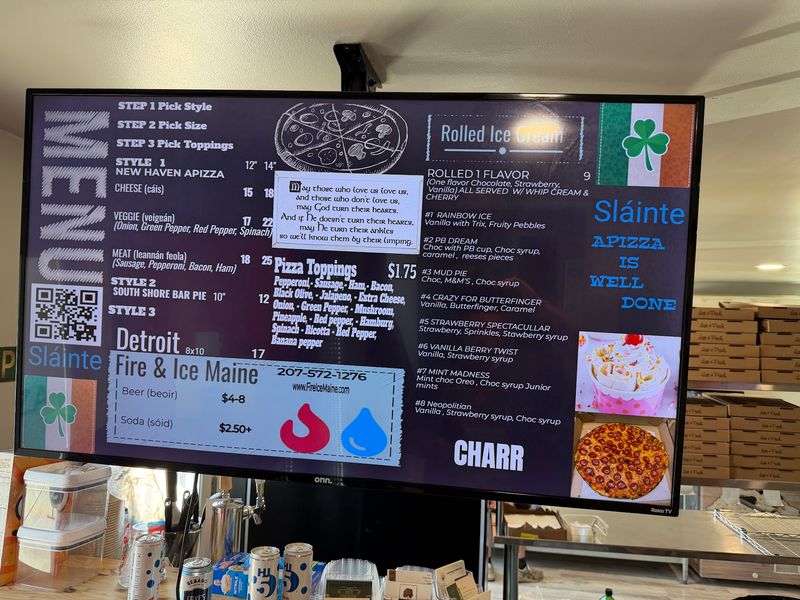
Fire & Ice doesn’t limit itself to one regional specialty but offers Detroit-style deep dish and South Shore bar pies alongside the apizza. This variety lets customers explore different American pizza traditions in one spot.
The Detroit style features a thick, rectangular shape with crispy edges, while bar pies deliver a thinner, crispier experience than apizza.
Each style requires different dough formulas, cooking times, and techniques. Switching between them throughout the day demonstrates serious skill and commitment to doing each one properly.
Some customers return specifically for the Detroit version after trying apizza first.
The menu variety means groups with different preferences can all find something appealing. Someone wanting heartier pizza can choose Detroit while apizza purists stick with the thin crust.
Ever wondered why some shops only make one style? Because mastering multiple takes real dedication.
Proper Undercarriage With The Right Amount Of Char
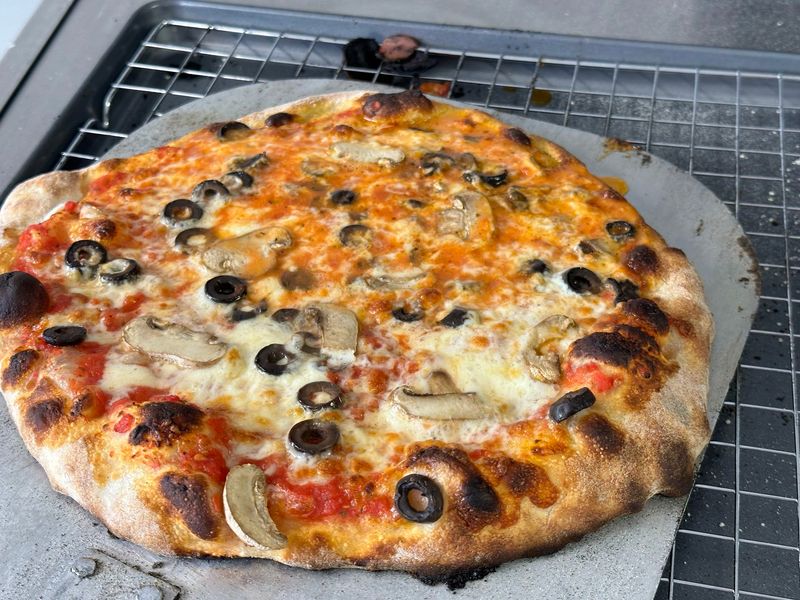
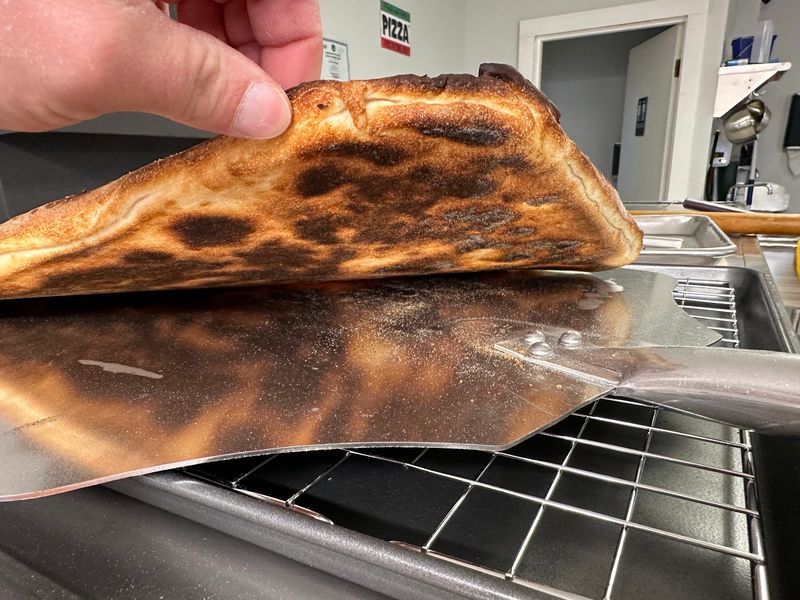
Apizza enthusiasts judge pies by their undercarriage, the bottom crust that reveals cooking skill. Fire & Ice consistently achieves what fans call an eight out of ten on the char scale, with dark spots that add flavor without tasting burnt.
The bottom stays firm enough to support the slice without bending, a hallmark of proper technique.
This characteristic comes from the coal oven’s intense bottom heat and careful timing. Too much char turns bitter, while too little leaves the crust pale and soft.
The balance requires experience reading the oven and knowing exactly when to pull each pie.
Customers from Connecticut specifically mention this detail in their feedback, noting it matches what they remember from New Haven. The crispy bottom provides textural contrast with the toppings and prevents that greasy, floppy result common in mediocre pizza.
That crunch makes each bite more satisfying than soft crust ever could.
Light Sauce Application That Lets Other Flavors Shine
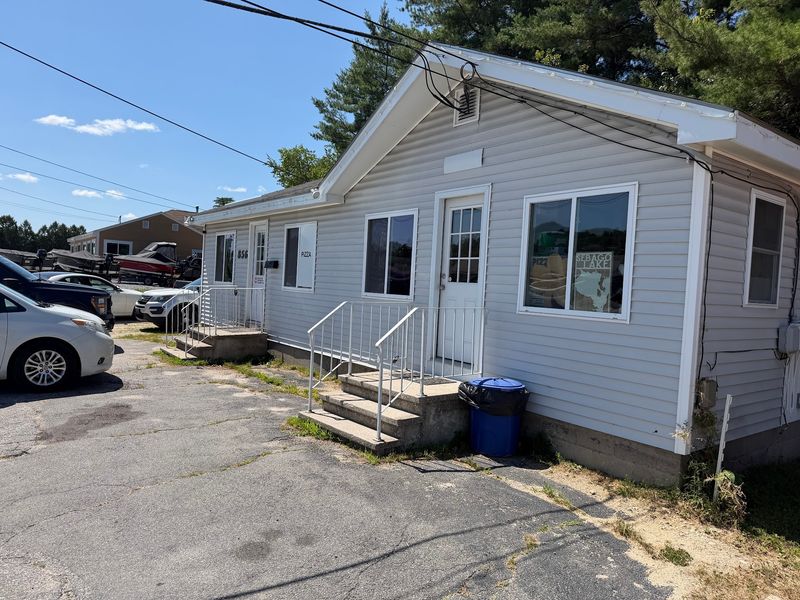
Traditional apizza uses sauce sparingly compared to typical American pizza styles. Fire & Ice follows this approach, applying just enough tomato to add flavor without drowning the crust or toppings.
The light hand allows the char, cheese, and any additional ingredients to come through clearly rather than getting masked by heavy sauce.
This technique surprises diners expecting thick red sauce coverage. The style prioritizes balance over abundance, trusting quality ingredients to deliver flavor without excess.
Fresh sauce with good acidity needs less volume to make an impact than bland, over-seasoned versions.
The approach also prevents the soggy center problem that plagues sauce-heavy pies. Less moisture means the thin crust stays crispy throughout.
Some might initially want more sauce, but most apizza converts come to appreciate how the restrained application enhances rather than overwhelms each slice.
Small Casual Space With Take-Out Focus
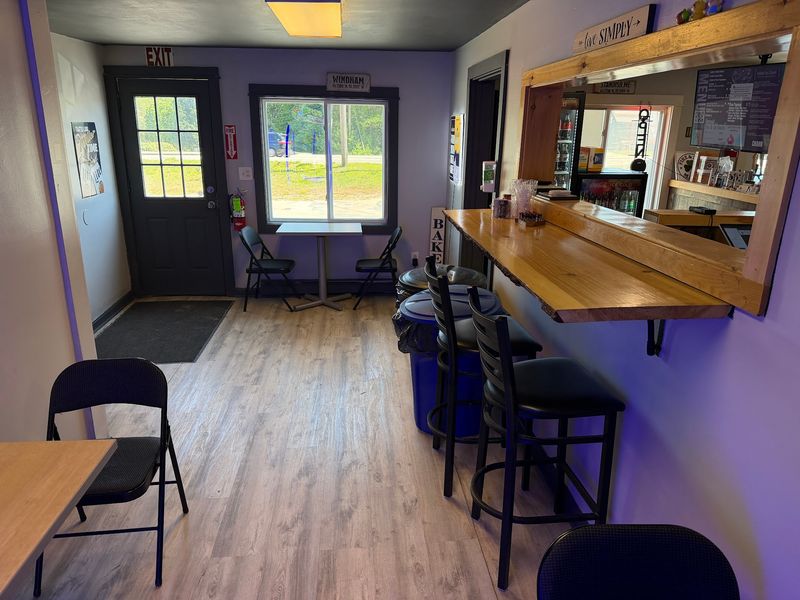
Fire & Ice operates from a modest location with limited indoor seating and outdoor picnic tables during warmer months. The setup emphasizes take-out over dine-in service, with most customers calling ahead and picking up orders.
This approach keeps things simple and lets the kitchen focus on pizza quality rather than full restaurant service.
The casual atmosphere removes any pretension from the experience. No fancy decor or complicated ordering process, just straightforward pizza done right.
A few tables inside provide space for those who want to eat immediately, but the vibe clearly centers on grab-and-go convenience.
Wait times typically run around twenty minutes or less after ordering, according to regular customers. The streamlined operation means pies come out hot and fresh without long delays.
This model works perfectly for families picking up dinner or travelers passing through who want authentic pizza without a sit-down commitment.
Rolled Ice Cream As An Unexpected Dessert Option
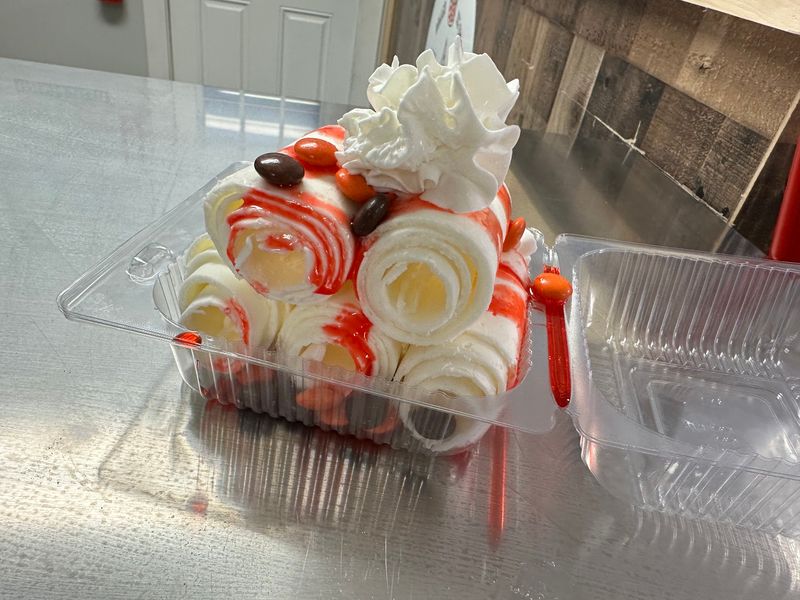
Beyond pizza, Fire & Ice offers rolled ice cream made fresh on a frozen surface. The dessert provides a fun finish after savory slices, with staff spreading liquid ice cream base thin, scraping it into rolls, and adding toppings.
The novelty appeals to kids and adults alike, making the spot more than just a pizza counter.
This addition surprised many first-time visitors who came strictly for apizza. The combination seems unusual but works well, giving families another reason to visit.
Some customers mention saving room specifically for the sweet option after hearing about it from others.
The preparation process itself entertains as customers watch their dessert come together. Different flavor combinations and toppings allow customization similar to traditional ice cream shops.
Having both quality pizza and a unique dessert option makes Fire & Ice a more complete destination rather than single-purpose stop.
Pepperoni Cups That Crisp Up Beautifully
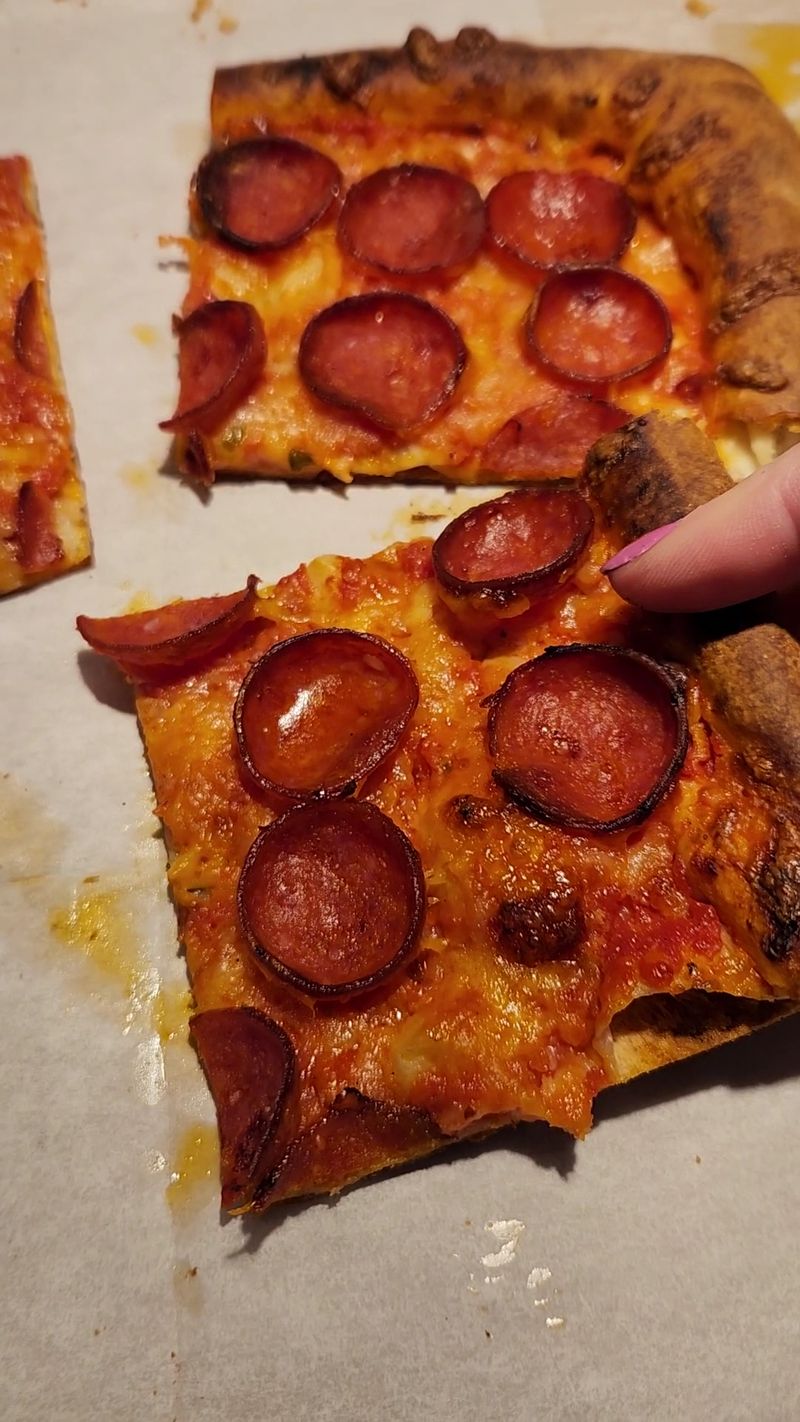
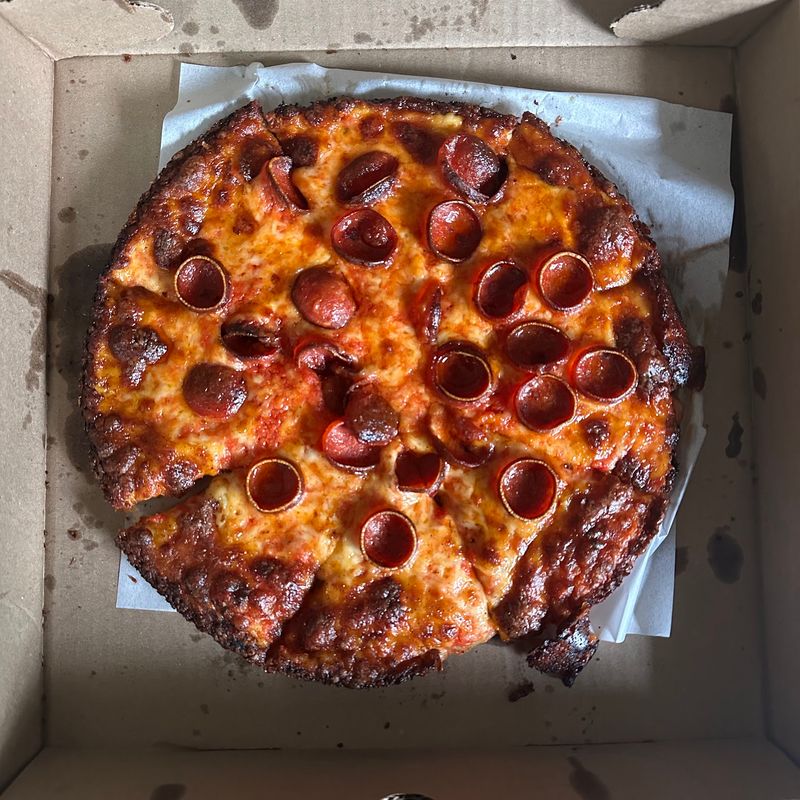
Fire & Ice uses pepperoni that cups upward when heated, creating little pockets that crisp around the edges and hold rendered fat. This style of pepperoni, sometimes called cup-and-char, delivers more flavor and texture than flat slices.
The high oven heat causes the edges to caramelize while the centers stay tender.
The presentation looks more appealing than standard pepperoni, and the concentrated flavor in each piece makes them addictive. Some customers specifically mention this detail as a standout feature that keeps them coming back.
The pepperoni choice demonstrates attention to ingredient quality and how components behave under intense heat. Cheaper pepperoni stays flat and greasy rather than developing that desirable cup shape.
Small details like this separate shops that care about every element from those just assembling toppings without thought to the final result.
Weekday And Weekend Schedule With Monday-Tuesday Closure
Fire & Ice stays closed Monday and Tuesday, operating Wednesday through Sunday with varying hours. Wednesday through Thursday and Saturday the shop runs from eleven in the morning until six in the evening, while Friday closes at five and Sunday maintains the six o’clock closing time.
This schedule gives the small operation necessary breaks while covering peak weekend demand.
The limited hours mean planning visits requires checking the schedule first. Customers arriving on closed days sometimes miss out, though the consistent pattern helps regulars remember.
The shop prioritizes quality over maximum hours, recognizing that coal-fired pizza demands full attention and energy.
Afternoon closings might seem early compared to typical pizza places open late. However, the model works for a take-out focused operation in a smaller market.
Families can still grab dinner during the window, and the earlier schedule likely helps with work-life balance for the small staff running things daily.