
This Massachusetts Beach Town Is Low-Key, Charming, And Waiting For You
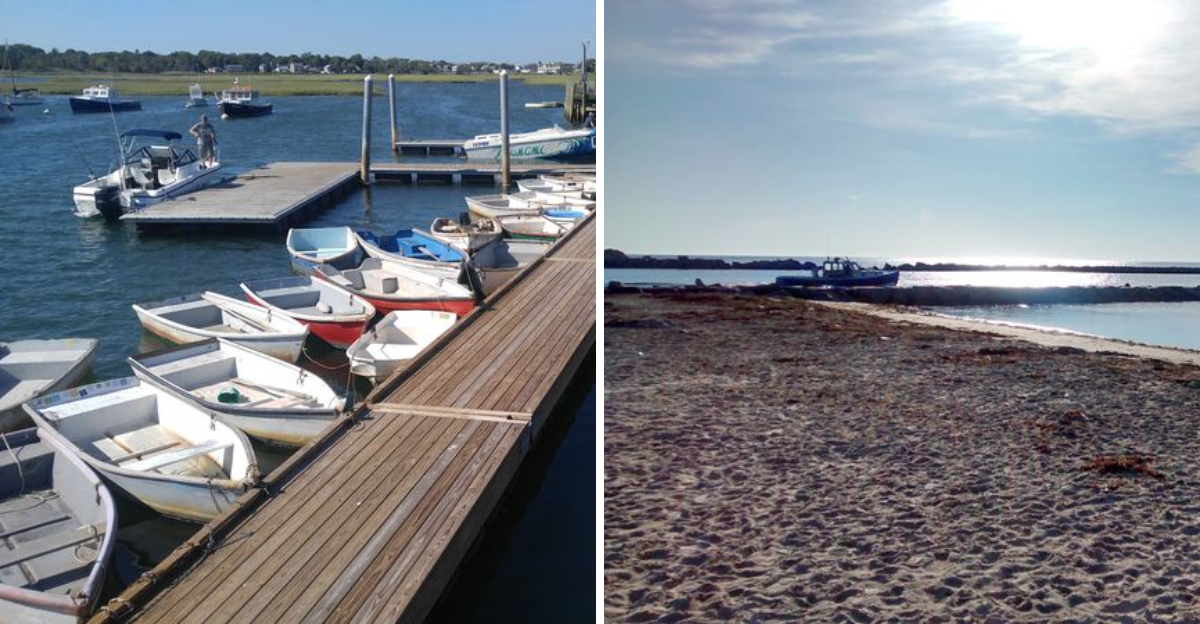
What if your next beach escape came with soft sand, quiet streets, and none of the usual summer chaos? Massachusetts has a coastal town where the pace stays easy and the shoreline feels refreshingly relaxed.
Families spread out near the water, locals stop for seafood, and breezy roads make every drive feel part of the trip. The beaches offer room to swim, walk, or sit with a good book while the waves roll in.
There is history here too, along with nature trails, small restaurants, and peaceful corners that never feel overdone. You can spend the morning by the ocean, grab lunch nearby, and return for sunset without rushing once.
This place does not need flashy attractions to stand out. Its appeal comes naturally.
For travelers who want classic New England charm without packed sidewalks and long lines, this Massachusetts beach town may be exactly what summer has been missing.
A Coastal Canvas Awaiting Discovery
This town carries the kind of atmosphere that rewards patience. Situated on the South Shore of Plymouth County, the town spans a landscape shaped by centuries of tidal movement, coastal wind, and quiet human settlement.
Its coordinates place it at roughly 42.09 degrees north latitude, roughly 30 miles south of Boston, making it an accessible retreat without the frantic energy of a major tourist hub.
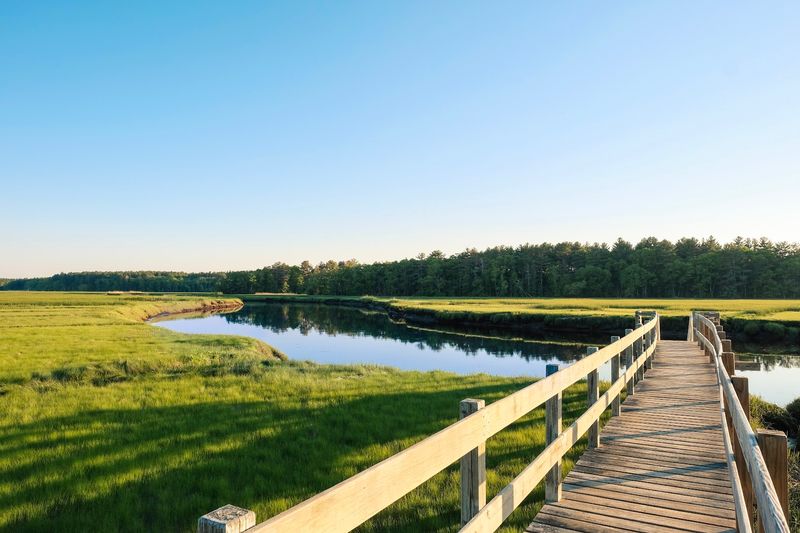
The town earned its name honestly. Salt marshes define much of its character, stretching across the lowlands and giving the landscape a distinctive texture that changes with the tide and the season.
These marshes are not merely decorative. They support entire ecosystems, filter water, and provide natural buffers against coastal storms.
Marshfield was incorporated in 1640, originally part of the Plymouth Colony, and it carries that layered past in its architecture, its land use, and its community identity.
The town is officially recognized as “The Town of Villages,” comprising eight distinct areas: Marshfield Center, Marshfield Hills, North Marshfield, Rexhame, Fieldston, Ocean Bluff, Brant Rock, and Green Harbor.
Each area has its own personality. Visitors who take time to explore all eight often leave with a much richer understanding of what coastal New England actually looks like beyond the postcard version.
Where History Whispers On Salty Air
History in Marshfield does not shout. It speaks through old timber frames, weathered stone markers, and the quiet dignity of buildings that have outlasted the people who built them.
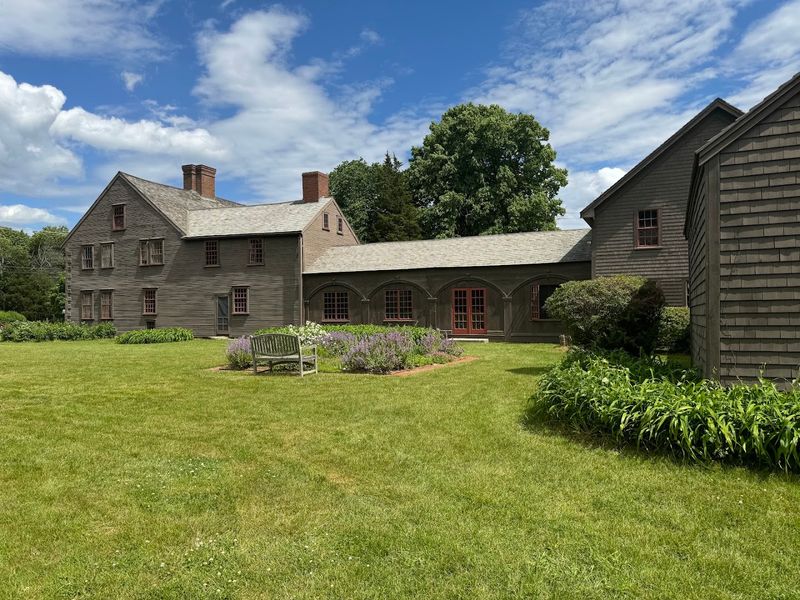
The 1699 Historic Winslow House and Cultural Center is one of the most tangible connections to that past.
Built by Isaac Winslow, grandson of Edward Winslow, a Mayflower Pilgrim and governor of Plymouth Colony, the house remained with the Loyalist family until 1822.
It now sits on the National Register of Historic Places and opens to the public from May through October. Walking through its rooms offers a grounded sense of colonial life, free from dramatization and focused on genuine artifact and record.
A few streets away, the Daniel Webster Estate and Heritage Center preserves the country home of the 19th-century statesman who called himself “the Farmer of Marshfield.”
The property now covers 14 acres of lawns and woodlands and hosts community events throughout the year.
The Marshfield Historical Society maintains local genealogical records and historical collections for anyone curious about the town’s deeper roots.
These sites together form a coherent, walkable portrait of a community that has always taken its own story seriously.
Wilderness Sanctuaries And Riverine Majesty
Not every reason to visit Marshfield involves sand and saltwater.
The town maintains a network of wildlife sanctuaries and conservation areas that offer a different kind of coastal experience, one measured in birdsong and the slow movement of river water rather than breaking waves.
The Daniel Webster Wildlife Sanctuary, managed by Mass Audubon, covers 3.5 miles of trails across upland forest, marshland, grasslands, and red cedar swamp. Birdwatchers find it particularly productive across all four seasons.
The North River Wildlife Sanctuary, also a Mass Audubon property, encompasses 225 acres of fields, oak forest, and salt marsh, with 2.5 miles of trails and an observation platform. Seals and various bird species have been documented there regularly.
Other natural areas include Two Mile Farm, which follows the North River through wooded terrain, and Ellis Bog Sanctuary, valued for wildlife observation.
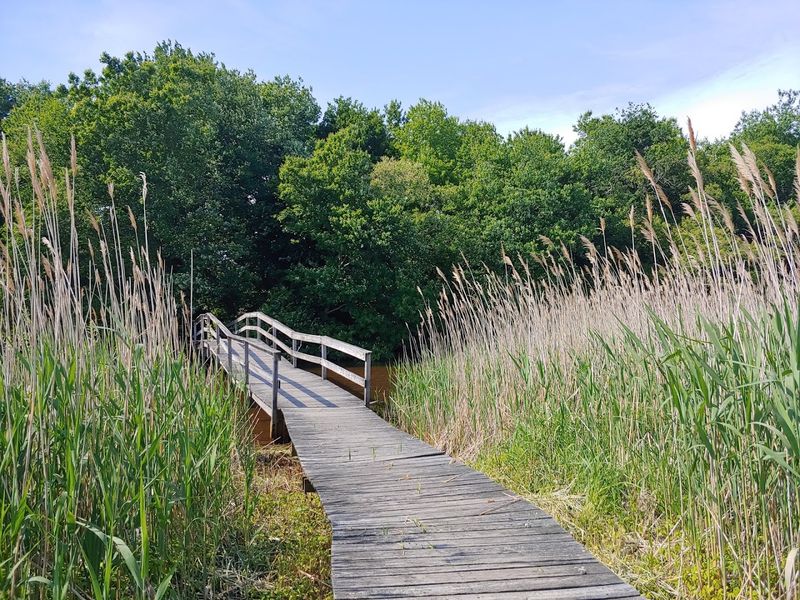
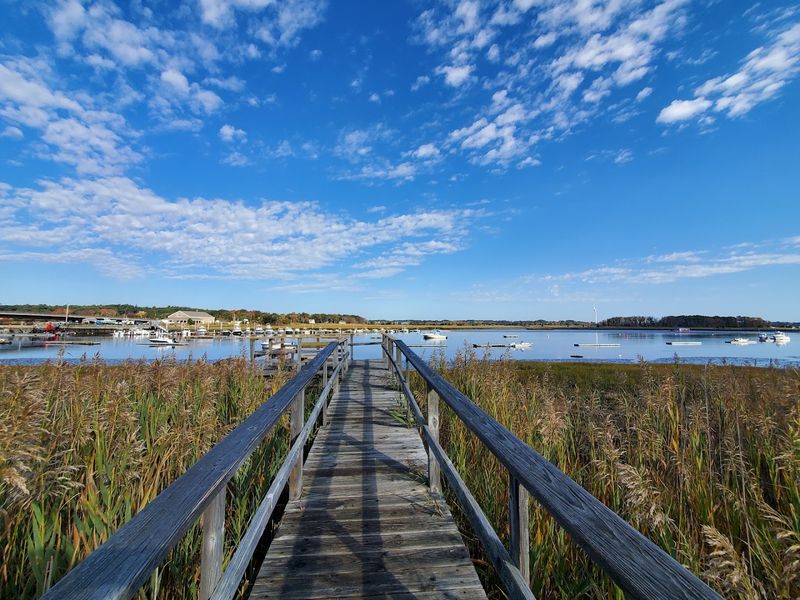
The John Little Conservation Area features meadows, forests, marshes, and views of the North River, connected by dirt trails, boardwalks, and a long wooden jetty leading to a floating dock.
The Hoyt-Hall Preserve offers a 1.6-mile loop around a pond, where swans are frequent visitors. For anyone who appreciates the quieter side of outdoor exploration, Marshfield provides an abundance of unhurried, genuinely rewarding options.
Beaches, Each A Distinct Coastal Personality
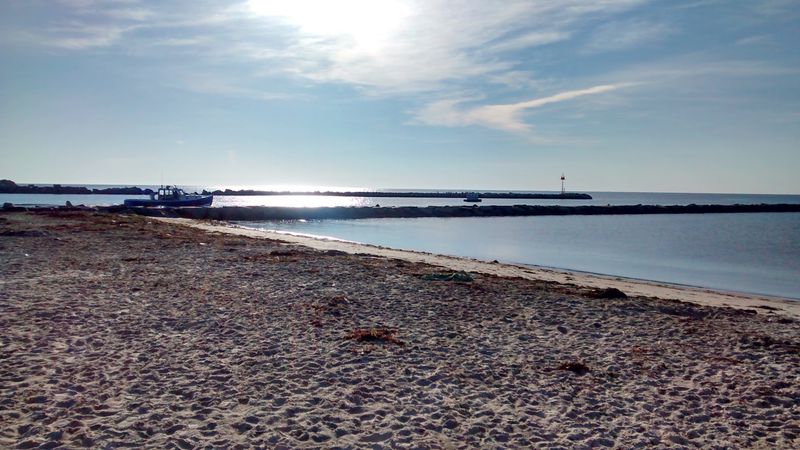
Marshfield’s beaches are not interchangeable.
Each one carries its own mood, its own geography, and its own particular appeal, which means visitors can return multiple times and have genuinely different experiences depending on where they choose to spend the afternoon.
Rexhame Beach stretches between the Atlantic Ocean and the South River, backed by dunes, and offers opportunities for kayaking, surfing, and dog walking. An historic marker there notes the former mouth of the North River.
Brant Rock Beach draws a livelier crowd, surrounded by colorful cottages and seafood spots, with an esplanade and a distinctive rock formation that anchors the scene visually.
Green Harbor Beach sits in a more sheltered cove with calm water, well suited for families and fishing from its pier.
Humarock Beach occupies a narrow peninsula between the South River and the Atlantic, offering swimming, kayaking, and paddleboarding, with small shops and restaurants nearby.
Sunrise Beach, positioned between Green Harbor and Brant Rock, tends to attract those seeking a quieter morning walk rather than a full beach day.
Duxbury Beach, extending into Cape Cod Bay, rounds out the options with a guarded swimming area and a reputation as one of the most accessible barrier beaches in the entire state.
The variety here is genuine and worth planning around.
The Gentle Rhythm Of Village Life
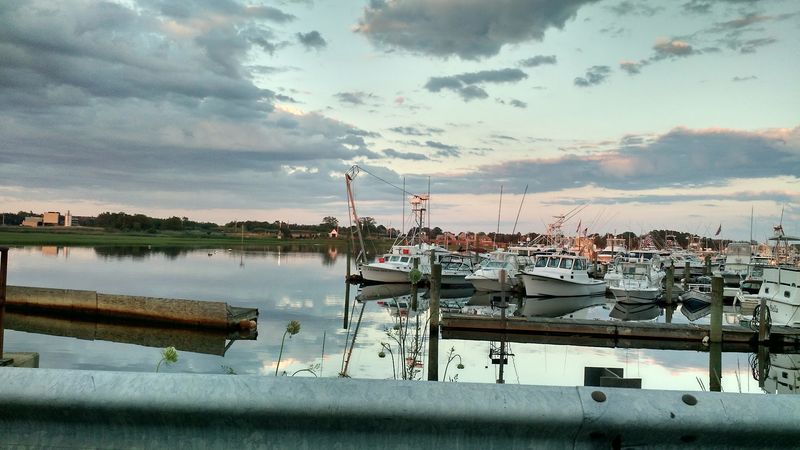
Marshfield operates at a pace that most visitors find disarming at first. There is no central commercial district demanding attention, no single landmark pulling every tourist in one direction.
Instead, the town spreads across eight distinct villages, each with its own character and its own relationship to the surrounding landscape.
Marshfield Hills is particularly charming in an understated way. Its general store has become a quietly celebrated local institution without losing the functional, community-facing identity that makes a general store worth visiting in the first place.
The town center serves as a gathering point for local shops, restaurants, and community events, where historic architecture sits comfortably alongside contemporary businesses.
Community spirit runs through Marshfield in visible ways. The Marshfield Fair, one of the oldest agricultural fairs in the United States, draws visitors each summer with a program rooted in tradition rather than spectacle.
The Levitate Music and Arts Festival adds a more contemporary layer to the town’s cultural calendar.
Indoor options, including Board and Brush Marshfield, The Grey Dog Axe Throwing, Escape Room Marshfield, Tabletop Adventures, and The Clubhaus with its golf simulators, ensure that rainy days carry their own appeal.
Village life here is not a theme. It is simply how things are.
From Pilgrim Footsteps To Modern Pursuits
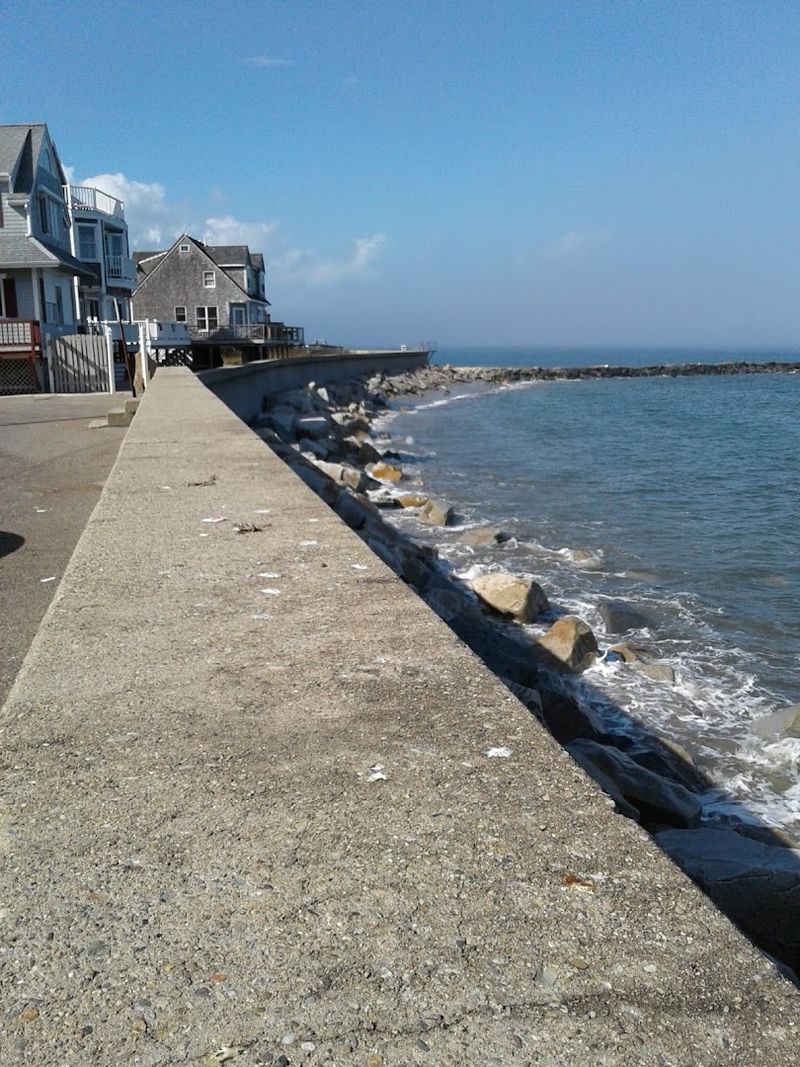
Edward Winslow arrived on the Mayflower in 1620 and eventually governed Plymouth Colony, leaving a mark on this stretch of coastline that persists more than four centuries later.
His descendants built the Winslow House in 1699, and the structure still stands at 634 Careswell Street, open for public visits between May and October.
That kind of continuity is not common, and it gives Marshfield a historical gravity that is easy to feel even without a guided tour.
Daniel Webster, the 19th-century statesman and orator, chose Marshfield as his country retreat and farmed the land with evident affection, earning him the informal title of “the Farmer of Marshfield.”
His estate at 238 Webster Street now functions as a heritage center and public green space, hosting events that range from educational programs to seasonal gatherings.
Modern pursuits in Marshfield fit naturally alongside this historical backdrop. Golf is available at the Marshfield Country Club and Green Harbor Golf Club.
The town also commemorates its past with a local Tea Party event, a smaller counterpart to the famous Boston event.
The Old Pier at Driftway Conservation Park preserves remnants of a wharf once used for sand transport, connecting industrial history with present-day recreational walking.
Marshfield manages the balance between past and present without making it feel forced or performative.
Seafood Shacks And Local Gathering Spots
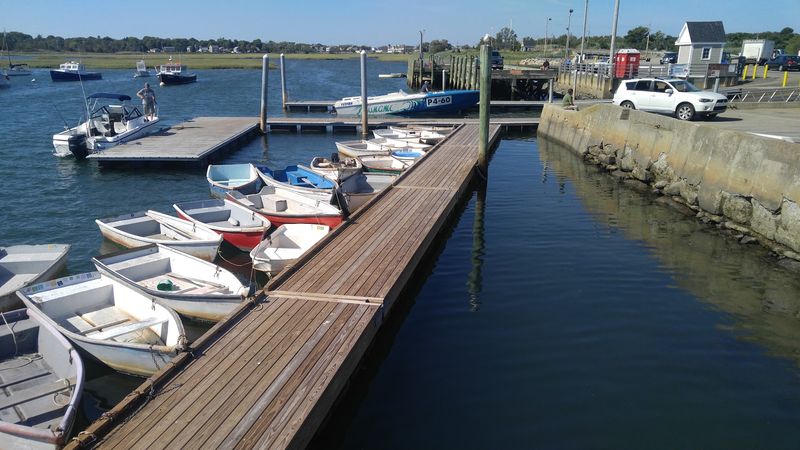
A coastal town without good seafood is a missed opportunity. Marshfield does not miss it.
The food culture here is honest and practical, built around what the surrounding waters actually provide rather than what a marketing team decided would photograph well.
Green Harbor hosts a seasonal lobster shack that draws steady local traffic throughout summer. The approach is straightforward: fresh product, reasonable preparation, and a setting that lets the food speak for itself.
Brant Rock adds to the culinary picture with seafood establishments clustered near the beach and esplanade, catering to the lively crowd that gathers there on warm afternoons and evenings.
Beyond seafood, the Marshfield Hills General Store serves as both a practical resource and a social anchor for its village.
Co-owned by actor Steve Carell, it maintains the kind of relaxed, community-first atmosphere that makes it worth a stop even if you only need coffee.
The broader dining scene in Marshfield reflects the town’s personality: unpretentious, locally oriented, and more interested in feeding people well than in chasing culinary trends.
Visitors who arrive expecting white tablecloths and elaborate tasting menus will need to recalibrate their expectations, but those who appreciate honest, well-sourced food will find Marshfield more than satisfying.
Pathways For Exploration And Serene Reflection
Marshfield rewards the kind of traveler who moves slowly and pays attention. Its network of conservation trails, waterways, and coastal paths provides a framework for exploration that does not require a strict itinerary or specialized equipment.
Just a willingness to walk and look carefully.
The John Little Conservation Area offers one of the more memorable trail experiences in town, with a long wooden jetty extending toward a floating dock on the North River.
The combination of boardwalk, meadow, forest, and marsh within a single property gives walkers a compressed but genuine sample of the local ecosystem.
The Hoyt-Hall Preserve provides a quieter loop around a pond, where swans appear with enough regularity to feel like residents rather than visitors.
On the water, kayaking and paddleboarding are popular along the South River and near Humarock Beach, where the protected waters between the peninsula and the mainland create ideal conditions for beginners and experienced paddlers alike.
Fishing from the pier at Green Harbor Beach remains a simple, satisfying activity available to anyone with a line.
For those who prefer observation over participation, the North River Wildlife Sanctuary observation platform delivers sightings of seals and shorebirds without requiring any particular skill.
Marshfield, Massachusetts offers reflection as naturally as it offers recreation.